- J
Bring Water Back to 10,000 People in Afghanistan
0% complete
$6,567 raised of $25K
23 donations
Urgent: Repairs needed to restore 250-year-old water system.
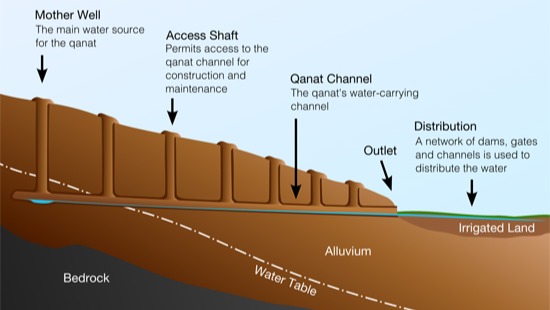
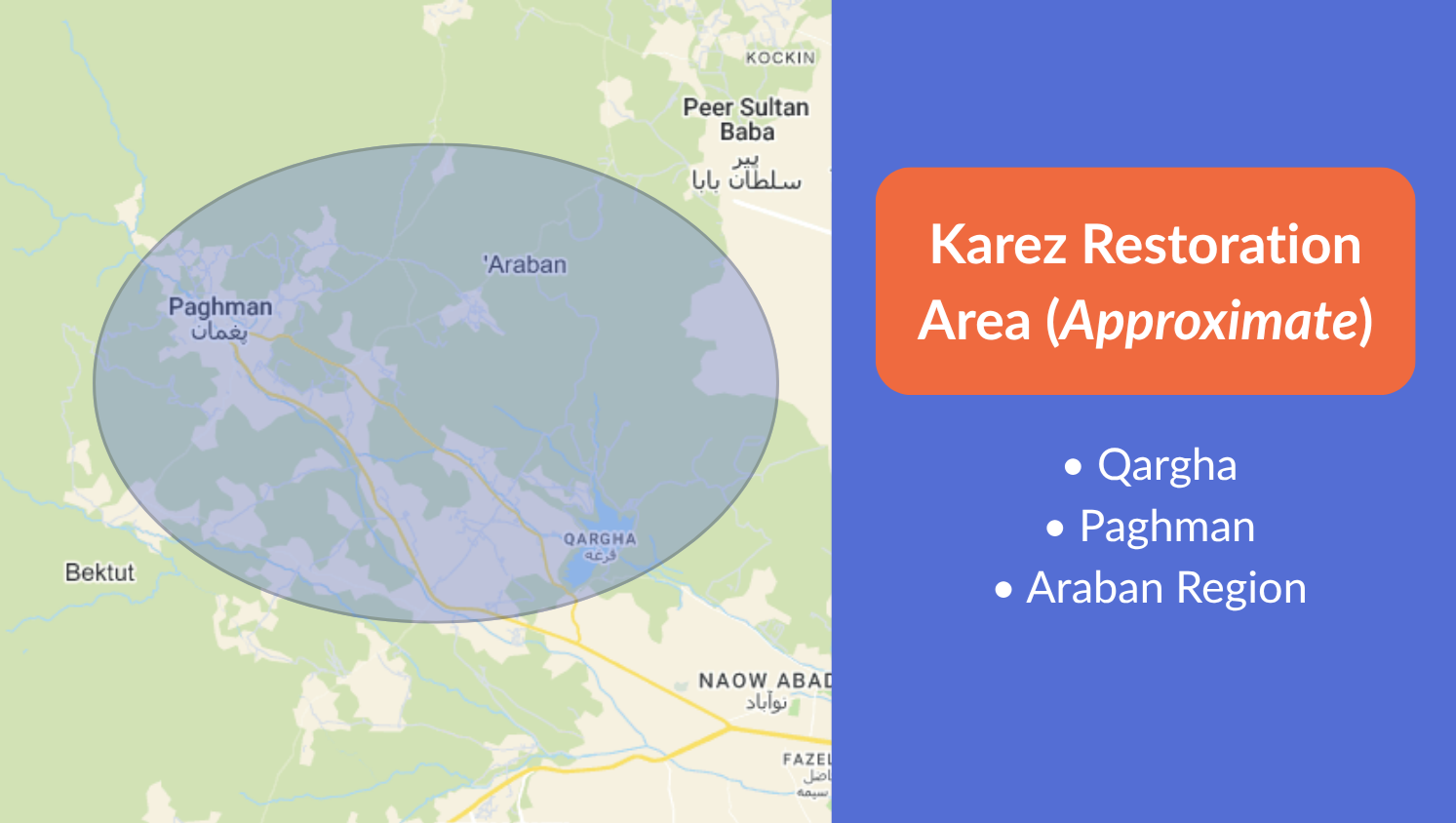
For over 250 years, a traditional underground water system known as a Karez Canal has sustained the people of Qargha-Paghman in Afghanistan.
This system sustains an entire community of more than 10,000 people by providing:
- Clean drinking water
- Water for daily household use
- Irrigation for agriculture
- Vibrant and diverse environmental ecosystem
Today, that lifeline is at risk.
The Crisis
The water has not dried up, but the system that delivers it is failing. Recent flooding and natural wear have caused parts of the underground tunnels and wells to collapse, while debris has blocked the flow of water entirely.
As a result:
- The Karez canal has stopped flowing
- Families are being forced to buy expensive water tankers
- Crops are at risk during the critical spring season
- The surrounding ecosystem is under threat
Most families do not have access to private wells, and drilling new wells is not a sustainable solution.
The Solution
We are working to restore and rehabilitate the Karez canal system by:
- Clearing blocked underground tunnels
- Repairing collapsed shafts and channels
- Restoring natural water flow to the surface
This is not a temporary fix; this is a long-term, sustainable solution. A restoration of a system that has served the community for generations.
Funding Goal
To fully restore the system, we need: $25,000 – $30,000
This will cover:
- Skilled labor for excavation and repair
- Removal of debris and blockages
- Structural reinforcement of tunnels
- Restoration of water flow to the community
Why Your Help Matters
By contributing to this project, you are not just donating, you are:
- Providing clean water to 10,000+ people
- Reviving a centuries-old sustainable system
- Supporting agriculture and livelihoods
- Preserving a vital environmental ecosystem
Project Plan & Timeline
The rehabilitation of the karez (underground aqueduct system) will be carried out in carefully planned phases to ensure both immediate relief and long-term sustainability, and is expected to take approximately 90 to 120 days with a dedicated team of around 10 workers operating daily.
Although a general assessment of the karez has already been completed, the project will begin with a detailed contractor-led field survey. An experienced karez rehabilitation team, specialized in traditional karez excavation and restoration, will be hired to reassess conditions on the ground alongside the community. This step is essential to confirm exact locations of collapses, blockages, and structurally weak areas.
Phase 1: Immediate Water Relief
The first priority is to restore water flow as quickly as possible. The team will identify and clear the most critical blockages in the Karez tunnels so that water can begin reaching the community again, even before full rehabilitation is completed.
Phase 2: Detailed Assessment & Planning
Once initial flow is restored, the team will:
- Identify collapsed sections and high-risk areas
- Locate and assess damaged wells
- Determine the exact scope of excavation required
- Specify the type and size of piping or reinforcement needed
Special attention will be given to approximately 20 wells that were blocked by road construction activities that dumped excess soil on and into the system.
Phase 3: Rehabilitation & Construction
The work will include:
- Reopening and exposing blocked wells
- Reinforcing well walls using appropriate materials
- Cleaning and restoring underground tunnels
- Installing necessary piping or structural supports where needed
This phase will involve the use of proper equipment and skilled labor to ensure durability and safety.
Transparency & Accountability
We are committed to maintaining full transparency throughout this project:
- A daily log of expenses will be recorded
- Videos and updates of the work will be captured regularly
- These updates will be shared with donors and supporters
- All financial transactions, purchases, and records will be documented and available for review
- Records will be maintained for accountability and potential audit purposes
Our goal is to ensure that every contribution is used responsibly and that donors can clearly see the impact of their support.
Project Leadership
The effort to rehabilitate the karez (underground aqueduct system) will be led by Salahuddin Qargha, a civil engineer who studied in Peshawar, Pakistan. Salahuddin was also involved in the first phase of the project (2010-2011) as part of the quality control team, during which portions of the karez that had been damaged by U.S. bombing were successfully restored.
The project will be guided by Dr. Zabihullah Mujaddidi, a civil engineer from Virginia Tech, who will serve as the senior technical expert. He will oversee the design, provide engineering guidance, and manage complex technical aspects of the project.
Saif Qargha, a civil engineer with a degree from the University of Florida, will coordinate the project from the United States. With over 26 years of professional experience in the U.S. and approximately eight years of engineering work in Afghanistan, he will support design review, oversee coordination efforts, and lead fundraising initiatives for the project.
The local representative (wakil-e guzar) will also be involved, along with a small team of community volunteers who will assist with basic daily tasks such as organizing the work area, coordinating with workers, and supporting communication between the community and the project team.
A Reminder
The Prophet Muhammad صلى الله عليه وسلم said:
أفضل الصدقة سقي الماء
“The best charity is giving water.”
This is an opportunity for ongoing charity (Sadaqah Jariyah), a continuous source of reward that benefits people every single day.
Final Appeal
This is an urgent and time-sensitive project.
With your support, we can restore this historic water system and bring life back to an entire community.
Even a small contribution can make a real difference.
Please donate and share this campaign with others.
Frequently Asked Questions
What are the fees? GoFundMe does not charge any platform fee (0%). The only fees applied are standard payment processing fees, which are approximately 2.9% + $0.30 per transaction for credit/debit cards (or 0% for ACH transfers).
Aside from these processing fees, 100% of your donation goes directly toward restoring the Karez and supporting the community.
About Watan Project
Watan Project is a U.S.-based 501(c)(3) nonprofit founded by Afghan-Americans in Southern California. The organization focuses on humanitarian aid and community-driven initiatives in Afghanistan.
Since its founding, it has raised over $400,000 and supported projects including food distribution, emergency relief, and assistance for vulnerable families. The work is centered on transparency, local collaboration, and long-term impact.
Watan Project is registered as a 501(c)(3) non-profit organization. Contributions to Watan Project are tax-deductible to the extent permitted by law. Our tax identification number is 87-2151491.
Questions?
If you have any questions, concerns, or inquiries please feel free to reach out to us! We will respond as fast as possible. Make sure to follow us on our Instagram page as well where updates will be shared regularly throughout the project.
Instagram: www.instagram.com/watanproject
Organizer
Watan Project
Beneficiary