- G
- P
- M
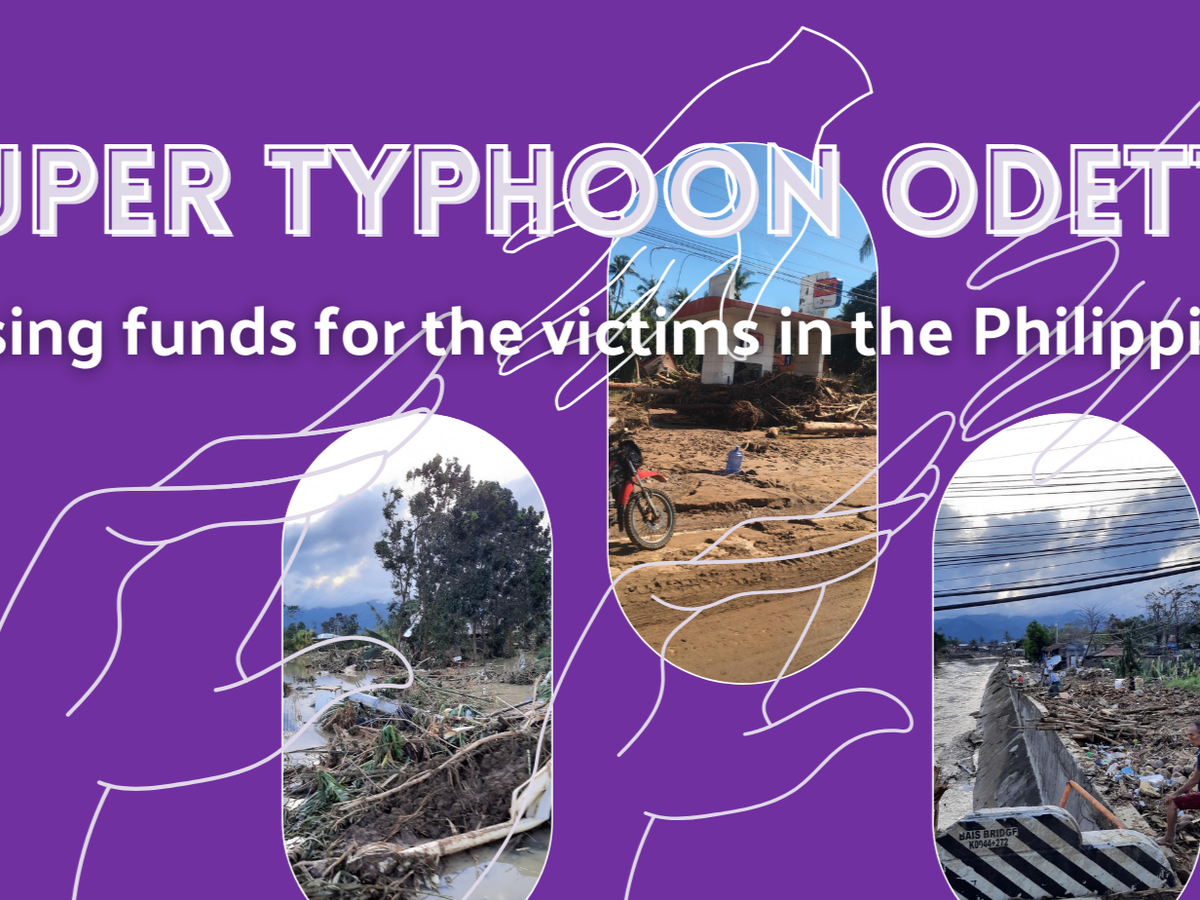
The team at Vivacity are devastated to hear about the news of what has happened in the Philippines with Typhoon Odette, which has affected so many in the south Philippines. We have a couple of team members based in Dumeguete, who are actively going out and helping those in need, in particular by providing food, water, clothing and assistance. We have already donated $500 Australian, which our team are using this week to get started with helping those who now have nothing.
The plan is to raise enough funds to help people to rebuild their homes and ensure that they have a roof over their heads.
About the Typhoon
Super Typhoon Rai (known as “Odette” in the Philippines) is the 15th storm to hit the country this year and is the strongest storm of 2021. The typhoon made landfall on Thursday, Dec. 16 at 1:30 p.m. local time on Siargao Island in southeastern Philippines. Shortly after landfall with winds at 160 mph, it underwent an eyewall replacement cycle and decreased in strength to a Category 4, but winds remained at 150 mph. Rai/Odette made several other landfalls at Category 3 and 4 intensities throughout the day as it moved through the Philippines. At 3:10 p.m. local time on Friday, Dec. 17, the typhoon made its ninth landfall in Roxas, Palawan, before moving into the West Philippine Sea.
At least 300,000 people evacuated ahead of landfall and millions were affected. According to the National Disaster Risk Reduction and Management Council, more than 10,000 villages were in the path of the typhoon.
The 2021 Pacific typhoon season lasts throughout the whole year, but most tropical cyclones develop between May and October. In 2021, the first tropical depression formed in January and the first tropical cyclone – a Tropical Storm named Dujuan (Auring) – developed on Feb. 16. So far this season, there have been 41 depressions, 22 total storms, nine typhoons and five super typhoons (unofficial category used by the Joint Typhoon Warning Center for extremely strong typhoons). A super typhoon is equivalent of a Category 5 hurricane. With the development of a Super Typhoon (Odette/Rai) in mid-December, it is clear that the season really does stretch for the whole year. It is the third Category 5 storm to hit the Philippines in the past two years; the second this year.
Odette/Rai strengthened from a Category 1 to 5 typhoon in just one day making it difficult for people to prepare for the arrival of the storm or to evacuate. The typhoon increased by 85 mph in just 24 hours. This rapid intensification of storms is becoming more common due to climate change. A similar process happened in the Gulf of Mexico in August with Hurricane Ida.
Accuweather said, “While Rai is expected to lose wind intensity as it curves to the north across the South China Sea, meteorologists say residents of eastern Vietnam and southern China should monitor the storm and be ready to make preparations should Rai approach land. It is possible that Rai will brush eastern Vietnam and Hainan with rain and wind from Sunday into Monday.”
Impact
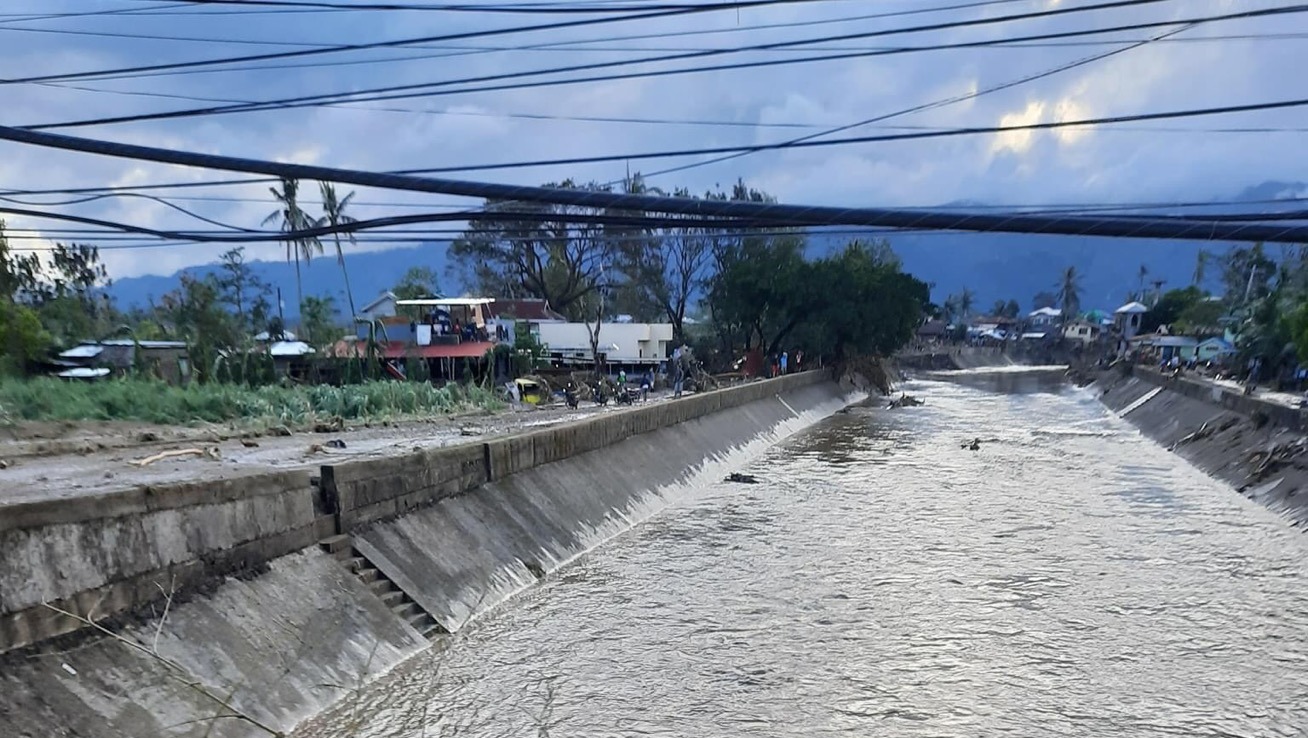
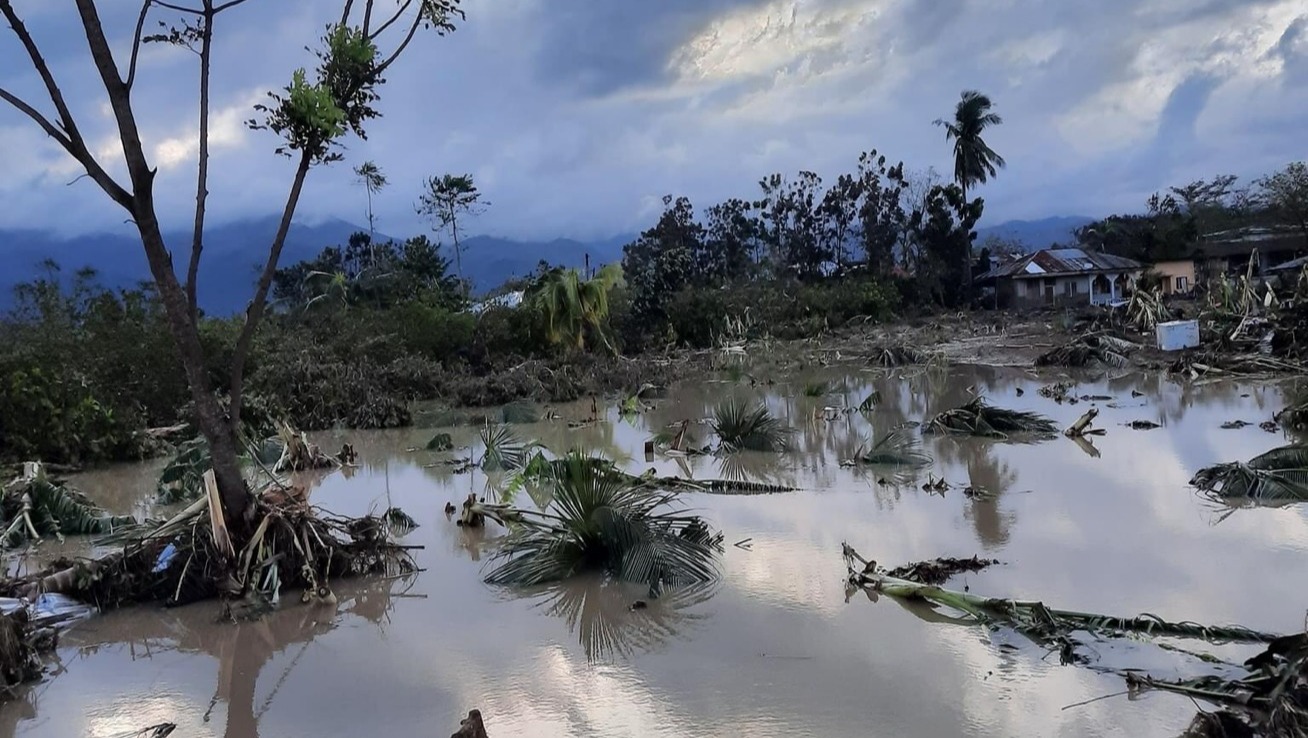
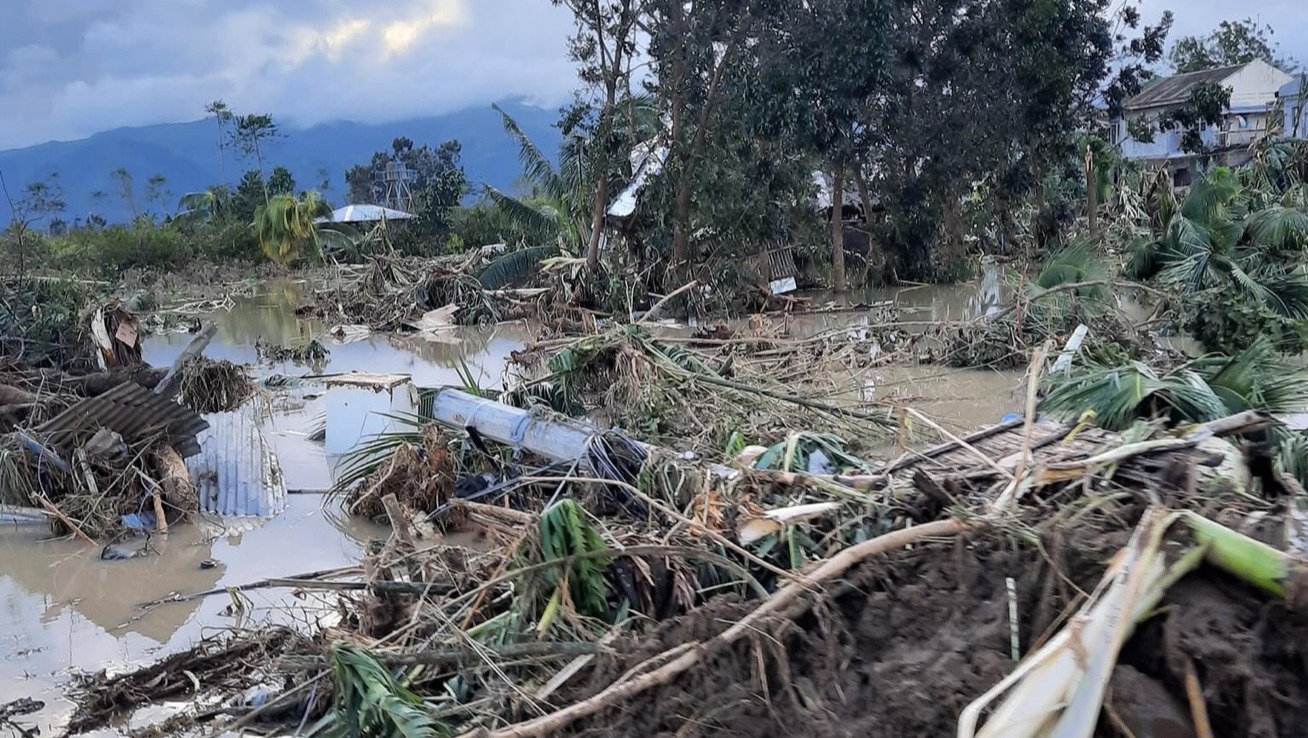
The full impact of the disaster is not yet known due to difficulties accessing locations, communication transmission outages and the initial focus on search and rescue. It has been reported that at least 17 people have died. Siargao Island is heavily damaged with extensive destruction according to officials. The Red Cross is reporting that at least 140,000 people have been severely affected as houses have been destroyed and many villages left underwater.
In Surigao City, on the northern tip of Mindanao and near Siargao, reports say everything is damaged. The mayor blames the storm moving very slowly as it traversed the area as the cause for the intensity of damage. Even the provincial disaster office is destroyed with a reporter saying, “It looks like it’s been hit by a bomb.”
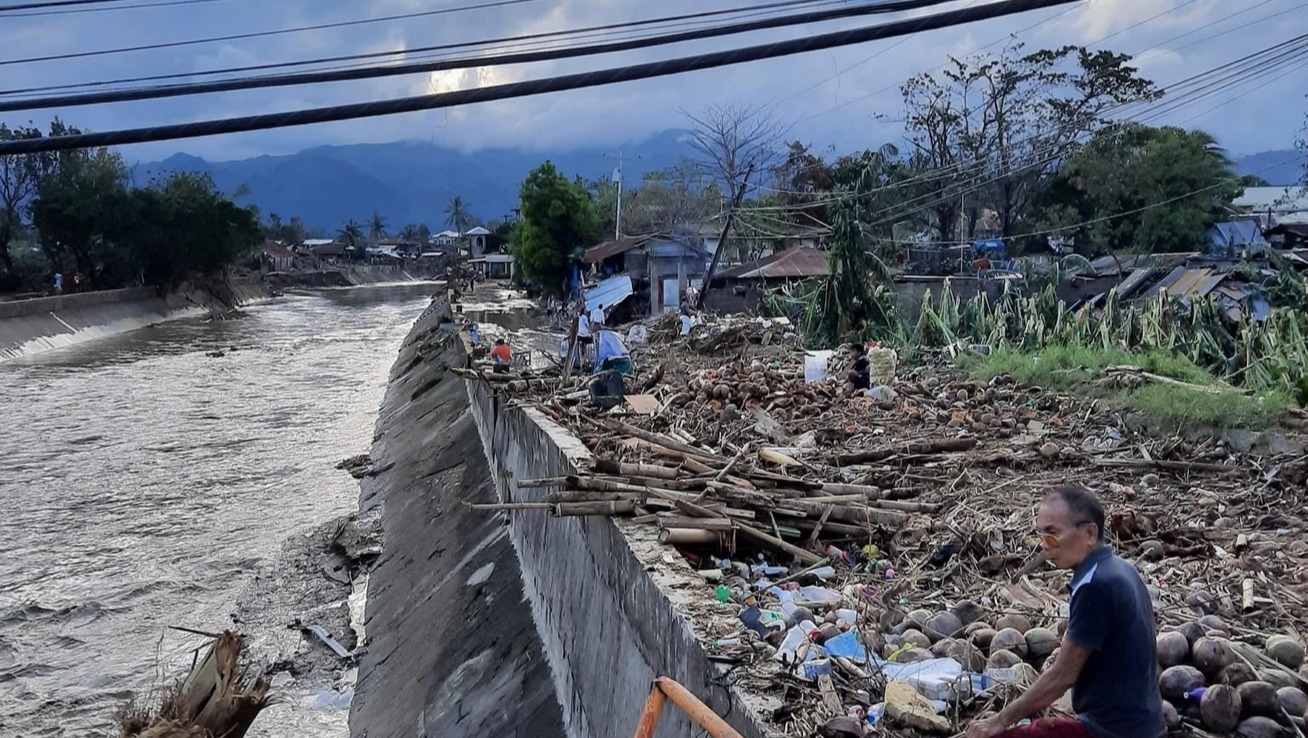
Generally, immediate needs after a typhoon of this scale include emergency shelter, food, water, sanitation and hygiene, evacuation support, family reconnection, health care, protection of at-risk populations and case management.
In addition to immediate response, long-term recovery needs include the rebuilding of homes and community infrastructure, restoration of electricity and water and sanitation systems, support for damaged businesses and agriculture.
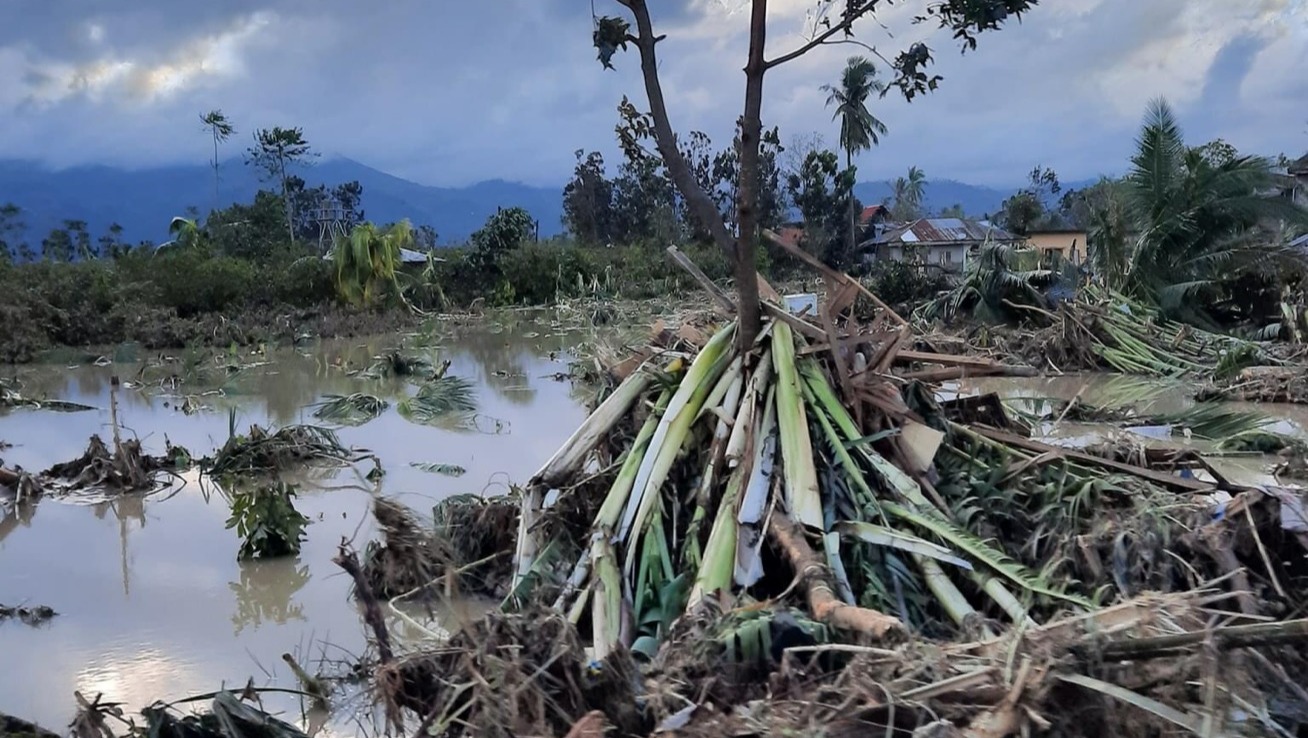
The Philippines was hit by several cyclones last year. The following areas of support are adapted from our recommendations at that time and have been updated for 2021:
Public Health: Those affected by typhoons this year will need support to deal with the health impacts of ongoing and recurrent disasters in their country, combined with additional risks posed by COVID-19. As of Dec. 16 there were 2,837,016 cases of COVID-19, compared to just 470,000 at this time in 2020. Accompanying the COVID-19 challenges are the ongoing developmental challenges of lower-middle-income countries in the Asia-Pacific region. The country was in the midst of its second three-day vaccination drive and vaccinations had to be delayed for the millions of people in the typhoon’s path. Access to clean and safe water and sanitation is a critical issue immediately after a typhoon disaster and this exacerbates risk of COVID-19 and other water-borne and communicable diseases. Mental health is also an area of immense need after any disaster but especially in contexts where disasters are frequent and extreme.
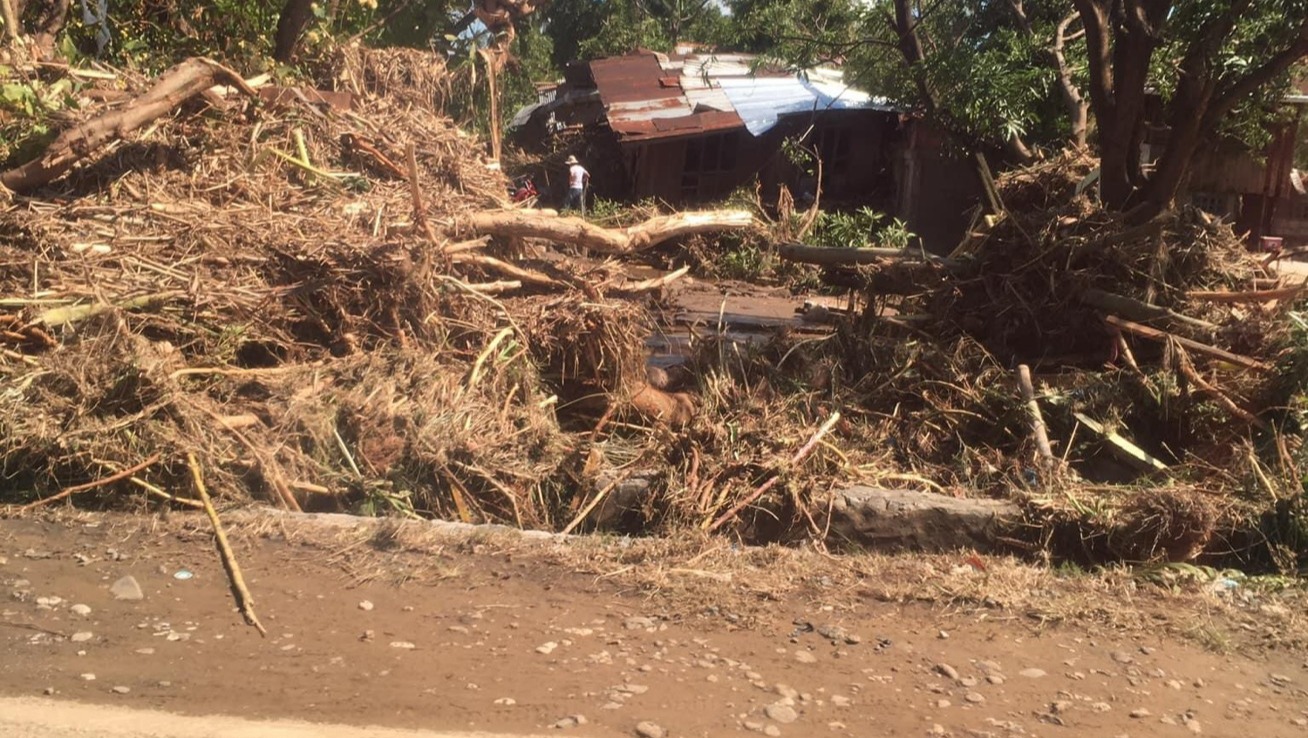
Island Recovery: Recovery on an island or chain of islands presents particular challenges. Lack of access when ports, ferry docks and runways are destroyed and communication challenges when power, information and telecommunication infrastructure is destroyed means relief and recovery efforts are slowed. Access to clean and safe water and adequate sanitation are a critical issues immediately after a typhoon and are especially challenging in an island environment. The slow pace of recovery means some families end up resettling in a new community and do not return home.
Economic Recovery and Housing: Across the affected areas, the loss of housing, community infrastructure and commercial/retail spaces is likely to be significant and the extent of the damage will prove challenging. In many rural communities, housing conditions were often poor before the storm, and loss of housing will lead to increased overcrowding in shared and communal shelters, which can also adversely affect health, particularly with the increased risk of COVID-19 transmission.
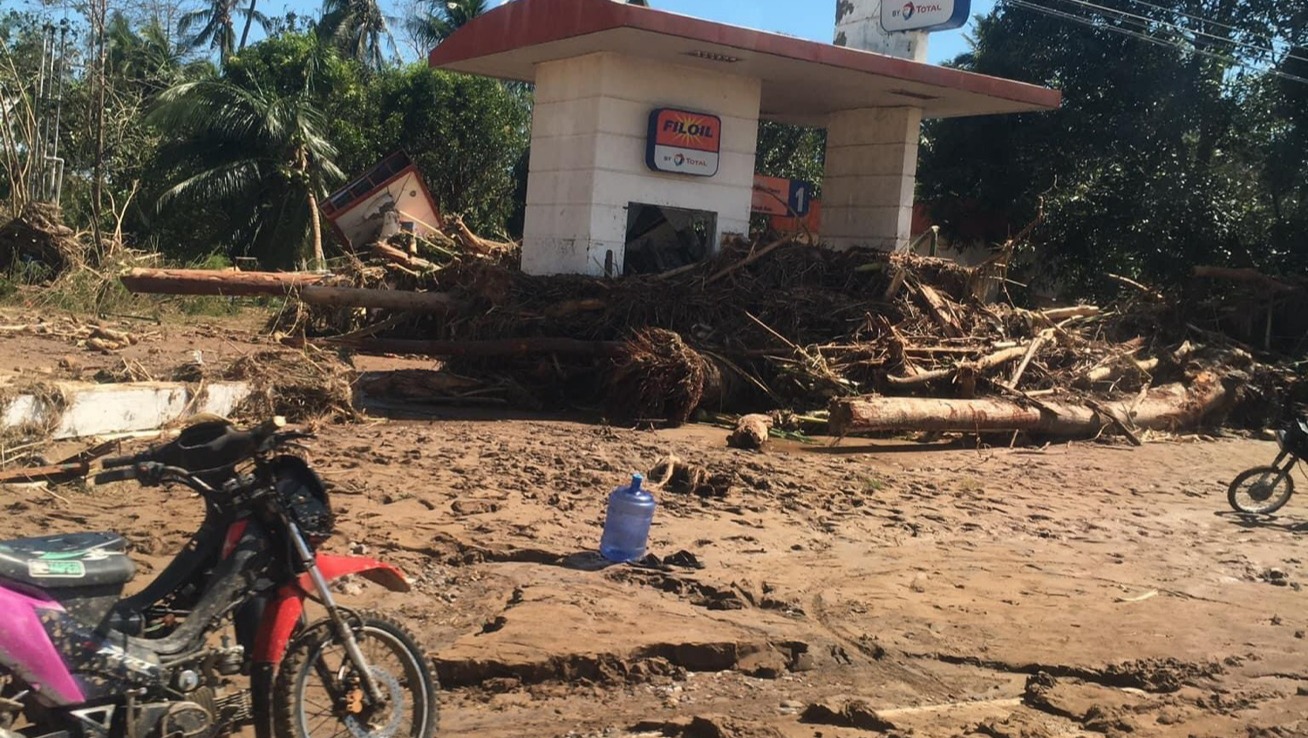
We will be providing ongoing support through my team at Vivacity and would appreciate any donation that you can make to assist those
