

Jean’s Journey: Fighting Cancer Together
0% complete
3.950 $ raccolti su
32 donazioni
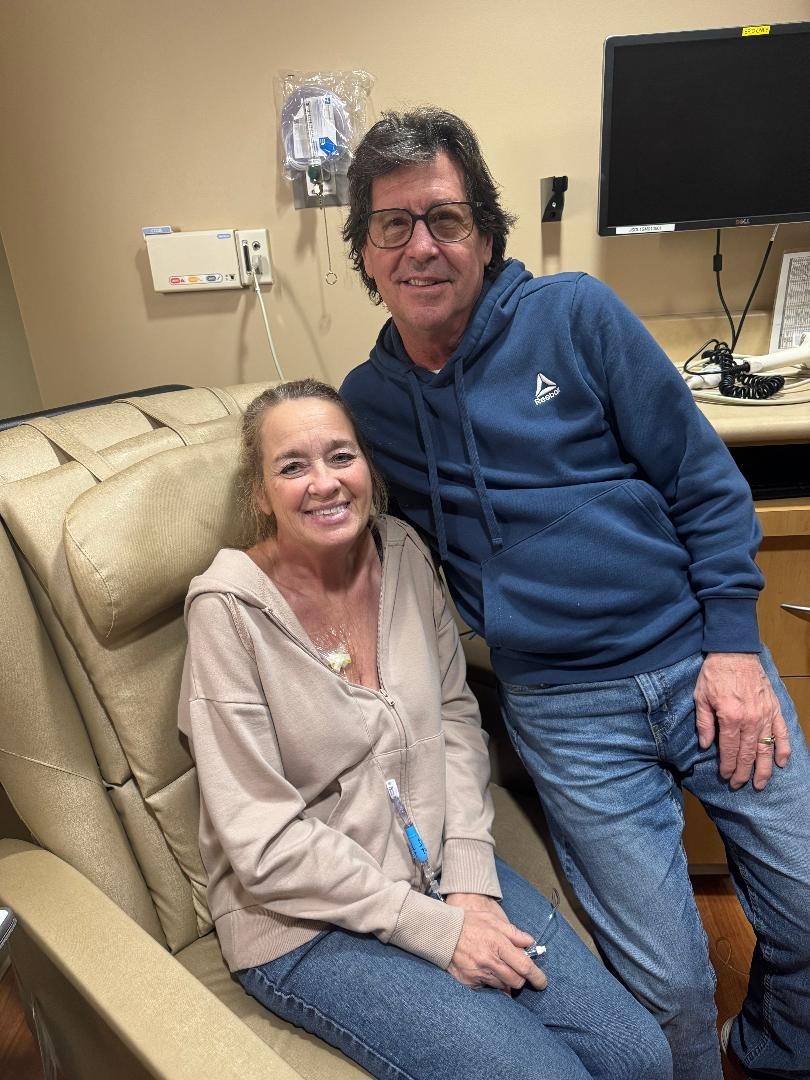
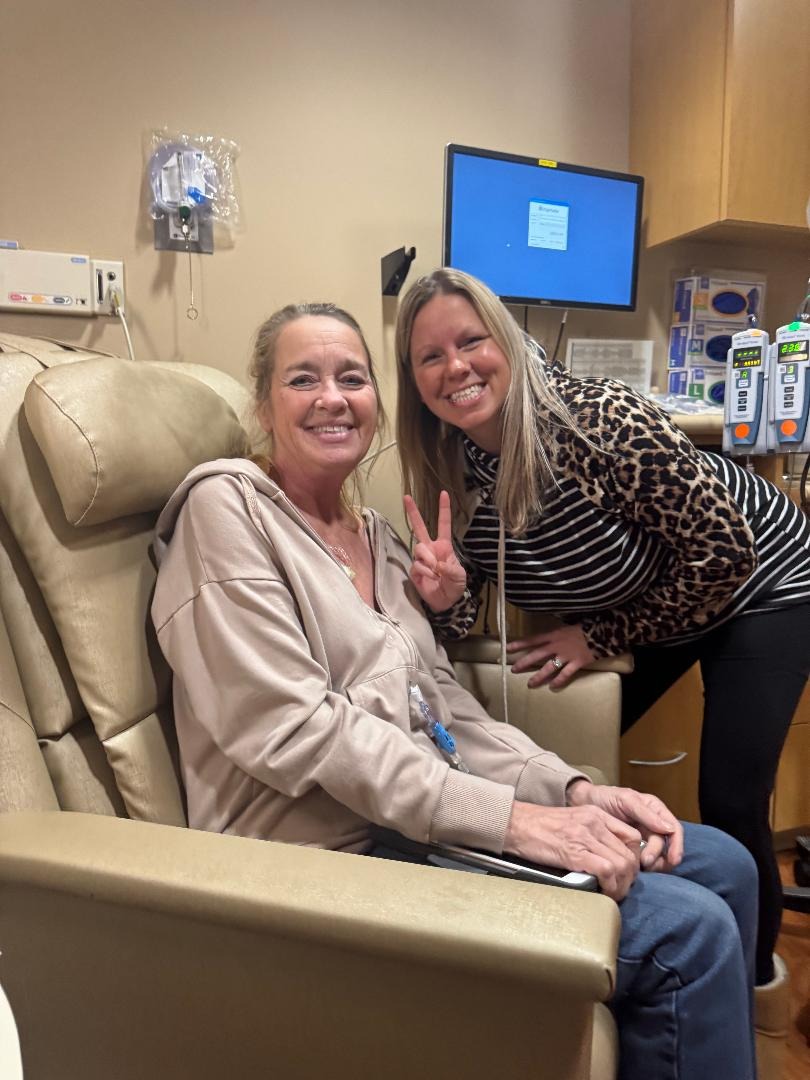
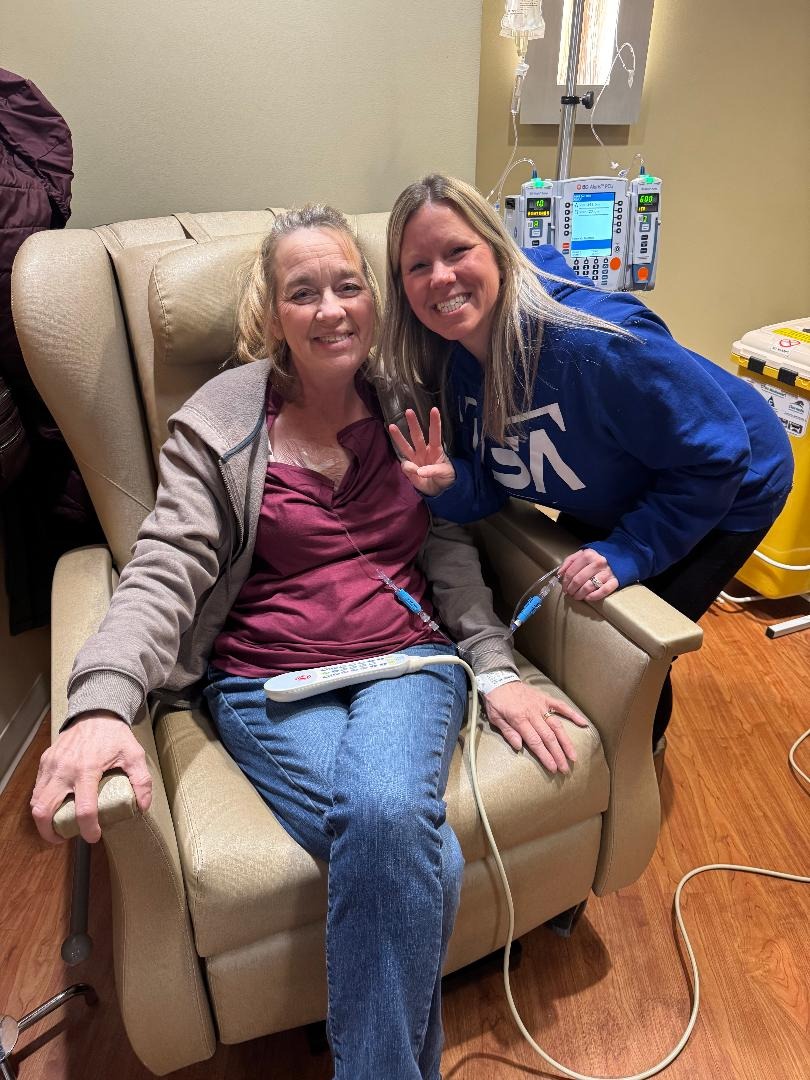
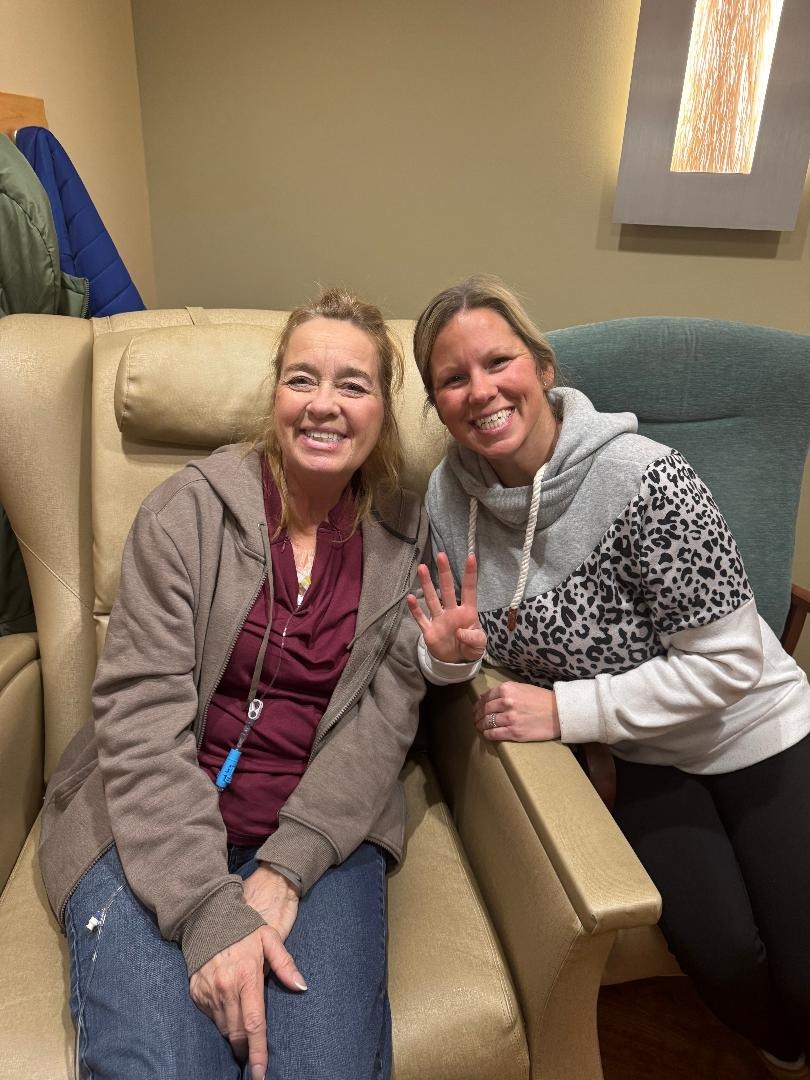
Hi, my name is Cassie Conard and I'm raising funds for my mom, Jean Perrigoue. Jean was diagnosed with non-small cell lung cancer in November 2025 and began treatment shortly afterward.
In February 2026, just one day after her fourth chemotherapy session, she experienced a grand mal seizure. Any donations will help ease the financial strain of cancer treatment and the loss of income while she is unable to work. Your support means so much to us as she continues her fight against cancer.
Timeline:
• March 2025: My mom began experiencing leg pain, swelling, and numbness in her toes, along with occasional episodes of shortness of breath. Her primary care provider (PCP) recommended that she reduce her salt intake, elevate her legs, and use compression stockings.
• August 2025: Her legs, ankles, and toes worsened, yet her concerns were dismissed by her PCP.
• September 2025: She saw a different PCP because her regular doctor was unavailable. We are grateful for this, as the new provider recognized the issue and referred her to a rheumatologist.
• October 9, 2025: My mom visited the rheumatologist, who quickly noticed clubbing of her fingernails and swelling in her limbs—signs of hypertrophic pulmonary osteoarthropathy. The doctor promptly ordered a chest X-ray and lab tests.
• October 11, 2025: That morning, I texted my Mom to ask if her feet were still bothering her. She replied, "Yes, they are. They took a chest X-ray and found a mass on my lung." After receiving this news, I immediately accessed her medical records and began researching and making calls to understand her diagnosis.
• October 22, 2025: A chest CT scan revealed a 5.9 x 5.3 cm mass in her left lung, which appeared highly suspicious for cancer. That evening, the rheumatologist called us after hours to inform us of the findings and promptly referred her to an oncologist for further evaluation.
• October 28, 2025: At the initial oncology consultation, the doctor recommended a biopsy of the lung mass and chest wall lymph nodes to guide treatment decisions.
• October 29, 2025: An outpatient robotic navigational bronchoscopy was conducted to obtain biopsies from both the mass and the lymph nodes. However, due to complications during the procedure, only the mass was successfully biopsied, and the lymph node biopsy was discontinued.
• October 30, 2025: The following day, my mom’s pain intensified and she began having significant difficulty breathing, prompting my stepfather to take her to the ER. When I arrived, she was experiencing severe pain with each breath and her oxygen level was at 82%. Witnessing her discomfort was extremely gut wrenching. She was provided with 5 liters of oxygen, strong pain relief, and underwent several scans, but an immediate cause was not identified. She was admitted to the hospital. I reached out to the pulmonologist who had performed her biopsy for further insight. Unexpectedly, he returned my call and, although he did not have a definitive explanation, he started coordinating with the hospital team. It was determined that the recent biopsy had caused significant inflammation in her lung, leading to pleurisy (where the lung rubs against the chest wall with breathing). Additionally, she was diagnosed with necrotizing pneumonia, necessitating strong antibiotics and collaboration with an infectious disease specialist.
• November 3, 2025: The biopsy results were received, and we heard the words “You have lung cancer.” for the first time. My Mom was discharged from the hospital on November 5th.
• November 28, 2025: She began the first of four chemotherapy sessions. To our relief, she handled the treatments well, experiencing only minimal side effects, and completed the fourth session on February 2nd. Remarkably, she is among 5% of patients who do not lose their hair.
• February 3, 2026: Unfortunately, one day after her fourth treatment, she had a grand mal seizure at work and was transported by ambulance. Although the CT scan of her head and neck appeared normal, she continued to report discomfort in her brain. We followed up with her Neurologist.
• February 11, 2026: We consulted with a new neurologist who ordered a 24-hour EEG and recommended gradually adjusting seizure medications over 8 weeks. Unfortunately, the EEG recorded only 1 hour, but it did reveal abnormal brain activity. As a result, the medication adjustment was accelerated to a two-week period. This rapid change placed significant stress on her brain, increasing the risk of seizures. Consequently, her oncology treatment was temporarily paused to allow for discussion of the next steps with the Cancer Board.
Organizzatore e beneficiario

Bill Perrigoue
Beneficiario