The company was founded at the intersection of aerospace engineering, robotics, and disaster recovery.
Its origins trace back to a post-earthquake assessment project, where a small team of structural engineers and UAV specialists were tasked with evaluating unstable buildings that were too dangerous for human crews to enter. Traditional demolition methods were slow, ground-heavy, and often required extensive perimeter closures—delaying recovery and increasing risk.
During one such project, the team identified a recurring problem: partially collapsed structures that could not be safely dismantled using explosives or heavy machinery, yet posed immediate danger to surrounding infrastructure. What was needed was not brute force, but precision—the ability to apply controlled energy exactly where structural failure was required.
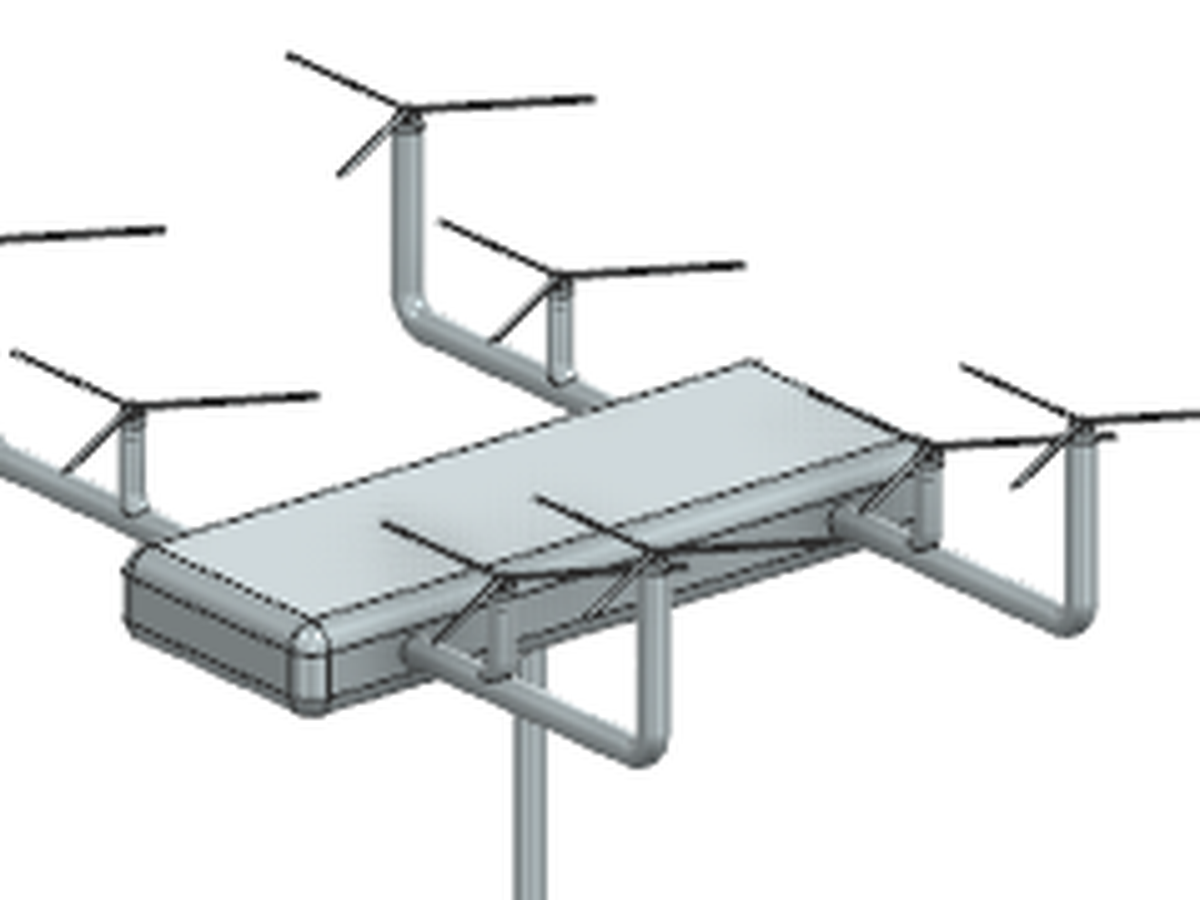
The breakthrough came from rethinking an old principle through a modern lens: pendulum-based inertia. By combining controlled mass, precise flight stabilization, and real-time structural modeling, the team developed an aerial platform capable of delivering repeatable, measured impact without relying on explosives or large ground equipment.
Early prototypes were tested in decommissioned industrial sites, focusing on:
controlled removal of compromised walls,
safe collapse of unstable facades,
and targeted structural reduction in confined urban environments.
As the technology matured, its applications expanded beyond demolition into emergency response, hazardous site remediation, and post-disaster recovery, where speed and precision are critical and human exposure must be minimized.
Today, the company positions itself not as a demolition firm, but as a structural deconstruction technology provider—offering tools designed to make dangerous environments safer, operations more efficient, and urban recovery faster and more controlled.
Its guiding principle remains unchanged since the first prototype flight:
Remove risk from people by putting precision into machines.