- E
- L
ITALIANO
Ciao, sono Alessandro Margreth, ho 25 anni e mi trovo attualmente in Kenya con il Servizio Civile Universale.
Dopo la laurea, ho scelto di intraprendere questa meravigliosa esperienza, lavorando con le comunità locali in progetti legati alla salute pubblica e al rafforzamento dei servizi di base negli insediamenti informali di Nairobi.
Da alcuni mesi collaboro quindi con strutture sanitarie, in particolare nell’area di Korogocho e di Ngomongo, due degli insediamenti informali più complessi e più densamente popolati della città.
Solo per citare qualche dato, secondo le Nazioni Unite le abitazioni sono in gran parte costruite con materiali di fortuna: il 97% dei tetti è in lamiera di recupero, il 55% dei pavimenti in terra battuta e il 46% dei muri in fango.
Il 61% delle famiglie vive in un’unica stanza di circa 10 metri quadrati, condivisa in media da 3,1 persone.
L’accesso all’acqua potabile è limitato: solo il 41% delle famiglie ha una fonte d’acqua a meno di 100 metri da casa.
Sul fronte igienico e sanitario, solo il 38% delle famiglie dispone di una latrina privata. L’uso dei cosiddetti flying toilets – sacchetti usati come latrine – è ancora diffuso, soprattutto di notte, per motivi legati alla scarsa sicurezza.
L’HIV colpisce il 14% dei residenti, il doppio della media nazionale, e AIDS e tubercolosi causano il 50% dei decessi sopra i cinque anni.
Le condizioni ambientali, l’assenza di sistemi fognari e la prossimità alle discariche contribuiscono alla diffusione di malattie come diarrea, tifo e infezioni respiratorie.
Infine, il 72% degli abitanti percepisce Korogocho come un luogo insicuro. I crimini più comuni sono furti e rapine, spesso perpetrati da giovani disoccupati, e il 66% degli episodi avviene in pieno giorno.
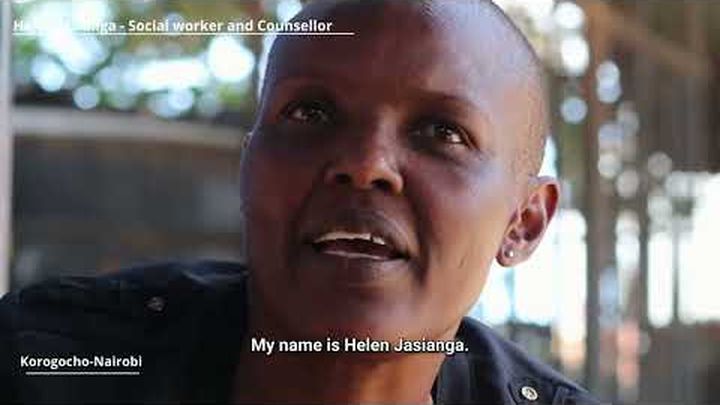
Da questo contesto nasce quindi l’idea di un documentario, con l’obiettivo di raccontare il funzionamento dei servizi sanitari in aree marginalizzate e avviare una raccolta fondi per l’acquisto di un ecografo per la struttura sanitaria di Ngomongo level 2, un punto di riferimento per la popolazione di Korogocho, pur operando con risorse limitate.
Il centro sanitario di Ngomongo aspira infatti a costruire un reparto maternità a favore delle oltre 750 donne in gravidanza che richiedono accesso ai servizi sanitari materni nelle aree circostanti migliorando la qualità e la tempestività delle cure pre e post-natali, riducendo i rischi legati al parto e garantendo un ambiente sicuro e attrezzato per madri e neonati in un contesto dove, spesso, anche gli strumenti di base non sono garantiti.
Il vostro sostegno, di qualunque entità, può davvero fare la differenza.
ENGLISH
Hello, my name is Alessandro Margreth, I’m 25 years old and I am currently in Kenya as part of the Italian Universal Civil Service.
After graduating, I chose to embark on this meaningful experience, working with local communities on public health initiatives and the strengthening of basic services in the informal settlements of Nairobi.
For the past few months, I’ve been collaborating with healthcare facilities, particularly in the areas of Korogocho and Ngomongo, two of the most complex and densely populated informal settlements in the city.
To give you an idea, according to the United Nations, most homes here are built using makeshift materials: 97% of roofs are made of scrap tin sheets, 55% of floors are just earth, and 46% of walls are made of mud.
61% of households live in a single room of around 10 square meters, typically shared by an average of 3.1 people.
Access to clean water is limited: only 41% of families have a water source within 100 meters of their home.
On the sanitation front, just 38% of households have access to a private latrine. The use of so-called “flying toilets” – plastic bags used as makeshift toilets – remains widespread, especially at night, due to safety concerns.
HIV affects 14% of residents, which is double the national average, and AIDS and tuberculosis account for 50% of deaths among those over five years of age.
Environmental conditions, the absence of sewage systems, and proximity to dumpsites contribute to the spread of diseases such as diarrhea, typhoid, and respiratory infections.
Lastly, 72% of residents perceive Korogocho as unsafe. The most common crimes are theft and robbery, often carried out by unemployed youth, and 66% of incidents occur during the day.
It is within this context that the idea of a documentary was born, with the aim of shedding light on how healthcare services function in marginalized areas and launching a fundraising campaign to purchase an ultrasound machine for the Ngomongo Level 2 Health Centre. This facility is a crucial point of care for the local population, despite operating with limited resources.
The Ngomongo Health Centre seeks to establish a maternity ward to support over 750 pregnant women in the surrounding communities. The goal is to enhance the quality and timeliness of prenatal and postnatal care, minimize childbirth-related risks, and provide a safe, properly equipped space for mothers and newborns in an area where even essential medical tools are frequently lacking.
Your support, whatever the amount, will truly make a difference.