- D
- J
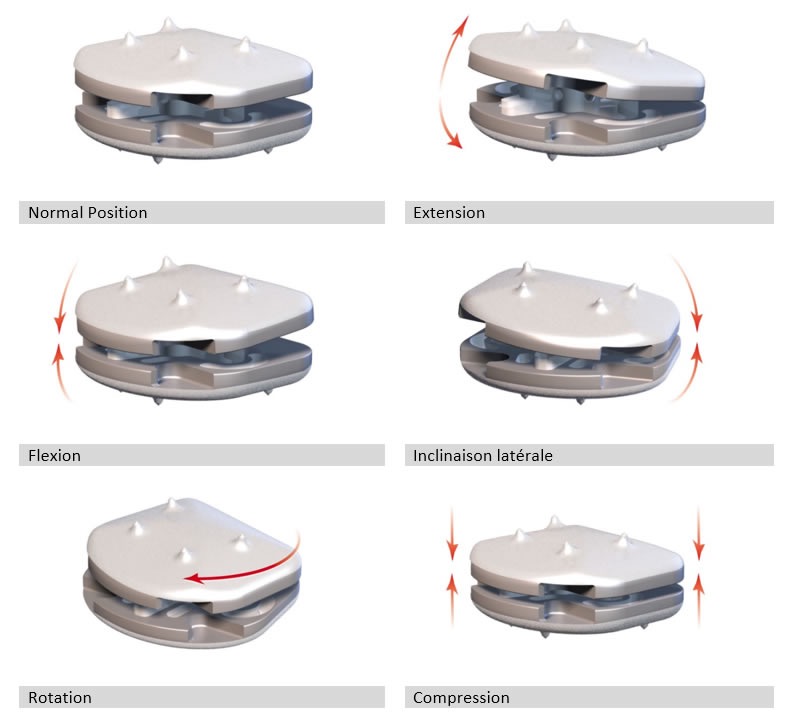
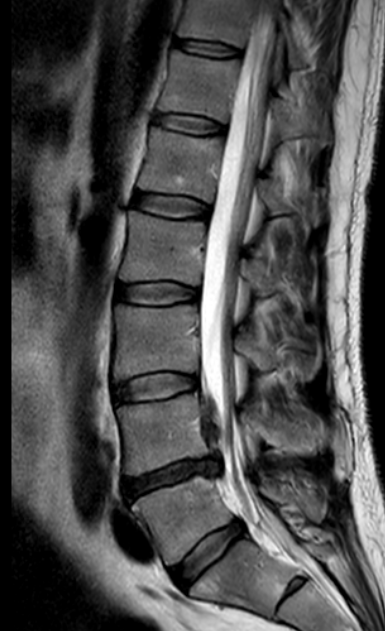
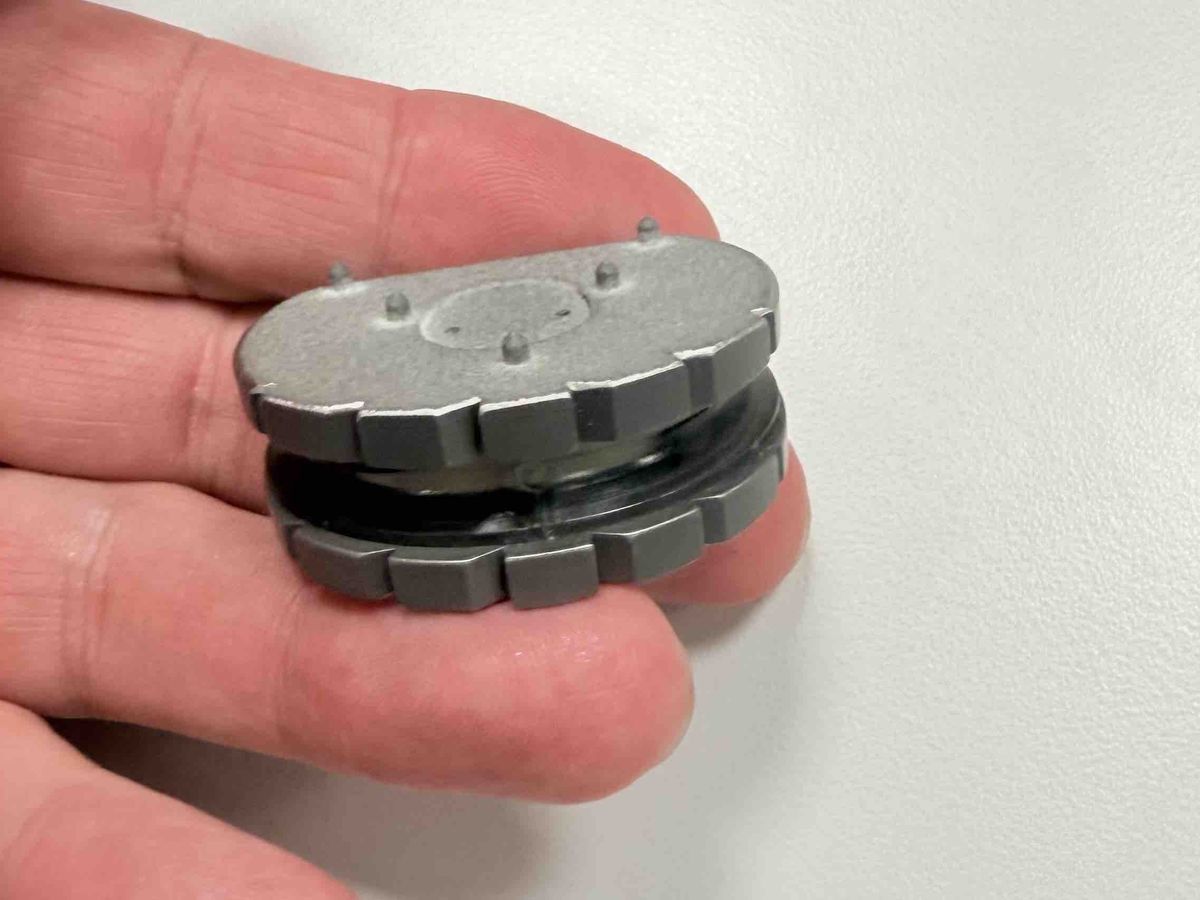
In 1999, aged 19, I suffered a major spinal injury. A discectomy saved me from losing function in my legs, and for nearly two decades I did well — despite the odd flare-up, I worked hard, built Delphian, and followed all the advice: stay strong, stay fit, maintain a good core. Then during the 2020 lockdown, I re-injured myself. An MRI was done — but the results were never communicated to me. I wasn’t told that the same disc operated on in 1999 had seriously degenerated and herniated. I just carried on: deadlines, family life, recording sessions. But the disc height was decreasing, pain was increasing, and over the next five years I had to stop rowing, running, swimming and eventually leave the gym. In early February, I picked Samuel up from his travel cot — and couldn’t walk for a week. Things unravelled properly in April. A major herniation during a recording trip left me barely able to walk. Disc material had migrated upward into my spinal canal, causing severe nerve compression. The pain was constant. My left had begun to waste away. For weeks, I needed a crutch, and every step was painful. In the past few weeks, the pain has finally begun to subside as the nerve agitation settled to a new norm. But the nerve compression has taken its toll. I’ve now lost almost all sensation below the thigh in my left leg — walking is exhausting, and I often trip over door thresholds I can’t feel. The reduced pain is welcome, but the risk of permanent damage is now very real. Thanks to the extraordinary generosity of friends, family and colleagues, I’ve just undergone surgery in Düsseldorf. I’m writing this on day two post-op. The plan had been to replace the damaged disc at L4/5 — but after meeting me in person, my surgeon, Dr Schmitz, determined that the next level down (L5/S1) was already severely bulging against my spinal cord and likely to fail within months. The decision was made at the 11th hour to replace both discs. That added £8,000 to the bill — but post-surgery, he told me plainly: “That disc was looking round the corner.” The operation took three and a half hours. I’m now beginning the long recovery — seven days in Germany (the clinic have kindly said ai can stay longer at no extra cost if pain levels haven’t settled), followed by months of healing and rehab back home. I’ll need three months of rest before physical therapy. At six months, the prostheses should be fully integrated and I should be beginning my new normal; by month twelve, I’ll be able to resume full physical activity with no limitations. For he first time in decades I ought to be able to put in socks and shoes without pain.
This has been a challenging time — physically, emotionally, financially. I’ve coped with the hire of an overseas Edinburgh student, who has accompanied me everywhere for the past months — loading and unloading equipment in Oxford, lifting mic stands and everything else. Without that support, I couldn’t have continued working at all.
There’s still a financial gap to close, now that the surgery has doubled in scope. If you’re able to help l by sharing, by donating, or simply by reading, it means a huge amount. I’ve had over 100 donations so far — it’s been amazing to watch things snowball and to feel the care from so many friends and colleagues. This community has kept me going. Thank you, from the bottom of my heart.
Paul
Organizer