
How Do You Know a Cancer Treatment Will Work?
0% complete
$230,260 raised of $1M
39 donations

Empowering Cancer Patients With Data-Driven Treatment Decisions
When cancer comes back after standard treatment, patients and their oncologists face one of the hardest questions in medicine:
What do we try next—when time is short and the stakes are everything?
Too often, the next step is an educated guess: another treatment with uncertain benefit, real toxicity, and precious weeks lost while the cancer continues to grow.
What if dozens of cancer drugs can be tested on a patient’s tumor cells outside their body before the treatment is given?
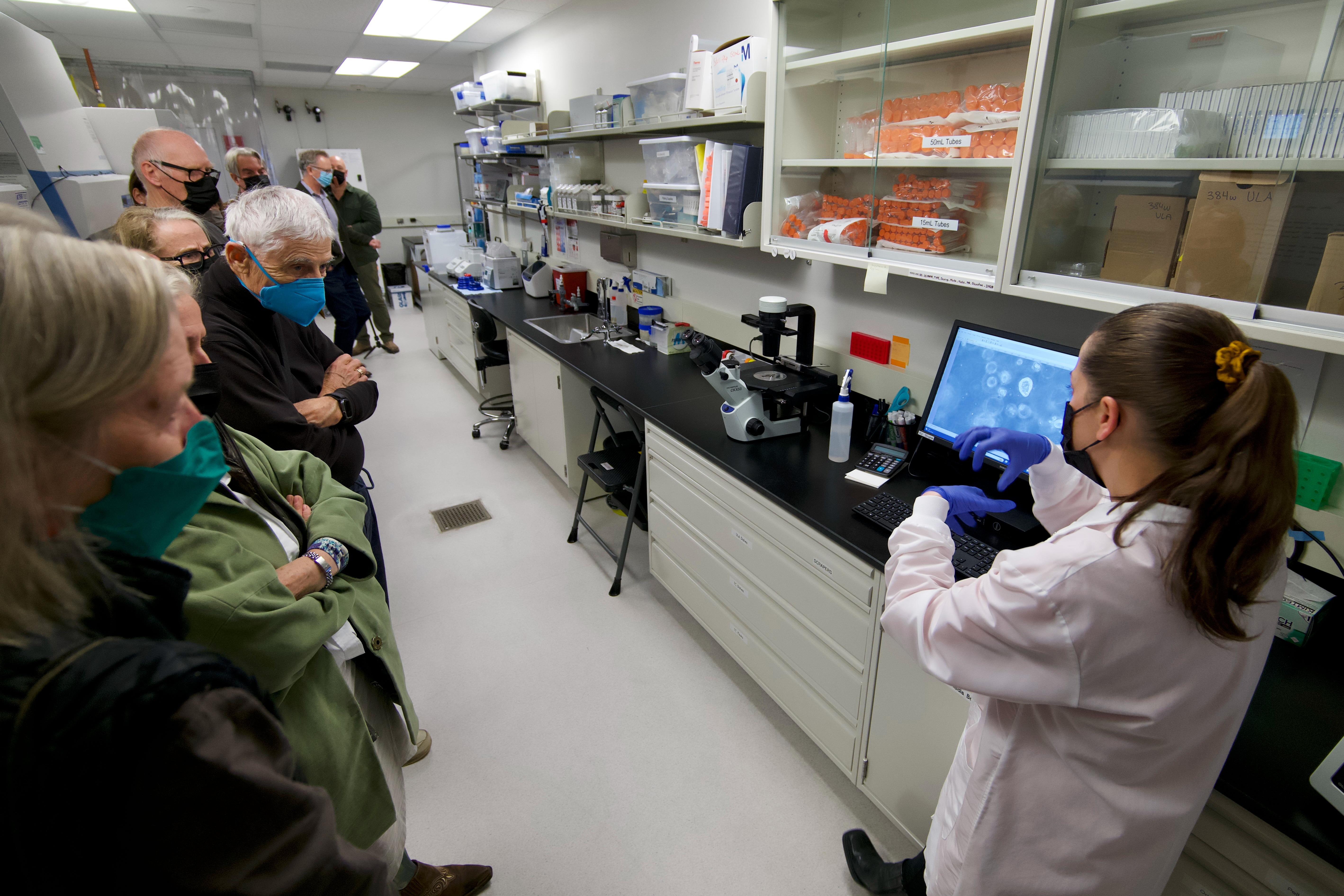
Today this is possible. Using a small sample of a patient’s cancer, we grow the tumor cells in the lab and test many approved therapies at the same time. The results help oncologists identify which treatments are most likely to work for that individual cancer.
Our nonprofit, Cure First, is making this test available to patients who need better answers — especially important when standard treatments are no longer working.
And here’s the deeper problem: cancer isn’t one disease. Even within the same diagnosis, every tumor can behave differently and one-size-fits-all treatments help only a fraction of patients.
The PARIS® test provided by Cure First, is built to change that. It is the most advanced test in the world.
Instead of relying on a single mutation to predict what “should” work, we measure the actual response of the patient’s tumor—and provide a ranked list of therapies from most effective to least effective based on that patient’s own cancer.
This testing is performed in a CLIA-certified laboratory. We can do it for all solid tumors—with clinical-grade standards and oversight.
What this means for a patient
It enables a patient to answer the all-important question:
“Which treatment is most likely to help me—based on my cancer?”
We’ve seen what can happen when the right treatment rises to the top—especially for people facing limited options.
A woman with advanced ovarian cancer entered hospice care, unable to eat due to bowel obstruction. The PARIS test identified two treatment strategies not typically used for her cancer type. She regained strength, traveled, and lived three additional years with meaningful quality of life. (Published in npj Precision Oncology, Gray et al., 2023.)
A patient with advanced pancreatic cancer received a combination of immunotherapy and PARIS-informed treatments and achieved a complete remission. To our knowledge, she remains alive more than six years later. (Published in JCO, Precision Oncology, King et al., 2023.)
These are documented outcomes, not theoretical models. And behind them is something surprisingly rare in oncology care: direct evidence from the patient’s own living cancer cells.
Why we need your help
Maintaining this capability requires:
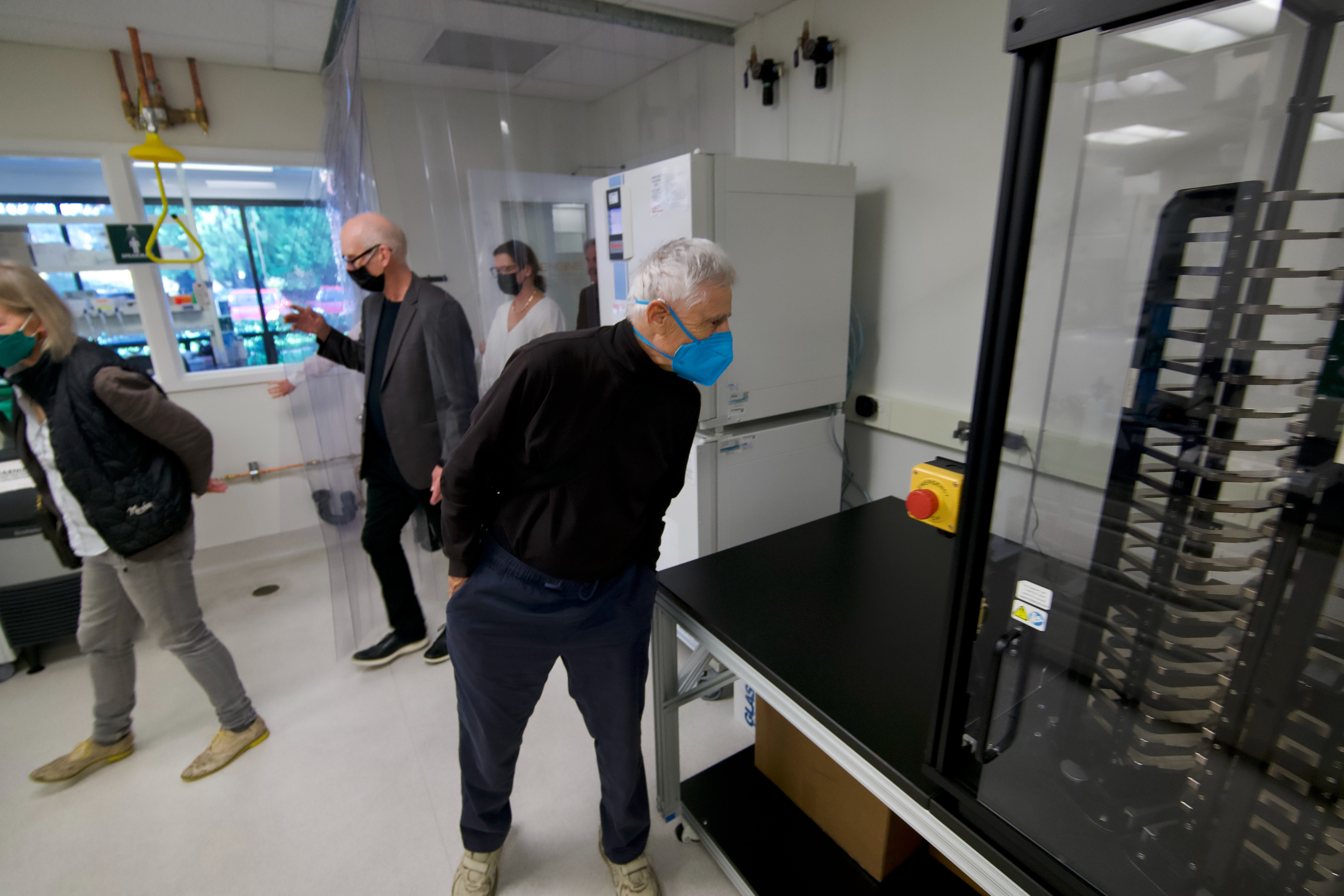
- specialized robotics and lab infrastructure
- expert cell culture capability
- unique software and computational analysis
- scientific and clinical oversight
- the operational continuity to run the test reliably, patient after patient
Your Tax-deductible contribution is what keeps this available for patients who need it most—especially when cancer has recurred and time is precious.
The goal
To secure additional funding in order to expand access to this testing—so more patients and oncologists can make informed, evidence-based decisions especially when the usual options have run out.
Far too many have experienced the loss of a family member or a friend, so we’re reaching out to you who have been or will be affected by cancer treatment, people who refuse to accept guesswork as the default when someone’s life is on the line.
Join us
Give patients better odds, fewer wasted months, and a clearer path forward—this is a place where your donation can have real, practical impact.
Take action. Give today.
Share this with friends and family.
Test the drugs. Not the patient.