Project Summary
Title: Hope for Every Child Initiative
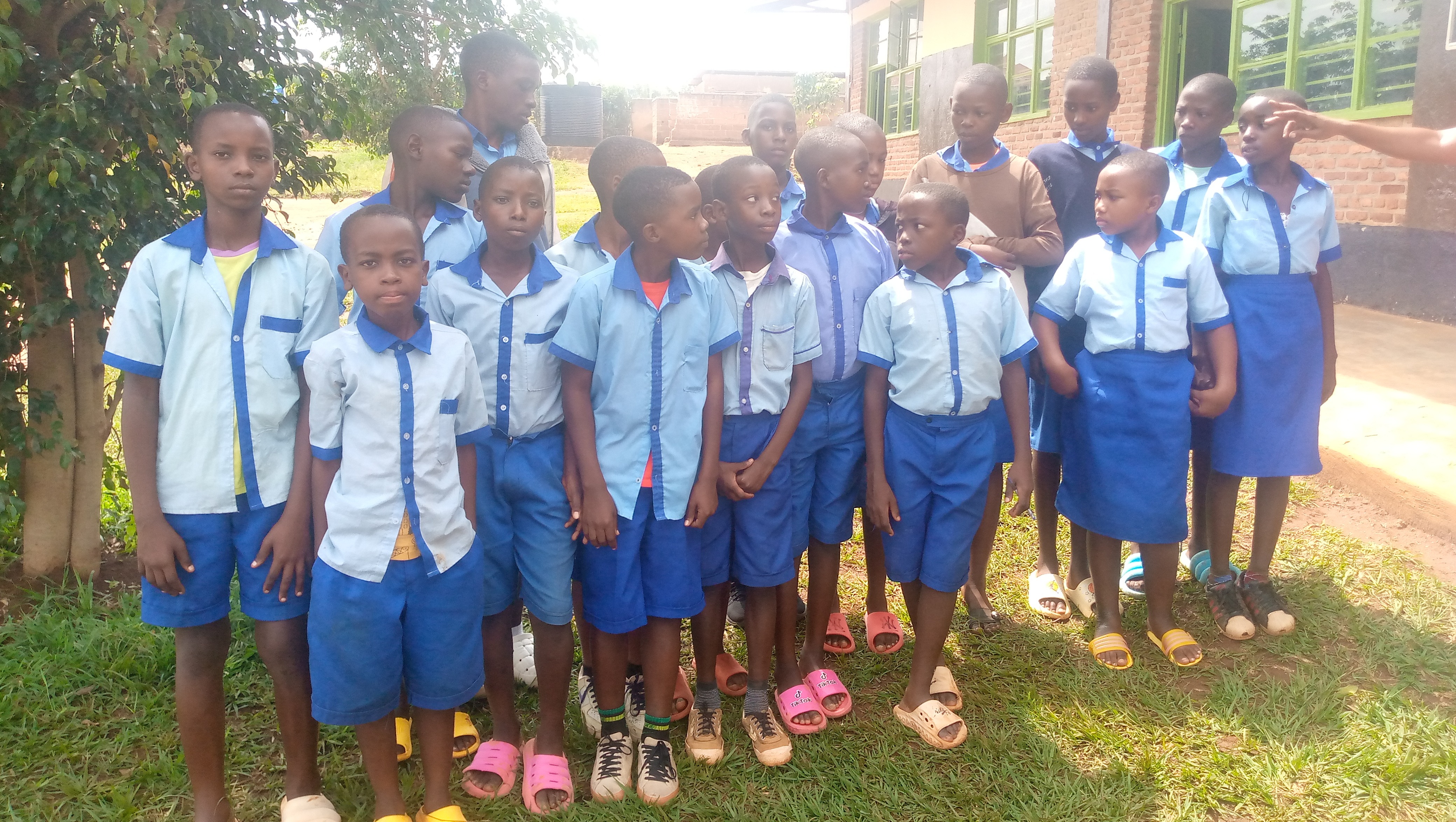
The Hope for Every Child Initiative aims to transform the lives of 100 vulnerable children under the age of 18 into empowered, self-reliant, and valuable members of society. This will be achieved through psychosocial rehabilitation and by meeting their essential needs—including food, education, access to medical services, and participation in sports.
The project supports children to access formal education and vocational training in areas such as tailoring, welding, and IT. Additionally, they are equipped with skills and resources to start small businesses, enabling them to reintegrate successfully into their families and communities.
Furthermore, the initiative will provide psychosocial and economic support to the parents or guardians of 120 children, empowering them to sustain their households. This holistic approach addresses poverty, the root cause that often pushes children into street life, aiming to break the cycle and create lasting change.
The Challenge
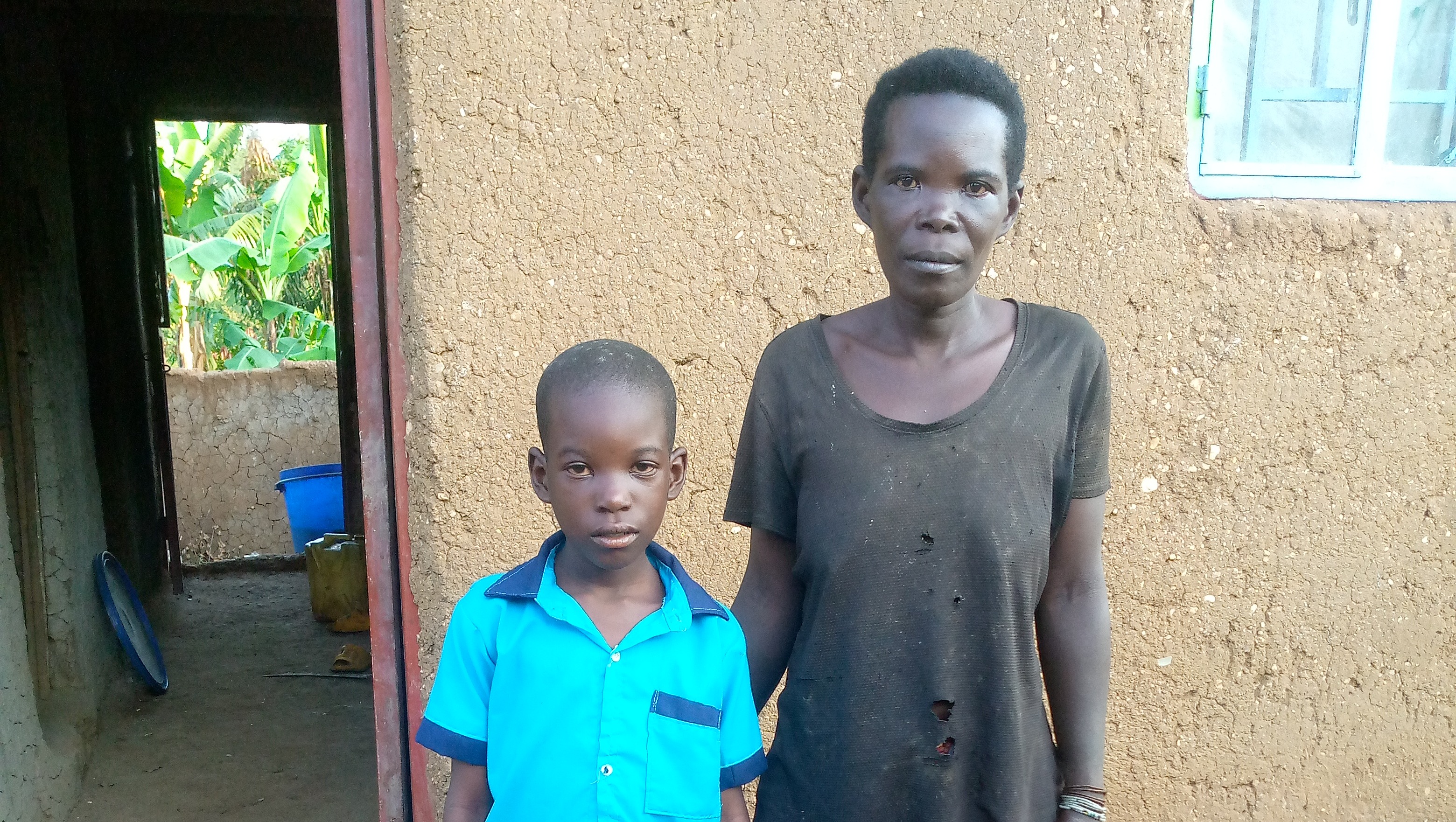
In Rwanda, many families continue to live in poverty, a condition largely linked to the long-term consequences of the 1994 Genocide against the Tutsi. The genocide left countless people traumatized and devastated the country's socio-economic fabric.
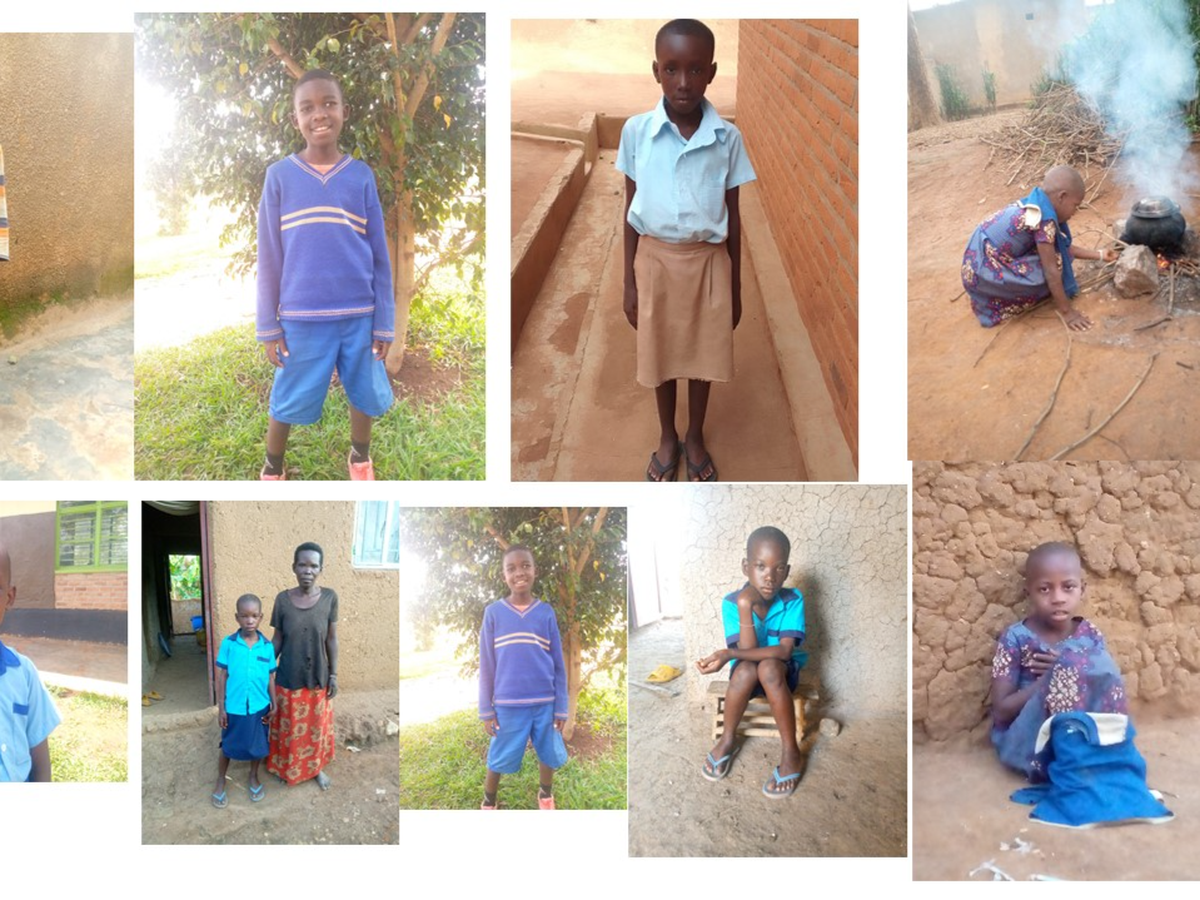
As a result, many households are headed by orphans or children, and numerous children flee to the streets to escape domestic violence, abuse, and extreme poverty. Life on the streets exposes them to hunger, physical violence, substance abuse, and exploitation.
The situation has further deteriorated due to the impact of COVID-19 preventive measures. Many families are now facing extreme hunger, and the number of street children continues to rise across the country.
Our Solution
Despite limited resources, Hope for a Good Life Organization is committed to building a peaceful and sustainable society by supporting the following categories of vulnerable children:
- Street children
- Children returning from prison or with incarcerated parents
- Children reintegrated into families and resuming school
- Orphans with no family support
- Teenagers and youth under 18 released from rehabilitation centers
- Children in urgent need of psychosocial services
These children are carefully selected based on vulnerability criteria to ensure the most at-risk benefit first.
Estimated Annual Costs per Child (in USD)
Pre-School Education:
- School fees: $260
- Food: $245
- Transport: $351
- Uniforms: $33
- School materials: $20
- Total per child: $909/year
Vocational Training:
- Training cost: $2,054
- Accommodation: $351
- Food: $1,229
- Transport: $65
- Uniforms: $52
- Materials: $358
Total per person: $4,109/year
Secondary Education:
- School fees: $390
- Meals: $91
- Transport: $52
- Uniforms: $39
- School materials: $78
Total per student: $650/year
Tertiary Education:
- Registration fees: $104
- Tuition: $1,560
- Meals and accommodation: $650
- Transport: $130
- School materials: $143
- Internship and research: $754
- Total per student: $3,341/year
Other Support:
- Livelihood support per household: $390
- Emergency psychosocial support: $195
Long-Term Impact
By providing education, rehabilitation, and economic support, this initiative ensures that formerly vulnerable children grow into empowered, productive citizens. They will not only improve their own lives but also contribute to the social and economic development of their families, communities, and the country at large.
Organizer