- K
- A
- S
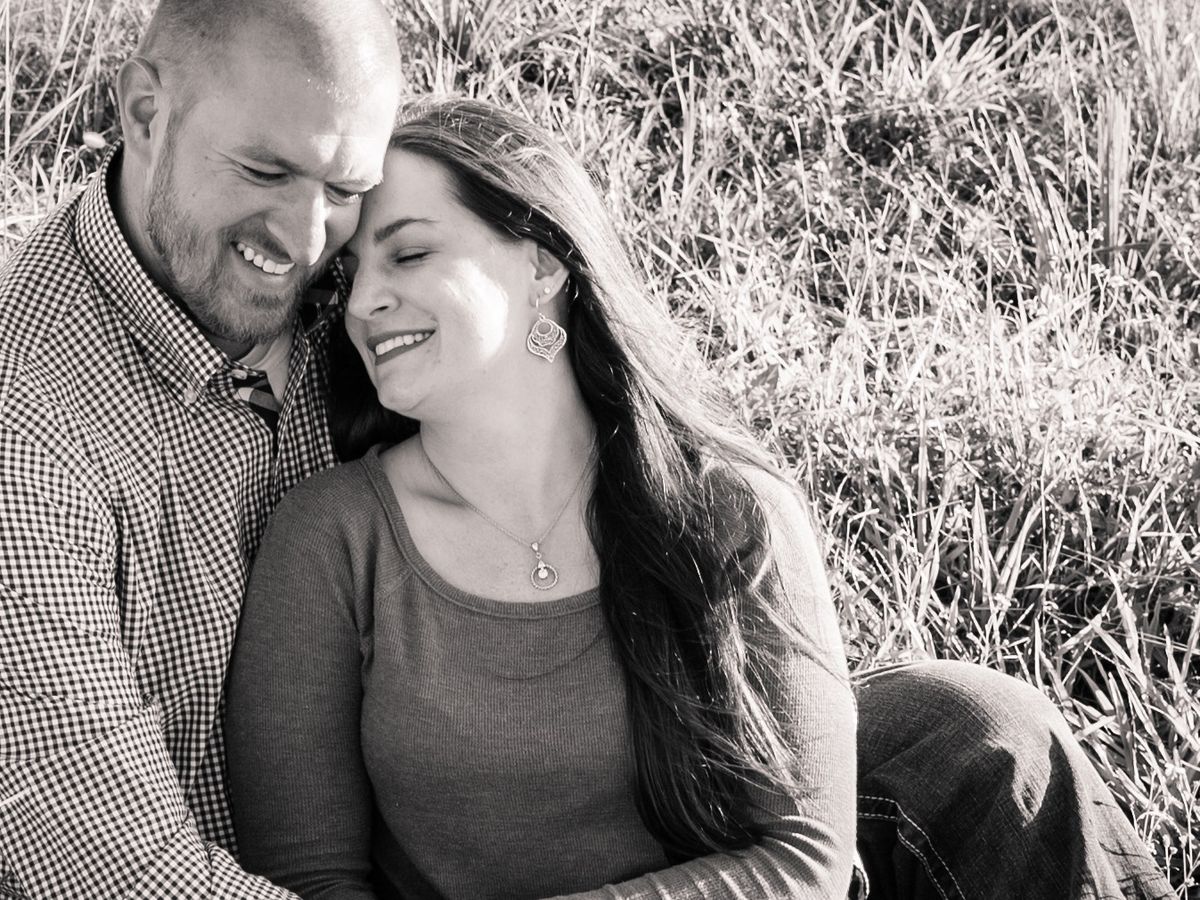
My name is Michelle, and my husband's name is Austin and he is 39 years old. My husband has been my rock, and I am trying to give him something that will be a true life-changer. I am raising money to help pay for medical expenses associated with his traumatic brain injury. In 2016 my husband, Austin, passed out and hit his head on the tile in the bathroom. We knew it looked bad, but he was stubborn and would not go to the doctor. He seemed to recover fine from his episode, so life moved on. Then, in February of 2021, I noticed a change in my husband's behavior, he didn’t have the sparkle in his eye, and he felt distant. He swore that everything was ok, but I knew there was something. His mother passed away just a month before but his symptoms were concerning, even as a nurse. I asked him to speak to a psychiatrist. In late February, he begrudgingly went to seek help, probably just to make me happy, but that’s who my husband was. The one to always make me happy, the peace-keeper, the strong one.
After his first appointment, he called me and told me that she had diagnosed him with major depressive disorder. He always held everything inside his whole life, so he was good at hiding his emotions because he didn’t want to trouble anyone. I had no idea he was as bad off as he truly was. Little did I know that this was only the tip of the iceberg. The next thing I know, my husband, who has always been highly articulate and a good communicator, started to stutter ever so slightly. While he was talking, he was having trouble finding some words that he would use regularly. I thought this was a little odd, but I didn’t know if he was stressed or just preoccupied and not focused on the conversation. During this time, he was becoming more forgetful whether it was chores around the house, or he would ask me a question, and then 2 seconds later, he would ask the same question again. His memory was not right.
A few days went by, and during that time, the stutter got a little worse. We had an upcoming appointment with a psychiatry clinic that would scan his brain, and based on the scans, they would better be able to diagnose what was going on. I could tell he was excited to go to this doctor, and being in the medical field, the science behind this interested me too.
Yet again, my husband surprises me. I came home one day, and he couldn’t talk, his stutter was so bad he couldn’t get a complete sentence out, and he looked terrified! It completely broke my heart seeing him like this because he didn’t know what was going on and was scared and I didn’t know how to help him. He developed something that one of his psychiatrists called “pseudo-dementia.” He was word searching, not remembering what he had said or done minutes earlier.
I counted the days until we went to the clinic, which is in Georgia and over 8 hours away from our home. He had two days worth of testing done, and finally, we would get, hopefully get, some answers. What we found out explained a lot, but has also generated more questions. The doctor told us he found multiple TBI’s (traumatic brain injuries) with the largest TBI being in the executive functioning portion of his brain. There was also a lack of symmetry which could be biomedical (this was ruled out through blood work) or another cause which the doctors have yet to tell us. Over the past year, he has gone to countless doctors appointments, been given different medications to try to remedy the symptoms, taken supplements to try to increase the blood flow to his brain, spoken to therapists and so much more.
The next step is to do Hyperbaric Oxygen Therapy, as long as we can raise enough money, with hopes to repair his brain. Due to this disability, he has lost his job and is trying to pay for these treatments without making me feel the impact of this new reality. He has been extremely strong through all of this, but it breaks my heart when he confides in me. I see what this has done to him. He is trying very hard to be strong for me and all of his friends, but you can see it is taking both an emotional and physical toll on him. He tells me he wants the old him back so everything would be back to normal.
Doctors have said that Psychiatric Service Dogs have been shown to help many patients with TBI’s and his “constellation of symptoms,” as his doctor calls them. Psychiatric service dogs are a subset of service animals trained to perform specific tasks for people with disabilities due to a mental health illness. These conditions can include post-traumatic stress disorder (PTSD), anxiety and panic disorders, depression, bipolar disorder, and TBI’s. Psychiatric service dogs are different from emotional support animals, as they provide a specific task rather than overall comfort. Tasks range from providing tactile stimulation for anxiety or bringing a person back to a level of awareness. While we understand he may not ever return to the old him, this will give him hope and bring some normalcy back into his life. Although, due to the level of training and the tasks these dogs perform, they come with a price tag between $30,000 - $50,000.
Traumatic brain injury (TBI) is the leading cause of death and disability in the United States. About 70 – 90% of TBI cases are classified as mild, and up to 25% of affected patients will not recover and suffer chronic neurocognitive impairments. The primary pathology in these cases involves diffuse brain injuries, which are hard to detect by anatomical imaging yet noticeable in functional imaging that measures tissue metabolism in the brain. Many studies show the effectiveness of hyperbaric oxygen therapy in improving brain function and quality of life in mild traumatic brain injury (mTBI) patients suffering chronic neurocognitive impairments. The common conclusion is that HBOT can induce neuroplasticity, leading to repair of chronically impaired brain functions and improved quality of life in mTBI patients with prolonged post-concussion syndrome (PCS) at late chronic stage. Studies also reveal that HBOT can reduce cognitive impairment related to memory performance and connectivity using functional MRI. As you can imagine, these treatments are also expensive. Due to the varying options, they can range from $150 a dive (most places recommend between 40-50 dives), or some high-end treatments centers, like Aviv Clinics, are over $100,000.
My husband is not the same person I married 3 years ago. I pray everyday that he will improve, but realistically I am not sure that is the case or even achievable. I have recently noticed worsening symptoms and continued decline. He most recently has a worsening of memory, changes in mood and loss of interest, and difficulty communicating.
I am honestly scared. I am afraid to lose my husband and I want to do all that I can to support him. He has always been there to support and advocate for others, it is now time for us to help support and advocate for him during this trying time. Thank you for your donations or taking the time to simply share this fundraiser, and for helping allow him to have some comfort knowing the next steps of treatment are close! Both the hyperbaric oxygen therapy and psychiatric service dog are essential in his recovery plan. I have comfort knowing the psychiatric service dog will be with him 24/7 especially when I can’t. Today and everyday, I seek hope for Austin’s future!
Organizer and beneficiary
Austin Roberts
Beneficiary