- L
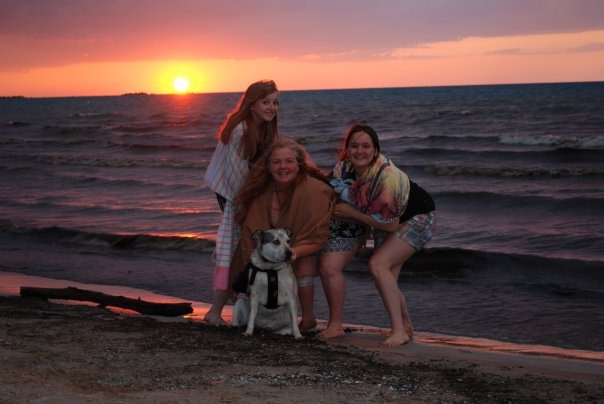
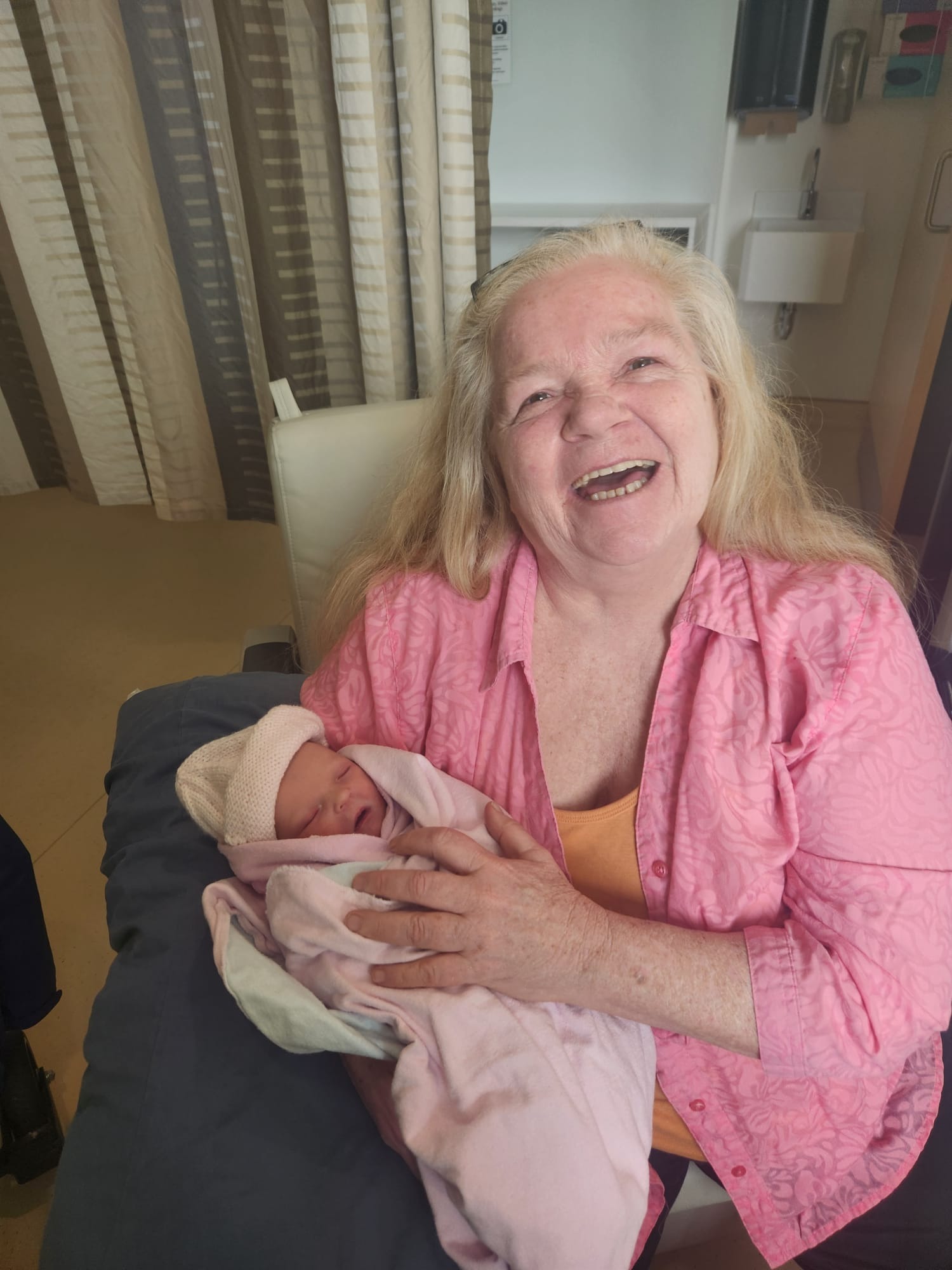


My mom was born on January 19, 1963. From the outside, many people see a strong, kind woman who raised three children on her own. What most don’t see is the lifelong pain and trauma she has carried—both physically and emotionally—since childhood.
As a child, my mom was diagnosed with a rare bone condition called Fibrous Dysplasia, affecting her right leg. By the time she was just 8 years old, she had already undergone multiple surgeries, including procedures where bone was taken from her hip and grafted into her leg in an attempt to strengthen it. She spent much of her childhood growing up in casts and in and out of hospitals, including long stays at London Children’s Hospital. One of her clearest memories is sitting alone on a stool while rows of doctors debated her future around her.
At around 10 or 11 years old, doctors stapled the growth plate in her left knee as an experimental attempt to address the fact that her right leg was no longer growing properly. By the age of 13—after more than a dozen fractures and years of failed interventions—her right leg was amputated. Her right knee never developed normally and remains roughly the size of a young child’s kneecap. She is one of only a few amputees in Ontario who uses a prosthetic supported primarily by friction rather than a fully developed joint. The staple remains in her left knee to this day, adding complexity to any medical treatment she now considers.
These experiences were deeply traumatic and have shaped how she copes with medical care ever since.
About 20 years ago, doctors told her that her remaining knee was already “bone on bone.” Knee replacement surgery has been recommended, but due to the trauma she experienced as a child, my mom simply cannot emotionally tolerate the idea of another major surgery. This isn’t stubbornness or denial—it’s a trauma response rooted in years of painful medical interventions during her most vulnerable years.
Despite all of this, she raised her three children entirely on her own after a divorce over 30 years ago. She worked as long as her body allowed as a massage therapist and never stopped putting her family first. Today, she lives on disability payments that fall below the poverty line, leaving no financial room for alternative medical options. She currently lives with her aging father, where she helps care for him by cooking meals and supporting the household.
Lately, her pain has become increasingly difficult to manage. After careful consideration, she has become open to stem cell injections as a less invasive option that may help reduce pain and improve function. This treatment is not available locally, which means traveling to California to receive care. My sister lives there, so the trip will also allow my mom to stay with family and be supported during recovery.
We are hoping to travel this February and are raising $6,000 to help cover:
- Stem cell injection treatment
- Flights to California
This treatment is not a guarantee or a miracle cure—but it is hope. Hope for less pain. Hope for more mobility. Hope for a better quality of life after decades of enduring more than most people could imagine, all without reliance on opioid pain medication.
If you’re able to donate, share, or simply take the time to read her story, our family is deeply grateful. Every contribution helps lift a burden she has carried for far too long.
Thank you for helping us support a woman who has spent her entire life supporting others.
Co-organizers4