- S

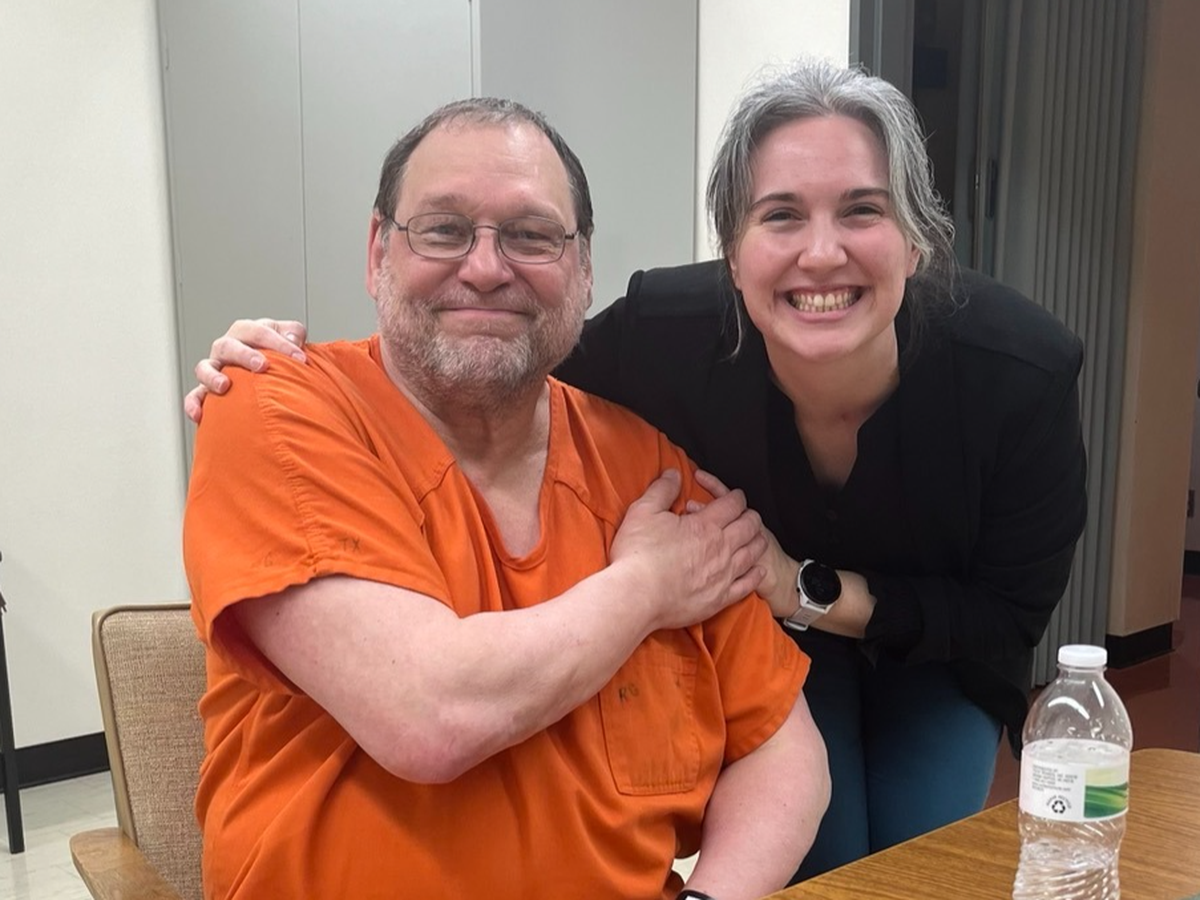
Help Werner Rebuild His Life After 31 Years of Injustice
0% complete
$1,762 raised of
16 donations
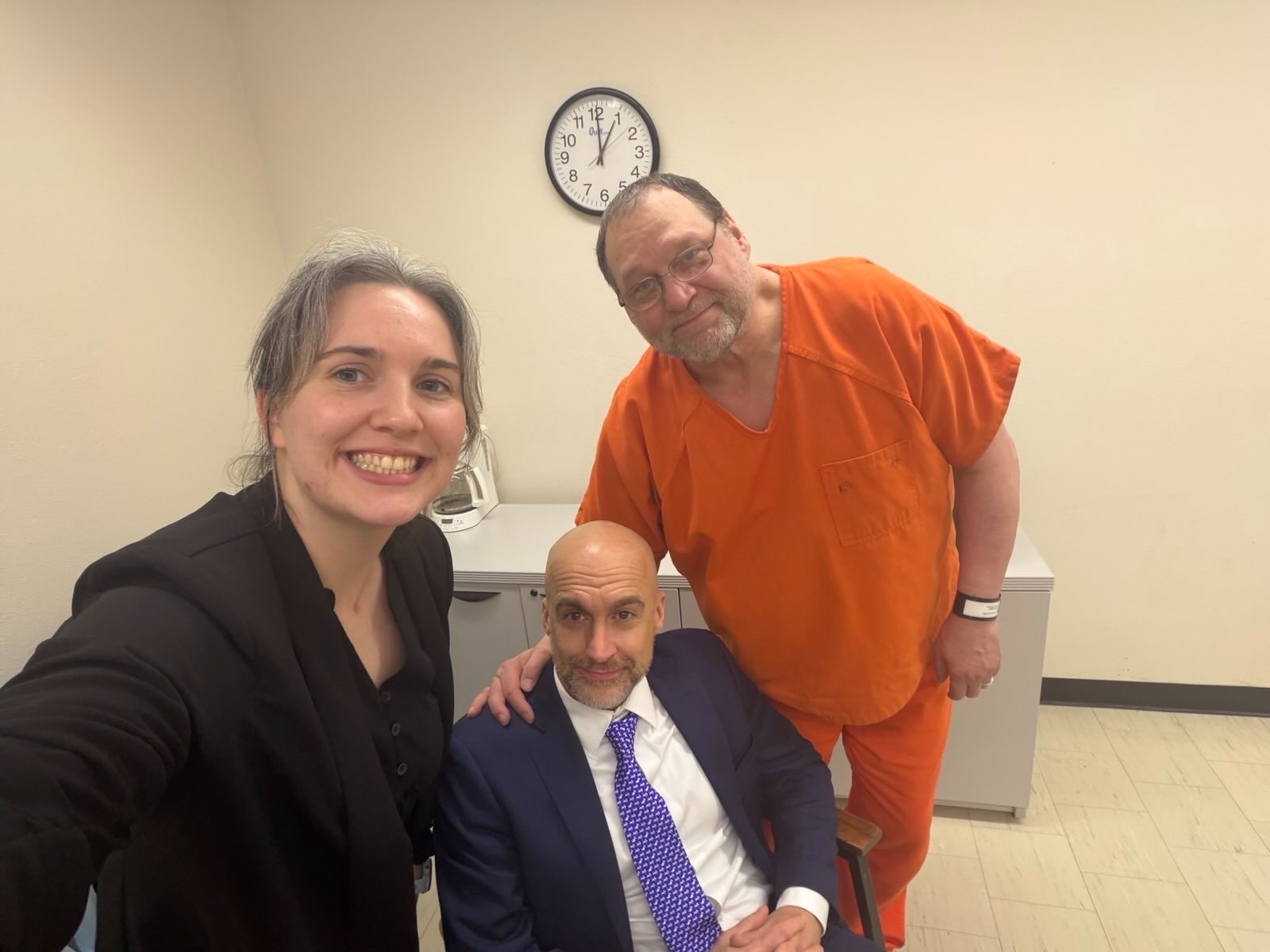
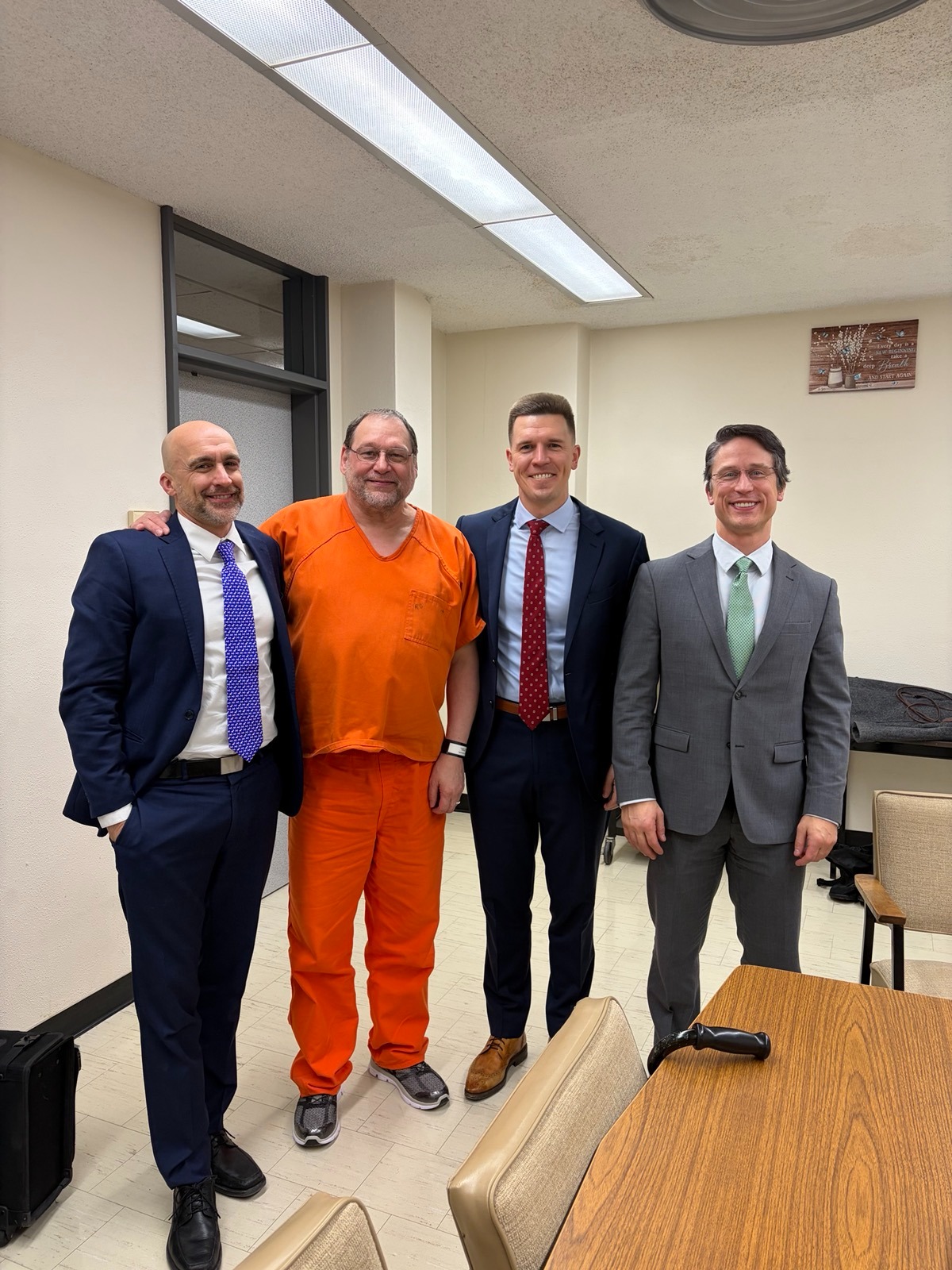
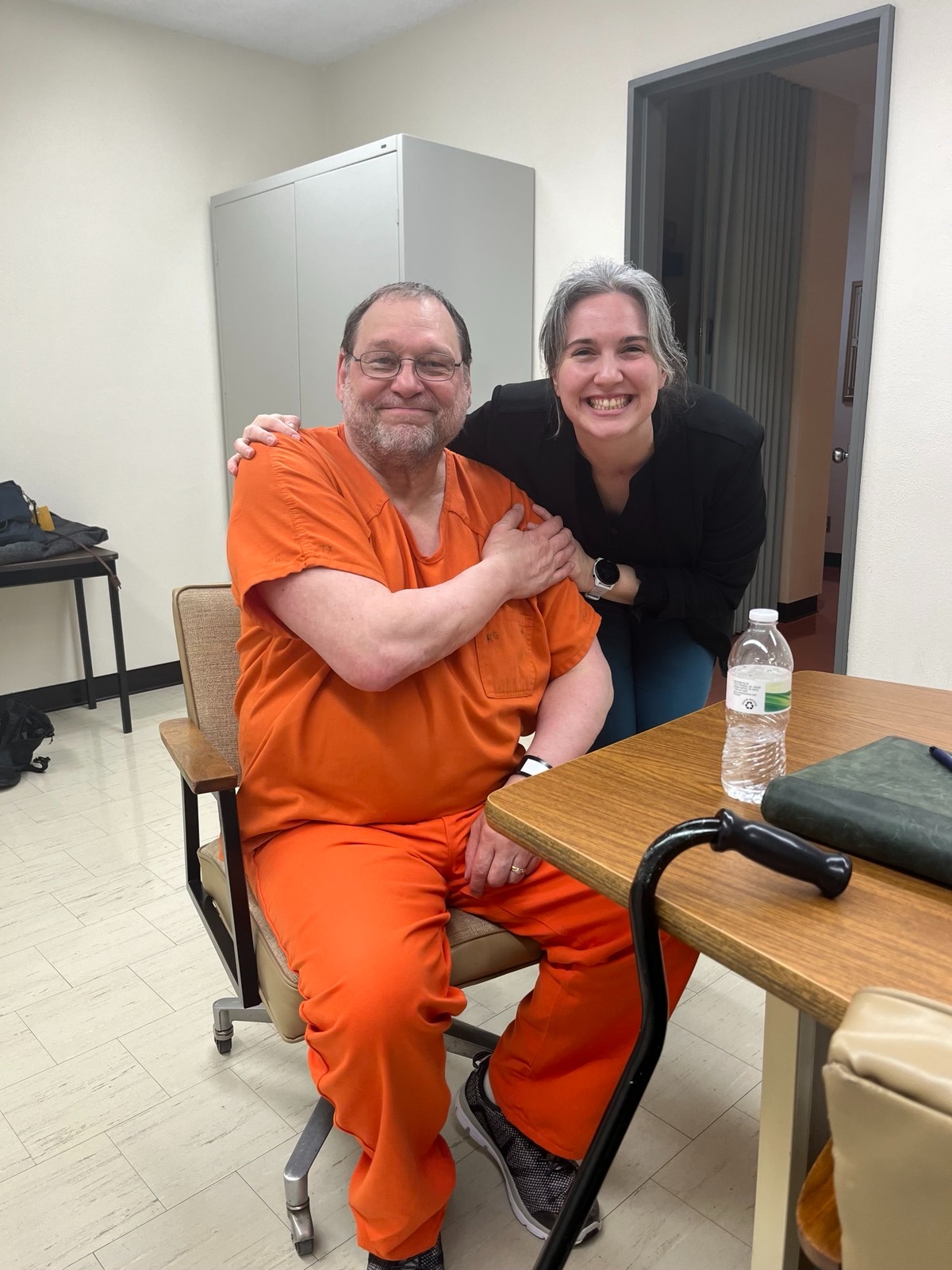
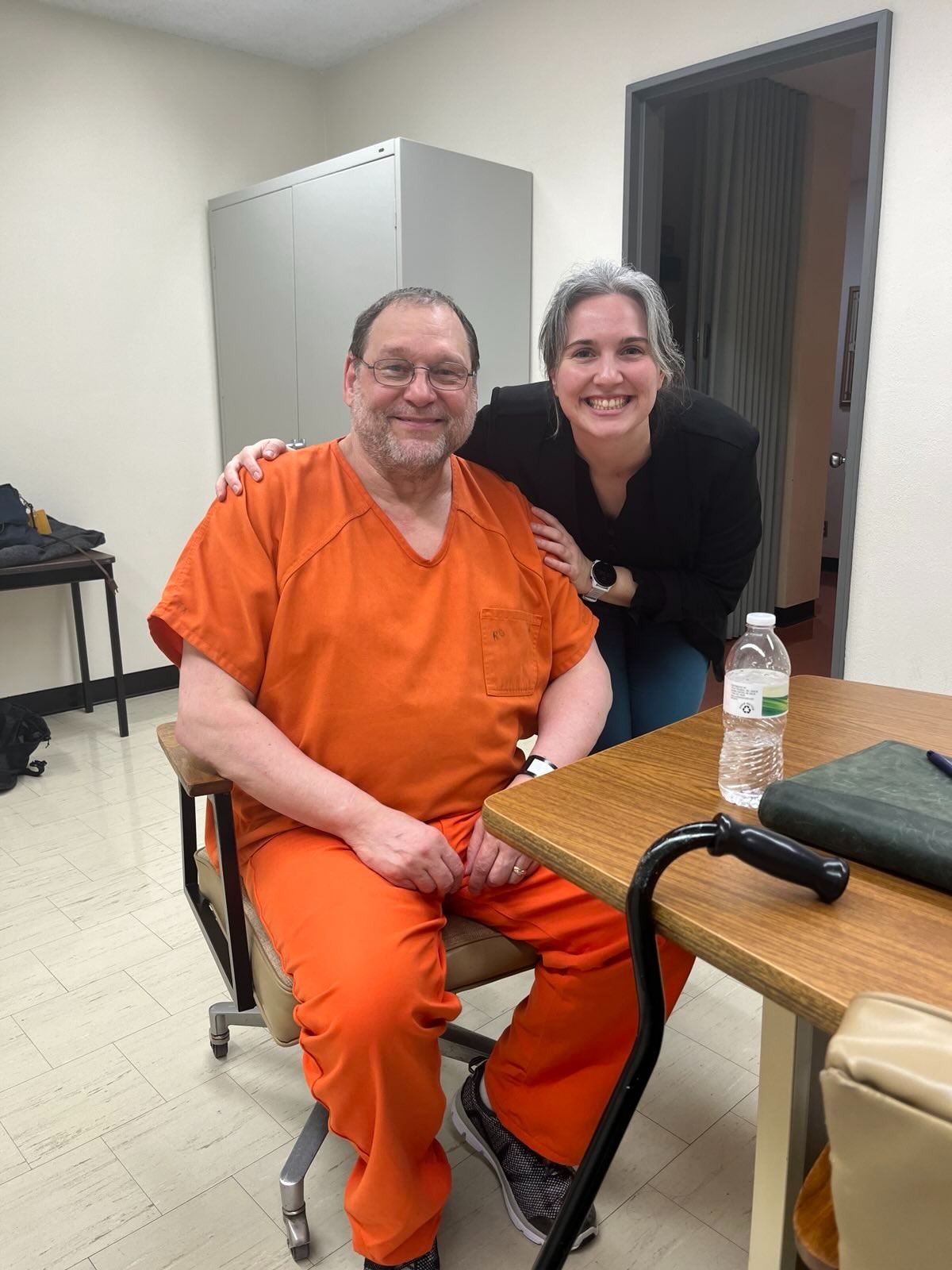
After spending 31 years in prison for a crime he did not commit, Werner Rümmer-Kunkel will soon walk free.
In 1995, a jury found Werner Rümmer-Kunkel guilty of Gilbert Fassett’s murder. Nine years earlier, on August 10, 1986, berry pickers had discovered Mr. Fassett’s body on a wooded hillside on the Spirit Lake Reservation near Devils Lake, North Dakota. He had been stabbed over 100 times.
On February 27, 2026, North Dakota Judge Daniel Narum vacated Werner's conviction for the murder he did not commit. In the order vacating Werner’s conviction, Judge Narum found that “the State failed to disclose exculpatory evidence entitling Kunkel to relief” and that “the evidence as a whole, including the newly discovered evidence, shows Kunkel cannot be the person committing the crime in the State’s timeline.”
Upon learning that his conviction was vacated, Werner said, “I refuse to let three decades of wrongful imprisonment define me. I am hurt, but I am not angry. I am looking only to heal, to spend time with my family, and to be the best man that I can be. I am grateful to the Court and to my lawyers at the Great North Innocence Project and Ringstrom DeKrey.”
The State’s Theory
At the time of the murder, the police developed a list of numerous suspects, including drug dealers to whom Mr. Fassett owed debts and the ex-boyfriend of Mr. Fassett’s girlfriend. Werner was also considered a suspect because he had spent time with Mr. Fassett the evening of August 1.
Despite these leads, the case went cold for several years.
In the mid-1990’s, numerous jailhouse informants came forward alleging Werner had confessed to Mr. Fassett’s murder. The police also obtained a statement from Werner’s ex-girlfriend, claiming he had confessed to killing Mr. Fassett. Building on these accounts, the State developed the theory of the crime they would use to seek Werner’s conviction.
According to the State, Werner stabbed Mr. Fassett to death between 10:30 p.m. on August 1 and 1:13 a.m. on August 2, 1986. The prosecution assured the jury that during that time, Werner drove Mr. Fassett from Benson County to somewhere in Ramsey County; stabbed Mr. Fassett more than 100 times; hoisted and crammed Mr. Fassett’s body into the trunk of his car; transported the body back to Benson County in the hilly, wooded terrain; removed the body from the trunk and dragged it more than 40 feet from the road through the brush; cleaned himself up and hid his bloody clothing; then picked up a female passenger, all before being pulled over at 1:13 a.m. by a state patrolman who observed nothing unusual about Werner or his car.
The State maintained that nobody saw Mr. Fassett alive after the night of August 1, the same night he had been seen drinking with Werner. A zoology expert testified at trial on behalf of the State that based on the insect larvae on the body, Mr. Fassett must have been killed no later than the night of August 1, or the early morning of August 2.
This testimony was critical, as the State’s case rested entirely on the proposition that the murder happened the night of August 1.
Unreliable Witnesses
GNIP’s investigation found significant problems with much of the State’s theory. The supposed confessions that Werner made to the informants were inconsistent with each other and with the known facts. For example, at some point witnesses claimed Werner confessed to a shooting, rather than a stabbing, and there were variations in the number of people informants claimed were involved in the stabbing, the location, and the supposed motive.
The testimony of Werner’s ex-girlfriend also lacked credibility. First, she claimed that Werner said he concealed Mr. Fassett’s body in the snow, but the crime was committed in August. Additionally, several years elapsed between the supposed confession and the ex-girlfriend's report to police. In the interim, she was in a custody fight with Werner, and yet even while she claimed that Werner was an unfit parent, she never supported this claim by mentioning his confession to a murder. In addition, his ex-girlfriend approached police about the confession immediately after Werner cooperated with police in securing a murder conviction of his ex-girlfriend's new husband. Finally, another man who was present during Werner’s supposed confession to his ex-girlfriend says that he heard Werner deny any involvement in the crime.
Statements from two other key witnesses also called the feasibility of the State’s theory into question. The female passenger who Werner picked up in the early morning of August 2, 1986, did not notice any blood or debris on Werner or in his car, despite the State claiming he had committed a brutal stabbing and transported the body in his vehicle earlier that night. A local police officer also pulled the pair over at 1:13 a.m. on August 2. When the officer shined his flashlight in the car, he did not report seeing blood or anything else amiss in the vehicle.
A Problematic Timeline
A crucial part of the State’s theory rested on the belief that Mr. Fassett had not been seen alive after August 1, 1986. However, GNIP’s investigation found multiple witnesses disputed this timeline. Two employees at a local bar independently told investigators the last time they had seen Mr. Fassett was on August 6, 1986. Similarly, Mr. Fassett’s birth mother also reported that the last time she saw Mr. Fassett was on August 5, 1986.
After his conviction, Werner's appellate defense team obtained a report from Neal Haskell, PhD, a board-certified entomologist, widely recognized as one of the world’s foremost experts when it comes to determining time of death based on insect feeding activity on human remains. Dr. Haskell reviewed the trial transcript and evidence and concluded the State’s trial expert had no forensic entomology credentials, that the expert made numerous false statements at trial, and that based on the insect activity on Mr. Fassett’s body, he would estimate Mr. Fassett’s death occurred between August 4 and August 7, 1986, during which time Werner had an airtight alibi.
During GNIP’s investigation into Werner’s case, the team also located additional witness statements the State had withheld from Werner before his trial, all attesting that Mr. Fassett was alive after August 1. The statements included one by the owner of a local bar and a second by a member of the North Dakota National Guard, both of whom knew Mr. Fassett, and who made detailed statements to investigators that they had seen Mr. Fassett alive and interacted with him after August 1, 1986. The suppressed statements also included an account by a bar employee who reported to law enforcement that he had seen Gilbert Fassett with a group of people on August 6. That same witness would go on to tell the jury that he had not seen Mr. Fassett alive after August 1. The defense, unaware of the witness’s prior inconsistent statement, could not use it in cross-examination.
Seeking Post-Conviction Relief
After several failed attempts at obtaining post-conviction relief on his own, Werner contacted the Great North Innocence Project who agreed to take his case. The legal team presented their findings at an evidentiary hearing in January 2026.
GNIP’s legal team presented the new forensic evidence contradicting the State’s timeline of the crime and demonstrating the State committed a Brady violation by withholding exculpatory witness statements from Werner’s defense counsel. Finally, they also presented evidence that the State allowed critical untested crime scene evidence, including Mr. Fassett’s clothing, to be lost or intentionally destroyed, thus preventing testing and analysis that could reveal the identity of the true perpetrator. After hearing the evidence, the Court issued a detailed 60-page order, concluding that Werner did not receive a fair trial and that his conviction cannot stand.
Next Steps
GNIP and its pro bono partners at Ringstrom DeKrey have filed a motion seeking Werner’s immediate release while the State decides whether it will appeal, retry him, or dismiss the charges.
Mr. DeKrey added about the process, “They say the arc of the moral universe is long, but it bends towards justice. Werner's case really tested Dr. King's words. But he will be free at last, and that is truly incredible."
Silvia, Werner's sister, will be handling the donations on Werner's behalf.
Organizer and beneficiary

Silvia Beckedahl
Beneficiary