- K
- a
- B
Help purchase 17,600 acres for a wildlife reserve!
0% complete
$1,319 raised of $640K
6 donations

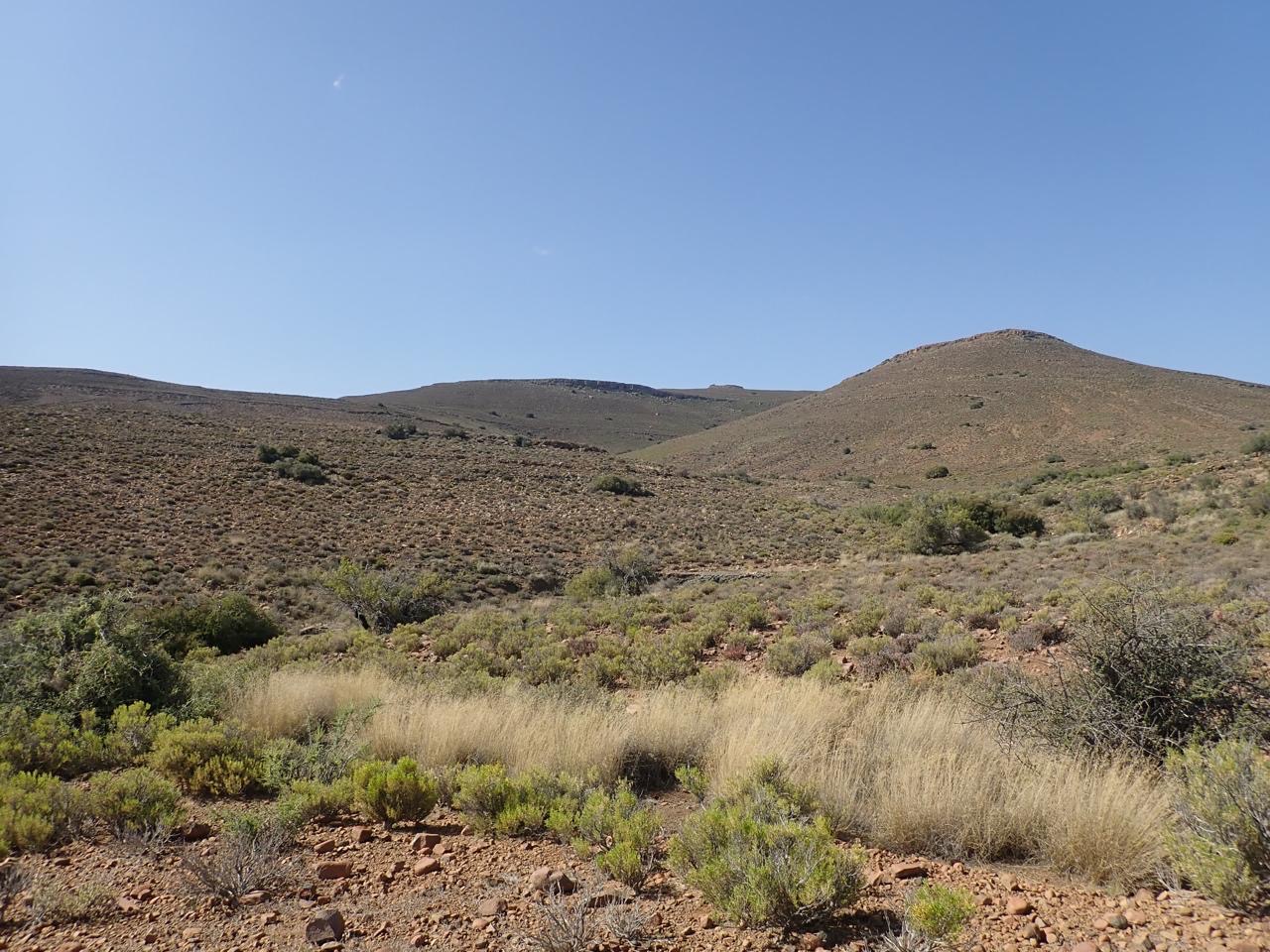
You are meant to be here! You were meant to land on this page and help make a once-in-a-lifetime purchase in the heart of the Karoo land. The Karoo is a semi-arid plateau and basin region in South Africa. Despite its low rainfall and extreme temperatures, it supports some of the world’s most unique flora and fauna.
Karoo is derived from the Khoisan word for “land of thirst” and its stunning beauty will take your breath away.
By helping purchase this property, you will be supporting the perpetual conservation of some of the most exquisite biodiversity in the world!
Here's what to know about this parcel of Karoo land:
- It has not been farmed in over 13 years. Nature is taking over again and there are thousands of plants and animals that call this land home.
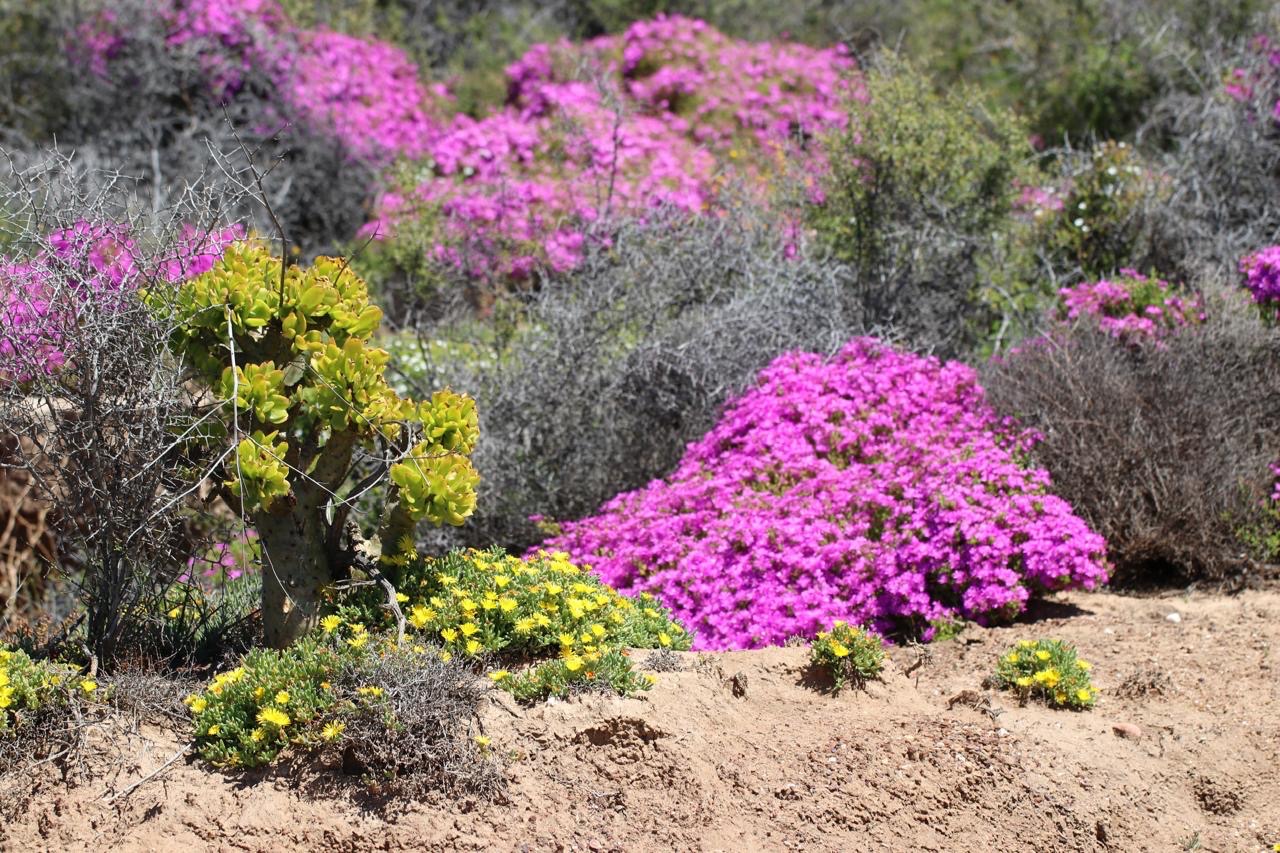
- The Karoo is known for the variety of magnificent succulents that thrive in this arid eden.
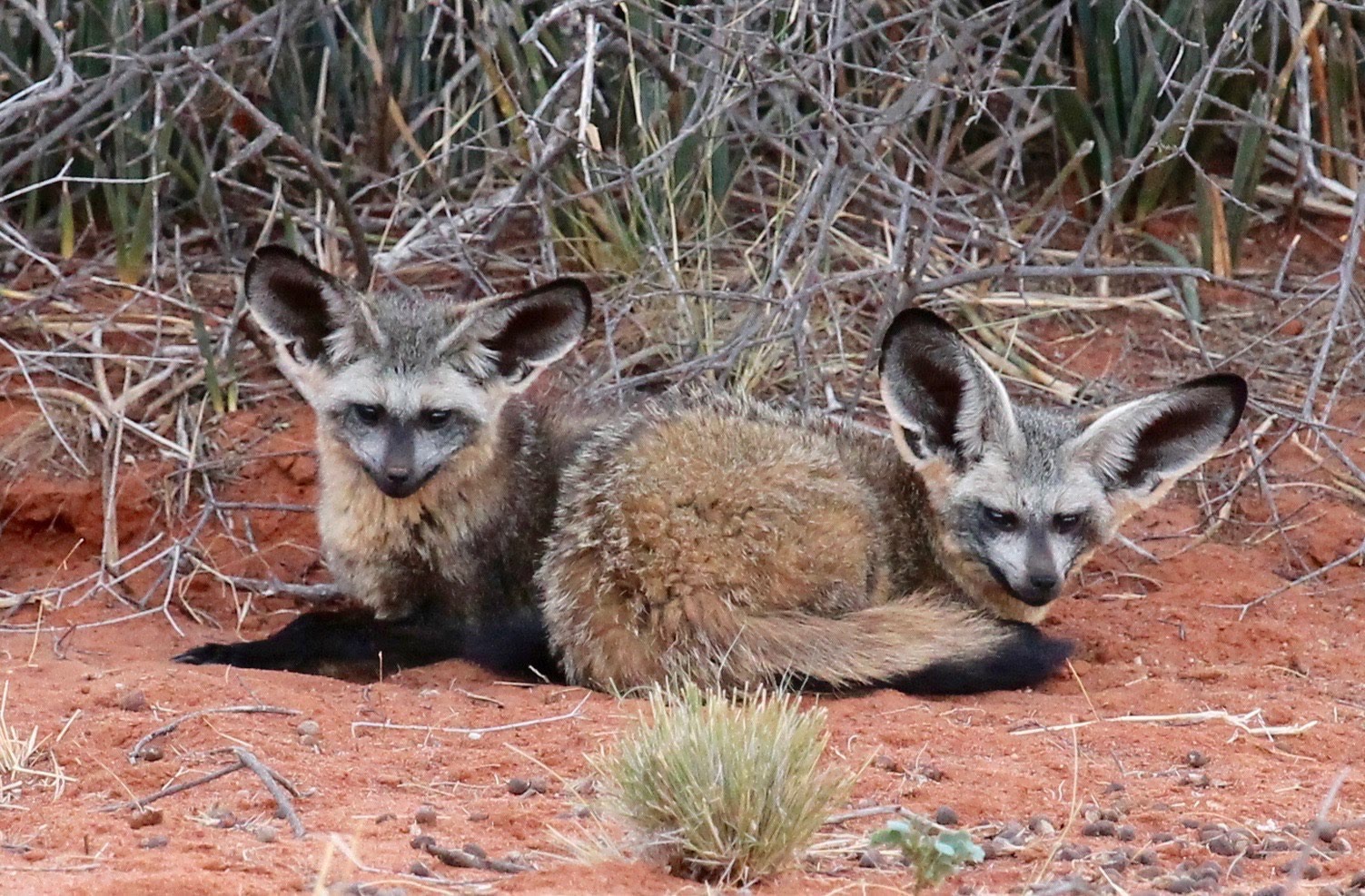
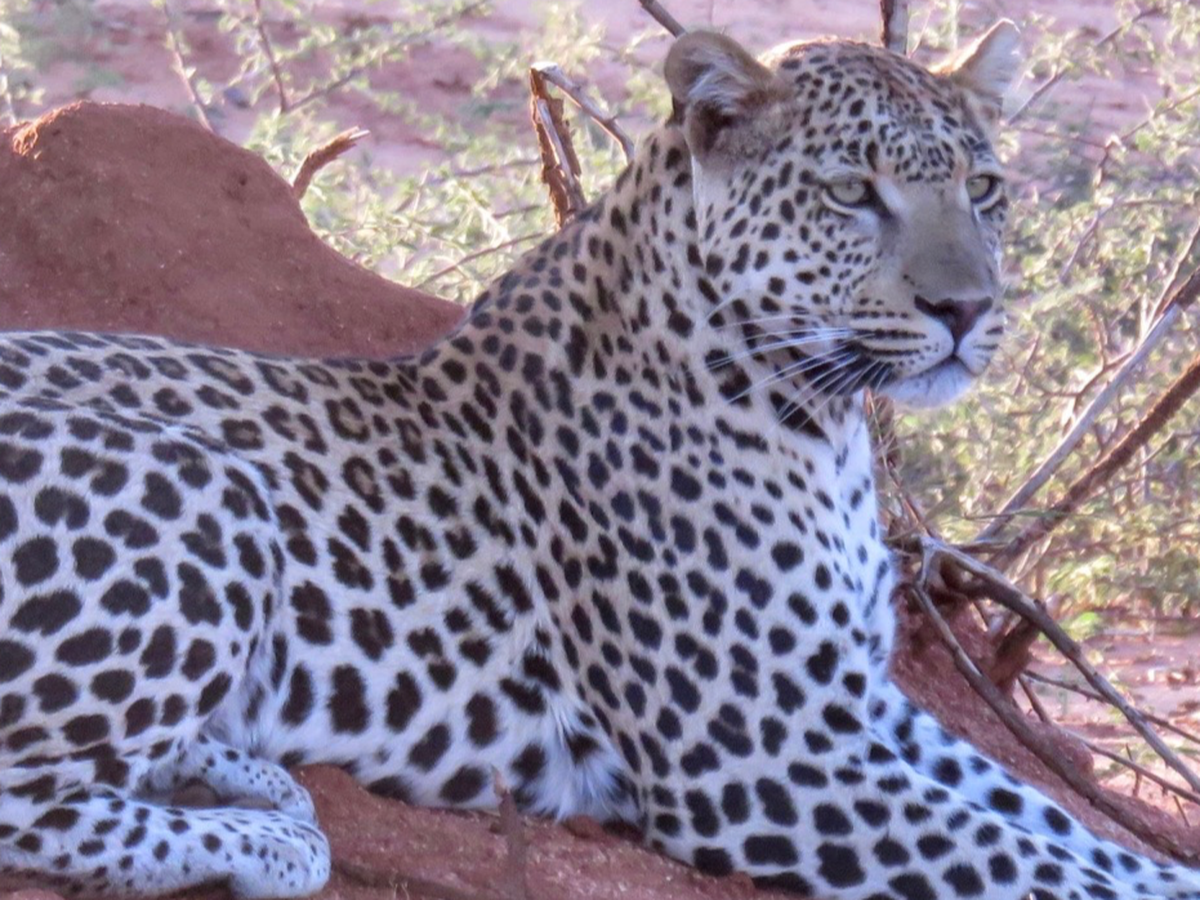
- The property has a natural spring that supports some of the most majestic wildlife on earth, such as the mysterious leopard, the crafty caracal, the little known brown hyena, the wondrous kudu, countless insects, reptiles, and amphibians, and many, many more!
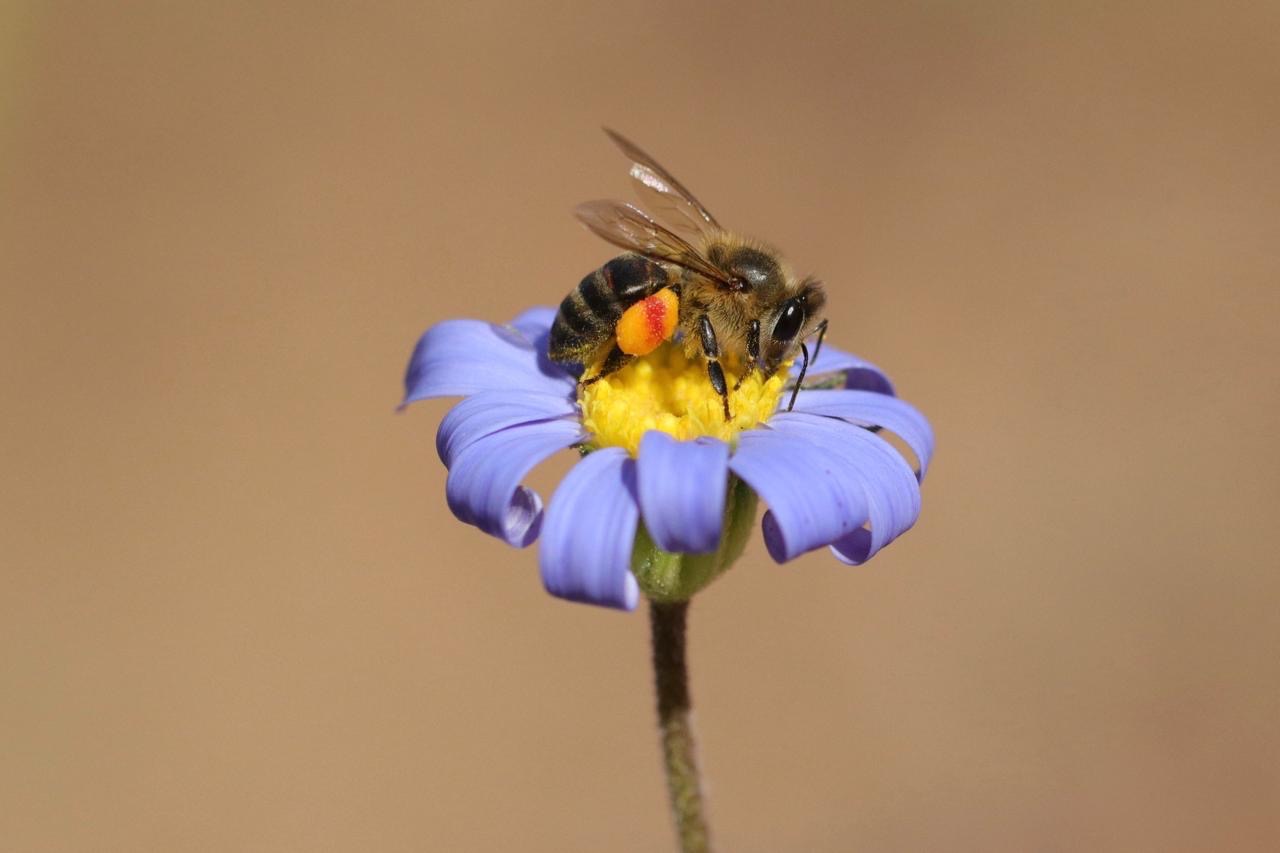
- This gorgeous property will serve as a wild honey bee reserve - the first of its kind on the planet! Wild honey bees are some of the most misunderstood little critters and studying them in the wild is one of the most important endeavors left in the ecological realm.
- The South African government, oil and mining companies already have their greedy eyes on this pristine landscape and we want to take it off the table as soon as possible!
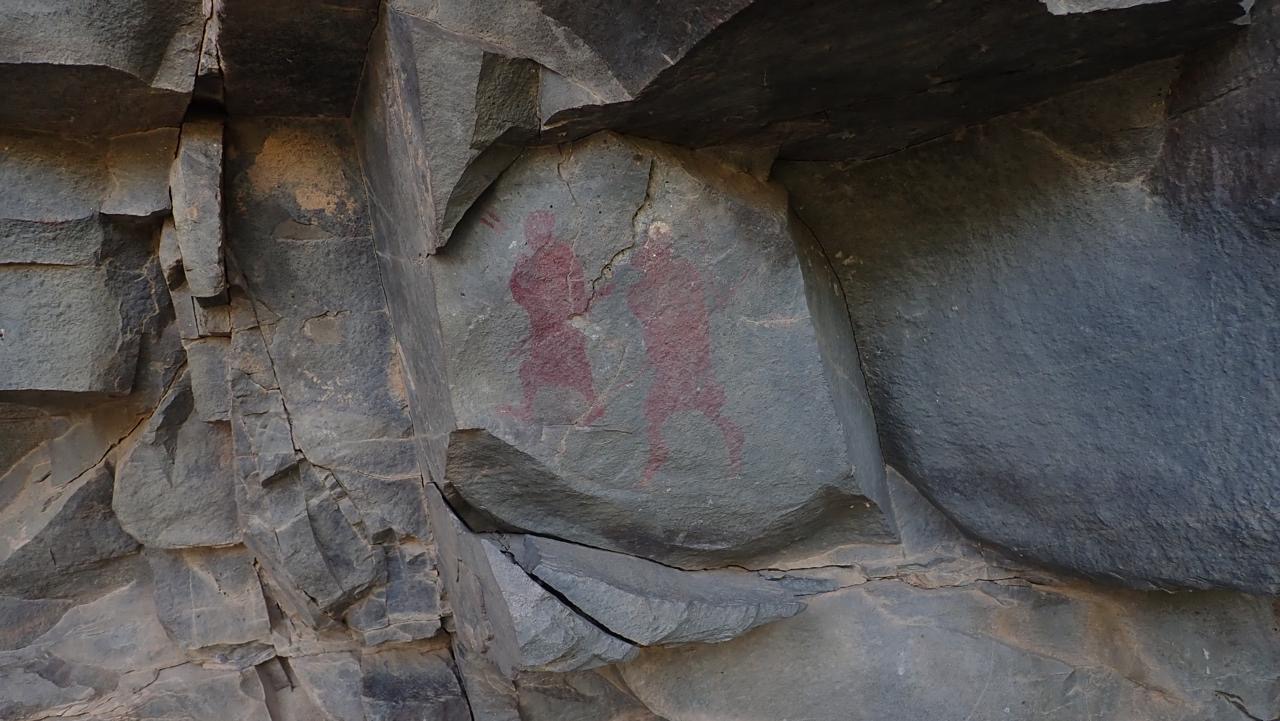
- This beautiful property contains rock art etched into ancient rock formations by ancestors long ago…as if to warn us that these lands need our protection.
Meet Jenny Cullinan, the founder and executive director of Ujubee NPC, a non-profit supporting a small team of researchers studying wild bee species in primarily pristine wilderness areas. Together, they are raising awareness about the importance of understanding wild bees as the wild animals they are, not as a species exploited and managed by humans.
Jenny and her team are creating a network of conservation projects that not only will serve to protect wild bees, but will also serve as a respite for other wildlife frequently hunted by neighboring farms. These types of sanctuaries are of the utmost importance because they hold the key to mitigating and even reversing the biodiversity crisis.
Have you ever been to Cape Town? Are you familiar with one of the cutest members of the penguin family - the penguins at Boulders Beach? Did you know they are dying of bee stings? Jenny is one of the only people shedding light on the root cause of this issue -- too many managed honey bees in the area.
Human beekeeping is disrupting natural bee behavior and carrying capacity. Penguins, who evolved on an island, evolutionarily unaware of bees, and curious by nature, are stung when investigating hives built in unnatural places by honey bees who were once managed by humans and taught to forget their natural preferences for selecting hive locations -- somewhere that can withstand natural fire. Without this evolutionary knowledge, bees instead seek hive locations that resemble human made hives, similar to the human-made penguin nest boxes. And while journalists all over the world call these events “mysterious”, a “fluke tragedy”, and “bizarre”, Jenny knows exactly what the cause is, and the fact that it’s not a fluke at all. This is just one example of how a seeming unrelated tragedy screams at the importance of keeping wild animals wild.
With her passion for wildlife and a special place in her heart for wild bees, Jenny is bringing attention these tragic events and the true reason for their unfolding. She’s highlighting the importance of respecting wild bees and protecting their right to remain wild. Just as bees are a keystone species in their wild habitats, and by protecting them and their right to remain wild we protect a windfall of other pant and animal species, Jenny, too, is a keystone visionary in the wildlife conservation space.
Jenny has been studying wild bees in non-invasive ways for years. She watches, listens, records their sounds, films their behavior, understands their plight and the plight of those who depend on the bees -- this includes the plants who depend on them for pollination, as well as insects, reptiles, amphibians, and mammals who depend on the plants, including the apex predators and humans who depend on all of the above.
Jenny is eager to share this knowledge with the world and even more eager to help her non-profit purchase this 17,600 acre defunct farm to turn into a sanctuary for wildlife, a place where one can quietly and respectfully study wildlife while they go about their day without threat.
Jenny is joined in this cause by her brother, internationally known environmental lawyer Cormac Cullinan, who will support the reserve by ensuring its legal protection is rooted in guardianship of the land itself. Together, they invite you to help to make this dream a reality - a dream that doesn’t just belong to her, but to any human concerned with the state of our wild lands, our wild neighbors, and a huge piece of the ecological puzzle that includes us humans.
What You Can Do
For what a single family home would cost in the US, you can help her non-profit purchase this 17,600 acre tract of land. You will be helping to keep this puzzle together. One small stitch at time, we can keep the web of life resilient.
If you’re tired of feeling helpless regarding the destruction of our planet…
If you want to make a difference for hundreds of thousands of plants and animals that have always been wild and want to help keep them
wild…
If you want to be the reason why some areas in the world get to maintain their wildness for wildness sake, not because they hold oil, minerals, or honey for human exploitation…
Then you can help by donating or sharing this with all your friends and family. Even a single dollar would make a difference in creating this amazing opportunity for the wild ones.
For Significant Donors
Those who feel called to make contributions greater than $20,000, you’ll become a lifelong guardian of a wild bee colony, some of which can last thousands of years! The colony will be named after you or a loved one and you’ll receive photos and updates from Ujubee’s reports.
Please help Jenny, the bees, and all the wild inhabitants of this beautiful land!
Thank you so much.