Help US Restore Patagonia's Native Oyster Reefs
0% complete
$900 raised of
9 donations
Bring Back Patagonia's Native Oyster
Oct 20, 2026
Goal: $45,000 to launch Year 1 of the restoration (one field season)
Category: Animals & Environment
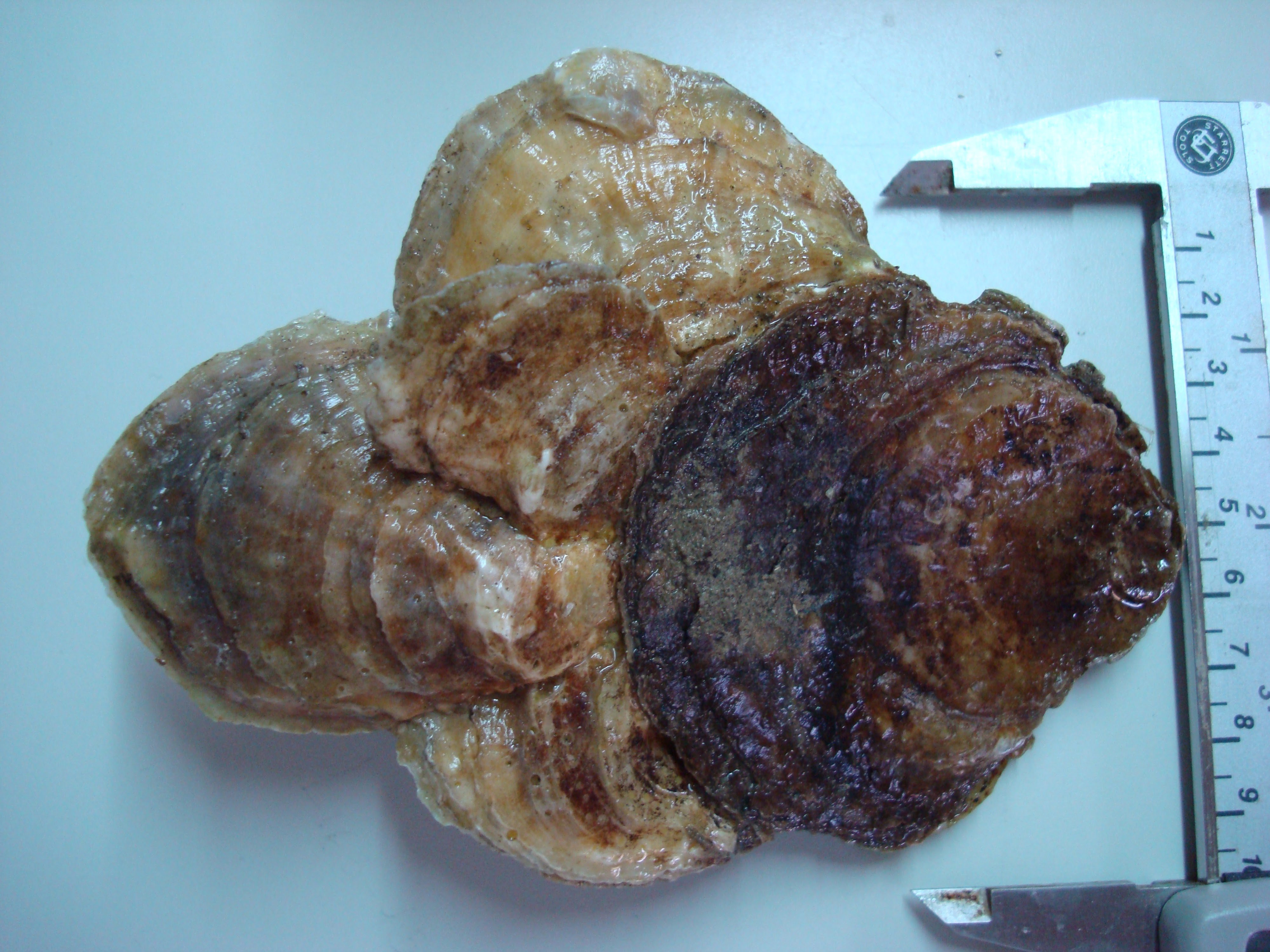
Help restore the puelche oyster (Ostrea puelchana), a native Patagonian oyster with a 40,000-year history, in Argentina's Gulf of San Matías.
In the Gulf of San Matías, in Argentine Patagonia, lives a flat oyster that forms dense beds nowhere else on Earth. Disease and dredging wiped out most of them. Now they are starting to come back, and we have a rare chance to help them recover.
Learn more at proyectopuelche.org and follow us on Instagram at @proyectopuelche.
The story
An oyster named after a people. Ostrea puelchana, the puelche oyster, carries the name of the Puelche, or Gününa küna, the Indigenous people of northern Patagonia. Its shells appear in coastal deposits more than 40,000 years old.
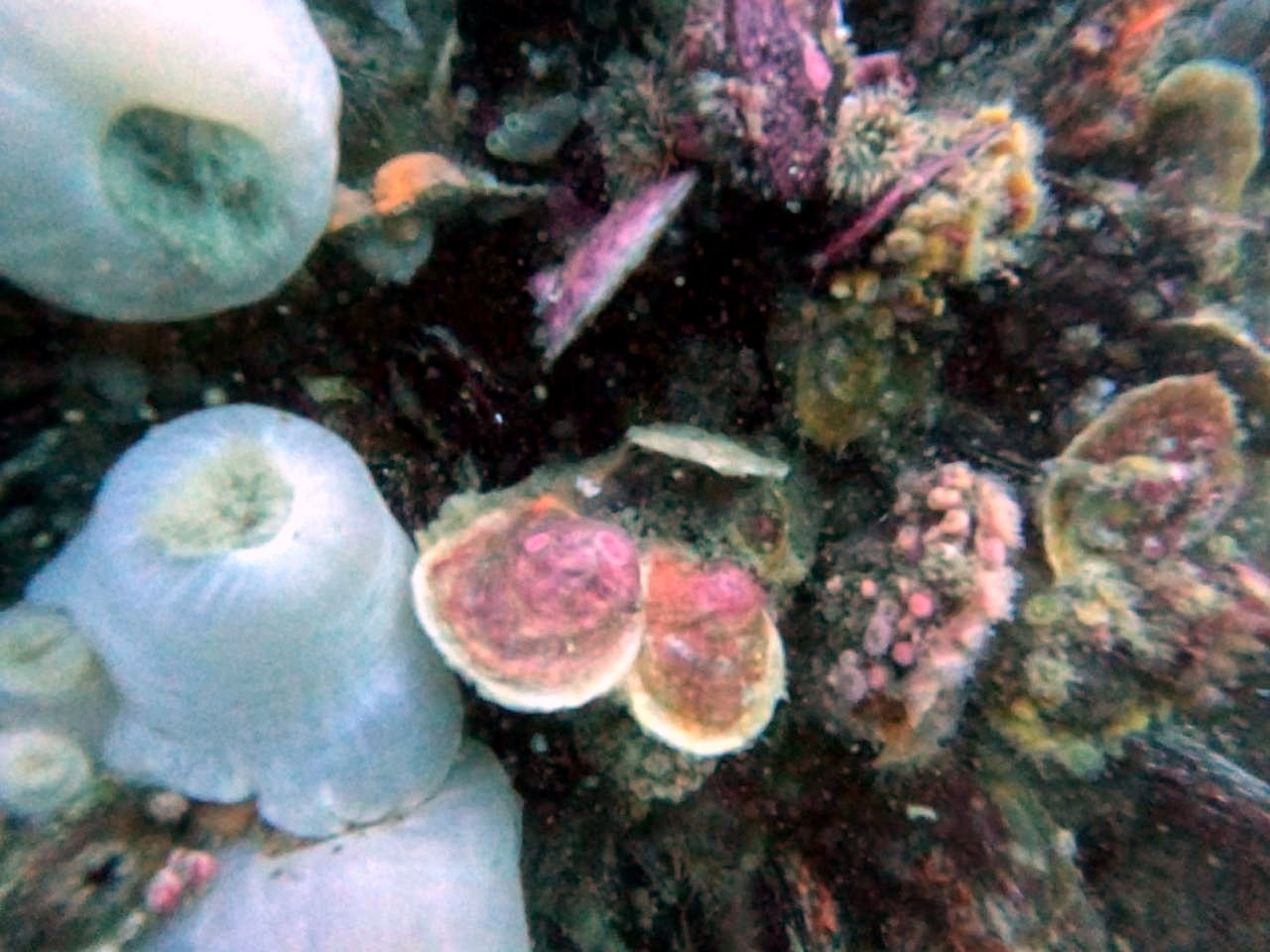
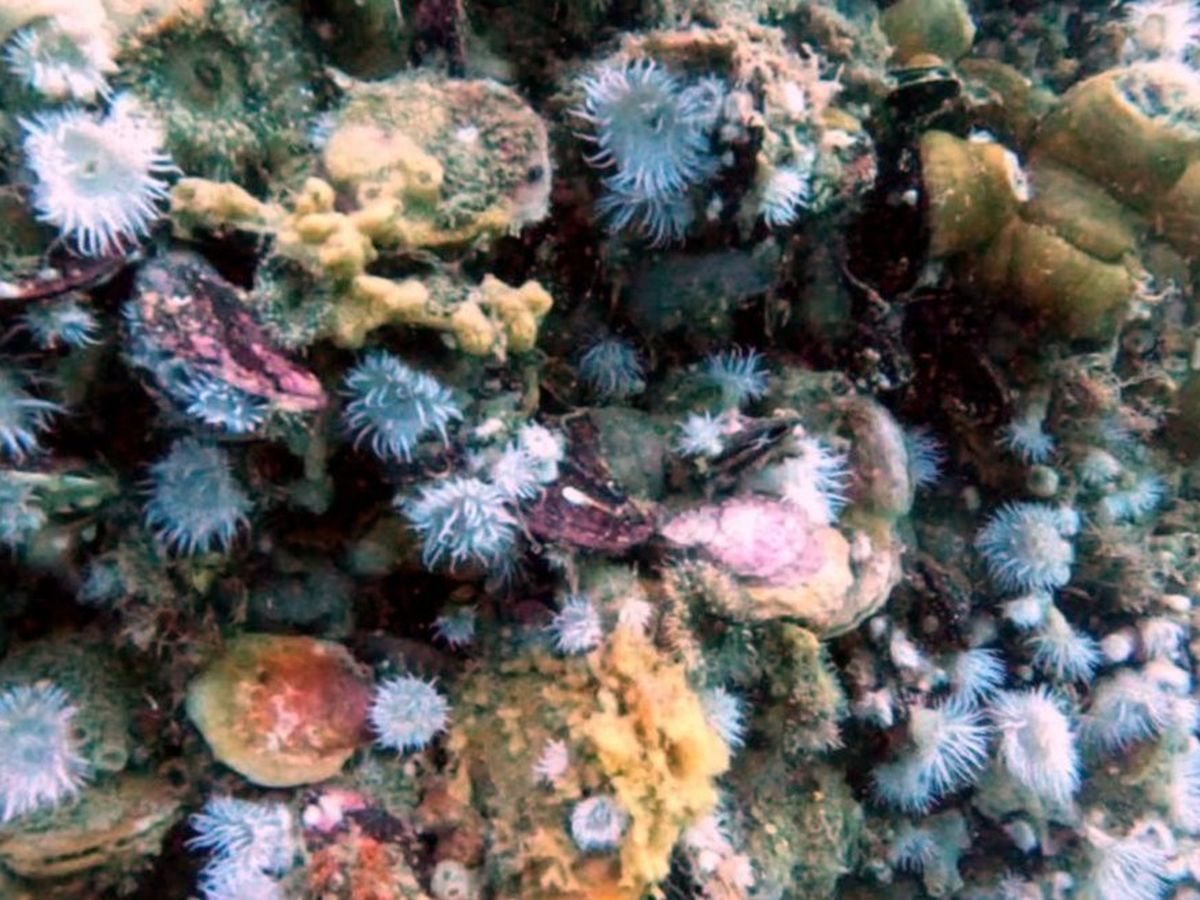
A remarkable animal. Each oyster filters up to 3 litres of water an hour. Its beds shelter sponges, anemones, algae and the Tehuelche octopus, which hides in empty shells. Females even carry tiny "dwarf males" attached to the edge of their shells, a reproductive strategy no other oyster uses.
A dramatic collapse. In 1996 the parasite Bonamia exitiosa swept through the gulf. Combined with decades of dredging for scallops, it destroyed 85% of the northwestern oyster beds within ten years. One bed, Bajo Oliveira, virtually disappeared.
Signs of recovery. Surveys since 2009 show the beds coming back on their own. That opens a real window: restoring a reef while a living population is still there to build from. Worldwide, about 85% of oyster reefs have already been lost. This is a chance to reverse that, at least here.
Who we are
Proyecto PUELCHE brings together Argentine and international scientists who have studied this oyster for years.
• Dr. María del Socorro Doldan, CONICET researcher at the Benthic Ecology Research Laboratory (CIMAS) and lecturer at the Universidad Nacional del Comahue. Her PhD focused on North Patagonian puelche oyster populations.
• Dr. Julieta Martinelli, marine restoration scientist who leads the Washington Department of Fish and Wildlife's Olympia oyster restoration program. She serves on the steering committee of the Native Olympia Oyster Collaborative, a coastwide network rebuilding native oysters from British Columbia to Baja California, and on the board of the International Shellfish Restoration Society. Her career spans three continents: a biology degree from the Universidad Nacional de Córdoba in Argentina, a PhD from Macquarie University in Sydney, Australia, a FONDECYT postdoctoral fellowship in Chile, and a Research Scientist position at the University of Washington's School of Aquatic and Fishery Sciences. Proyecto PUELCHE brings that experience back to Argentina.
• Collaborators: Erica Oehrens Kissner, Marina Kroeck, Myriam Elvira, Luis Quiroga, Paula C. Zaidman and Juan Entraigas (CIMAS, CRIAR and FaCiMar-UNCo).
In October 2026 we presented our restoration roadmap at the International Conference on Shellfish Restoration in Seattle. Work is already under way: we are building larval collectors with two student interns.
What your gift funds: Every contribution goes straight to fieldwork, lab work and the people doing it.
• $238 stocks the lab with supplies for a season of sample processing
• $338 buys temperature loggers to track conditions where larvae settle
• $425 pays for histology and PCR testing to check oysters for Bonamia
• $450 insures four student interns for a full field season
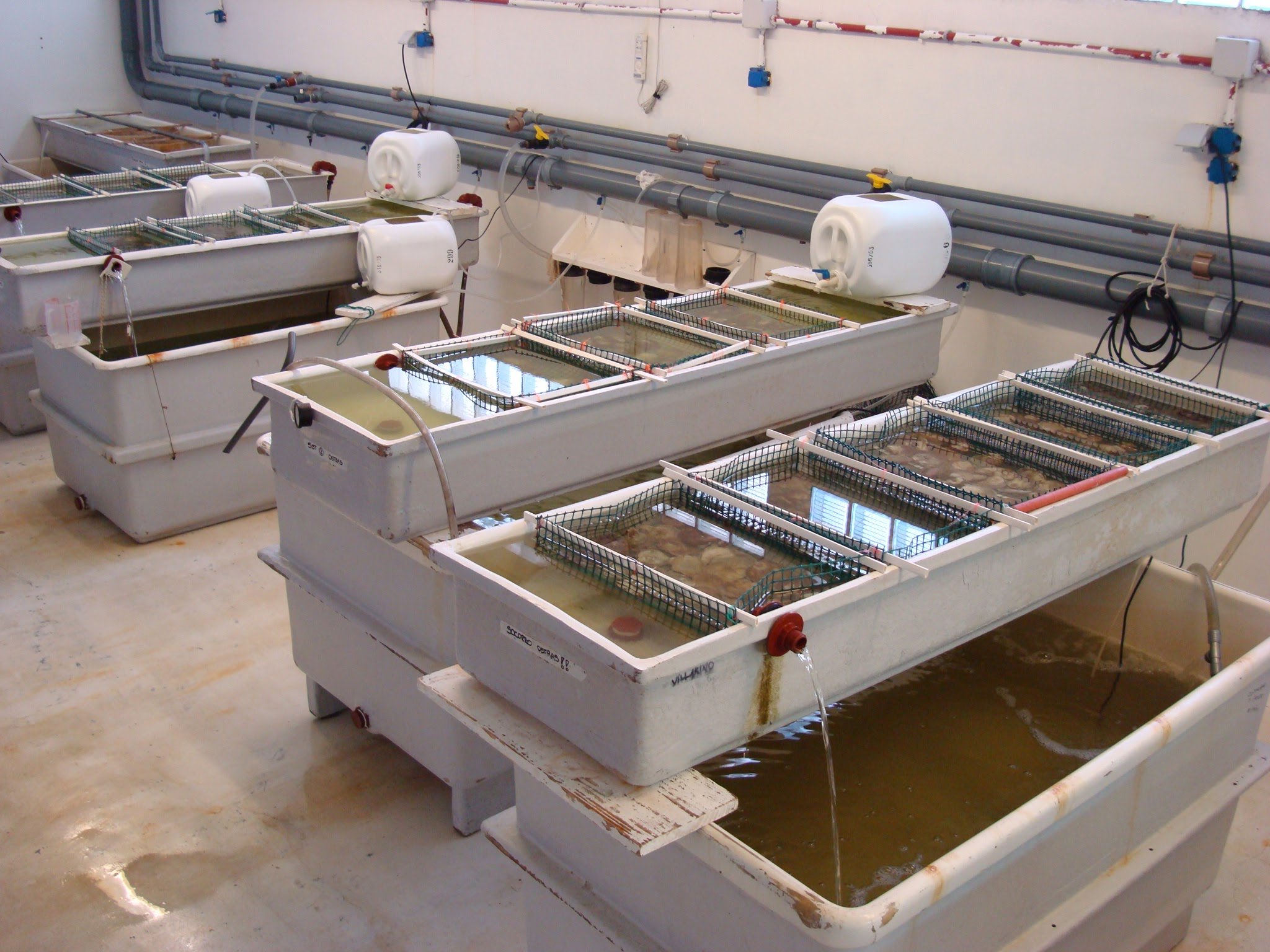
• $875 builds 12 larval collectors to see where baby oysters settle
• $2,000 maps the people and groups who depend on the gulf, so restoration has local support from the start
• $3,125 funds one day of underwater surveys to map the beds (we need three)
Budget
$39,825 funds the Year 1 program; the remaining $5,175 covers fees, transfers and a contingency. All costs are updated for current inflation in Argentina.
Item & Cost (USD)
Salaries and operations (including a site visit and hatchery staff)
$23,250
Population surveys and recruitment monitoring
$13,700
Social actors and social landscape evaluation
$2,000
Intern insurance (4 interns, one field season)
$450
Bonamia histology and PCR
$425
Program subtotal
$39,825
Contingency (~8%: rising costs, weather-lost dive days)
$3,175
GoFundMe processing fees
$1,400
International transfer and currency exchange
$600
Total goal
$45,000
The population surveys and monitoring line covers three days of underwater surveys ($9,375), a binocular microscope ($2,500), 12 larval collectors ($875), field equipment ($375), temperature loggers ($338) and lab supplies ($238).
How your money reaches Argentina
GoFundMe can't pay out directly to Argentina, so Julieta Martinelli is organizing this fundraiser from the United States. Funds will be transferred to Fundación Patagonia Fiel, our partner organization and fiscal sponsor in Argentina, via Western Union or PayPal. We'll send them in two or three installments over the season so inflation doesn't erode them before they're spent, and post transfer receipts and spending summaries in our campaign updates.
Follow along
We'll share photos from the field, survey results and lab findings as they happen: collectors going into the water at El Sótano, the first settled larvae, and what the dive surveys reveal. You can also follow our log at proyectopuelche.org.
For photos and news between updates, follow us on Instagram at @proyectopuelche.
Thank you for helping bring the puelche oyster home. / ¡Gracias por sumarte!
Juli & Soco