- L
- A
Help Us Grow 30,000 Trees in Rural Cambodia
0% complete
£6,630 raised of £10K
134 donations
30,000 Trees Project Implementation Plan
Year 2 – April 2026 to March 2027
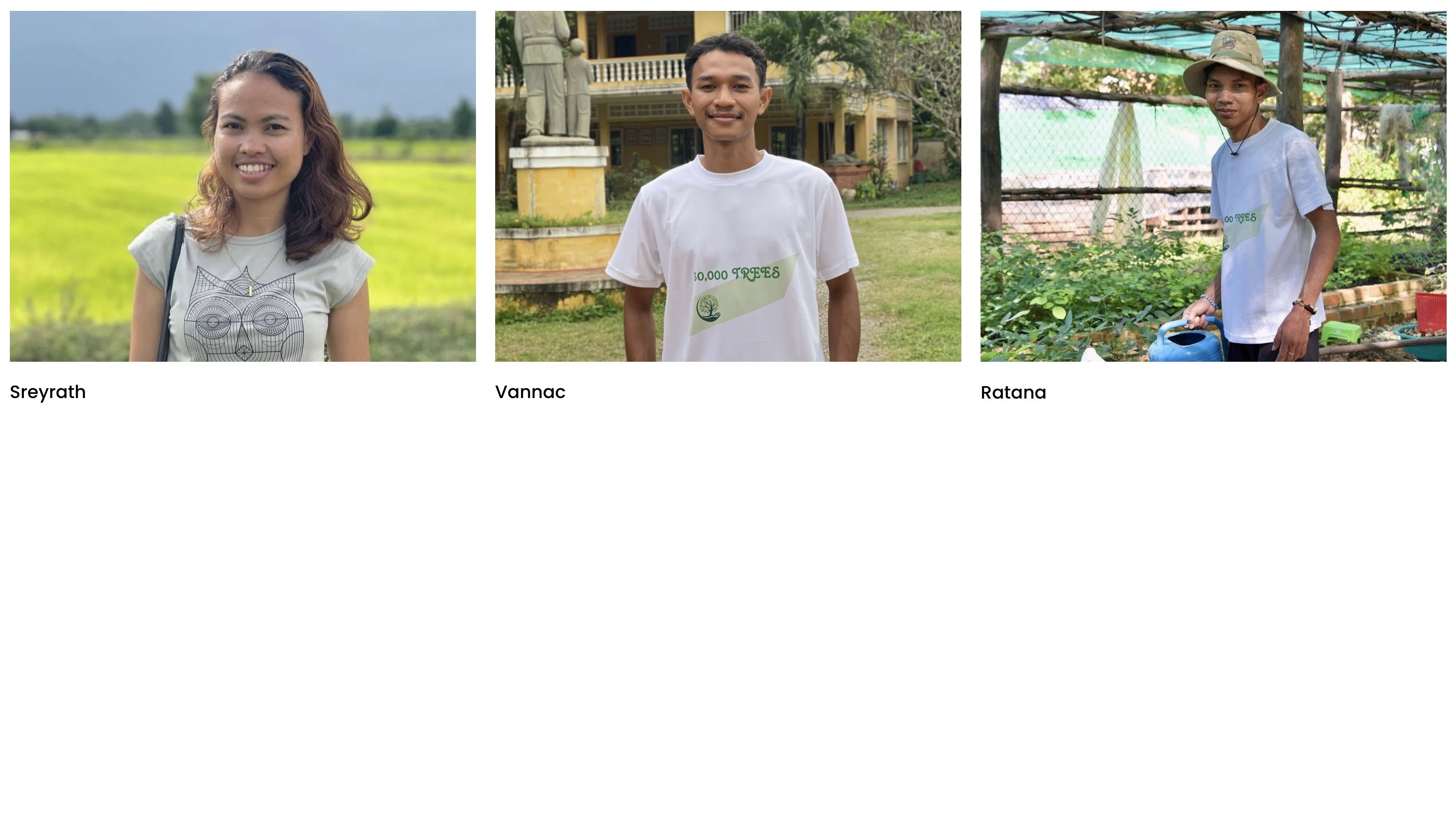
As we step into a new year of the 30,000 Trees Project, we want to share an update from our Cambodian team — the people who are now leading, growing, and shaping this work every day.
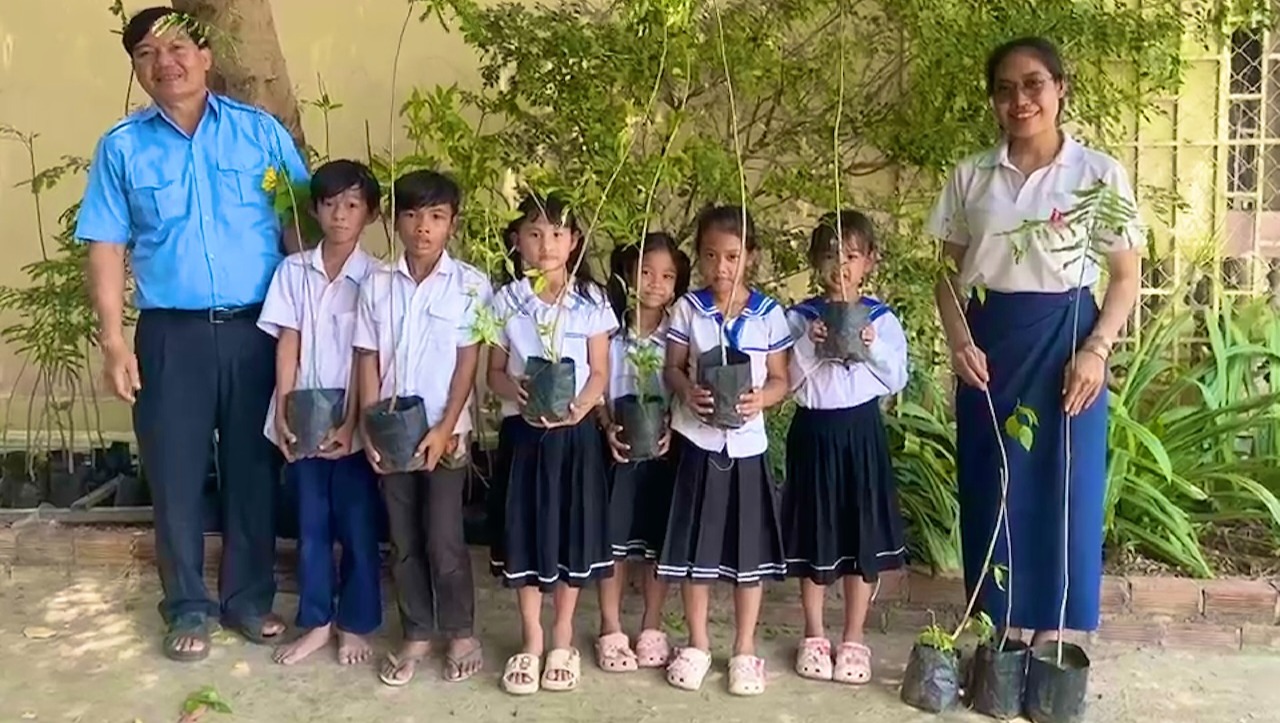
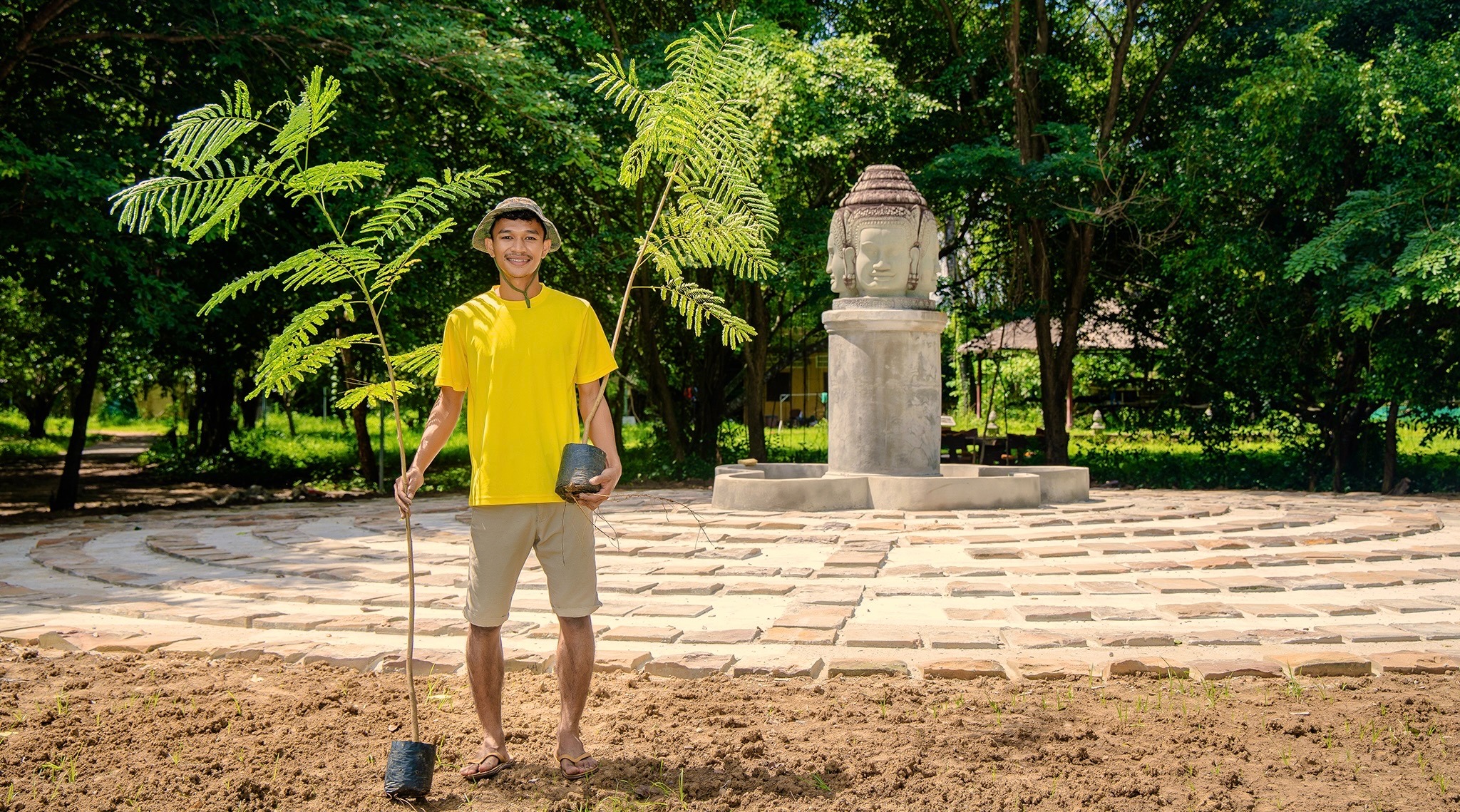
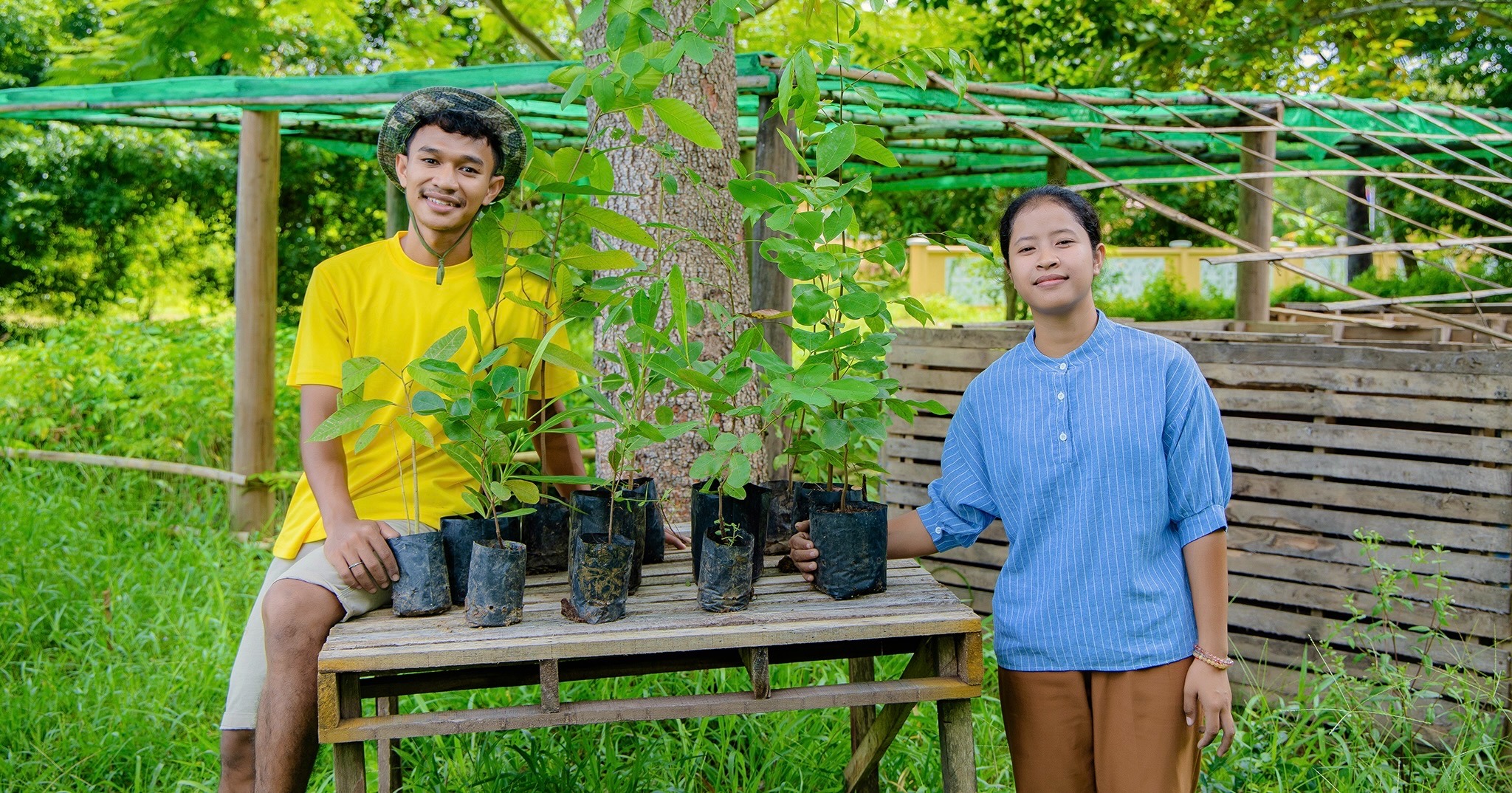
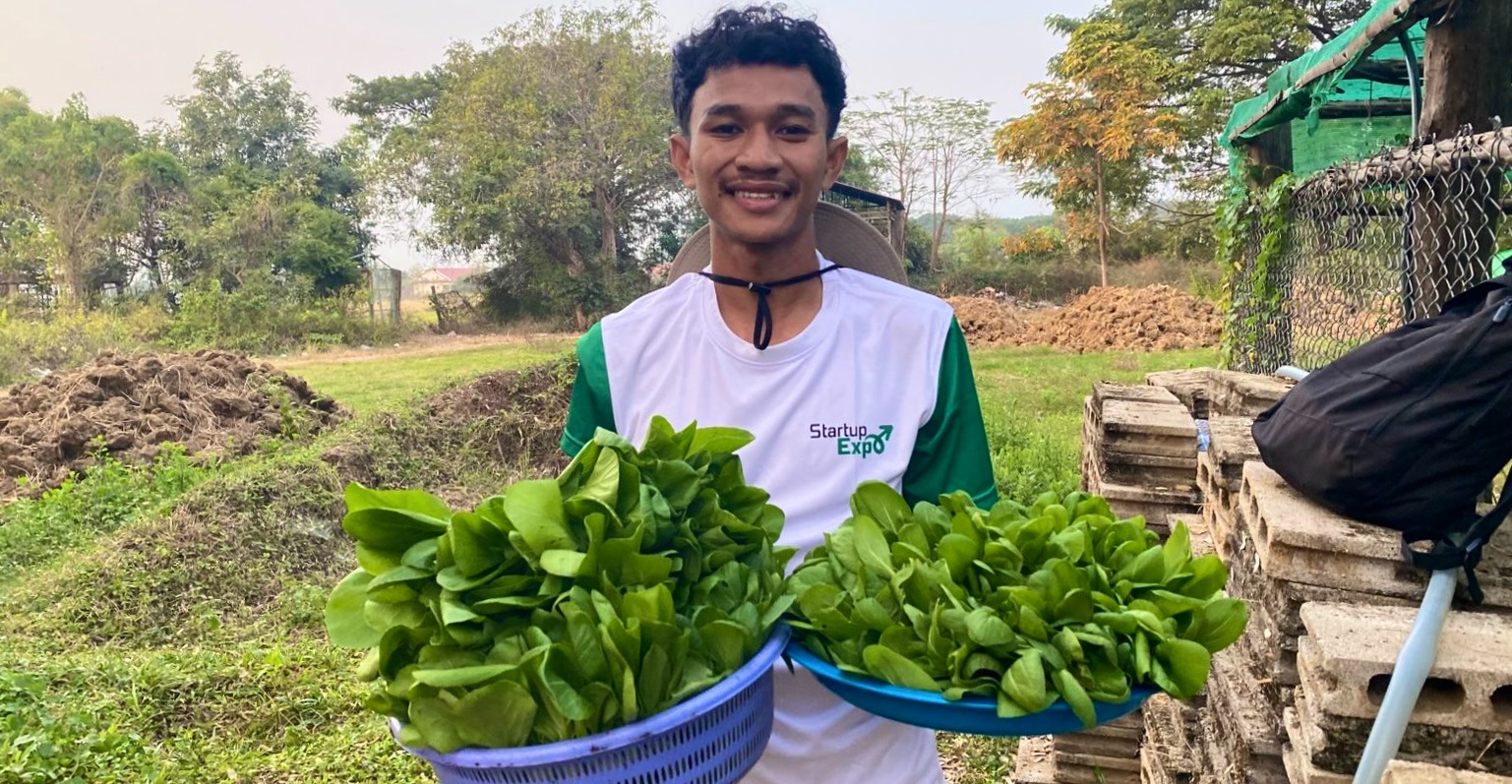
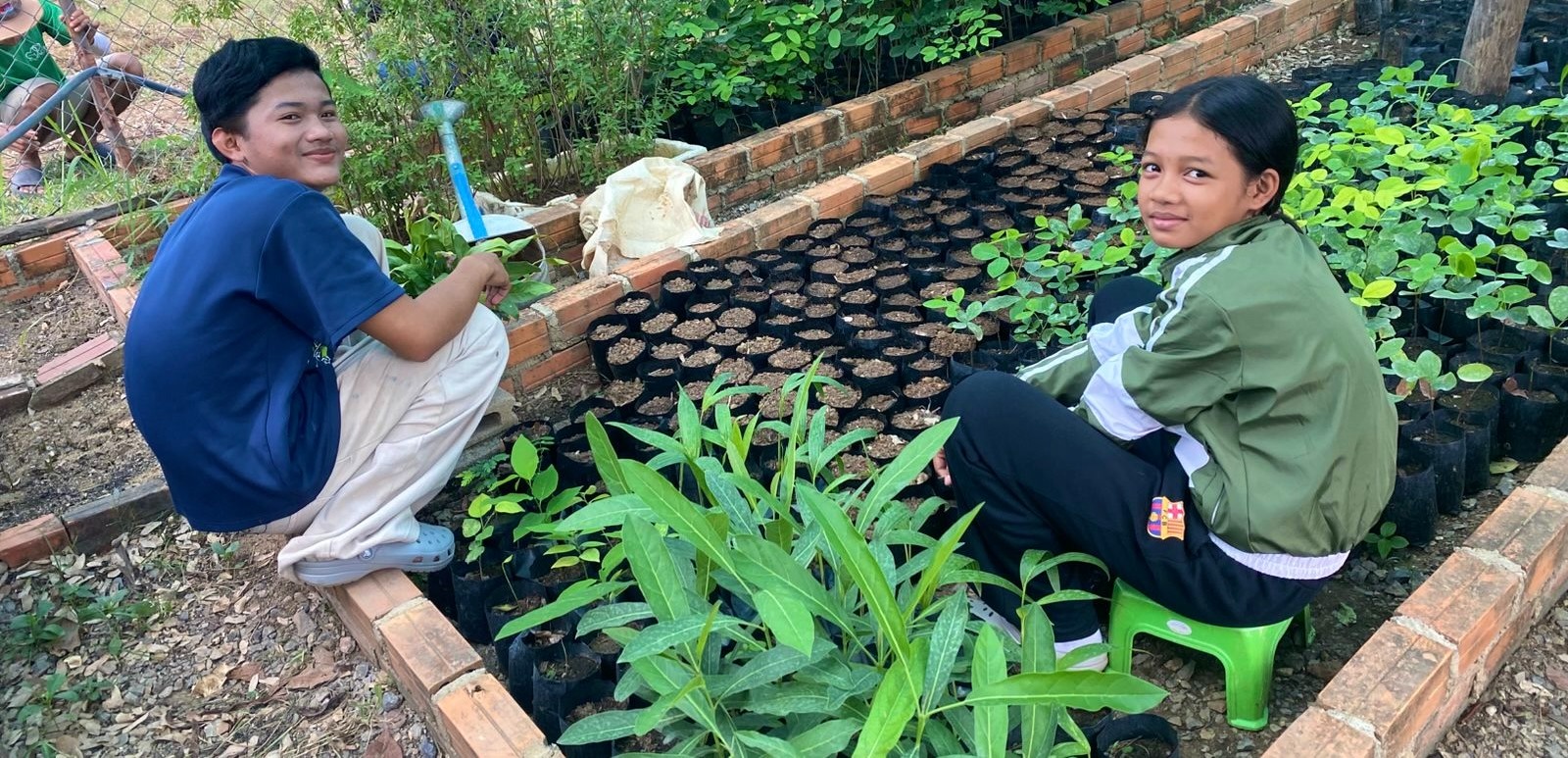
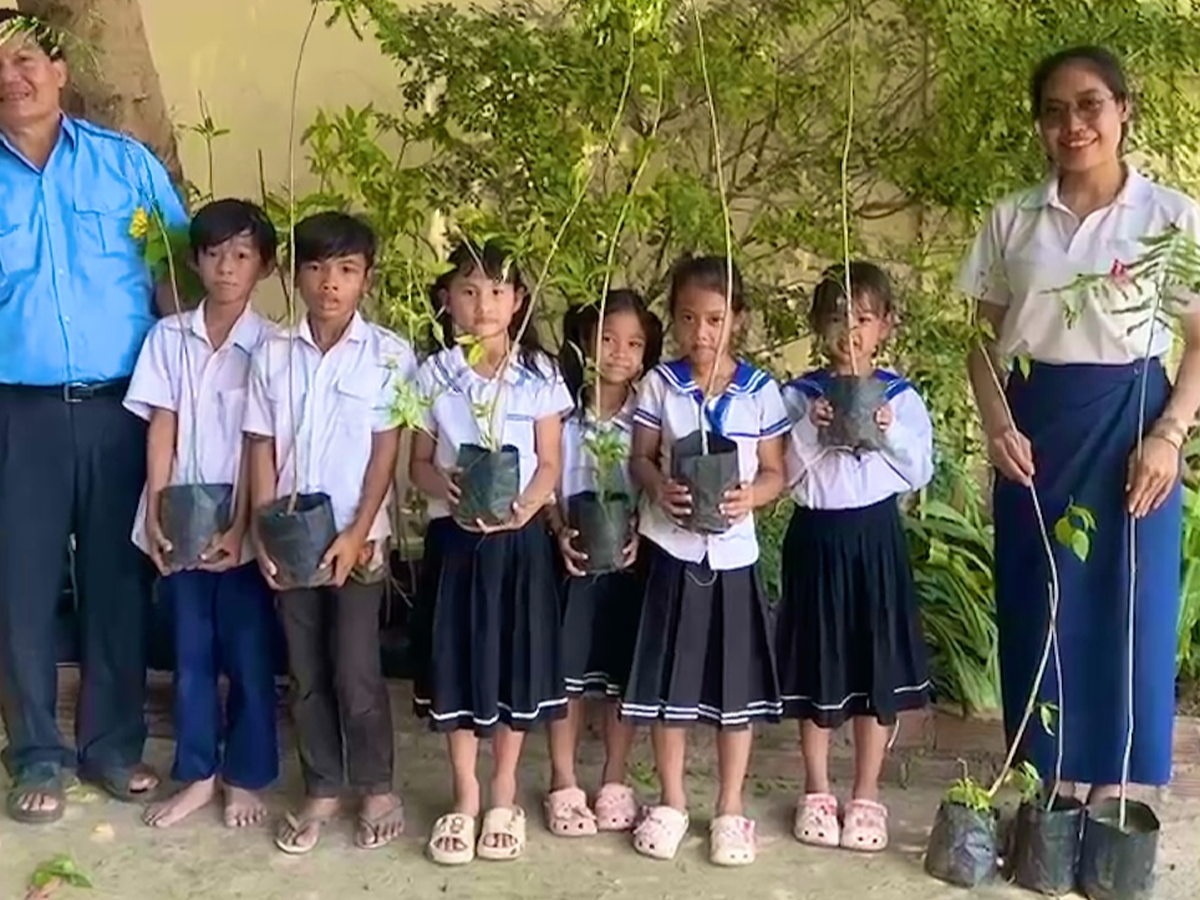
Thanks to your support, our first year (2025–April 2026) has been a real success. Together, we established our first micro-nursery in Tahen Village, expanded production to thousands of trees, and created a working model that combines tree growing, composting, and food production. Schools, families, and community members have already begun planting, learning, and benefiting from these systems.
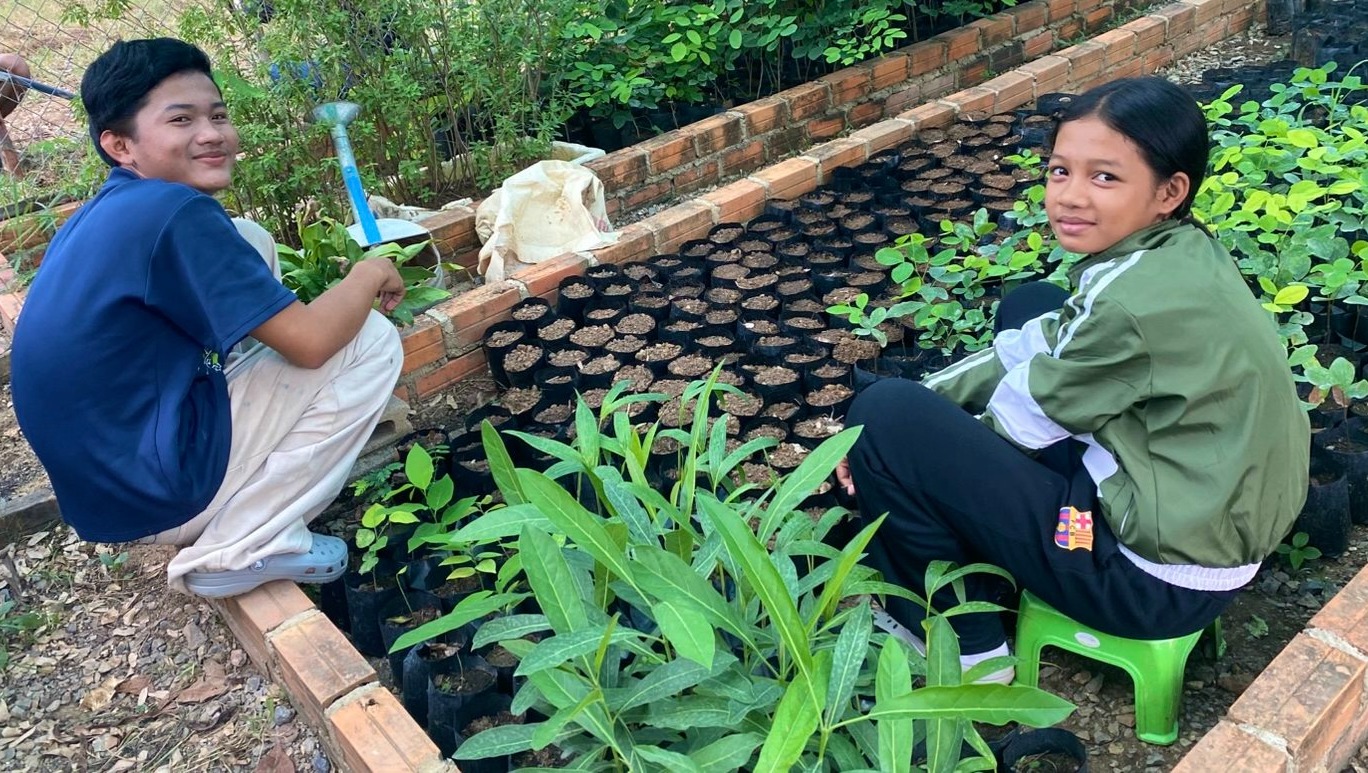
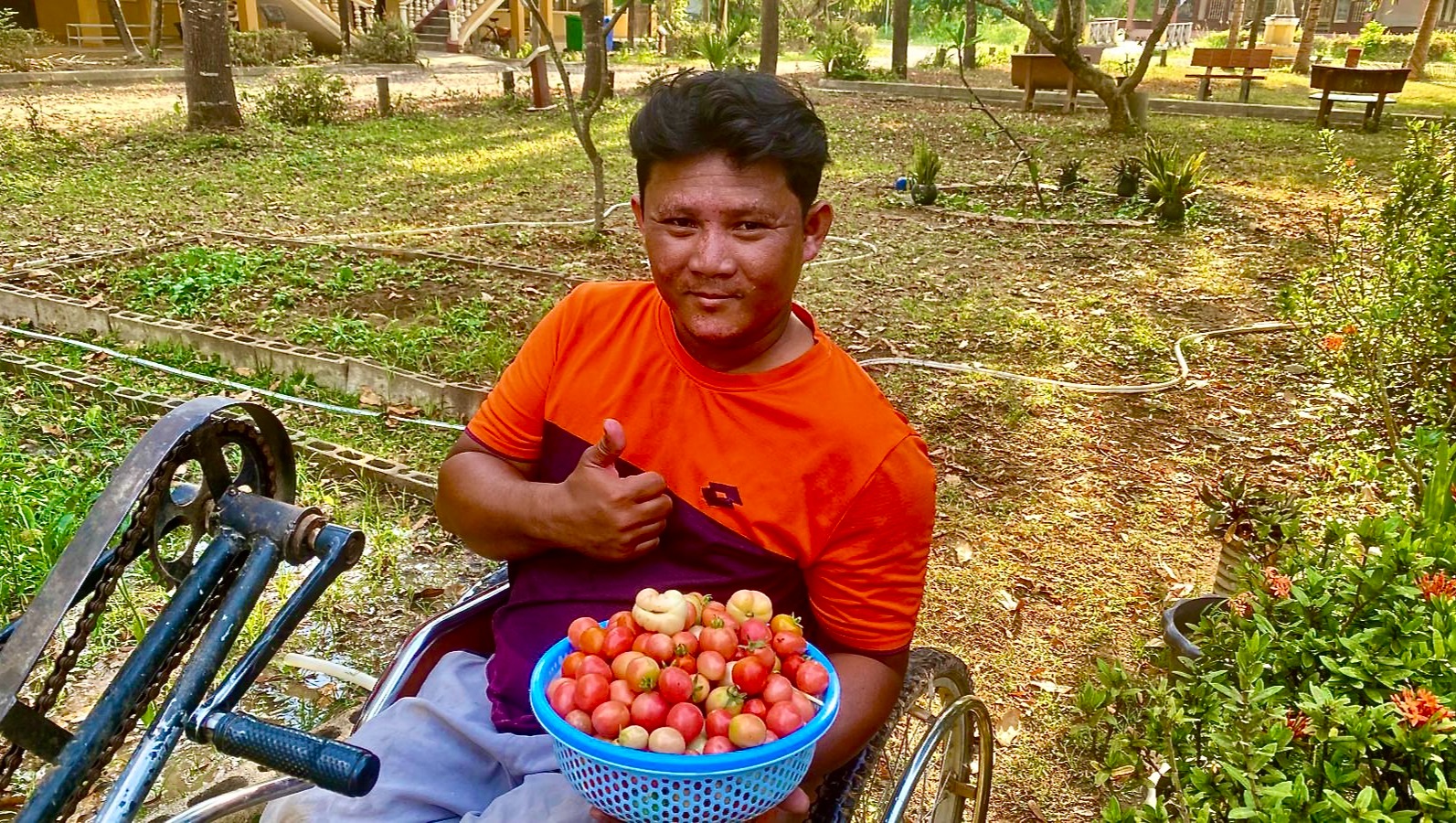
Now, the project is evolving. For 2026–2027, our Cambodian team is taking full ownership of implementation, building on what we’ve learned to create a stronger, more sustainable model focused on community leadership, soil health, and long-term environmental impact.
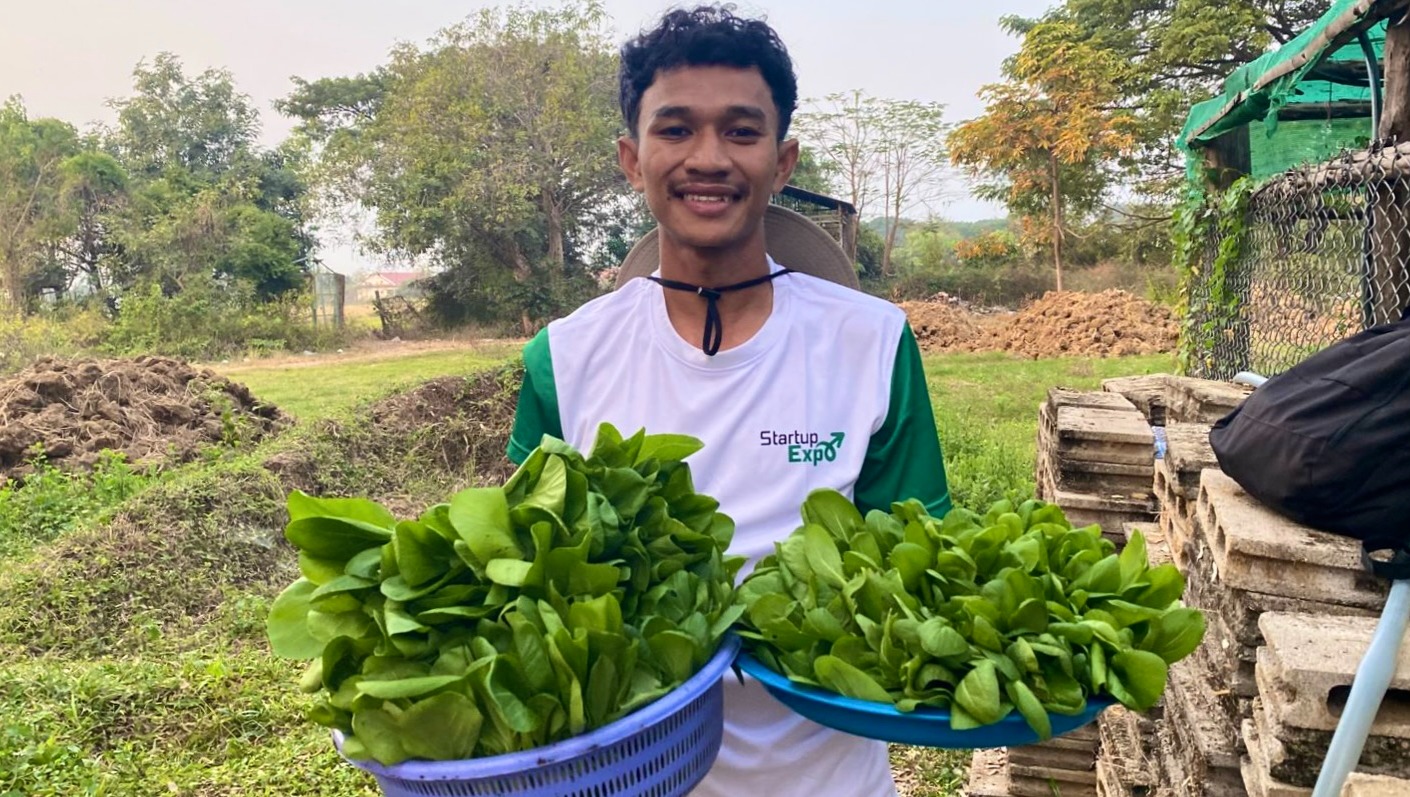
Here’s what the next year looks like:
Stronger Nurseries & Compost Systems (April–May 2026)
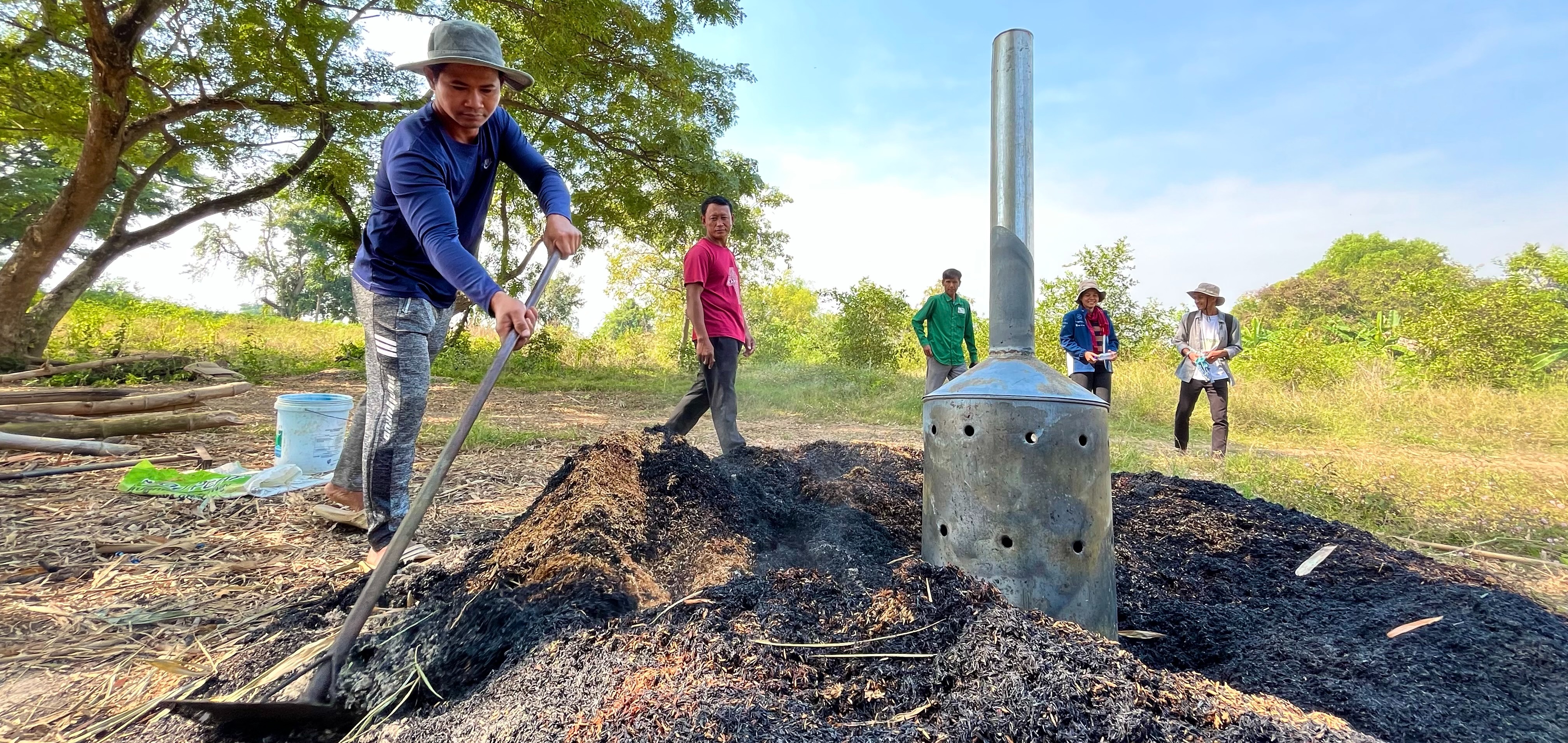
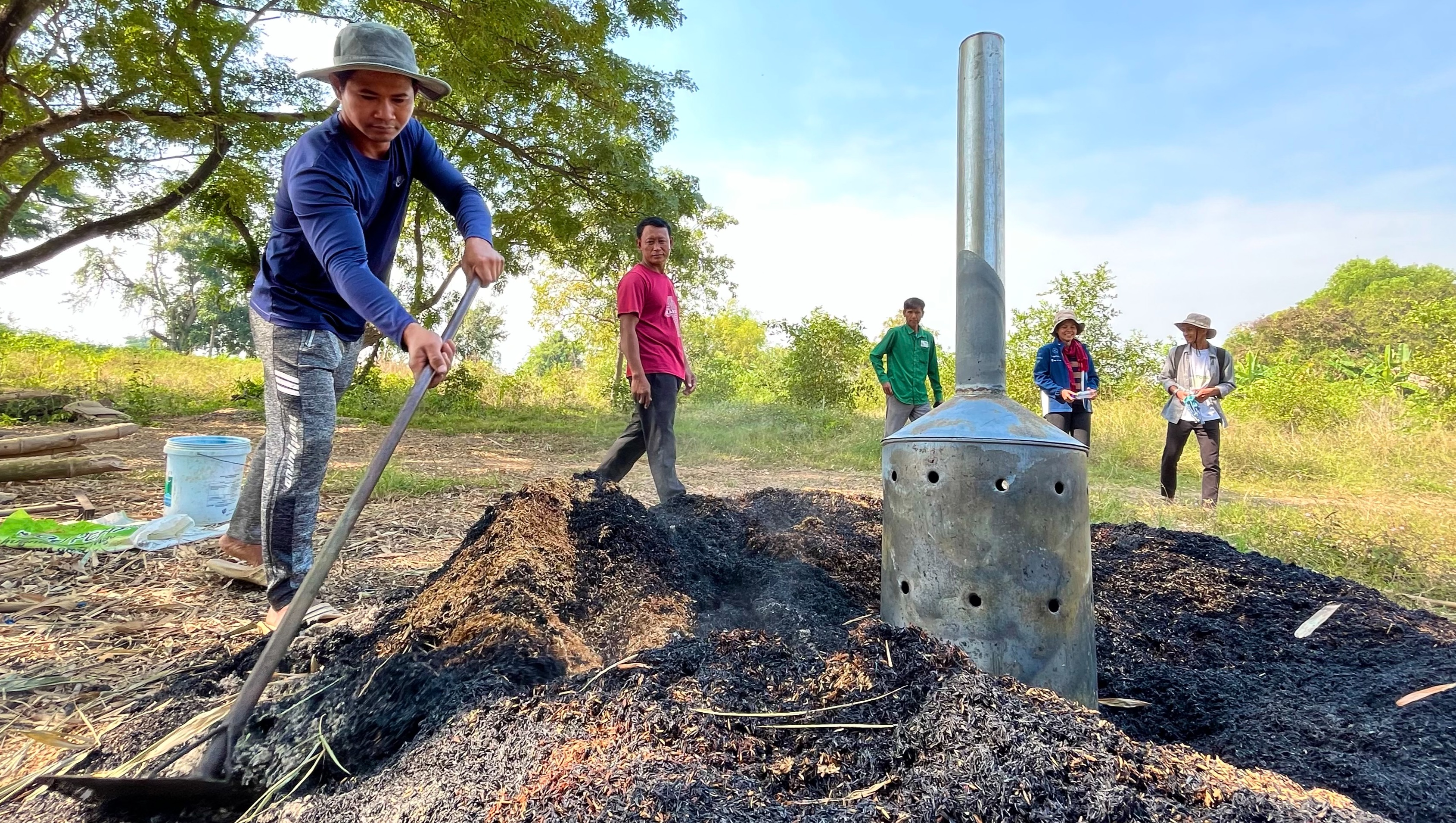
We are improving our nursery sites and focusing on quality — producing strong, healthy seedlings using organic compost. This includes launching a year-round composting system, with a goal of producing 10 tons annually. Families involved in the project will continue building their skills in nursery management and sustainable growing.
Tree Distribution & Community Planting (June–September 2026)
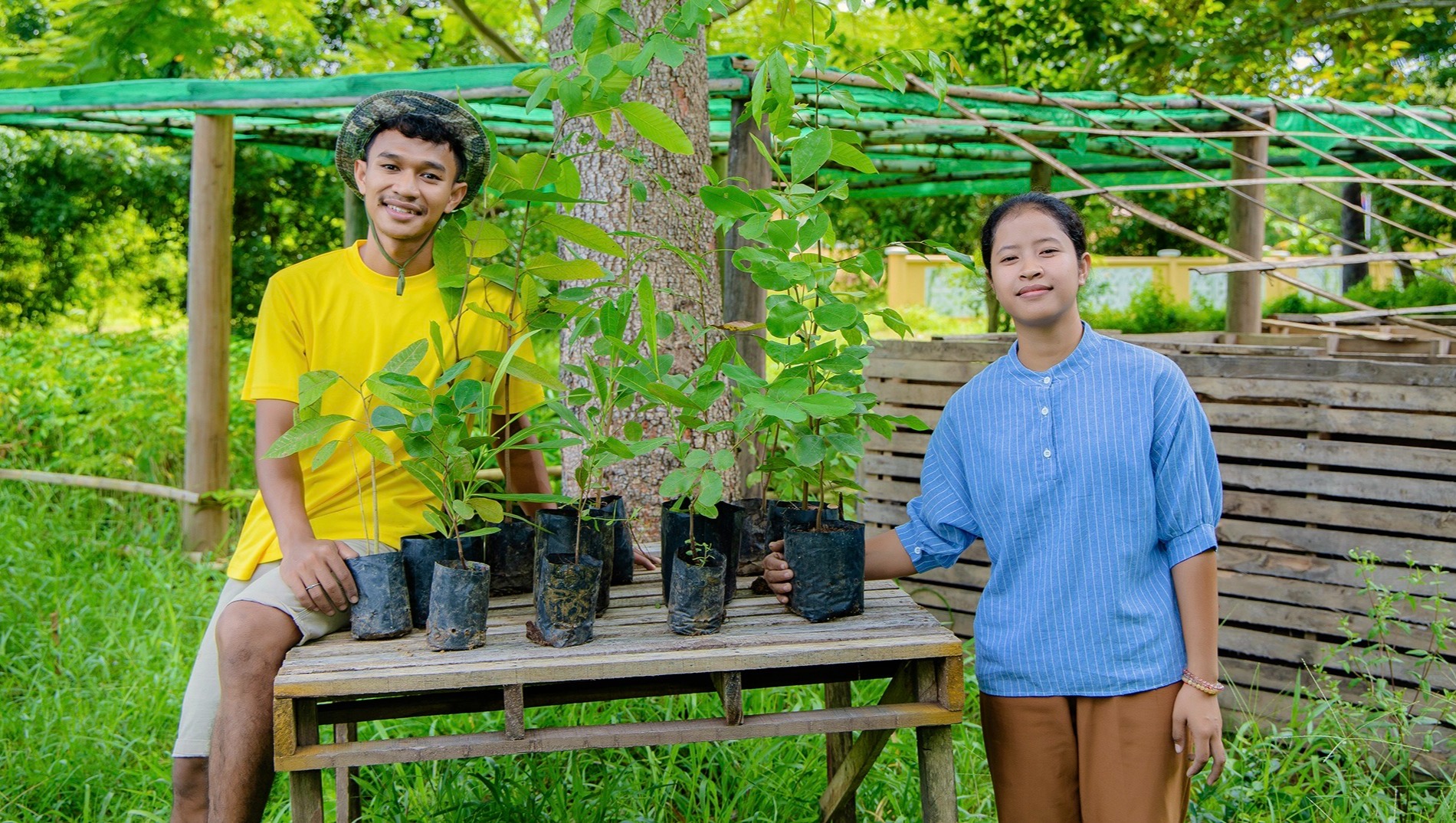
During the rainy season, we will distribute thousands of trees grown over the past year. These will go to schools, farmers, NGOs, and local communities — through both affordable sales and donations.
At the same time, we will run community planting events and provide hands-on training in tree care, planting techniques, and soil improvement using compost.
Mini Forests & Long-Term Impact (October 2026–March 2027)
This year, we will begin creating two “mini forests” using dense, diverse native planting methods. These sites — in schools or community spaces — will act as living classrooms, helping young people and families learn how ecosystems can be restored.
We will also continue improving our nursery systems to ensure the project can grow sustainably in the years ahead.
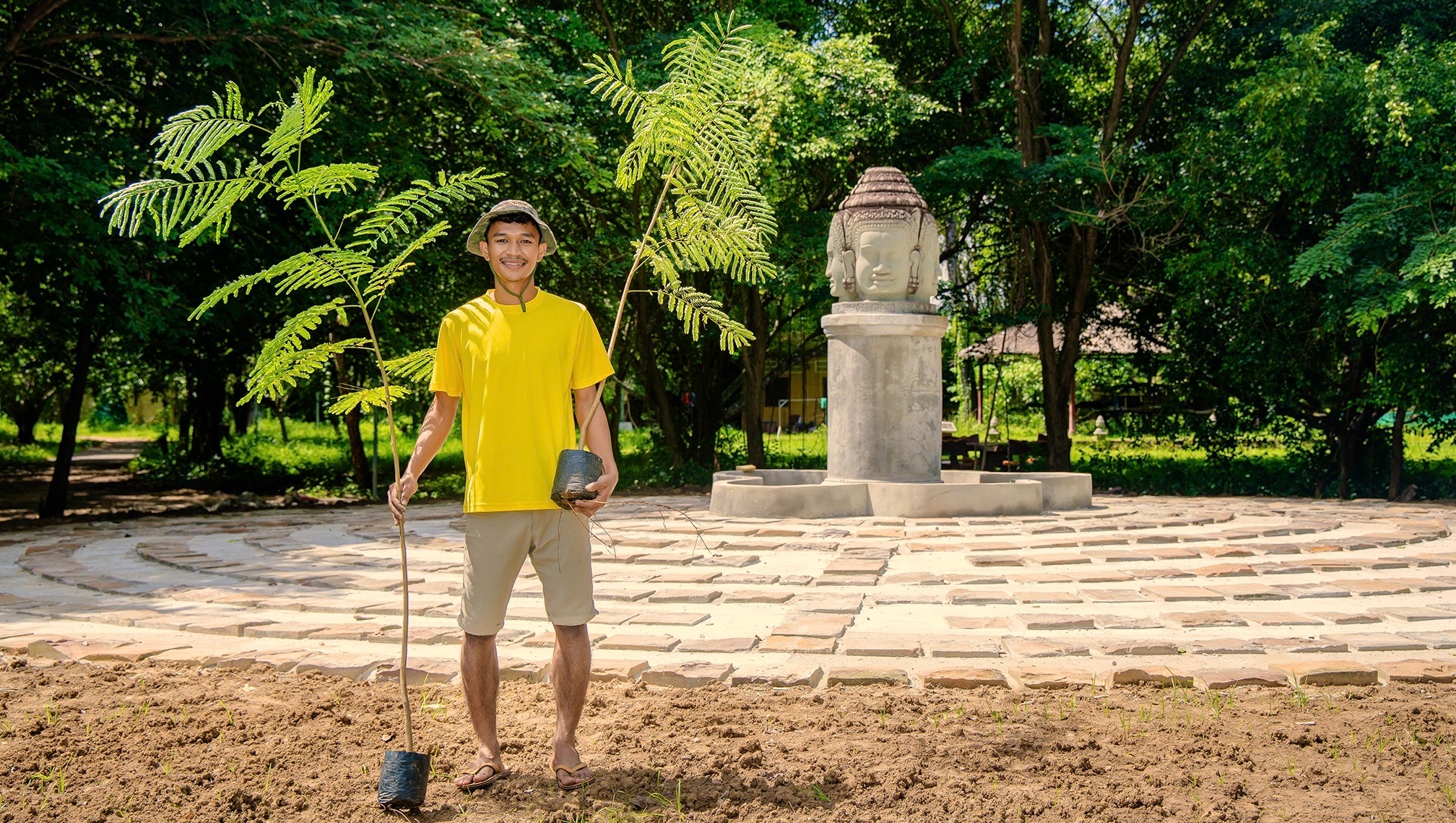
What We Aim to Achieve This Year
• 10,000–13,000 trees grown and distributed
• 10 tons of compost produced
• 2 mini forests established
• Increased community knowledge in tree growing, composting, and organic farming
This next phase is about more than planting trees — it’s about building knowledge, restoring soil, and empowering communities to identify and collect native tree seeds and care for their land long into the future.
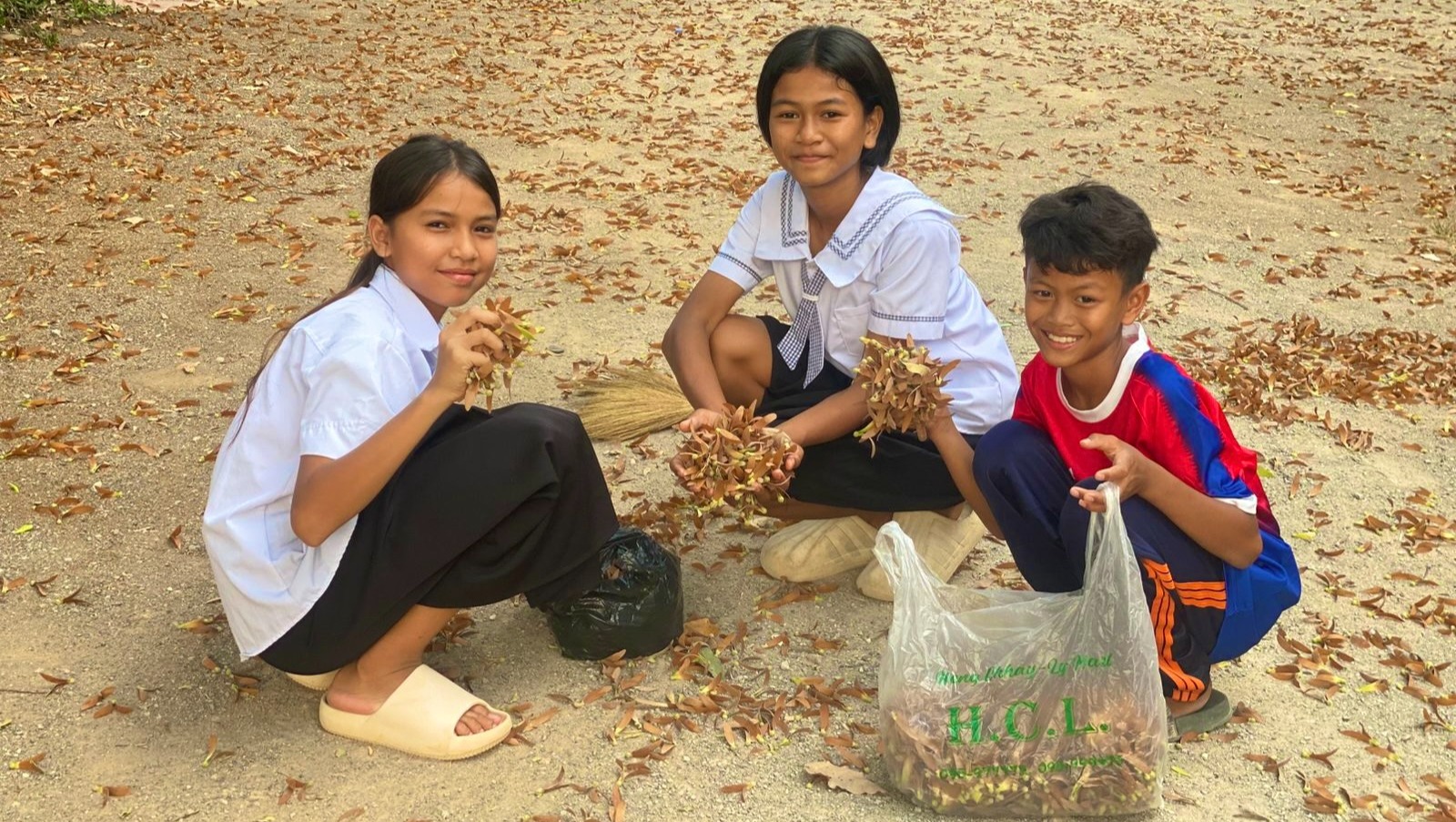
Thank you for being part of this journey. Every contribution continues to support local leadership, environmental restoration, and a growing network of people committed to bringing Cambodia’s landscapes back to life.
Organizer
Simon Gue
Organizer