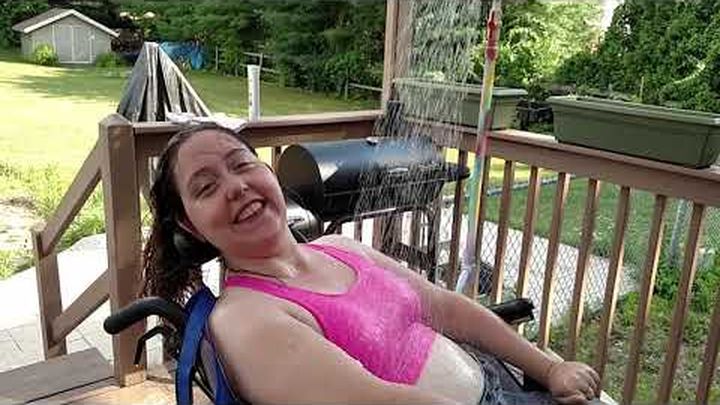
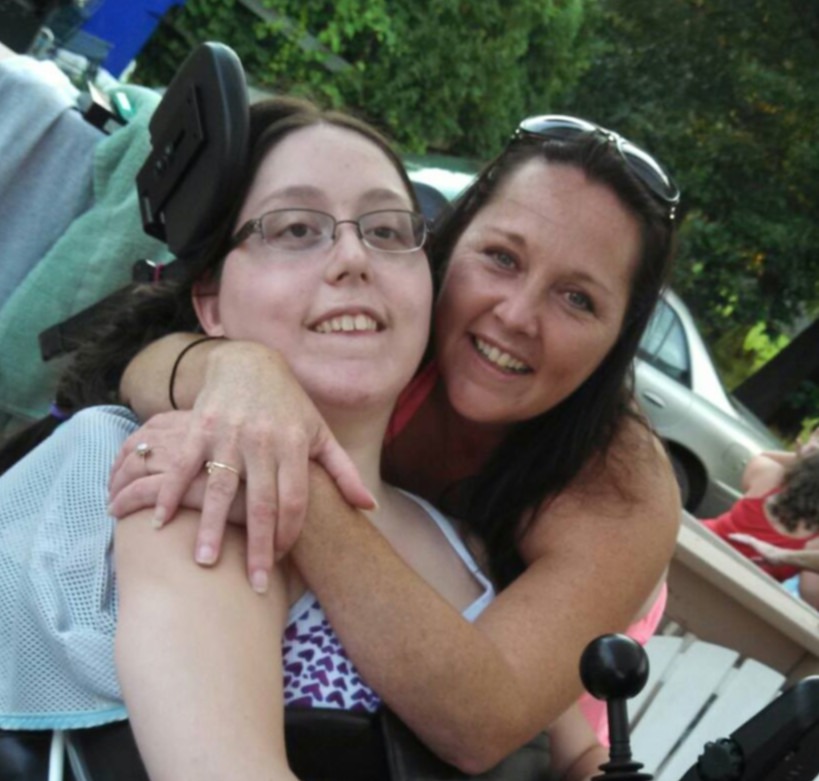
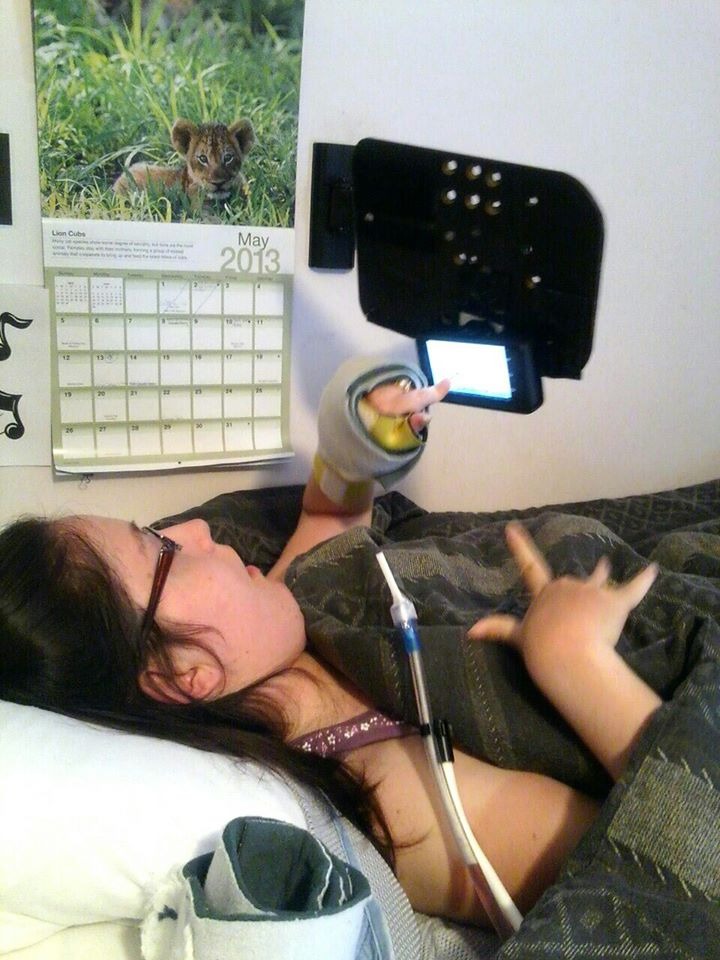
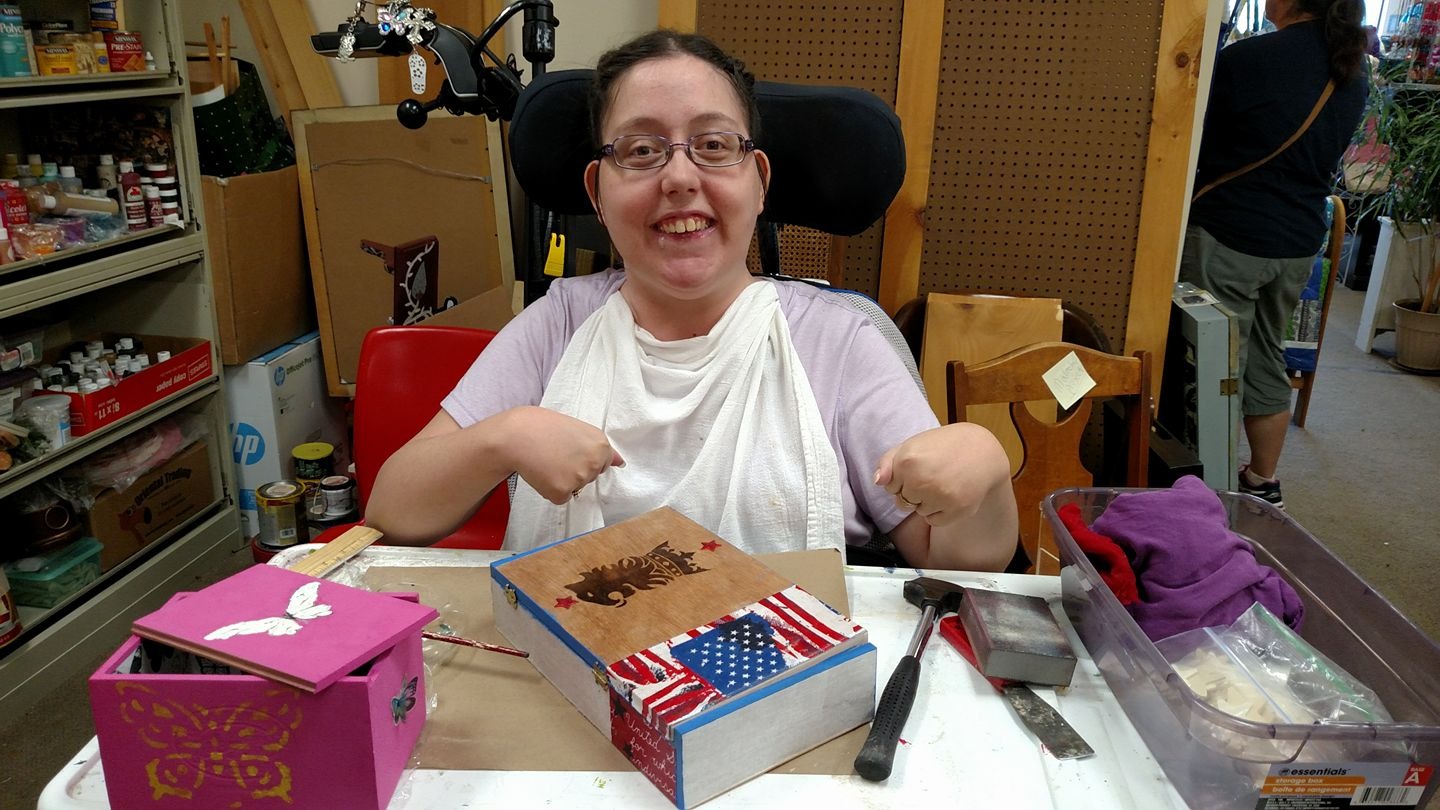
(This is the Monica we know—happy, relaxed, and free under the little outdoor shower we built together. This is the peace we’re fighting to bring back.)
Help Us Give Monica the Quality of Life She Deserves
Monica is a bright, high-functioning young lady with spastic quadriplegia & developmental disabilities due to congenital cerebral palsy. She has endured years of neglect, fear, and isolation in a group home. We’re raising funds to purchase and outfit a caregiver-friendly condo designed for her needs, then place it in a special-needs trust so she’s safe for life. A peaceful, accessible home will minimize the physical strain on caregivers and give Monica the stability, comfort, and love she deserves.
Full Story
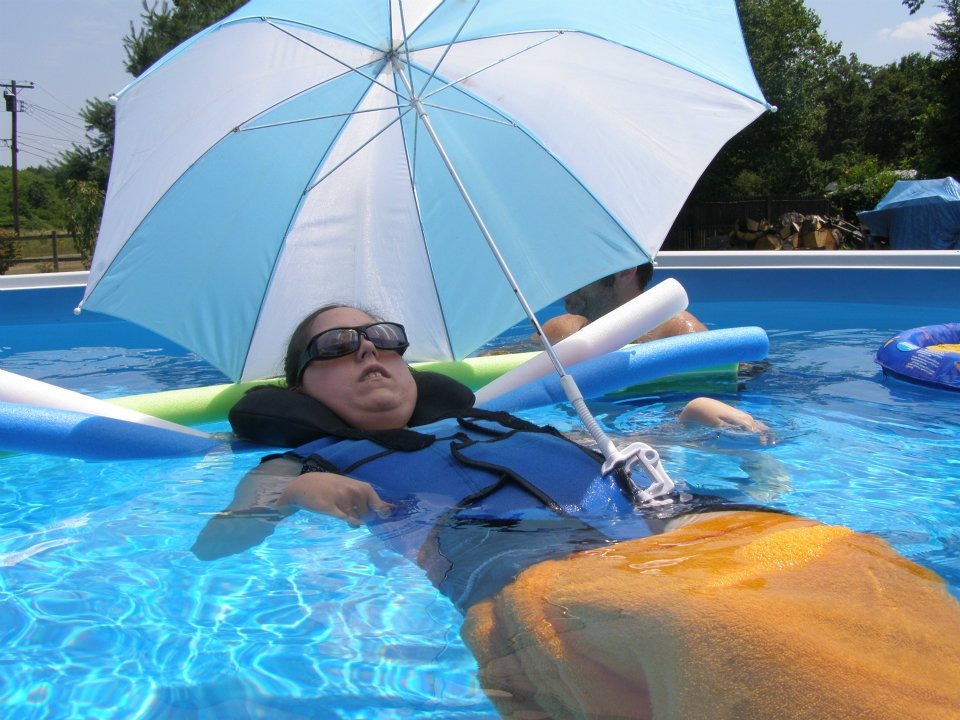
One of my favorite memories of Monica is from the home she grew up in—lounging outside in her t-shirt and shorts under the little outdoor shower she and I built together (video above). She was laughing, relaxed, and completely at peace. That simple moment captured everything that made her happy: comfort, independence, and family close by. That home—and that kind of joy—is what we’re fighting to bring back to her. All images and videos, except the post-attack image, are of Monica before moving to a group home.
Monica is a spastic quadriplegic with special needs, but she is also a bright, high-functioning young woman who feels and understands everything happening around her. She’s fully aware of the decline in the quality of care she’s been receiving—and that awareness makes it even more painful for her, and heartbreaking for those who love her.
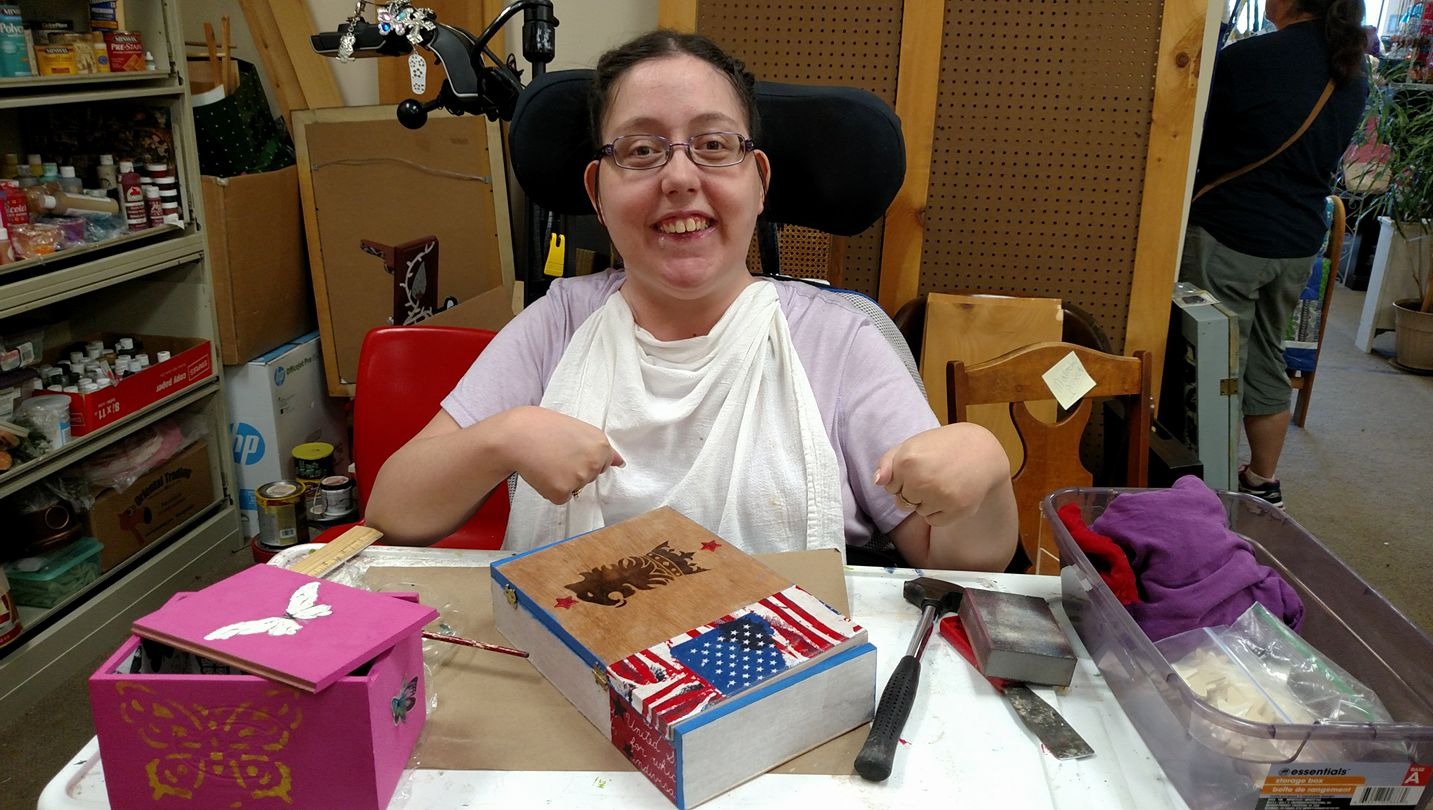
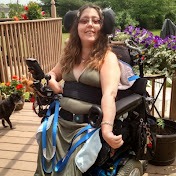
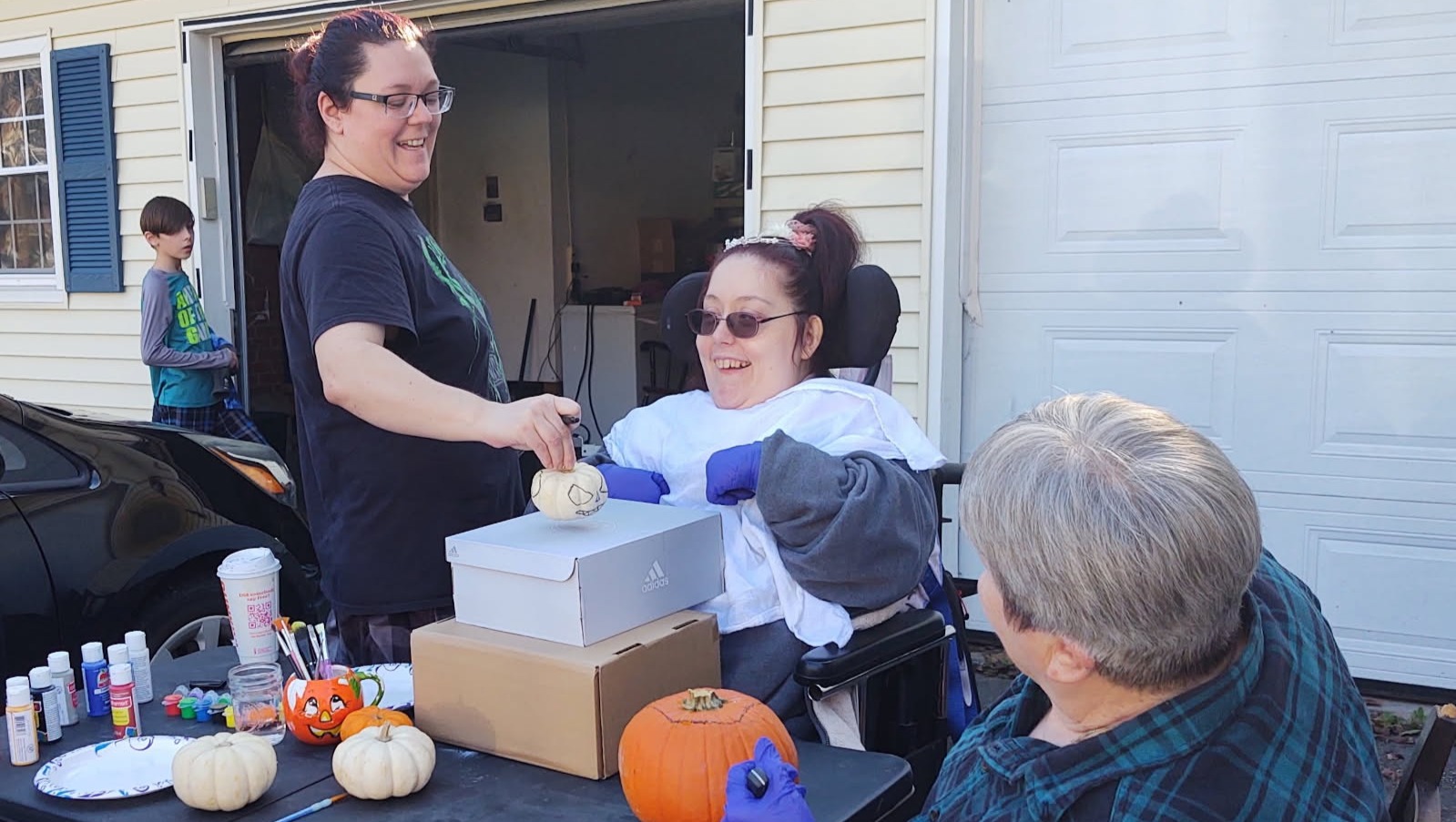
(Monica loves arts & crafts....add in learning and she's in her glory! Click here to see Monica and her homemade volcano )
A Life Once Filled With Love and Connection
Monica grew up surrounded by family—laughter, celebrations, and the constant hum of love. She thrived in that environment.
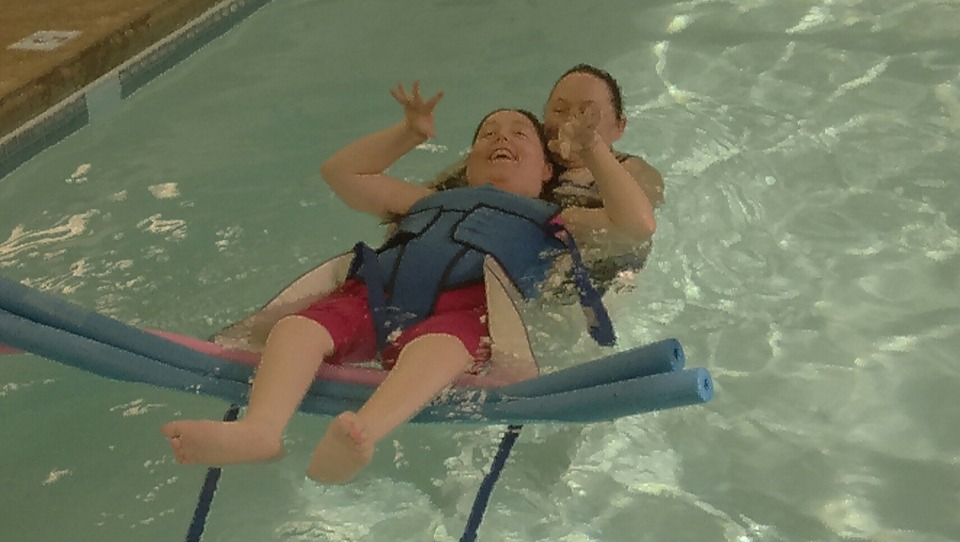
(Monica loves to swim! Click here to see Monica swimming )
After her parents divorced, despite everyone’s best efforts, it became impossible to meet her complex needs without reliable, consistent caregivers. After exhausting every option, Monica was placed in a group home—a decision made out of love and necessity, but one that has brought more harm than healing.
The Harsh Reality of Group Home Care
The group home was not what we were promised. Like so many others, it’s short-staffed, underfunded, and filled with employees who lack the compassion or training this role requires. The few who truly care are overworked and burned out.
As a result, Monica’s daily life is a constant struggle—she’s often not positioned properly in her wheelchair (causing her pain), not safely secured during transport (creating serious safety risks), and her meals are rushed (which worsens her GI issues and leaves her in pain for hours). Her hand and wrist surgeries, once successful, are losing their benefits because her braces aren’t applied and range-of-motion therapy is neglected. She’s frequently left without the movement or care her body needs to stay comfortable—and after one surgery, her incision went untreated for 11 days until family intervened.
For years, we’ve been fighting just to have her basic needs met—things as simple as being fed properly, positioned safely, and treated with dignity. We haven’t even been able to focus on the equally important parts of her life, like inclusion, community outings, and social connection—the very things that give meaning and joy. Monica deserves more than survival; she deserves a life filled with purpose, engagement, and happiness.
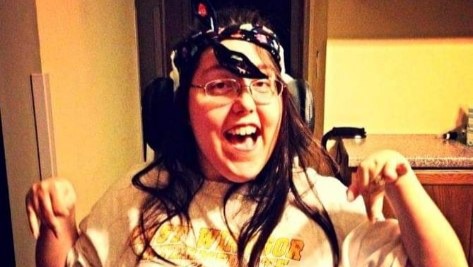
(Happiness...right here...this silly girl is always up for anything! Click here to see Monica popping bubble wrap)
Living With Constant Noise and No Escape
Monica is also extremely sensitive to sound, something we made very clear before she was placed in this group home. We were assured that wouldn’t be a problem—that her roommates were calm and the environment was quiet and supportive. Sadly, that was untrue.
One roommate, who has lived there since childhood, has severe behavioral challenges and is constantly loud—talking, yelling, or having outbursts throughout the day. Monica can’t escape the noise. She hears it in the morning before the bus, on the bus to day program, during the program, on the bus home, and all evening in the house. It’s relentless.
She never gets a real break from it unless she visits family—and even that’s difficult, because we don’t have a wheelchair van and she lives about half an hour away. The constant overstimulation and lack of peaceful space have taken a serious toll on her anxiety, mental health, and overall happiness.
She spends most of her time in her bedroom with the door closed, just trying to cope. She calls us constantly, just to have someone to talk to, often saying how lonely she feels. It’s utterly heartbreaking.
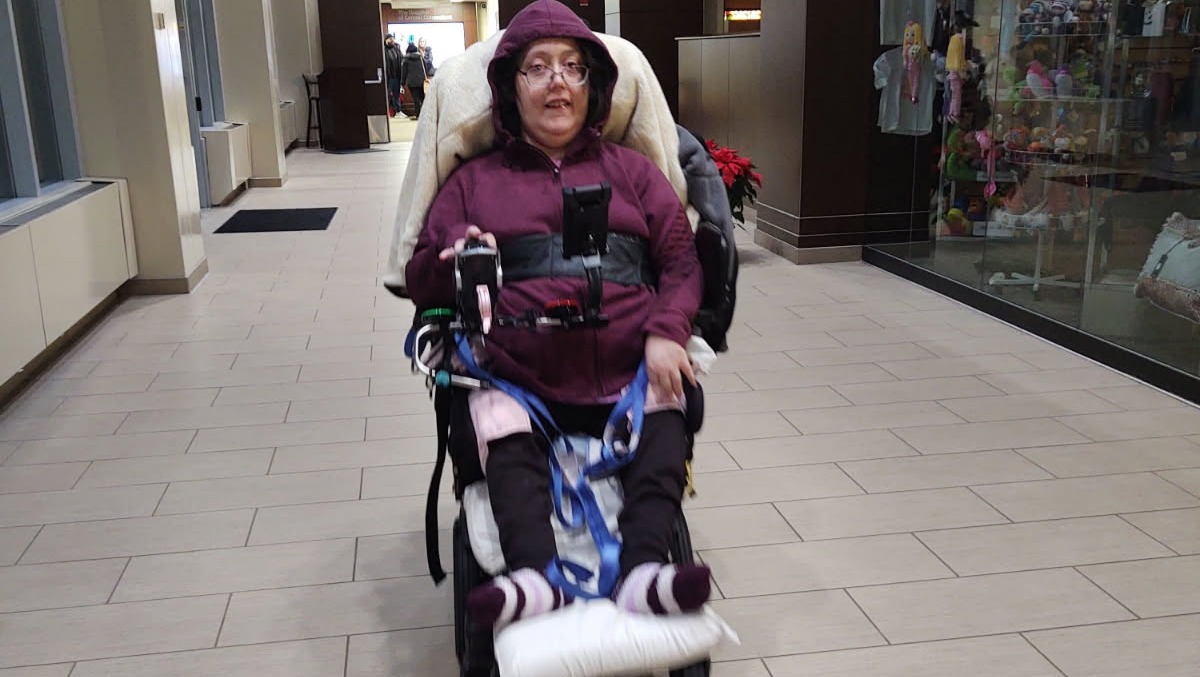
(Legally blind, her nickname is "Crash"! Who gave her a license to drive that thing?!? Click here to see Monica dancing and singing)
Aware, Intelligent, and Trapped in a Broken System
Because Monica is cognitively high-functioning, she understands everything. She knows when she’s being mistreated, neglected, or dismissed—but she’s powerless to change it herself.
This awareness isolates her even more. Many residents in her group home and day program are not at her cognitive level, so she struggles to find peers or meaningful connections. Meanwhile, staff often forget (or ignore) that while she appears mature and articulate, she is still a person with special needs who cannot navigate adult manipulation, gossip, or retaliation.
When Monica bravely reports mistreatment or tells management the truth, certain staff retaliate with verbal abuse or emotional cruelty. Some even confront her directly, saying things like “Are you trying to get me fired?” or “Mind your own business.” For someone in her position—unable to defend herself physically or emotionally—that kind of intimidation is devastating. She becomes anxious, withdrawn, and often too afraid to even ask for basic help.
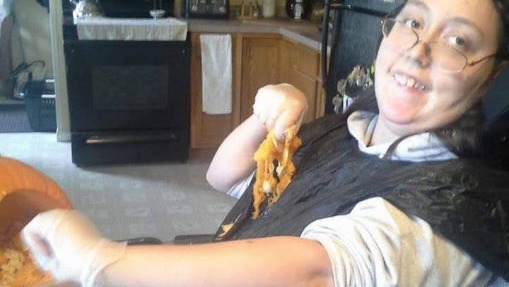
(Monica loves to be busy, cooking, cleaning, you name it! Click here to see some creative vacuuming)
Silenced for Speaking Up
Monica has always been encouraged to advocate for herself and others, and she does so with courage and heart. Because she is high-functioning and verbal—unlike most of her roommates, who are nonverbal and cognitively impaired—she often speaks up on behalf of everyone in the home, not just herself.
But this advocacy, instead of being celebrated, often gets her in trouble. The group home says they want her to speak up for herself, but what they really mean is they don’t want her telling us, her family, what’s wrong first. And how can she feel empowered to advocate when every time she does, she faces retaliation, hostility, or punishment?
Monica just wants to do the right thing—to speak out for herself and others.
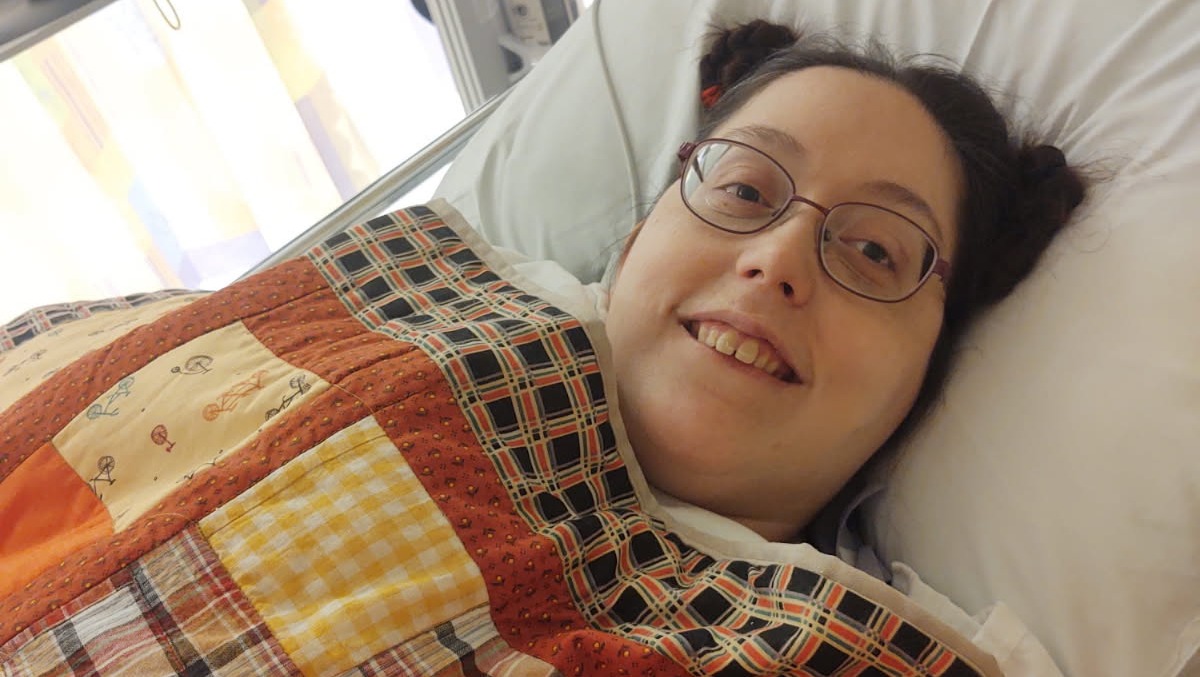
(Beautiful, inside and out... Click here to see Monica ready for a night out)
Living With Her Attacker
Monica was attacked by another resident while riding the paratransit bus home from her day program. The assault lasted for more than fifteen minutes while the driver was told by dispatch to “just keep driving and get them home.”
Monica, unable to defend herself, was terrified and injured—and to this day, she has been forced to live in the same home as her attacker. No one should ever be expected to live side by side with the person who hurt them.
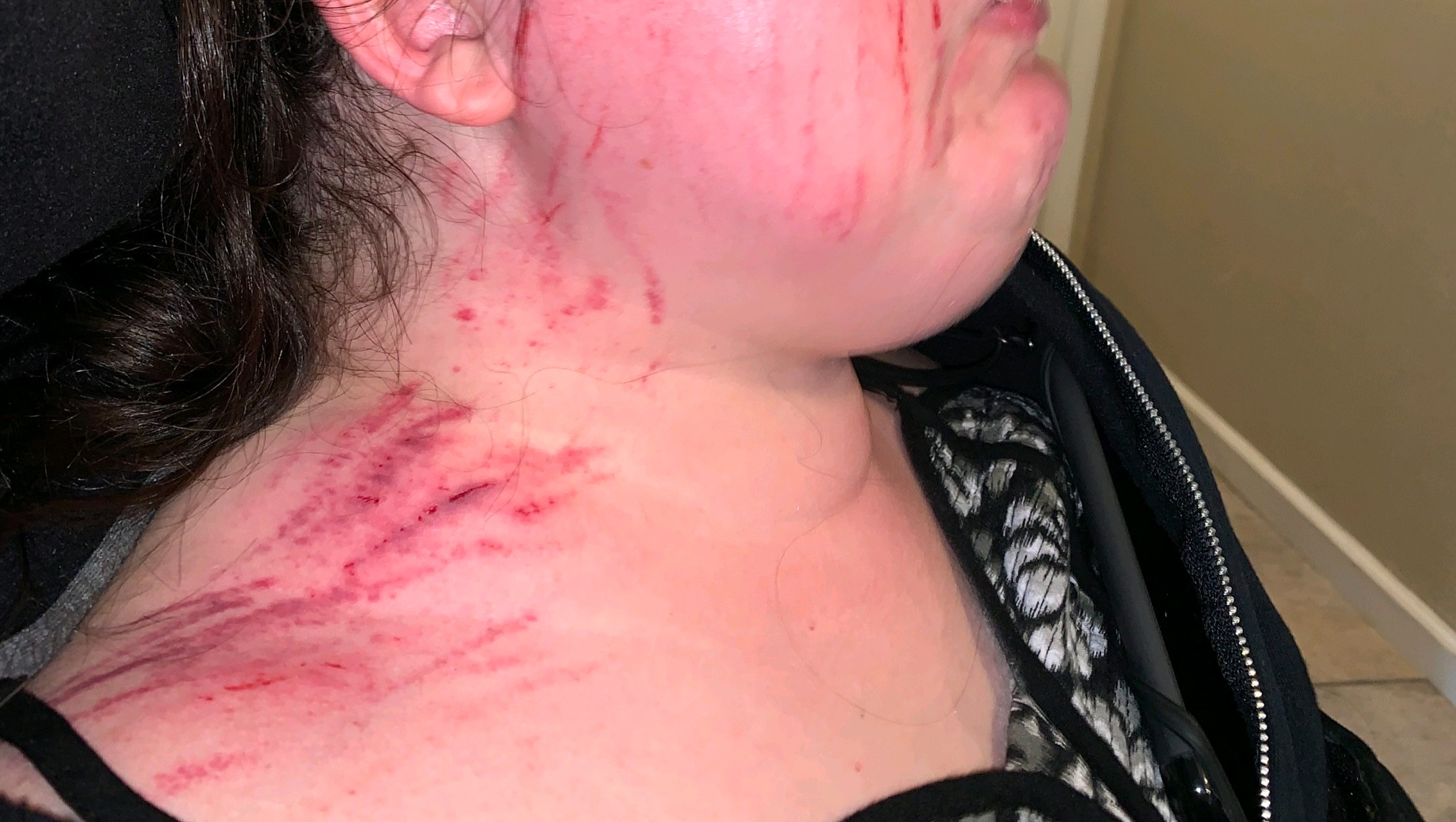
Now, every time she rides the paratransit bus to or from her day program, Monica becomes anxious and fearful—because her attacker is still on that same bus. She calls me almost daily from her own cell phone, which is mounted on her wheelchair, saying she’s scared and doesn’t know why. It’s clear she’s living with PTSD from that traumatic experience. The woman who attacked her is severely developmentally disabled and has also lashed out at bus drivers and group home staff, which makes the situation unsafe for everyone involved. While there’s now a protective barrier (originally installed during COVID) separating passengers from the driver, Monica’s fear and anxiety remain very real every single day.
Losing Access to What Helped Her Most
Before entering the group home, Monica found real relief through medically prescribed CBD/THC therapy for her spasticity and anxiety. It made her body more relaxed, helped her sleep, and gave her a sense of peace.
But because her group home is federally funded, they are not allowed to administer it. And since she can’t use her arms or hands to self-administer, she’s lost access entirely.
I used to drive to wherever she was, 3x a day, to give her her the doses she needed. Between managing her care, monitoring her health from afar, taking constant phone calls about her pain, anxiety, loneliness, and juggling work—it had become overwhelming and I stopped administering it to her.
A couple of years later, the group home filed an unsubstantiated charge of abuse and neglect against our family for bringing Monica her some CBD/THC. Beside the fact that it’s now legal in our state, no one at the home seemed aware that it had previously been medically approved for her use—likely due to their constant staff turnover. Even the state investigator recognized that the report appeared retaliatory, given our family’s active involvement and our history of filing legitimate neglect complaints against the facility.
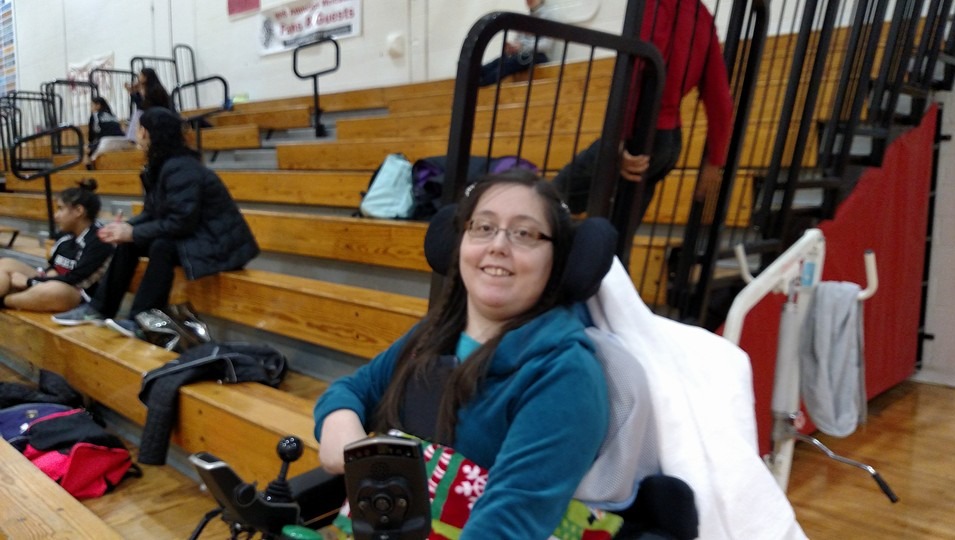
(She used to love cheering her friend at basketball. Click here to see Monica putting silverware away)
Our Bodies Are Breaking, But Our Love Is Not
After decades of lifting, repositioning, and caring for Monica, both my sister (her mother) and I have reached our physical limits. My sister’s back is severely damaged after over 20 years of lifting and turning Monica daily. My own knees and joints have deteriorated after 10 years of assisting since the divorce.
Even when Monica comes home for short visits, we can only physically manage two consecutive days of care before we’re completely spent—barely able to move the next day.
It breaks our hearts because we want her home. We want her safe, loved, and cared for in an environment where she’s respected and comfortable.
But right now, that simply isn’t possible. Her mother and I live in a mobile home, where even something as basic as a ceiling lift system can’t be installed. We need to purchase and outfit a caregiver-friendly condo—a space designed to safely accommodate Monica’s needs and reduce the physical strain on caregivers. Choosing a condo means the upkeep and maintenance will be minimal, ensuring that caring for her remains manageable long-term.
This is not a decision made lightly. Monica has been in the group home for nearly six years, and we’ve spent that entire time trying everything imaginable to improve her quality of life there—from advocating for better staff to filing formal complaints and care plans. Despite our efforts, the environment remains far below the standard she deserves. After years of thought and heartbreak, we know the only way forward is to bring her home—into a place built for her safety, comfort, and long-term care.
We also need to ensure that when her mother and I are no longer able to care for her—or when we're no longer on this earth—her extended family can easily step in. The right home and setup will make that possible, so Monica can always remain surrounded by people who love her.
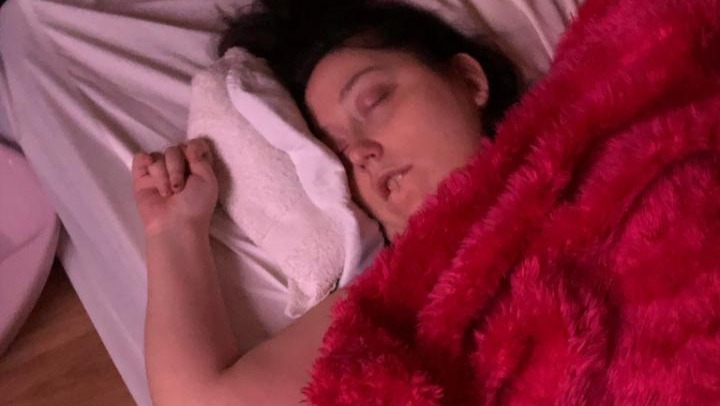
(Monica loves to sleep when she visits... she says it's so quiet! Click here to see Monica playing cards-no sound)
A Voice for Change
Despite everything, Monica remains strong. She has even advocated at the state capitol on behalf of the disabled community. While she has a speech impediment, she communicates with incredible heart and clarity when she feels supported and safe.
Her courage, intelligence, and spirit are constant reminders that she deserves so much more than the life she’s been forced to accept.
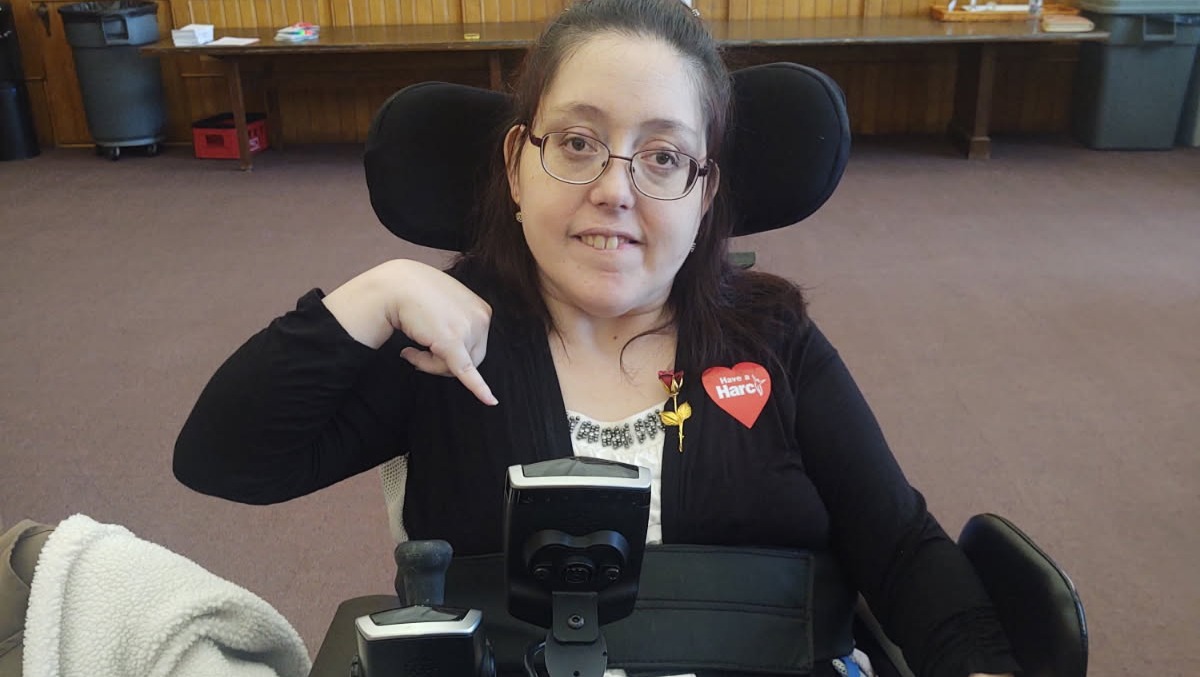
(Monica just after she made her speech at the state capitol advocating for hoyer lifts in doctor exam rooms and on-demand transportation for disabled. Click here to see Monica so proud of herself)
What We’re Fighting For
We’re raising funds to give Monica her life back—to surround her with competent, loving care and restore her dignity and happiness.
Our dream is to purchase and outfit a caregiver-friendly condo specifically designed for Monica’s needs—one that allows her to live safely and comfortably, surrounded by love, while minimizing the physical toll on her caregivers.
This condo would be placed in a special-needs trust, ensuring that Monica will always have a safe, stable place to live—even when her mother and I can no longer provide care ourselves. It would protect her future and guarantee that family can continue managing her care with compassion, security, and oversight for the rest of her life.
How the Funds Will Be Used
We will keep meticulous records and account for every dollar so donors know exactly how their contributions are used. This is a personal, transparent effort driven by family, love, and accountability — every cent will go directly toward creating a safe, permanent, accessible home for Monica.
Purpose-Description-Estimated Cost
Accessible Condo Purchase: A single-level, wheelchair-friendly condo with wide hallways, open floor plan, and accessible entryways—a home where Monica can move safely and comfortably. $180,000–$250,000
Accessibility Modifications: Installing a ceiling lift system, roll-in shower, widened doors, adjustable counters, automatic door openers, and safety features for daily transfers and care. $35,000–$50,000
Adaptive Equipment & Technology: Specialized wheelchair seating, adjustable hospital-style bed, environmental control systems, and communication supports to maximize independence and comfort. $10,000–$20,000
Legal & Trust Setup: Establishing a special-needs trust to ensure Monica’s home and assets remain protected for her lifetime and managed by family with oversight and compassion. $5,000–$10,000
Estimated Goal: $250,000–$330,000 (Target $300,000)
This amount will allow us to purchase and adapt a caregiver-friendly condo, then place it in a trust—securing Monica’s future, safety, and dignity for years to come.
Why It Matters
Monica is an extraordinary young woman—intelligent, funny, empathetic, and deeply aware. She knows she deserves better. And she does.
Your generosity will help her live not just with comfort and safety, but with joy, dignity, and human connection.
Please, help us bring Monica home—where she can once again be surrounded by love, attentive care, and the peace of mind every person deserves.
Every donation makes a difference. Every share helps.
Thank you from the bottom of our hearts for caring about Monica’s story.
— Kelly, Monica’s Aunt
Caption: Thank you for helping us give Monica the life—and peace—she deserves.
View more videos of Monica by clicking this link:
Organizer