- d

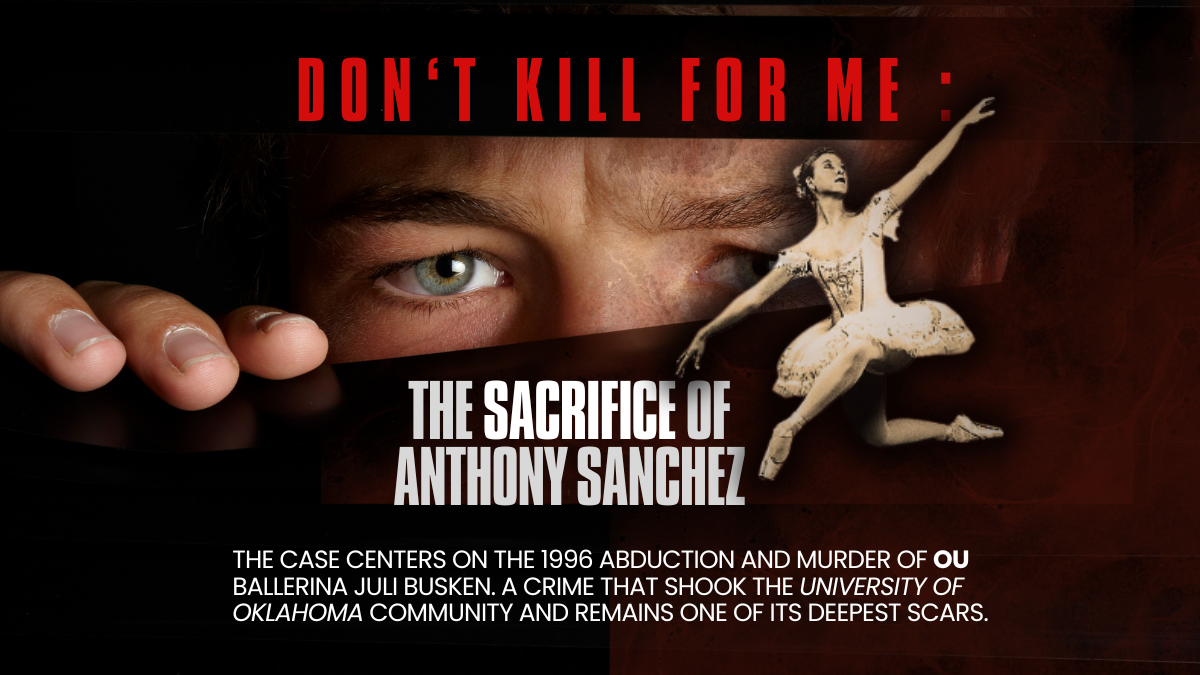
Who holds the State accountable when it executes an innocent man?
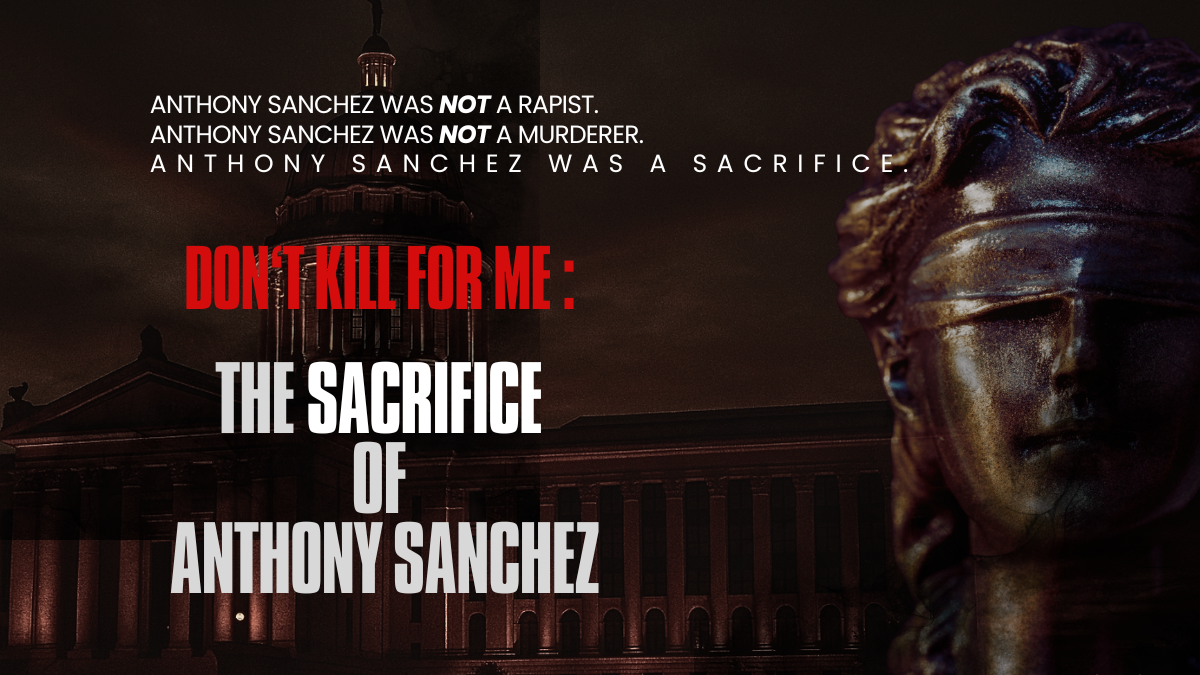
Anthony Sanchez was executed by the State of Oklahoma on September 21, 2023. His DNA was never found on the victim's body. The case that put him to death was built on a leotard found 100 yards from the crime scene, the day after the murder. No one can explain how it got there.
What Your Support Funds
We are completing production of The Sacrifice of Anthony Sanchez, a documentary that presents the full evidentiary record to the public as these lawsuits move forward.
The evidence exists. The court cases are active. What remains is the investigative and production work required to present the record completely and credibly.
Your donation directly funds:
Expert forensic analysis to evaluate the evidence on the record
Witness and expert interviews already in progress
Travel for field investigation tied to active case developments
Legal document review connected to the six federal lawsuits
Post-production and editing to complete and distribute the film
This project documents a question that the courts have never answered:
Did the State of Oklahoma execute an innocent man?
Funding Breakdown:
$10,000 covers remaining expert forensic consultation
$25,000 covers production, travel, and field investigation
$30,000 covers post-production, editing, and distribution
Goal: $65,000
If justice matters to you, please consider contributing to the film and sharing this campaign.
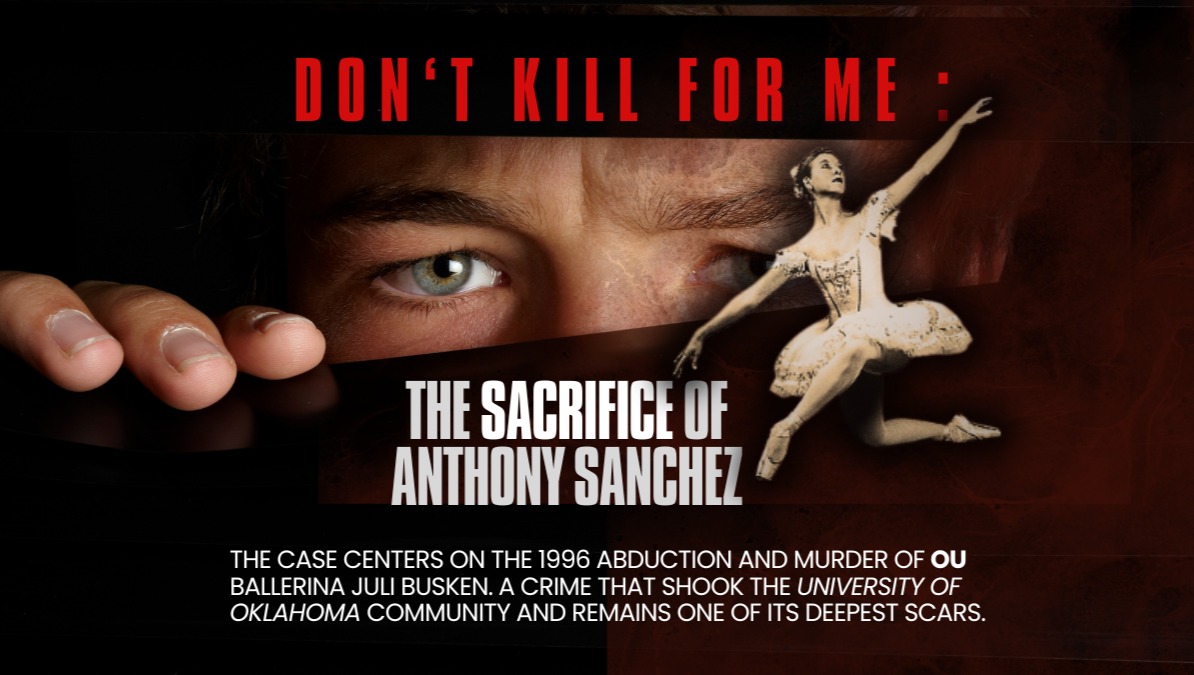
The prosecution’s central claim at trial was sexual assault supported by DNA evidence. They told the jury, the press, and the nation that Anthony Sanchez’s DNA linked him to the sexual assault, and therefore the murder of Juli Busken.
But Anthony Sanchez’s DNA was never found on Juli Busken’s rape kit.
The State never claimed it was.
Instead, the case hinged on biological material recovered from a leotard found approximately 100 yards from the body — discovered the day after the homicide.
There is no documented record establishing how that garment arrived at the lake, how long it had already been there, or what—if anything—it had to do with the crime.
DNA is not time-stamped.
Biological material deposited long before an event can still be recovered and analyzed in a laboratory. Identifying the source of DNA does not establish the activity that produced it.
If the rape allegation had served only as a legal gateway to a capital conviction, the issue would be procedural.
But in this case it became something more.
It became the prosecution’s singular method of identifying Juli Busken’s killer—the standard by which suspects were eliminated, pursued, or ignored, regardless of what other evidence suggested.
A Murder Case Built on a Leotard
The prosecution’s star witness wasn’t a witness.
It wasn’t a murder weapon.
And it wasn’t DNA recovered from the victim’s body.
It was the leotard.
Juli Busken was found fully clothed. She had been abducted in her own car, driven to Lake Stanley Draper, bound with shoelaces, and shot in the back of the head. Her killer then drove her car back to her neighborhood and left the keys behind.
The crime itself created obvious and direct forensic evidence.
Investigators recovered 49 latent fingerprints from Busken’s vehicle. Gunshot residue and DNA would have transferred to the steering wheel, the door handles, the gear shift, and the keys he left behind.
DNA from the ligature bindings or from the victim’s fingernail clippings would have pointed to the killer.
But they were never tested. Instead, the investigation centered on a garment found the day after the murder.
That single piece of clothing became a substitute for the rape kit, the murder weapon, and the lens through which the entire investigation was interpreted.
For eight years investigators attempted to match the DNA from the leotard to someone in Juli Busken’s life.
They could not, and the case went cold.
Eventually the DNA profile produced a CODIS hit, and investigators built a case around Anthony Sanchez.
Prosecutors later claimed additional evidence linking Anthony to the crime, including shoes matching a crime-scene shoeprint, a bullet from the murder weapon, a phone call from Busken’s missing phone, and Anthony’s DNA in Busken’s car.
This documentary examines what the evidence really says about those claims. Did any of it ever link to Anthony Sanchez?
This campaign funds the legal investigation required to hold state actors accountable.
Why This Matters Now
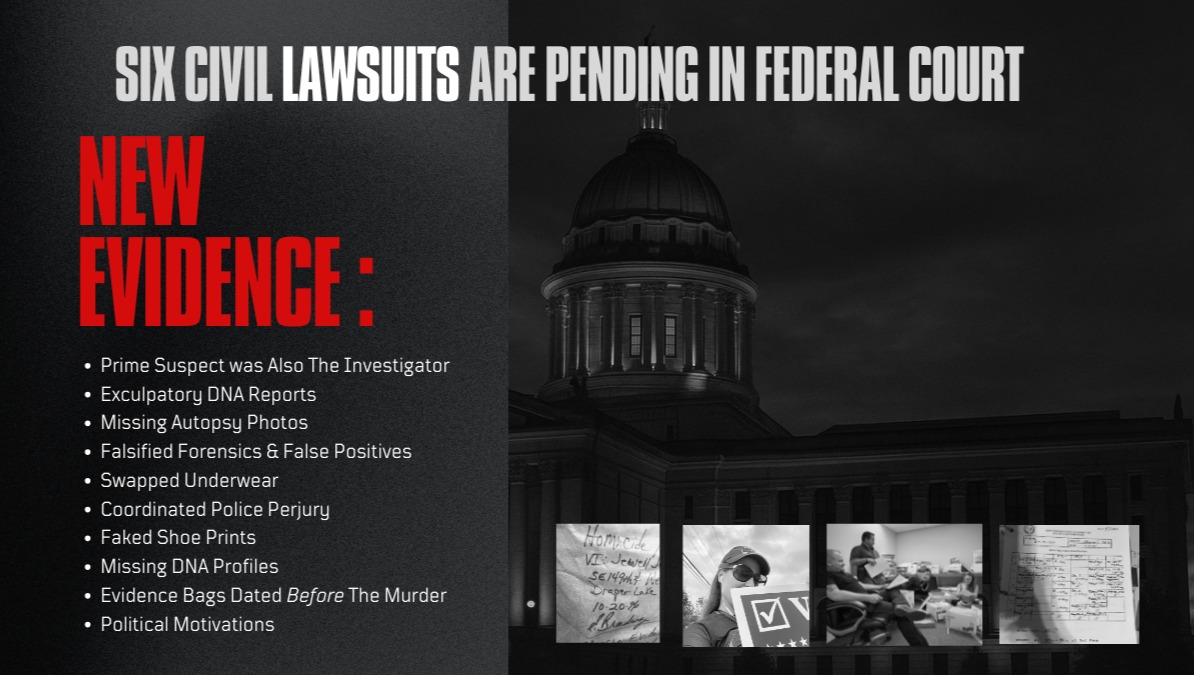
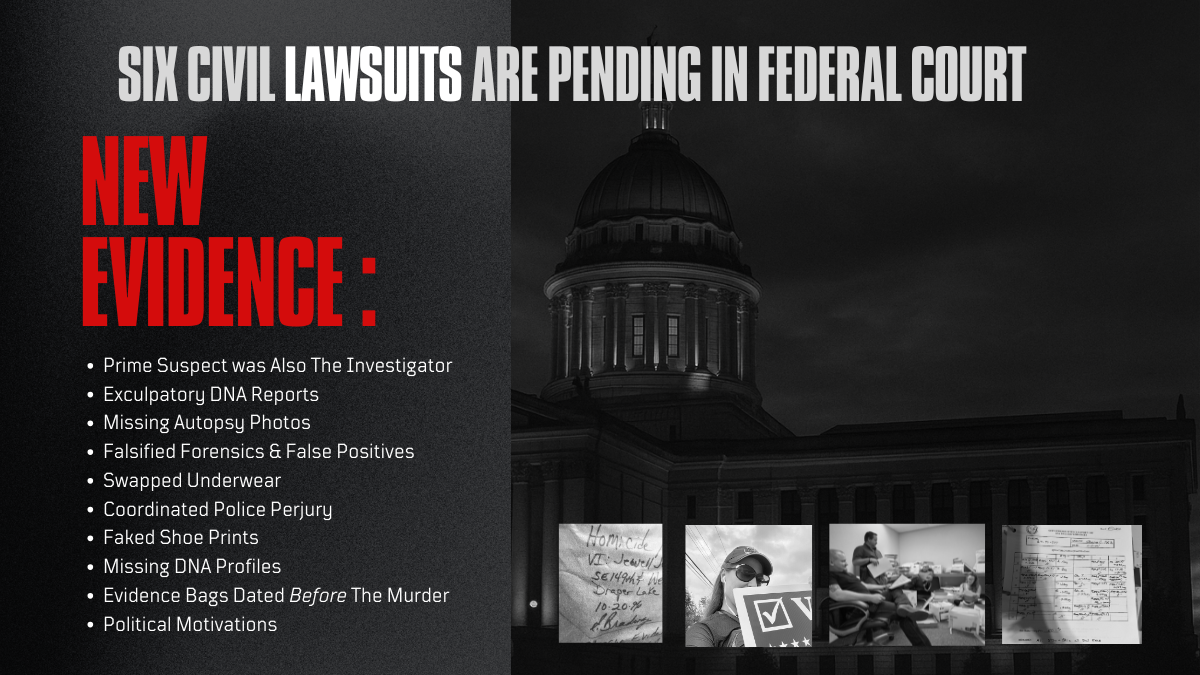
Six federal civil rights lawsuits have now been filed alleging constitutional violations, forensic fraud, and materially contradictory sworn testimony by sworn police officers in the investigation and prosecution of Anthony Sanchez.
If these lawsuits succeed, they mark the first time in U.S. history that government officials are held accountable for the wrongful execution of an innocent person.
States have paid billions of dollars in settlements for wrongful convictions, but no civil judgment has ever imposed liability for a wrongful execution.
Right now all six cases sit before a federal judge. The defendants—represented by city attorneys and the Oklahoma Attorney General’s office—have asked the court to dismiss the lawsuits, arguing that qualified immunity and other legal protections shield them from liability for their actions.
If the court allows the cases to proceed, the evidence behind Anthony Sanchez’s conviction will finally be examined in federal court.
The Documentary
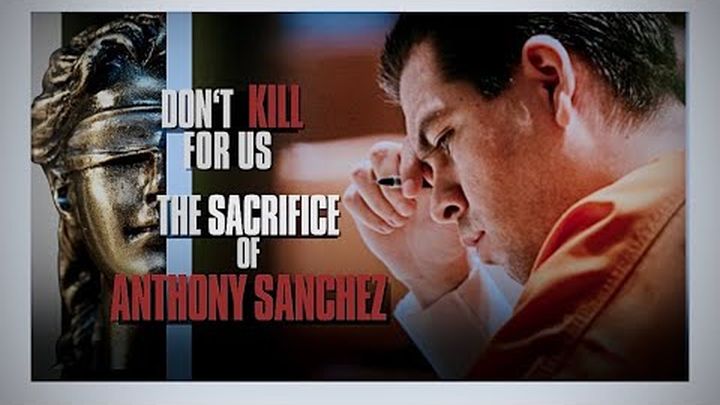
The Sacrifice of Anthony Sanchez documents the evidence behind these lawsuits and the investigation that led to Anthony Sanchez’s conviction.
On the day of the murder a local man was reportedly covered in the red sandy clay distinctive to Lake Draper and admitted being inside Busken’s car. Why was he excluded from further investigation?
Two serial predators were active in Norman, Oklahoma at the time of Juli Busken’s murder. The first sketch provided in the early investigation is a strong likeness to the infamous “Norman Rapist”. available in the homicide files. It's been scrubbed from the internet.
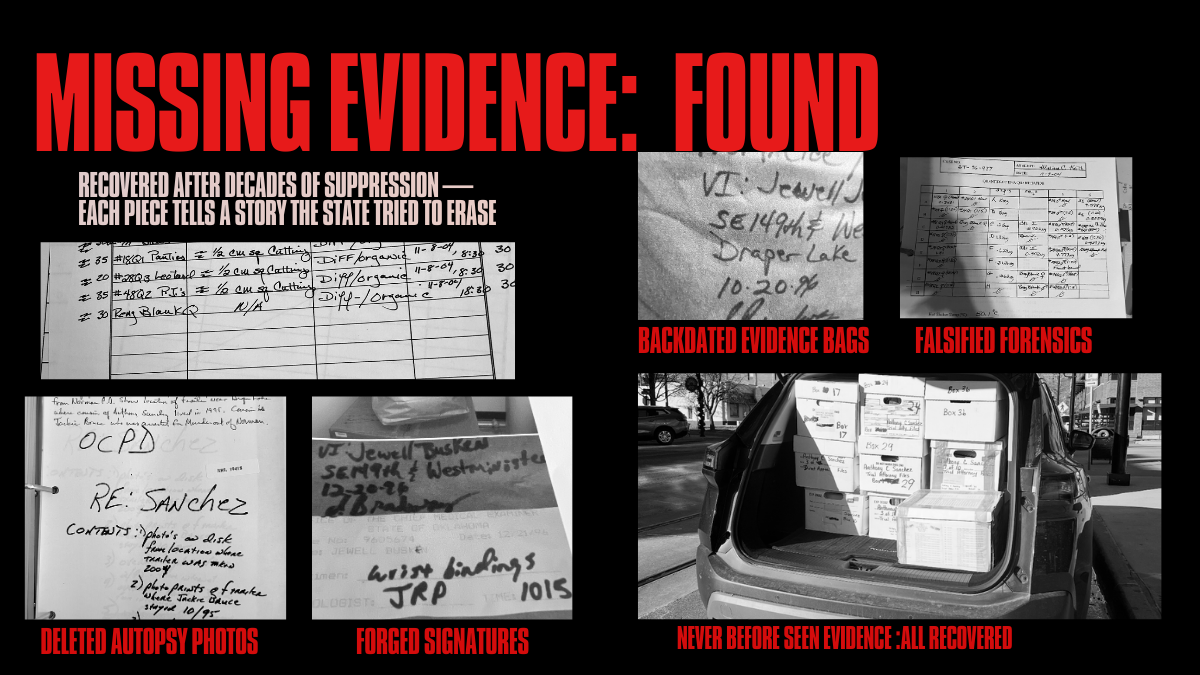
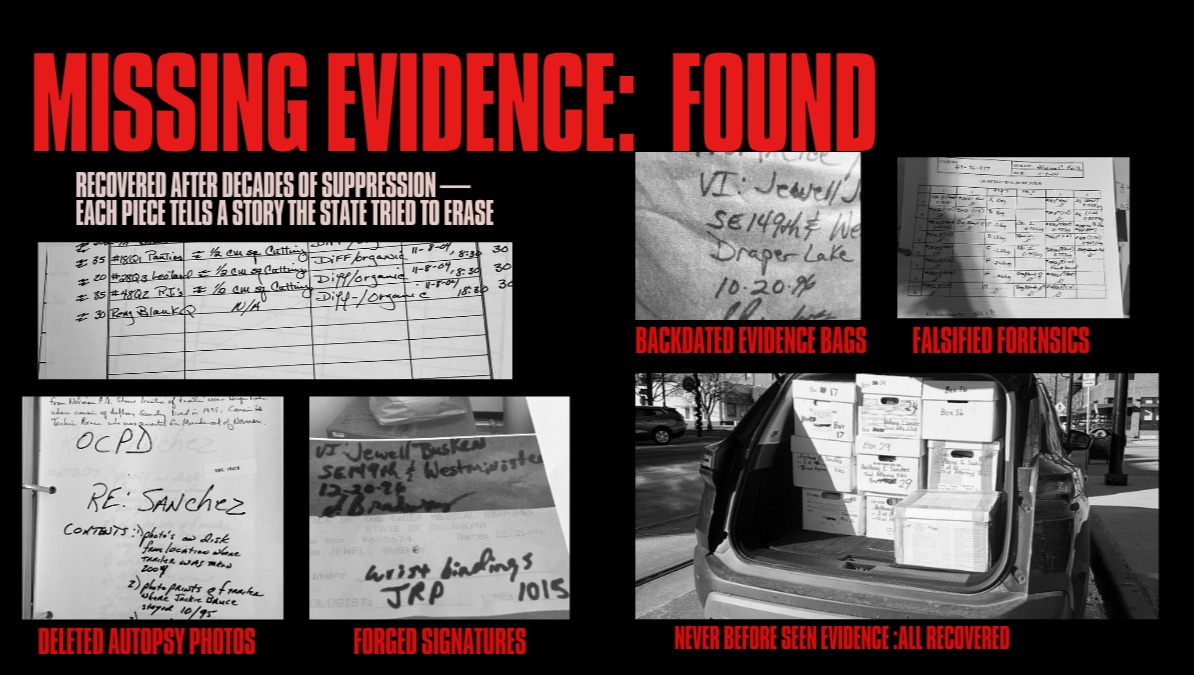
The investigation also includes archival laboratory records and internal documents secured by legendary investigative journalist Michelle Malkin. These documents include hundreds of memos never been released to the public, document disgraced lab manager Joyce Gilchrist’s handling and storage of homicide evidence throughout the laboratory she supervised. These records show evidence being stored and managed under compromising conditions before any analyst ever tested it. Did the DNA lab know they were testing contaminated evidence?
The film examines forensic records, laboratory documents, sworn testimony, and investigative decisions that shaped one of Oklahoma’s most controversial murder cases.
This story is not finished.
It is unfolding now. Your support helps bring the full record to light.
This campaign supports the completion of a documentary investigating the evidence behind Anthony Sanchez’s conviction and the lawsuits now challenging it.
About the Team:
The documentary features investigators, legal experts, journalists, and advocates who have examined the evidence in the case.
Production Team:
Abraham J. Bonowitz
Executive Director, Death Penalty Action. Long-time death-penalty abolition advocate who personally campaigned to halt the execution of Anthony Sanchez before it was too late. Executive Producer.
Benjamin Frandsen
Wrongful conviction and death penalty prosecution survivor. Producer
Tara Cardinal
Investigative filmmaker with two decades of experience in film. Projects distributed worldwide.
On Camera:
Eve Spaulding
Civil rights attorney for the Estate of Anthony Sanchez
JJ Humphrey
2026 Republican Candidate for Lt. Governor and current Oklahoma State lawmaker. Publicly called for a retesting of the DNA evidence in Anthony Sanchez’s case before the execution, but was denied by the Attorney General.
Michelle Malkin
Veteran investigative journalist, author of seven books, former Fox News anchor
Professor Mandy McNeely, PhD
Professor of domestic violence and victimology; true crime author; CLEET Instructor
Lydia Morgan
Founder, UCLA MOJO (Miscarriage of Justice Operations)
Redacted
Survivor of the November 1996 Norman Rapist attacks.
Family of Anthony Sanchez
This documentary proceeds with the full support of the Estate of Anthony Sanchez.
Organizer