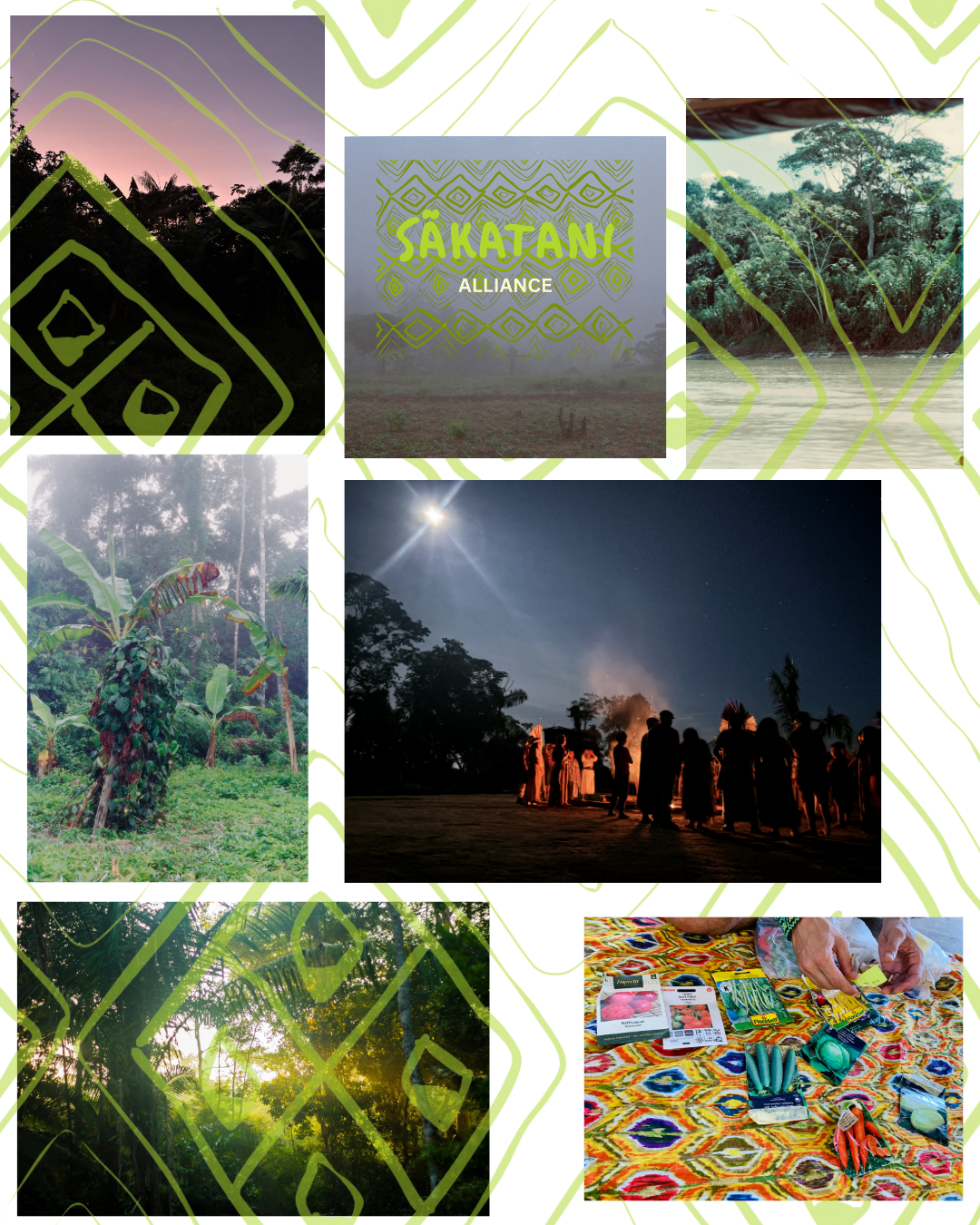
Support Huni Kuin landback movement in Jordão-
Be the first to donate
Inspire others and help Sãkatani build momentum.
1st donor
A Huni Kuin, land back agroforestry and culture preservation project
by Sãkatani Alliance and Silvae, in collaboration with the 8 villages in Jordão, Acre, Amazon, Brazil.
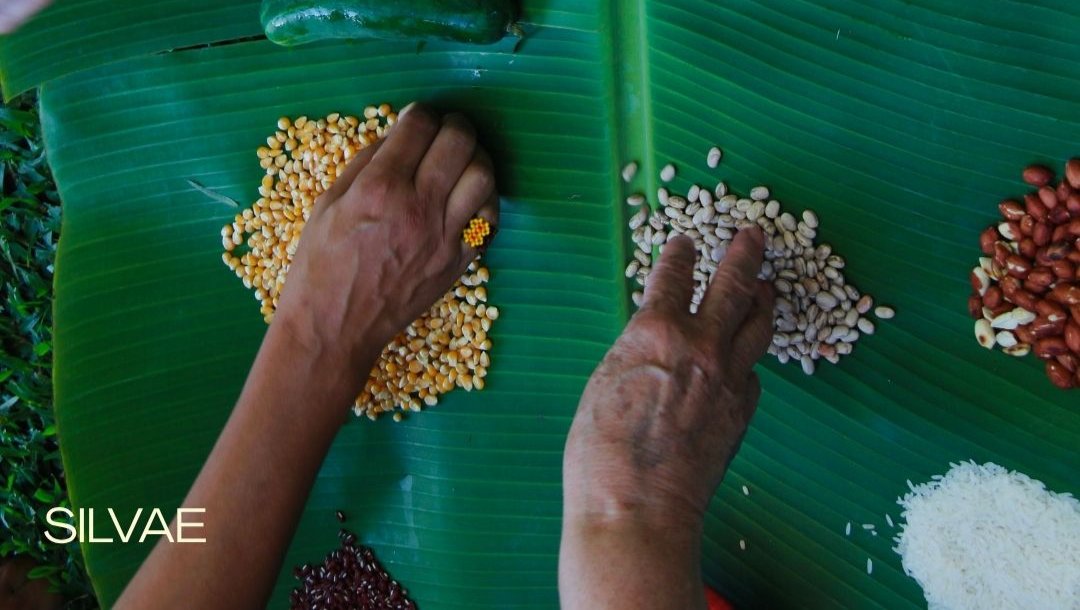
[Desça a página para ler o texto em português]
Make direct green impact; support the Huni Kuin directly by joining our movement! Partner with aligned projects and trustworthy NGO`s and make sure your money goes to the people. Silvae and Sãkatani Alliance are supporting the guardians of the forest, the ones that live on the land and with the land.
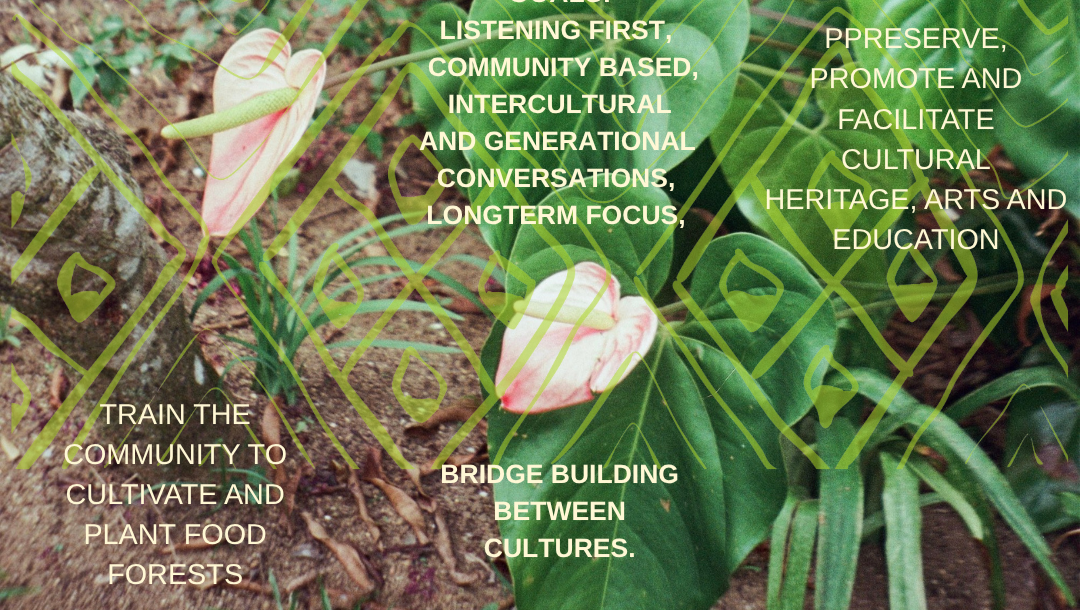
Why Silvae, Sãkatani Alliance and why the Huni Kuin in Jordão?
The current Indigenous territory in Jordão is insufficient for the needs of the growing population. Many families lack the space to build their homes, and food insecurity is increasing due to limited arable land and environmental degradation. Acquiring the 350 hectare land for sale, would directly address these urgent needs. It would provide:
• Space for new homes and family gardens by freeing up existing overcrowded land as food production shifts to new site
• Areas to grow staple foods and regenerate degraded soil
• Forest to replant native species for biodiversity and medicine
• A foundation for economic autonomy through crops like cacao, cashew, and açaí
• Aquaculture potential in existing ponds, with fish waste used as organic fertiliser for forest regeneration.
At the request of Huni Kuin leadership, Silvae and Sãkatani Alliance supports their vision to reclaim and regenerate ancestral lands, ensure food sovereignty and build a resilient local economy rooted in traditional knowledge and ecological restoration.
Together, we aim to create a replicable model of bio-cultural regeneration guided by Indigenous priorities and alignment.
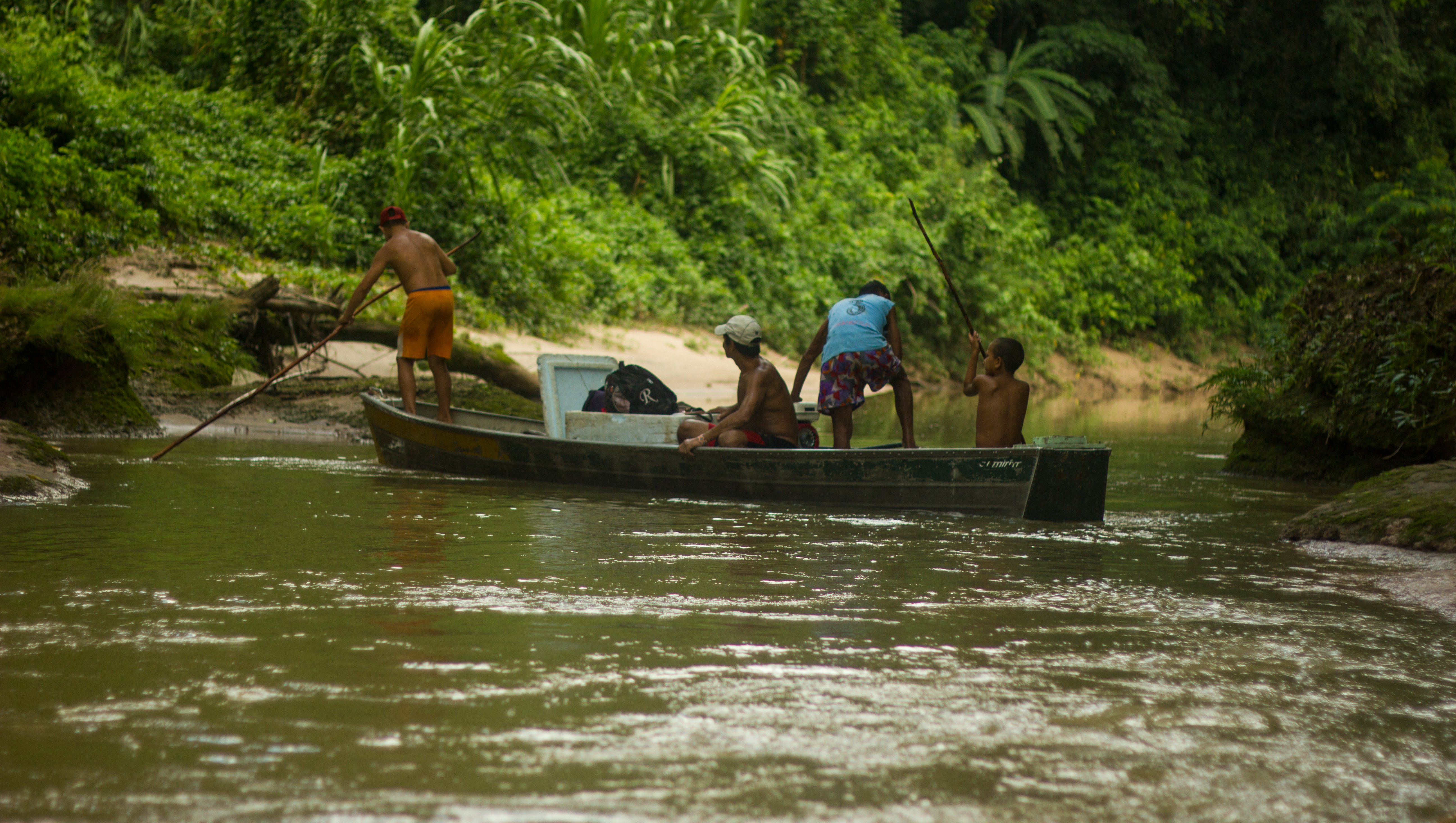
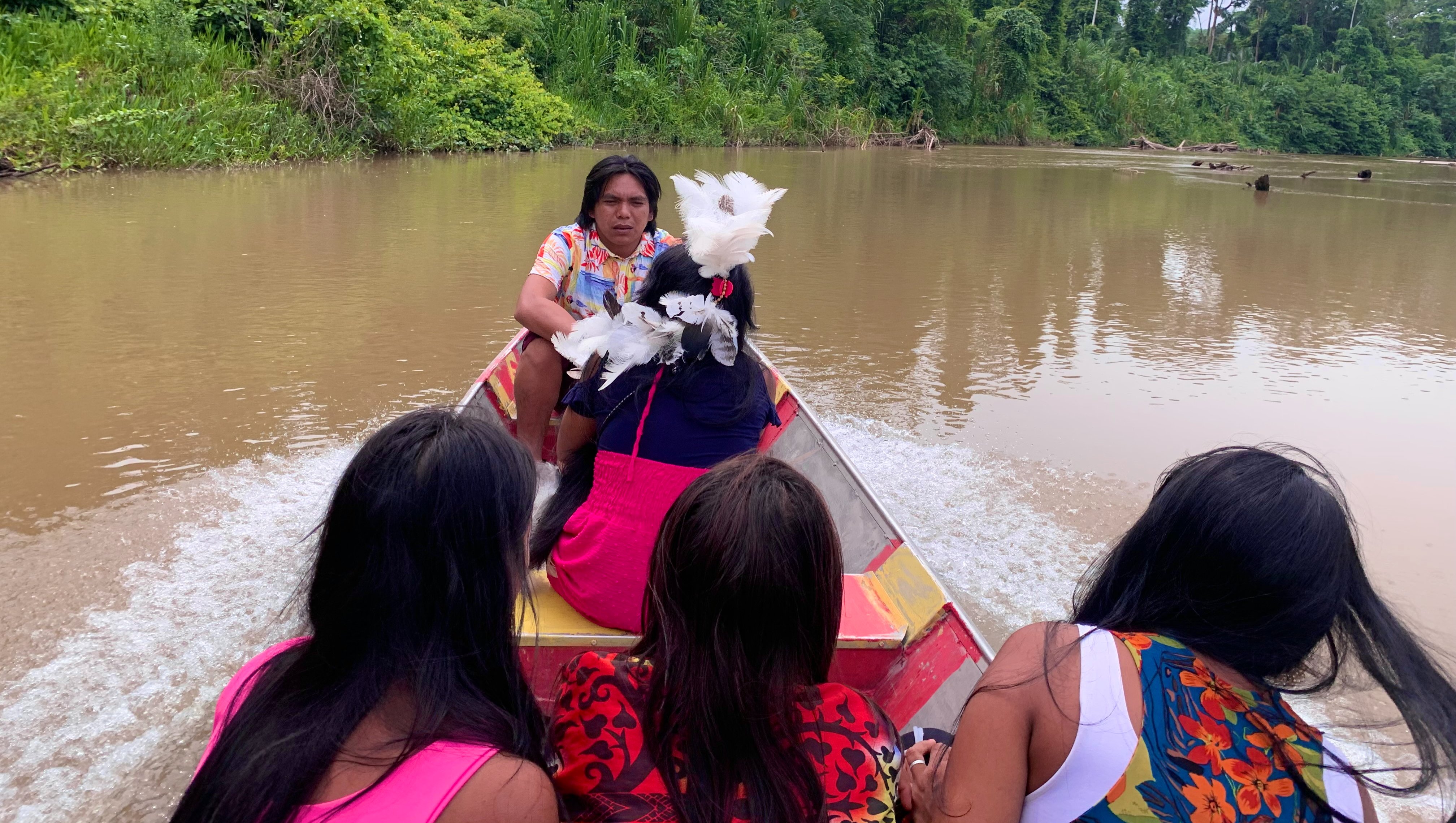
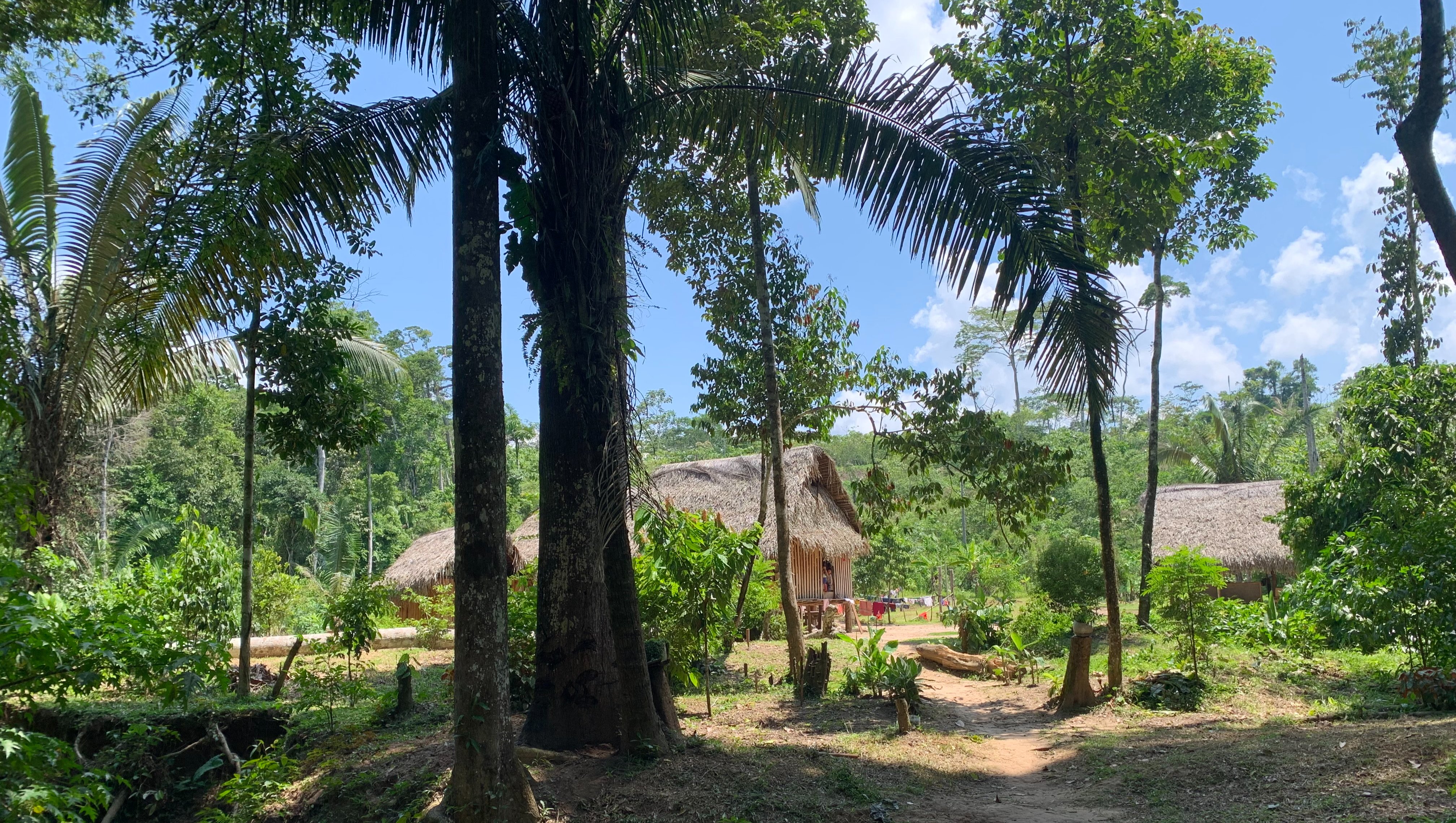
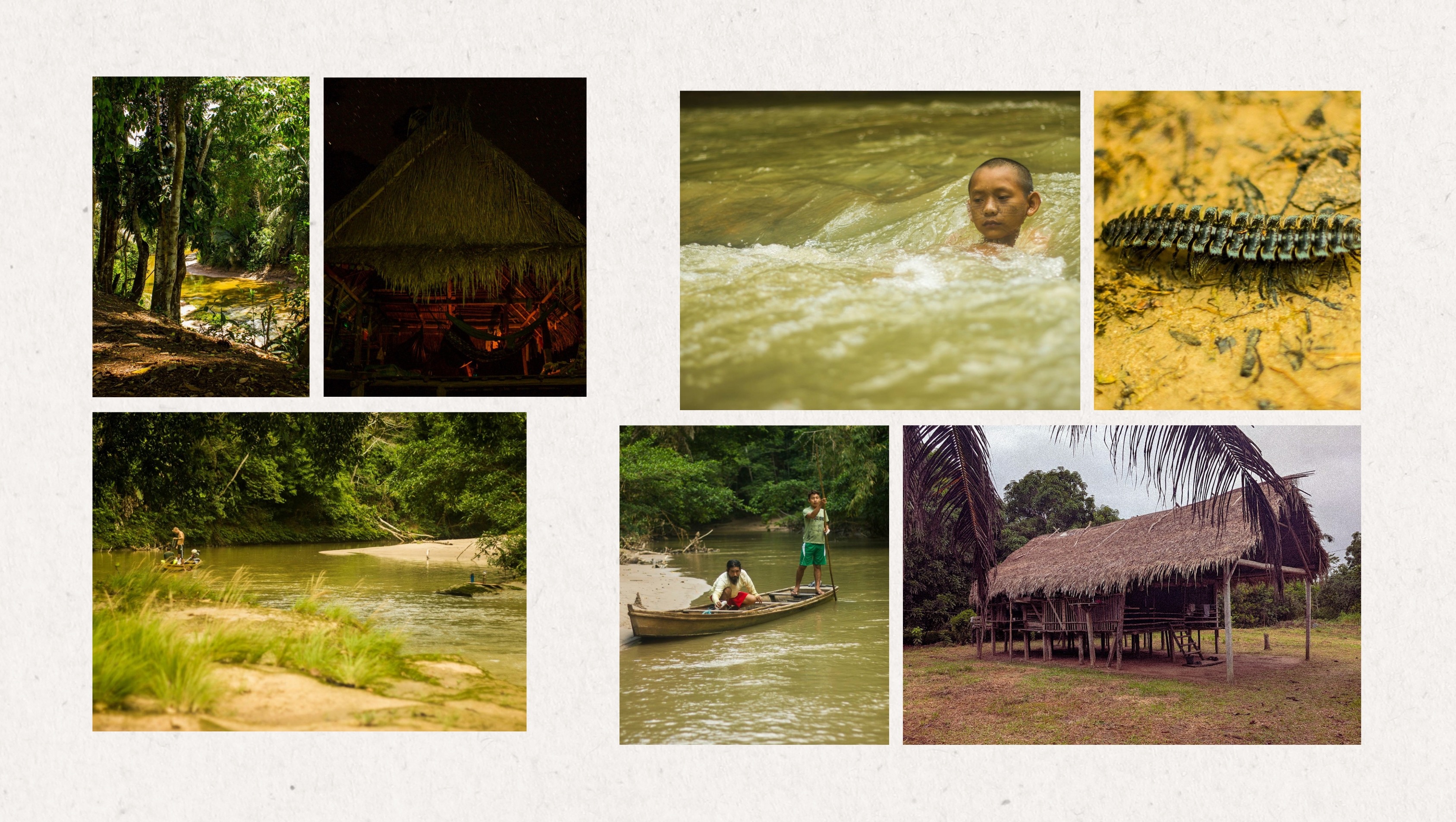
Because transparency matters, we want to take you deep into the world of the forest with us. Read more and have a look at some images from our long term commitment working with the villages and the forest guardians in the Amazon.
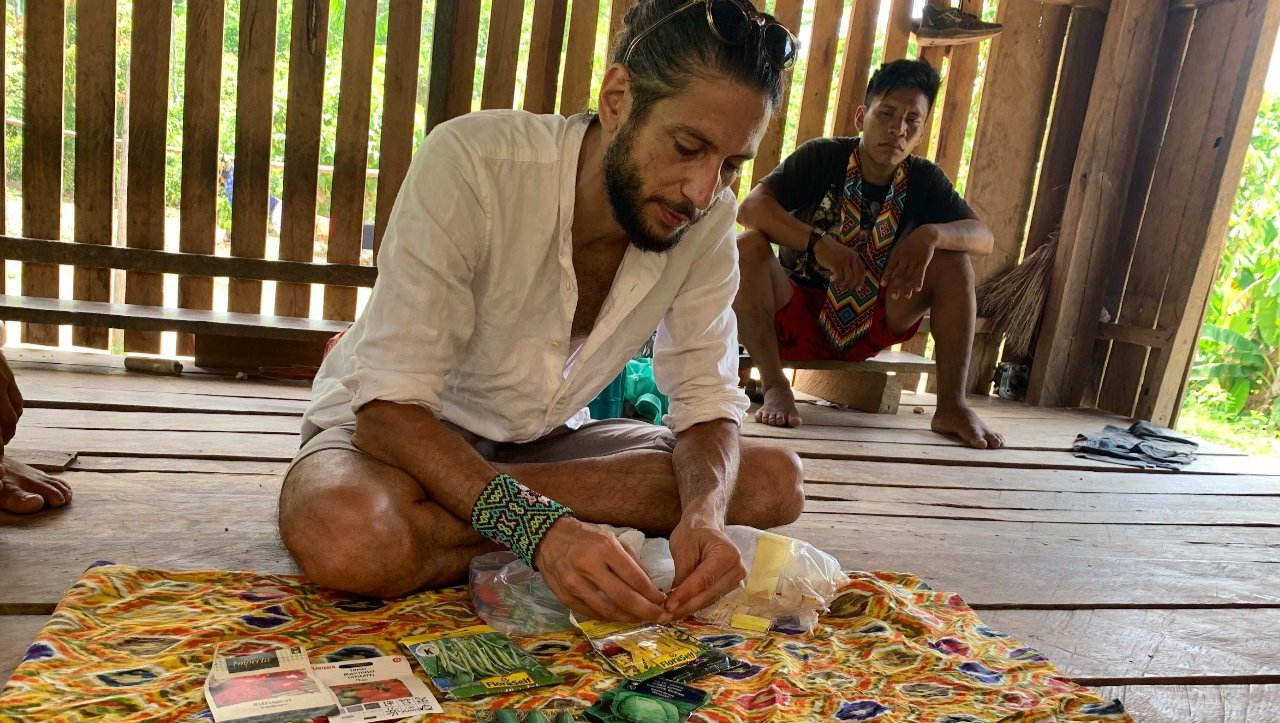
What the Project Will Deliver
• Land security for Huni Kuin through legal transfer to an Indigenous NGO
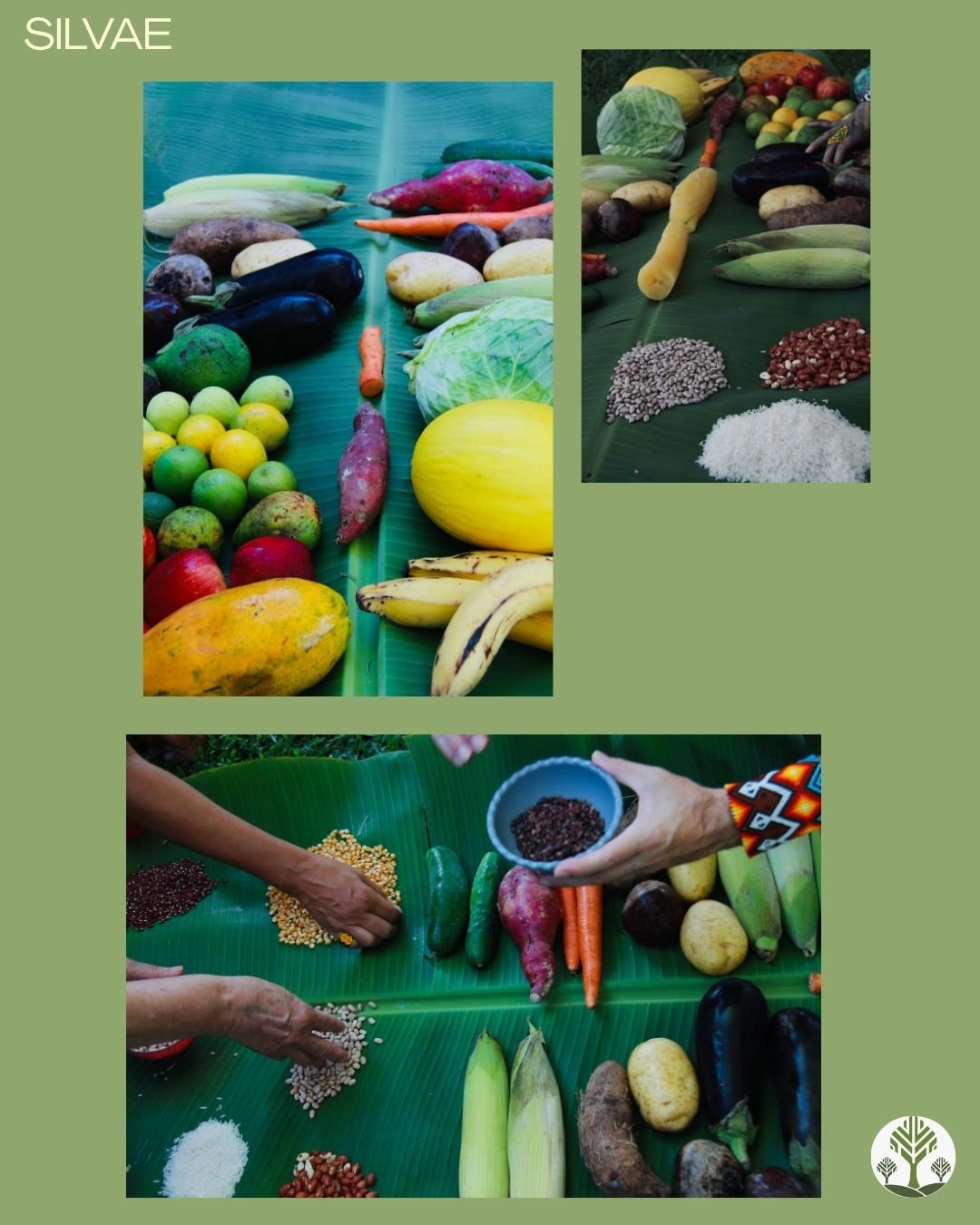
• Food production via regenerative agroforestry (cacao, açaí, cashew, hemp)
• Income generation through sustainable crops and pre-sale contracts
• Biodiversity restoration and aquaculture integrated with reforestation
• Housing & Building techniques - hemp/clay construction as alternative to concrete-based expansion in the Amazon • Training center, nursery, and housing in first implementation phase
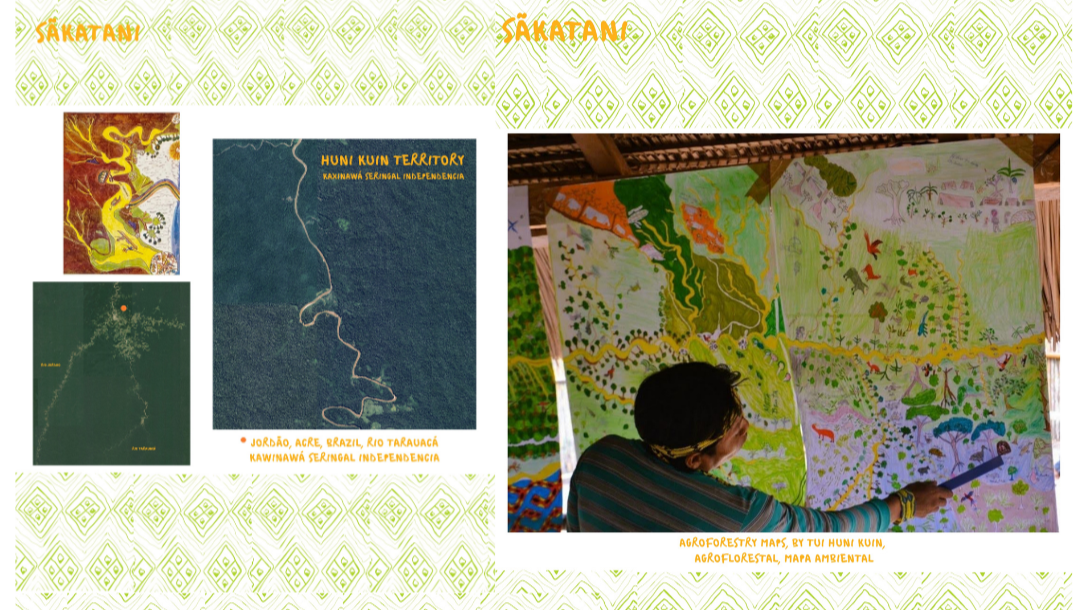
- We are currently working with 8 of the villages (Ni yuxibu, Lago lindo, Arco iris, Rosa Branca, Terra viva, Flor da mata and Mãe bena) in a specific area of Jordão, where all of the leaders have signed a joint agreement, in which the goal is to buy back barren farm land, reforest and under full indigenous management, run this as a 100% self-sufficient agroforestry and Huni Kuin culture institute.
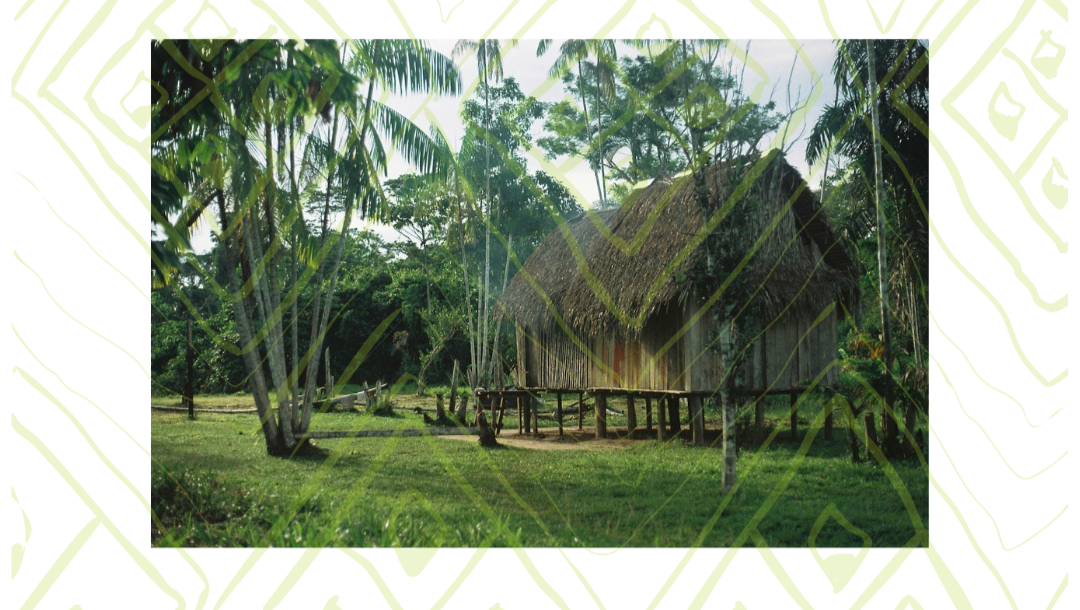
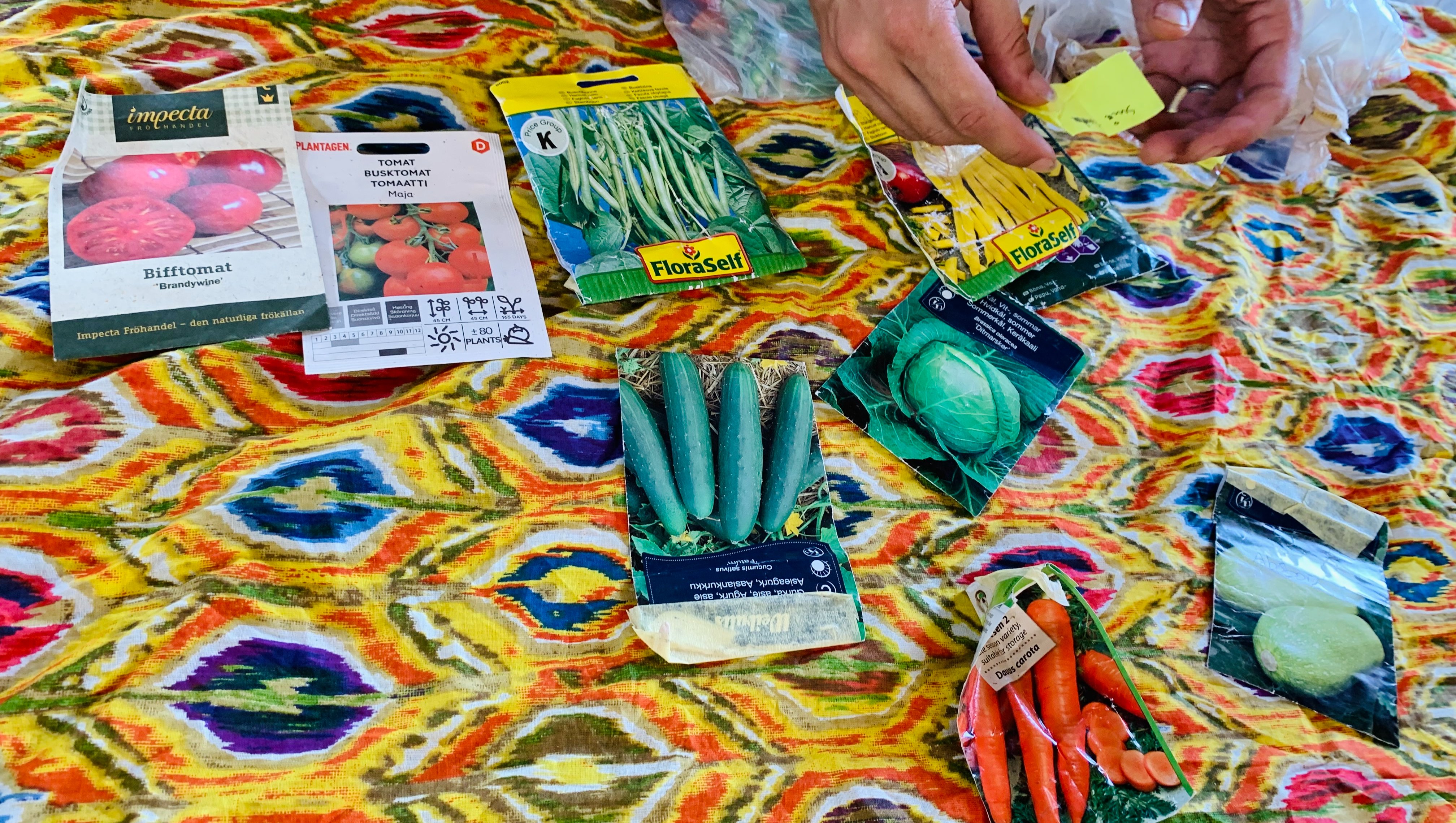
This initiative aims to secure and restore a critical land parcel of 350 hectares in Jordão, Acre, for the Huni Kuin Indigenous people. The land is under imminent threat from livestock expansion and further deforestation. By acquiring it and transferring ownership to a trusted local Indigenous-led NGO, we will enable food sovereignty, biodiversity restoration, cultural preservation, and climate resilience, all within a framework of Indigenous autonomy and regenerative practice.
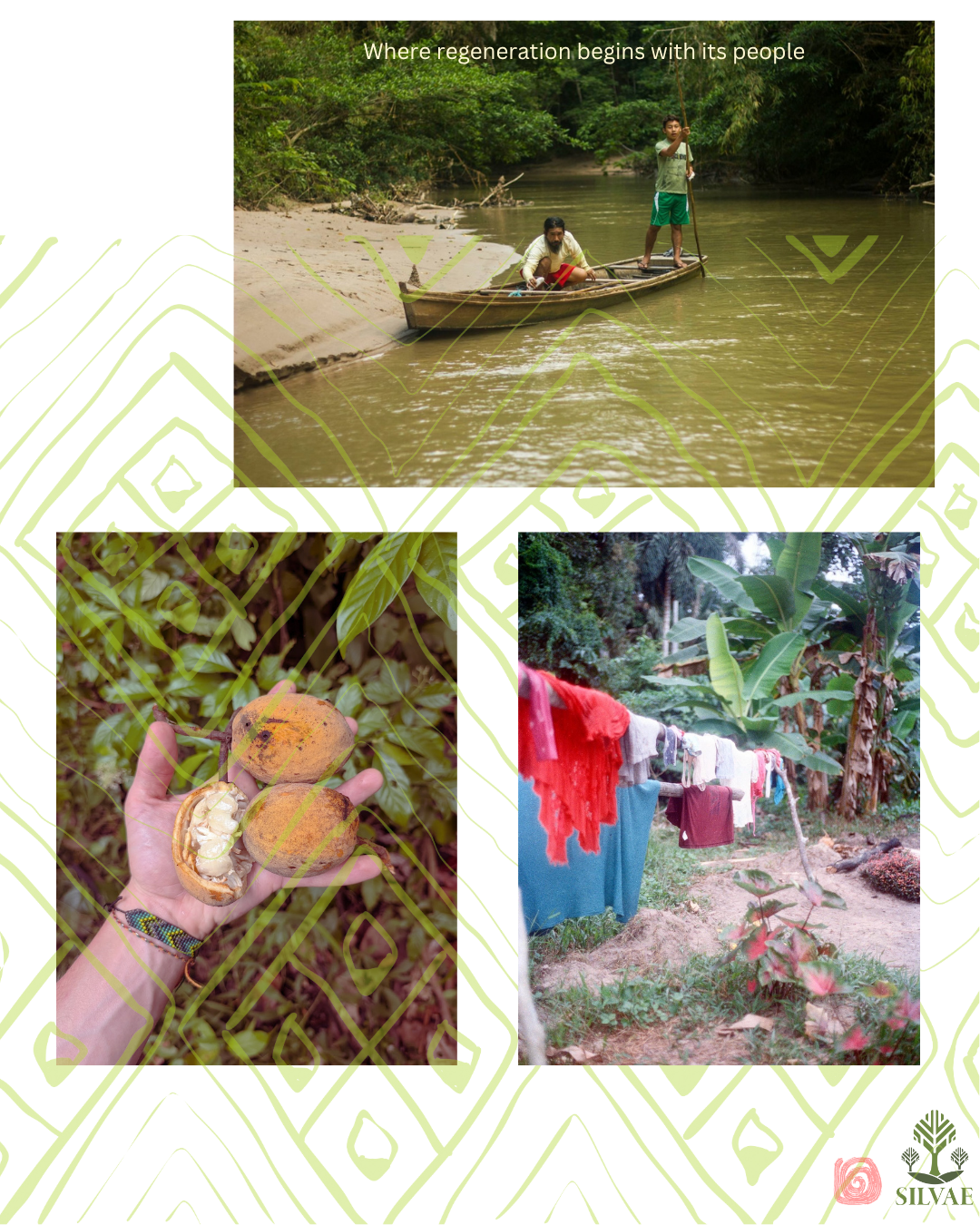
Traveling 350 km from the nearest city, Tarauaca, by boat on the river, lies one of the biggest Huni Kuin indigenous communities, deep in the heart of the Brazilian Amazon. We are now in the Jordão area, where the “true people” as Huni Kuin means; live as the guardians of one of the most biodiverse territories in the world.
The community here in Jordão consists of farmers, teachers, artists, mothers, fathers, children, women and men; living in this area for generations, they are known as the first original people.
This immense forest used to be free for the Indigenous Huni Kuin, to live a traditional nomadic lifestyle like so many other Amazonian tribes; a simple but self-sufficient way of non harmful daily life. Where they see no separation between nature and themselves, always making sure you take no more than you need, leaving minimal impact and traces.
- The biodiversity of Indigenous territories has been proven to be more well protected than other non-indigenous land areas.
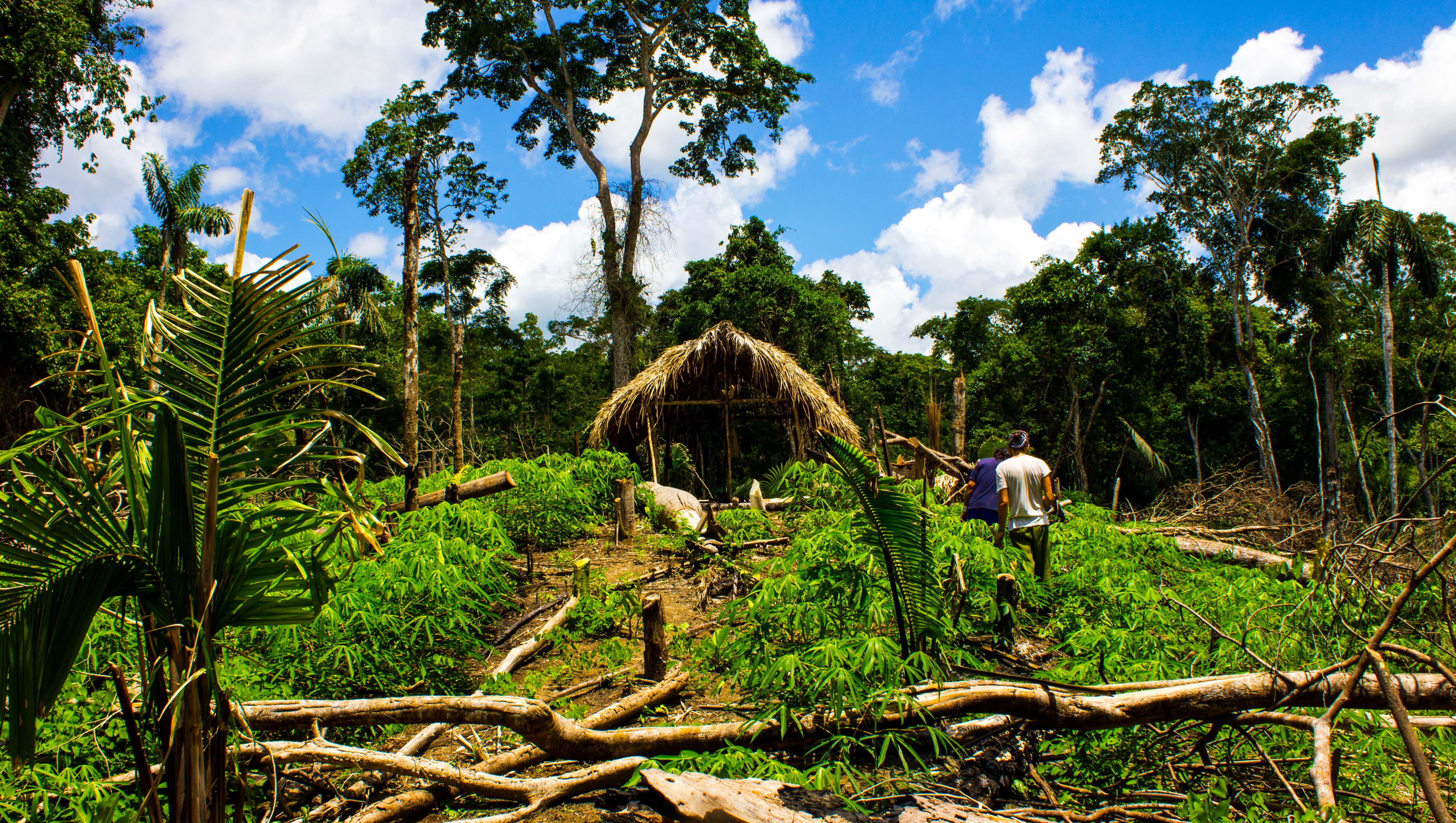
Why this land matters:
The current Indigenous territory is insufficient for the needs of the growing population. Many families lack the space to build their homes, and food insecurity is increasing due to limited arable land and environmental degradation.
Acquiring this land would directly address these urgent needs. It would provide:
• Space for new homes and family gardens by freeing up existing overcrowded land as food production shifts to new site • Areas to grow staple foods and regenerate degraded soil
• Forest to replant native species for biodiversity and medicine
• A foundation for economic autonomy through crops like cacao, cashew, and açaí
• Aquaculture potential in existing ponds, with fish waste used as organic fertilizer for forest regeneration This is not only a conservation project, it is a food sovereignty project.
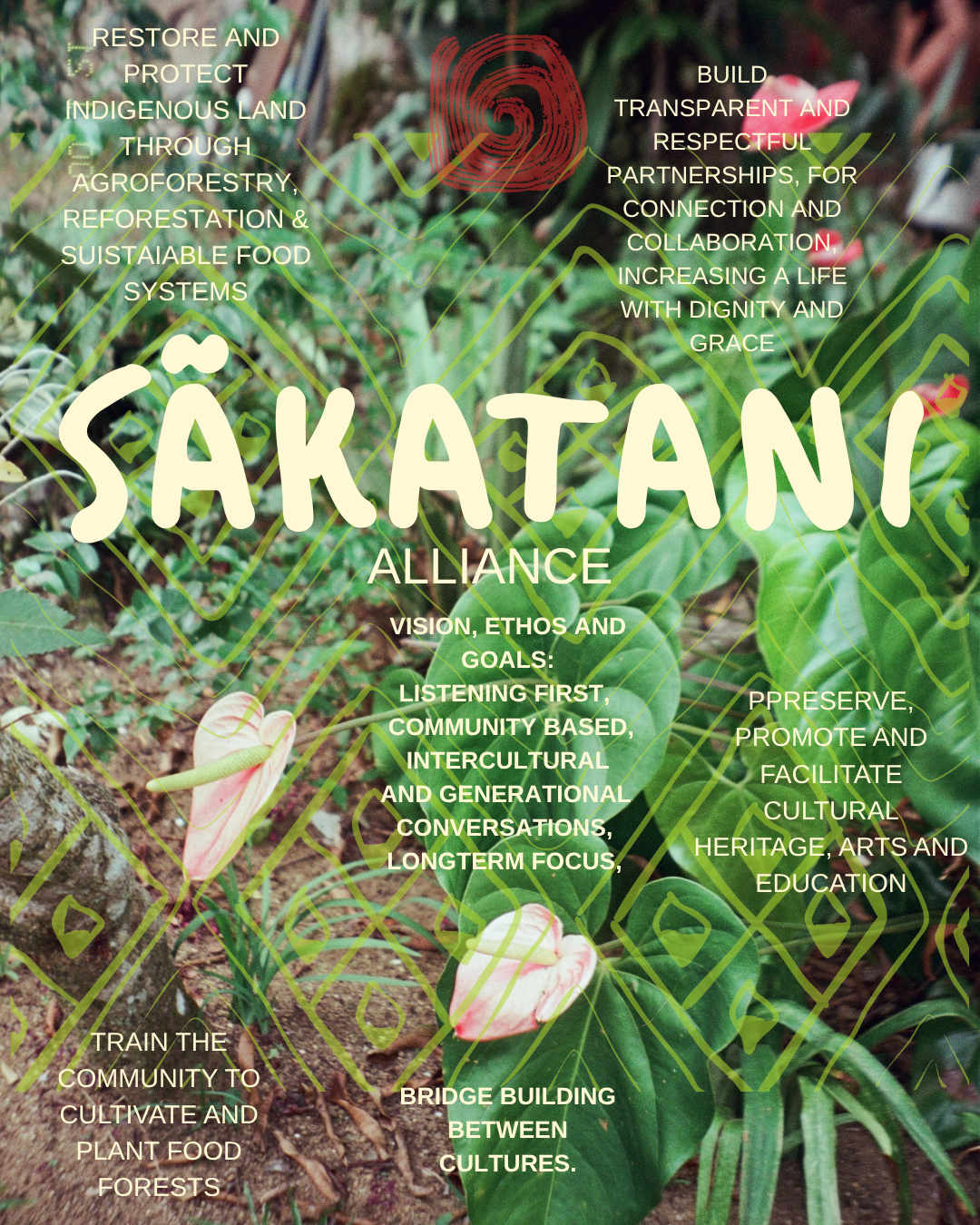
The Sãkatani Alliance functions as allies where we structure possibilities for preservation, regeneration and protection of Indigenous rights, land and giving control back to the original owners of this land. We support various projects that give back full sovereignty to the communities in this area, and the rest of the Brazilian Amazon. Our goal is through projects, like reforestation, green eco tourism and agroforestry, to be able to structure self-sufficient villages. Read more at https://www.sakatanialliance.com/silvae
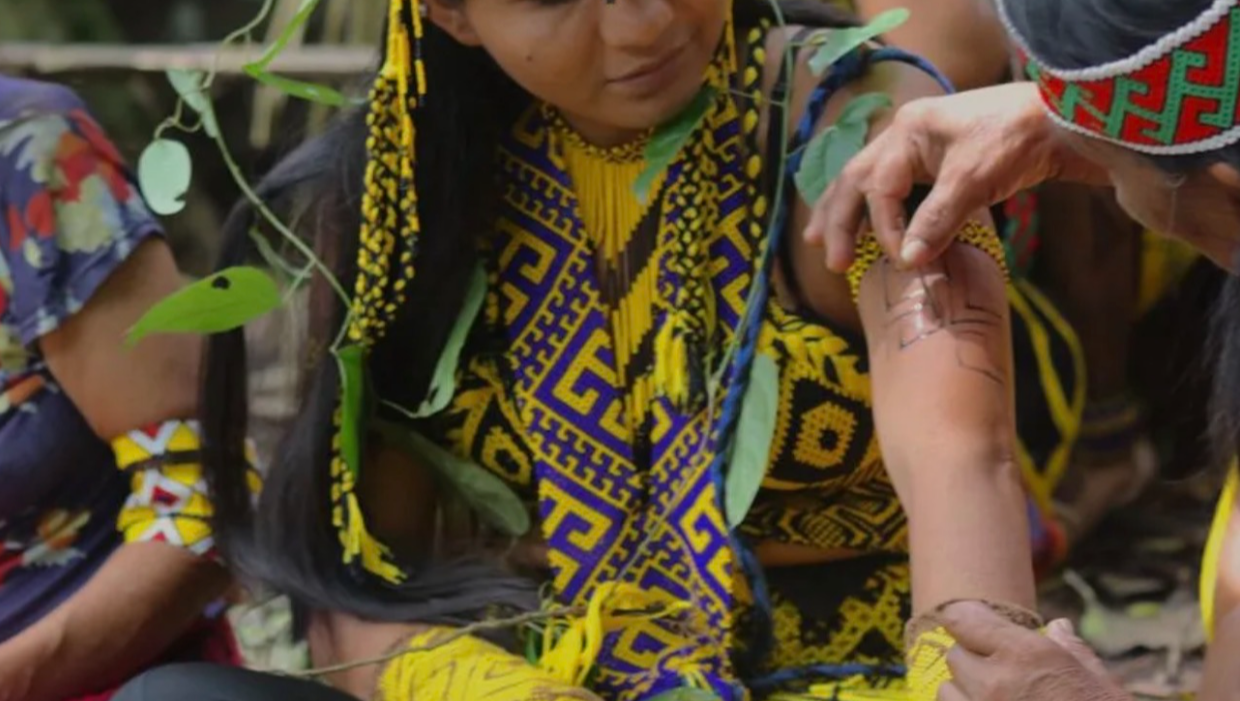
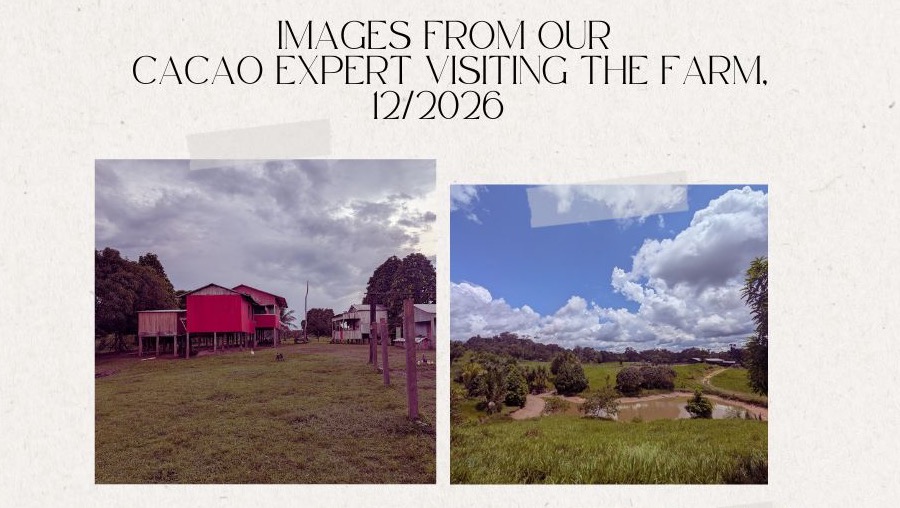
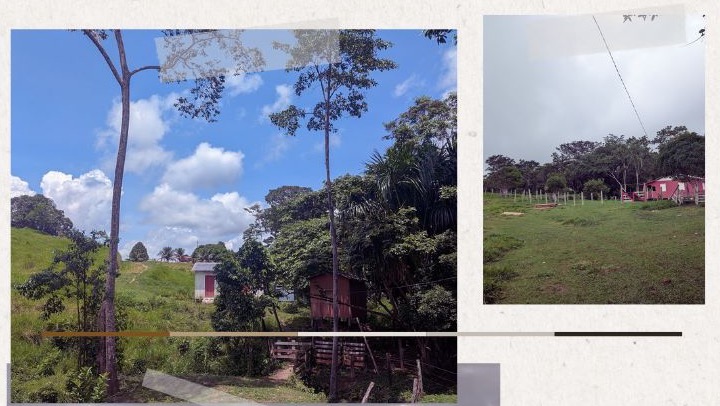
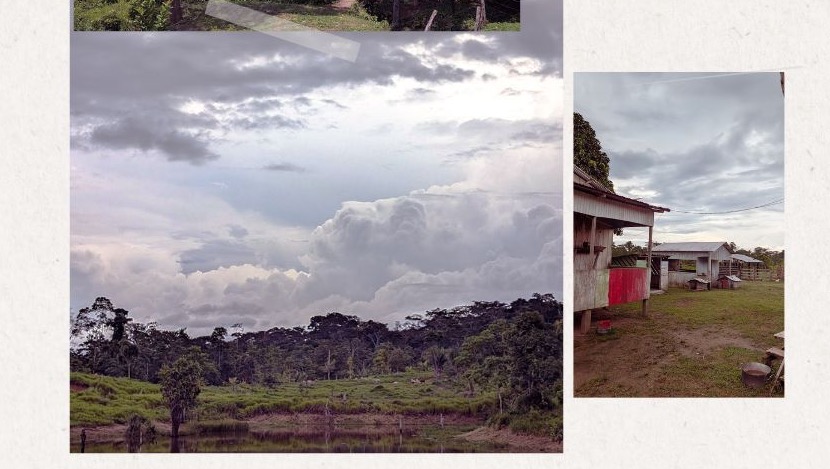
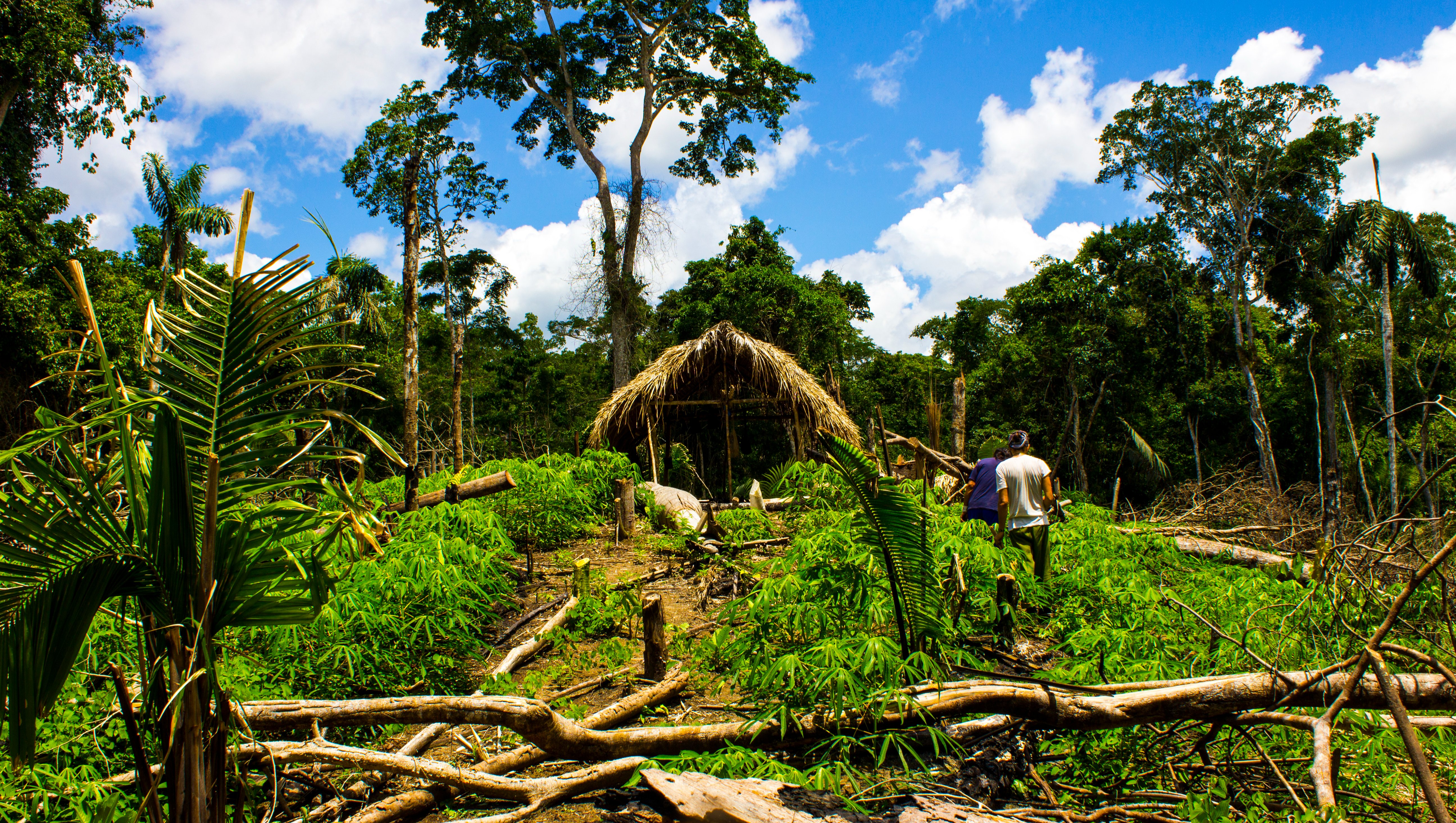
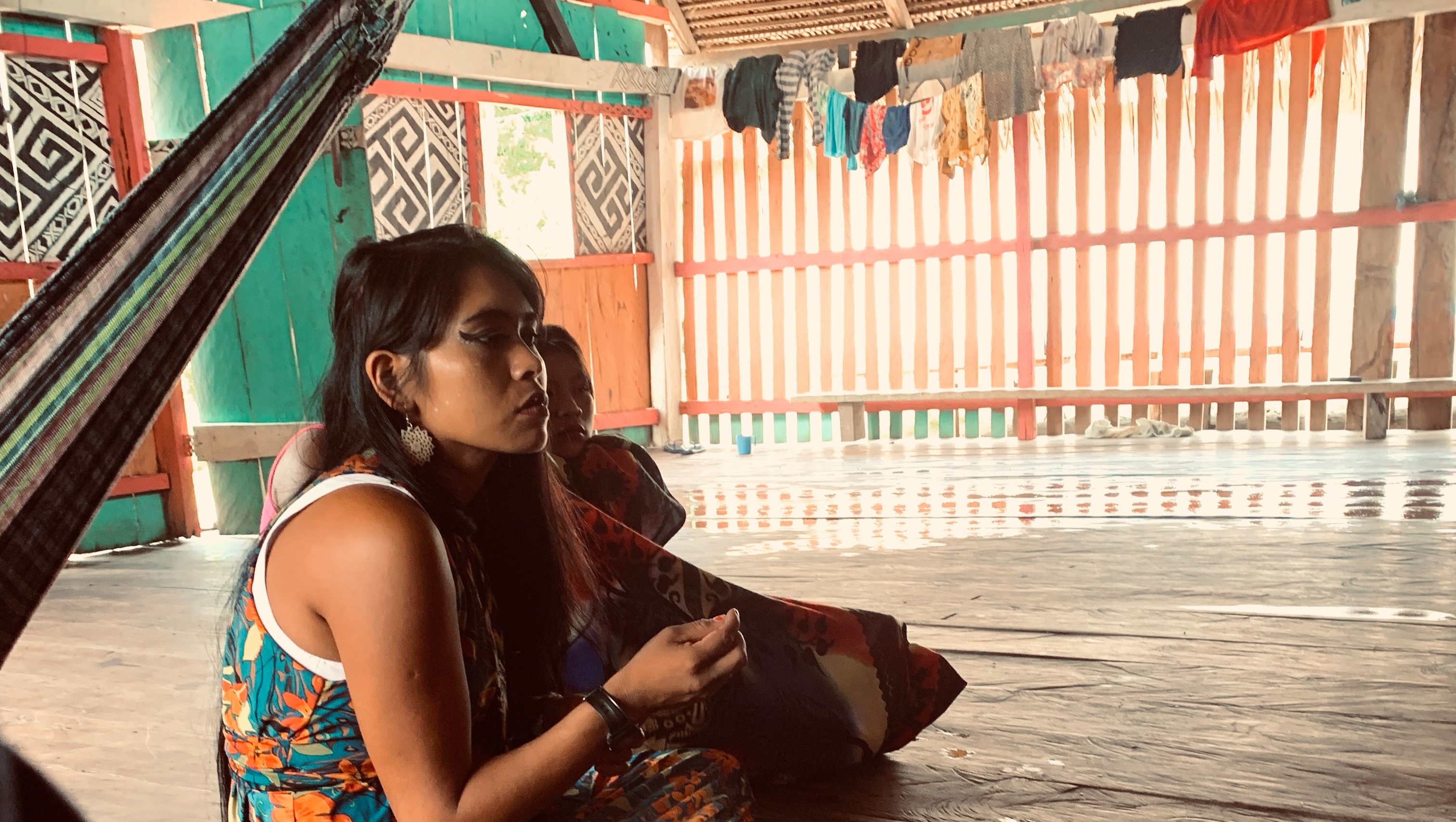

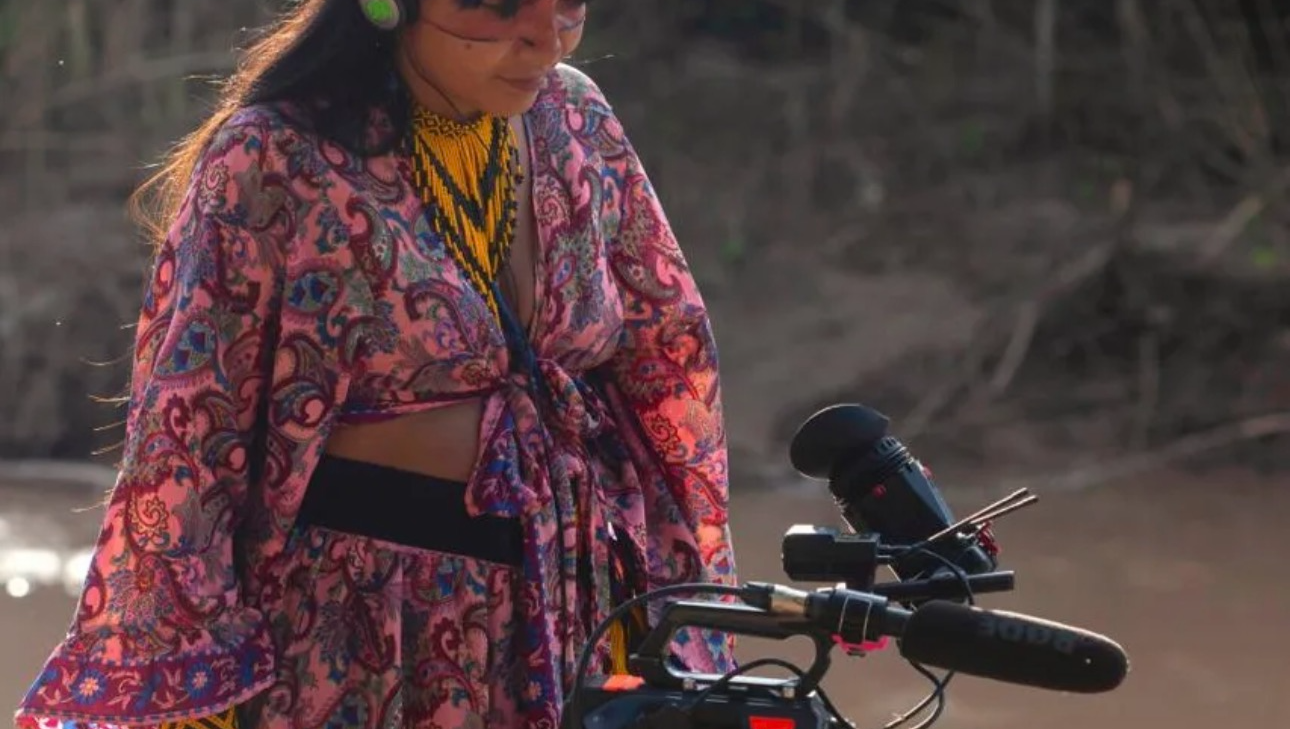
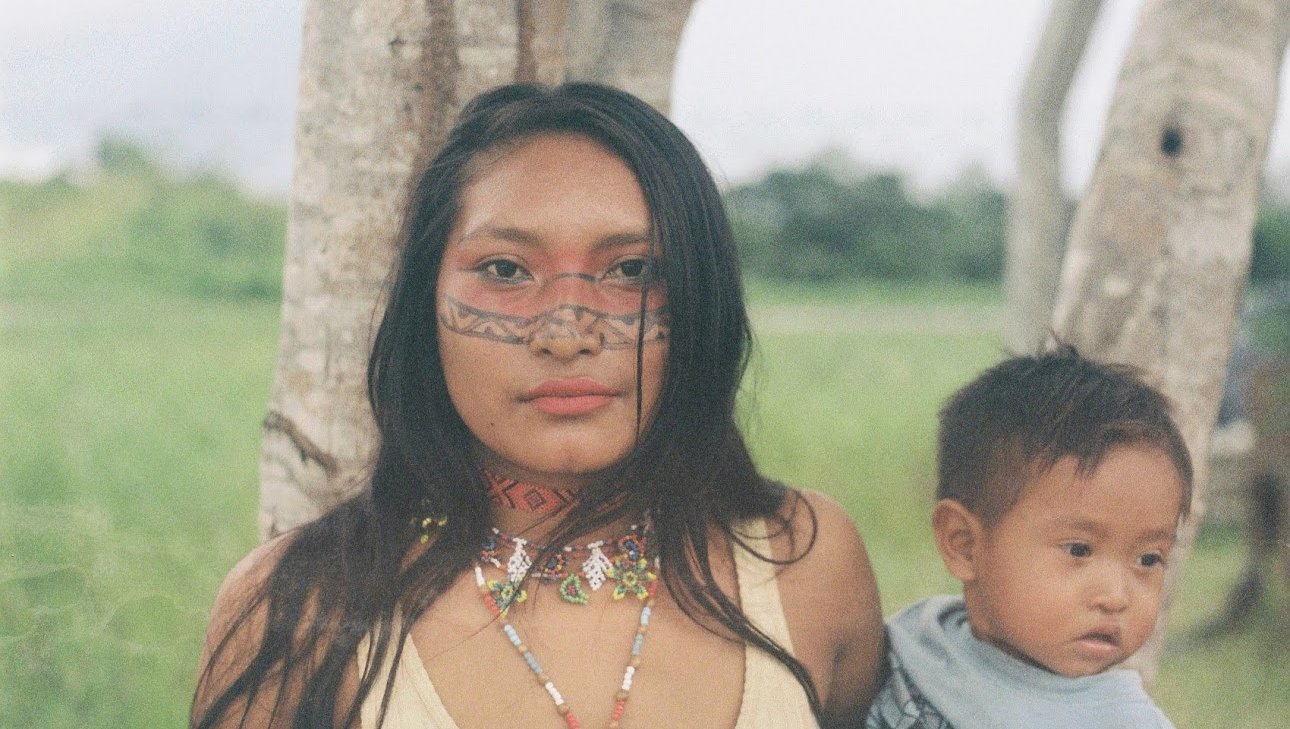
Part 1. of our goal is to secure and restore this 350-hectare land parcel in Jordão, Acre, Amazon, Brazil, for the Huni Kuin Indigenous people.
By acquiring the land and transferring ownership to an Indigenous-led NGO, the initiative aims to enable:
- Food sovereignty
- Biodiversity restoration
- Cultural preservation
- Climate resilience
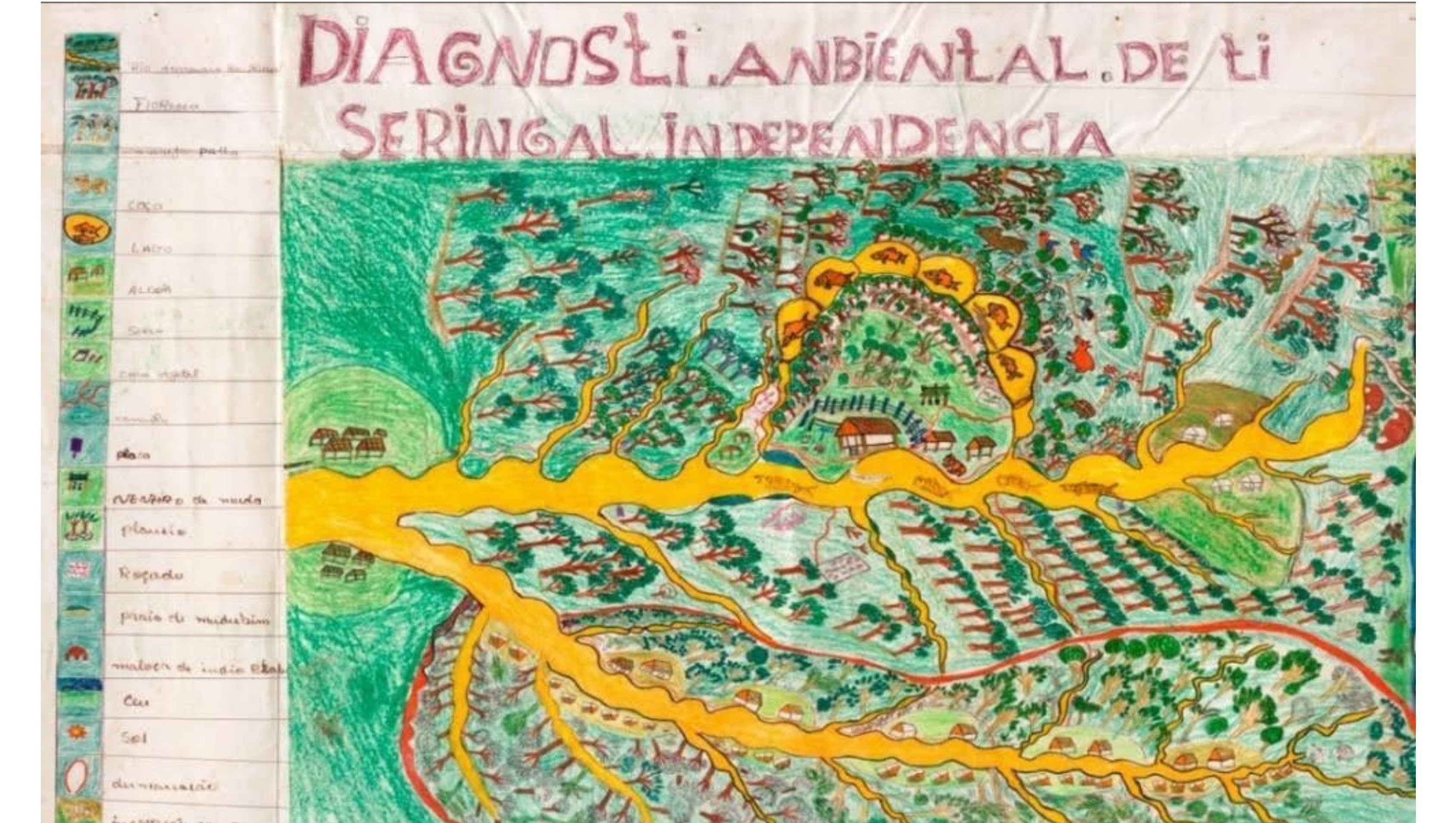
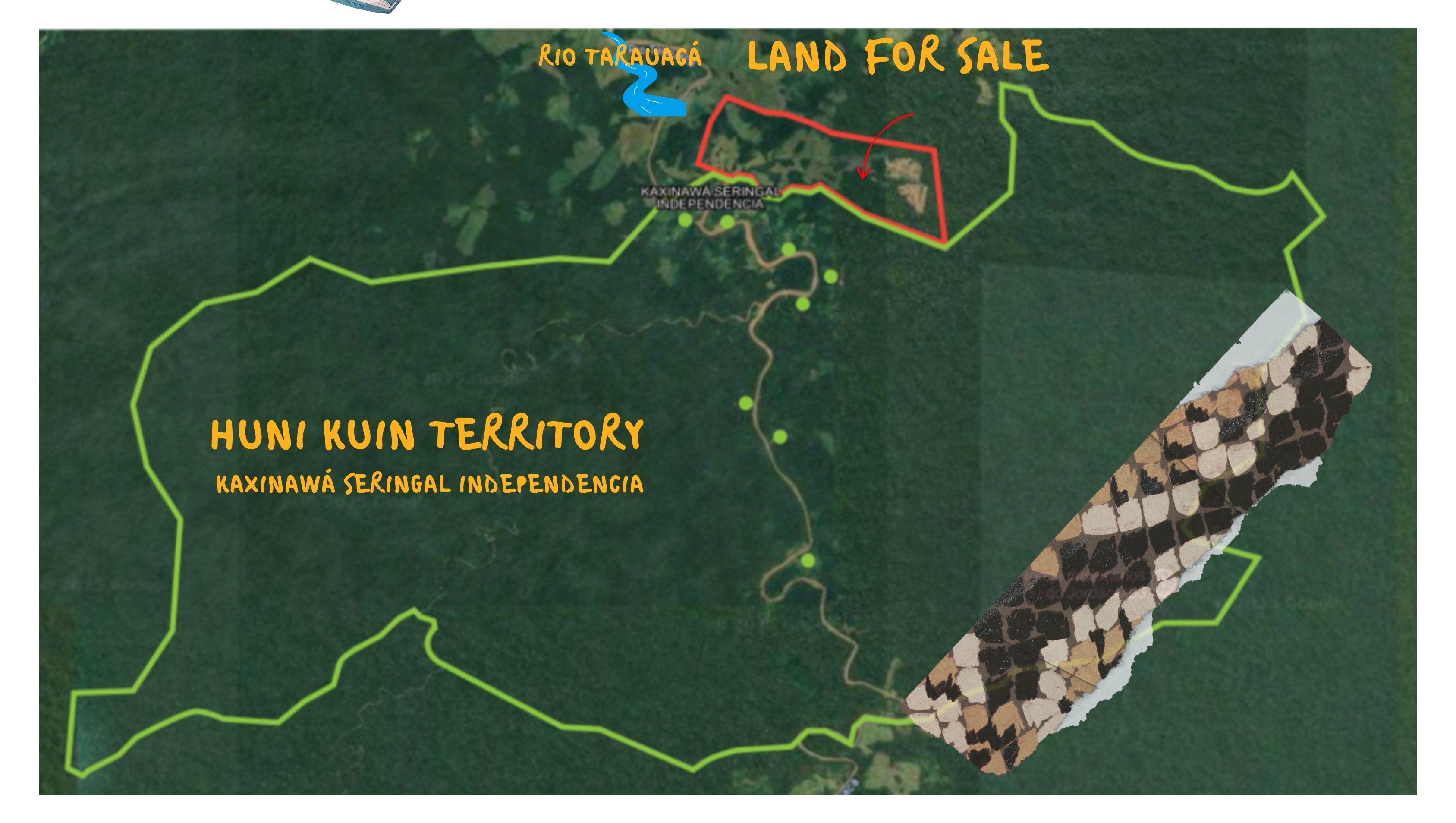
Location: Approximately 17 km by boat from Jordão, Acre, bordering the Kaxinawá Seringal Inpendencia Indigenous Territory.
- Urgency: The land is under imminent threat from livestock expansion and the current cattle owner intends to sell soon.
- Strategic Value: Combines cleared pasture, forests, and aquaculture ponds, offering a chance to transform the area from a site of deforestation to one of regeneration and food sovereignty.
Current Land Assets for Sale:
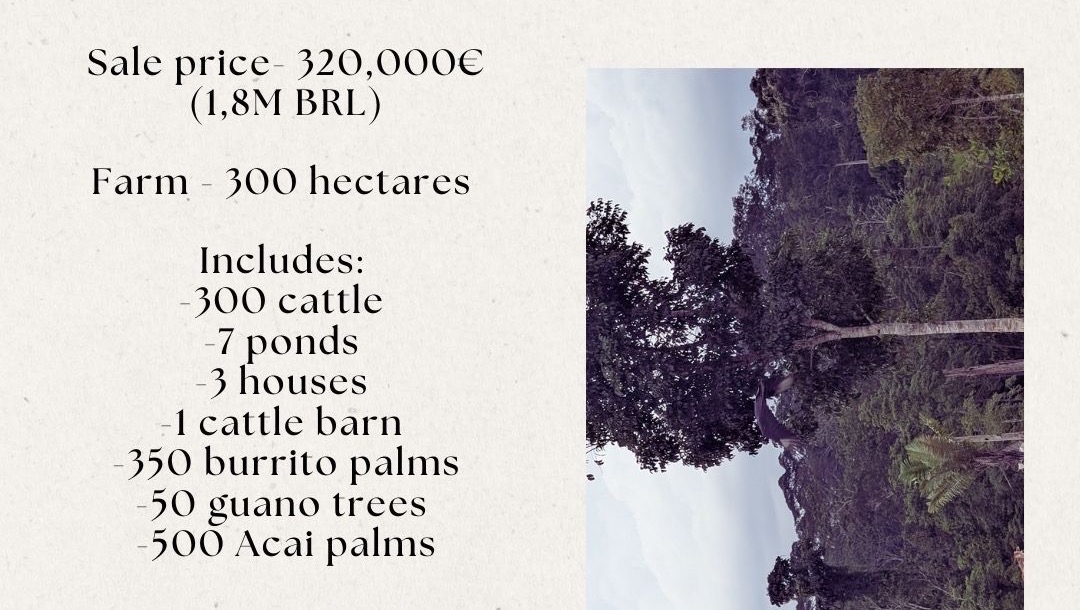
The price of ~€320,000 (1.8M BRL) includes:
300 cattle, 7 ponds, 3 houses, 1 cattle barn, 350 buriti palms, 50 aguano trees, and 500 açaí palms.
Funding Needs:
Phase 1 in total:
- €520,000 + 10% (=575 K)
- €320,000 for immediate land acquisition.
- €100,000 for initial infrastructure (training center, seedling nursery, basic housing).
- €100,000 for supporting Vivencia structure and for other perk offerings
- +8 - 10% for crowdfunding platform
Logistics and Infrastructure:
The remote location makes transport challenging: 350 km by river to Tarauacá, followed by a 400 km road journey to Rio Branco for bulk goods.
This difficulty underscores the need for local infrastructure to store, prepare, and preserve products, leading to the planned use of local clay and bio-materials for construction to reduce costs and improve sustainability.
About Sãkatani Alliance:
Sãkatani Alliance means “The Glow / Brilliance/ Magic / Shine of the Forest.”
It represents a movement of communities, artists, researchers, and partners working together to restore balance between people and nature, uplifting and implementing the power back to the people who are the guardians of the forest.
Rooted in the Amazon and inspired by Hãtxa Kuin language and Huni Kuin cosmology, Sãkatani Alliance connects traditional wisdom with modern regenerative practices, from agroforestry and cacao cultivation to reforestation and biodiversity protection.
Our intention is simple:
to let the forest speak—and be heard—through its people. To return land, dignity, and voice to the jungle's rightful guardians.
About the companies involved in the project:
Partnerships and teams, key Partners:
- S3C (Sustainable Community Component Catalogue AB): Leads project design and regenerative systems integration
- FFV (Fundo Floresta Viva): Cacao Experts. FFV works with restoring and sustainably managing hectares of agroforestry systems (SAFs), integrating wild cacao and native species, focusing on ecological regeneration.
- Jenny Hviding Visuals / Casa Azul: Jenny Mukani Hviding, co-founder project leader Sãkatani Alliance(NO/BR) public relations and communication, art direction, social media. Project leader green tourism projects, with experience in art and project management, permaculture, agroforestry and Huni Kuin culture.
- Artur Mustafa: Co-founder Silvae and Sãkatani Alliance
- Fundação Txai: Experienced regional NGO coordinating implementation and logistics.
- FiberTech International: A company working with bio-based housing materials, based on industrial hemp and other bio-materials in combination with lime and clay.
By donating, sharing and supporting on social media; or perhaps the most fun part, joining our experience tours in the jungle, you can directly help the indigenous communities in Jordão to a life with improved stability, dignity and self sufficiency.
For more information check out:
Instagram
YouTube
Silaves homepage coming soon, check out our instagram in the mean time:
Funding Mechanisms:
The project will be supported by the sale of existing cattle, eco tourism, festivals, collaborative projects with the Huni Kuin people, focusing on music and agroforestry, crop offtake/pre-purchase contracts, carbon credit monetization, crowdfunding, and strategic co-financing.
The initiative welcomes both grants and philanthropic support as well as impact-aligned investments
Portuguese:
Ajude-nos a resgatar terras indígenas juntando-se ao nosso movimento!
Visão/objetivo da Aliança Sãkatani:
A visão da Aliança Sãkatani está na colaboração ética e consciente com os habitantes locais, trabalhando em harmonia com os guardiões da floresta, implementando estruturas financeiras e preservando a selva através de viagens de ecoturismo verde e projetos agroflorestais.
Nosso primeiro objetivo principal da Aliança Sãkatani é proteger e restaurar uma parcela crítica de terra de 350 hectares em Jordão, Acre, Amazônia, Brazil, para o povo indígena Huni Kuin. Ao adquirir a terra e transferir a propriedade para uma ONG liderada por indígenas, a iniciativa visa permitir:
• Soberania alimentar
• Restauração da biodiversidade
• Preservação cultural
• Resiliência climática
• Localização: Aproximadamente 17 km de barco de Jordão, Acre, divisa com a Terra Indígena Kaxinawá Seringal Independência.
• Urgência: A terra está sob ameaça iminente da expansão pecuária e o atual proprietário pretende vendê-la em breve.
• Valor Estratégico:
Combina pastagens desmatadas, florestas e lagoas de aquicultura, oferecendo uma oportunidade de transformar a área de um local de desmatamento em um local de regeneração e soberania alimentar.
• Ativos Atuais de Terrenos à Venda:
O preço de ~€ 320.000 (1,8 milhões de reais) inclui
- 300 cabeças de gado, 7 lagos, 3 casas, 1 celeiro de gado, 350 buriti, 50 aguanos e 500 açaís.
Necessidades de financiamento:
• Meta da Fase 1: € 575+10 = 575.000 €
• 320.000€ para aquisição imediata de terreno.
• 200.000 mil euros para infra-estrutura inicial (centro de formação, viveiro de mudas, habitação básica) e infra-estrutura da vivencias e imersões.
Mecanismos de financiamento:
O projeto será apoiado pela venda do gado existente, ecoturismo, festivais, projetos colaborativos com o povo Huni Kuin, com foco na música e agrofloresta, contratos de compra/pré-compra das colheitas, monetização de créditos de carbono, crowdfunding e co-financiamento estratégico.
• A iniciativa aceita doações e apoio filantrópico, bem como investimentos alinhados ao impacto.
Logística e Infraestrutura:
• A localização remota torna o transporte um desafio: 350 km por rio até Tarauacá, seguidos de uma viagem rodoviária de 400 km até Rio Branco para mercadorias a granel.
• Esta dificuldade sublinha a necessidade de infra-estruturas locais para armazenar, preparar e preservar produtos, levando à utilização planeada de argila local e cânhamo industrial para construção, a fim de reduzir custos e melhorar a sustentabilidade.
Sobre as empresas envolvidas no projeto:
Parcerias e equipes, principais parceiros:
- Fundação Txai: ONG regional experiente que coordena a implementação e logística.
- S3C (Catálogo de Componentes Comunitários Sustentáveis AB):
Líder o projeto projeto e integração de sistemas regenerativos
- FFV (Fundo Floresta Viva): Especialistas em Cacau. A FFV atua na restauração e manejo sustentável de hectares de sistemas agroflorestais (SAFs), integrando cacaueiro silvestre e espécies nativas, com foco na regeneração ecológica.
- Jenny Hviding/Casa Azul: Jenny Mukani Hviding, co-fundadora e líder do projeto Silave/ Sãkatani Alliance(NO/BR) relações públicas e comunicação, direção do arte, mídias sociais. Líder de projetos de turismo verde, com experiência em arte, permacultura, agrofloresta e cultura Huni Kuin.
S3C (Catálogo AB de Componentes Comunitários Sustentáveis)
Equipe principal da S3C: Artur Moustafa (facilitador líder), Aleksander Akerjordet (coordenador estratégico, parcerias nórdicas)
A Iniciativa Huni Kuin visa estabelecer um sistema agroflorestal regenerativo, focado em três culturas orientadas para a exportação, açaí, cacau e uma terceira planta; no modelo de desenvolvimento em Kaxinawá, região do Seringal Independência, ao sul de Jordão, ao longo do Rio Tarauacá, no Acre, Brasil. Serão também introduzidas técnicas de permacultura e bioinstrução, utilizando o cânhamo como planta principal.
Este projeto está enraizado em pedidos diretos do povo Huni Kuin e apoia tanto a sua resiliência cultural como a sua soberania alimentar e econômica a longo prazo, apoiando as necessidades nutricionais das famílias locais. Alinha-se com os principais objetivos do programa Economia Florestal (ForEco) 2.0 gerido pela Regnskogsfondet e será implementado com o CPI Acre e outras partes interessadas regionais.
Os duplos objetivos da iniciativa são:
1. Garantir a segurança alimentar para todas as aldeias Huni Kuin na área do projeto.
2. Permitir rendimentos através de culturas de exportação regenerativas, alinhadas com a procura do mercado e com a abordagem de sociobiodiversidade do Regnskogsfondet.
Todas as atividades serão baseadas na total transparência e no consentimento formalizado da comunidade, com assinaturas de todos os chefes dos territórios afetados. A educação será centrada em técnicas de cultivo regenerativas, processamento pós-colheita, estratégias de armazenamento e integração de mercado. É dada especial atenção à capacitação das mulheres e dos jovens nas cadeias de valor.
Visão e resultados do projeto:
• Foco principal: Segurança fundiária, soberania alimentar, restauração da biodiversidade, preservação cultural e resiliência climática sob a autonomia indígena.
O que irá entregar:
• Sistemas alimentares seguros através de sistemas agroflorestais regenerativos (cacau, açaí, caju, cânhamo, café).
• Restauração da biodiversidade e aquicultura.
• Geração de renda através de culturas sustentáveis e contratos de pré-venda.
• Habitação sustentável e um centro de treinamento usando construção de cânhamo/argila como alternativa ao concreto.
• Transferência legal de terras para uma ONG indígena local controlada.
Fundo Floresta Viva (FFV)
• O projeto Fundo Floresta Viva (FFV) visa restaurar áreas florestais degradadas na região do Acre, na Amazônia brasileira, utilizando uma variedade única de cacau selvagem, dependente da sombra.
• O projeto pretende estabelecer um modelo agroflorestal escalável que promova a regeneração ecológica e o empoderamento econômico dos ribeirinhos tradicionais e das comunidades indígenas.
• O objetivo é tornar a floresta mais valiosa em pé do que plana, alcançando a auto-sustentabilidade a longo prazo através das rotas comerciais existentes.
• Está ancorado na estrutura ForEco 2.0 de Regnskogfondet e busca o reconhecimento da COP30.
• Restauração e Gestão: Restaurar e gerir de forma sustentável hectares de sistemas agroflorestais (SAF; Sistemas Agroflorestais/ Sistema Cabruca) integrando cacau silvestre e espécies nativas, com foco na regeneração ecológica
• Melhoria da Infraestrutura: Melhorar e expandir a infraestrutura existente para processamento pós-colheita do cacau para garantir a qualidade do produto.
• Fortalecimento dos meios de subsistência: Fortalecer os meios de subsistência das famílias do projeto.
• Financiamento Inovador: Demonstrar uma estratégia de financiamento inovadora que preenche a lacuna de financiamento na fase inicial até que os cacaueiros produzam retornos econômicos (aproximadamente 4–5 anos).
• Quadro de Parceria: Estabelecer e testar o quadro de parcerias.
• Alinhamento Estratégico: Alinhar a implementação do projeto com o Regnskogfondet Programa ForEco 2.0 para alavancar financiamento adicional e apoio político.
Sobre Sãkatani:
Aliança Sãkatani significa “O Brilho da Floresta.”
Representa um movimento de comunidades, artistas, pesquisadores e parceiros que trabalham juntos para restaurar o equilíbrio entre as pessoas e a natureza, elevando e implementando o poder, de volta às pessoas que são guardiãs da floresta.
Enraizada na Amazônia e inspirada na língua Hãtxa Kuin e cosmologia Huni Kuin, a Sãkatani Alliance conecta o saber tradicional com práticas regenerativas modernas — da agrofloresta e cultivo de cacau à restauração e proteção da biodiversidade.
Nossa Intenção é simples:
Deixar a floresta falar e ser ouvida, por meio de seu povo. Devolver terra, dignidade e voz aos verdadeiros guardiões da selva.
By donating, sharing and supporting on social media; or perhaps the most fun part, joining our experience tours in the jungle, you can directly help the indigenous communities in Jordão to a life with improved stability, dignity and self sufficiency.
For more information check out:
Instagram
YouTube
Organizer