- A
- C
- C


Donate to the Mead Family During Kelsey's Cancer Journey
0% complete
112.125 $ raccolti su
700 donazioni
Kelsey’s life changed in February 2025 when she was diagnosed with stage 4 signet cell cancer of the appendix. What began as sudden, severe abdominal pain led to weeks of emergency room visits, scans, tests, and appointments with specialists. Eventually, her medical team discovered a large mass on her ovary, along with several other concerning areas throughout her abdomen. Biopsies confirmed metastatic signet cell carcinoma.
After consultations with oncology teams at the University of Vermont Medical Center and Memorial Sloan Kettering Cancer Center, Kelsey began chemotherapy in March 2025. She completed treatment in May, and follow-up scans showed encouraging signs that the cancer was responding. Surgery was the next step.
In June, Kelsey underwent an exploratory surgery so her team could understand the full extent of the disease and plan for a major procedure in July. That July surgery was extensive. Surgeons removed her large intestine, ovaries, fallopian tubes, uterus, and several affected areas within her abdominal cavity. Once everything of concern was removed, her abdominal cavity was treated with heated chemotherapy, designed to target any remaining cancer cells not visible during surgery.
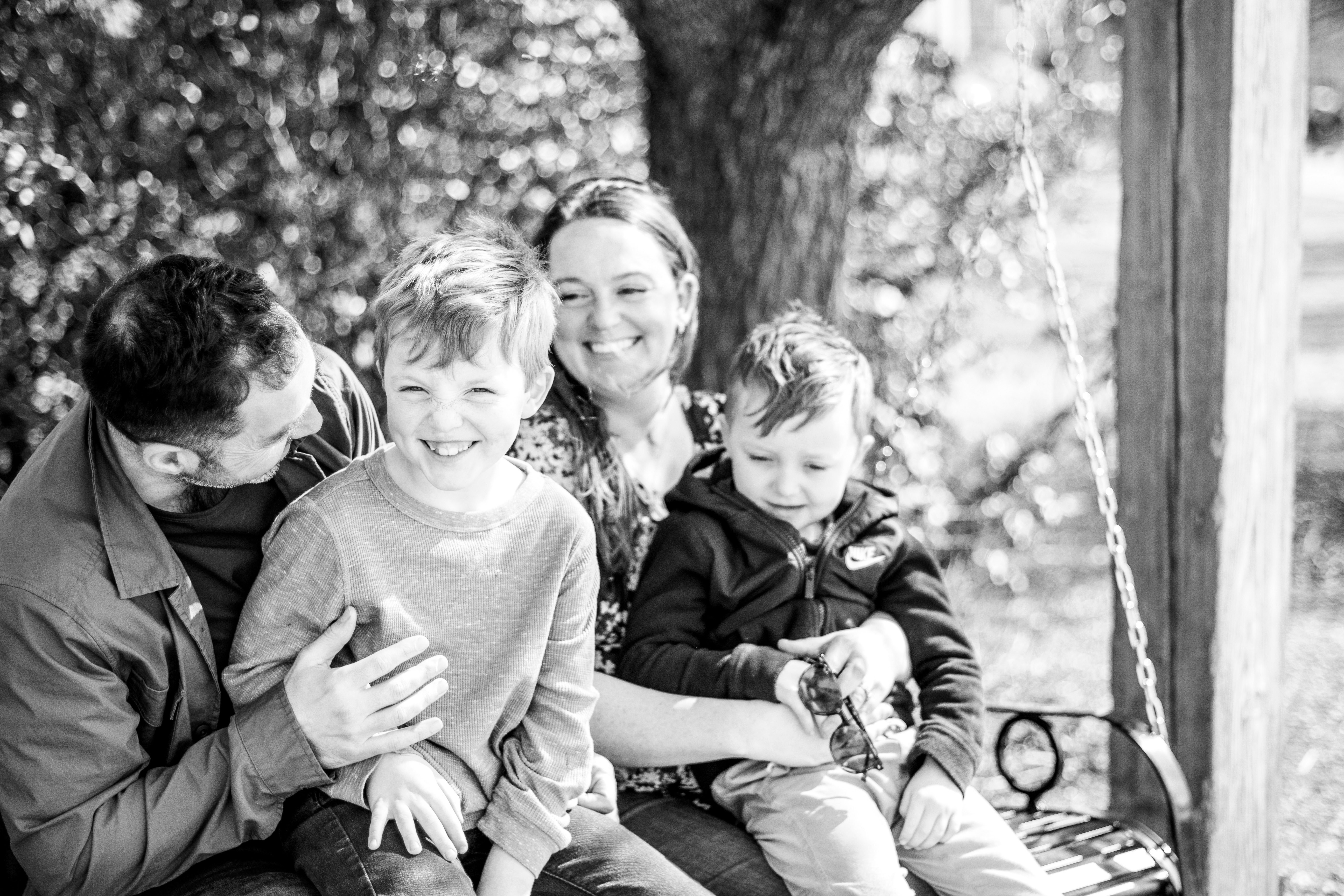
Despite the enormity of the operation, Kelsey recovered with remarkable strength. She returned home, slowly resumed eating, and focused on healing while enjoying the end of the summer with her boys!
But at the end of September, new symptoms suggested a blockage in her gastrointestinal tract - "small bowel obstruction". Kelsey was admitted to the hospital for almost 2 weeks, where her medical team rested her GI tract with IV fluids and stomach decompression (requires insertion of a "NG tube" - which goes in her nose and down into her stomach to drain all stomach contents - sometimes by gravity and sometimes by a suction machine). Scans looked reassuring, suggesting scar tissue rather than new cancer growth, and she was able to return home after 12 days.
Less than a week later, the blockage symptoms returned. Repeat scans showed the same area involved, and her medical team decided surgery was the safest option given this persistent problem area. During that surgery, they removed the problematic section along with about 3 feet of her small intestine after noticing additional concerning areas. All of the removed tissue was sent to be tested further.
While in the hospital for this surgery, Kelsey was started on a supplemental type of nutrition. Because her small intestines was healing and not functioning normally, she couldn't eat food the "normal way". She was therefore started on "TPN" or total parenteral nutrition. This is a type of nutrition that comes in the form of a large bag of fluid that goes into an IV and puts the necessary nutrients directly into Kelsey's blood stream (bypassing her stomach and small intestine). Additionally she remained with the NG tube in to help relieve some discomfort.
The GI tract naturally produces fluids and when your GI tract isn't functioning properly, these fluids just sit in the stomach. This can cause pain and nausea. Keeping the tube in helps to allow the small intestine to rest and heal but also helps to keep Kelsey more comfortable (while VERY uncomfortable at the same time).
On Halloween morning, Kelsey and Nick received devastating news: the entire area of her small intestine that had been removed showed cancer involvement, and the disease was now affecting a large portion of her small intestine.
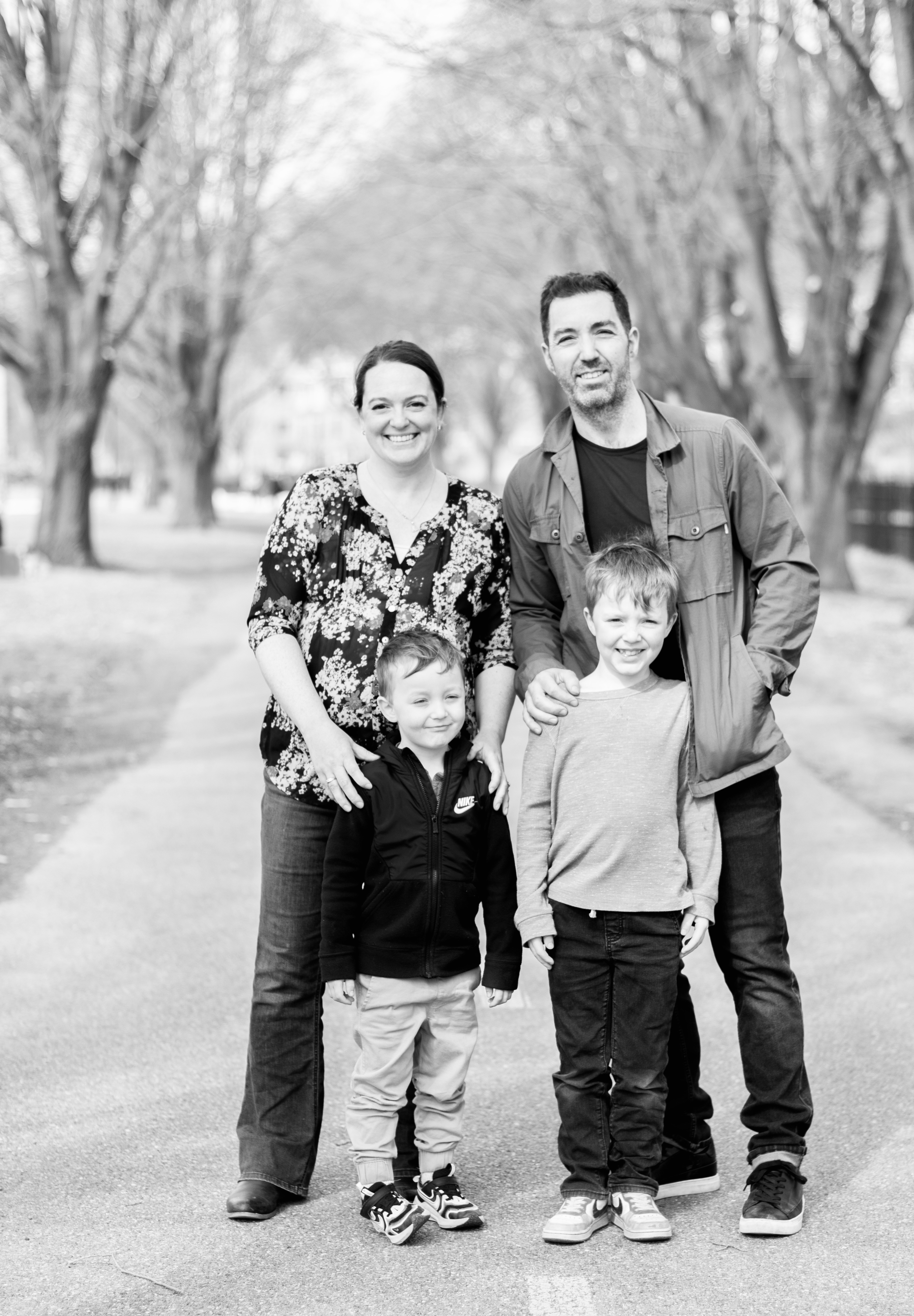
From here, the discussion was had as to "what do we do now?" She received 2 months of chemotherapy in the spring. She had now undergone three surgeries. And the cancer was back. After a total of 38 days in the hospital from Sept to Nov, Kelsey and Nick wanted to get home! They wanted to be able to be back with Calvin and Bennett and do as many things together as possible while also keeping Kelsey comfortable and healing as best as possible.
Insert Palliative Care Consult - Palliative care is a specialized form of care that provides symptom relief, comfort and support to people living with serious or chronic illnesses. It also provides support to caregivers and those impacted by a loved one’s condition. Simply stated, it’s about improving quality of life for the patient in whatever way they desire. Palliative care is an extra layer of support on top of the care you already receive. It focuses on your own unique care goals in a way that aligns with your desires. Unlike hospice — which people often associate with end-of-life care — palliative care can benefit people of any age and at any stage of a serious illness. This is something that often happens at UVMMC any time a patient is hospitalized and meets the criteria as mentioned above. Basically a specialty team that's focus is to help the patient and their family meet their set goals.
To help Kelsey return home safely, several things needed to be set up. She worked with both her oncology team and her palliative care team to make this happen. Her NG tube was replaced with a more comfortable long-term version, and both she and Nick were trained to manage TPN (among other drains and tubes) at home.
Nick: A+ in all nursing responsibilities.
Kelsey: A+ in strength, courage, and determination.
Wednesday Nov 12:
DISCHARGE by morning...UVM Soccer Game by night (to watch Calvin escort the UVM team on the field - snow and all!)
WHAT COMES NEXT? This page was created to keep loved ones updated on Kelsey’s journey and to support the family during this incredibly difficult time. Her next treatment options will depend on how she heals from surgery. The hope is for her team at UVMMC to collaborate with specialists at Tufts and Memorial Sloan Kettering to explore chemotherapy options that might slow or stop further cancer growth.
We are also hoping to help relieve some of the enormous financial burden. In December, Kelsey will lose her short-term disability benefits and is awaiting the outcome of her long-term disability application. Changes in insurance coverage at the start of the year will also result in new deductibles, new out-of-pocket maximums, and many unavoidable medical expenses—on top of the cost of home medical supplies, treatments, and daily needs. ALLLLLL that BS you shouldn't have to even spend a second thinking about when you are dealing with what Kelsey and Nick are dealing with.
Your financial support would make a tremendous difference.
It will help the family manage medical expenses, supplies, insurance challenges, and the many daily costs that come with caring for someone with complex medical needs.
Kelsey isn’t able to eat right now, Nick has mastered cooking for himself and the boys, family is helping with childcare and transportation when needed. Financial help is one of the most meaningful ways to support them.
Let’s lift one burden off their shoulders.
Please donate—anything helps—and please share Kelsey’s story with all who know and love her.
POSSIBLE QUESTIONS:
Can they remove Kelsey's entire small intestine? No. The small intestine is an organ that is about 22 feet long and plays a crucial role in absorbing vitamins and minerals from the foods and drinks we consume and releases them into the blood stream to keep the body active and functioning normally.
How can you treat the cancer that is still there? Since additional surgery isn’t possible, systemic chemotherapy targeted to this cancer type may help slow/stop its growth.
Can we bring them anything? No - they have everything they need right now.
Can we contact Kelsey or Nick? Yes - feel free to reach out! They may not respond, but your love and support is appreciated.
Organizzatore e beneficiario

Nicholas Mead
Beneficiario