- A
- C
- E
Help the last glaciermakers preserve their knowledge
0% complete
£1,047 raised of £25K
27 donations
Help us film the worlds-first scientific verification of an ancient glacier making practice (more details below...)
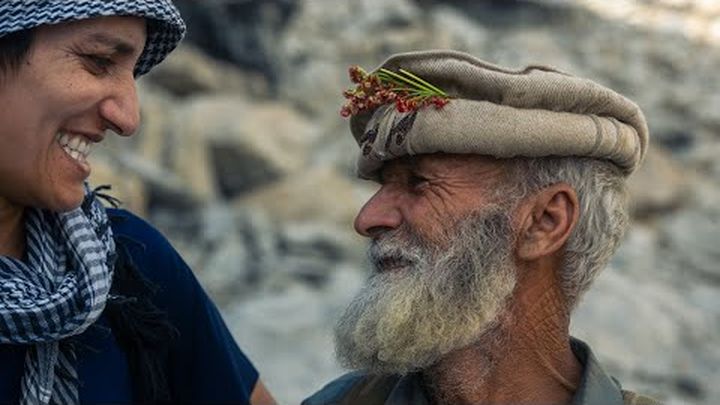
When I first heard Laila and Zarrak talk about glacier marriages at COP28, I didn’t know what to make of it. I thought it might be a symbolic tradition, something cultural or maybe spiritual. But it wasn’t just that. It was an indigenous technique that Laila’s community has used for centuries to deal with water scarcity.
Even though the Hindu Kush–Himalayan region has the largest glaciers outside the poles, people there have always struggled to access water. For generations, they’ve grafted glaciers to bring water where it’s needed. These are referred to as glacier marriages; a union of male and female glaciers. The practice is sacred to them, but it’s also practically connected to their survival.
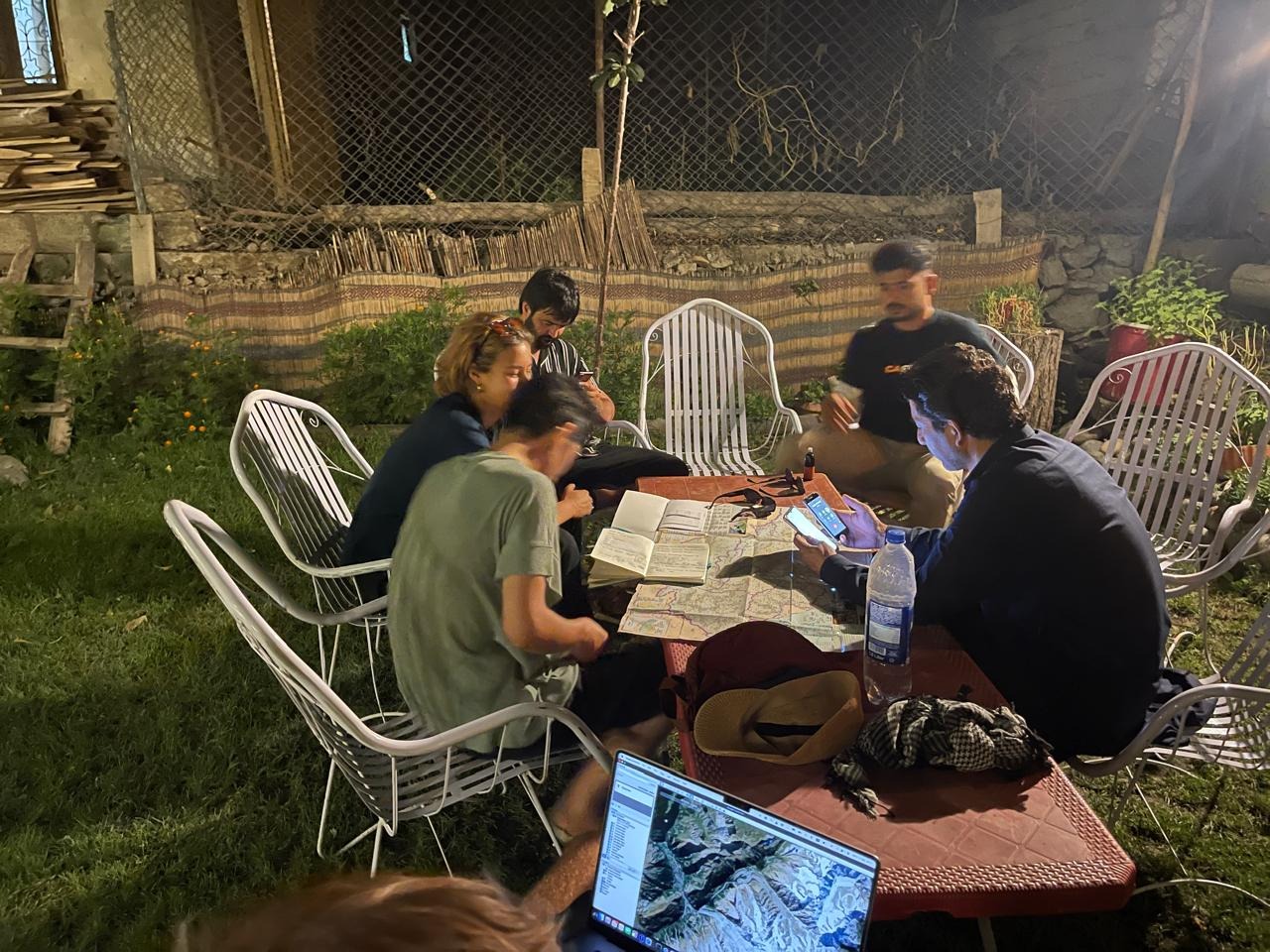
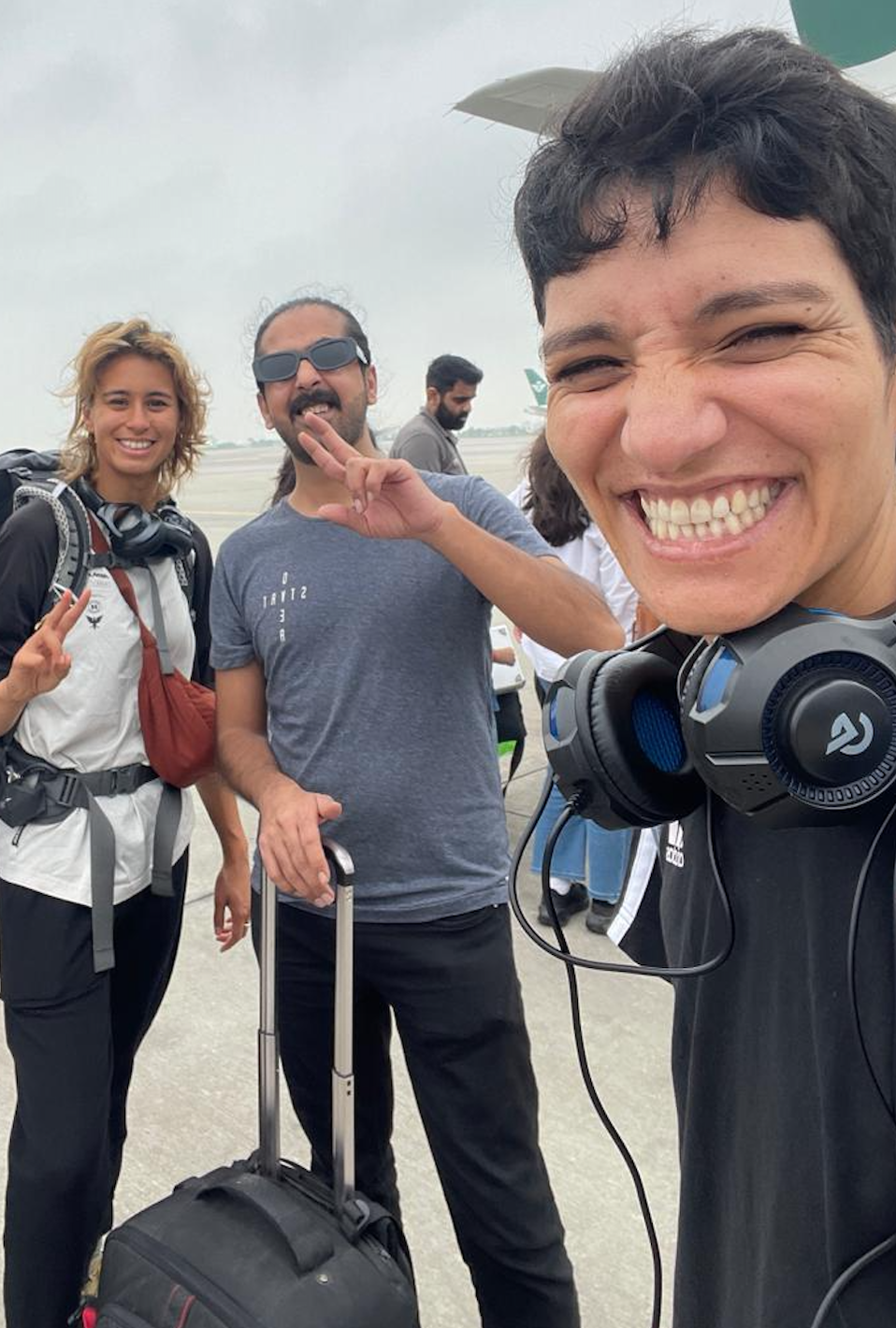
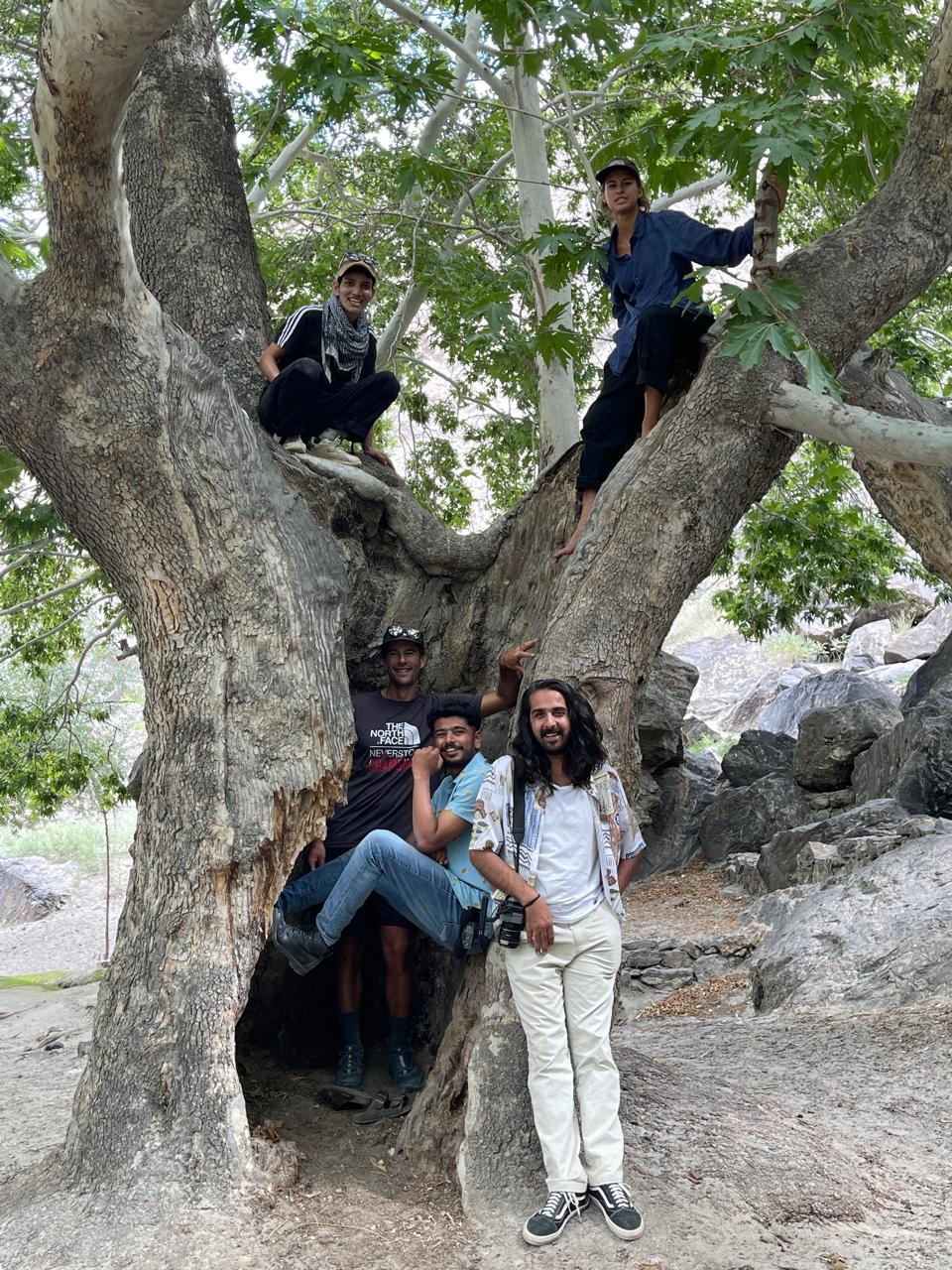
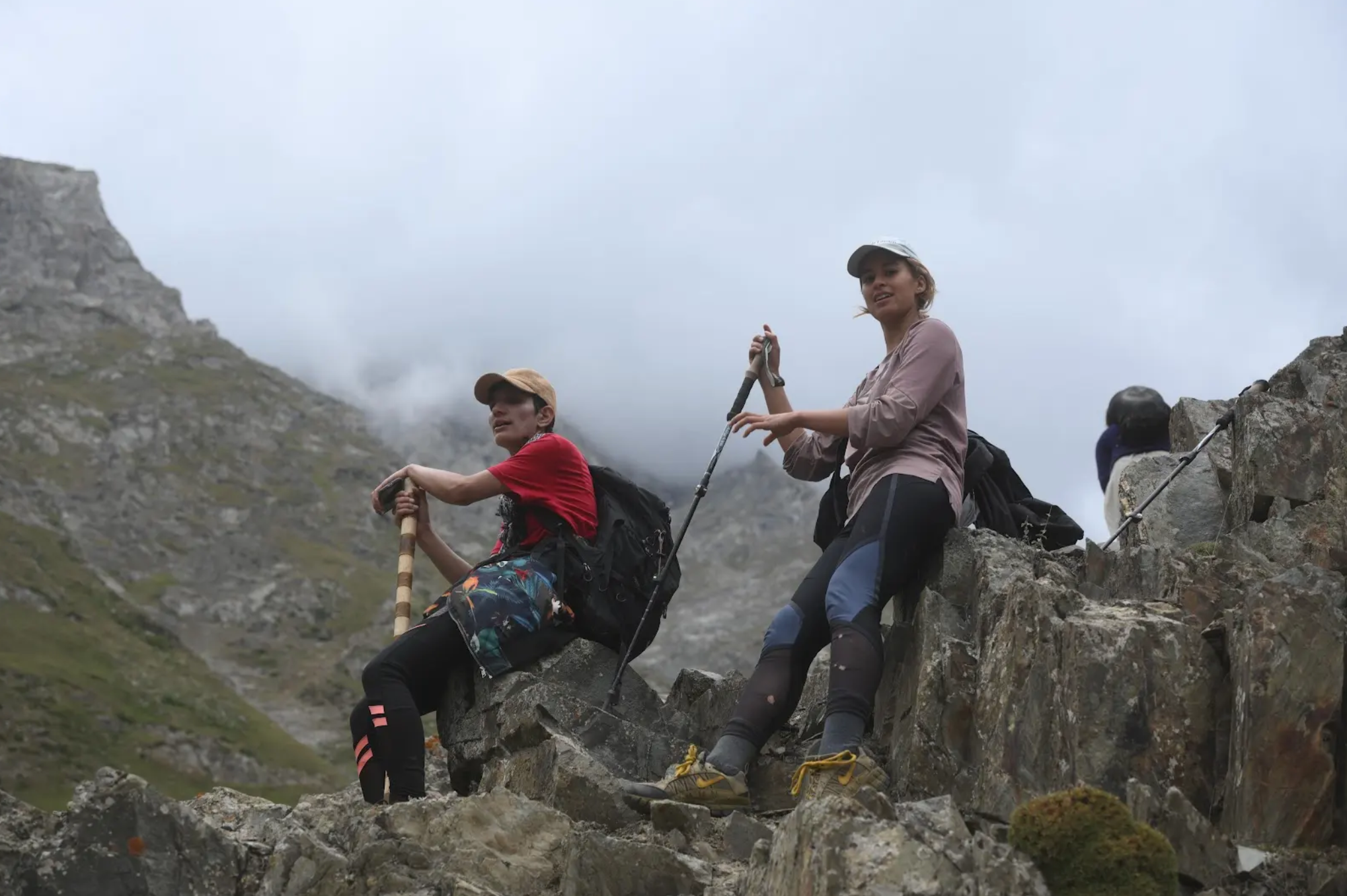
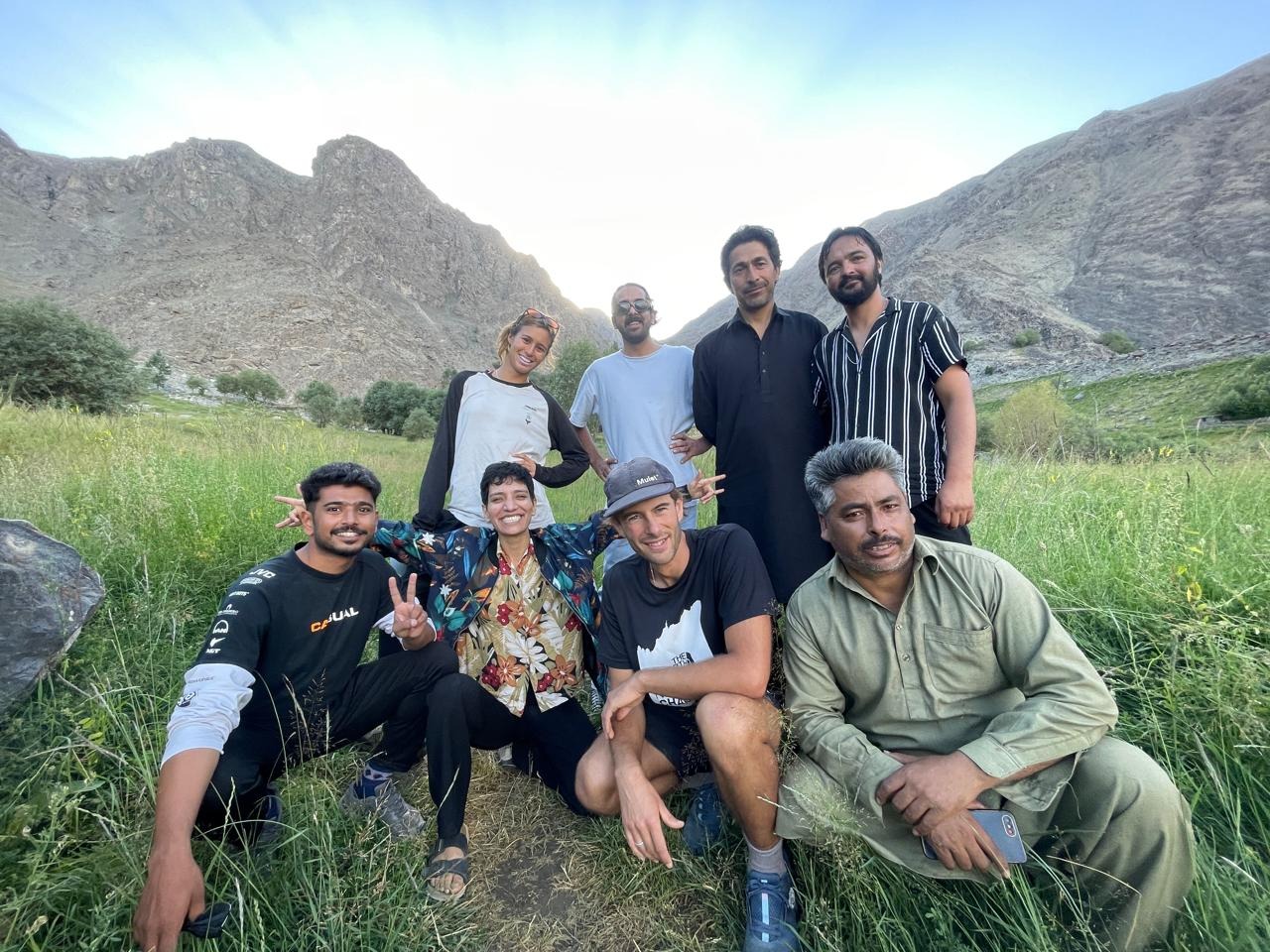
The idea was unlike anything I’d encountered, and my curiosity grew. Last year, Laila, Zarrak, and I decided to travel to the region and learn more. We assembled a team of friends, booked the tickets, and landed in Gilgit Baltistan, Pakistan.
Once we arrived, the scale of it became clear. These weren’t isolated cases. Almost every village we visited had a story of a grafted glacier. Some were grafted as recently as 2023, others were hundreds of years old. That was when glacier marriages ceased being just a myth and became a fact.
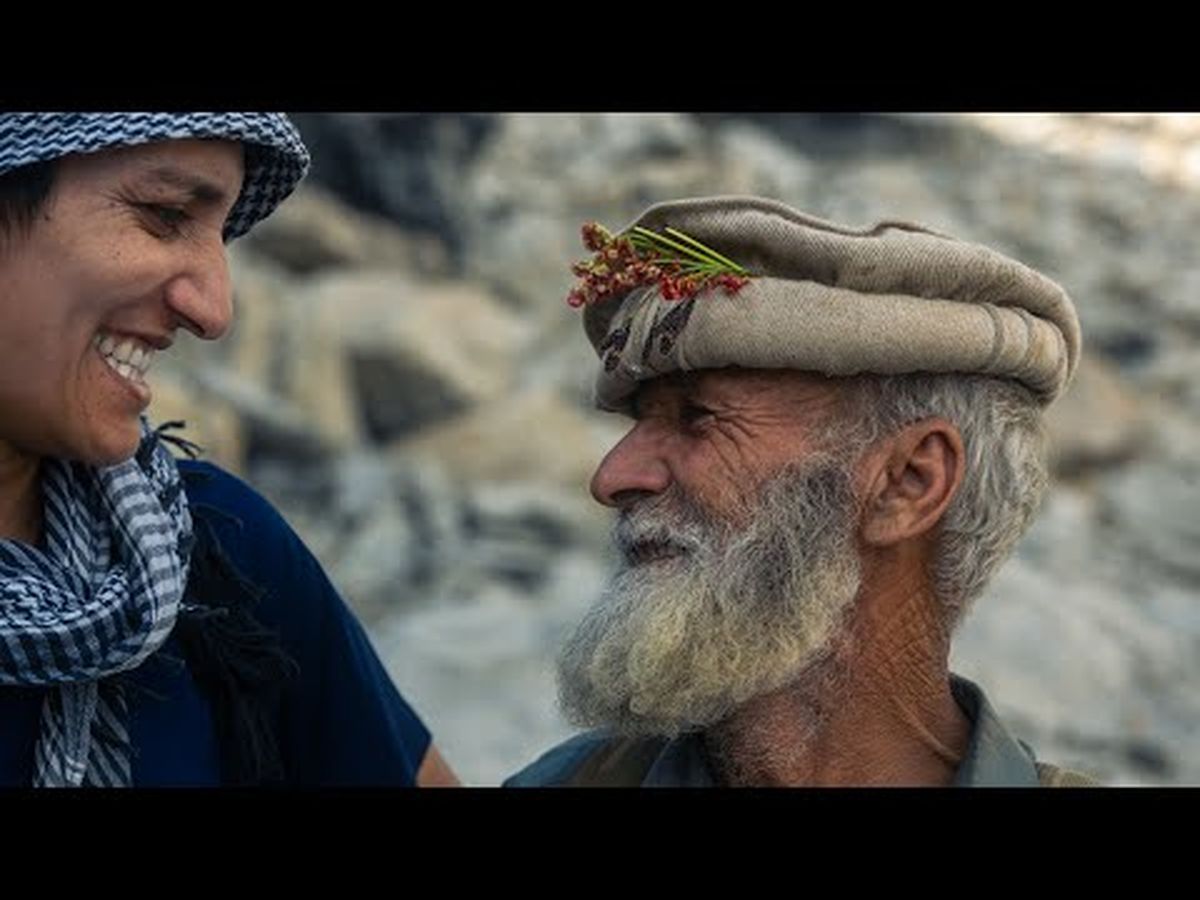
On that trip, we also met Raza, one of the last glacier makers alive. He took us to a site where he had performed a glacier marriage two decades earlier. What was once barren land had now transformed into a green meadow, with water channels and small waterfalls sustaining the surrounding communities. Villagers described how they had joined Raza in the effort to graft a glacier all those years ago and how they had created a new water source where none existed before. That was the first time I saw a grafted glacier with my own eyes. I could hardly believe what the villagers had achieved with their bare hands and limited resources!
Now imagine this ancient technique documented, refined and shared with water-stressed communities worldwide - the Andes, the Himalayas, mountain regions everywhere learning from these communities. But for that to happen, the world needs to know it exists. A documentary is the best way to share it widely, and no one is better placed to tell this story than Laila & Zarrak, who grew up in a community that has protected these glaciers for generations, and is now watching them disappear.
We’ve already co-produced a short trailer (shared above) from our first visit, paid for from our own pockets. Thanks to the Navigation Fund , we’ve also secured funding for scientific research, which will help document and understand the method. But research alone won’t bring this story to the world. That’s what the film is for.
This September, Raza will lead ten glacier marriage ceremonies across different villages, a rare opportunity to capture this process in detail. But if we are to capture this work, we need your help. We’re currently raising £25,000 to fund the next phase of the documentary, which aligns with the start of the scientific research this September. This isn’t the full budget for the film but it’s what’s urgently needed right now to capture this moment while it’s happening. The funds will support:
£4,000: Materials and collaboration for the ceremony with local communities
£15,000: Travel, crew, and filming in remote high-altitude regions
£7,000: Safety guides, equipment rental, and emergency contingencies
This phase is time-sensitive, as glacier marriage ceremonies can only be held in September. Once it passes, we lose the opportunity to document the first-ever scientific observation of this ancestral practice as it takes place.
This is a call for partnership, an invitation to join us in preserving the knowledge of our ancestors. We urgently need support to fund the ceremony, film it, and preserve this endangered knowledge for future generations. You can help by contributing directly or by connecting us with funders, institutions, journalists, or platforms that care about indigenous knowledge, water security, or climate resilience. Even sharing this story in your circles can open critical doors. We want to restore hope and show that ancestral knowledge still holds answers. That our relationship with nature, though strained, is not beyond repair.
To learn more or get involved, visit www.gulre .com or reach out to us directly.
No raffles, sweepstakes, giveaways, or returns on investment are offered in exchange for any donations made to this GoFundMe.
Organizer