- D
- E
- B
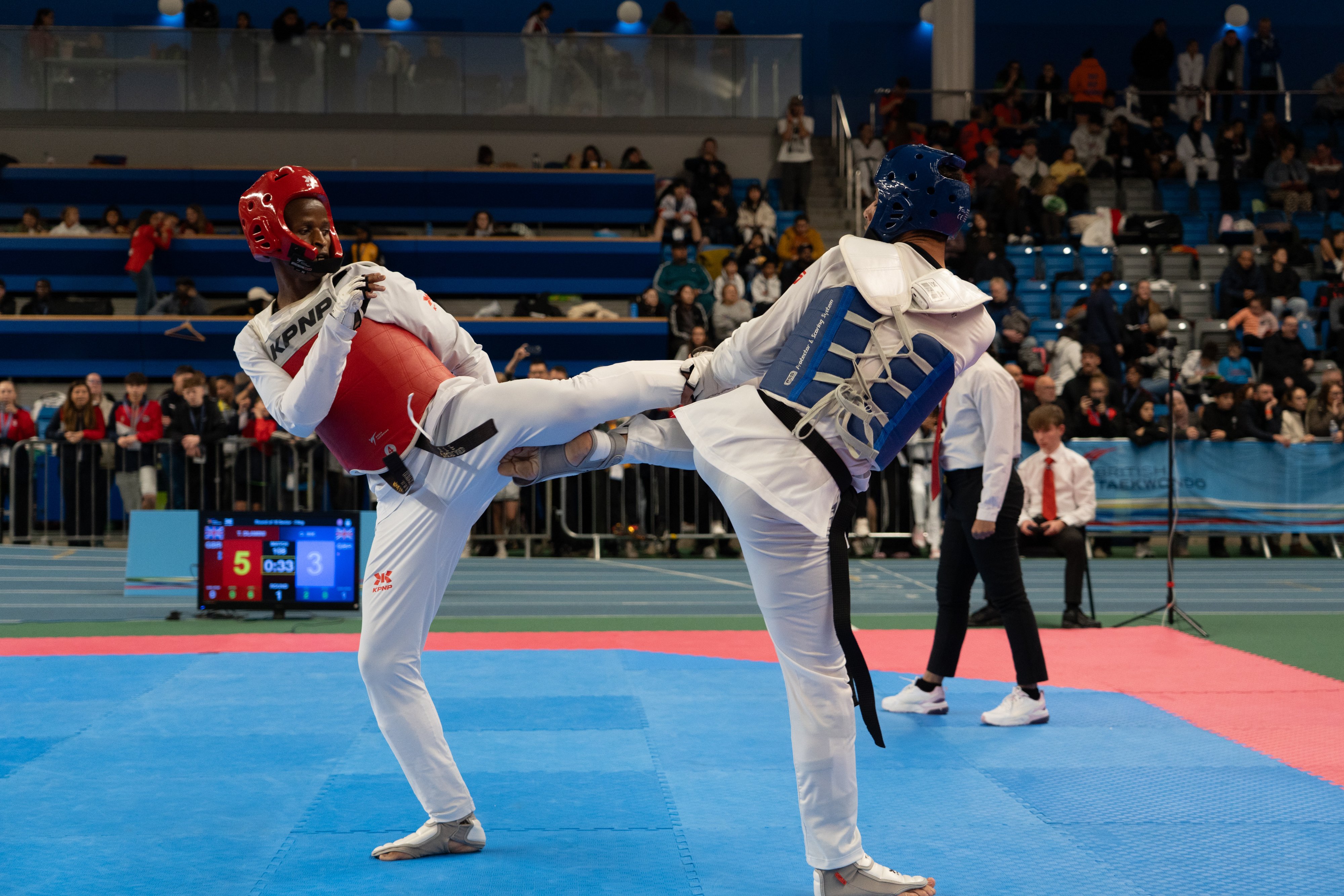
Help Taekwondo Ace and Cancer Survivor Thandor get to LA28
0% complete
£110 raised of
8 donations
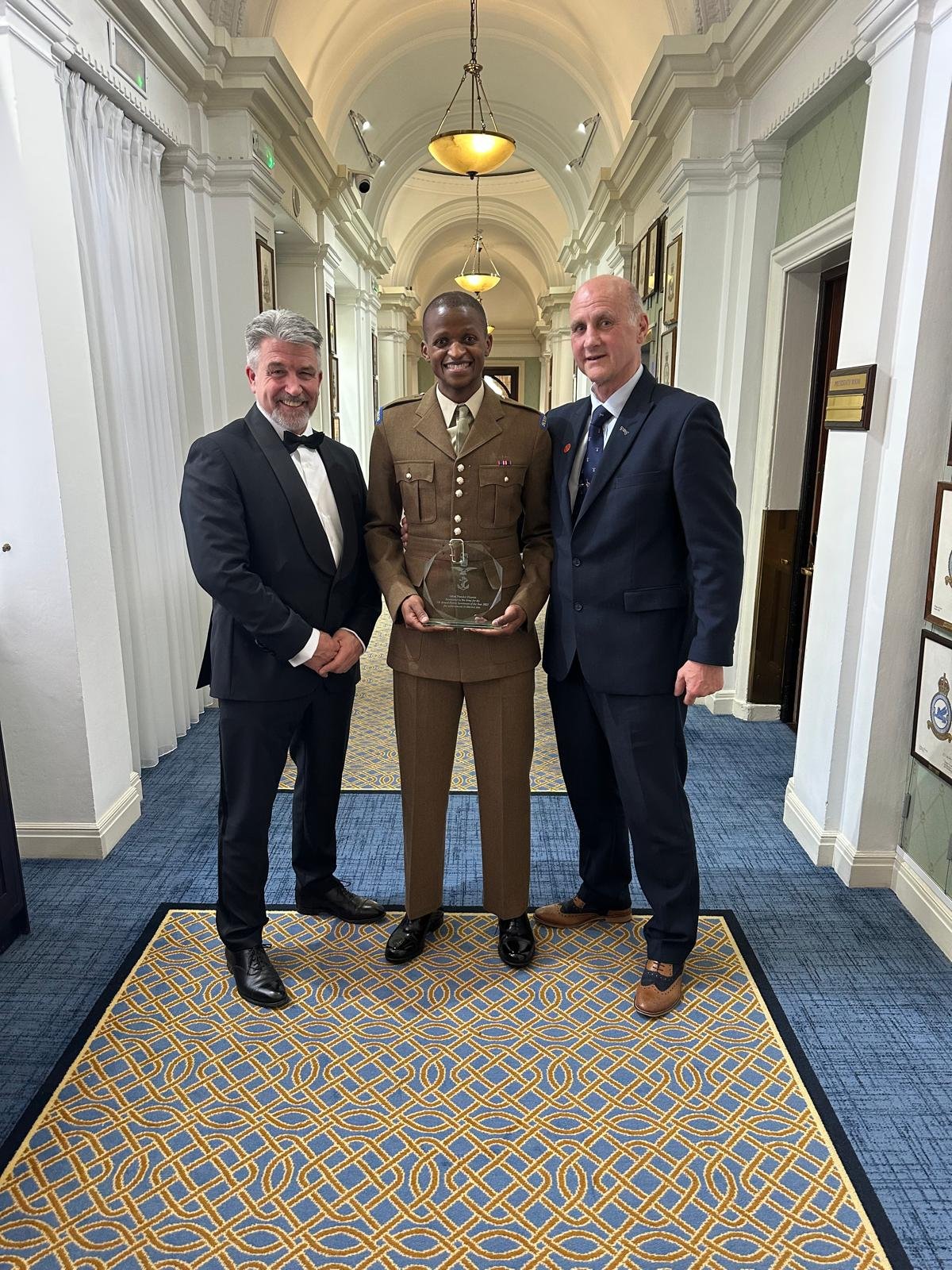
This story in Soldier Magazine will give you a good indication of what Thandor has been through and his remarkable journey back from Cancer. He has since this Story been back to Eswatini and came back with a Gold Medal securing his position on the Eswatini National Team and making his dream of being at the LA 28 Olympics that bit more real.
His biggest problem is that even though he has been released from his Unit to Train full time as an Athlete, he is not able to use Public Funds from the Military for his Coaching and Competition expenses. Although he is grateful for the support from Serve and Protect he requires more funding to enable him to compete internationally and have the required full time coaching that will be needed to fulfill his ambitions.
Any support from any donations will go towards Thandor achieving his dream of getting to the Olympic Games.
TAEKWONDO ace Gdsm Thando Dlamini (SG) is enjoying a successful year on the mat, with victories at the Liverpool and
Wales Opens along with a bronze medal at his home national championships in Eswatini.
But these achievements are even more remarkable given the fact he missed two years of action while he battled Hodgkin
lymphoma and only received his all-clear in the spring.
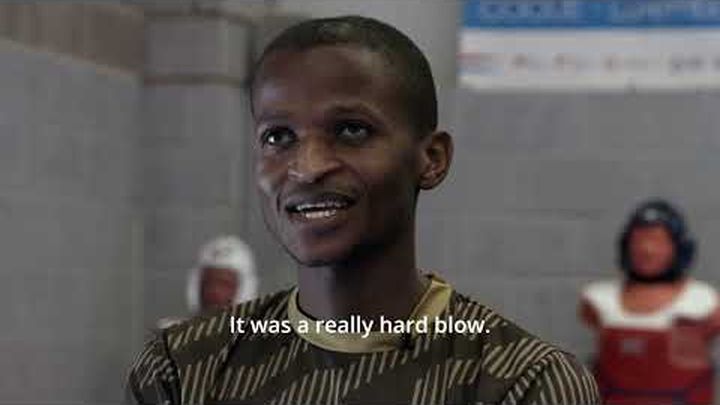
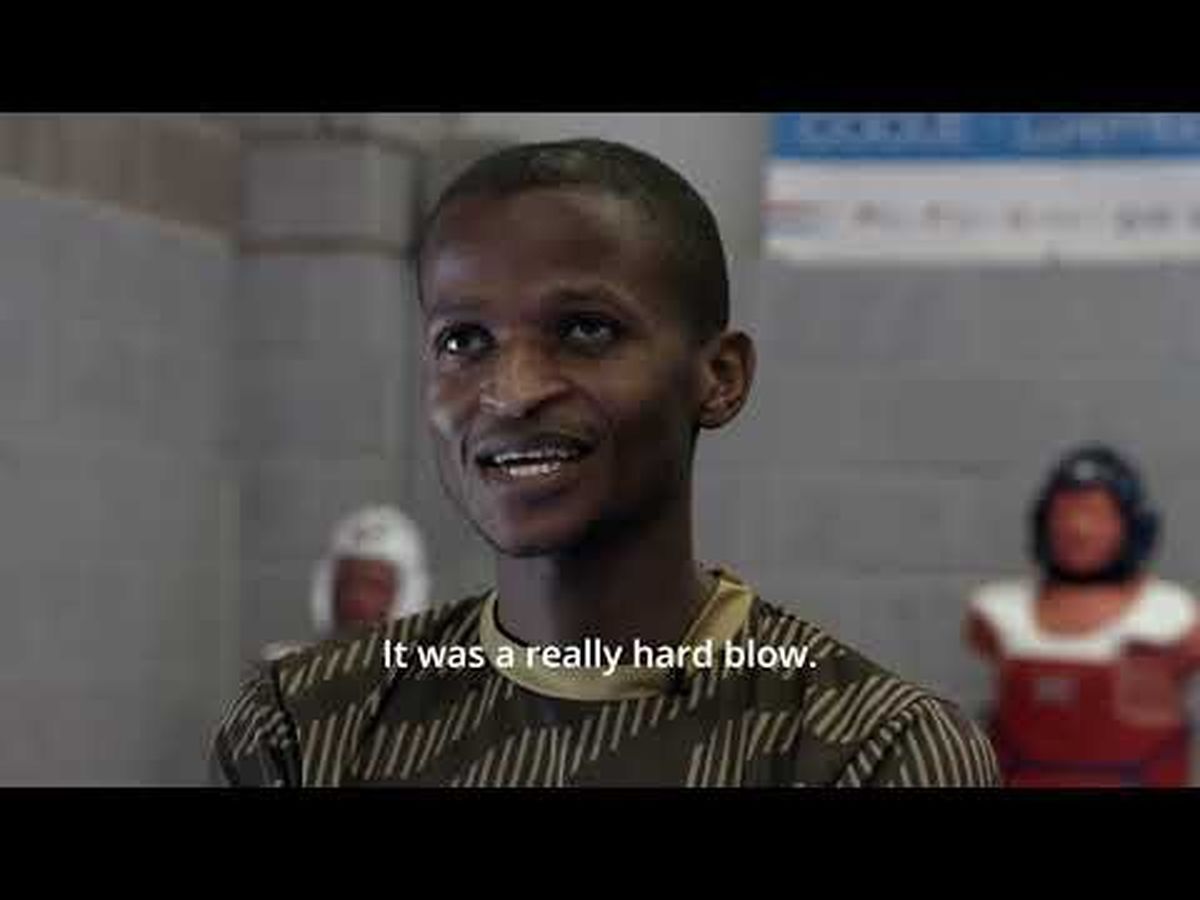
Here, the humble serviceman talks to Soldier about his sporting career, how he battled cancer and his hopes for the future…
Tell us about your background in taekwondo
I started when I was nine or ten, there were some facilities in the village I grew up in and I’ve stuck with it ever since. My country, Eswatini, is small with a population of 1.1 million, but this is a big sport there. I’ve been involved with the national team and have competed in the continental championships, as well as the world championships in 2015, 2017 and 2019.
How did you come to join the army?
Since I was a kid, I always wanted to be in the military. I didn’t dream of joining the greatest military in the world, the British Army, but as soon as I found out I could, I gave it a go. I am in my sixth year now and have been based at Windsor Castle, involved in ceremonial duties and deployed on exercise to Belize.
Describe your symptoms and how you were diagnosed with cancer
I’d been selected for Army Sport’s talented athlete scholarship scheme and was a few months down the line with that when my eyes turned yellow, like jaundice. I was then in hospital for a month as the doctors tried to work out what was wrong. I was diagnosed with jaundice and from there they found the cancer. I was called for a scan in December 2022 and
the following month it was confirmed.
How did you react?
I thought of it as something that needed to be fixed, then I could carry on. I am a soldier, and, in my mind, I am prepared for anything. What hurt me the most was not being able to do the things I wanted in terms of fitness and my career.
I’d hoped to push for a place at the 2024 Olympics, but everything was put on hold.
What was your treatment?
My doctors said it would be three or four months and then I’d be back to health. That became five to six months, but I eventually did a full year of chemotherapy. It would be every two weeks, then every month and sometimes it would be short, for 30 minutes to an hour, while others would last eight hours.
How bad were the side effects?
I properly lost weight, couldn’t sleep at night and was struggling to walk even a couple of steps. At times you can’t really do anything and there was a lot of throwing up and nausea. You also become forgetful, and your veins feel dead from all the chemo.
And then a stem cell transplant followed?
Yes, after a year of chemotherapy I had the transplant. I thought the chemo was bad, but this was worse. I was in hospital for another two weeks and the doctors wanted to get rid of everything to make sure the sickness did not come back. It felt like I was rebuilt and almost born again.
Did it have an impact on you mentally?
Not really, I was okay and thought ‘it is what it is’. I’m comfortable by myself and don’t get bored. I think my mentality comes from martial arts. From a young age you are taught about discipline and being grateful for everything, which helps develop a strong mind. In my sport I want to fight, that is the mentality I have.
What support did you get from the Scots Guards?
They were checking up on me and as I was living on my own in the block, they made sure I had transport for my hospital
appointments. I was also given a point of contact in case there was anything I needed, but I did not want to be looked after like a child. They were there for me, and for them it was a case of ‘health first, work later’.
Tell us about your road to recovery
I was always training, even if it was just a few steps at a time and built from there. Initially I couldn’t really do anything, but the medical officer came up with a plan to help me. It was a phased return, and I was doing pretty much everything apart from going out on exercise. Fitness wise, I was doing all I could to push myself and managed to pass the RFT last year, before being medically upgraded to serve again.
What are your aims now?
I was given the all-clear four months ago and now want to leave a legacy. The army has given me everything and I want to give my best in return. My wish is to get back on the talented athlete scholarship scheme so I can do sport full-time before I retire from taekwondo. I will then go back to my unit to continue my military career. I want to be an example to others and try to win everything I can to show what opportunities the army can give – even if you have had to have time away with illness.
You’ve had a pretty successful return to taekwondo to date...
Everyone has said I’ve done a great job, but I feel like I have yet to reach where I want to be. It has been like baby steps, and I want to do more. I have been doing taekwondo for a long time and know the position I want to be in. My fitness is coming back and once I get to that level, I will be prouder. I’m not that far off.
What are your aims for the time you have left in the sport?
My dream has always been to compete at the Olympics. I did the qualifiers in 2016, but it was hard; I fought and lost to a very good opponent from Morocco, which was the host nation. I was meant to try again in 2020 but there was Covid, and I was also in basic training. And last time round I had cancer. The goal now is to compete in events around Europe and then maybe go for the 2028 Games. That would mean a huge amount to me; I have been through hell. To come back from cancer, compete at the Olympics and then retire from the sport would mean a lot.
How important has army taekwondo been in your journey?
They are so supportive. When they were running sessions and I couldn’t take part I was still made to feel like part of the team. This is something I love, and as I’ve been doing it for so many years it has been quite easy to regain my fitness. I’ve done my level two coaching course through the army team and there is a great atmosphere. »
‘I think my mentality comes from martial arts’