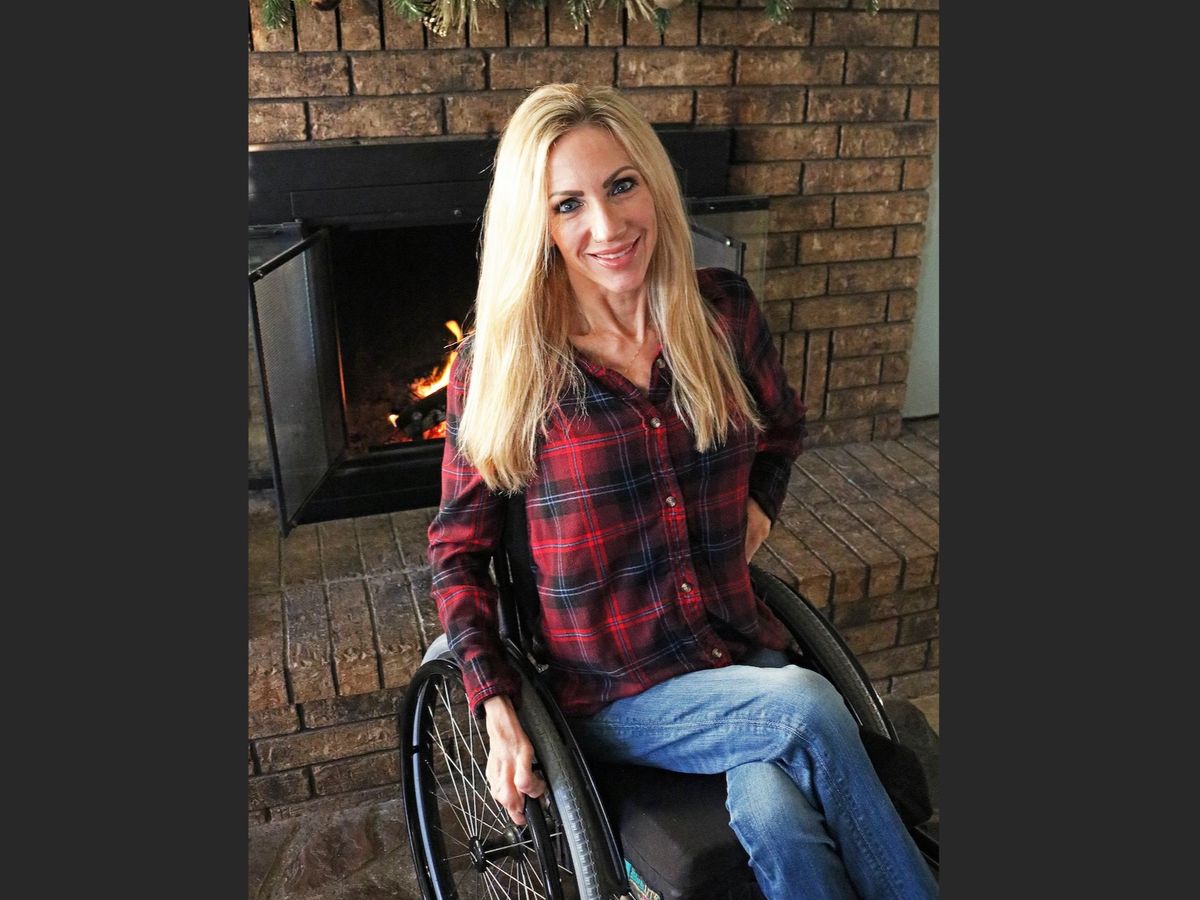
Hello, I am writing to you all today asking for your help in supporting my friend Codi in her journey to participate in a spinal cord injury research program in Kentucky. This program could assist her in regaining the use of her legs, allowing her to stand and take steps on her own once again; a step to regaining independence. Codi has been accepted to participate in this study where she will undergo a medical procedure in which she will have an epidural stimulator implanted over a portion of her lower spinal cord, enabling neurons below her injury to receive signals from her brain once again. Codi was paralyzed in a car accident in her small hometown in Oklahoma when she was 14 years old. She has spent her entire life living positively and keeping a healthy and active lifestyle. Being in a wheelchair was never seen as a reason to stop building a lifetime of memories and achievements.
The time has now come for Codi to get ready to move. She must relocate and move to Louisville for the next year and a half to have the surgery, go through recovery and therapy while participating in the research program. She will be going through extensive therapy twice a day for five days a week for many months. It will be exhausting, but she’s ready for the challenge. She has expressed feelings of being excited and nervous, but never fearless.
There will be a big cost to make all of this happen for her. For this reason, she is unfortunately going to need help. Any funds that are raised will be used for moving costs, housing, time off from work, extra therapy that is available but not covered by insurance, and paying for her personal caregivers until insurance and medical assistance is completely transferred from one state to another (up to 60 days). She is hoping to raise enough funds by the end of March before she begins her journey. Finding accessible housing in Louisville has proved challenging. Locating a residence with an accessible shower and bathroom layout has been the main issue, limiting her options financially with higher than average rent costs for these locations. Codi is limited by the government on how much money she can make in order for her to keep her insurance. She has worked all her life and has saved what she can for this very moment.
In order to qualify for the program, Codi had to fly to Kentucky from Oklahoma to undergo a series of testing to see if her body was in good enough condition and that there were no underlying health issues. You must also be drug, tobacco and alcohol free. You can have nothing in your system in the form of opioids, alcohol, THC, or nicotine as blood tests are used to confirm this before and during the program. Codi also underwent an MRI, bone density test, cardiovascular test, blood pressure and bladder test and muscle stimulation screening as well. The testing took a week to complete. At the end of the week, she was told that everything looked great and everything was still functioning well below her injury so she was approved! The day she had been looking forward to had finally happened and she knew her life was possibly going to change once again. She flew back home to start making plans to complete the journey she was meant to make. There was a lot to do and little time to make a plan.
Codi’s goal is to be able to stand on her own and take independent steps just as other participants have been able to do. Improving quality of life is a main goal, along with being freed from government regulations on her income. She has been preparing for an opportunity like this for years, saying she wanted to be in good enough shape and health that if a procedure was available she would be accepted. She maintains this by working out 5-6 days a week in her stander chair, lifting weights and swimming in the summer. This program can give her all of these things and while she wants no pity, and has never felt sorry for herself, she knows that she can’t make this happen financially on her own. If you are able to help my friend make all of this a reality, any donation amount would be greatly appreciated. If you are unable to donate, sharing this would mean just as much. If you have any questions, don’t hesitate to reach out to me.
Thank You.
Her story is also available on her Facebook through the link below.
I have provided a link below relating to the program she has been accepted into.
https://youtu.be/lqq--pI0grc" target="_blank" rel="noreferrer noopener">Kentucky Spinal Cord Injury Program
https://youtu.be/GfsUhQcvFqo" target="_blank" rel="noreferrer noopener">Kentucky Spinal Cord Injury Research Video 2
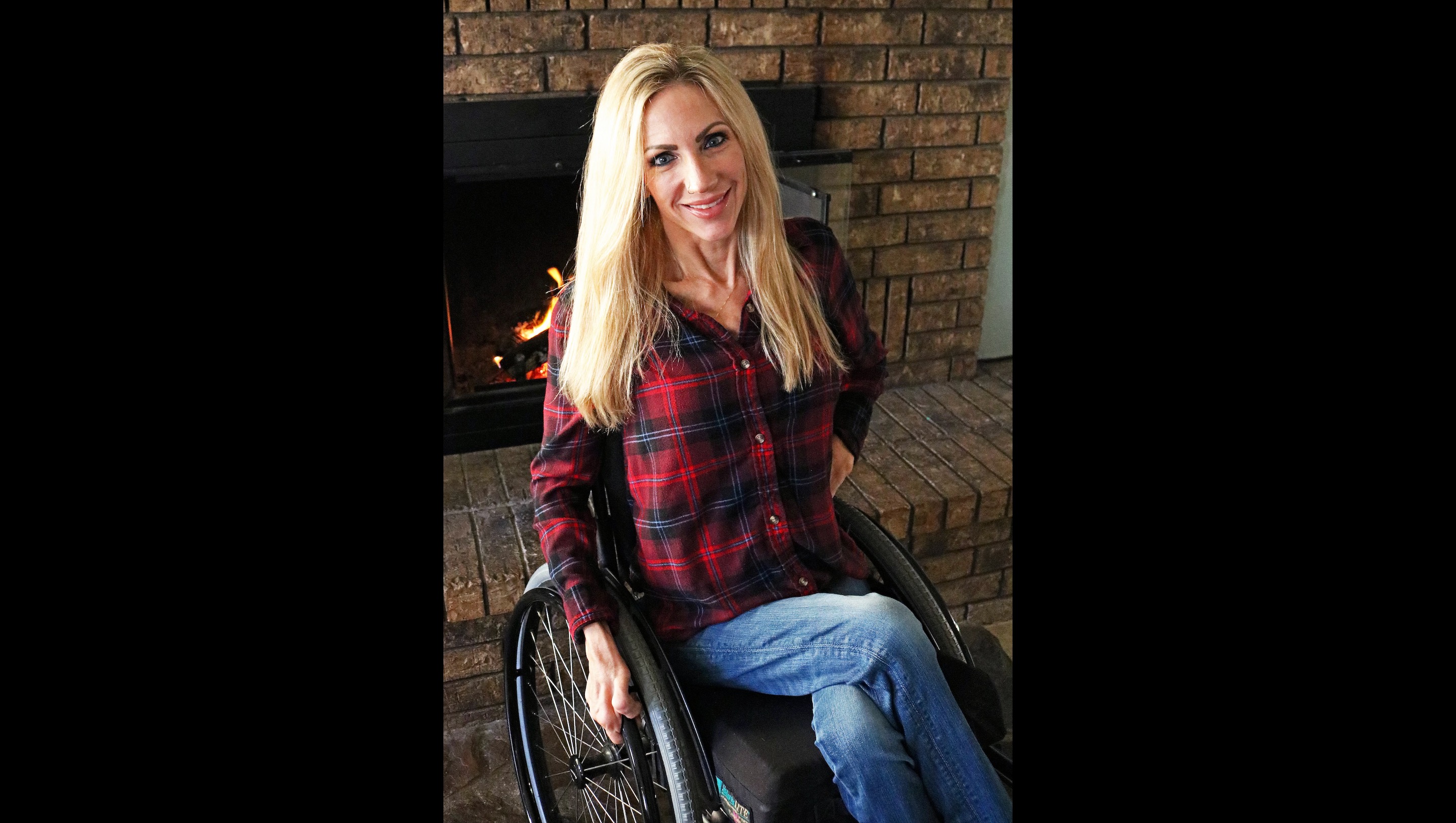
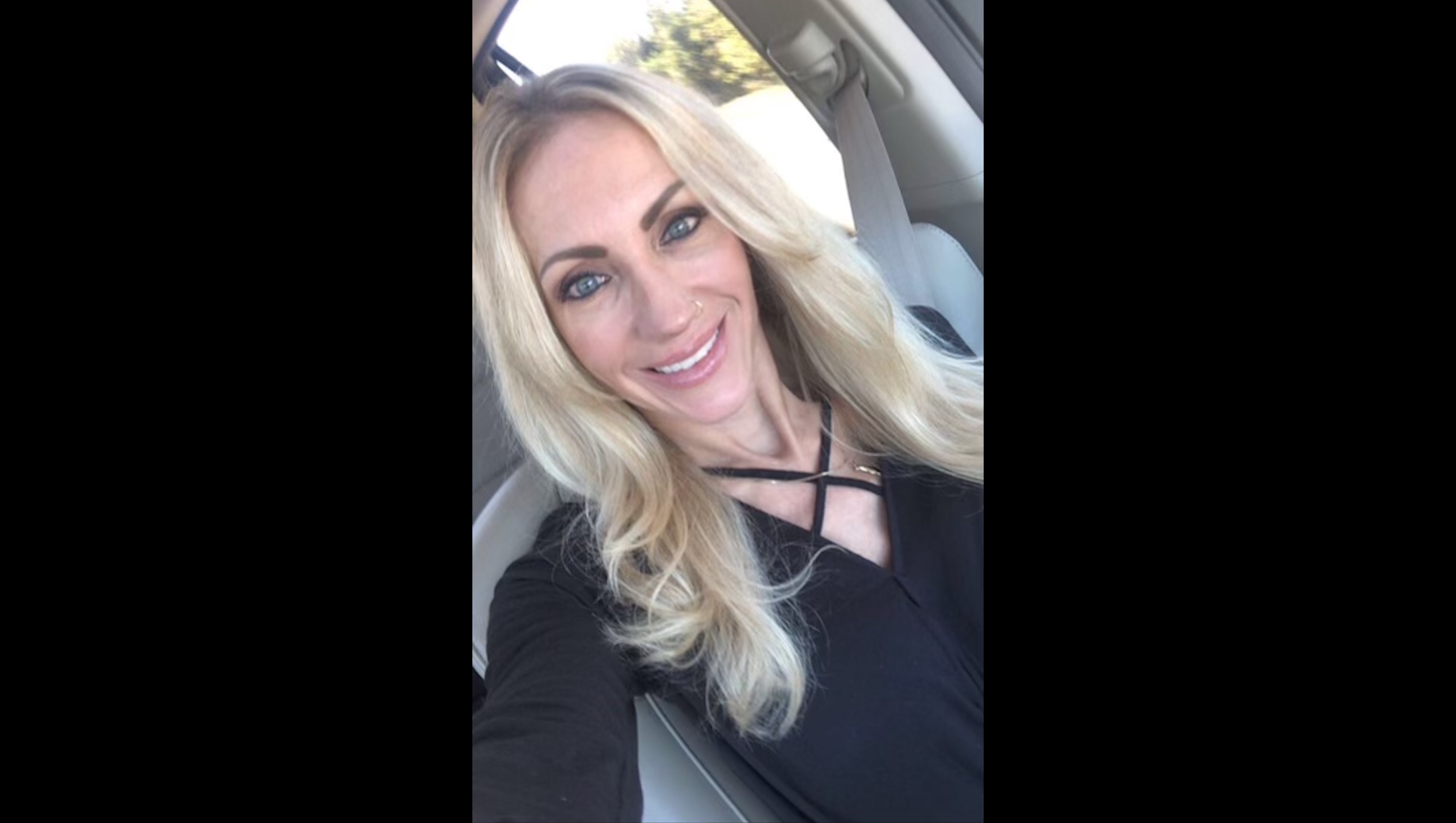
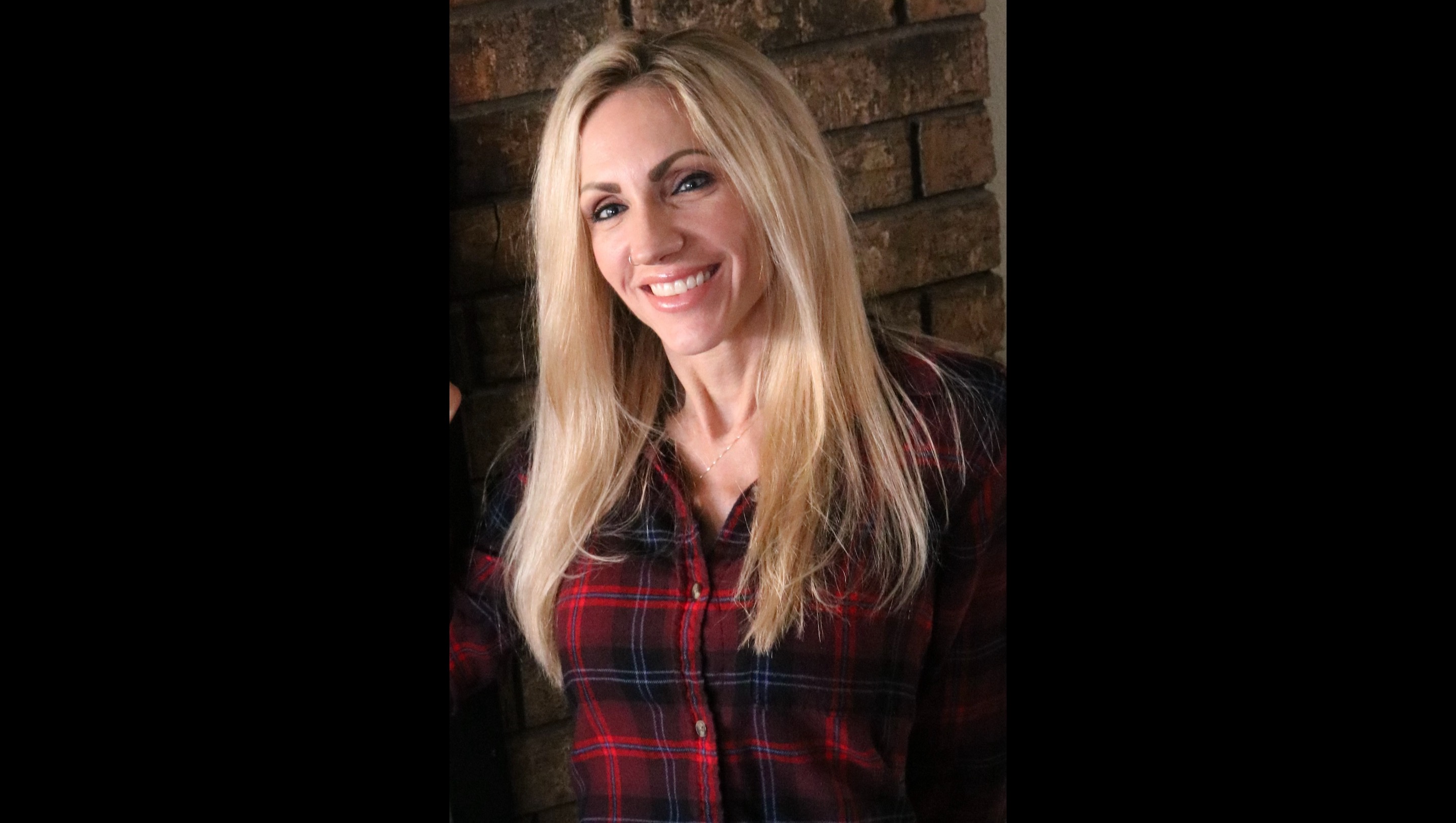

A little background on Codi’s accident that lead to her paralysis:
She tells the story as if it was yesterday with not an ounce of pity or sadness for herself. She and her mother were going to her aunt’s house after they had attended church that Easter Sunday. As they were about to leave, she asked her mom if she could drive. Her mom said yes and off they went. As she drove with her mom, she asked if she could go back home to play basketball since they were less than five miles from their house. As they were turning into a driveway, the van behind them tried to illegally pass going over 70 mph, hitting her vehicle, resulting in flipping it one and half times, throwing her from the driver’s seat to the back of the car.
Laying there, she said all she could see was blood. She was going in and out of consciousness as her mom stood by her side. She tried to get up but could not move from the neck down. She believed she had broken her back and told her mom not to move her as it could make things worse. After the ambulance came, she was taken to the local hospital in Marietta where they did an x-ray seeing that she had suffered a broken neck at the C5-C6 level. Thankfully, there were no other broken bones or fractures. As her friends worried in the waiting room, the helicopter finally came to transport her to the Children’s Hospital in Oklahoma City for further treatment. Upon her arrival she was greeted by her dad and one of her best friends and her friends’ mother. They had beat the helicopter and were not going to leave her side. Codi’s mom had to stay behind since she suffered a cut on her eye and needed to not travel for observation.
The first two days in the hospital, she remained stabilized flat on her back where 20 pound weights hung off the sides of her head. They were screwed into her skull above her ears. After being in traction, she had surgery in which the doctors took a piece of her hip and used metal to fuseher C5-C6 vertebrae. She was also placed in a metal brace around her head attached to a plastic vest that went to her mid-waist. It had to be worn for approximately 2 months and it could not be taken off for anything until that time was up. After the surgery, Codi spent 10 days in the Children’s Hospital before being transported to Baylor Institute for rehabilitation in Dallas, TX. Each day in the hospital was filled with nothing but love from friends, coaches, teachers, preachers and family as they would constantly keep her room filled with gifts, flowers, balloons, and food. Doctors, therapists and nurses were also constantly in and out as no rest was in sight. Everything at that time was somewhat of a fog because she was so young, and her life had changed in a split second.
Two weeks after her accident Codi experienced one of the best days of her life. She said her dad was talking to her as he squatted beside her, rubbing the back of her legs. With shock and disbelief, she was able to feel his hand touch her. After realizing that her sensation was returning, she let the doctors know what had taken place and they were just as shocked. The doctors then made her shut her eyes touching each toe and legs asking to identify the exact place, proving to them she was not feeling phantom sensation or believing in something that was non-existent. This new sensation solidified that her injury was incomplete and that her spinal cord was not severed. Although she is able to feel her lower limbs and body to this day, when she tries to pick up her legs she can feel everything trying to move but it feels like they weigh 1,000 pounds or more.
Rehabilitation in Dallas was nothing short of relearning how to do everything all over again. From learning how to shower, get dressed and move around, it was one of the biggest challenges she had ever experienced. She was never in rehab alone as her friends and family were continually there for support. She states that still to this day there are not enough words to express what that truly means to her.
Codi chose to return to school that August. She never wanted to be seen as any different than who she was before her accident happened. She went on to complete high school and continue on to college and broadcasting school. Codi received her radio broadcasting certificate, followed later on by a bachelor’s degree in marketing.
In 2005 and 2006, Codi underwent stem cell procedures overseas in Istanbul, Turkey and Cologne, Germany since the procedure was not an option in the US. Her stem cells were injected back into her spine at the site of her injury and again in her lower spine. The procedure was very painful and seen as a treatment that helped only a little but was very expensive as it was not covered by insurance.
Approximately three to four years ago, Codi entered her information into several databases around the country that are working to treat spinal cord injuries and looking for a method in reversing paralysis. While watching a news program, she had seen amazing research and treatments occuring at the Kentucky Spinal Cord Injury Research Center. She was amazed because there was a man that was able to stand on his own and move his toes and feet after being paralyzed. Not only was he able to do these remarkable things but he was also going to get his independence and freedom back. She knew she so desperately wanted those things too and was going to search and do anything she could to be the next person to do the same thing.
Last year Codi got the call she thought she was never going to get from the Kentucky Spinal Cord Injury Research asking her if she would be interested in participating in the program.
The way the epidural stimulation for a spinal cord injury works: an epidural stimulating electrical electrode is implanted into the epidural space that is by the backside of the bones of your vertebral spine. The electrode array is inserted in the gap space on top of the dura just outside of the spinal cord. The electrode is used to send electrical currents to cause muscle contractions, which helps to move the targeted groups of muscles. In most cases after a spinal cord injury, the neurons and axons throughout the body are still in good condition. However, the brain cannot transmit signals to and from them because of the damage to the spinal cord. The implant device, through spinal cord stimulator surgery, helps to reactivate and use remaining intact neural networks within the spinal cord to direct the movements required to stand and take steps. While epidural stimulation for spinal cord injury is not a “cure” for spinal cord injuries — because, at this time, no such cure exists — it is, however, a step forward. Epidural electrical stimulation shows great promise in helping some patients regain some abilities that were at one time thought to be gone forever.
Organizer and beneficiary
Codi Culwell
Beneficiary