
Help Spark True Political Change in Colombia!
0% complete
$7,215 raised of $16K
69 donations
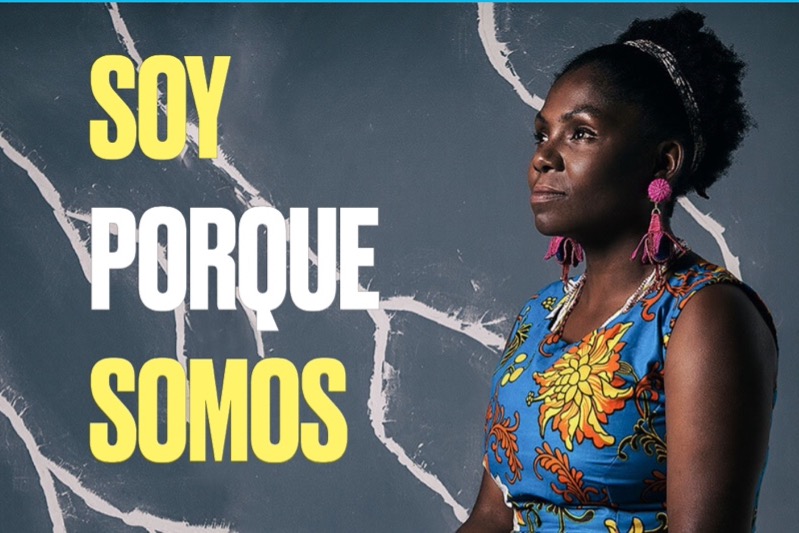
“I am not the daughter of privilege, I do not have the education of the heirs of the 40 families that have governed this nation. On the contrary, I have been on the other side of the history of this country, that of exclusion, that of racialization, and that of impoverishment… As a Black woman, I have learned how Colombia works from social struggles, from confronting the politics of death… This dream, my dream, is to dare to challenge the status quo and to rewrite history from the oppressed, to rewrite history from the periphery”.
—Francia Márquez
Soy Porque Somos!
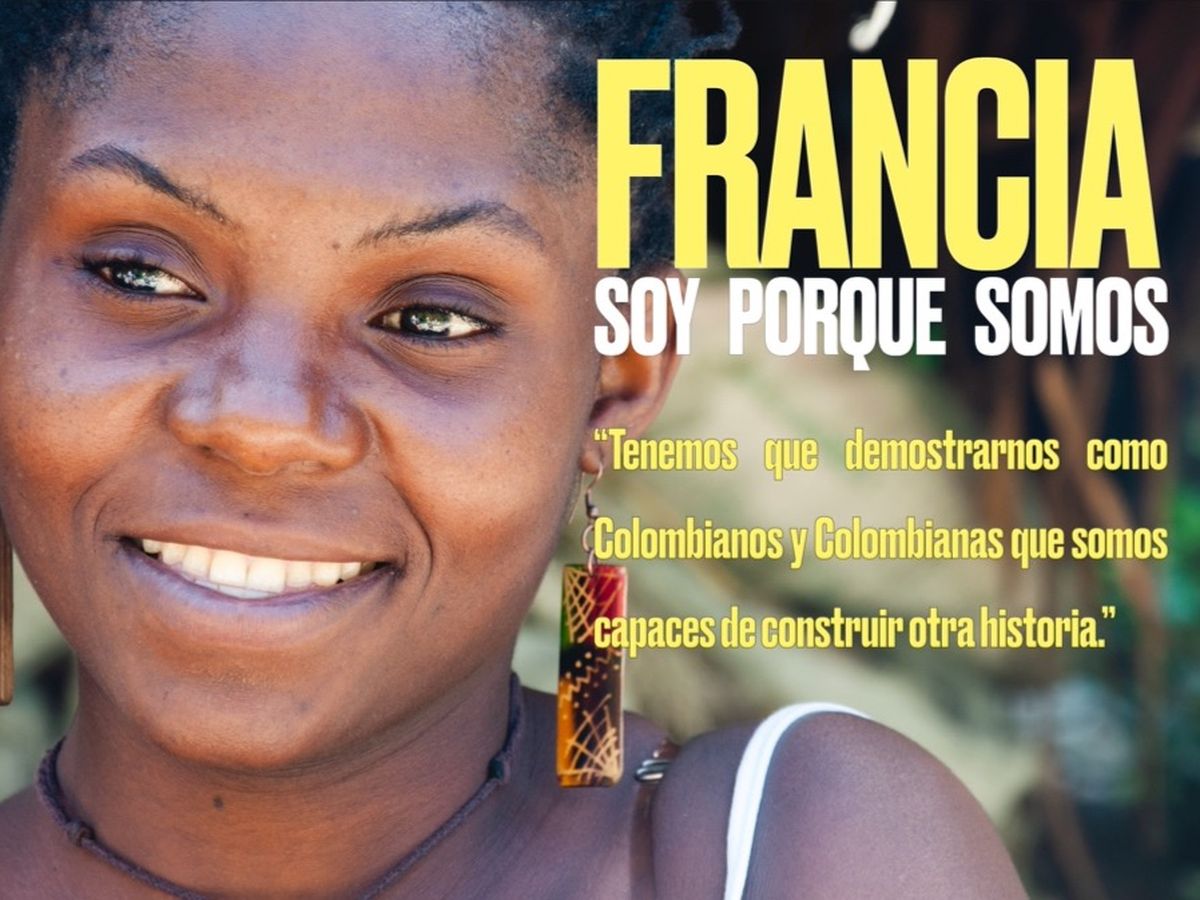
Soy Porque Somos (I am because we are) seeks to spark a powerful political movement that makes Francia Márquez the first Black woman President in Colombia. I wholeheartedly believe this movement can spark true political change in Colombia.
The first phase in building this campaign is to promote Francia’s candidacy in media outlets and electoral polling. To do so, I want to produce a film where Francia will describe her vision for Colombia; a vision grounded in the experience of the oppressed, outside the centers of traditional power.
Because Francia’s vision is a collective one, my production team will travel to five places in Colombia collecting “peripheral” narratives about the history and contemporary movement in Colombia. Together, these views will form the backbone of a national vision founded on the life experiences and aspirations of Colombia’s majorities.
Help me jumpstart this movement by donating towards the production of Francia’s video!
About Francia Márquez:
Francia Márquez is not from the traditional political elite or the Colombian intelligentsia—but a rural, working-class woman. Raised far from the Capital and the epicenters of Colombian politics. A single mother. A Black woman, in a country built on a long history of structural racism and violent discrimination.
Colombia has never had a female president—only a handful of women have ever even attempted a run. Colombia has not had one Black presidential candidate. So, why does Francia think she can change Colombian history? In an election already crowded with establishment candidates from across the political spectrum, where does she get the audacity to throw her name into the ring? Who does she think she is?
Francia was born in the village of Yolombó, a small community of Afro-descendant people inhabited since 1635. They were brought as slaves and after the abolition of slavery, they remained. At 18, she joined a community theater group and it was her first experience where people talked openly about politics and activism. Yolombó was bathed by seven rivers, yet they had no drinking water. Their lands were home to a hydroelectric plant, yet they had to pay for some of the most expensive energy in the country. And they were never as poor as the day the world discovered they were standing on gold.
By the early 90s, Francia became active in a number of community political organizations leading the fight for land redistribution for Black communities across the Pacific coast of Colombia. She was as eloquent as she was relentless, and soon, she was traveling the country speaking and organizing. She learned Black history from elders and took on the demands for collective land titles from seasoned activists. She went on to fight on behalf of her community, in a number of highly visible, national and global campaigns. In the process, she studied law, met US activists and politicians—including Angela Davis and Congresswoman Barbara Lee—and her profile grew.
As her activism has reached international heights, in Colombia Francia has received death threats, been forcefully displaced, and survived multiple assassination attempts. Still, she continues to fight for a more just and equitable country. Through her sustained struggle, Francia is now one of the most important voices of the Afro-Colombian movement. In 2015 she was invited to Cuba as a delegate to the Colombian Peace Process that formally ended a 60-year-long armed conflict. Her most important recognition came in 2018 when Francia received the Goldman Prize, known universally as the Environmental Nobel Prize. It is hard to imagine a more prestigious recognition for an activist, and it garnered Francia substantial national and international visibility. She went on to be elected president of the National Council for Peace and Reconciliation, a position she still holds today.
2020 has only seen violence escalate across Colombia. With COVID-19 in the background, and in addition to the continued assassinations of social leaders, 2020 has seen the return of massacres reminiscent to the 1990s and early 2000s—once again impacting Francia's community. And it is precisely amidst this wave of harrowing violence that Francia announced her run for the presidency.