- L
Dear Friends,
For the past four years, I have had the great fortune of calling the coastal town of Mazunte, Oaxaca, my home. Located along Mexico’s southern Pacific coast, this region is one of the country’s last truly wild coastal landscapes, defined by extraordinary biodiversity: intact mangroves, coastal lagoons, seasonal whale migrations, and an exceptional abundance of sea turtles. Living and working in this environment has profoundly deepened my respect for the natural world and directly inspired the creation of this project.
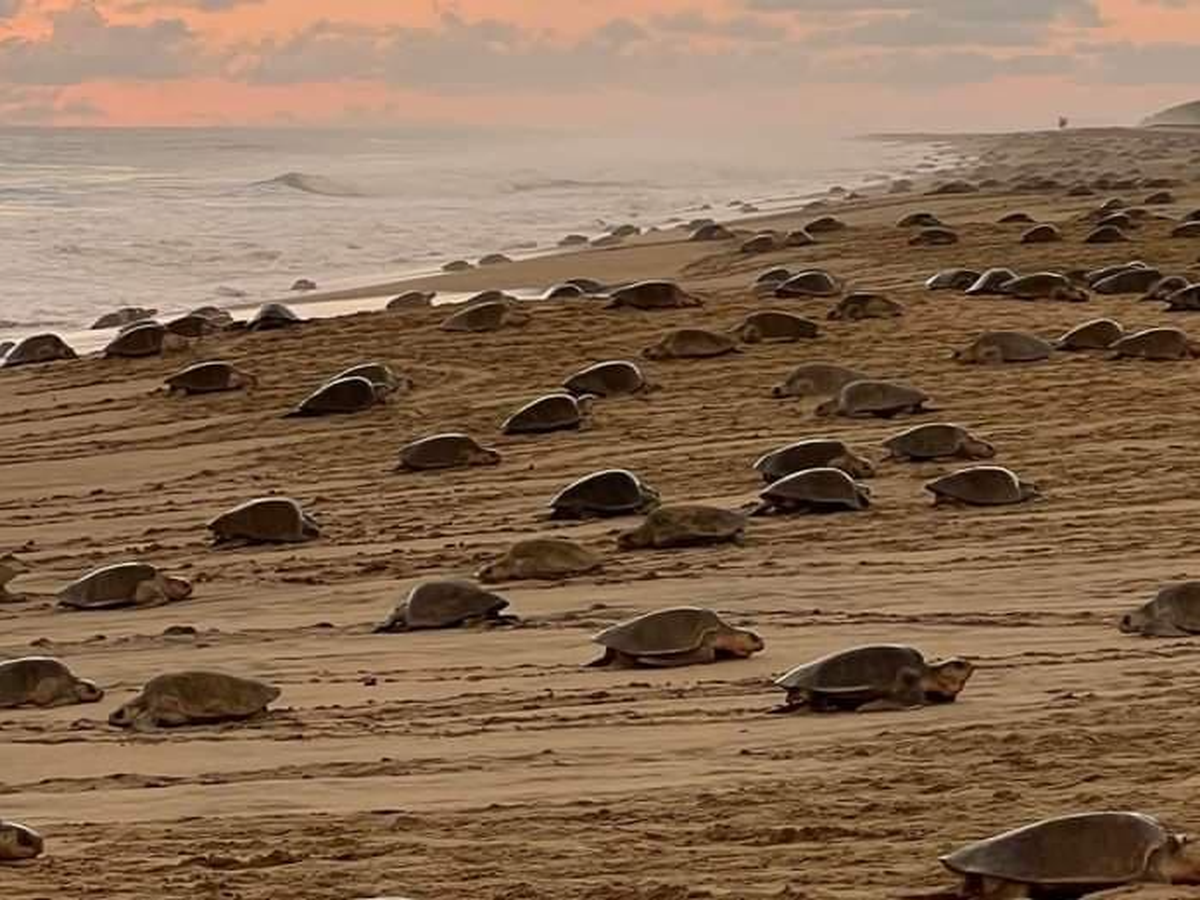
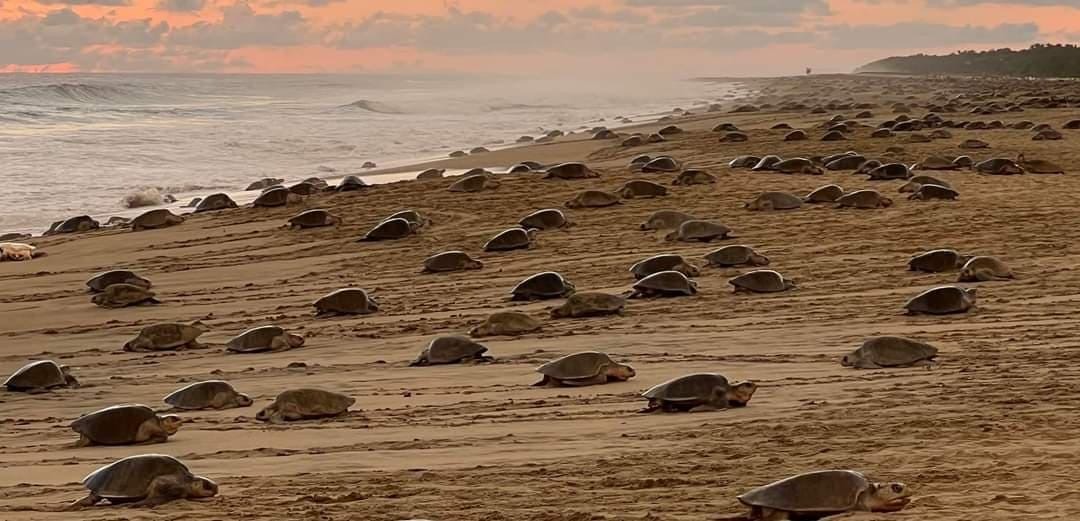
The coast of Oaxaca is one of the most ecologically significant regions in Mexico, home to globally important marine and coastal ecosystems, as well as critical habitats for threatened and endangered species. Among its most valuable ecological assets are sea turtles. The Oaxacan coast supports four of the world’s seven sea turtle species, and beaches such as Morro Ayuta, La Escobilla, Barra de la Cruz, and La Ventanilla are considered among the most important nesting sites on Earth.
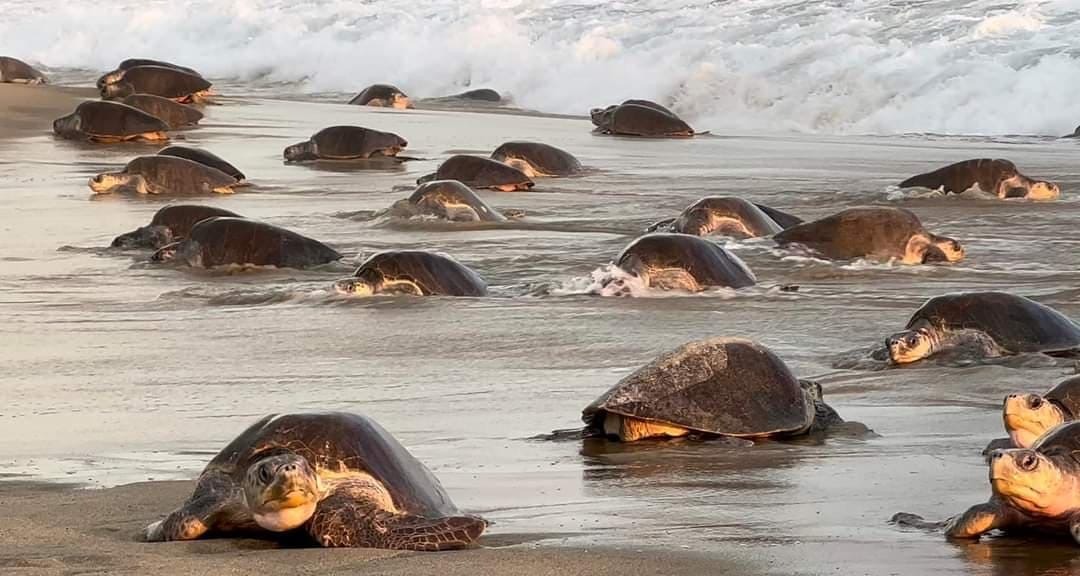
Each year, Morro Ayuta alone receives approximately one million nesting Olive Ridley turtles, resulting in the birth of more than five million hatchlings annually. Nearby La Escobilla hosts massive arribadas involving tens of thousands of turtles at once, a natural phenomenon of global ecological importance. These events are not only awe-inspiring, but essential to the health of marine ecosystems worldwide.
Sea turtles play a fundamental role in maintaining healthy oceans. They help sustain coral reefs and seagrass beds, which store carbon and mitigate climate change, stabilize coastlines, support marine biodiversity, and maintain balanced food webs. In Oaxaca, turtles are also closely tied to sustainable tourism and local livelihoods, providing meaningful income for coastal families while fostering a deep connection between communities and their natural environment.
Despite their ecological and social importance, sea turtles in Oaxaca face growing threats. Poaching and illegal extraction persist, nesting beaches remain insufficiently protected, and access to grassroots environmental education is limited. Rising sand temperatures are also creating dangerous imbalances in hatchling sex ratios, placing long-term population viability at risk. Historically, the abundance of turtles led to severe exploitation. In the 1960s, an illegal slaughterhouse operated along this coastline, reportedly killing more than a thousand turtles per week.
In 1991, following Mexico’s national ban on the sea turtle trade, the government transformed the former slaughterhouse into the Centro Mexicano de la Tortuga in Mazunte, with the intention of leading conservation, research, education, and rehabilitation efforts. Over time, the Center has also taken on a far broader role within the region.
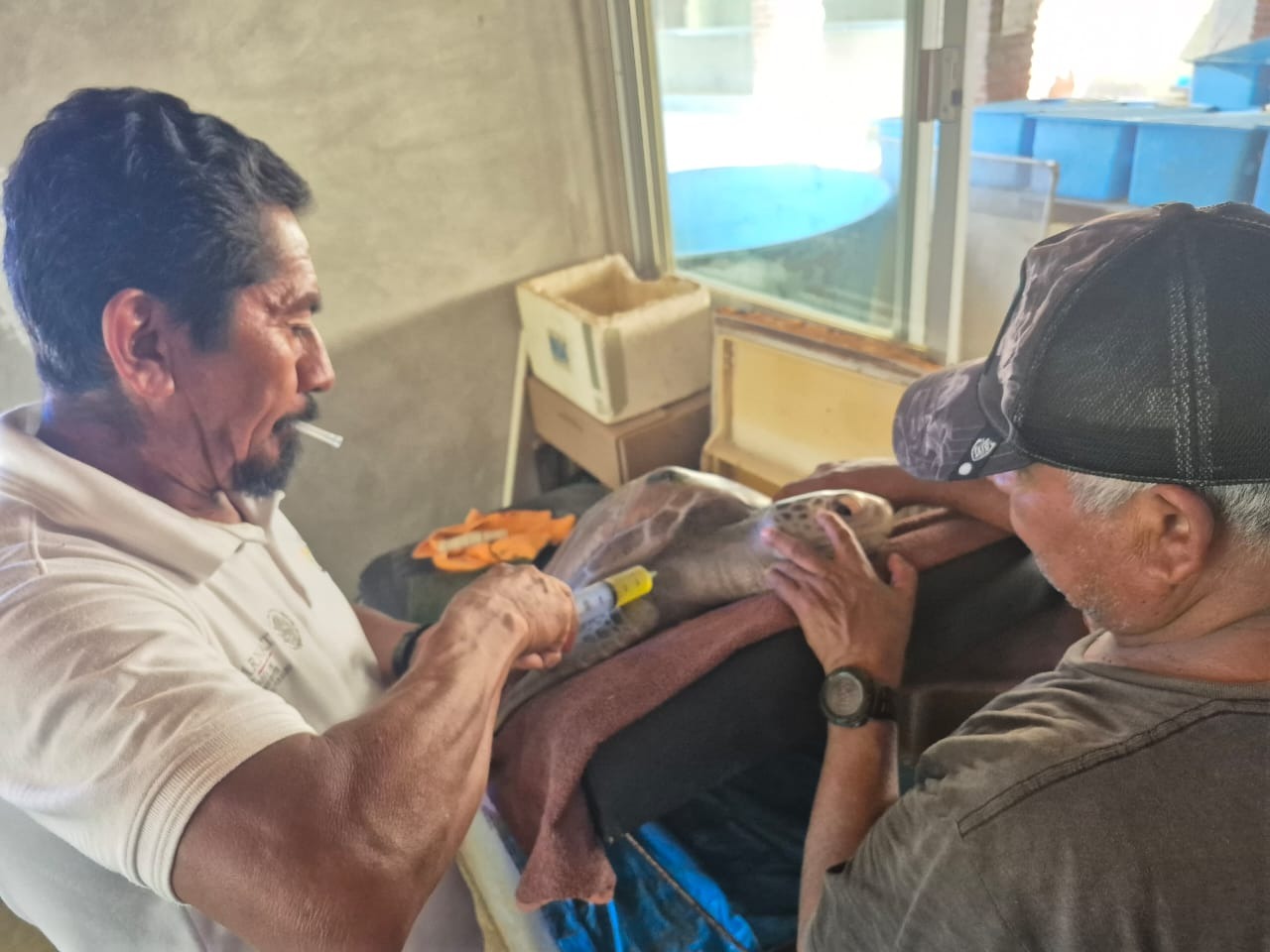
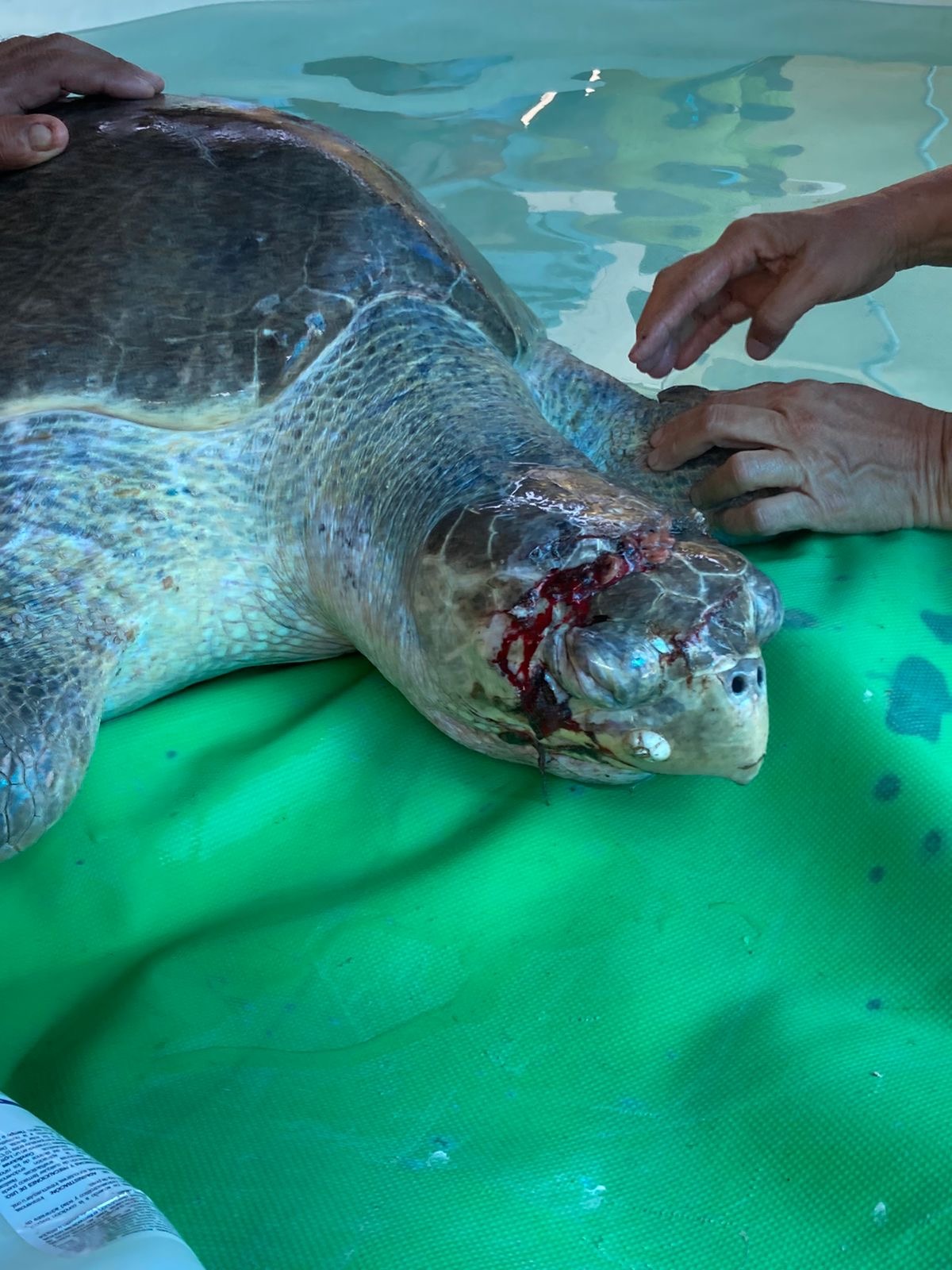
Today, in addition to its core mandate focused on sea turtles, the Centro Mexicano de la Tortuga functions as the primary veterinary and rescue facility for injured wildlife along this stretch of coast. In the absence of other specialized services, the Center receives and treats not only turtles, but also wounded crocodiles, pelicans and other seabirds, reptiles, and even domestic animals such as dogs and household pets from surrounding communities.
Unfortunately after years of insufficient funding and institutional neglect have left the facility in a fragile state. Of the 88 filtration systems used for rehabilitation tanks, only one is currently operational, forcing injured animals to be released prematurely or housed in inadequate temporary conditions, reducing rehabilitation success and long-term survival.
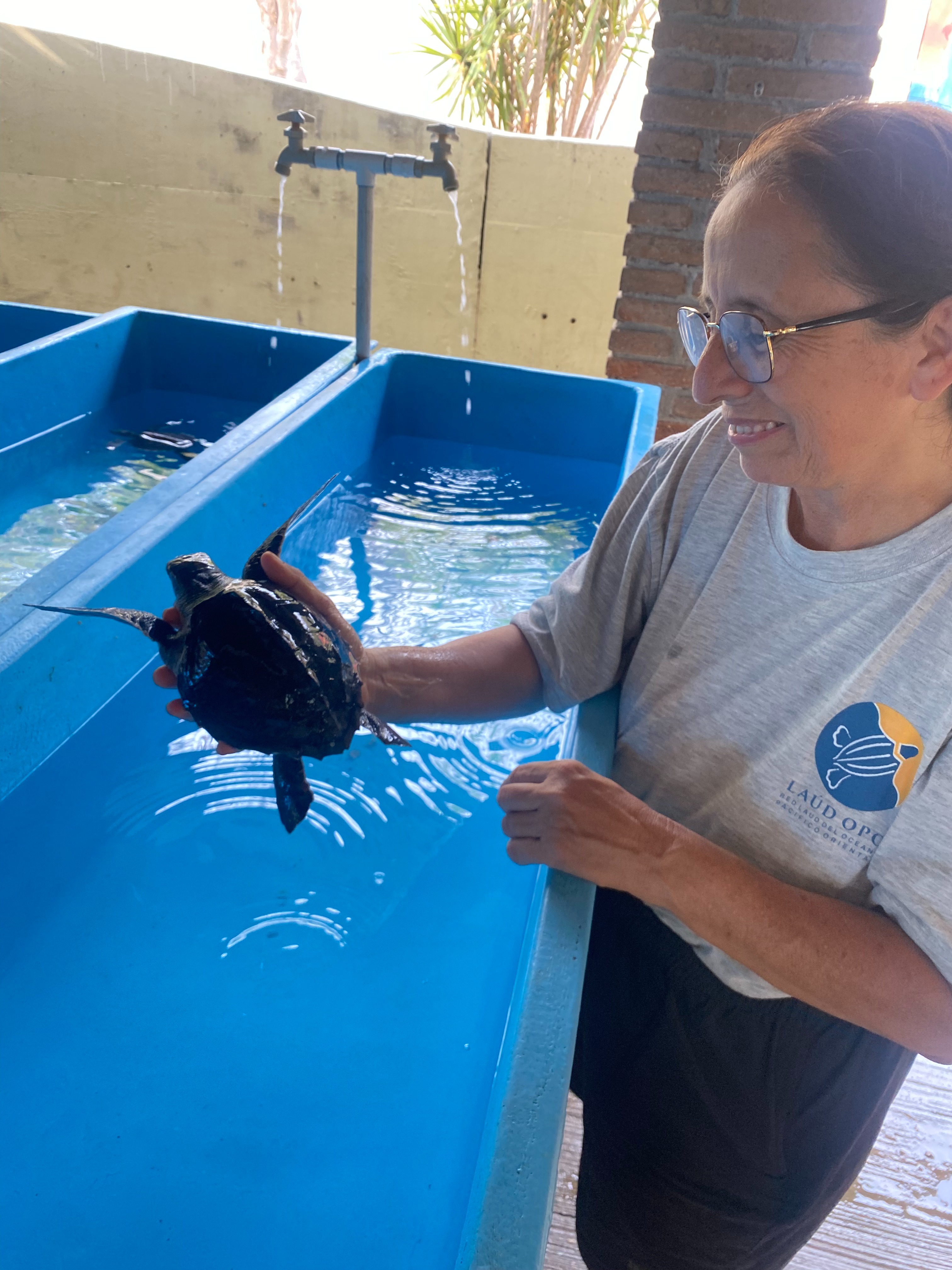
Despite these challenges, the Center continues to function thanks largely to the dedication of Martha Harfush Meléndez, a marine biologist with a Master of Science from CINVESTAV in Mérida, Yucatán. For more than 30 years, Martha has worked tirelessly to protect sea turtles along the Oaxacan coast through research, rescue, rehabilitation, and community engagement. Using her own resources, she has built emergency tanks, purchased medicines, and covered veterinary costs to ensure injured animals continue to receive care. Her commitment , and that of her small team, is extraordinary, but the scale of the challenges they face now exceeds what they can sustain alone.
In response, this project proposes the creation of a nonprofit foundation or collaborative coalition dedicated to strengthening sea turtle conservation and wildlife rehabilitation along the coast of Oaxaca. The initiative’s mission is to reinforce critical conservation infrastructure, empower coastal communities through education and stewardship, and build a coordinated regional network that protects ecosystems while supporting sustainable, conservation-based livelihoods.
Seed funding will be used to restore and upgrade essential rehabilitation and filtration systems at the Centro Mexicano de la Tortuga, improve medical care for injured wildlife, and strengthen the protection of nesting beaches and hatchlings through community-based monitoring and on-the-ground support. These actions are designed to increase survival rates for sea turtles and other species while addressing the most urgent operational gaps facing the Center.
A core component of the project is environmental education. Programs will be developed in local schools and communities to foster conservation knowledge, pride, and a renewed sense of ownership over the Centro Mexicano de la Tortuga as a symbol of environmental leadership and collective responsibility.
The project also seeks to develop a coordinated collective umbrella structure that unites, supports, and strengthens existing and emerging satellite conservation operations along the coast. By improving coordination, sharing resources, and expanding protection coverage, this network will increase regional impact while reducing duplication of effort. In parallel, the initiative will promote sustainable ecotourism and conservation-based livelihoods that align economic opportunity with ecosystem protection.
Through these combined efforts, the project is expected to increase survival and rehabilitation rates for sea turtles and other injured wildlife, improve protection of nesting beaches, strengthen long-term local conservation capacity, and foster greater community pride and participation. Importantly, all funds raised will be directed toward on-the-ground action, ensuring tangible ecological, social, and community impact.
By strengthening the Centro Mexicano de la Tortuga, supporting dedicated local leadership, and placing communities at the heart of conservation, this project seeks to secure a sustainable future for sea turtles, wildlife, and coastal communities in Oaxaca. Protecting these ecosystems means investing not only in nature, but in the people who live alongside it. A collaborative coalition would be deeply impactful in helping launch this project, bringing essential experience, credibility, and connection to a broader conservation network at a crucial early stage. Together, we can ensure that this globally significant coastline remains alive, protected, and community-led for generations to come.
Best wishes,
Elizabeth Quartararo