- T
- G
- L
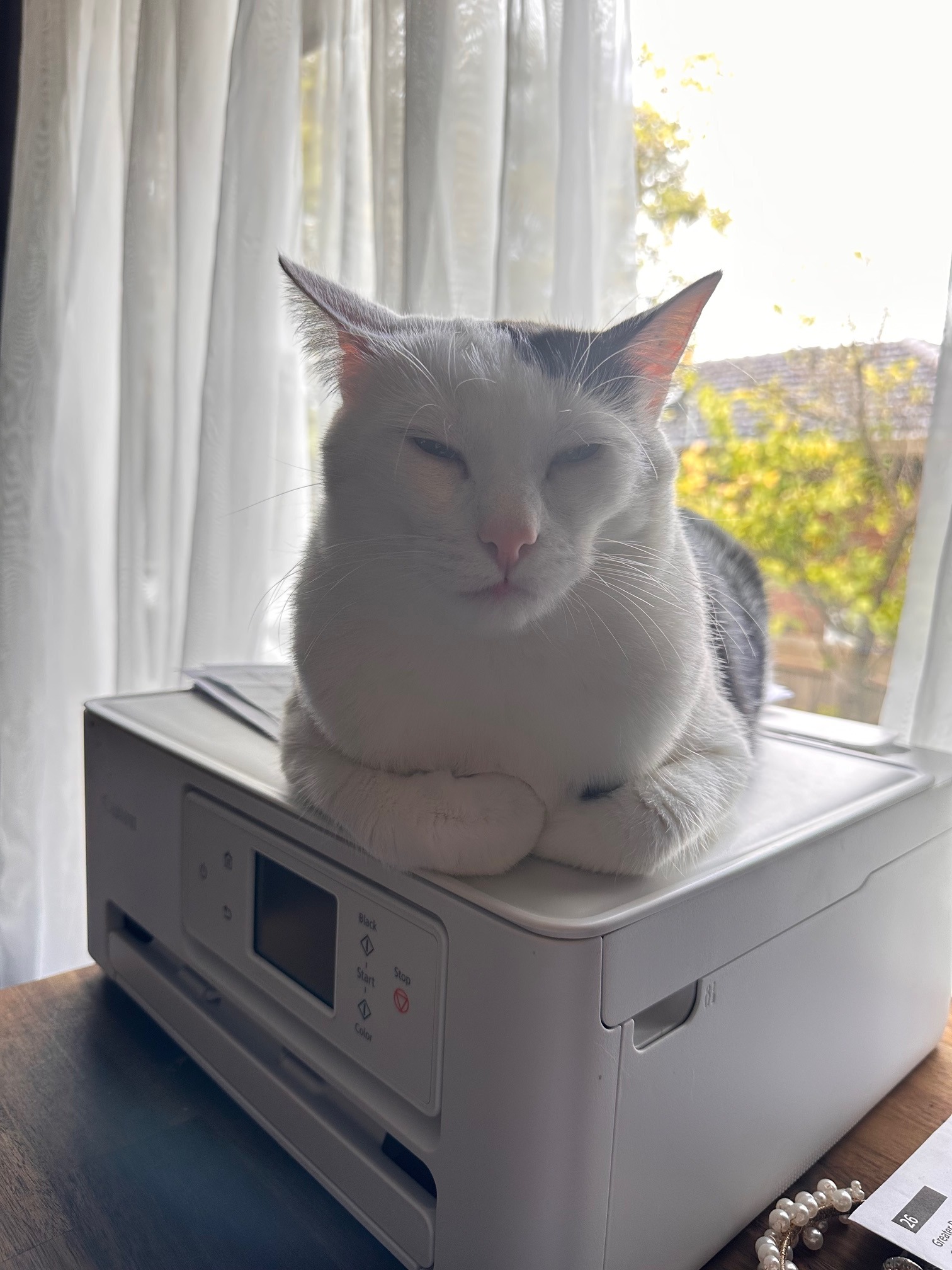
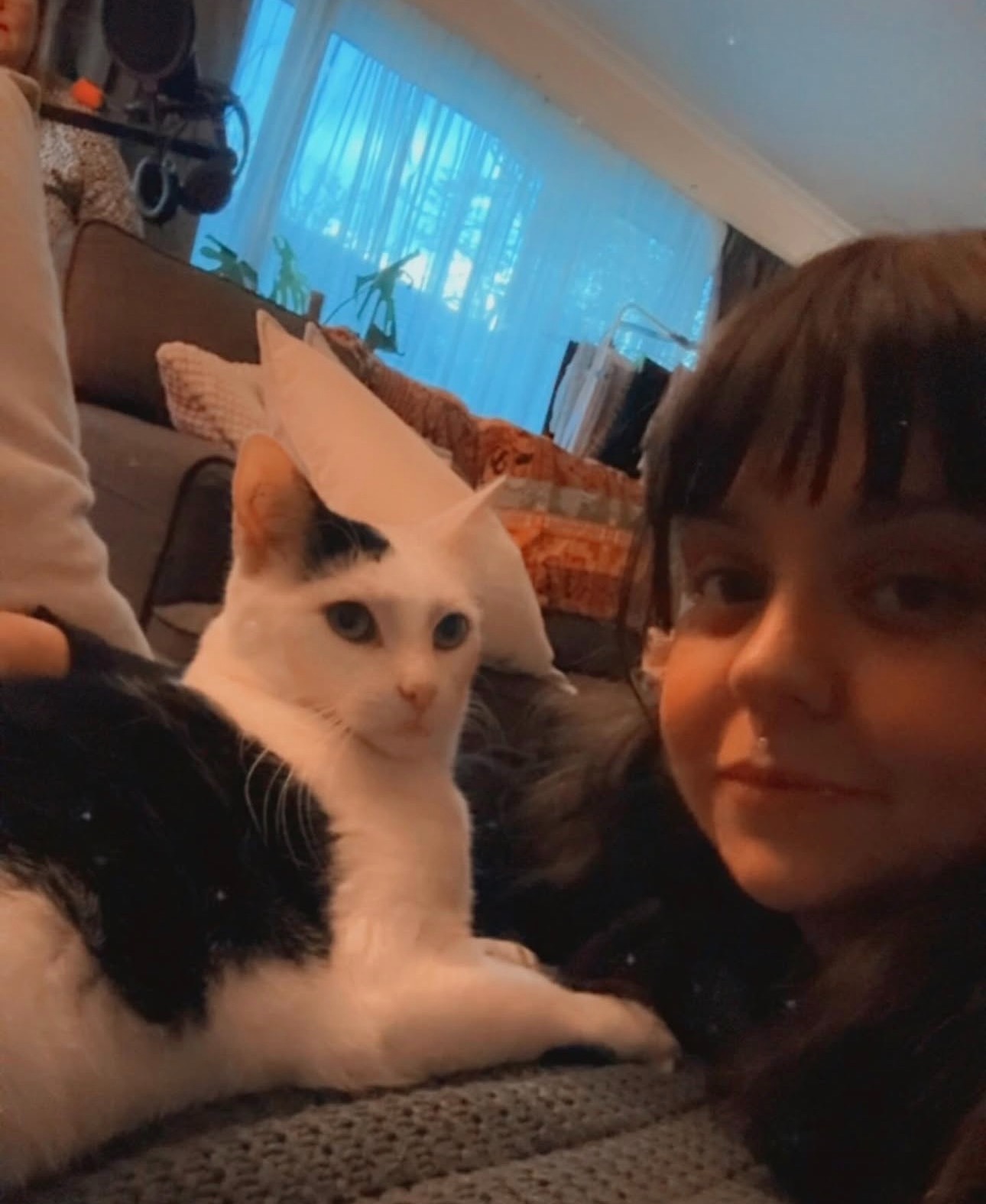
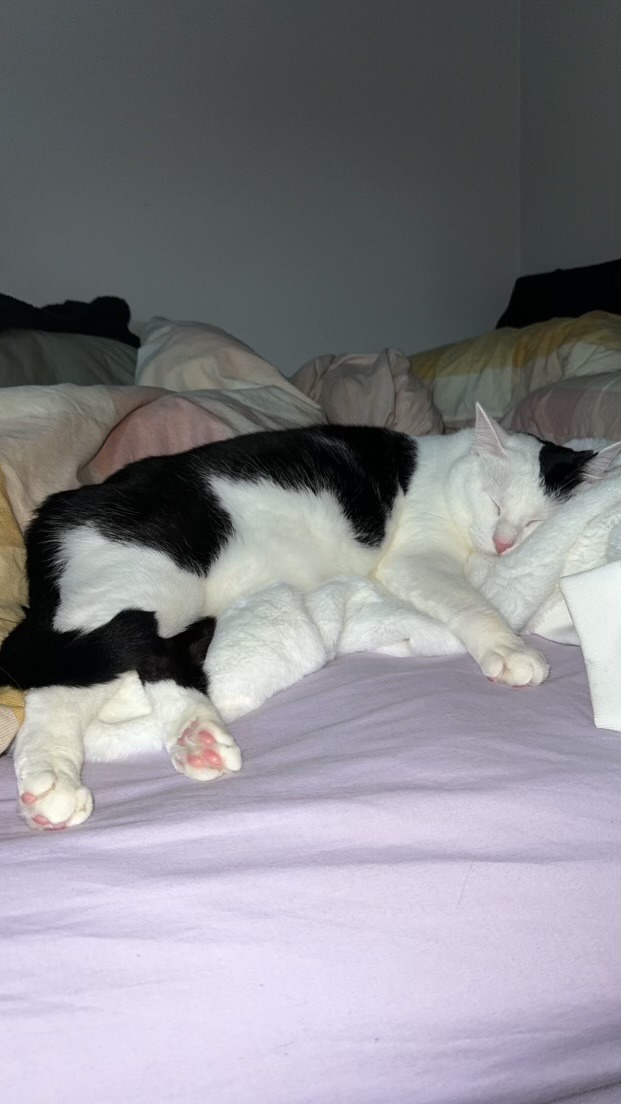

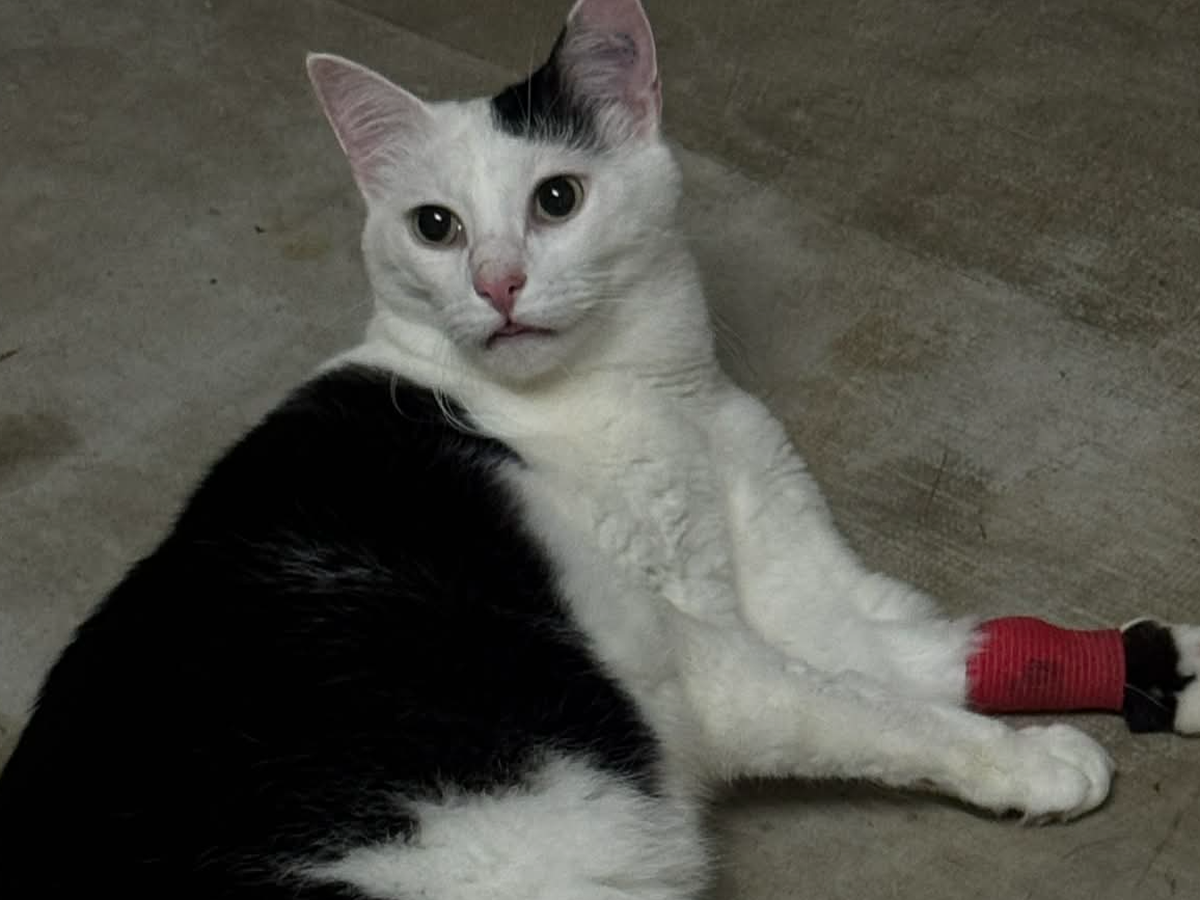
Hi everyone,
I’m writing this as a mum who is scared and exhausted and reaching out for help because my daughter and her beautiful cat Callisto are going through something we can’t handle alone.
Callisto isn’t “just a pet”.
He is my daughter’s emotional support companion — her baby — and right now he is fighting for his life.
Why This Matters
Over the last few months, my daughter has been struggling deeply with her mental and physical health. She has been very unwell and is currently on sick leave for at least another month.
Because she still technically has a job, she isn’t currently receiving Centrelink payments yet… but she also isn’t being paid while she’s off work. She’s stuck in that horrible in-between where she’s too unwell to work, but not supported financially yet.
Friends and family have been doing everything we can — helping her with small things just to get through each day. But now, we’ve been hit with an emergency we weren’t prepared for.
Callisto Needs Emergency Vet Care
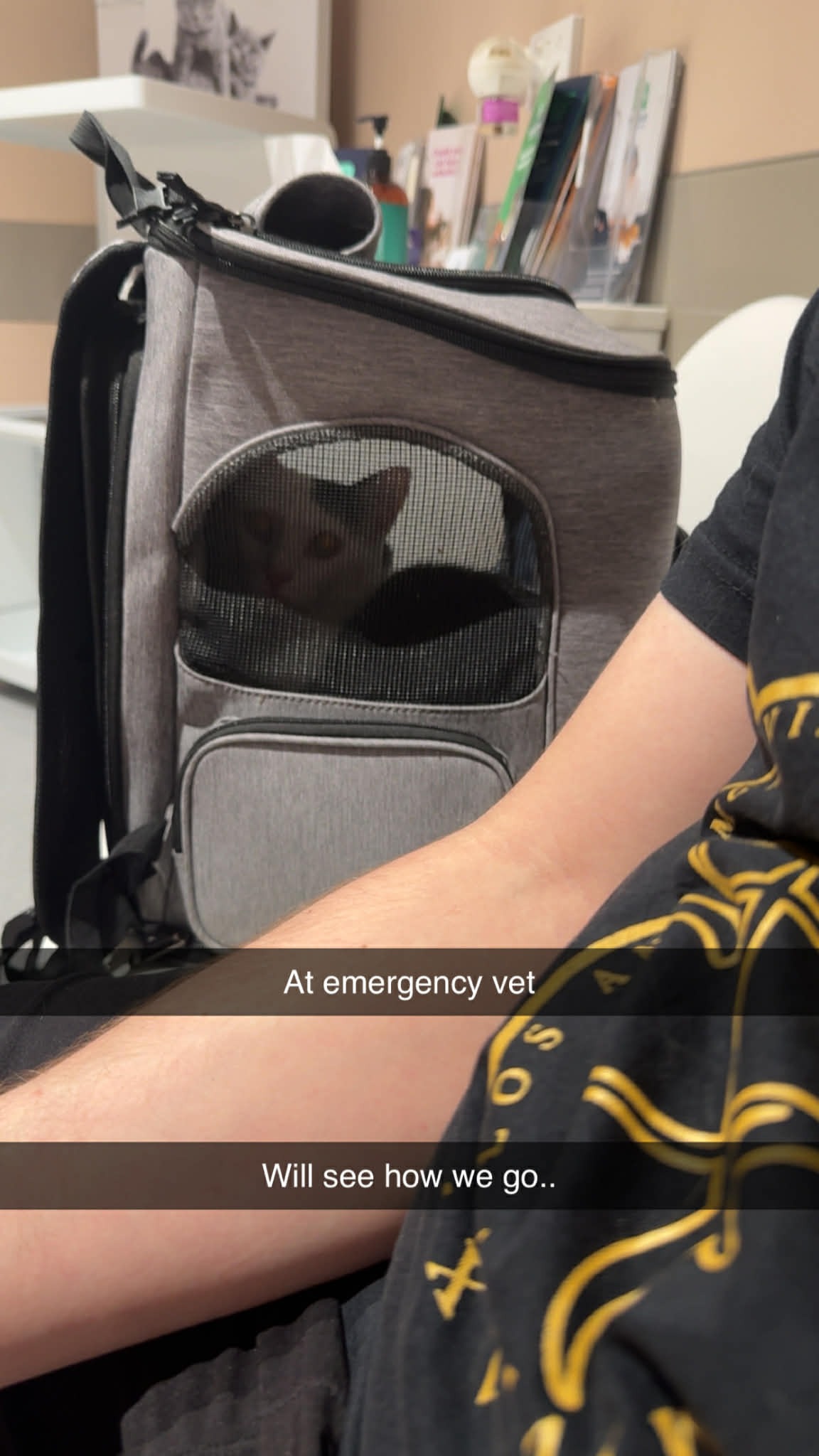
Callisto suddenly stopped urinating — which is a life-threatening emergency in male cats. We rushed him to the emergency vet immediately.
The vet unblocked him last night. He was able to pass urine at the clinic… but today, he still hasn’t been able to urinate again.
The vet has strongly recommended he stays at the clinic for monitoring and ongoing treatment. The costs are overwhelming:
Over $1,000 already
Up to $4,000+ more for hospitalisation
Additional medications, follow-up appointments, and possible further procedures
It’s frightening, and it’s heartbreaking. But this cat is my daughter’s comfort, her constant, her reason to get up when nothing else feels possible.
Callisto Is Her Support Through Darkness
When my daughter has been at her lowest, Callisto has been there.
He sits on her lap. He curls into her chest. He follows her around the house. He is gentle, affectionate, and deeply bonded to her.
And right now, she is terrified — because losing him would be devastating.
How You Can Help
I’m asking for help to cover Callisto’s emergency vet treatment, hospital care, medications and follow-up care.
Any amount helps — truly.
Even $5 makes a difference.
And if you can’t donate, please share. Sharing costs nothing, and it helps this reach someone who might be able to help.
I’ll also post regular updates on Callisto’s condition and vet progress so everyone knows exactly how he’s going.
Thank you for reading this, and thank you for any kindness you can offer — donation, share, or even just a supportive message.
With heartfelt gratitude,
Shan
-----------------------------------
Below is information about his condition we recieved from the ER vet.
FELINE LOWER URINARY TRACT DISEASE (FLUTD)
What is cystitis?
Cystitis is a general term referring to inflammation in the urinary bladder. The term cystitis does not imply a specific underlying cause.
In cats, diseases of the lower urinary tract (the bladder and urethra) are grouped under the term ‘feline lower urinary tract disease’ (FLUTD) as it can be difficult sometimes to distinguish between diseases of the bladder and urethra, and many diseases will affect both structures.
What are the signs of FLUTD?
Typical signs in cats with FLUTD are those of inflammation and irritation of the lower urinary tract.
Common signs include:
• Increased frequency and urgency of urination
• Difficulty in urinating (spending a long time straining on the litter tray while passing only small quantities of urine)
• The presence of blood in the urine or blood spots in the litter tray
• Occasionally complete obstruction of the urethra (straining persistently without producing any urine).
With the latter sign particularly (straining without the passage of any urine), it is important to seek urgent veterinary attention as complete blockage to the flow of urine can be a life-threatening complication if left untreated.
What causes FLUTD?
There are a vast number of potential causes of FLUTD, but in many cats there may be severe inflammation of the bladder and/or urethra without an identifiable underlying cause (so called ‘idiopathic' FLUTD). These idiopathic cases need to be differentiated from other potential causes of the clinical signs though so that appropriate treatment can be given. Some of the potential causes of FLUTD are listed below:
• Idiopathic (inflammation for no known cause) but possibly caused by unrecognised viruses or bacteria
• Urinary calculi (‘bladder stones’)
• Bacterial infections
• Neoplasia (tumour)
• Anatomical abnormalities
• Urethral plugs (blockage of urethra with a mixture of crystals or small calculi/stones, mucous and inflammatory material)
How is FLUTD diagnosed?
The initial diagnosis of FLUTD is based on the identification of signs of lower urinary tract inflammation. The clinical signs displayed by the cat are often characteristic of FLUTD, but where there is doubt, analysis of a urine sample will confirm the presence of inflammation or blood.
What further investigations are required to diagnose the cause of FLUTD?
Where clinical signs are persistent or recurrent, several investigations may be required to differentiate idiopathic FLUTD from the other known causes of urinary tract inflammation.
These investigations may include:
• Laboratory analysis of a urine sample
• Bacterial culture of a urine sample
• Blood samples to look for other evidence of urinary tract disease or other systemic disease
• Radiographs (x-rays) and/or ultrasound examination of the bladder and urethra
The information from these investigations should help to identify a specific treatable underlying cause if one is present.
What is the treatment for FLUTD?
This depends on the underlying cause. For example:
• If a cat develops a blocked urethra (this almost exclusively occurs in males), emergency treatment is required to remove the blockage, which requires flushing of the urethra under general anaesthesia. A urinary catheter is placed and secured temporarily to allow a period of bladder rest. The patient is hospitalised until the urinary catheter has been removed and they are able to urinate without difficulty. Typically, this is a period of 36 to 72 hours minimum. Unfortunately repeat obstruction is not uncommon after the urinary catheter is removed and if this occurs, further treatment is required.
• Cases of idiopathic disease may respond to treatment with anti-inflammatory or analgesic (‘pain-relieving’) drugs, but it is crucial that you only use drugs specifically prescribed by your veterinary surgeon, as many human products are extremely dangerous to use in cats. Your vet may want to run blood tests before prescribing these medications.
• Bacterial infections of the lower urinary tract, although uncommon in cats, will usually respond well to antibiotic therapy.
• If bladder stones (calculi) are present they may have to be removed surgically or, depending on their type, they may be able to be dissolved by using a special diet, or dietary additive
There is no universal treatment for FLUTD. Each case must be investigated to determine the underlying cause, and then the treatment needs to be tailored to the individual patient. Sometimes despite appropriate investigation and treatment clinical signs may still recur, requiring further therapy.
How can FLUTD be prevented?
It is impossible to completely prevent diseases of the lower urinary tract occurring. However, FLUTD is more common in cats that have a lower water consumption, and in cats that are inactive and obese. All these factors may relate, at least in part, to the frequency with which a cat urinates. Avoidance of obesity and encouraging exercise may be of some help in preventing FLUTD, and as cats tend to drink very little the feeding of at least some tinned food rather than exclusively a dry cat food product will help to maintain a higher water intake. Some cats get FLUTD whenever they eat dry cat food. Stress also plays a major role in the development of urinary tract disease in cats.
***TIPS FOR CONTROLLING RISK FACTORS FOR FLUTD
1.Stress
Cats like routines and don't cope well with change. Some examples of stressors of cats include change in their home environment, introduction of another cat to the household or neighbourhood, and the addition of a new family member.
Stress can be minimised by:
- A regular schedule of feeding, playing, and interacting
- Provision of perches, scratching posts, private areas for cats to hide
- Provision of at least one litter tray per cat in multi-cat households, optimally one per cat + one spare
- Utilising pheromones such as feliway
- Your regular vet may also discuss anxiety medications and methods
2.Water consumption
The most effective way to increase water intake is to feed a commercial tinned diet rather than dry. Cats fed a tinned food diet have been shown to produce up to twice as much urine as cats on dry food diets. This may assist to dilute out the crystals and components of the plugs so that problems are less likely.
Other ways to encourage water consumption include:
- Running water device - commercial forms of these are available. Alternatively, some cats like to drink from the bottom of the shower or bath.
- Additional water sources - place full glass of water in strategic places around the house, cats often like to drink from human glasses.
3.Weight management
The number 1 rule of weight management is not to allow free access to food. Overweight cats should be offered food for 5-10 minutes once to twice daily. Restricted calorie diets may be required. If you would like to change your cat’s diet, it is best to do this gradually to allow the cat to adapt to the new taste. Please consult your regular vet for a weight loss program tailored to your cat.
Increased exercise also assists with weight control. Adult cats often need to be taught how to play. Suggestions for increasing activity level include:
• Foraging devices - feeders which reward your cat with food for activity, there are commercially available feeders which can be purchased for this.
• Toys which encourage movement, either commercial or homemade.
• Leash walking
• Scratching posts
• Access to an outdoor run or enclosure for otherwise indoor cats.
===================================================
Organizer