- J
- J

Help Save Argentina’s Hidden Jewels: Endangered Killifish
0% complete
£792 raised of £1.5K
21 donations

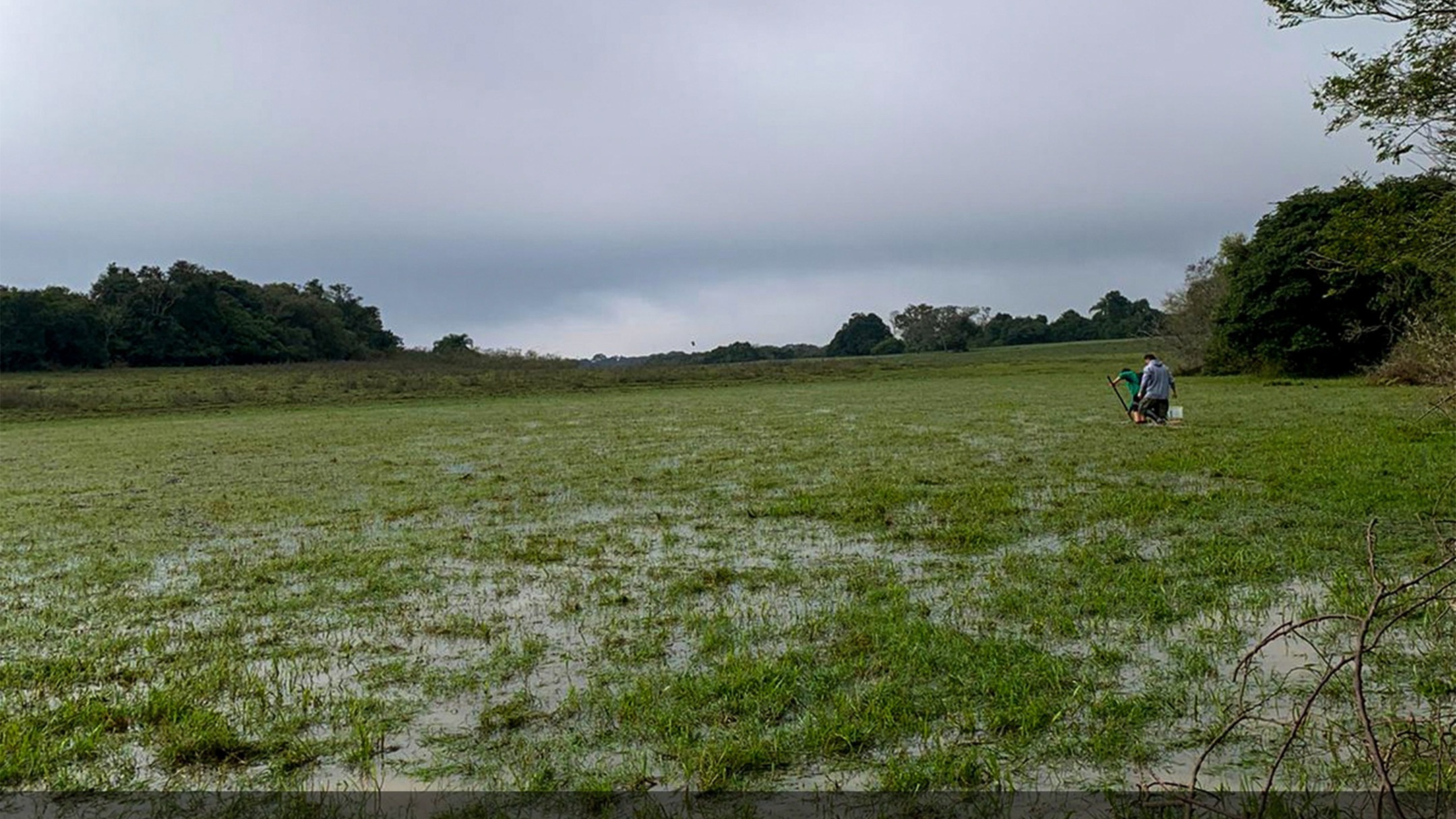
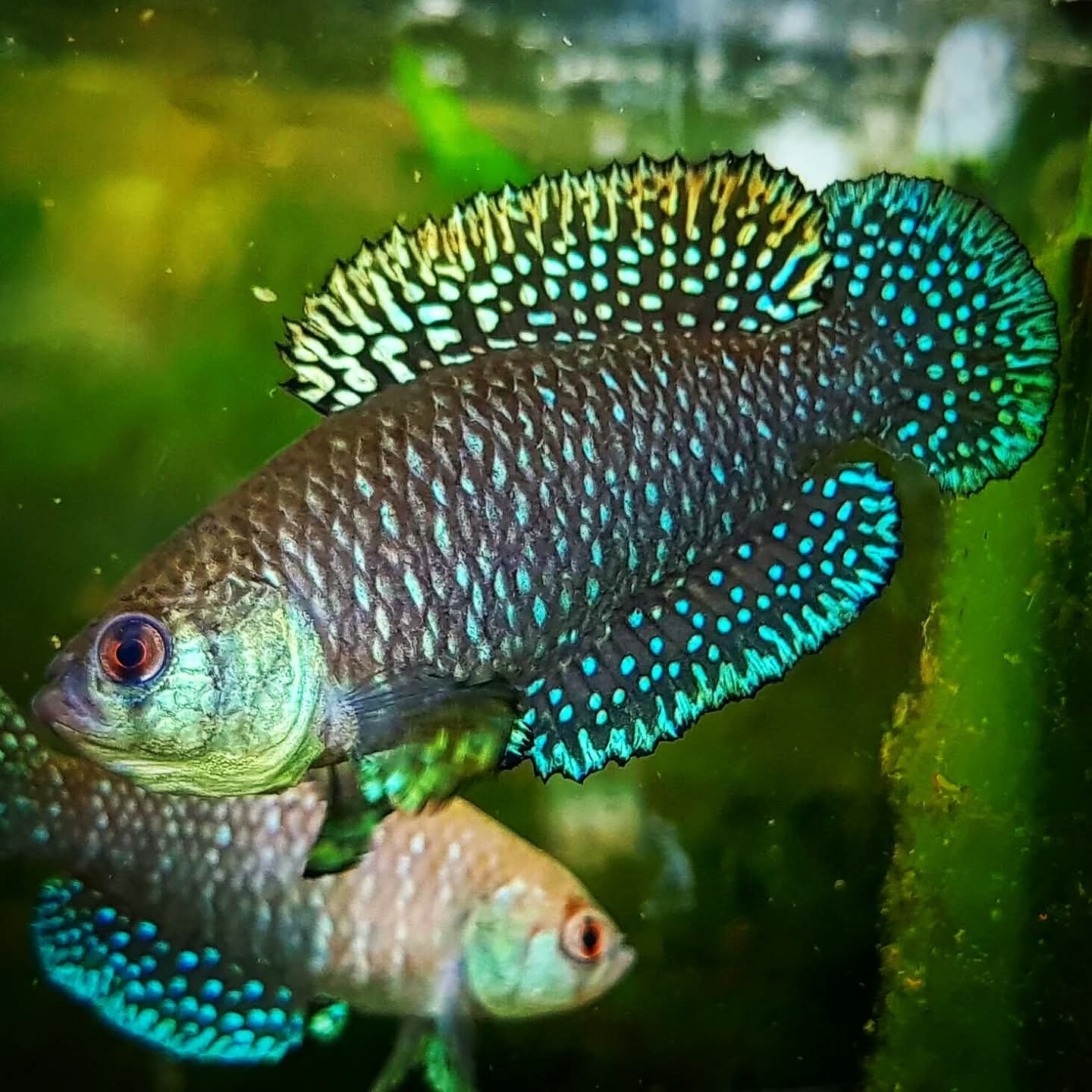
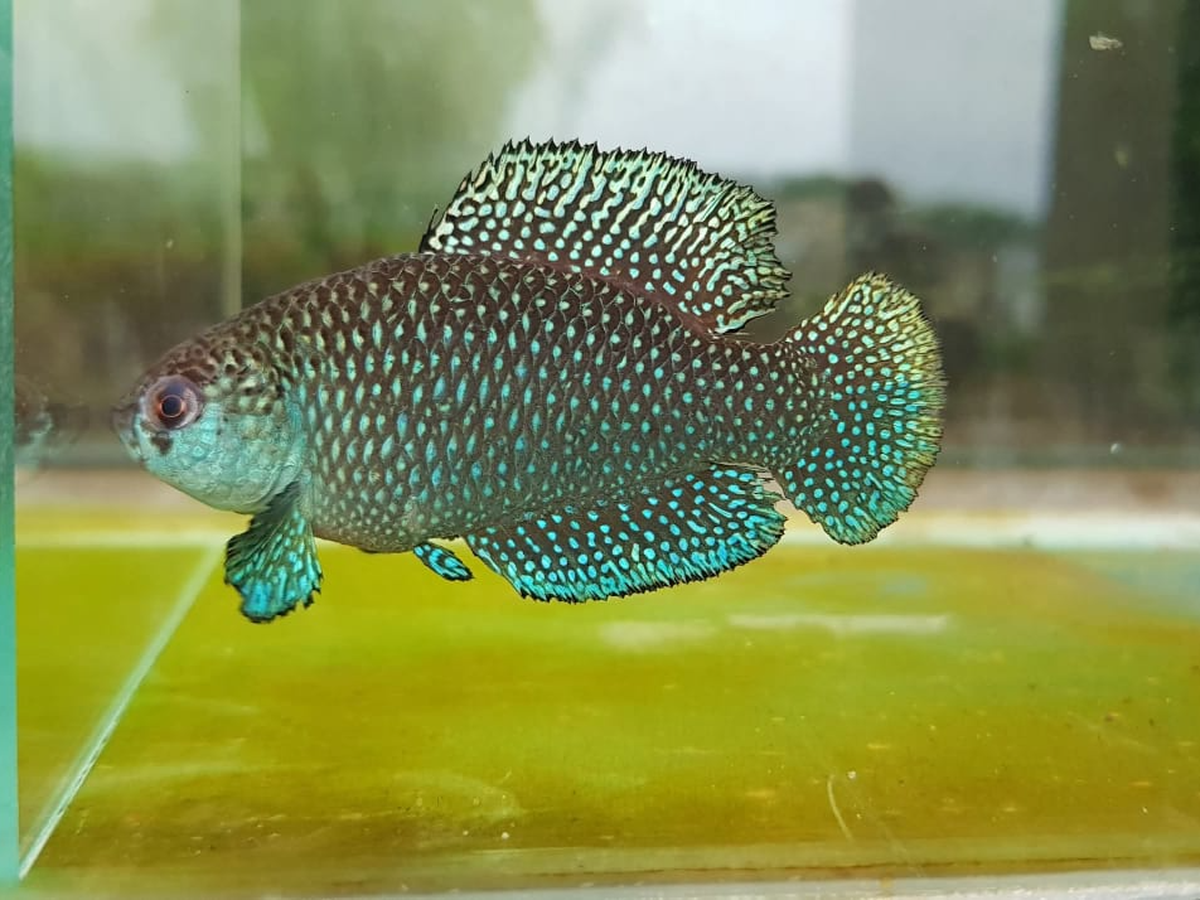
Seasonal killifish (family Rivulidae) live in temporary wetlands that completely dry during part of the year. Adults die when water disappears, but their embryos persist as desiccation-resistant eggs buried in the sediment, pausing development (diapause) until the rains return; then they hatch, grow, and reproduce within months. This remarkable strategy lets them endure highly unpredictable climates, yet it also makes them especially sensitive to habitat loss and climate extremes, setting the stage for why their protection in Argentina matters.
Argentina hosts 18 recognized species of seasonal killifish, distributed across multiple biogeographic regions: the Chaco, the Pampean plains, and the Atlantic Forest of Misiones Province in northeastern Argentina. In fact, two new species of the genus Argolebias and one Titanolebias were recently discovered and described Argentina by us, underscoring how much remains to be learned about this fragile fauna.
These life-history adaptations make killifishes key evolutionary models for understanding resilience in extreme environments. Yet, they are also among the most threatened freshwater vertebrates, and the most threatened group of fishes in South America. The rapid loss of temporary wetlands due to soybean expansion, pesticide pollution, deforestation, urbanization, and climate change is pushing many species toward extinction. Entire lineages may be lost before we even fully understand their diversity and ecological roles.
Conservation Status Overview
Among the 18 species of Rivulidae found in Argentina:
2 species (11.11%) are Critically Endangered (CR)
2 species (11.11%) are Endangered (EN)
6 species (33.33%) are Vulnerable (VU)
In total, 10 species (55.56%) are under some level of conservation concern.
Additionally, 2 species (11.11%) are Near Threatened (NT), 3 species (16.67%) are Least Concern (LC), and 3 species (16.67%) remain Not Evaluated (NE). This alarming distribution highlights the urgent need for research and conservation to protect these fishes from ongoing environmental threats.
Our Mission
This project will integrate fieldwork, molecular biology, and ecological analyses to document and conserve Argentina’s killifishes. Specifically, we will:
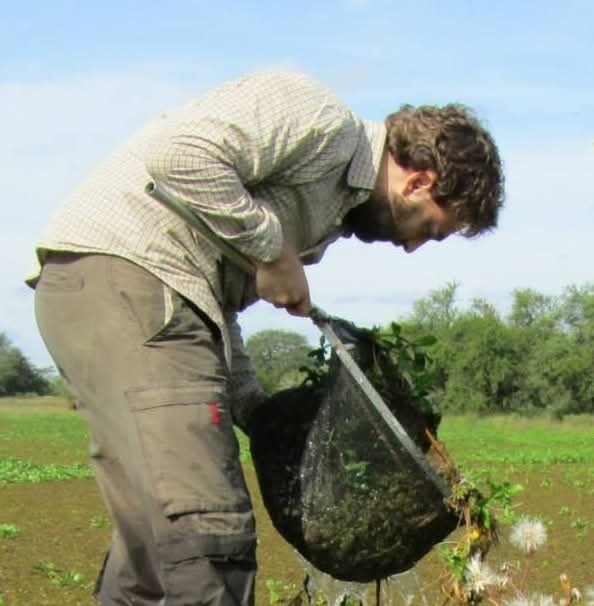
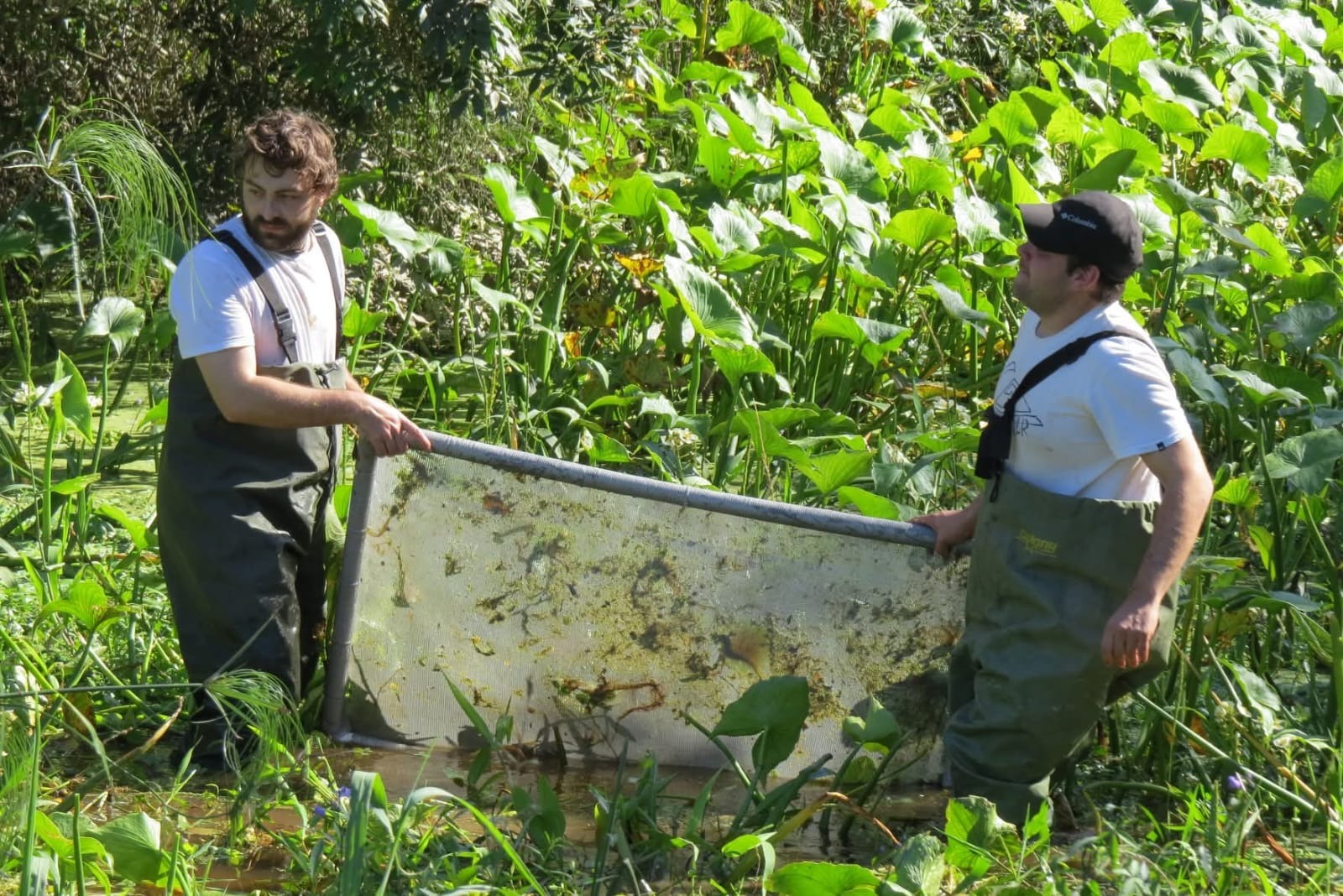
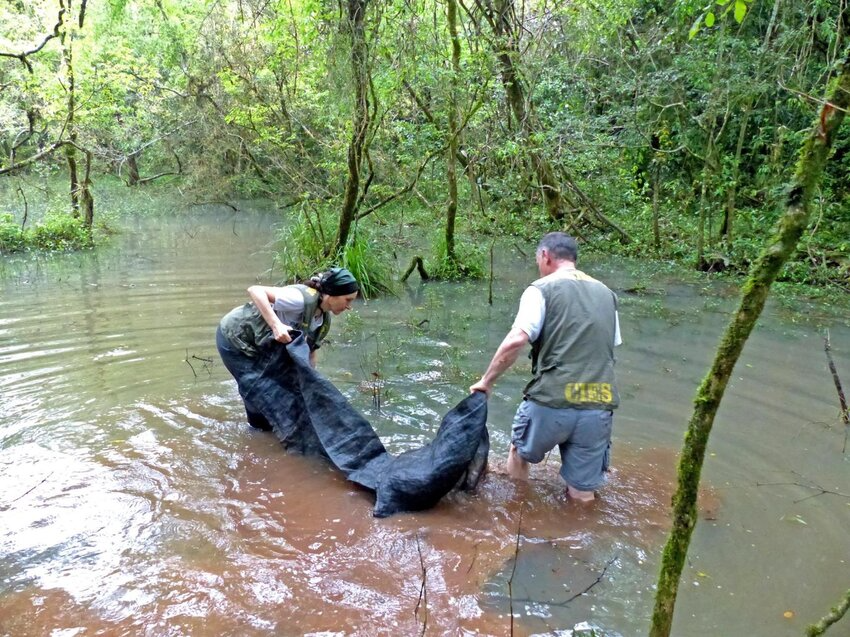
Survey wetlands across the Chaco, Pampean, and Atlantic Forest regions to locate surviving populations, confirm historic records, and discover potential new populations and species.
Collect tissue samples for DNA sequencing, refining phylogenetic relationships, and clarifying species boundaries. Many Rivulidae lineages remain poorly defined, and molecular tools are critical to resolve cryptic diversity.
Conduct stable isotope analyses to reconstruct trophic ecology, shedding light on feeding strategies and the evolution of these species. This will help us understand how killifishes persist under extreme seasonal constraints.
Integrate ecological, genetic, and threat data to develop conservation strategies that can be applied at both species, habitat, and regional levels.
This is not just about cataloging species – it is about generating the baseline knowledge urgently needed to prevent extinctions and safeguard unique evolutionary strategies.
Where the Money Goes
We have already secured £500 from the Freshwater Life Project (Charity No. 1172393).
We still need to raise £1,500 to complete the project:
- Fieldwork expenses (fuel, travel, lodging): £500 – to access remote wetlands across northern Argentina.
- DNA sequencing: £500 – to resolve taxonomic uncertainties and delimit species boundaries.
- Stable isotope analysis: £500 – to assess trophic niches and survival strategies under fluctuating conditions.
What your gift does (approx.)
£8 — Specimen vials, labels, and ethanol for one survey site.
£12 — Prepare and run 1 stable isotope sample.
£18 — DNA extraction for one specimen.
£25 — One DNA sequencing read / barcode (or contributes to a library prep, depending on lab method).
£38 — One night of basic field lodging (shared).
£50 — One day of field fuel + tolls to reach remote wetlands.
£100 — Process 4 DNA samples or analyze 8 isotope samples.
£250 — Mini-expedition (2–3 days) to survey multiple wetlands.
£500 — Fund a full analysis module (DNA or stable isotopes) or a week-long survey loop.
We optimize every donation to match on-the-ground needs; amounts are approximate but transparent.
Who We Are
This project is led by Dr. Felipe Alonso from the Killifish Foundation. He is an Assistant Researcher at CONICET and professor at Universidad Nacional de Salta. Felipe specializes in the systematics, taxonomy, evolution, and ecology of Neotropical freshwater fishes, with a particular focus on Rivulidae. He has described new species and genera, contributed extensively to IUCN Red List assessments, and published peer-reviewed studies on fish evolution and conservation.
The project is supported by Freshwater Life Project, a nonprofit dedicated to freshwater biodiversity conservation worldwide.
Why This Matters
Killifishes are not only visually striking, but they are also model organisms in evolutionary biology. Their diapause stages are studied as parallels for embryonic resilience, aging, and developmental arrest, with implications that extend beyond ecology into biomedicine and climate change adaptation research.
By protecting them, we also protect the temporary wetlands that harbor amphibians, migratory birds, invertebrates, and plants, entire ecosystems at risk of collapse. These wetlands provide crucial ecosystem services such as water purification, flood control, carbon storage, and mosquito control, reducing vectors of dengue, Zika, and chikungunya, as well as resources and livelihoods for local communities, benefits that lower public-health costs and disaster-risk losses.
Join Us
Supporting this campaign means investing in cutting-edge research with immediate conservation applications. Together, we can ensure that Argentina’s killifishes, symbols of resilience and adaptation, continue to survive in the wild.
Please donate today and share this campaign. Every contribution brings us closer to protecting these extraordinary fishes and their habitats.
Organizer
Freshwater Life Project
Beneficiary