- R
- s
- C
My Story
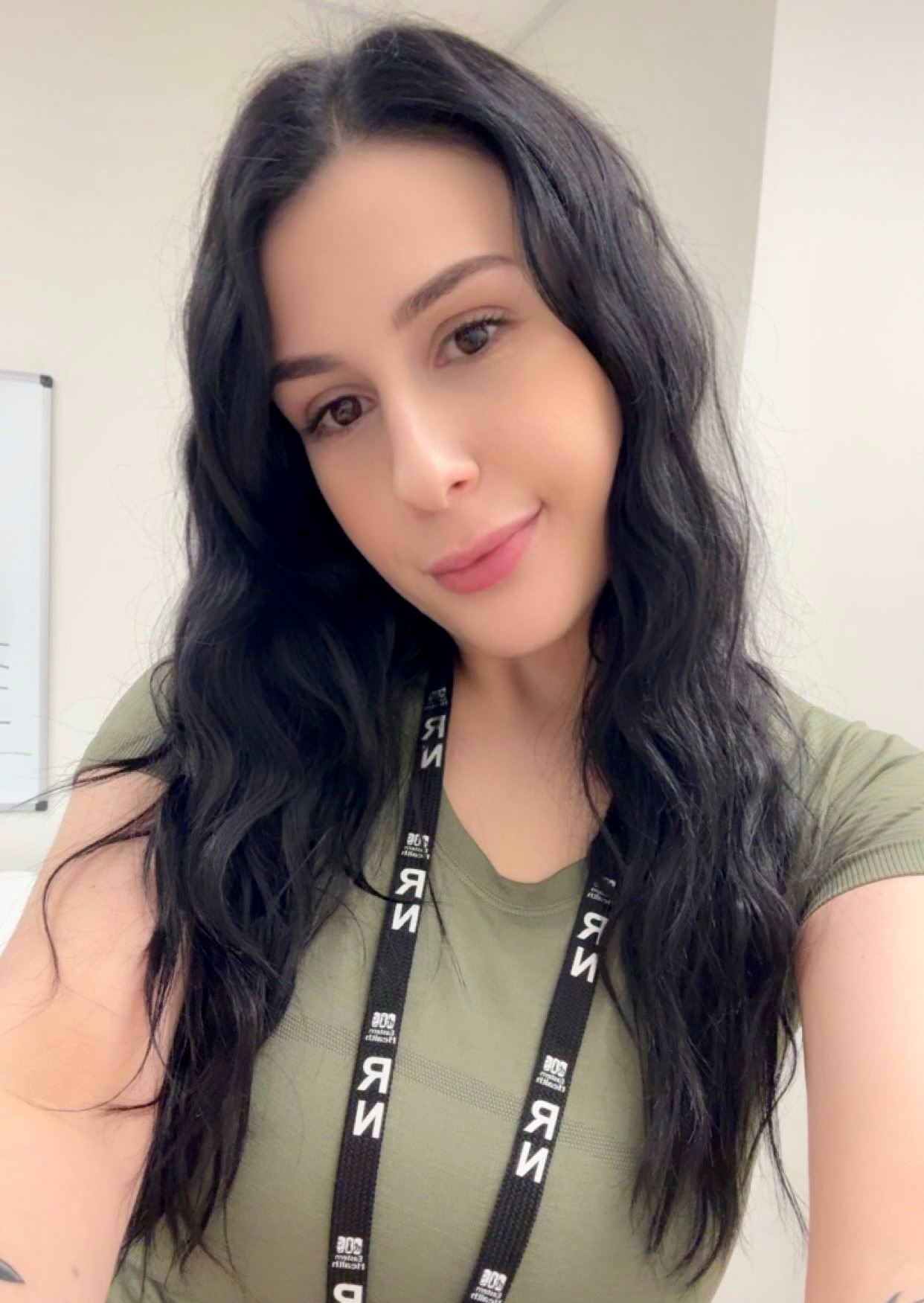
My name is Sam, and I’ve spent most of my life learning how to stand on my own two feet. I’ve lived independently since I was 17, and while that’s made me strong and resourceful, it’s also meant carrying life’s challenges largely on my own — emotionally, physically, and financially.
As a teenager, I battled panic disorder, agoraphobia, and CPTSD, spending years just trying to feel safe in my own body. Those struggles shaped who I am and inspired my career as a mental health nurse — helping others find the same hope and stability I worked so hard to build for myself.
When My Health Started to Change
For a long time, it felt like I was finally getting there. But in the past few years in particular, my health began to decline in ways I couldn’t understand.
My heart would race uncontrollably — sometimes staying above 120 beats per minute even while resting. Walking short distances left me dizzy and short of breath. I couldn’t tolerate heat and would often feel faint just from standing. The exhaustion went beyond tiredness — it was a deep, bone-heavy fatigue that made even simple tasks feel impossible. I went through extensive testing for years with no clear answers.
During these years, doctors often told me it was likely “just anxiety" or a result of living with complex post-traumatic stress disorder. I was prescribed countless psychiatric medications, but nothing ever truly helped with the way I was feeling. Deep down, I knew something else was wrong.
Finally Getting Answers
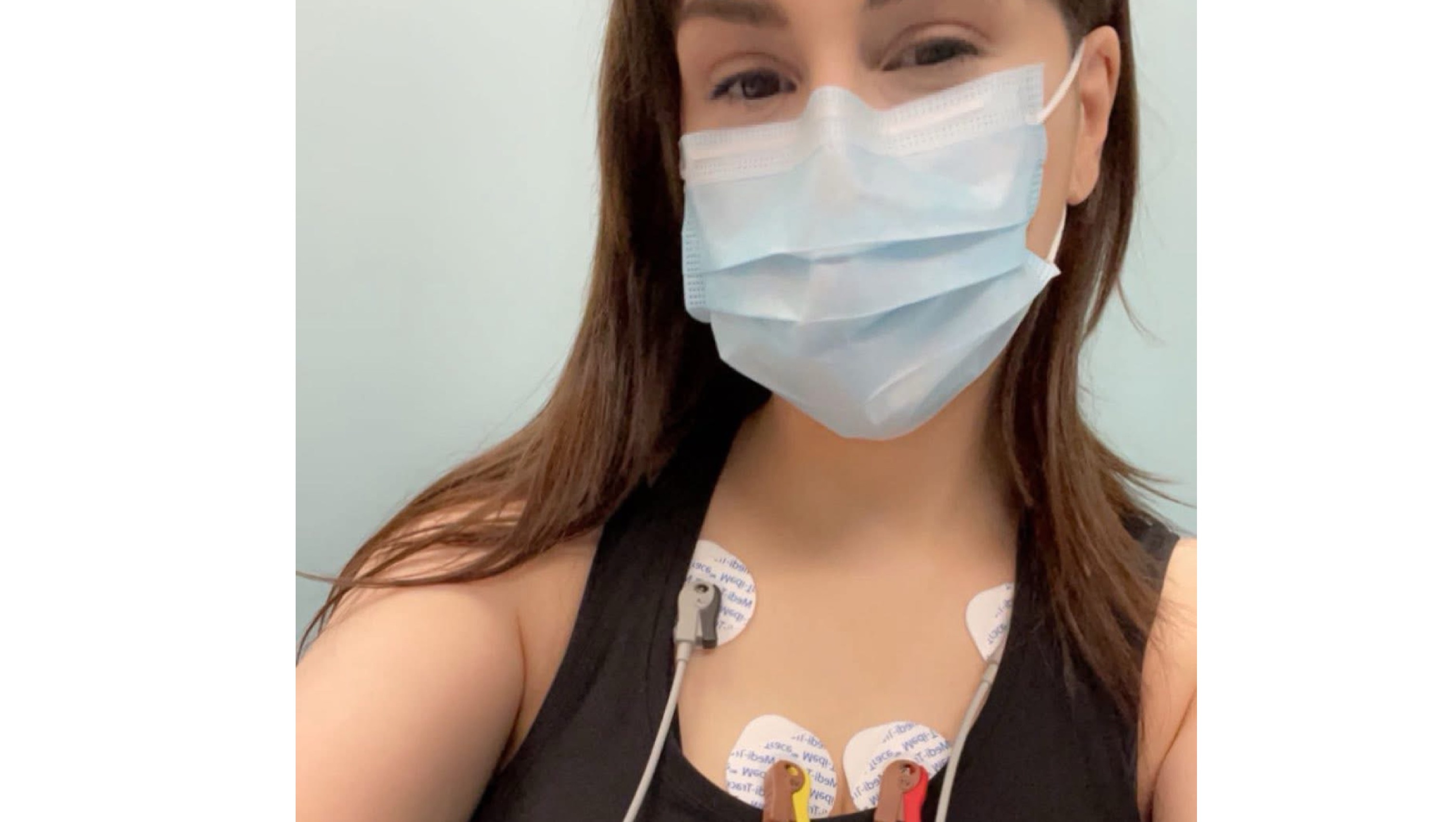
After an appointment with an internal health specialist this month, I was diagnosed with Postural Orthostatic Tachycardia Syndrome (POTS) — a form of dysautonomia that affects blood flow and causes unstable heart rate and blood pressure. It explained so much, but it also meant entering a new reality: there’s no easy fix, and few specialists in Atlantic Canada truly understand it.
Alongside that, I was diagnosed with severe vitamin B12 and vitamin D deficiencies, which worsen my symptoms. I’ve also learned that POTS often overlaps with other chronic illnesses such as autoimmune disorders, connective tissue conditions, and mast cell activation syndrome (MCAS). I’m now undergoing further testing to identify possible comorbidities — a process that’s both overwhelming and expensive.
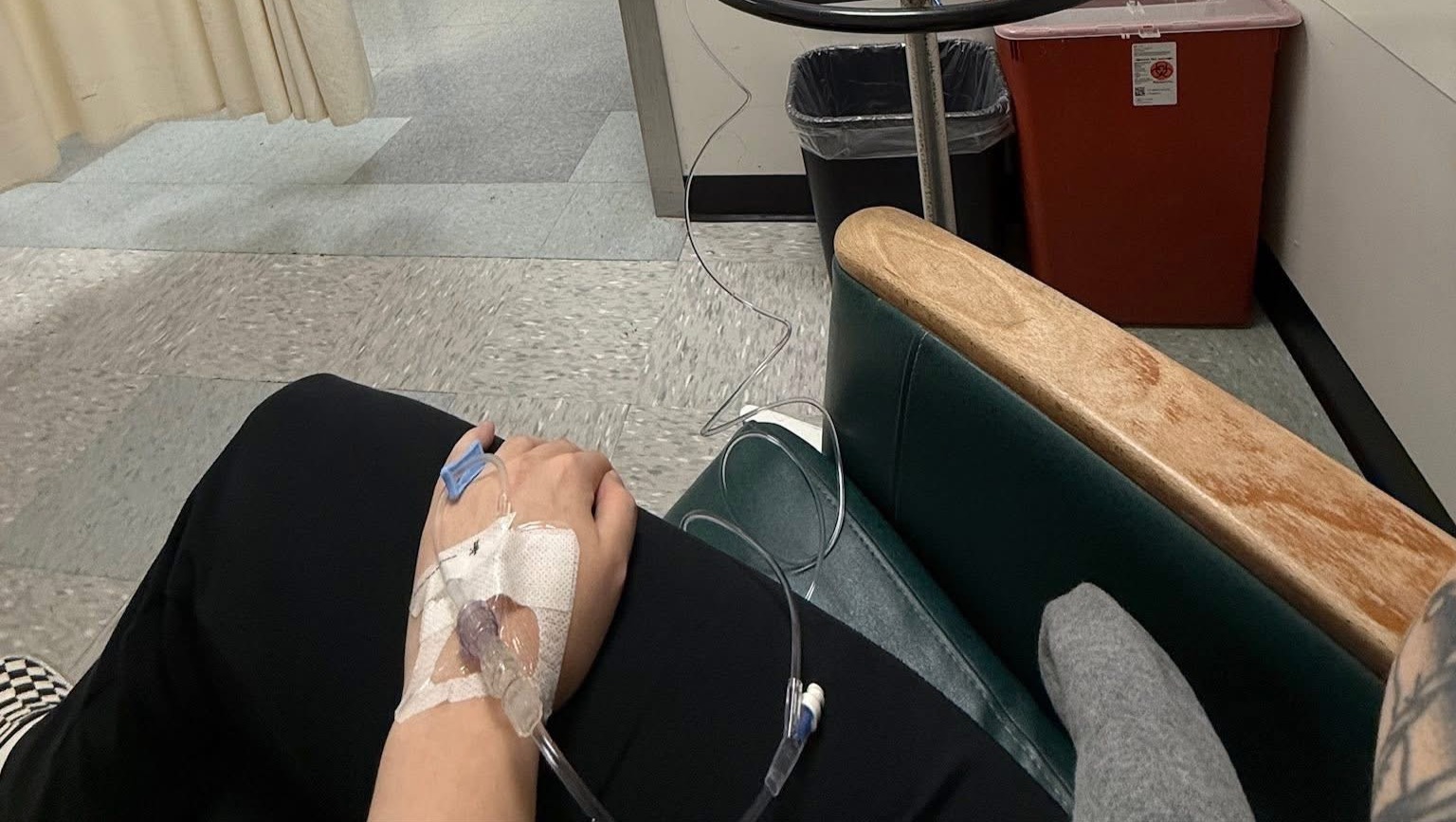
Living with POTS
Living with POTS means constantly battling your own body — dizziness, rapid heart rate, nausea, brain fog, weakness — all while trying to keep up with everyday responsibilities. Some days, even showering or cooking is difficult.
On workdays, I push myself to care for others while quietly managing my symptoms.
Earlier this year, I took six months off to focus on my health. I paid insurance premiums to maintain access to therapy and care, and I tried everything I could to recover. But living alone, with no parents for help and little support, it was financially devastating. I came out of that period with significant debt and no safety net left.
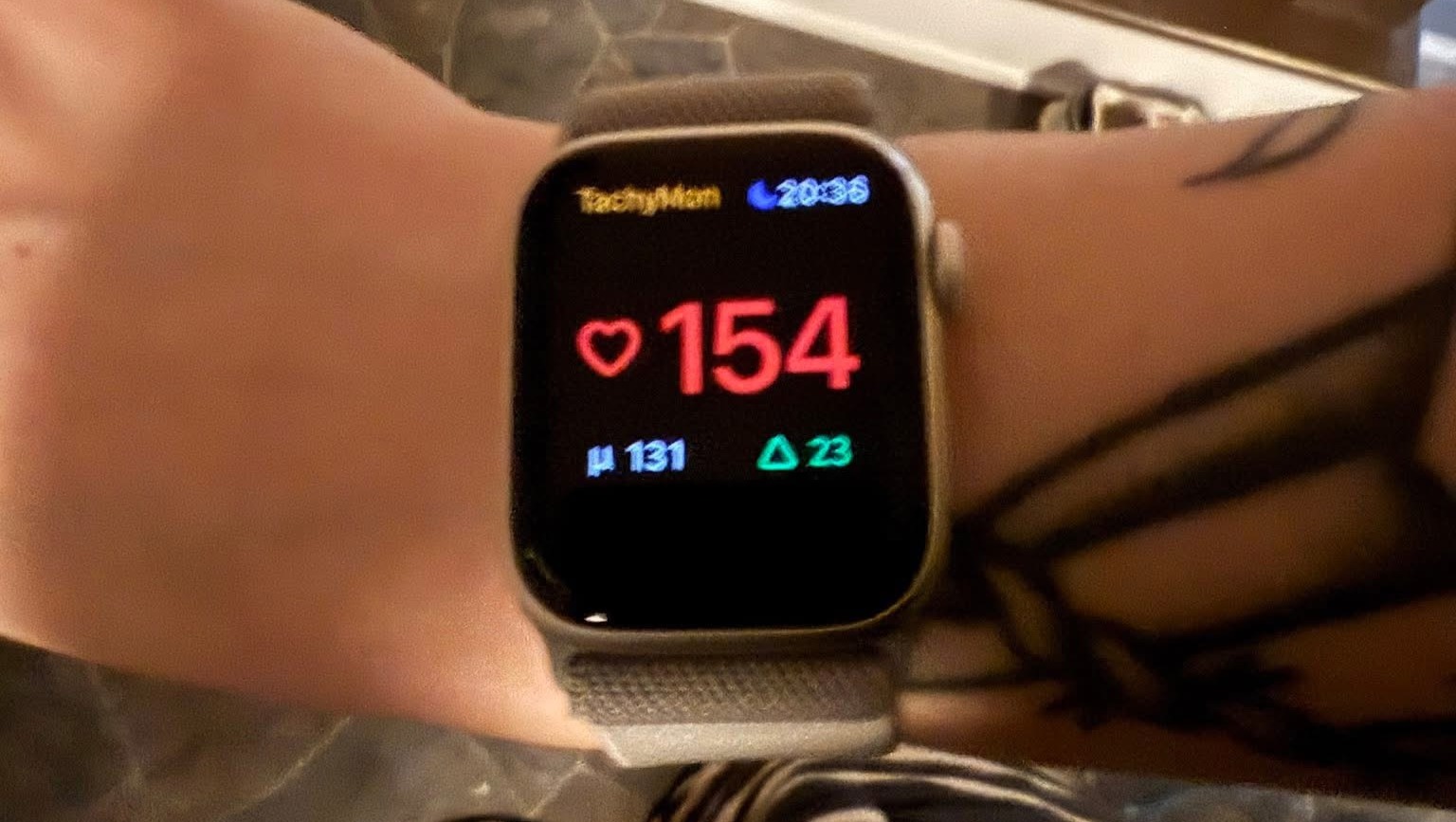
Where I Am Now
Now, I’m back at work because I have little other choice. My EI sickness benefits have run out, my credit cards are maxed, and I can’t afford unpaid leave — even though my body desperately needs rest and time to adjust to specialized treatment.
I’m currently only able to manage part-time hours and have been accommodated to work 8-hour shifts instead of 12-hour ones to help manage my exhaustion and symptoms. Even with those adjustments, I still often need sick days when my body just can’t keep up. But when I’m only working this limited amount, even one missed day can make me worry about whether I’ll be able to pay rent or cover basic bills.
I would love nothing more than to travel to a dysautonomia specialist, but right now, even a plane ticket feels out of reach.
Why I’m Asking for Help
POTS is a condition that can completely upend your life if it’s not properly managed. It affects your ability to stand, walk, work, and think clearly. I’ve had to become my own advocate, educating doctors and fighting to be taken seriously.
I’m 31 years old, and I still have so much more I want to do — for myself and for my patients. I want to heal, to learn how to live well with this condition, and to one day use my experience to help others going through the same thing.
Any support, no matter how small, would mean the world to me. It will go directly toward medical appointments, any travel to specialists, and easing the financial strain that’s made it so difficult to focus on recovery.
Thank You
If you’ve taken the time to read, share, or donate — thank you. Your kindness gives me hope that I can keep moving forward and rebuild my life with the care and stability I’ve fought so long to find.
Organizer