- L
- D
- L
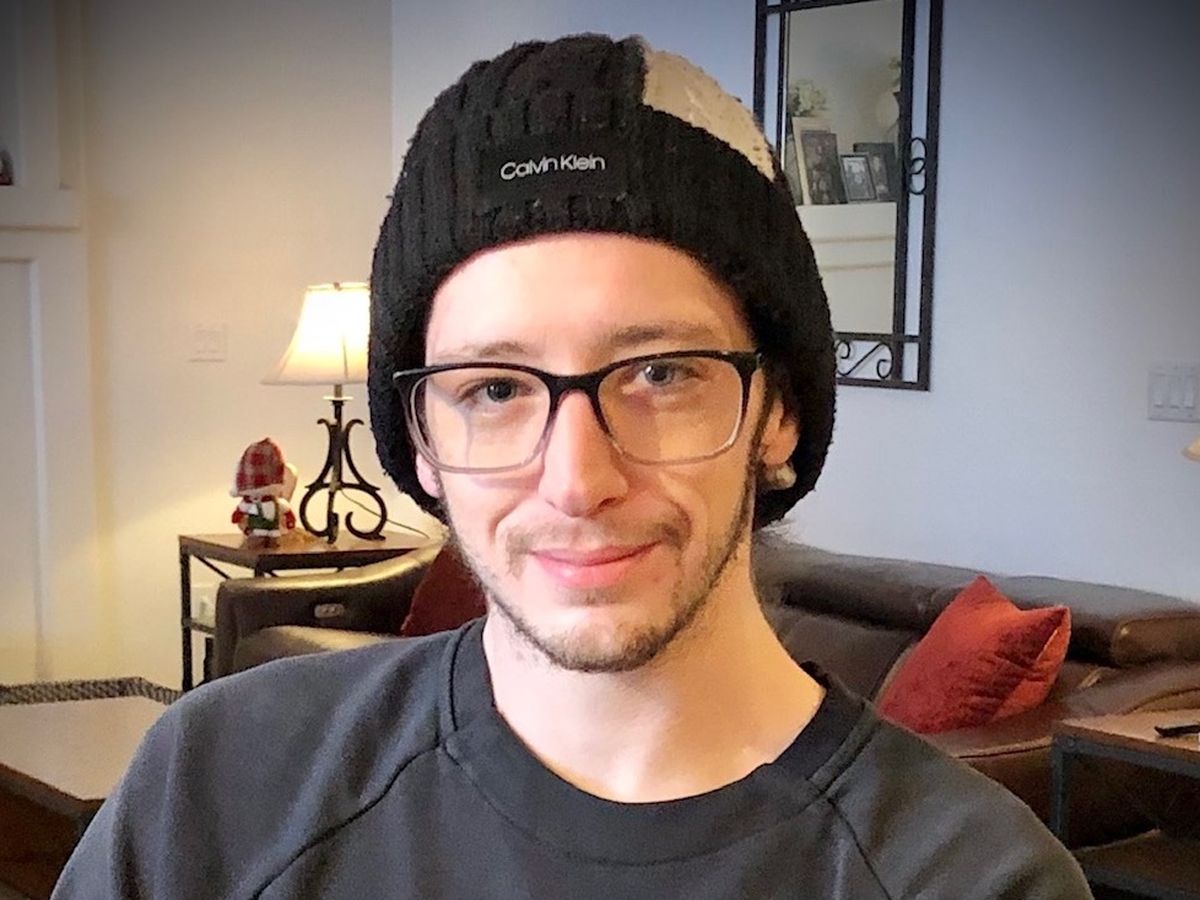
On August 11th, 2020, Ryan's life changed forever. He had an electric bike accident that left him with crush like injuries to his right ankle, a right knee bone bruise, a right quad bone bruise and gash on right arm that required stitches. Overall, his injuries would heal with time; however, his injury to his ankle left him with irreparable nerve damage. This injury triggered CRPS, Complex Regional Pain Syndrome, which is incurable.
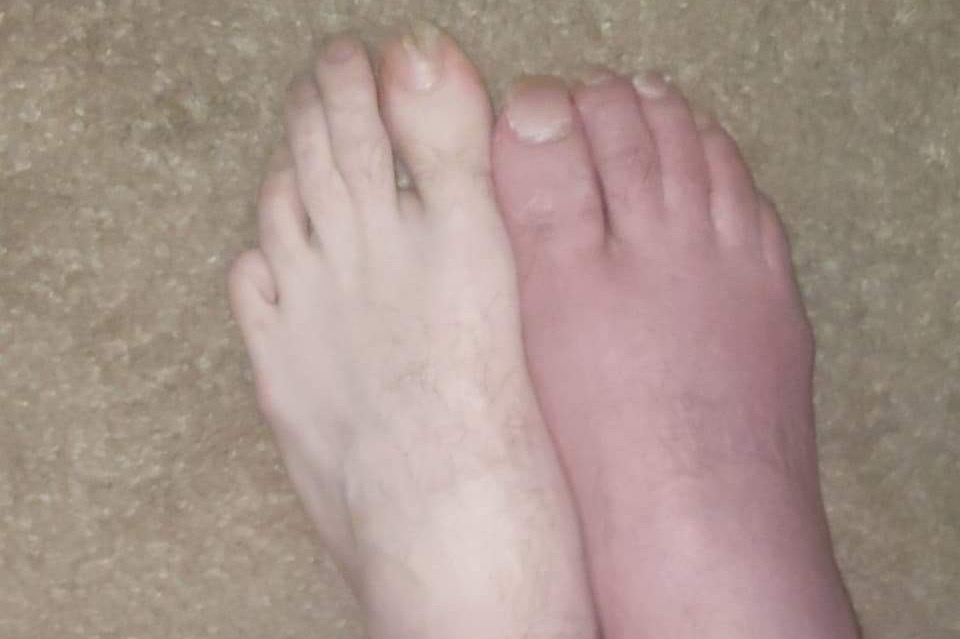
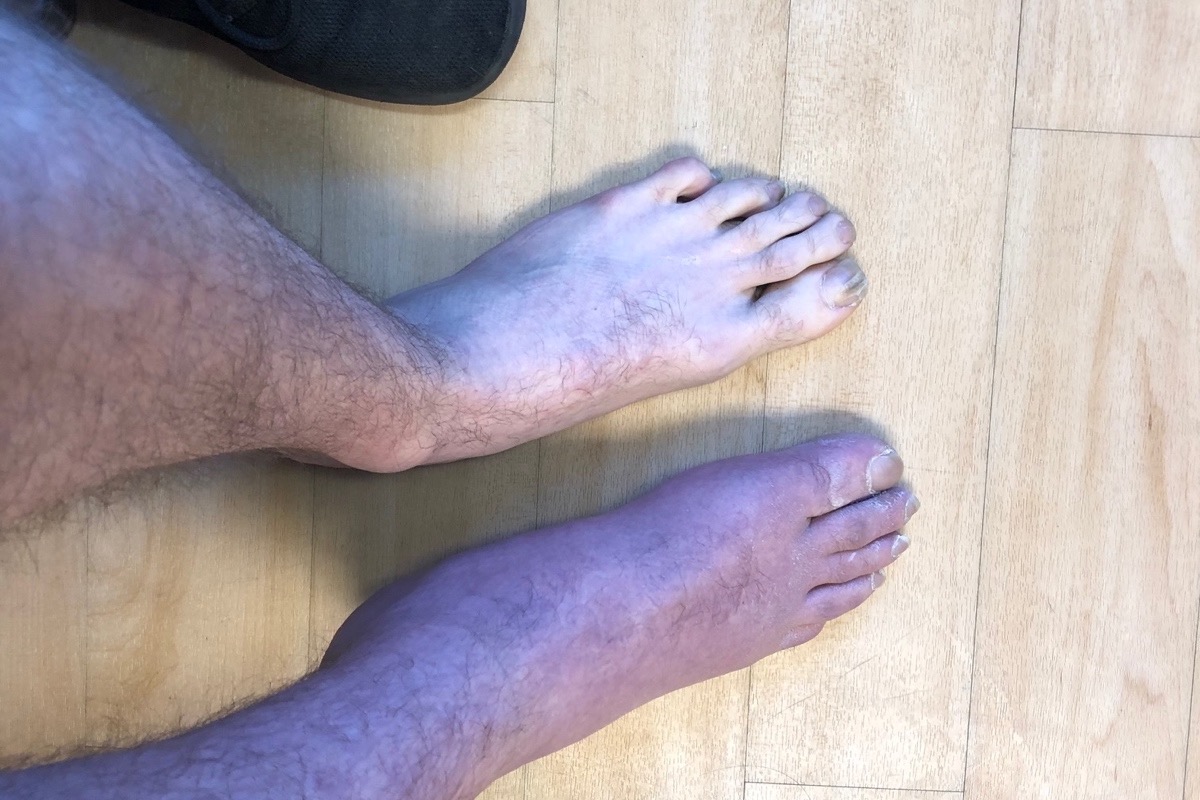
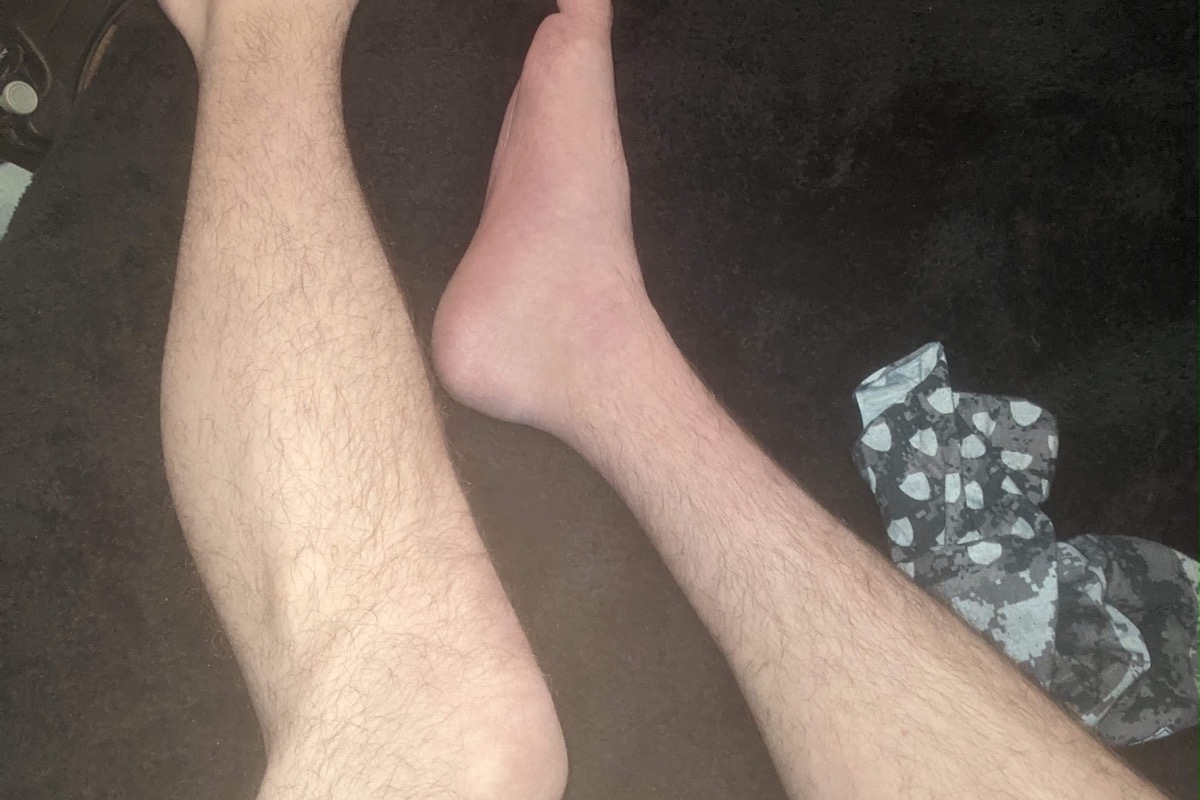
Ryan was initially on crutches as he could not and still cannot weight bear on his right foot. He has had many X-rays, MRI's and CAT scans done to reveal a cause of his pain. These tests showed that nothing was damaged, broken, or sprained. However, his foot remained ice cold, swollen, discolored, and in intense pain. His foot pain is a constant 24/7 pain, and this presents daily challenges for him.
He was referred to an orthopedic doctor and the ultimately to a physiatrist who then prescribed a month long course of steroids that successfully reduced the swelling in his foot. However, the ice cold skin, the discoloration and intense pain remained. A physiatrist is a doctor that specializes in physical medicine and rehabilitation. It's a branch of medicine that aims to restore functional ability and quality of life to people with physical impairments or disabilities.
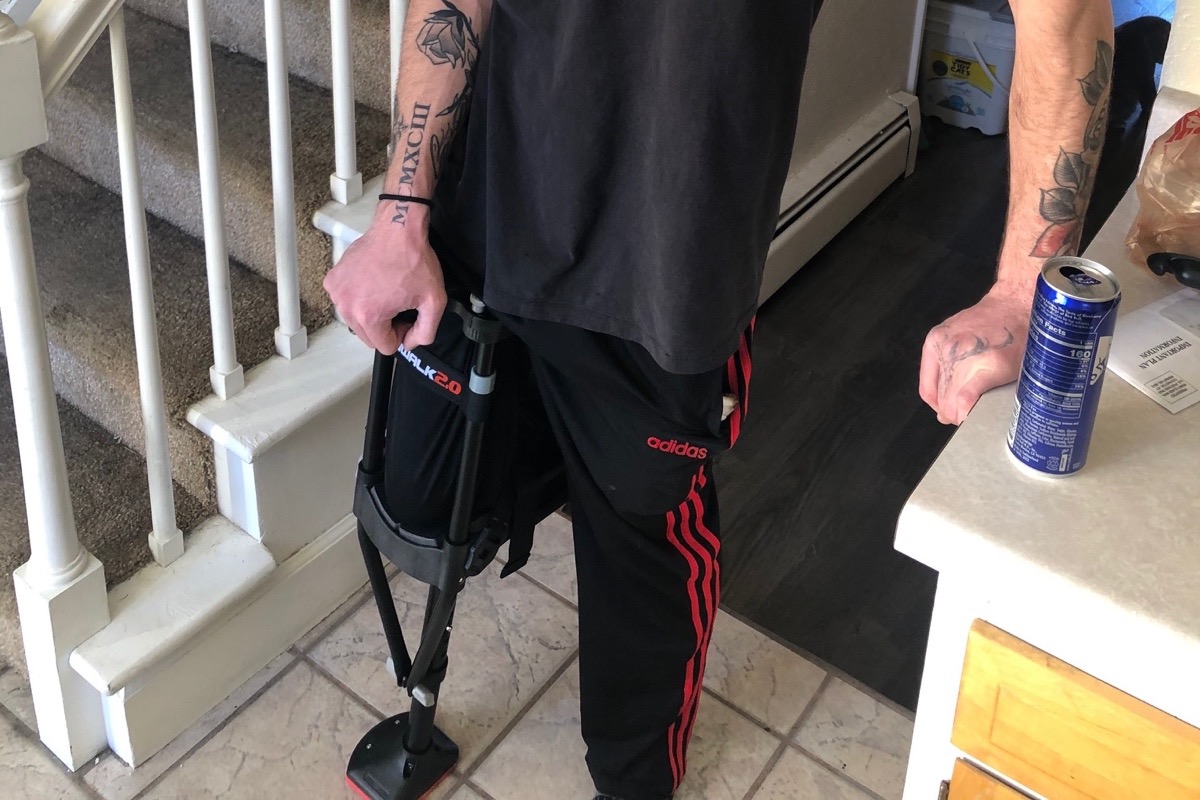
Daily, Ryan's ankle and foot are extremely cold to the touch, hypersensitive and painful. He struggles with simple tasks like putting a sock on due to pain and can only wear a slipper on his injured foot. This injury has severely impacted his mobility, and he initially was using crutches to assist him in walking. But, he had to change to another mobility device as he later started to experience hip pain. He currently walks with the aid of an IWalk device. This device allows him to be hands free, which allows him to keep working. I have included pictures of him using it. However, even this becomes difficult, and at times he has to use a wheelchair. He tires very quickly.
CRPS is so much more than just intense pain. The condition also causes sleep disturbances. Due to pain, he only sleeps 3-4 hours each night. Sleep is crucial for so many reasons, but it eludes him.
Ryan is 27 and is young and healthy. However, this disease has taken a toll on him mentally. Struggling with unending pain 24/7 with little to no relief, people who are afflicted also suffer from depression. They cannot have the life they once had, the job they once had, relationships they once had, the health they once had, and struggle with the financial aspects of treatment. This disease is dubbed the "suicide disease."
Activities of daily living such as laundry, cooking, yard work, climbing stairs, walking, and playing with his dog present daily challenges. Also, since his right foot is affected by CRPS, he is unable to drive a car. He now requires family to help him get to doctor and therapy appointments.
Ryan has not been able to weight bear on his right foot since August. Due to the lack of use of his right leg he now has significant muscle atrophy. This will only become more severe unless he can start walking again.
Most who suffer with CRPS, over time will have the condition spread to other limbs. Our goal is to find a treatment that works so that he can minimize this risk.
Ryan has used what savings he had to cover treatments, health insurance deductibles, co-pays, and medications. Due to his injury, he has had two emergency room visits, several orthopedic doctors, physiatrists, pain management specialists, and physical therapists appointment. He is active in various CRPS support groups.
I am Ryan's mom, his dad and I have been with him every step of the way on his recent journey with CRPS. We have read many books and articles to become more familiar with this disease. We have had many tests and procedures done, medications prescribed, and physical therapy. Ryan's wish is to be able to walk again normally and without pain. To hear my son say, "he just wants to be able to walk again," breaks my heart. As a parent, you want to do everything you can to help your child when they are sick or injured. Unfortunately, besides being supportive, there is little we can do for him other than be a strong support system.
I can only imagine the feeling of hopelessness that this condition brings to those who suffer from CRPS. This will be something one must learn to live with. We all have things in life that cause us pain, physically and emotionally. But we mostly find relief and are able to do most things we love to do. We look forward to our jobs, stable relationships, being able to enjoy the outdoors. Happiness with life.
I want those things for my son.
I am fundraising for donations to help him find a treatment that allows him to achieve relief from the constant pain so that he may be able to begin walking and using his leg again. CRPS sufferers, when treated early tend to have the best outcomes. Your donation can make a difference in his journey. Thank you for taking the time to read and understand what Ryan is dealing with. We also appreciate your prayers for Ryan’s complete healing. Thank you in advance for your donation! It is truly appreciated.
Ryan's Mom (Stacey)
Note: All donations received will go towards treatments listed below.
WHAT IS CRPS?:
Complex Regional Pain Syndrome and also known as Reflex Sympathetic Dystrophy, describes an array of painful conditions that are characterized by continuing regional pain that is seemingly disproportionate in time or degree to the usual course of any known trauma. It is caused by injury or surgery, or other factors. CRPS occasionally may spread from its source to elsewhere in the body, such as the opposite limb. CRPS is a disease that affects the nervous system. It is a disconnect between the brain and the nervous system. The brain sends signals to the affected area and tells the nerves that there is pain when there is not. The pain is described as excruciating. It is described as burning, stabbing, and ice-cold all at the same time. Just the softest touch creates intense, debilitating pain. This is an extremely rare disease, affecting 200,00 people annually in the US. CRPS pain is rated higher than labor pain or cancer pain. It is a devastating diagnosis.
What is CRPS
CRPS Rare Disease
CRPS Fact Sheet
Ted Talk on CRPS
WHAT IS CHRONIC PAIN?
Your nerves and brain are constantly communicating with each other. When you feel pain, it's because the nerves are sending a pain signal to your brain. The pain can be acute, and go away within a couple of months, as often happens after an injury. Or the pain can be chronic, which means that it lasts six months or longer.
CRPS and sleep issues
MEDICATIONS:
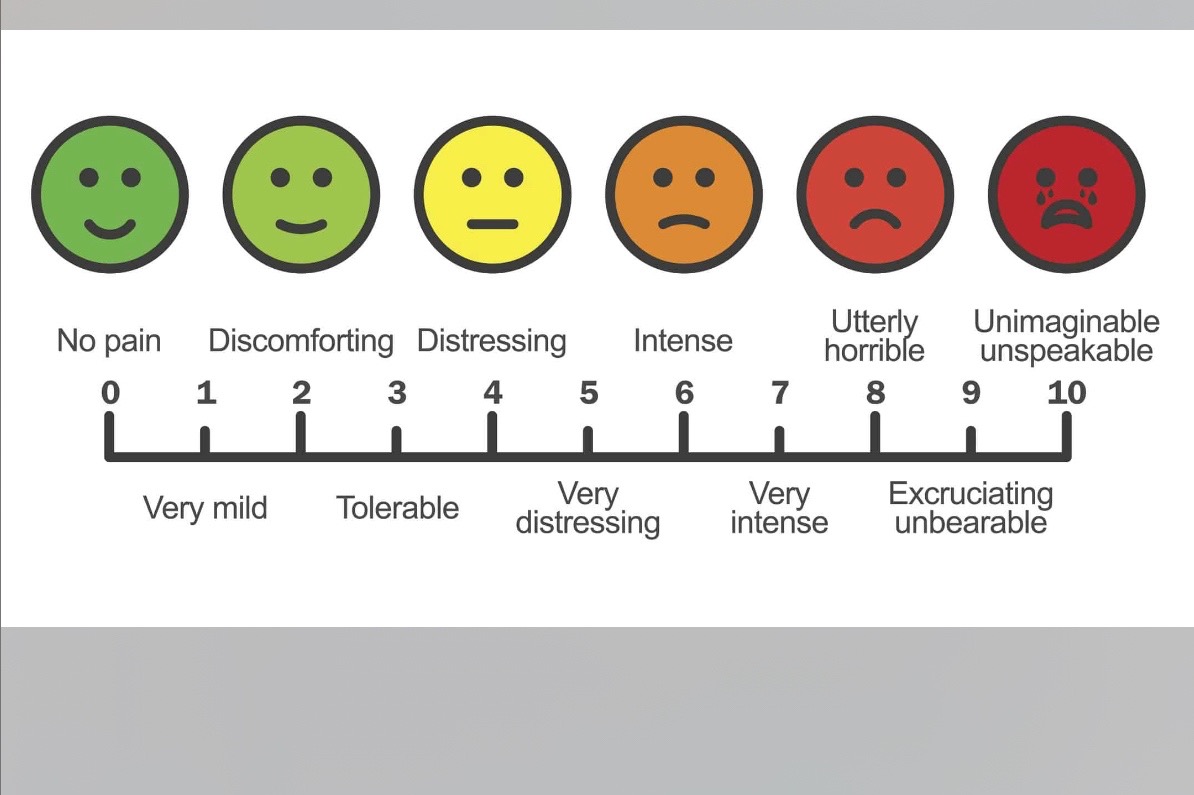
There are various medications that are prescribed to help mask the pain. There is not anyone medication that will cure what is wrong. Most medications do not provide any measurable relief. Some medications have other side effects, brain fog, and appetite issues that make them less desirable. As you would expect, some treatment medications are opiates and narcotics, which can be addictive. So far, nothing that has been prescribed for his pain has worked effectively. Most people are familiar with the pain scale of 0 (no pain) - 10 (excruciating pain); he sits at an 8-10 each and every hour of every day since August 11th. His desire to find a solution that helps him continue to live a drug-free life is most important to him.
In addition to medications, CRPS individuals also find certain vitamin regimens to help with their condition and an anti-inflammatory diet. Ryan is doing his best to utilize these non-medicinal choices.
TESTS, PROCEDURES AND TREATMENTS:
Ryan has had numerous X-rays, MRI's, CAT scans. He has had peripheral nerve blocks and sympathetic lumbar blocks, as well as ongoing physical therapy. He has also done ketamine infusion therapy. So far, none has brought any lasting relief. Some of these treatments are covered by insurance, and some are not.
REMISSION:
The term "remission" is most often used in relation to cancer. If somebody is in "complete remission" from cancer, medical investigations can find no remaining signs of the cancer.
Some people with CRPS do seemingly experience a complete remission, where all signs of their CRPS have gone. It may have gone permanently or temporarily. However, for most people said to be in remission, signs of their CRPS do remain. Therefore, remission in the CRPS context is usually better described as a "partial remission." Symptoms are reduced, sometimes considerably, and that reduced level of symptoms may be maintained for one year, five years, ten years, perhaps indefinitely.
For many people, the maintenance of that remission involves hard work. They often describe the lifestyle changes and rigorous daily regime they follow; activities to avoid, therapies to continue, and medication to take.
TREATMENTS TO DATE:
Ryan has used savings to cover these expenses (savings are now depleted)
Emergency room visits (2x) co-pays and insurance deductibles
Specialists co-pays (Orthopedic doctors, Physiatrist and pain mgmt doctors)
Procedure co-pays (nerve blocks)
Medications and adaptive devices, IWalk device
Physical therapy co-pays
Ketamine Infusion Therapy
IWalk Hands Free Device
Sympathetic Nerve Block Lumbar
POTENTIAL TREATMENTS AND PROCEDURES AND ASSOCIATED COSTS:
InterX Therapy in Dallas, TX $6,000-$7,000
Three total weeks of treatments, purchase of home-use device, travel, and missed time from work—treatment not covered by insurance. The treatment consists of neural stimulation with InterX devices, once a day for ten days. The patient is then sent home with a single home-use device to continue treatments. He would need to return for another week of treatments after a short break.
InterX Therapy Treatment
Ketamine Infusion Therapy Denver (Local) $4,000 annually
(if pain reduction is achieved)
A series of 6 + treatments at $350 each, not covered by insurance. Ryan has done a series of 6 treatments so far, which has provided some temporary hypersensitivity reduction. Additional treatments are being recommended to see if pain reduction can be achieved. If pain reduction can be achieved, monthly infusions would be needed to maintain relief.
What is Ketamine Infusion Therapy
Spinal cord stimulator $18,000-$20,000
Requires a trial of 7 days with a surgery to place it and another surgery to place it permanently. After the surgery, there will be physical restrictions for up to a few weeks that will prevent him from working. The co-insurance is 30%, which would cost Ryan $18,000 to $20,000.
A spinal cord stimulator is a device that has wires that are surgically implanted in your spine. It works by interrupting pain signals before they reach your brain. The device emits an electrical stimulation current to help calm the nerves in the leg. This option is considered successful if pain is reduced by 50%. There are many people who choose this option, and it is not successful. It is expensive even with insurance, and due to placement on your spine, it can have complications (infections, device failure, allergic reaction, paralysis). It requires two surgeries (one - trial placement and one - surgery to permanently implant the device). And a third surgery to remove if it fails to work. This option is not ideal but would be considered if other treatments do not work.
Spinal Cord Stimulator SCS info and video
Spero Clinic, Arkansas $ unknown
Spero Clinic