- E
- E
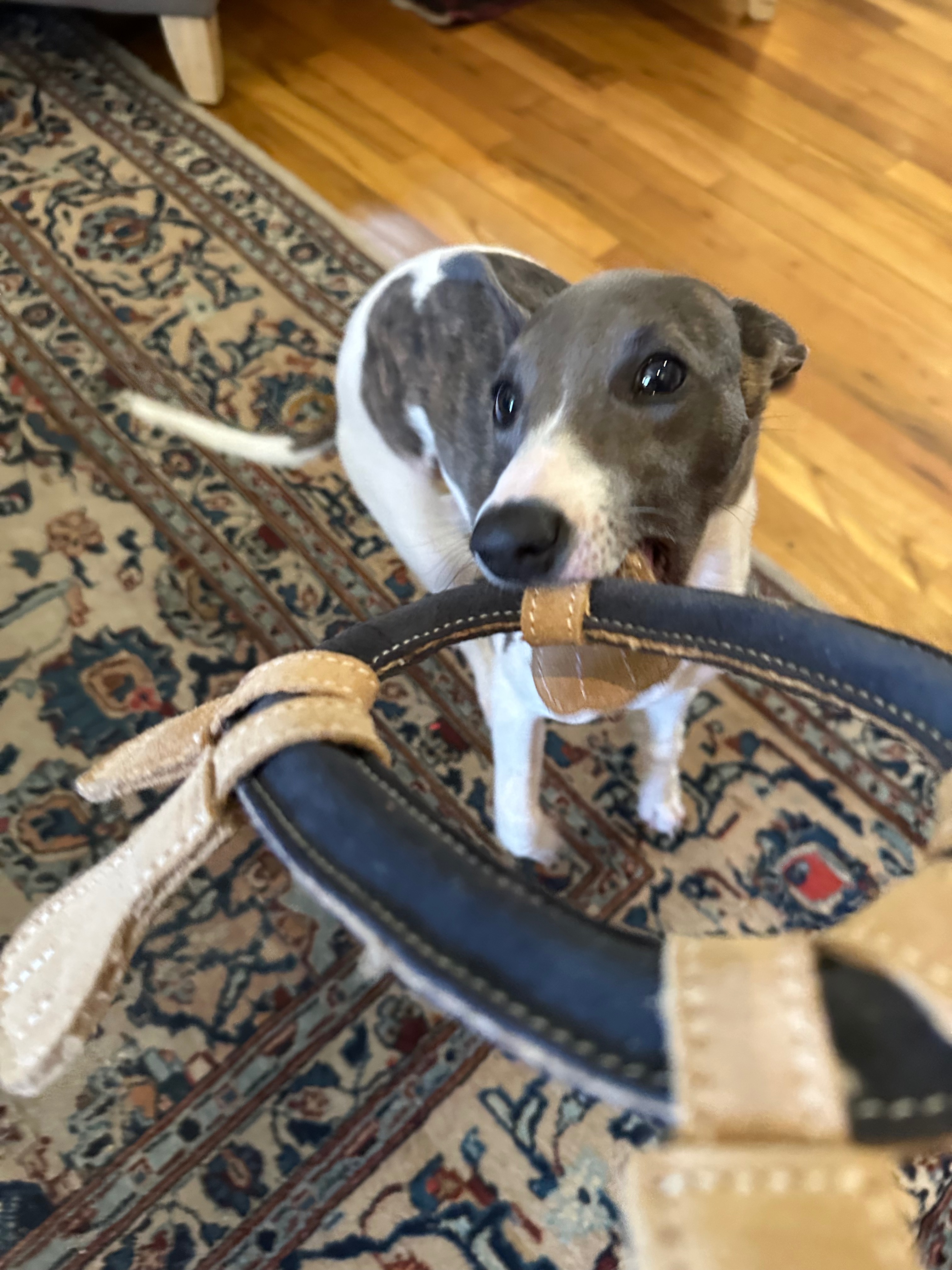
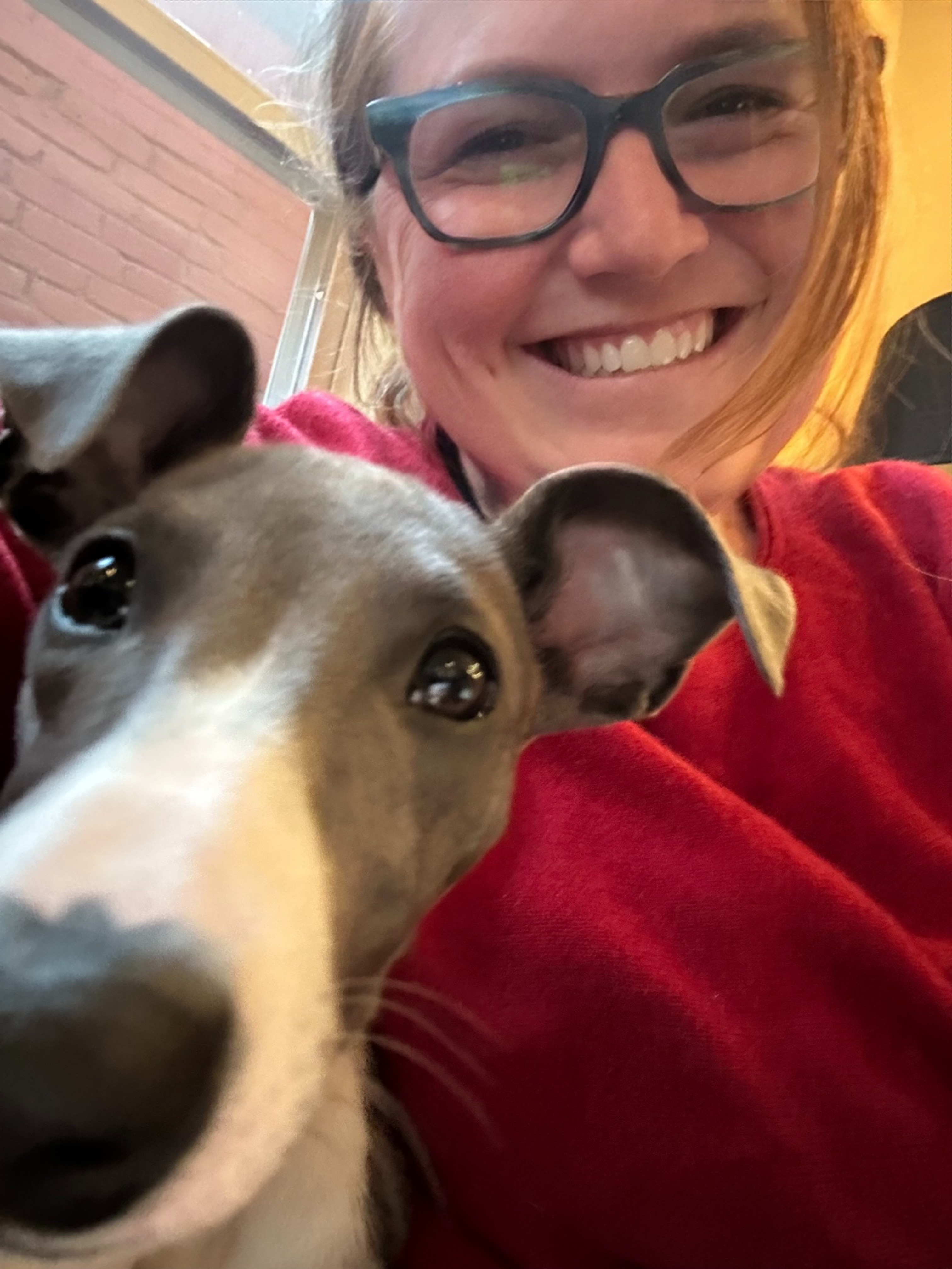
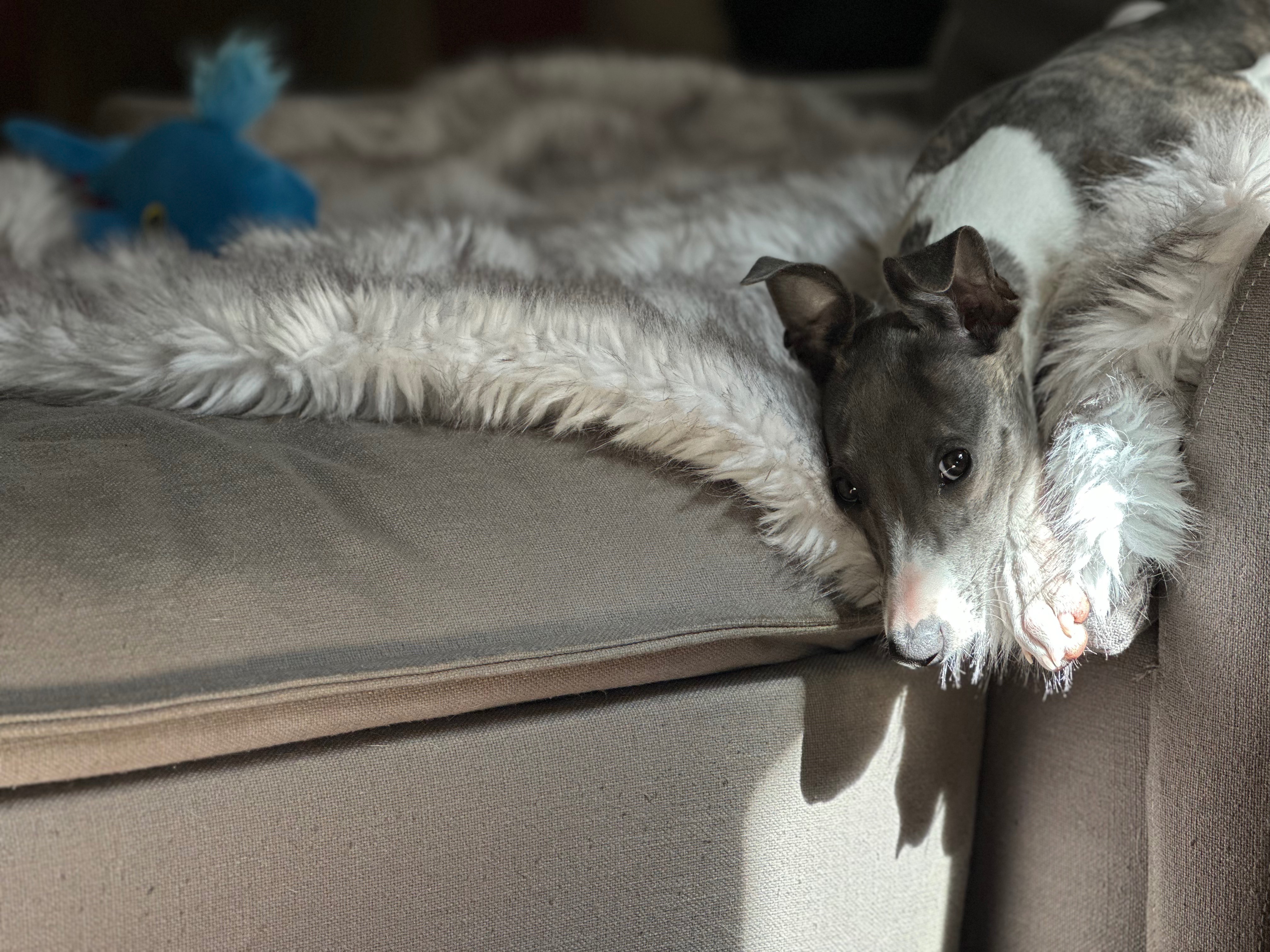
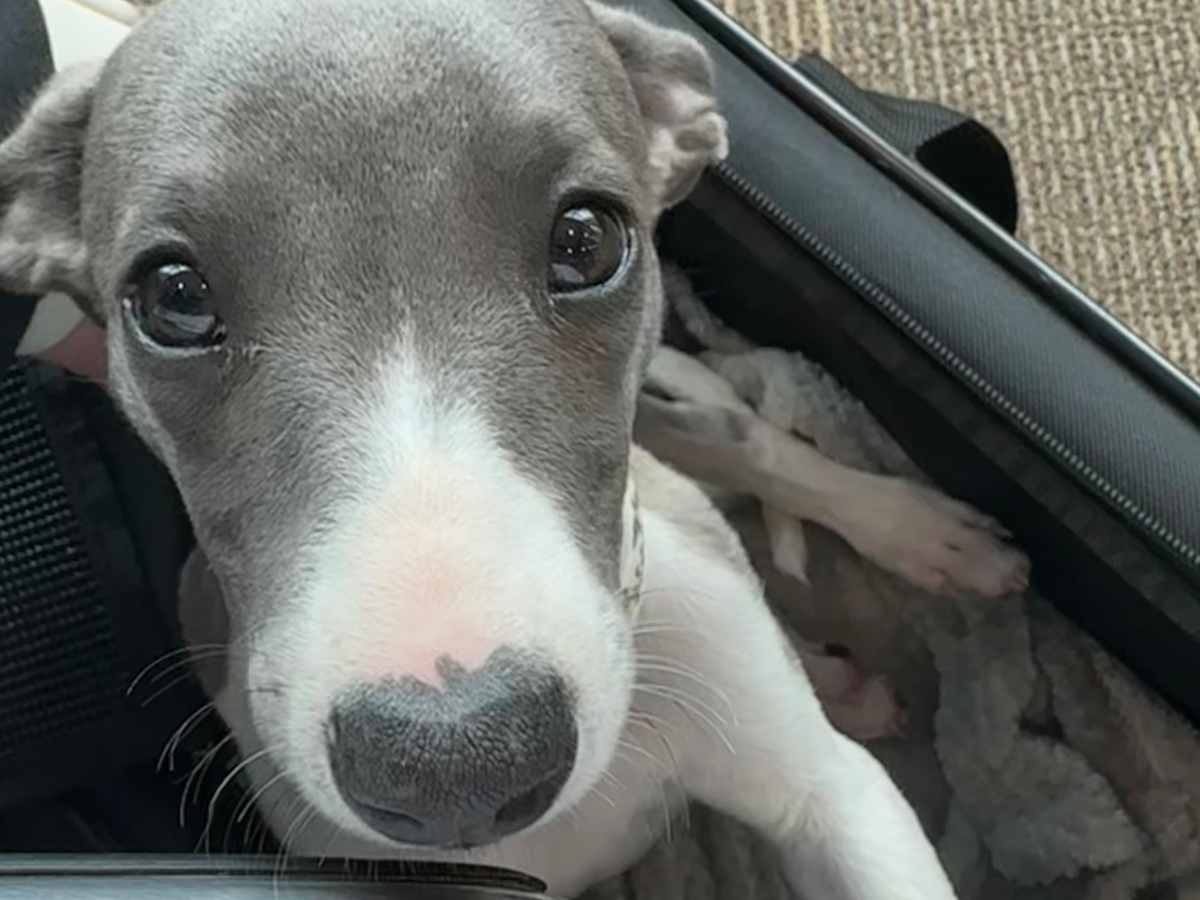
When we brought Roxy home at 11 weeks old, we knew she was special. At barely six pounds, she was the smallest in her litter — an adorable runt with huge ears, an even bigger personality, and legs that didn’t quite work the way they should.
We didn’t care about the legs.
She was ours.
I booked an orthopedic evaluation for her at Colorado State University’s Veterinary Teaching Hospital thinking they would show us some exercises we could do to strengthen her leg muscles. And that’s when we learned just how serious it is.
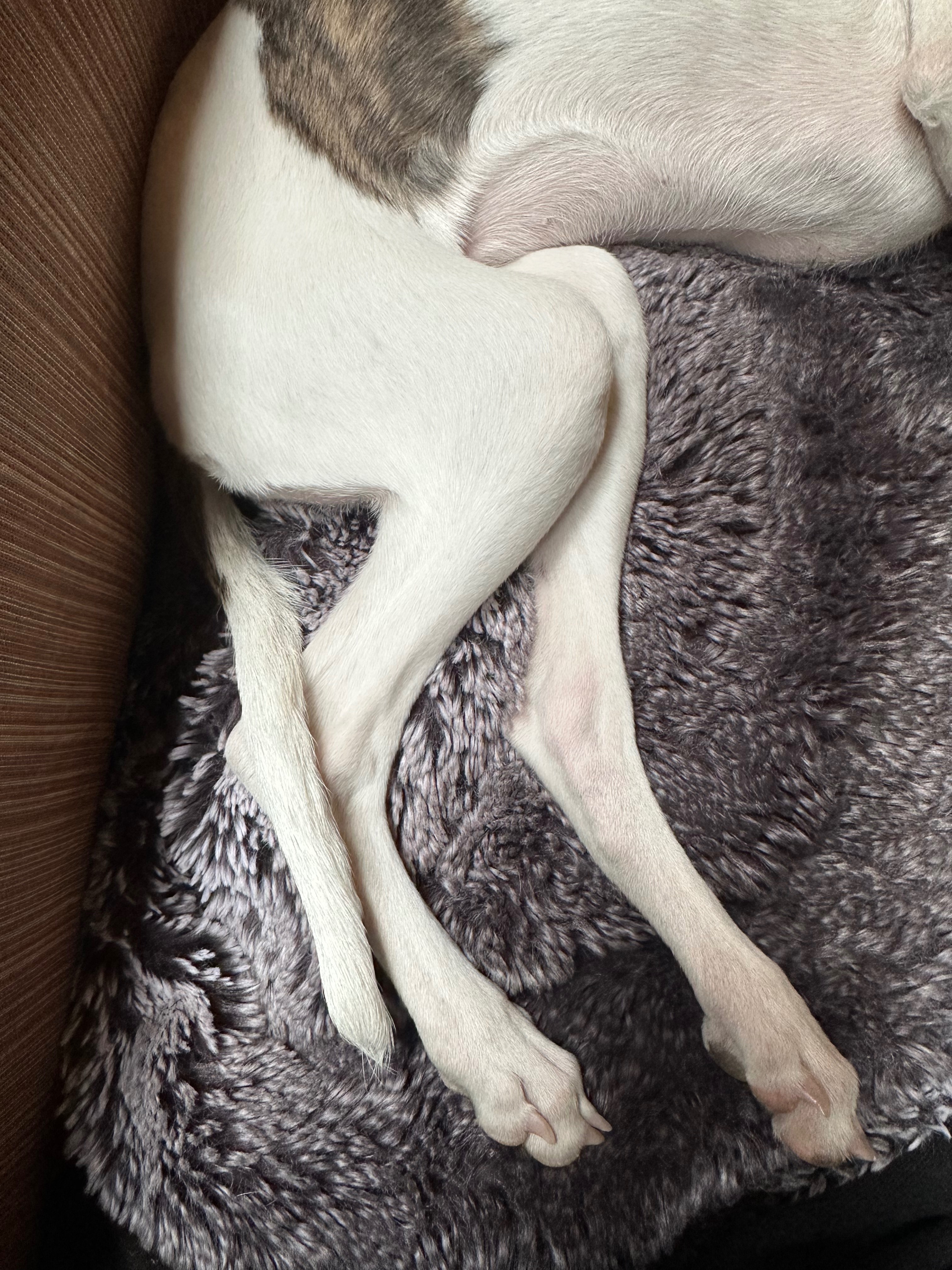
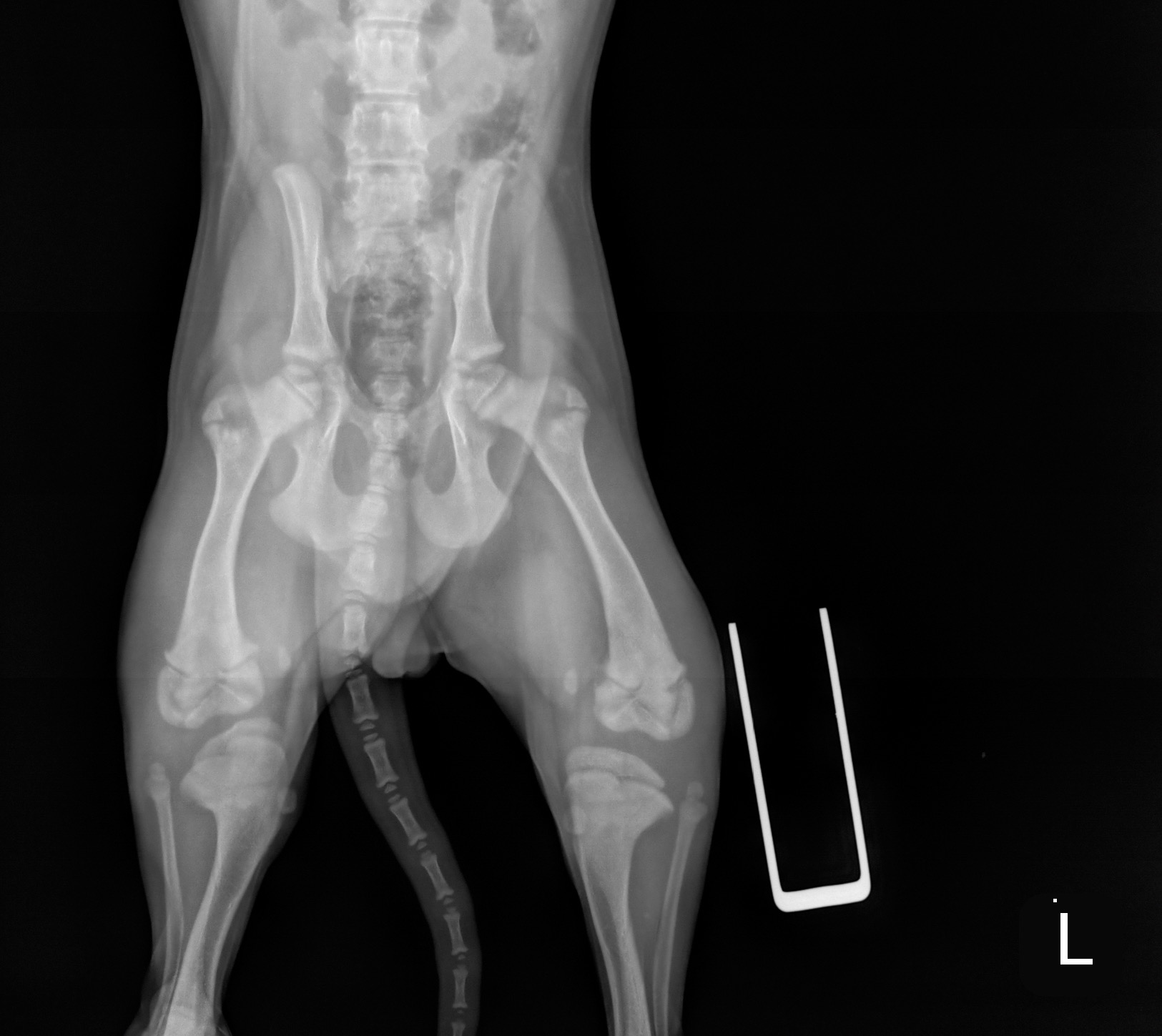
Roxy was born with both of her back legs turned inward — a structural deformity that affects how her kneecaps, muscles, and bones are developing as she grows.
She has bilateral femoral and tibial deformations and medial patellar luxation — grade 4 out of 4, the most severe form — in both hind legs. In simple terms:
- Instead of being in front of her legs where kneecaps are supposed to be, Roxy’s are on the inside of each knee joint
- Her kneecaps can’t be moved into the right position without surgery — all of her ligaments, tendons, and muscles are tracking with the misplaced kneecaps
- The large muscles in her thighs pull in the wrong direction and are underdeveloped
- As she grows, her bones are twisting and bowing more and more
Time is not on Roxy’s side.
She’s only 14 weeks old, and she already has a pain score. Every day, her muscles and soft tissues adapt to the wrong alignment, pulling her growing bones further out of position. The longer we wait, the worse it gets — and the harder the surgery becomes.
Roxy is in incredible hands.
Our little girl is under the care of Dr. Joey Sapora, a really smart and kind Clinical Orthopedic Surgeon at Colorado State University, who specializes in cases exactly like hers. Cases this severe in a puppy this young are exceptionally rare. Early intervention gives Roxy her best shot at a successful correction.
Here’s what Roxy is facing.
There is a two-part plan:
First, operate now, while she’s still growing, using her own development to help straighten her bones. He’ll shut down a portion of her growth plate, perform soft tissue releases, and place a special screw to help her quadriceps track correctly — on both legs at the same time.
After surgery, she’ll need follow-up exams and x-rays every two weeks, plus aggressive rehabilitation therapy.
Later when she’s fully grown (at around 10 to 12 months,) she’ll need a second, more complex surgery to cut and straighten her thigh and shin bones. I have time to plan and save for that one.
What I need help with right now is getting her through this first surgery and the recovery care that follows.
The Cost.
Surgery estimate: $6,800–$7,800
Post-surgical Rehabilitation at CSU: $1,800
Ongoing Rehabilitation Leading to Second Surgery: $2,000+
This cost doesn’t include the ongoing follow-up exams and imaging she’ll need throughout her recovery. We’ve already spent over $2,000 on diagnostics and care to get her to this point — including a CT scan and analysis — and our goal of $10,000 will help cover this critical first phase of treatment.
Our pet insurance has classified her condition as pre-existing, so none of this will be covered, and nothing related to this condition will be covered in the future.
If we exceed our goal, every additional dollar goes toward Roxy’s ongoing rehabilitation and her second surgery down the road. If, by chance, we exceed the goal beyond the cost of rehab and the second surgery, all monies will be donated to the 15/10 Foundation, who partner with trusted organizations to sponsor free and low-cost veterinary clinics that provide life-saving medical care for dogs in underserved areas.
Why this matters.
Without surgery, Roxy’s future is painful and short. As her bones continue to twist and her muscles tighten around the deformity, she faces chronic pain, crippling arthritis, and eventually hind legs that no longer function. It’s not just a diminished quality of life. It’s a shortened one.
With surgery, Roxy gets a chance. A chance to grow up without constant pain. A chance to play, and chase, and do all the ridiculous things puppies are supposed to do. A chance to run the way whippets were born to.
Right now, she doesn’t know her legs are different. She tears around the house, ambushes our ankles, steals socks, and has a personal vendetta against tissue boxes that she is winning decisively. We want to keep that joy in her life for as long as possible — and we can’t do it alone.
Every donor becomes part of Team Roxy. We’ll share photos, video updates, and milestones throughout her recovery — you’ll get to watch her heal and grow.
No contribution is too small, and if you’re not able to give, simply sharing Roxy’s story means the world to us.
Thank you for being part of her journey.
With so much gratitude,
Shannon
Organizer