- J
- A
- K

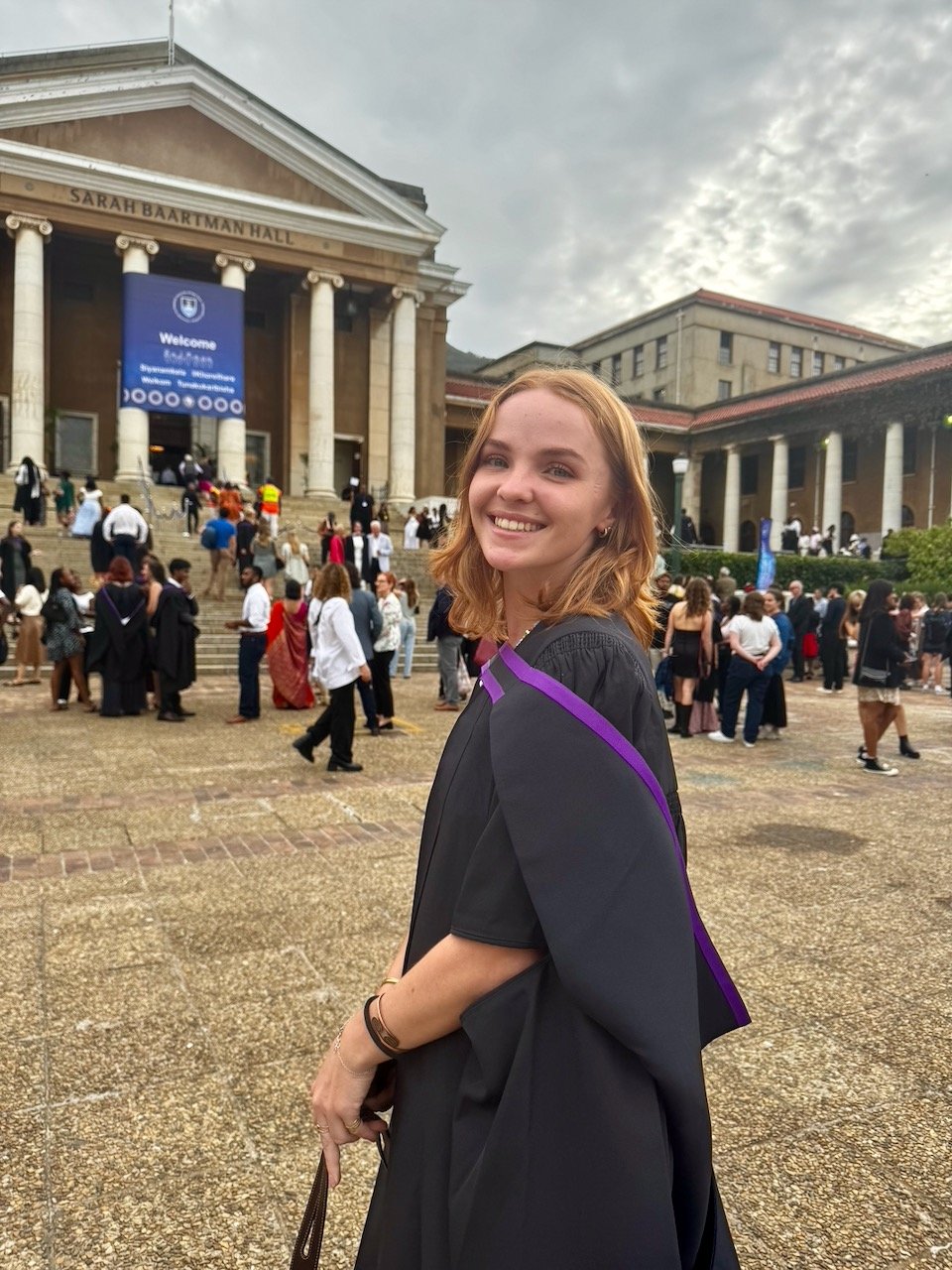
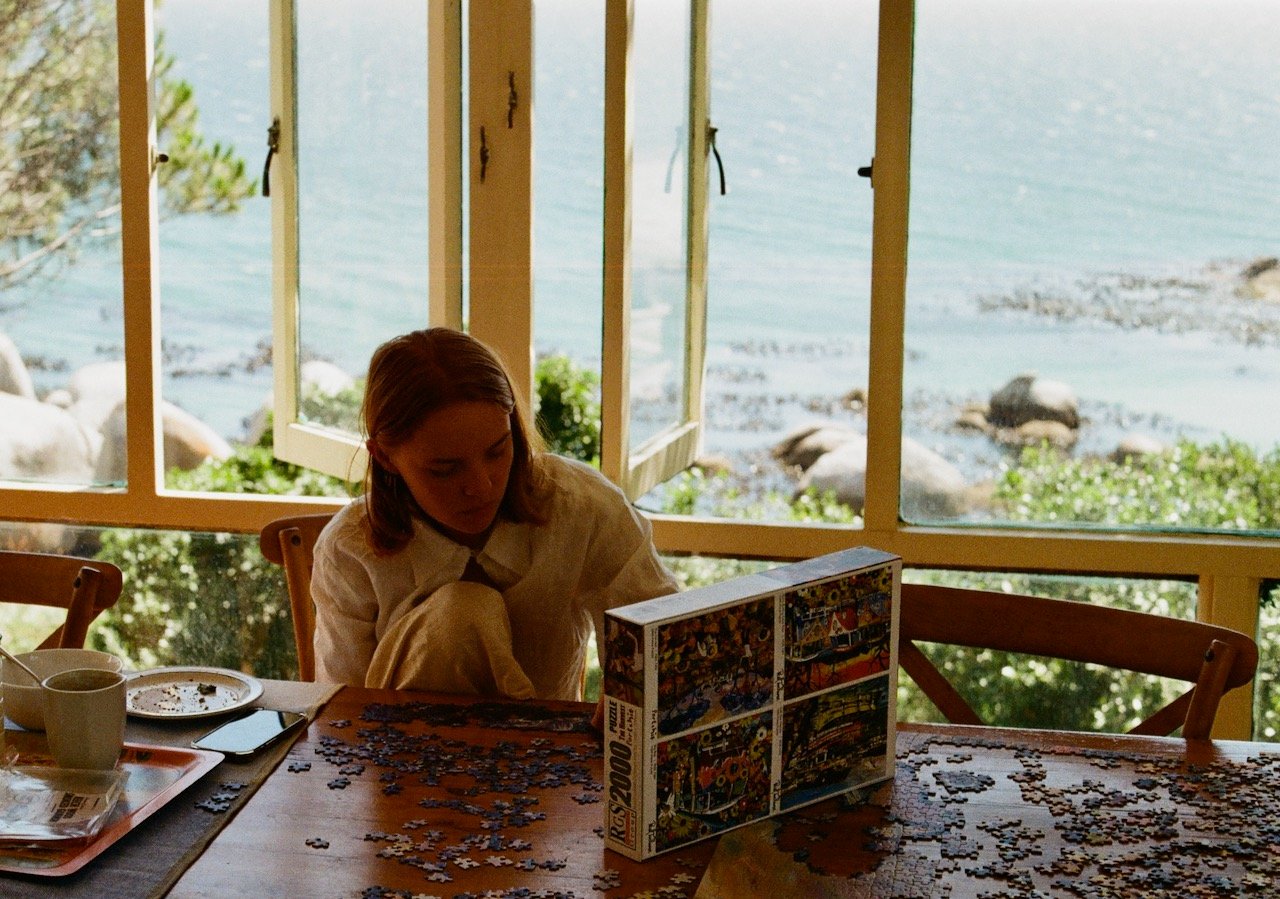
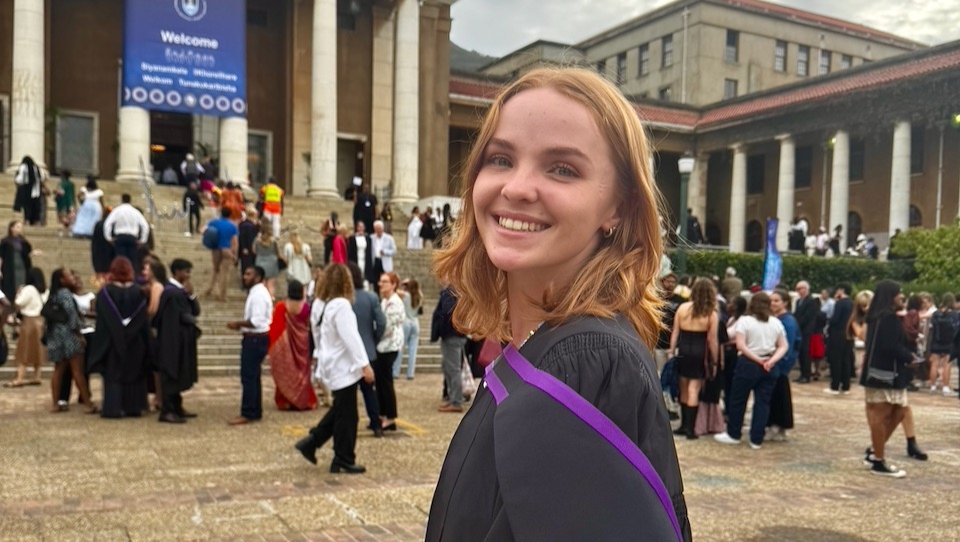
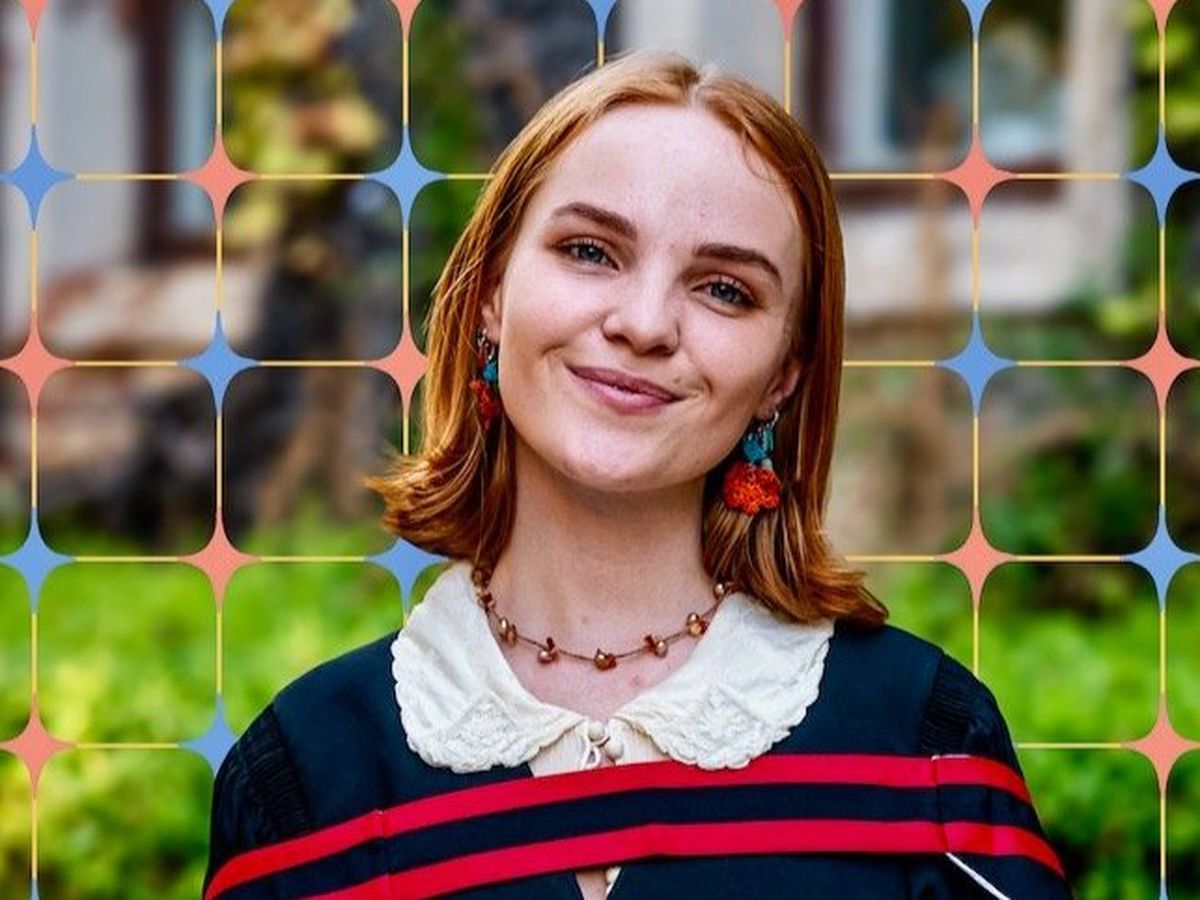
Rosie finished her Honours degree in Bioinformatics at the top of her class. She has been accepted to Cambridge for her master's in Computational Biology. She is twenty three, working at the intersection of biology and computing, and has spent the last six months trying to raise tuition fees.
Her offer is conditional on proof that she can pay. She has applied for every scholarship and bursary she could find - Cambridge Trust, South African overseas education funding, every route she and the people around her could identify. Most responses are still pending, but a few have already come back as no.
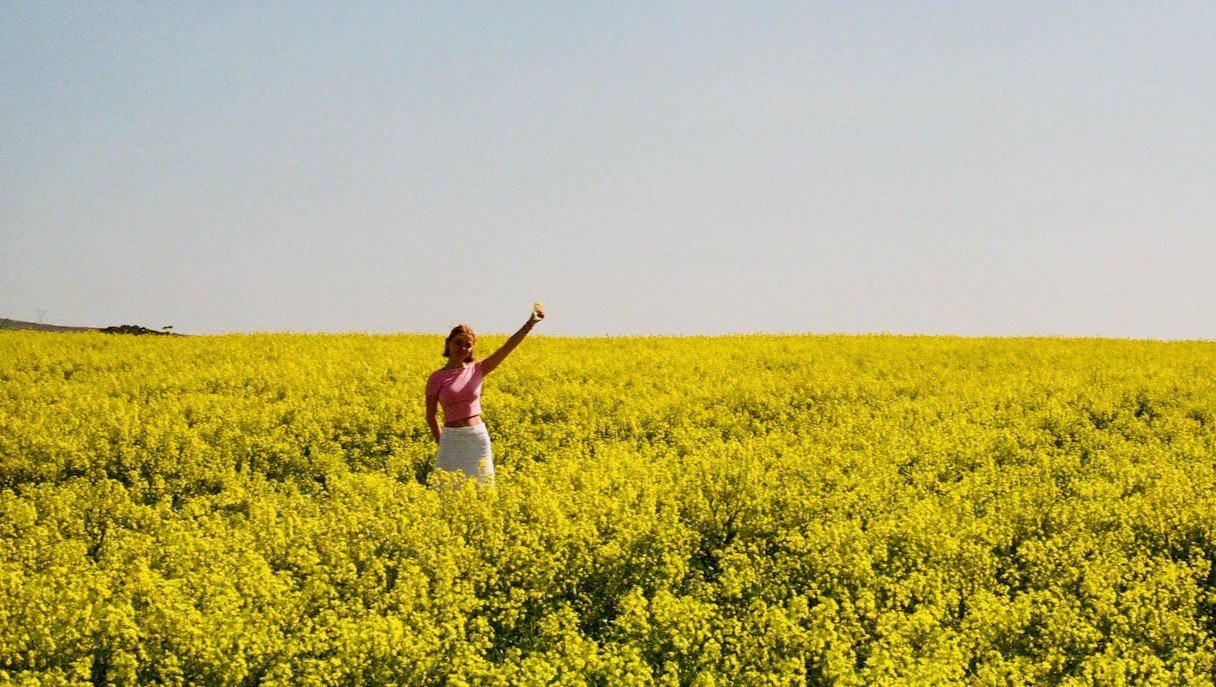
Timing has worked against her. The Cambridge offer was made in March, by which point many funding deadlines had already closed.
A student loan would be her backup plan, but is something she would rather not do. She’s not asking for sympathy. She is asking for help.
Rosie is a data detective. She looks for patterns in biological data, clues that point toward how diseases work and how to treat them. Her Honours thesis used machine learning to predict how cancer cells respond to different drug treatments. Before that she completed undergraduate degrees in Genetics and Computer Science in parallel, graduating with distinctions in both.
She works full time at a Cape Town tech company, building AI tools and web applications. Her days run from eight to five, with her evenings spent on Cambridge research, visa admin, and funding applications. She also finds creative ways to avoid doing laundry.
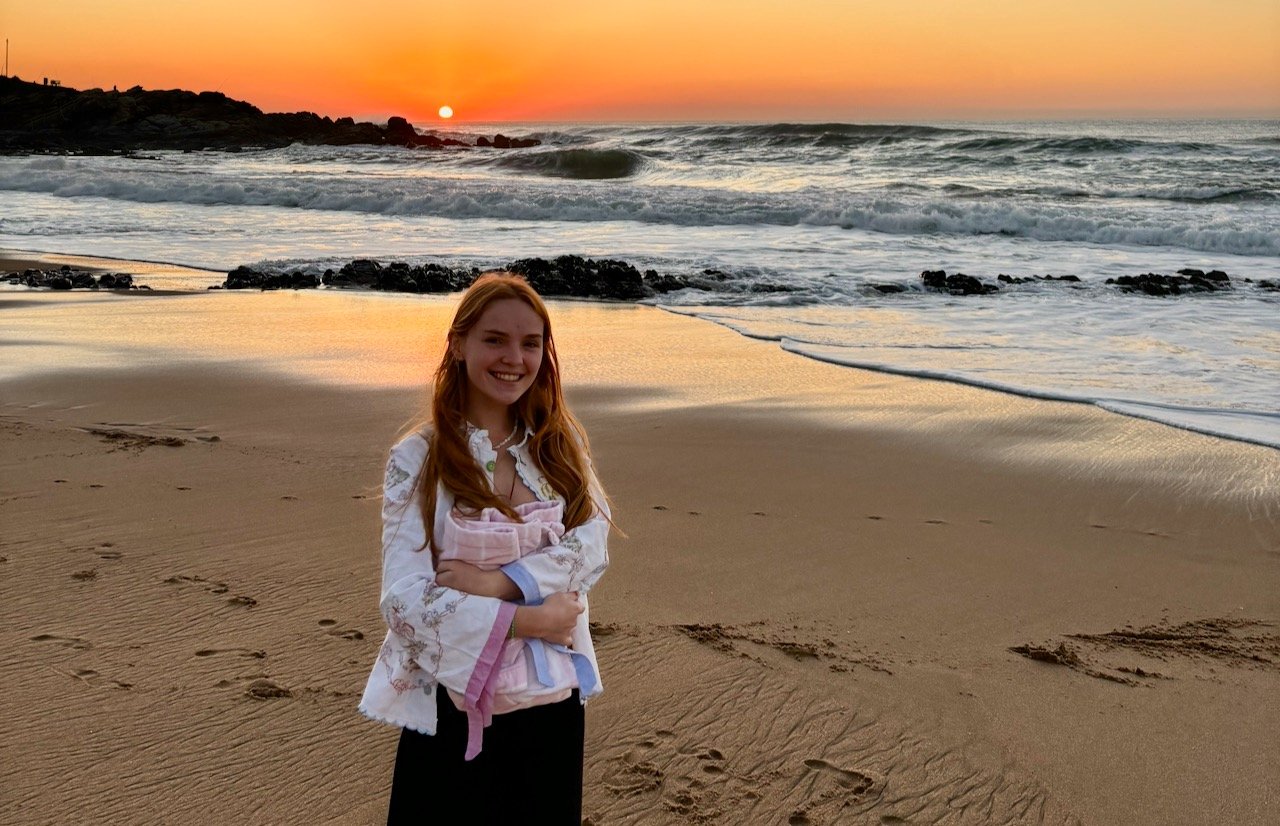
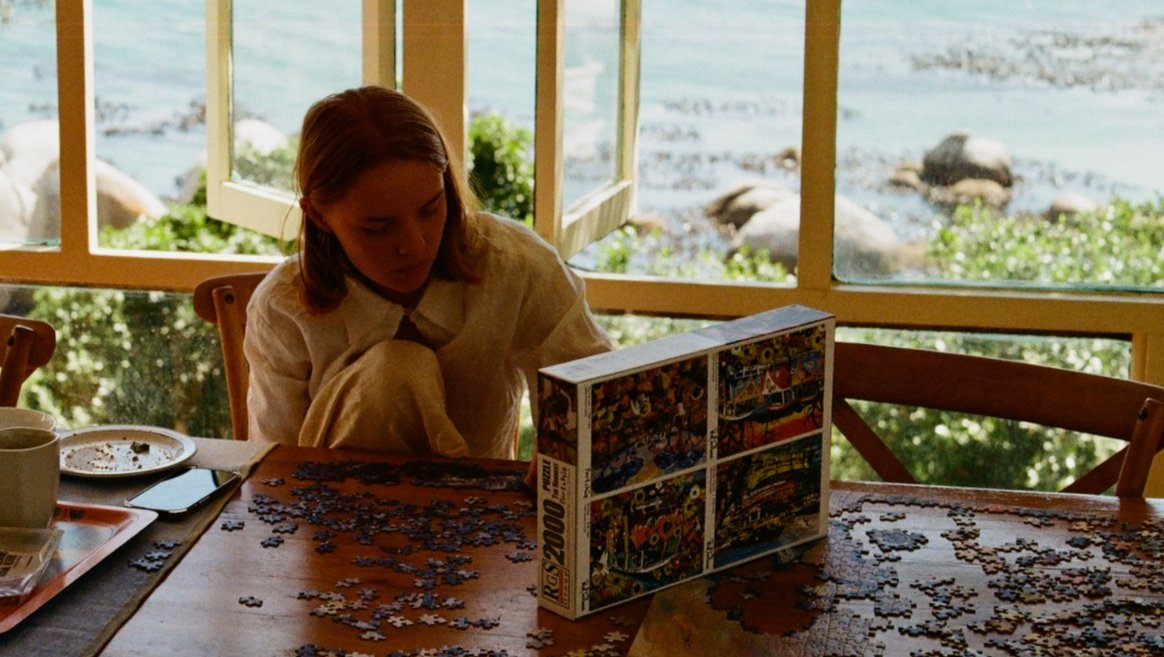
When she is not working she is making something: sewing, etching, mosaic tiling, collaging. She loves puzzles. She loves hiking. She is also quieter than you’d expect.
Computational biology applies machine learning and advanced computing to biological problems. As biological datasets grow beyond what traditional analysis can handle, computational tools allow the field to move forward.
The same methods sit behind drug discovery, genomics, and epidemic modelling. AlphaFold is one example - an AI system that solved protein structure prediction, one of biology's longest standing problems. That’s the sort of problem she’d like to tackle.
At Cambridge she’ll get the mathematical and biological grounding to work on this sort of challenge. Cambridge is one of the world's leading research institutions in this area.
Rosie is not doing this for ambition. She is doing it because it is the most interesting problem she has found.
If this campaign does not raise enough, Rosie has decided that rather than not take up this opportunity, she will take out a student loan. She is willing to spend the first ten to fifteen years of her working life paying off this degree rather than not go.
A decade of debt is a lot to carry into a research career. If there is another way, it is worth trying.
This is that try.
Any amount will move this forward. If you cannot give but know someone who might, sharing this page is just as useful.
Rosie normally tries to manage things on her own, but she really needs help with this now. Any support would be greatly appreciated.
Help her get to Cambridge