- K
- I

Help Publish the Learning Engineering Body of Knowledge
0% complete
$6,100 raised of
46 donations
Hi I'm Jim Goodell, lead editor of Learning Engineering Toolkit. When I'm not promoting learning engineering I'm founder of INFERable, a Public Benefit Corporation where I support key initiatives and technologies that empower learners and workers with their data. I volunteer as Chair of the IEEE Learning Technology Standards Committee.
I'm raising money to fund the open access publication and ongoing community development of a Guide to the Learning Engineering Body of Knowledge based on an initial draft I started working on last November. In addition to print and Wiki version of the Guide, the funding will also support initial hosting of a machine-readable competency framework implementation of the Guide in the IEEE Sharable Competency Definition format. This may be used to link learning resources, learning event metadata, and digital credentials to the topics and subtopics in the framework.
The purpose of the Guide is to define key knowledge areas and topics within the process and practice of learning engineering to:
- Promote a consistent view of learning engineering worldwide
- Position learning engineering as a multi-disciplinary process and practice, recognizing the disciplines that contribute to learning engineering, and specifying how each discipline contributes to effective learning engineering
- Provide topical access to the Learning Engineering Body of Knowledge in a way that each topic and subtopic may be uniquely identified, used in human-readable and machine-readable formats, and referenced within curriculum, credentials, job descriptions, licensing materials, assessment, and other resources used to support learning, development, and human resources sourcing of learning engineering teams.
The Guide is organized into 14 knowledge areas (KAs)(level x.) followed by several appendices. Within each knowledge are knowledge topics (level x.x) and subtopics (level x.x.x).
Figure 1. An example page showing draft Knowledge Area, Topic, and Subtopic.
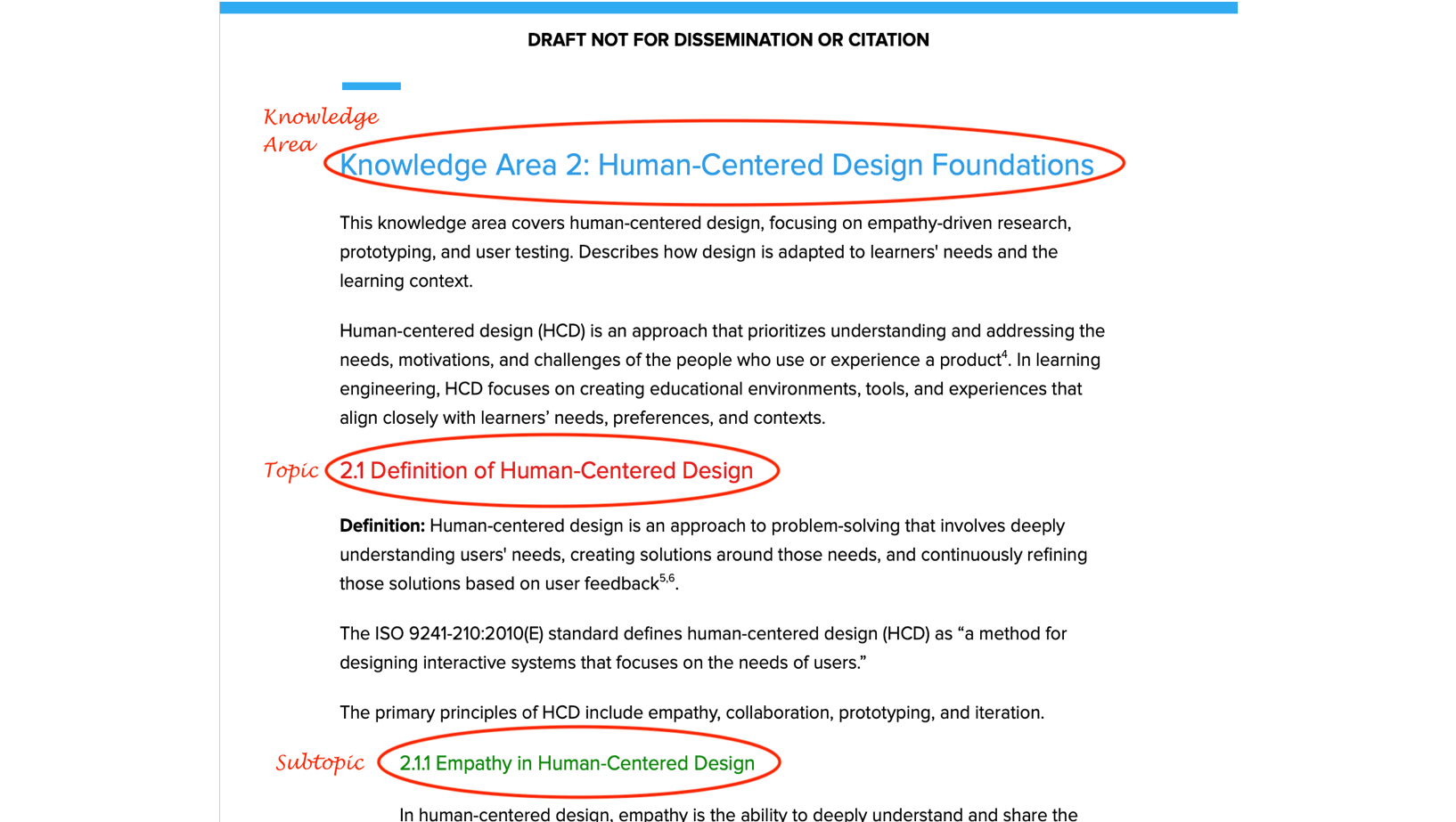
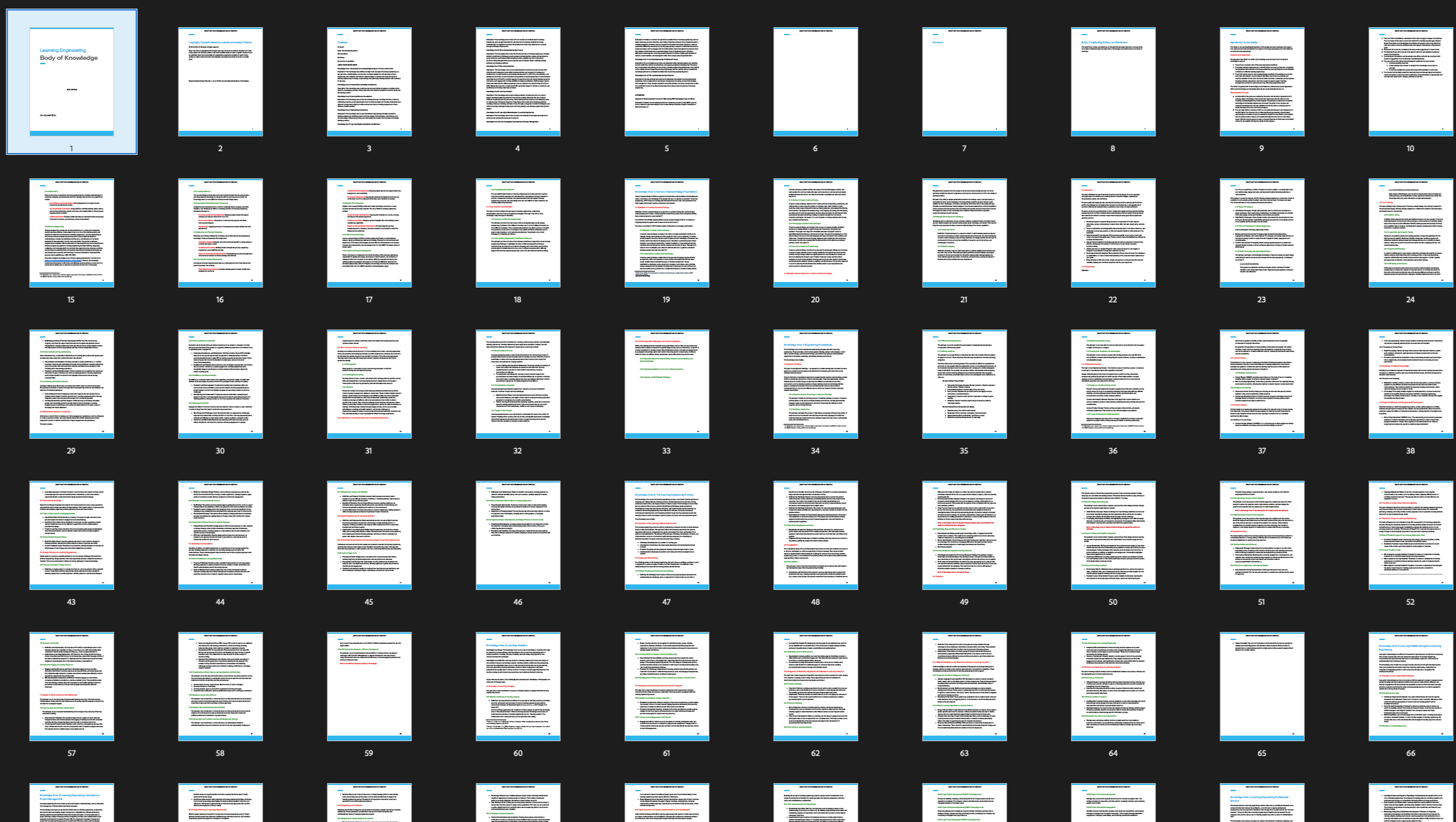
Figure 2. The existing draft as a PDF has over 100 pages of content defining the knowledge areas of the process and practice of learning engineering.
This funding will serve three purposes:
- Cover set up, hosting and administrative costs of an open source community for an initial 1-3 years
- Support vetting and iterative improvement of my initial draft by the community
- Serve as a signal of market demand to help right-size the ambitions of this project. (Let people and organizations "vote with their wallet" to indicate how much they would value an openly accessible and reference LE BOK.)
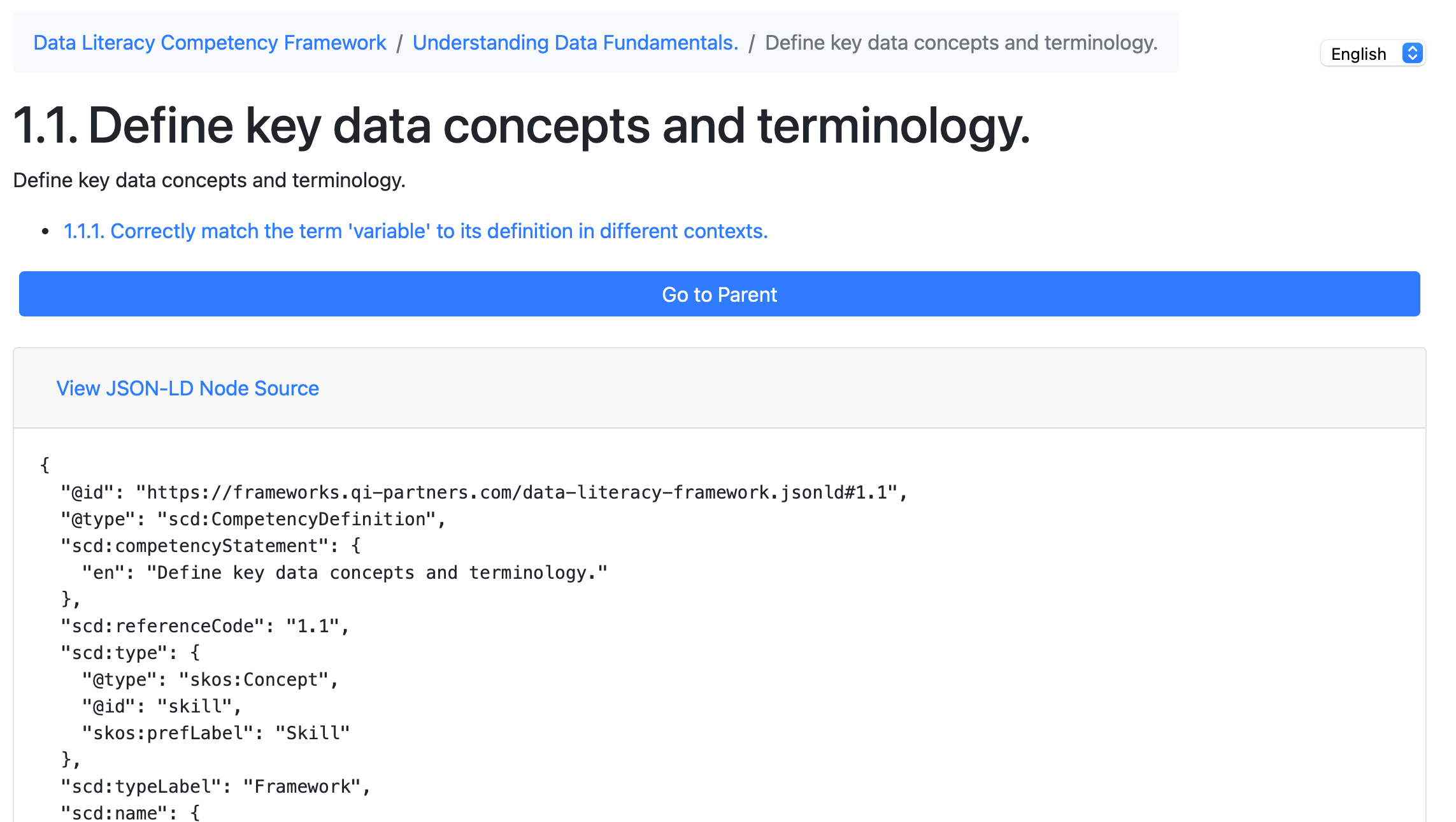
Figure 3. Example of a framework published in machine-readable standard format. The LE BOK will be available as linked data for integration into content and applications.
How Funds Will Be Used
<$4,500 received: Publish the "beta" version of the LE BOK guide as a PDF
$4,500 - $9,000: Publish the "beta" version LE BOK in both human and machine-readable formats (PDF, SCD IEEE 1484.20.3, moderated Wiki)
> $17,000: Establish governance for an open source community to maintain the Guide and engage community in vetting and publishing a version 1.0 of the LE BOK Guide.
Long-term Sustainability and Maintenance
- The initial funding will cover set up, hosting and administrative costs for an initial 1-3 years. INFERable will be the initial steward of the resource.
- Ongoing maintenance and facilitation of future updates will require additional funding through sponsorships, memberships, and donations.
- Programs that offer education, training, and certification of learning engineering will be able to promote their programs on the site. Premium sponsors will be prominently placed on as part of ad rotation on the main landing page. Ads will also appear on knowledge area, topic, and subtopic pages.
- Companies that offer tools and services to learning engineering professionals will be able to likewise promote their offerings on the site.
- In the future we may offer subscription-based memberships for those who want to be most active in the community. Benefits may include participation in governance of the Guide, early access to resources and other perks.
Impact Statement
The Guide to the Learning Engineering Body of Knowledge will fill a gap for an authoritative reference of the knowledge areas, topics, and subtopics of learning engineering. This will be used to defining training and credentialing of learning engineering professionals. In addition to human-readable definitions, the machine-readable resources will support direct linking metadata from training offering metadata, learning resources, and digital credentials, including links to skills definitions and rubrics.
Organizer