- R
Help Protect the Porcupine Caribou Herd in ANWR
0% complete
$2,025 raised of
10 donations
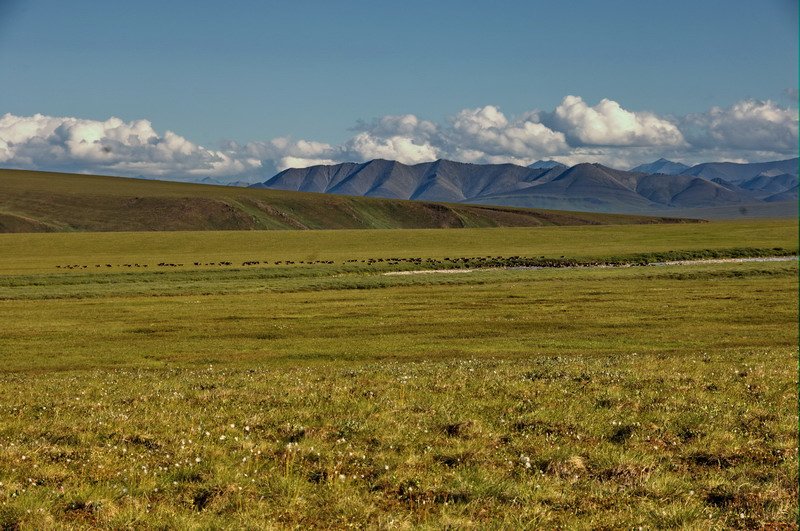
Seismic operations in support of oil and gas development within the Arctic National Wildlife Refuge have the potential to severely impact the population and migration dynamics of the Porcupine Caribou Herd which has calved here for millennia.
I am working hard to ensure that this outcome does not occur and would like your help.
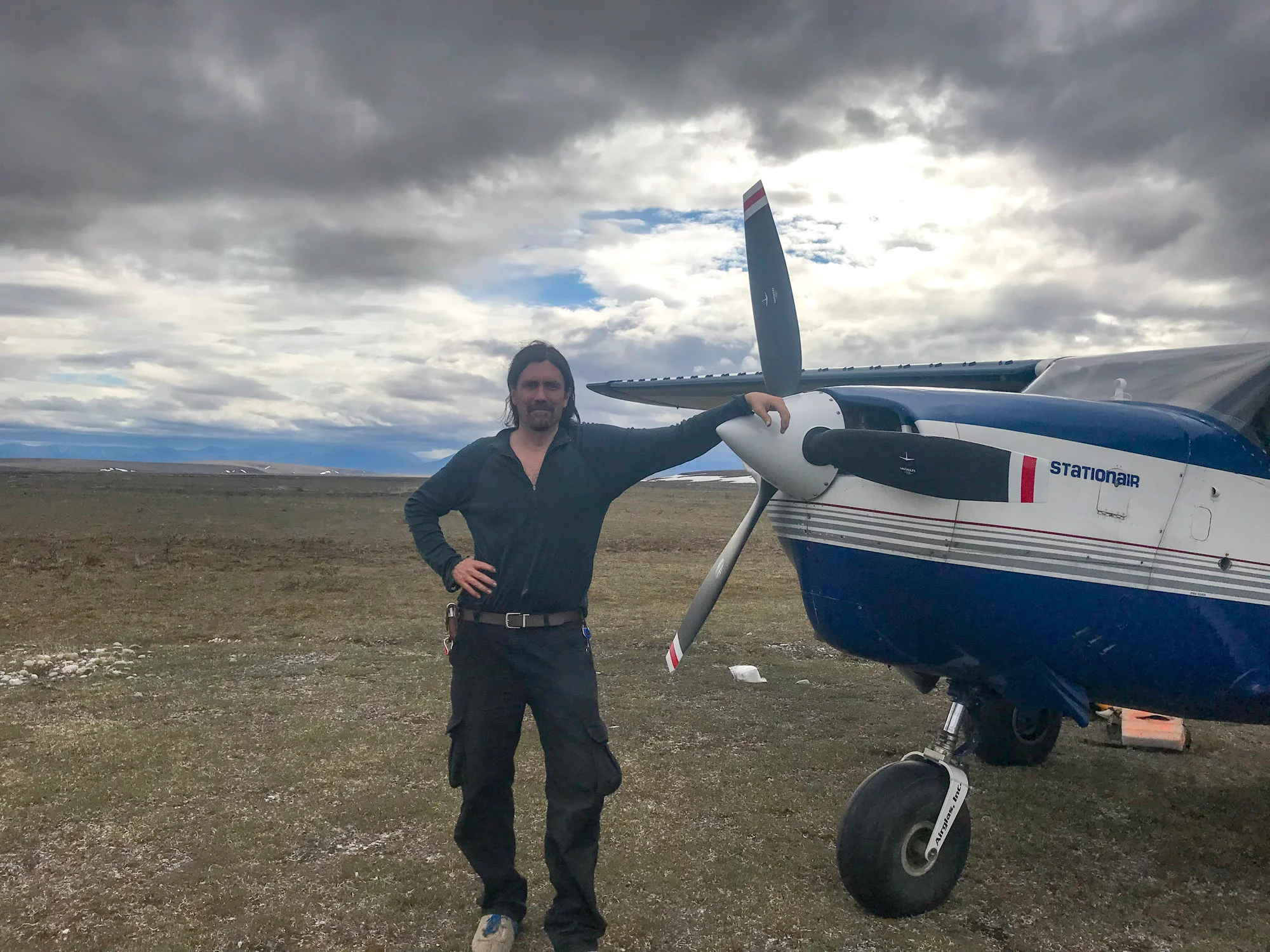
I am an independent scientist that's been working in this Refuge for 25 years studying its glaciers, permafrost, and coastlines, in part by studying changes in the high resolution topographic maps that I make here from my airplane. All told I've probably spent over 4 years of my life here over that time.
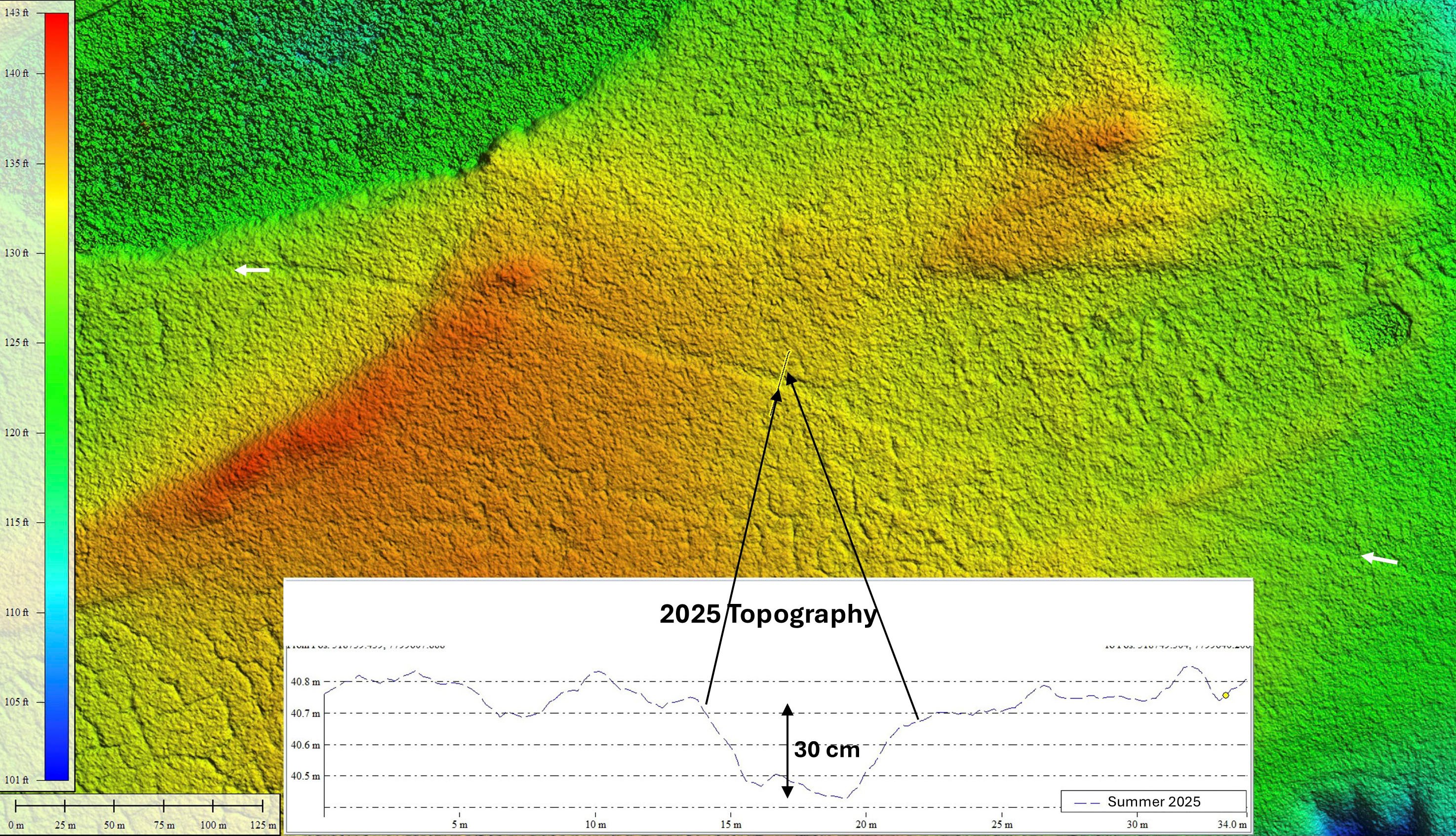
My topographic maps have revealed that the permafrost beneath the entire 1002 Area (where oil and gas development is now permitted) is thawing pervasively, creating depressions that are massively reorganizing the surface hydrology, which in turn is rapidly transforming the plant ecology -- likely more change in the past 10 years than the past 1000.
Already we have lost ~8% of the plant foods calving caribou depend on.
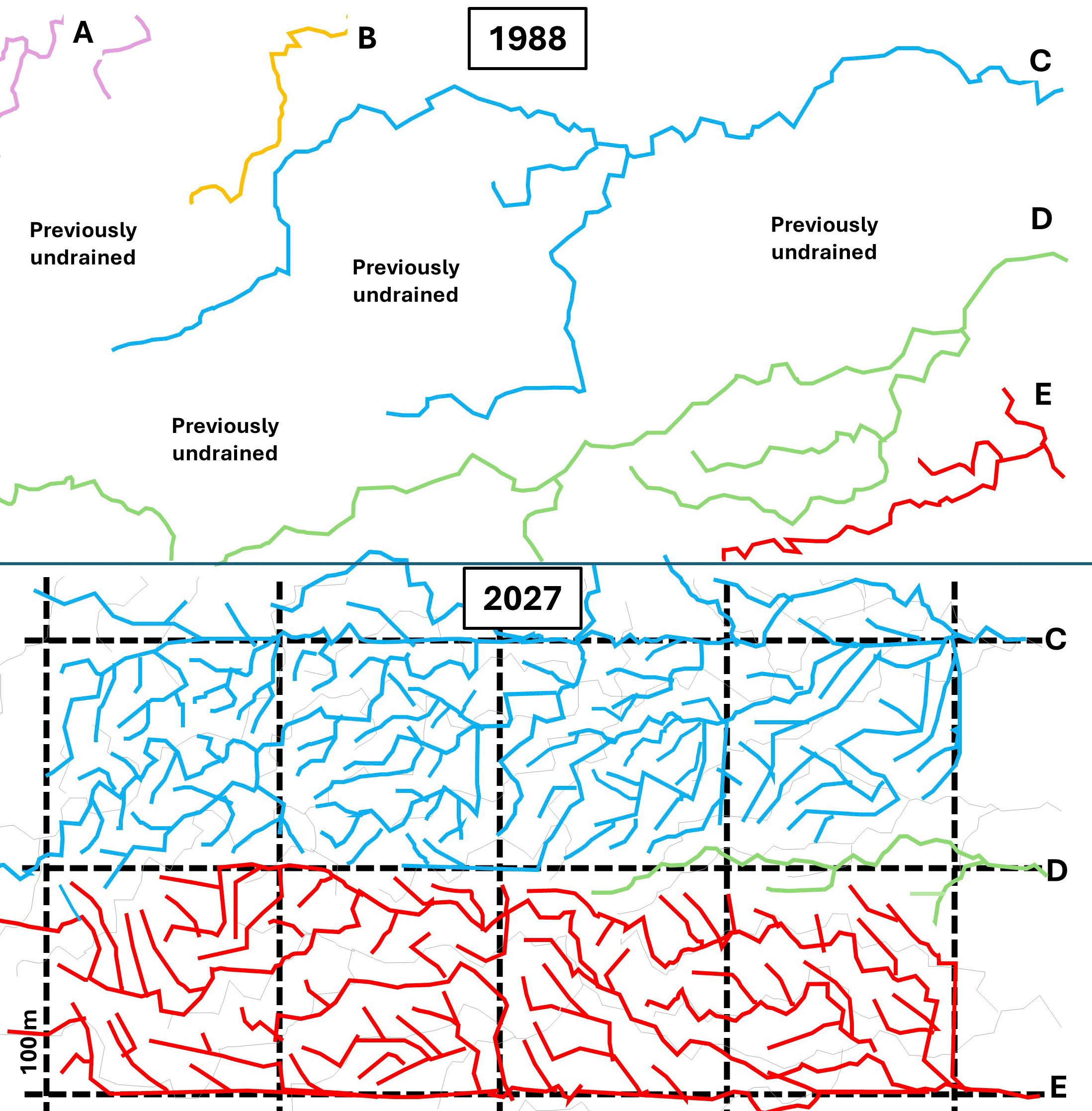
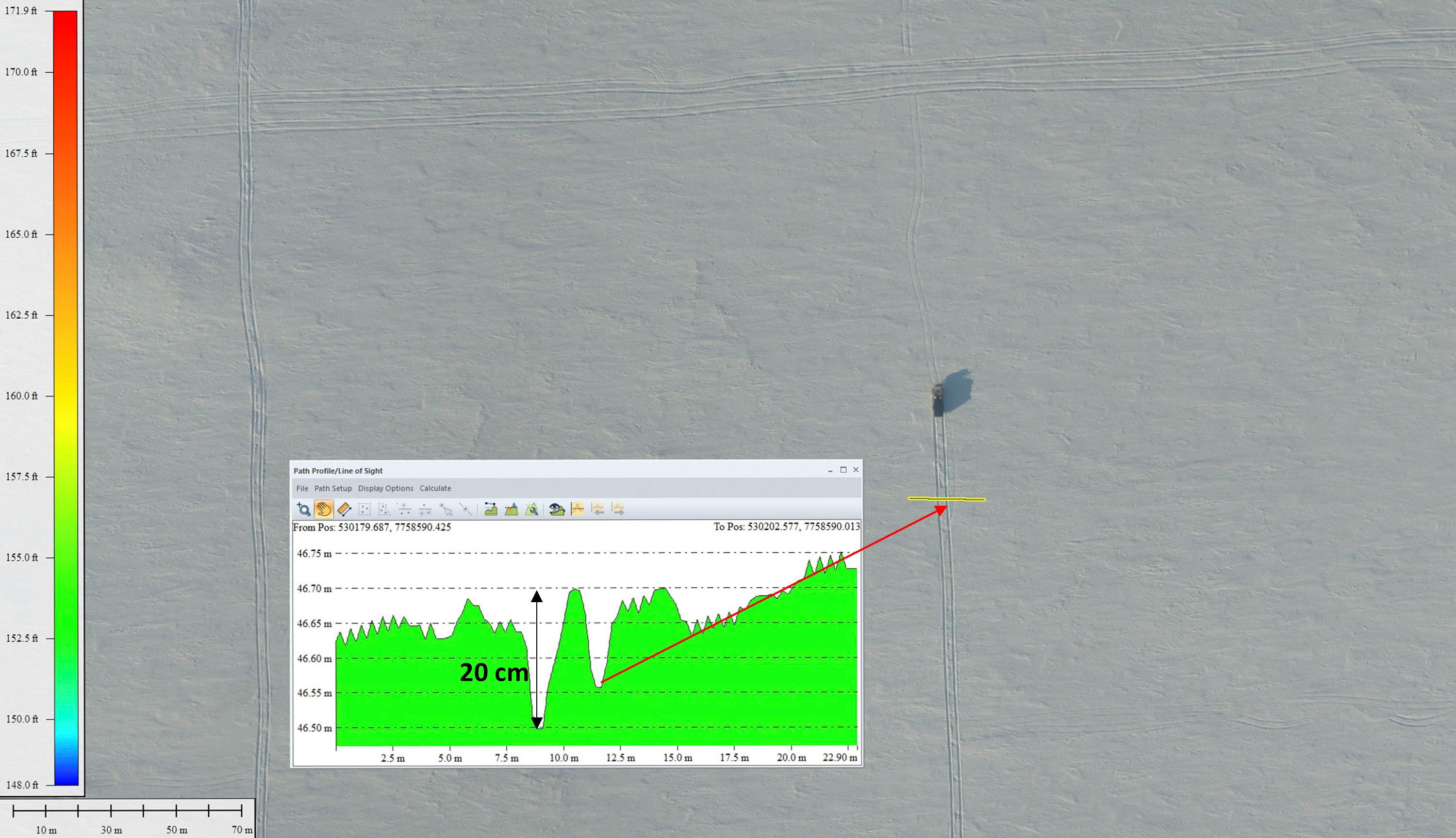
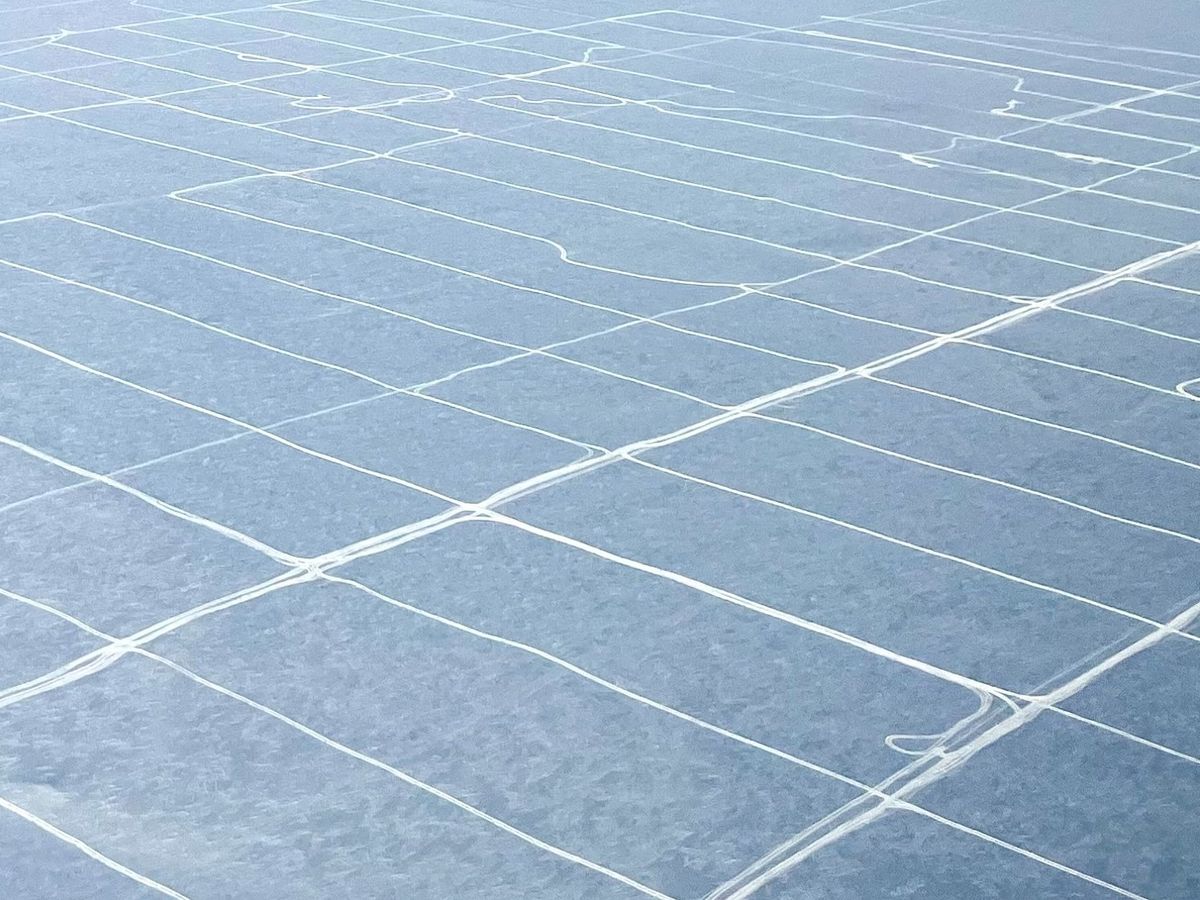
Heavy seismic vehicles working on a 200 m x 200 m grid (totaling ~40,000 miles of travel) have the potential to leave ruts of the same depth that the natural melt is already causing, creating a gridwork of stream channels that will also impact the interiors of those grids as well, potentially impacting 50% of the plant foods caribou depend on within their calving habitat within a few years. Such a change would surely also impact caribou population and migration dynamics, yet the regulatory guidance and protocols do not even considered these outcomes.
This seismic work is only permitted in winter, attempting to use the snow cover to protect the tundra.
My data show that the minimum snow depths mandated are insufficient to provide this protection, especially in the Arctic Refuge due to its increased sensitivity to disturbance compared to elsewhere in the Arctic.
I am raising money to determine, for the first time, a relationship between snow depth and the severity of seismic impacts so that we have a scientific basis for establishing a minimum snow thickness that will ensure protection of the caribou here.
I have already topographically mapped seismic operations as they occurred this winter near the refuge using the same vehicles that will be used inside of it.
Now I need to map that same area in summer so that I can determine the snow depth beneath each of the thousands of miles of vehicle tracks, determine the severity of their impacts on the tundra as a function of snow depth, determine the snow depth threshold that actually protected the tundra, and write this into a report by end of summer so it can be used in time to prevent business-as-usual from harming the Porcupine Caribou Herd and the ecological trajectory of the Arctic Refuge.
I'm connected with a team of lawyers who have been fighting to protect the Refuge for years and who are eager to ensure that this science will not be ignored.
And this not my first rodeo-- my research here in 2018 successfully led to preventing irresponsible seismic operations the first time it was proposed, as featured in the New York Times:
I have asked for support from the relevant agencies in the Federal government and from industry itself -- but with no luck: the short answer is that having no scientific data works to the Government's and Industry's benefit, so neither of them is going to fund the required studies.
So if we want to protect our country's largest undisturbed wilderness and the habitat these caribou depend on, it's time to go on the offensive and do this ourselves.
Working in Arctic Alaska is really expensive and this is a big project.
Donors of $500 can participate in a quarterly group zoom call where I share my progress and answer questions, donors of $1000 or more get a quarterly one-on-one zoom call, and donors over $5000 can get nonprofit tax credits through a DAF-enabled partner.
All donations are useful and appreciated.
What is equally valuable to me is your understanding of this wilderness, the uniqueness of its ecological dynamics, and its raw beauty.
Therefore I have written a comprehensive series of blogs that describe the threats and the solutions in detail:
Theory: How seismic operations threaten the Porcupine Caribou Herd
Observations: The sensitivity of the 1002 Area to disturbance by seismic operations
Solutions: Is there enough snow in the 1002 Area to keep seismic operations from harming the Porcupine Caribou Herd?
https://fairbanksfodar.com/is-there-enough-snow-in-the-1002-area-to-keep-seismic-operations-from-harming-the-porcupine-caribou-herd/
Once you understand what's at risk, I have no doubt you will discover a wilderness worth protecting, whether now or in the future, as the current threat will not be the last.