Help Protect Fishing Rights in Puget Sound
0% complete
$390 raised of
5 donations
Hey everyone! Our rights and freedom to fish for bottom fish (including sharks, rays, and skate) are at risk in the state of Washington.
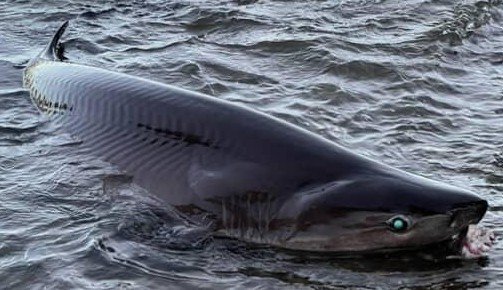
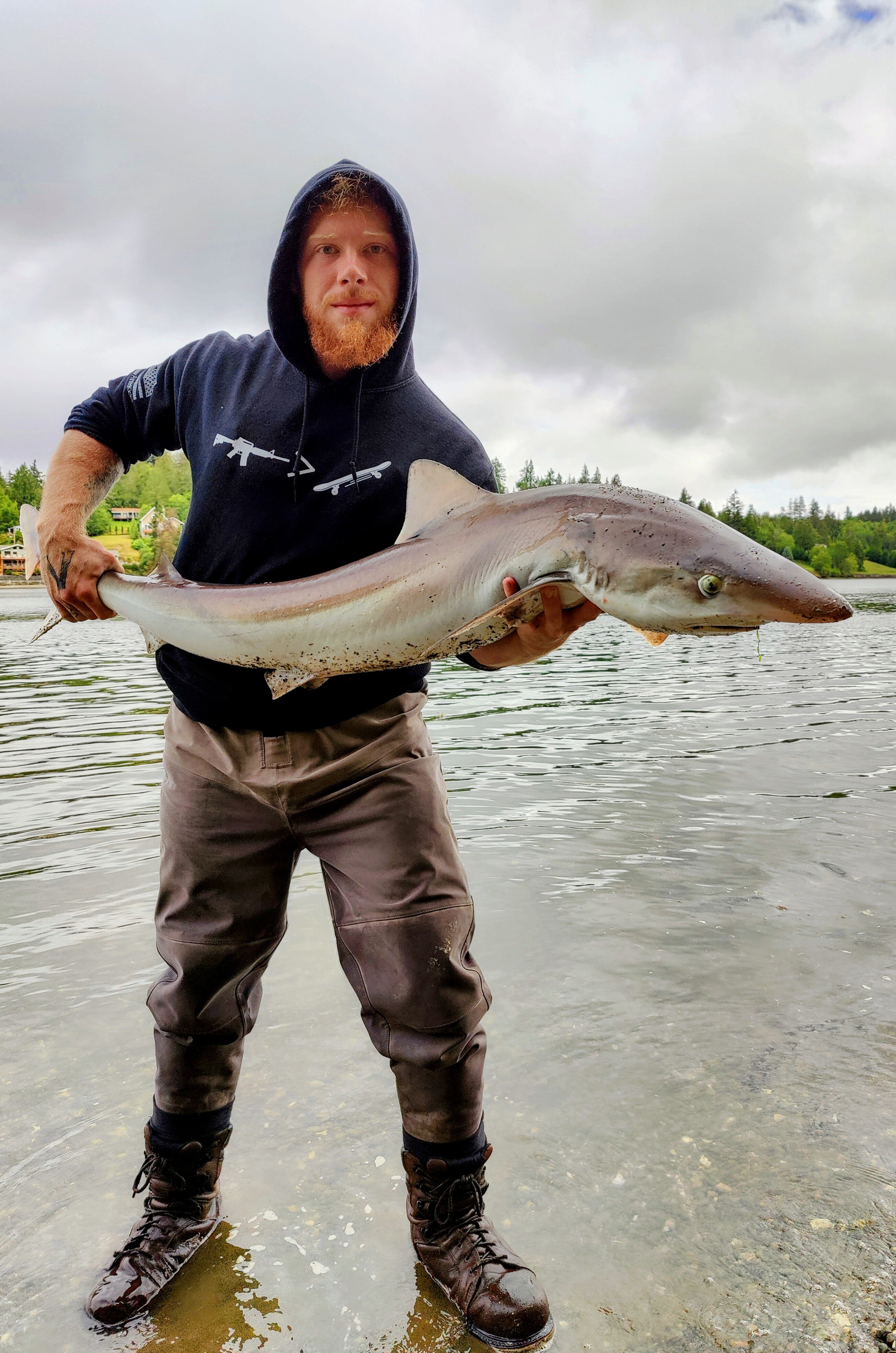
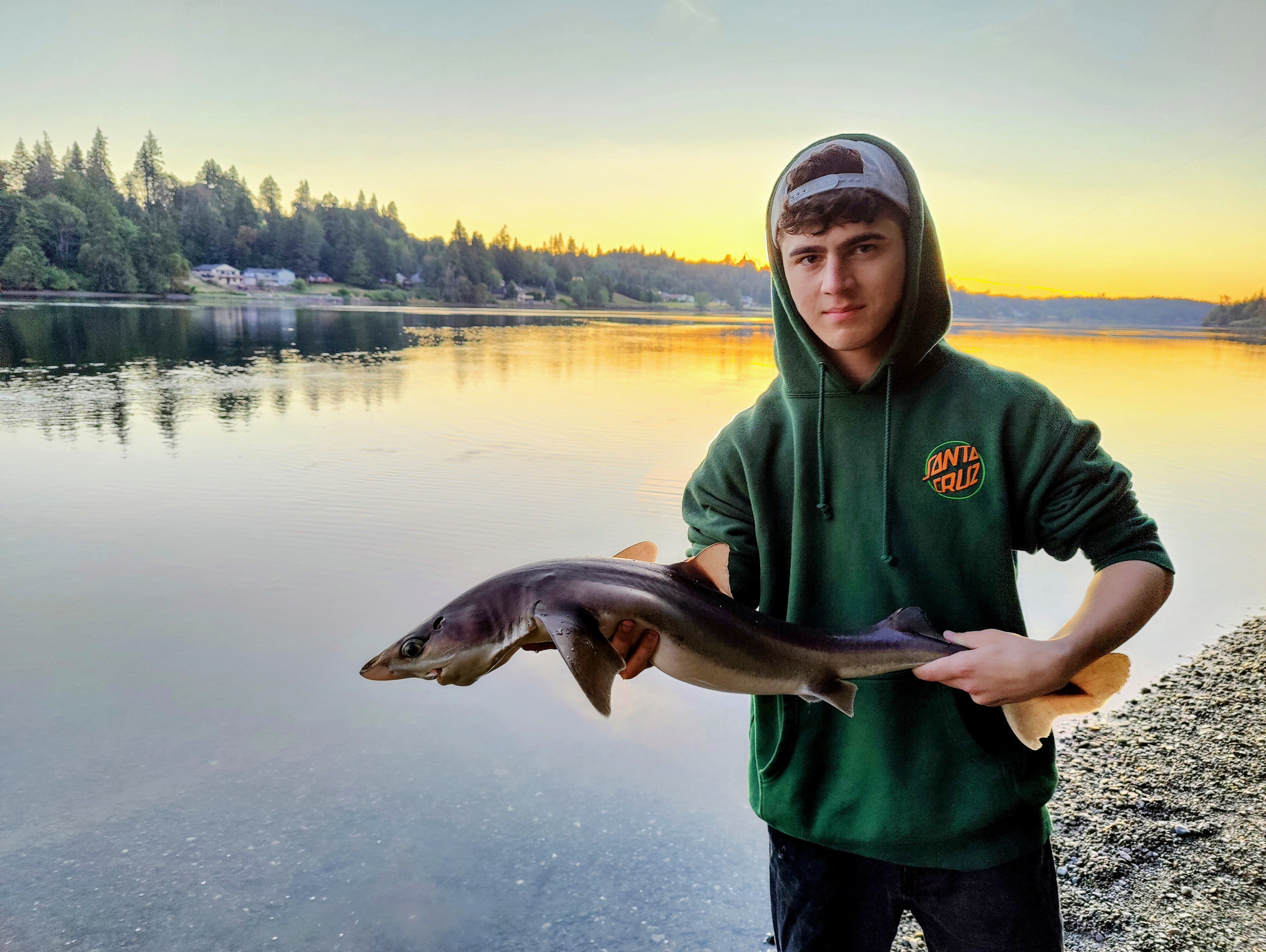
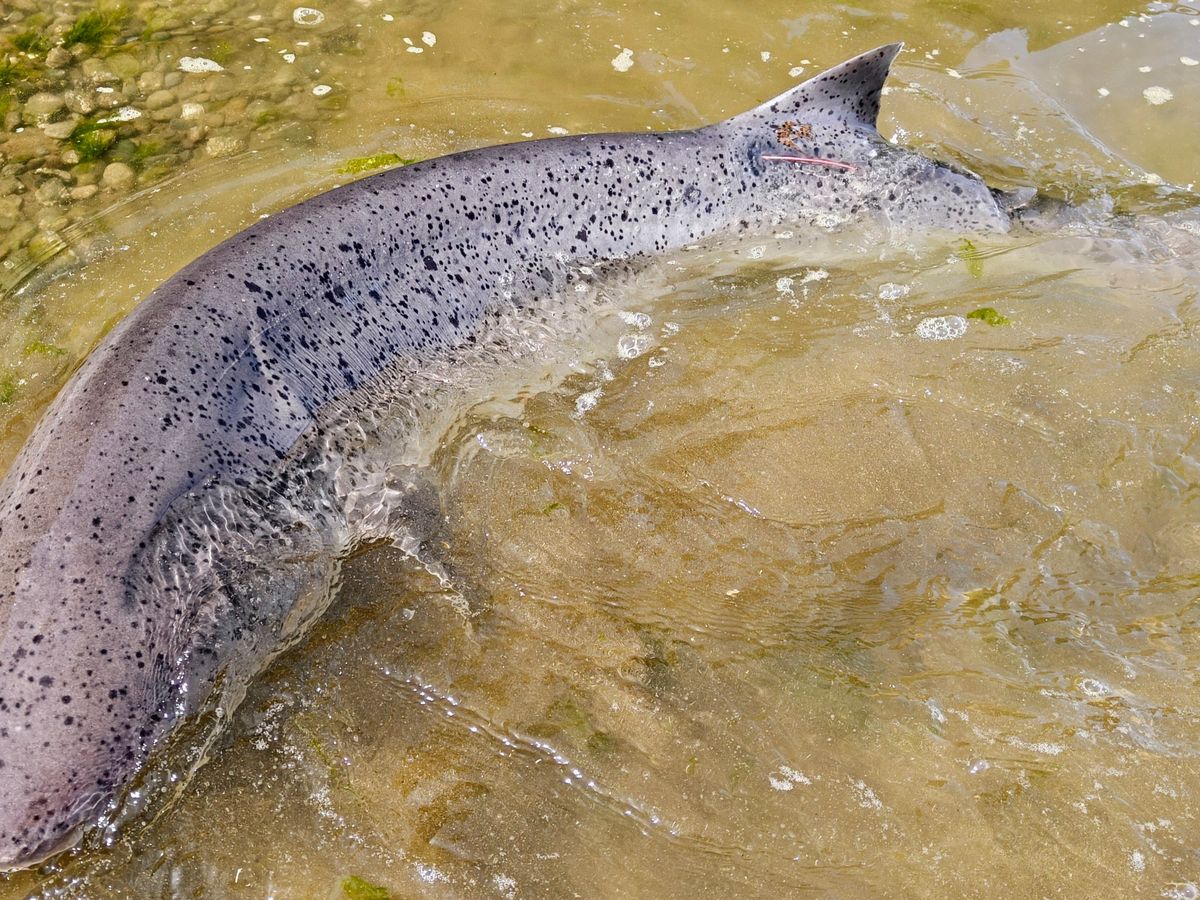
I'm Connor, I'm 27 years old and I've been fishing up in the Puget Sound for about 6 years now. I originally went up to the Sound to catch my first shark, at the time the only species I knew of that was capable of being caught from shore was the Pacific Spiny Dogfish. The Spiny Dogfish is one of the smallest and most common species of shark in the Sound, but far from the only. That first day I fished in the Sound I also caught the first officially documented Broadnosed Sevengill Shark and hooked into the first Soupfin (aka Tope or School shark) in the Sound, which ended up biting through my cable leader as it jumped out of the water. I later successfully landed my first Soupfin Shark.
One post I made around this time, of a Sevengill Shark caused someone to report me to Fish and Wildlife claiming I took a Bluntnosed Sixgill Shark out of the water. Leading to me getting in contact with researchers at NOAA and WDFW. With my help, they were able to successfully tag the first few Broadnosed Sevengill sharks in the state, hopefully leading to more knowledge on a species that WDFW has neglected to research. During this time I was also told by both NOAA and WDFW that I was ok to continue fishing.
In the early 2000s Bluntnosed Sixgill Sharks started showing up in large numbers in the sound, and fisherman incidentally started catching them. The local divers had already known about the Sixgill sharks for a while, and did not agree with people catching the sharks they dive with. Consequently, a group of divers organized a petition to close the fishery, this petition passed with 6 signatures, and the fishery was officially closed less then a year later with little to no further research being conducted to support this closure. Sixgill Sharks, as well as Sevengills are an extremely common species found throughout the world from Washington state, down to Baja California, Argentina, South Africa, and New Zealand. Throughout this native range, Washington state is the only area to ban targeting and harvesting of this species. Why? Sollely due to politics, and certain individuals not agreeing with shark fishing. Which is why they are now trying to use me as an example.
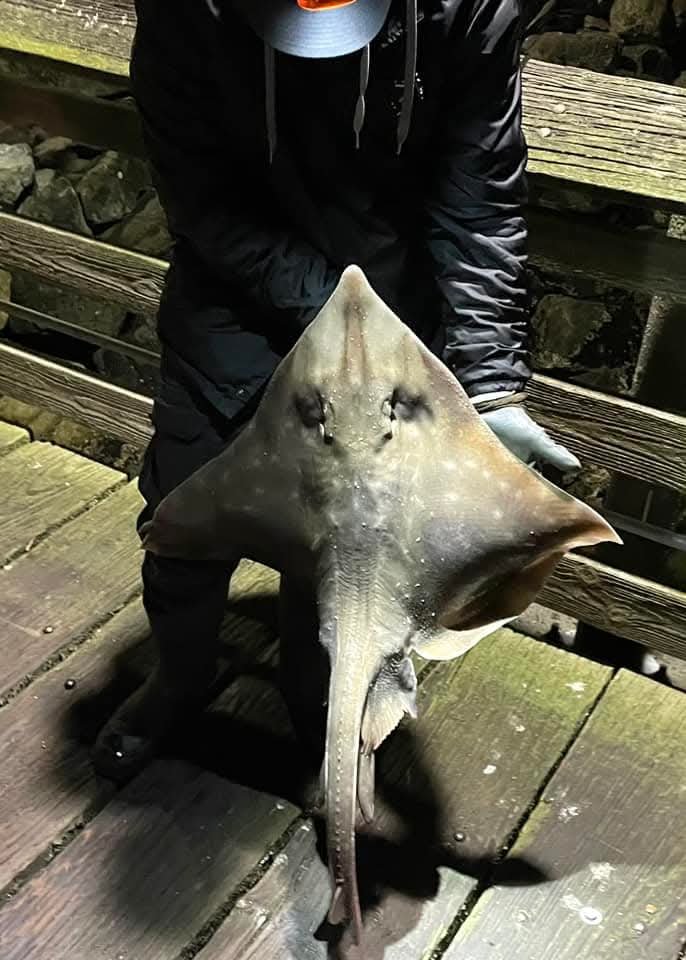
According to Washington State Fishing regulations, Broadnosed Sevengill sharks, Bluntnosed Sixgill Sharks, Common Threshers, and White sharks are illegal to target or harvest, with the Sixgill shark being the only species that you are not legally allowed to take out of the water. These are not the only species of shark, or bottom fish that can be caught in the Puget Sound, there are 7 other legal species of shark to target, 3 species of Skate, and many other undocumented species that either rarely or have never been recorded in the sound. Most of these fish require the same fishing gear, presentation, and baits to catch. As of now, WDFW is accusing me of targeting Sixgill sharks, solely based on the fact myself and several friends regularly catch them while targeting other species of shark, skate, and ray in the Sound. The fact of the matter is, when you are fishing, you can't always control what species of fish you hook into. The most ethical way of fishing is to use proper gear, so you avoid fish being left with hooks in their stomachs, line entangling and ultimately killing the animals; or prolonged fights which are by far the largest contributing factor to post release mortality rates, particularly with Bluntnosed Sixgill Sharks. We have had conversations with wardens on what to do with these animals if we accidentally hook them, and the only answer given is "do not land them", which is simultaneously vague and unethical, the only other choice would be to cut your line and risk the fish becoming entangled in gear and subsequently dieing.
Washington State is attempting to use me as an example to other fisherman, as well as a way to prove they can criminally prosecute any other fisherman who accidentally hooks into and lands one of these fish. Entirely based off of a set of unenforceable laws, that are entirely unfair to us as fisherman.
I ask for your help, I am currently having to spend thousands on an attorney, and if they are allowed to win they will start coming after other anglers given time. I'm fighting for what I believe is right and fair, and any support given would be greatly appreciated!
Organizer