- a
- D
- A
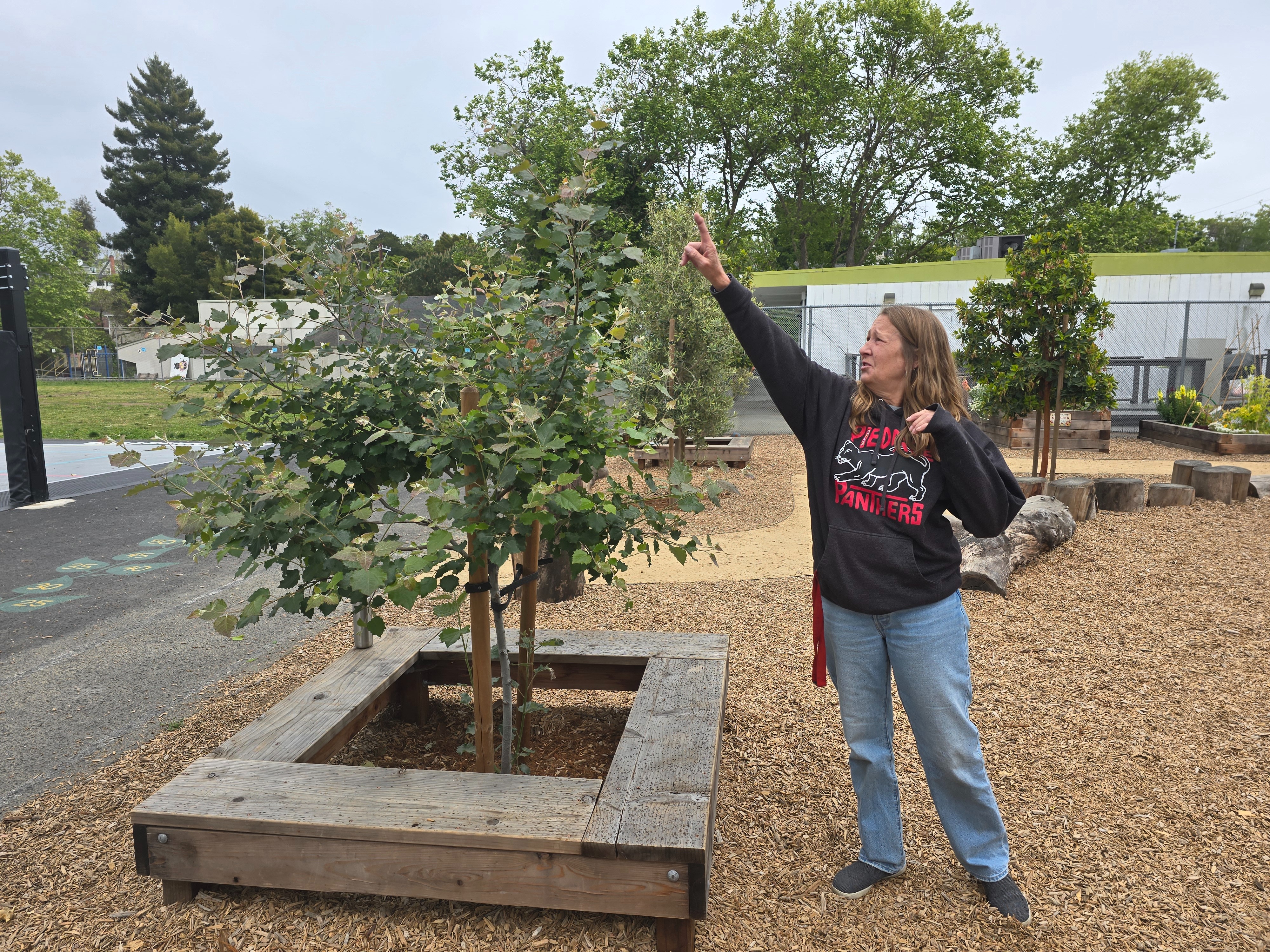
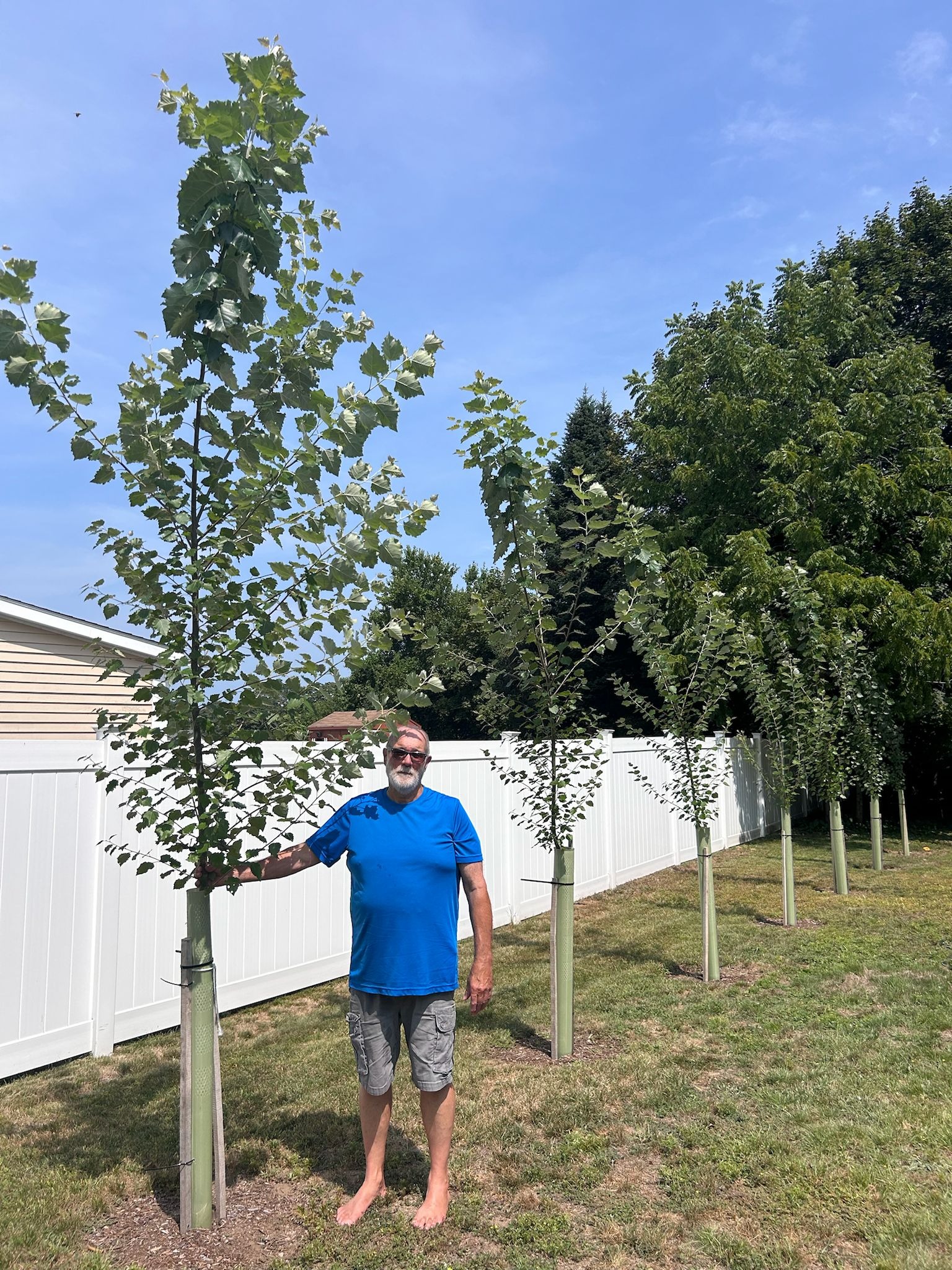
Help Carbocene Industries grow improved CO2 removal trees
0% complete
$2,044 raised of
19 donations
Carbocene Greenhouse Fund (for more information visit www.carbocene.org):
Hello, I'm Patrick Mellor, and I am asking for support to enable me to continue valuable work in biological carbon dioxide removal and ecological restoration of degraded land. For the last 5 years I have been working to create and grow trees with faster photosynthesis, and to slow the decomposition of wood. These trees pull carbon from the atmosphere faster than others, and when managed correctly will hold it for longer, while rapidly producing wood and shade.
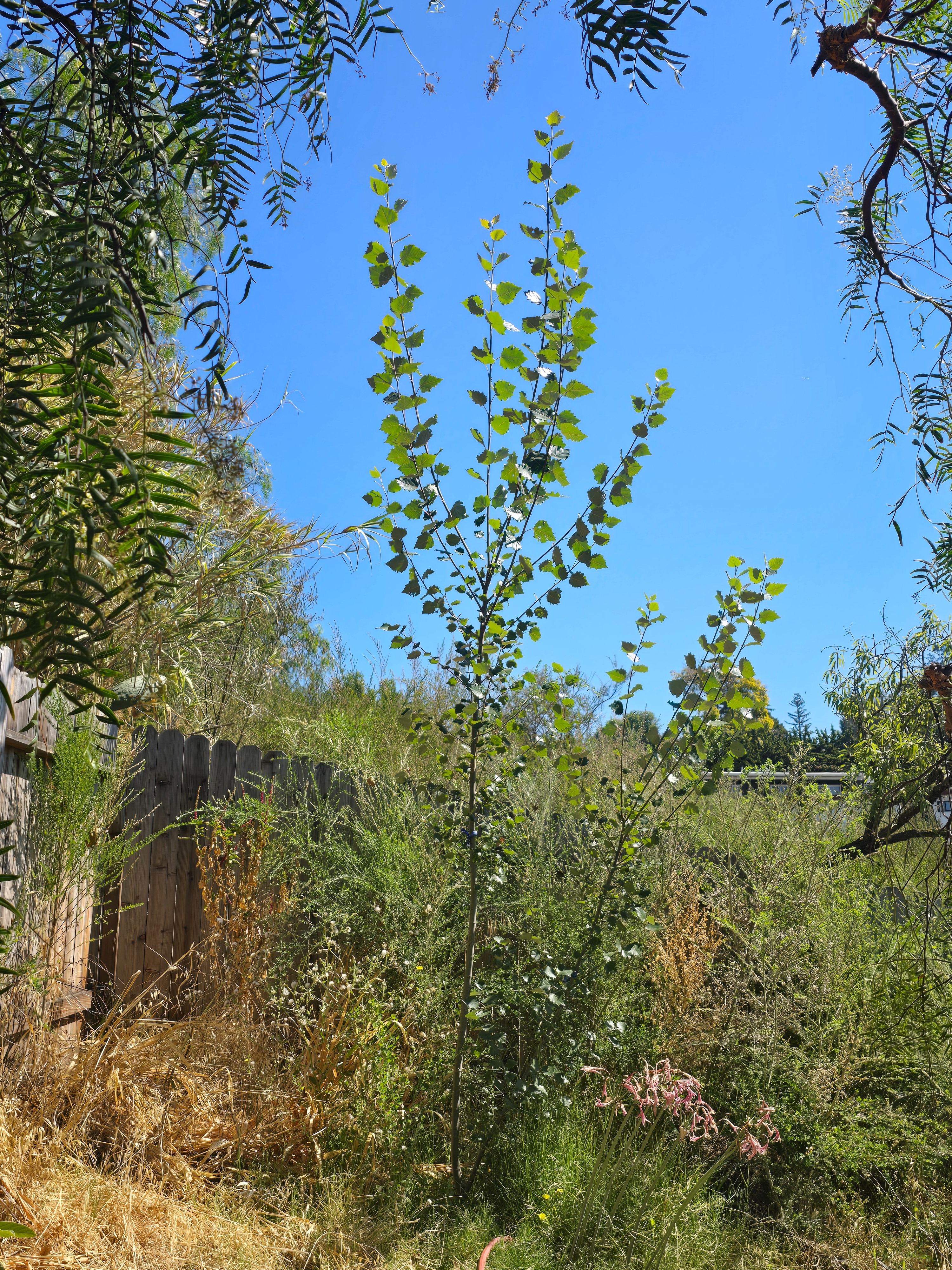
The trees can also decontaminate industrial waste sites, and grow in extremely challenging circumstances. One of the projects involving them is the remediation of the banks of the Los Angeles river, at Taylor Yard (the site in the picture), historically a locomotive turnaround station and so highly contaminated with diesel leachate.
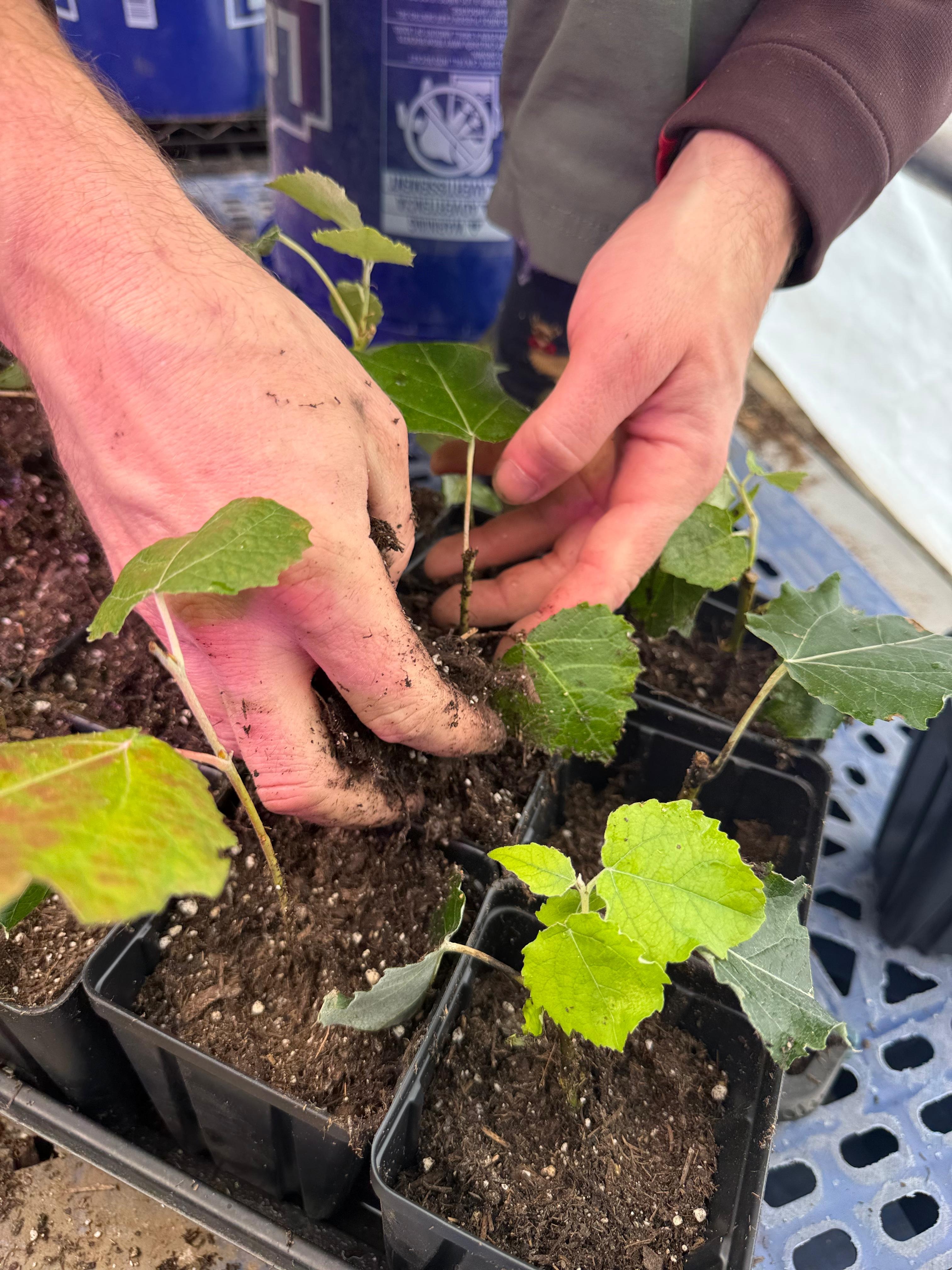
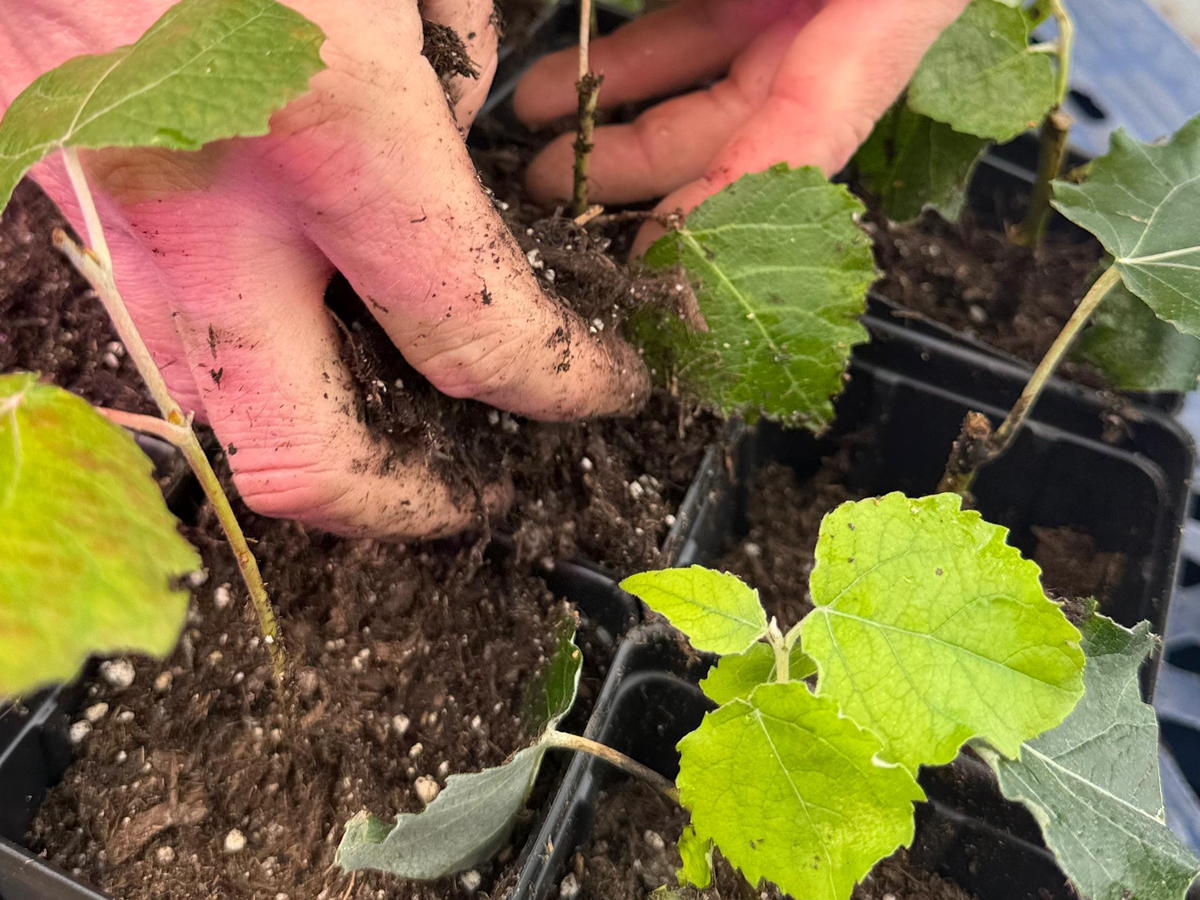
I have approval to plant 2 acres of this land with these trees in the next year, but in order to do this will need to propagate 1000 trees. Hybrid aspen (Populus tremula x alba) is a deciduous tree and goes dormant between November and March, but can be kept growing over winter if in greenhouse conditions, with a little supplemental lighting to extend the photoperiod.
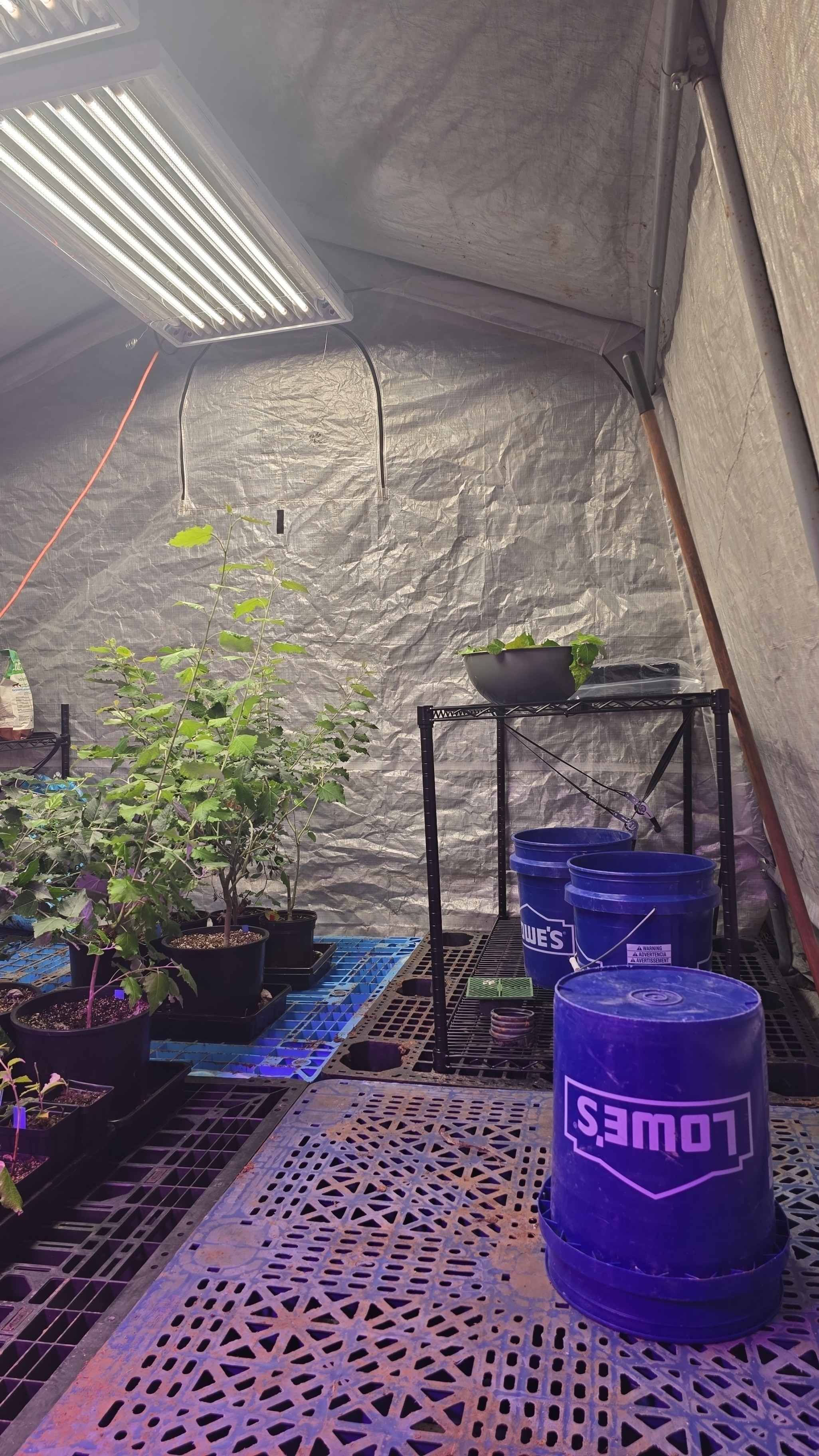
Currently I am propagating from 4 indoor mother trees in a rack under lights. I have a prefabricated greenhouse in my garage and a space to place it, but the ground needs to be levelled and I need to install flooring and lighting.
I need the greenhouse space in order to grow enough trees for Taylor Yard, and to perform experimental work on additional species.
It is important that I get mother trees in the greenhouse before the onset of dormancy in autumn (by October), so that I can continue to propagate at scale through winter.
$12000 will enable me to level the site, install flooring, buy soil and pots for mother trees, install an energy efficient lighting system, install a movable table system, and establish propagation of additional species.
Background:
From as far as my memory reaches I have felt that the answer to global problems such as climate change lies in re-engagement and love for the biosphere we are part of, including active management, rather than only in preserving or protecting natural systems from our (assumed negative) influence.
This perceptual shift makes problems such as carbon dioxide accumulation viewable in terms of energetics, from the inside, rather than from a perspective incoherently placed outside the frame. When seen in this way climate destabilization is a process and energetic problem, and improvement is possible through collaborative action to increase the rate of removal and reduce the rate of return of carbon to the atmosphere.
I have always seen the deep history of the biosphere from a perspective of loving wonder. I learned my dinosaur names young, and clearly remember immersing myself in the illustrations of a geological timeline I saw when I was around 6 years old, reimagining the sights, sounds and scents of ancient Earths as my eyes moved across the scenes.
My specific commitment to climate change mitigation comes from my understanding of the multitude of climatic conditions of these ancient Earths, and our current understanding of the causes of shifts between them. Seen in this way, our current problem is one among many. Although unique in causes and specific driving forces, it is certainly not a uniquely destructive act by an agent outside of a previously stable system. Seeing the problem from an alienated perspective immerses us in incoherent shame feelings and prevents us from working effectively to improve matters.
Around 20 years ago, I learned about an ancient event that solidified my commitment to working to directly improve the ability of the terrestrial biosphere to draw down and hold on to carbon. There are many informative events in the geological record, so please look the others up if you are interested! (Also, on request I can share my correlated timeline of geohistorical processes, global surface temperature, and atmospheric carbon dioxide levels: email me at [email redacted]). Here I am only going to describe the Azolla event, one of the major contributing factors to the current presence of polar ice caps, which occurred in the Eocene epoch, 49 million years ago.
While studying the current distribution of crustaceans in the Mediterranean and Red Sea, to work out whether the entire Mediterranean dried out just over 5 million years ago, or pockets of water remained (the whole sea likely did dry out, in an event known as the Messinian Salinity Crisis, and our ancestors saw the whole basin refill through the Gibraltar Strait in a few decades, lowering global sea level by 12 meters), I became distracted by another ancient ocean event. While the Mediterranean is underlain by tens of meters of salt deposits, showing its past state as an evaporitic basin, the Arctic Ocean holds similar quantities of fossilized floating ferns, Azolla.
Once these Azolla deposits were mapped in the early 2000s, they were found to contain sufficient carbon to account for the observed global cooling at the time, which brought atmospheric CO2 down from highs approaching 2000 ppm, to less than 800 ppm. This drawdown started the process that eventually led to the formation of polar ice caps (the Eocene was a warm and globally forested world).
Azolla fixes its own nitrogen with the help of symbiotic bacteria, and with 24 hour summer sunlight alternating with months of polar night, would bloom across the ocean surface every summer; every winter large masses of the fern would die and sink into the ocean depths. But how was a freshwater fern able to grow on the surface of an ocean?
In the Eocene, the Arctic was in an approximately similar configuration to the present day, but the continents were slightly closer together, leaving the ocean almost entirely landlocked, similar to the current Mediterranean. But while climatic conditions in that sea led it to dry out almost entirely within only one thousand years of isolation from the Atlantic, the ancient arctic received net freshwater inflow, from large river systems and high rainfall in the Northern latitudes.
There was sufficient inflow to cover the entire ocean surface with a layer of freshwater that mixed only slowly with the denser saltwater beneath. This was where the fern grew, protected from the salt that would quickly dehydrate its delicate tissues. The lack of mixing of the layers also greatly reduced oxygen levels in the saltwater portion, and so when the dead ferns sank in winter darkness, they did not decompose efficiently, and their carbon remains to this day locked in shale deposits under the Arctic seabed.
Learning about the Azolla event left me with a nagging sense that we were getting something wrong in the way we thought about global energetic problems such as climate change, when we approached them from a geohistorically uninformed perspective concerned with minimizing human impact on an imagined perfect natural world, rather than changing human impact to actively bring into existence an improved future state.
This in time led me to the conclusion that our best leverage point on the climate system is increasing photosynthesis, and slowing the rate of return through decomposition. Given that our carbon input impact is similar in scale to an ancient volcanic mega-eruption, like the one that resulted in the Eocene hothouse climate, I believe that we need to think at similar scale in our response if we are to remove enough carbon in the next century to prevent return to another similar hothouse.
Organizer