- H
- M
- A
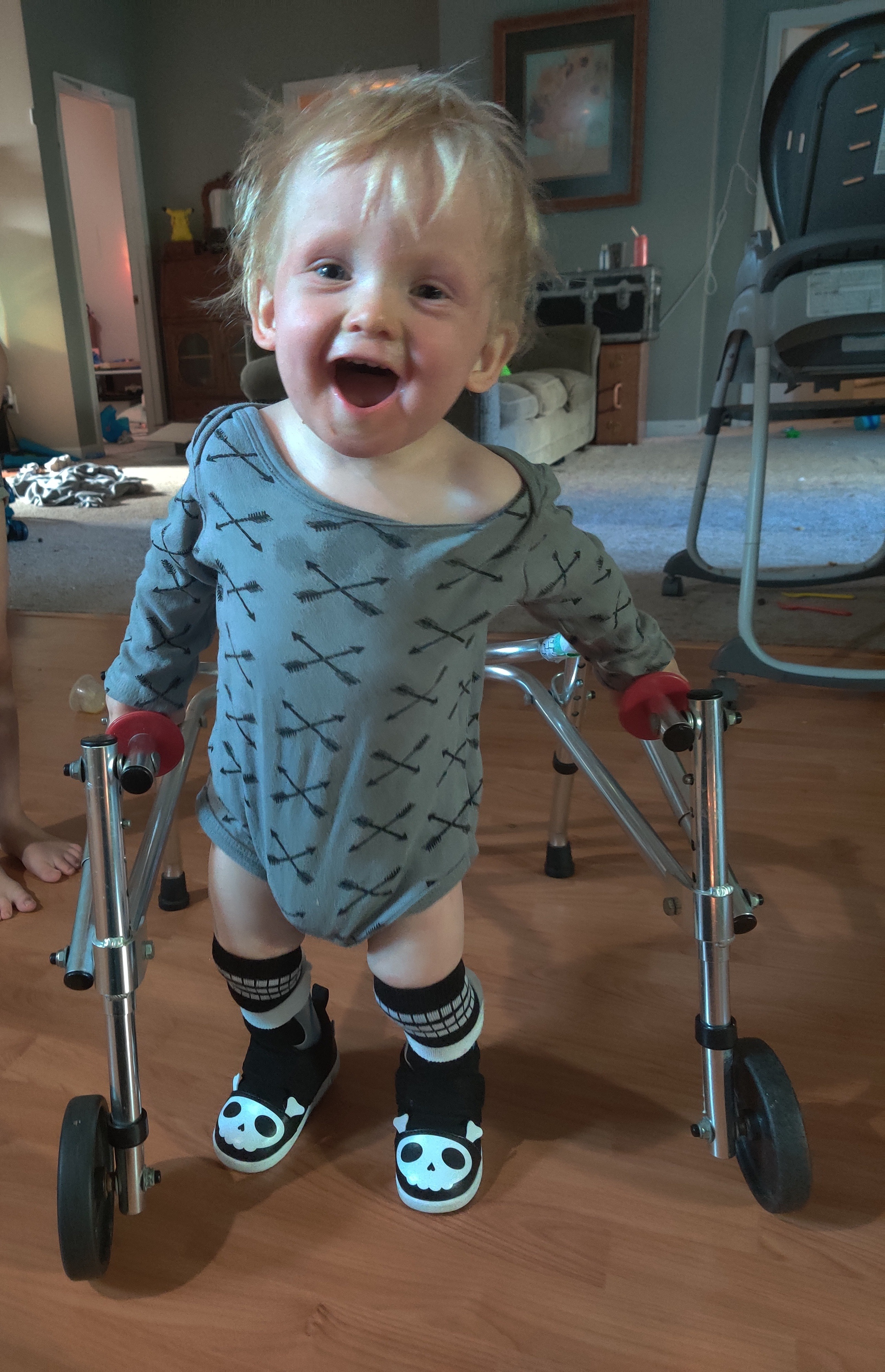
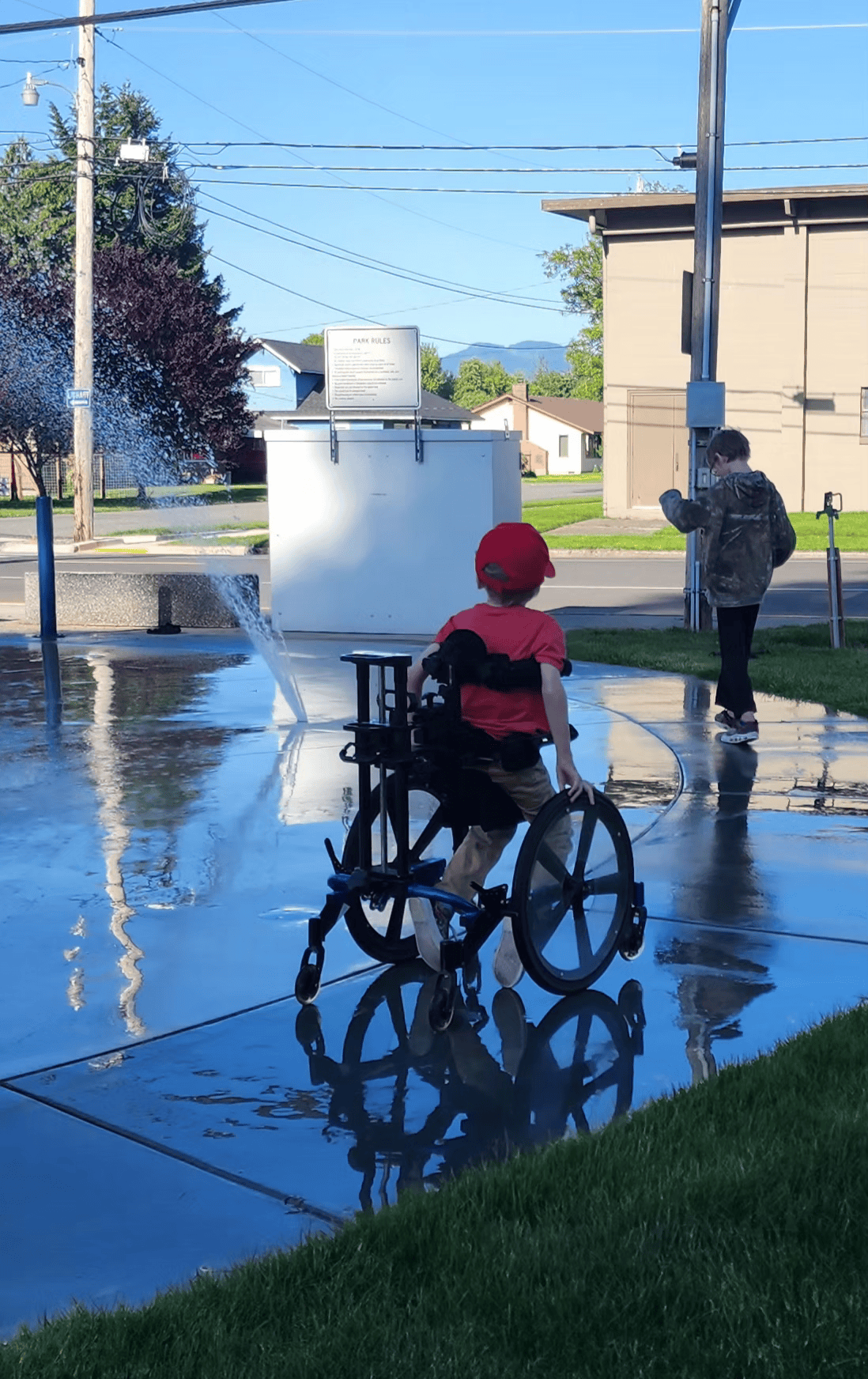
Oliver is getting life-changing surgery—and we need help getting him through it.
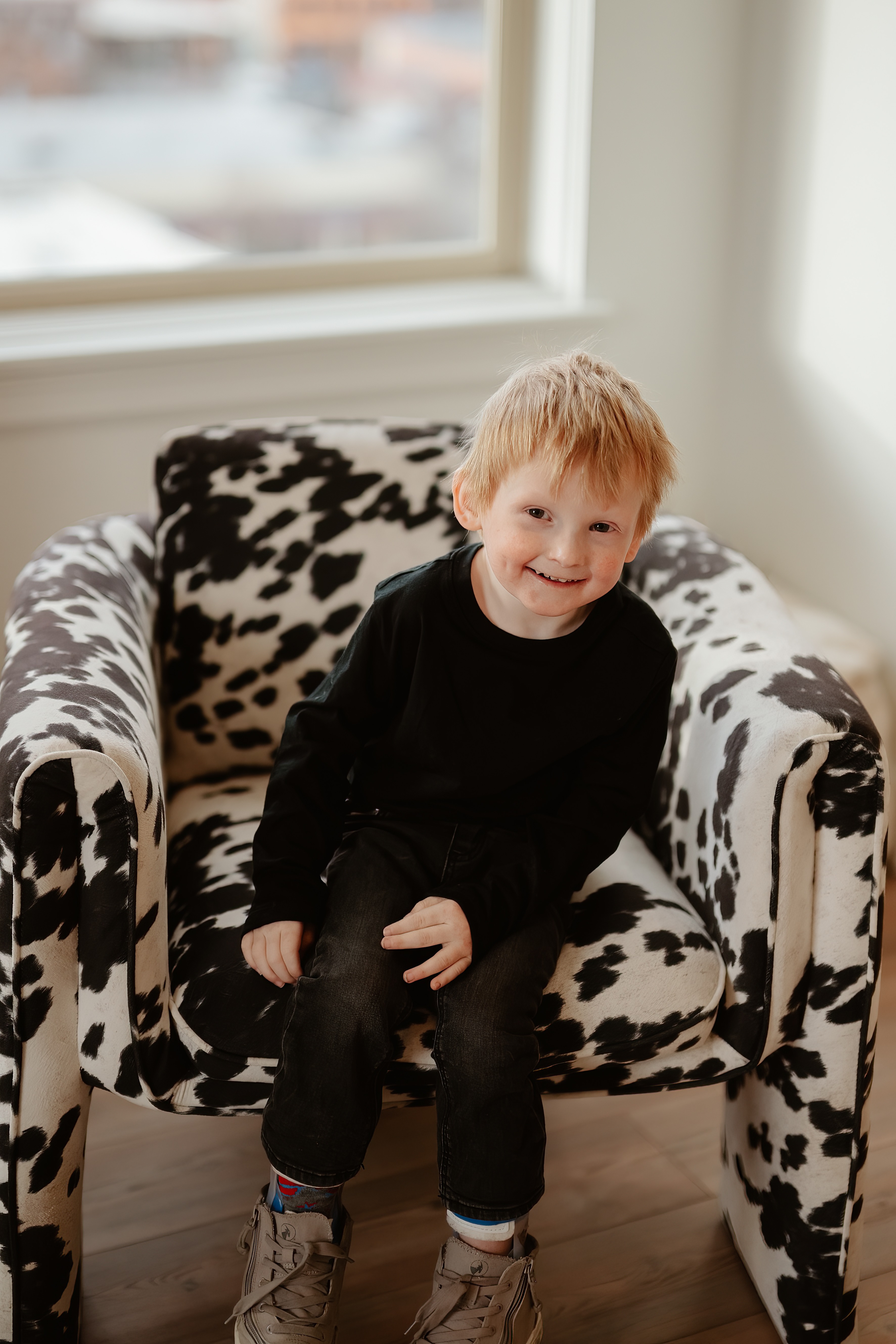
In October, our 6-year-old son Oliver will undergo Selective Dorsal Rhizotomy (SDR) at Seattle Children’s Hospital—a surgery we’ve had our sights set on since he was 18 months old.
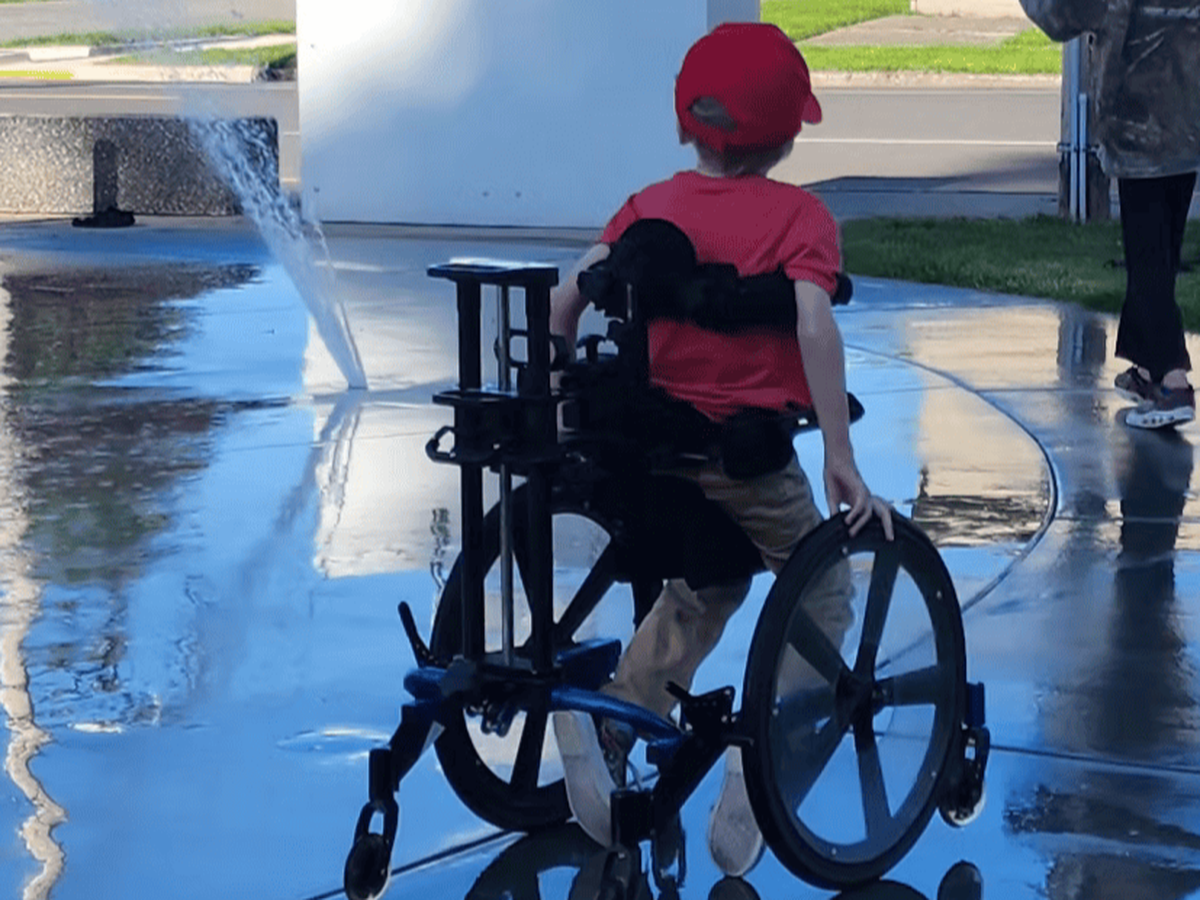
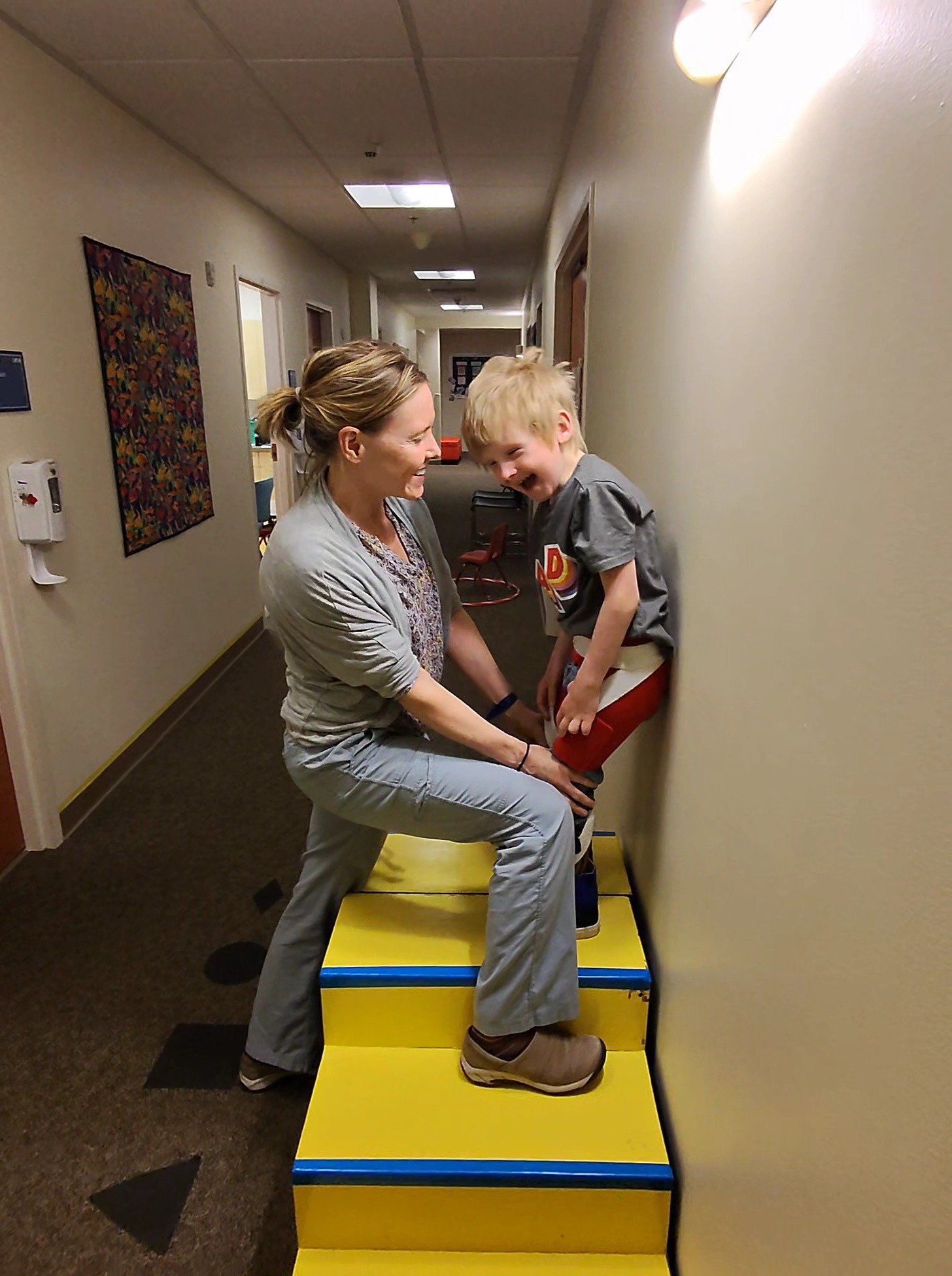
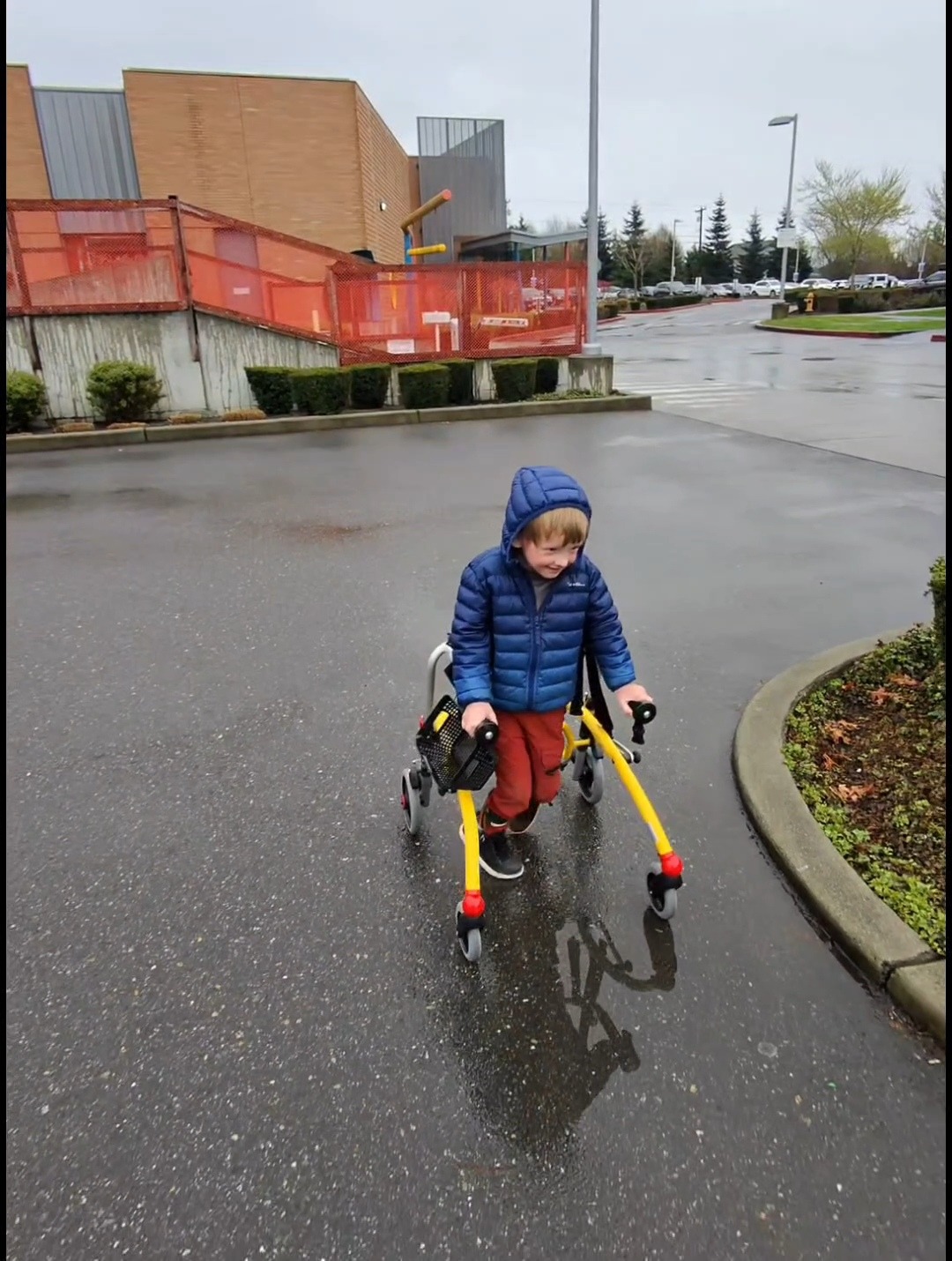
Oliver has spastic diplegic cerebral palsy. He’s joyful and bright and determined—but he can’t walk on his own without his walker or wheelchair. SDR is a procedure that could ease the tightness in his legs and help him move through the world with more freedom and less pain. It’s a big deal. We’ve been working toward this for years.
We finally have a date: October 6th. After the surgery, he’ll need to stay in Seattle for at least a month for inpatient intensive physical therapy. And once he’s discharged, we’re looking at another 2–3 months of daily outpatient therapy to help his body relearn how to move.
That therapy is not optional—it’s essential to making the surgery successful. In a perfect world, Oliver would get PT every day for six months straight. But we live in a region with a serious shortage of pediatric physical therapists, and we don’t know yet if there will be local options or if his current PT will be able to accommodate the intense schedule. If we can’t find care nearby, we’ll have to stay in Seattle longer to make sure he gets what he needs.
We’ve done everything we can to prepare, but the timing is hard. October lands right at the end of my wedding photography season—when things usually slow down, but I’d still be booking shoots and adding income where I can. I won’t be able to do that this year. I’ll be in Seattle with Oliver for weeks, possibly months, while we get him through post-op and into the therapy that gives this surgery its best chance of success.
We haven’t been able to apply to Ronald McDonald House yet (applications only open two weeks before surgery), and there's no guarantee we’ll get a spot. If we do, and our housing ends up being covered, we’ll reallocate every dollar raised to Oliver’s continued therapy and treatment needs.
Here’s what your support will help with:
- Temporary housing in Seattle during recovery
- Transportation so Oliver’s dad and our oldest son can visit
- Out-of-pocket therapy if we can’t find local providers in network
- Daily living costs while I’m away from home with Oliver
- Lost income if my husband needs to take additional time off
- Specialized protocol for AFO/modified shoes not covered by insurance
We’re not asking lightly. If you’re able to donate, we’ll be forever grateful. If you can’t, sharing this is a huge help too. We’ll keep posting updates along the way, and we’d love to have you following Oliver’s progress.
How We Got Here: A Long Road to Answers
Oliver’s journey started long before we ever heard the term “SDR.”
When he was just over a year old, we brought him in for a physical therapy evaluation after noticing some delayed milestones. That’s when we first heard the words “mild cerebral palsy.” Our physical therapist—an angel named Jill, who worked with Oliver from age 1 to 5—gently warned us to brace for a “diagnostic odyssey.” She wasn’t wrong.
I didn’t panic when I heard the diagnosis. I was raised by a mom with cerebral palsy, who used canes to walk her entire life. In a strange way, it felt like I was built for this—like I was uniquely equipped to raise a child walking a similar path.
But even so, our family’s life shifted in ways we couldn’t have imagined. Oliver began seeing specialists across nearly every department: OT, PT, speech, neurology, rehab medicine, neurodevelopmental, ophthalmology, genetics, dermatology, orthopedics, urology. What we thought was a straightforward diagnosis turned into a constant stream of tests, referrals, and questions.
One of the biggest surprises came when we ruled out brain injury as the cause of Oliver’s CP. Until then, I didn’t even know that cerebral palsy could not be caused by brain trauma. But science is changing, and we were lucky to be part of that evolution.
Through a study, Oliver received whole genome sequencing—and we thought we found our answer: a 16p11.2 duplication. But that turned out to be mostly unrelated to his physical challenges. It did, however, connect us with the Undiagnosed Disease Network and a brilliant geneticist named Danny Miller at Seattle Children’s. That connection led to a more complete picture.
Eventually, my husband and I also had our DNA sequenced—and that’s when we found a major piece of the puzzle: both Oliver and I have a rare ATAD3A microdeletion. This specific genetic mutation is what’s believed to be the underlying cause of Oliver’s cerebral palsy.
It’s located near the gene responsible for Haral-Yoon syndrome, a condition that’s typically fatal—but our variant is different. In fact, no one else on record has this exact mutation. The team believes this deletion explains not only Oliver’s physical disabilities, but also many traits shared across our family.
The team believed this mutation explained many of Oliver’s unique traits—and some of mine. We later found out that my oldest son Sai, my mom, and my grandfather all have the same microdeletion. Seattle Children’s and the UDN brought all of us in for a joint study, including skin biopsies and full evaluations. Fun fact for the science nerds: they made fruit flies with our variant to study how it affects development.
One more surprise? It turns out both Sai and I also have some spasticity. Sai is only now beginning to show some of the ways it’s impacting him as he grows older—so he’ll likely start his own rounds of PT and OT soon.
We’ve learned so much. And yet, for Oliver, the care plan hasn’t changed.
Our goal has always been the same: to help him walk with as little assistance as possible. SDR won’t erase his diagnosis—but it can give him a chance to move through the world with less pain, greater strength, and more independence.
That’s what we’re fighting for. Thank you so much for any support you can offer.
-The Colburn Family
Organizer