- K
- J


Help My Loving Wife Meagan Manage Her Diagnosis
0% complete
$5,000 raised of $1.5K
65 donations
Hello family, friends, loved ones, and strangers. I created this space for those who would like to help my dear wife, Meagan, on her road to managing her newly-diagnosed and debilitating, chronic disease.

This is her story.
About three years ago while active duty in the U.S. Navy, Meagan began to have numbness and tingling sensations in one of her legs, one of her arms, and occasionally in her chest, disrupting her ability to walk and sometimes lift. After an excruciating period filled with malingering accusations and wrongful mental health diagnoses–those which we fought tooth and nail against– the Navy settled to discharge her with somatic symptom disorder, a diagnosis we believed was also inaccurate. This period of Meagan's life caused an immense amount of anguish, guilt, and distrust, as her dream was to become a commissioned officer in the U.S. Navy. To add fuel to the fire, Meagan was also given an accurate, last-minute-before-discharge diagnosis unrelated to her "somatic symptoms"– papillary thyroid cancer. Her last days in the Navy consisted of a total thyroidectomy and reassurance that the cancer was isolated.
But Meagan, feeling broken, sickly, and traumatized, managed to pull herself up by her bootstraps. Her immediate post-discharge and post-cancer recovery period consisted of completing a Master's program, giving her the title of Master of Social Work (MSW). With this degree, Meagan felt she would be able to help those who need it the most. If she wasn't going to be able to lead Sailors, she would at least try her best to help her surrounding community.
In December of 2022, shortly after receiving her degree and starting a new job as a therapist for disadvantaged youth, Meagan began to get intense "migraines" and loss of vision in one of her eyes. Days later, while still dealing with "migraines" and vision loss, Meagan collapsed while walking to the bathroom in the middle of the night. The numbness and tingling were back, this time with much more intensity.
After multiple stints in different emergency rooms, Meagan was finally able to get a doctor to listen to her pleas. A simple MRI revealed the truth of all her pain and suffering. It was not caused by anxiety or other mental health issues. It was not somatic. Meagan has multiple lesions on both her brain and spine.
An admission to the hospital was made after the discovery of the lesions, followed by five days of painful and intensive intravenous corticosteroid treatments to help reduce the mass effect and swelling in her brain while admitted to the hospital. Multiple University of Washington neurologists, as well as doctors from other fields of study, are fairly certain Meagan is and has been dealing with multiple sclerosis. This particular flare presents with a large tumefactive lesion, a rare type that presents similarly to brain cancer.
While 98% positive Meagan has MS, a few already-confirmed tests are being redone to be doubly positive. An MS diagnosis is difficult and meticulous, and major injury can occur in the patient without 100% confidence in the diagnosis.
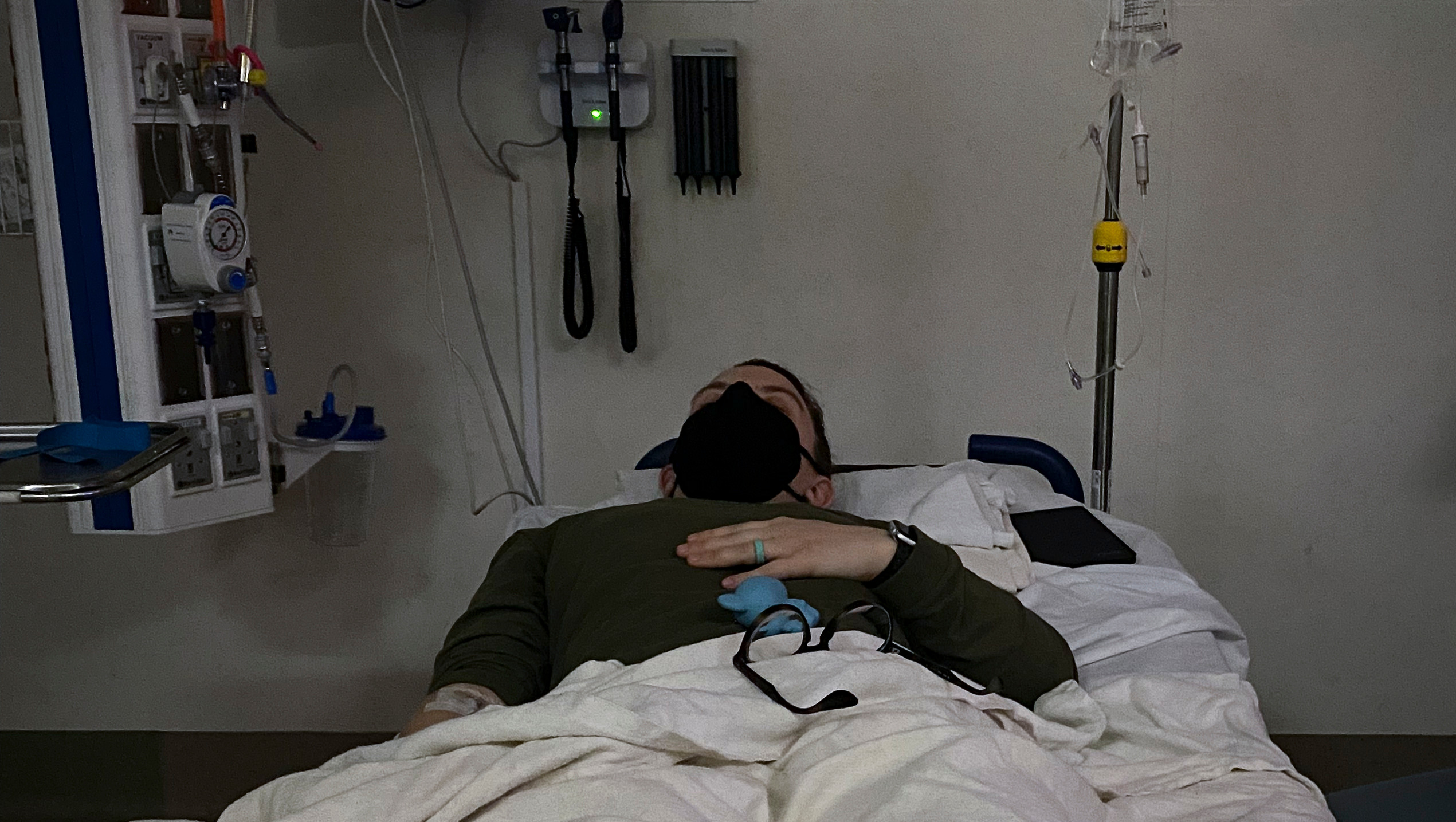
Where is Meagan now?
Meagan is home recovering from her hospital visit. Though the steroids seem to have helped reduce a bit of her pain, she is still having difficulty with simple day-to-day tasks such as walking, talking, showering, and eating. She has loss of vision and color perception and continuous bouts of dizziness and intense headaches. She is out of work and does not qualify for a family medical leave of absence as she just recently started her job. Now being considered disabled, and her likely MS being triggered by any stress, it appears she will not be able to return to work as a therapist any time soon, if at all. This has led us to a lot of stress and instability in our lives.
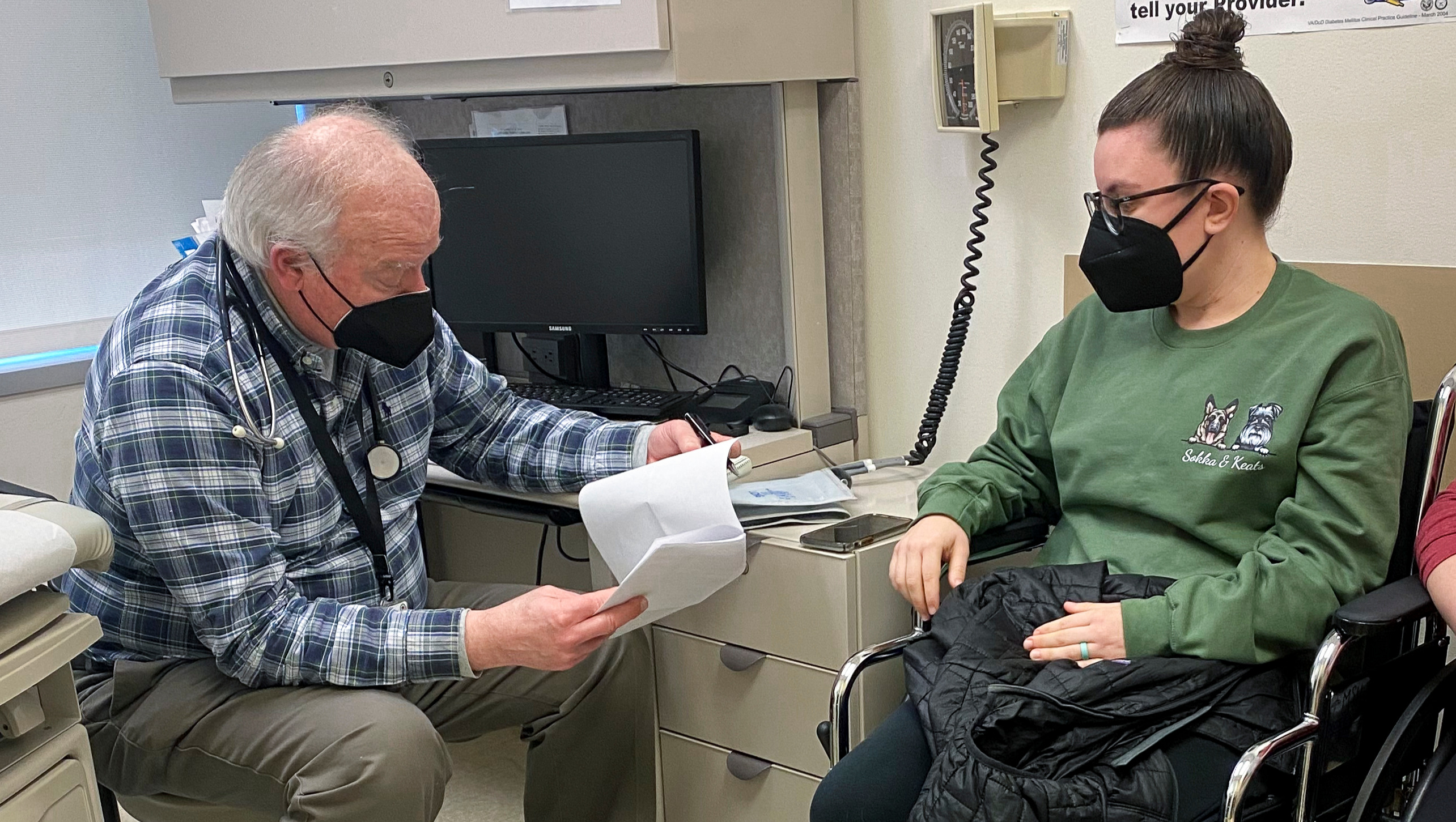
How can you help?
Meagan has selflessly assisted so many who have struggled to navigate their lives. I ask, if you could, to help her during her own struggle-filled journey of managing this debilitating and life-altering illness. Any donations made will be toward different accommodations she may need (walkers, wheelchairs, handrails, therapies etc.), or toward bills we are unable to pay during her long, unpaid leave-of-absence/possible job loss.
What exactly is multiple sclerosis?
Multiple sclerosis is a potentially disabling disease of the brain and spinal cord (central nervous system). In MS, the immune system attacks the protective sheath (myelin) that covers nerve fibers and causes communication problems between your brain and the rest of your body. Eventually, the disease can cause permanent damage or deterioration of the nerve fibers.
Signs and symptoms of MS vary widely between patients and depend on the location and severity of nerve fiber damage in the central nervous system. Some people with severe MS may lose the ability to walk independently or ambulate at all. Other individuals may experience long periods of remission without any new symptoms depending on the type of MS they have.
There's no cure for multiple sclerosis. However, there are treatments to help speed the recovery from attacks, modify the course of the disease and manage symptoms.
Common symptoms include:
- Numbness or weakness in one or more limbs
- Tingling
- Electric-shock sensations that occur with certain neck movements, especially bending the neck forward (Lhermitte sign)
- Lack of coordination
- Unsteady gait or inability to walk
- Partial or complete loss of vision, usually in one eye at a time, often with pain during eye movement
- Prolonged double vision
- Blurry vision
- Vertigo
- Problems with sexual, bowel and bladder function
- Fatigue
- Slurred speech
- Cognitive problems
- Mood disturbances
Source: The Mayo Clinic
Please keep Meagan in your thoughts and in your prayers, and thank you sincerely for all help–both physically and emotionally– you may be able to provide her.