Help Miki Stay Housed and Recover After Harm in State Police
0% complete
$1,100 raised of
2 donations
My name is Miki, and I am creating this fundraiser for myself after a traumatic encounter with Washington State Police custody that has left me unable to work, afraid to drive, and struggling to regain a basic sense of safety.
I am autistic. I said that repeatedly during my arrest and detention. I tried to explain that my speech patterns, distress, sensory overload, and attempts to advocate for myself were being misunderstood. Instead of being met with care, accommodation, or meaningful medical attention, I experienced what I believe was a prolonged and profoundly inhumane ordeal.
I was arrested on suspicion of DUI. About two hours later, at the station, I blew a 0.053—below Washington’s per se DUI alcohol threshold of 0.08. I was not drunk behind the wheel. That fact does not erase the serious impact of the arrest and detention that followed.
From the arrest scene onward, I was held in handcuffs behind my back in a position that caused escalating shoulder pain. I repeatedly cried out and asked for help. I asked for medical attention. I communicated that I was autistic. I describe this publicly not to litigate every detail online, but because the physical and emotional impact has been devastating, and I need help surviving its aftermath.
I recognize that officers and mental-health personnel may have had legal authority to detain, supervise, or assess me. That authority did not authorize them to demean me, mock me, ignore an evident medical and autistic crisis, refuse basic communication, or treat disability-related loss of speech and dysregulation as misconduct.
Their authority created a heightened duty to act professionally, communicate clearly, assess risk, obtain appropriate clinical help, document decisions, and use the least restrictive and least traumatic response reasonably available. Instead, I was left in a locked cell, handcuffed for more than 12 hours, frightened, near-nonverbal, and repeatedly in panic, without a meaningful explanation of what was happening or why. My shoulder pain intensified until I rated it at a 9 out of 10. I was exhausted, terrified, and unable to get relief. I say that I was denied meaningful medical care despite repeated requests. I was mocked and humiliated while I was in visible distress.
Eventually, exhausted and in severe pain, I had to maneuver my cuffed hands from behind my back to the front of body in order to use the toilet and survive the position I had been left in.
By that point, I had been awake for more than 24 hours and was experiencing extreme sensory overload, exhaustion, fear, pain, and the effects of being treated as though my autism itself made me a psychiatric problem. I was subjected to psychiatric-style restraint measures without what I understood to be a legitimate medical evaluation, evidence-based justification, or respectful care.
I am angry that this could happen. I am angry that repeated disclosures of my autism did not lead to accommodation, de-escalation, communication, or medical attention. I am angry that cries for help could be treated as a nuisance, a joke, or something to be ignored. No one should have to prove they are in pain loudly enough, clearly enough, or in the “right” tone of voice before they are treated as a human being.
I request an independent investigation into whether officers and mental-health personnel used their official authority in a manner that violated my civil rights, patients’ rights, disability rights, departmental policies, and professional duties!
I request a criminal, administrative, civil-rights, disability-rights, and professional-licensing review of whether the acts and omissions described constitute neglect, abuse, excessive or unjustified restraint, failure to provide medical or mental-health care, failure to accommodate disability, misconduct under color of authority, or any other violation of law, policy, or professional duty!
I was not given water by any employee of MultiCare Hospital in Tacoma or while in police custody, despite being in acute distress and concerned that I was dehydrated and malnourished. I also was not provided with any intravenous fluids or “banana bag” treatment that I believed I needed. I request an independent review of my complete medical record to determine: my hydration and nutritional status; vital signs; clinical assessments; whether laboratory testing or an examination was performed; whether fluids, food, anti-anxiety treatment, medical observation, or other interventions were indicated; whether I requested them; the reason each intervention was provided or not provided; and the identity of the clinician responsible for those decisions.
I ultimately left the hospital against medical advice because I felt abandoned, unsafe, and unable to obtain humane, responsive care. I then faced approximately an hour-long drive home while exhausted and distressed. My AMA departure must not be used to erase or excuse the care, communication, disability-accommodation, safety, and dignity failures that occurred before I left. I request that the hospital preserve all AMA documentation, discharge instructions, capacity assessments, offers of treatment, transportation discussions, safety planning, and communications made before or during my departure.
I am still working through the trauma from this experience. I am struggling to feel safe driving and have been unable to work. The financial consequences are immediate and frightening: rent and housing, food, utilities, transportation, medical care, mental-health support, and the everyday costs of staying alive while trying to recover.
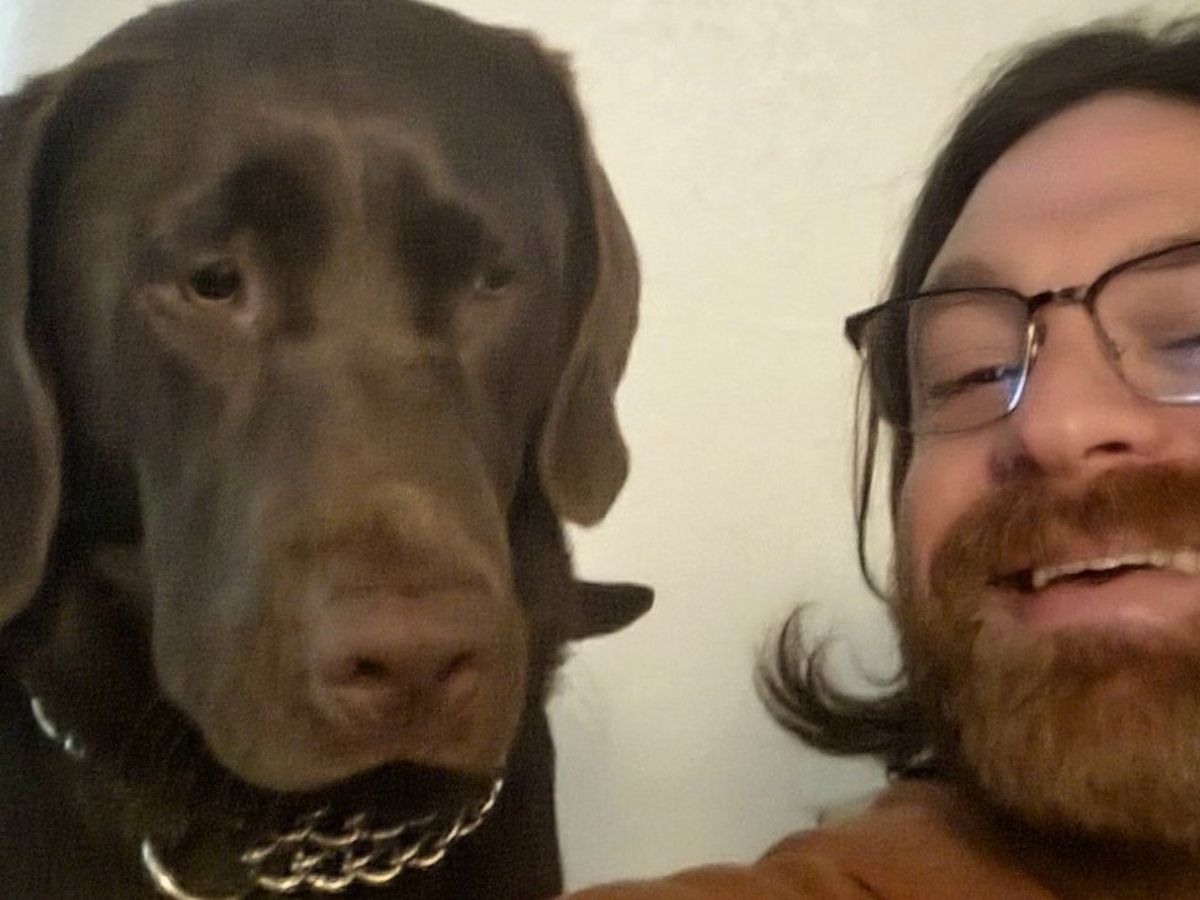
My chocolate Labrador retriever accompanied me to the hospital. She is my service animal in training and lives with me as my protector and companion. During the crisis, when I was overwhelmed, regressed, close to non-verbal, and repeatedly panicking, she was the only being who gave me consistent calming support. Her proximity, physical affection, and familiar behavior helped ground and regulate me when staff did not.
I am keeping certain facts and evidence private while I seek legal guidance and explore accountability options. I intend to speak with civil-rights advocates, including the ACLU of Washington, and to pursue appropriate legal, medical, and disability-rights avenues. The ACLU of Washington has an online information-and-referral pathway for legal issues, though submitting an intake request does not guarantee representation.
This fundraiser is not a substitute for accountability. It is a request for immediate stability while I seek it.
Donations will help me pay for:
• Housing and essential bills while I am unable to work
• Food, utilities, phone service, and basic necessities
• Transportation while driving feels unsafe or unmanageable
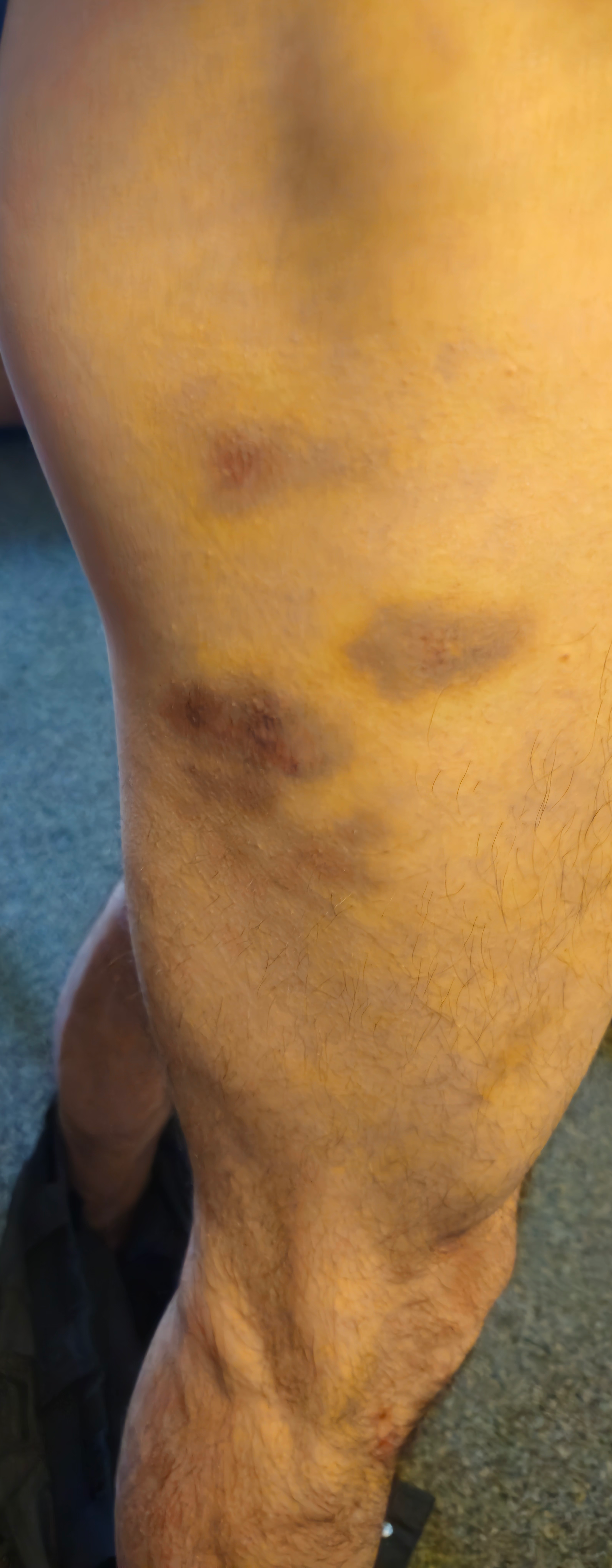
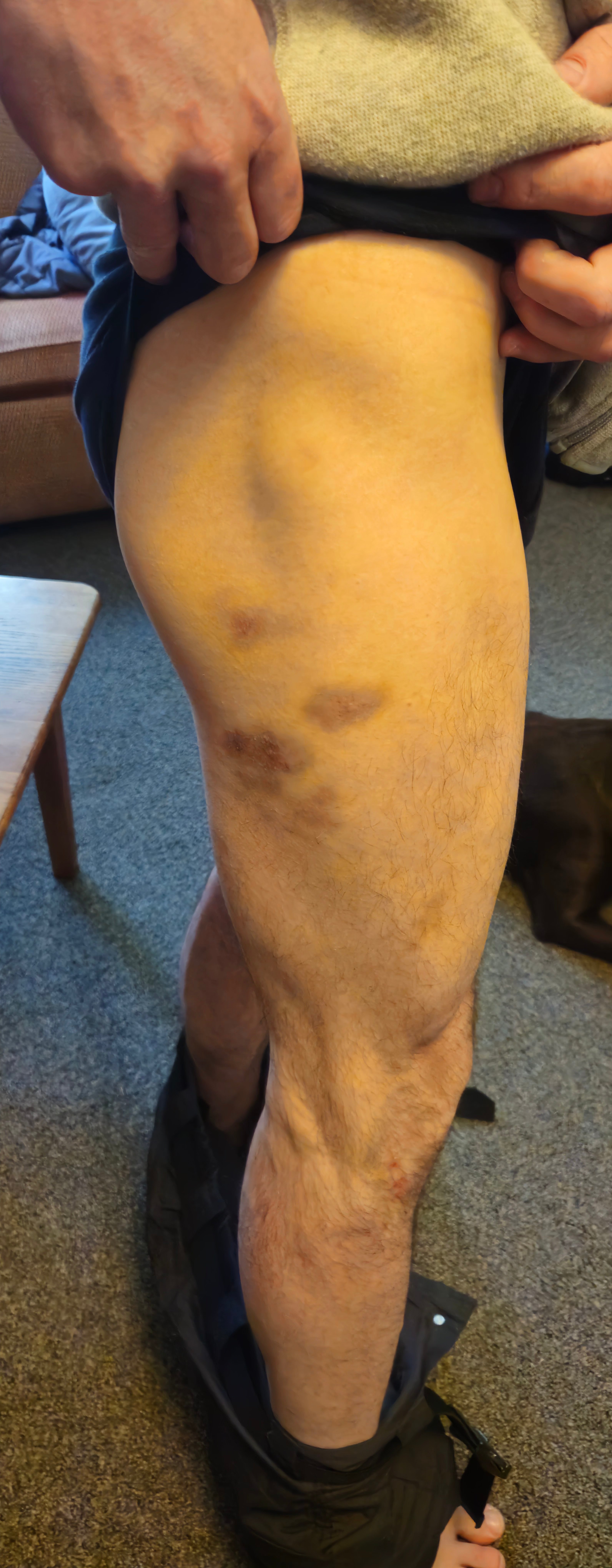
• Medical evaluation and treatment for the physical effects of the incident
• Trauma-informed mental-health care and autism-affirming support
• Time and stability to document what happened, obtain records, and pursue appropriate civil-rights and legal support
If you can donate, thank you. Any amount gives me room to breathe, recover, document, and keep moving forward.
If you cannot donate, sharing this fundraiser is also meaningful. Please share it with people who understand that disabled people deserve dignity, that pain deserves medical attention, and that no one should be punished for being autistic, distressed, or unable to communicate in the way authorities expect.
Thank you for believing that I deserve safety, care, and a path forward.
Organizer