- N
- A
Help Me Reunite With My Family After Three Years Apart
0% complete
£12,668 raised of £39.7K
235 donations
My name is Niveen Haliqawi, and I am a Palestinian researcher based in Glasgow, Scotland.
I am creating this fundraiser on behalf of my friend and colleague, Hussein Naim, an architect, researcher, and artist who is currently in Gaza.
The goal of this campaign is to help reunite Hussein with his wife and three children, who have been in Egypt for nearly three years. Like many Palestinian families, they were forcibly separated during the genocide and have remained apart ever since.
All funds raised through this campaign will be transferred to Hussein's family in Egypt and used to cover the coordination fees and related expenses required for Hussein to reunite with them.
The funding breakdown can be found at the end of this description.
Below is Hussein's story, shared in his own words.
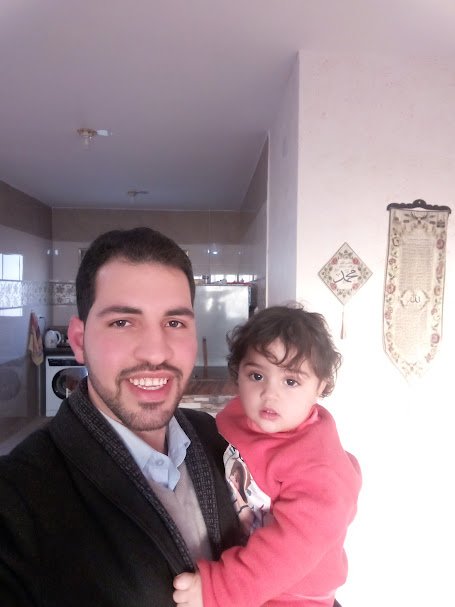
For nearly three years, I have been separated from my wife and our three children.
When my family and I were forced apart, I believed the separation would be temporary. I never imagined that years would pass before I could hold my children again.
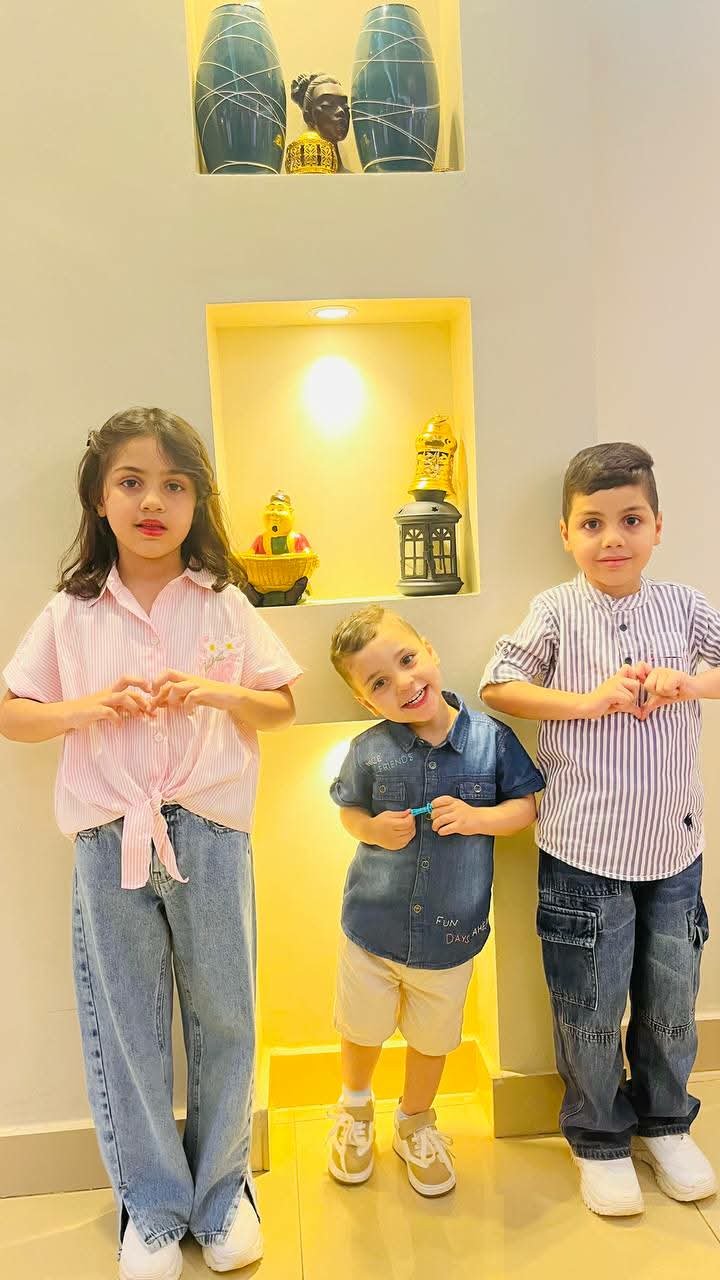
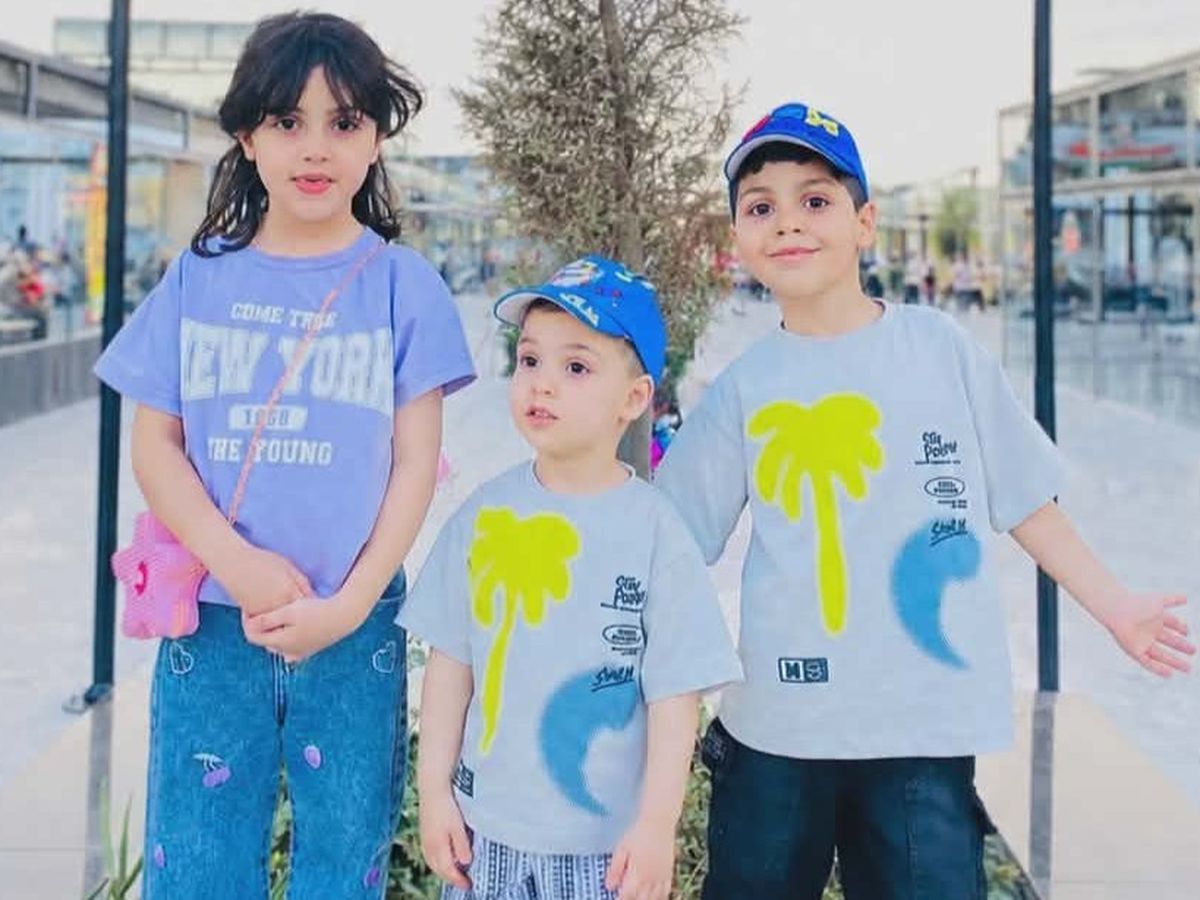
My daughter Leen was three and a half years old when I last saw her. Today she is six and a half. My son Qusai was two and a half years old. Today he is five and a half. My youngest son, Jalal, was only five months old. Today he is three years old.
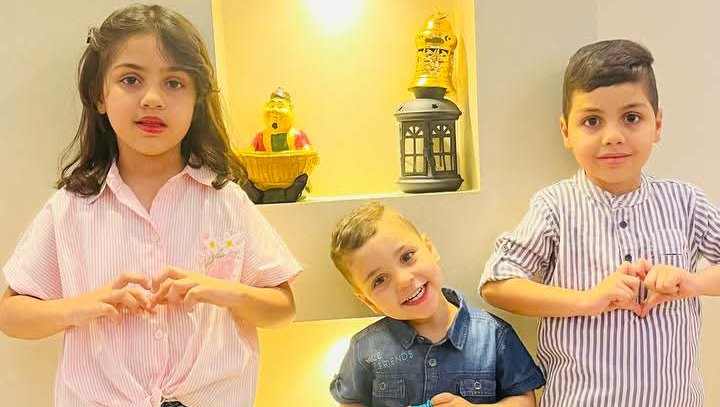
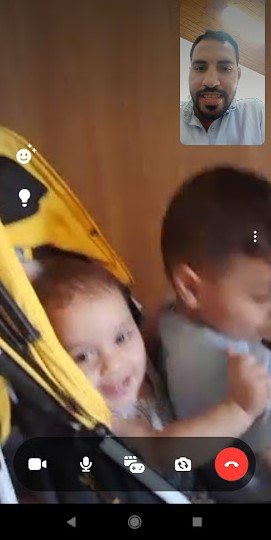
Like every parent, I imagined being there as my children grew up. Instead, I have watched them from afar through photographs, phone calls, and brief moments when internet and electricity made communication possible.
While my family tried to rebuild some sense of stability in Egypt, I remained in Gaza. Every day, I carried the weight of being separated from the people I love most, but I also felt a responsibility towards the community around me.
As an architect, researcher, and artist, I could see needs everywhere I looked, and throughout the genocide, I moved from one task to another depending on what people needed most.
In the first months, I worked with displaced families in an UNRWA shelter in Rafah, helping support people who had lost their homes and were trying to survive under unimaginable conditions.
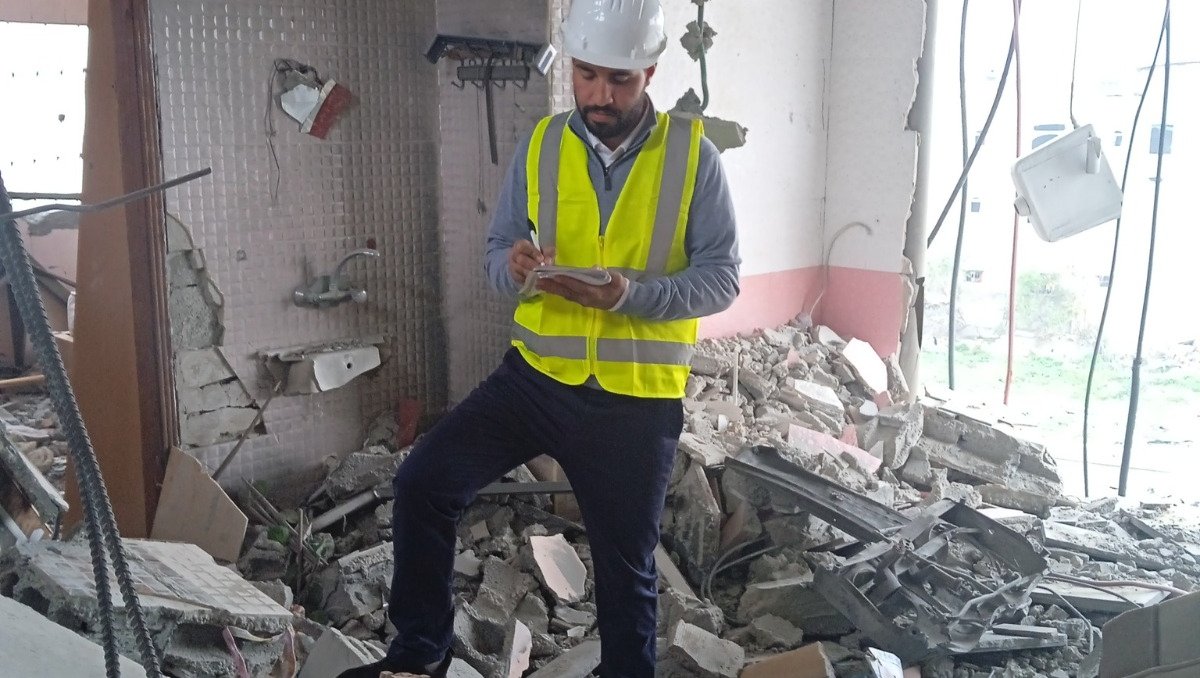
As the genocide intensified, I worked with international organisations on the design of emergency clinics, field hospitals, and shelters in Rafah and Khan Younis. My goal was simple: to help create safer spaces for families who had already lost so much and for the medical teams caring for them.
When Nasser Hospital was severely bombed, I joined rehabilitation efforts that helped restore parts of the hospital so it could once again provide medical care to patients.
Later, as displacement became prolonged and communities struggled to rebuild some form of daily life, I worked on the design of temporary schools, emergency kindergartens, and refugee camps. I believed that people needed more than shelter. They needed spaces where children could learn, play, and imagine a future beyond survival.
At the same time, I continued my work as a researcher and artist.
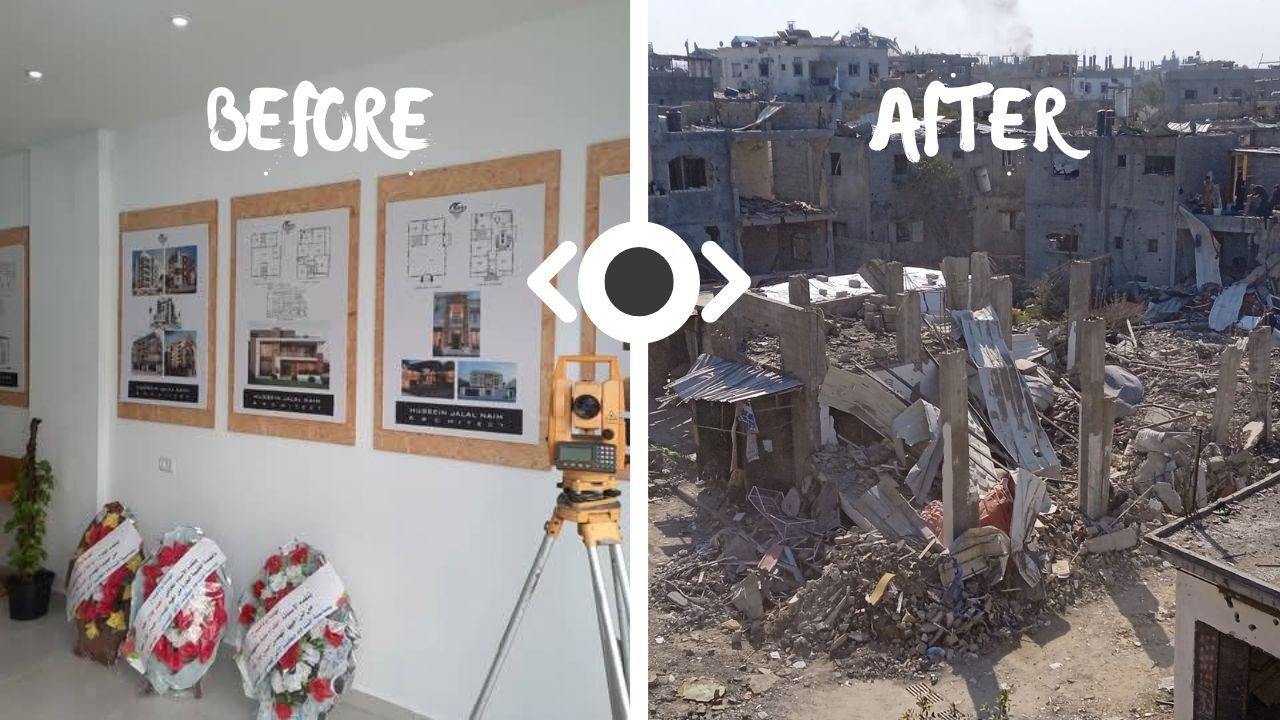
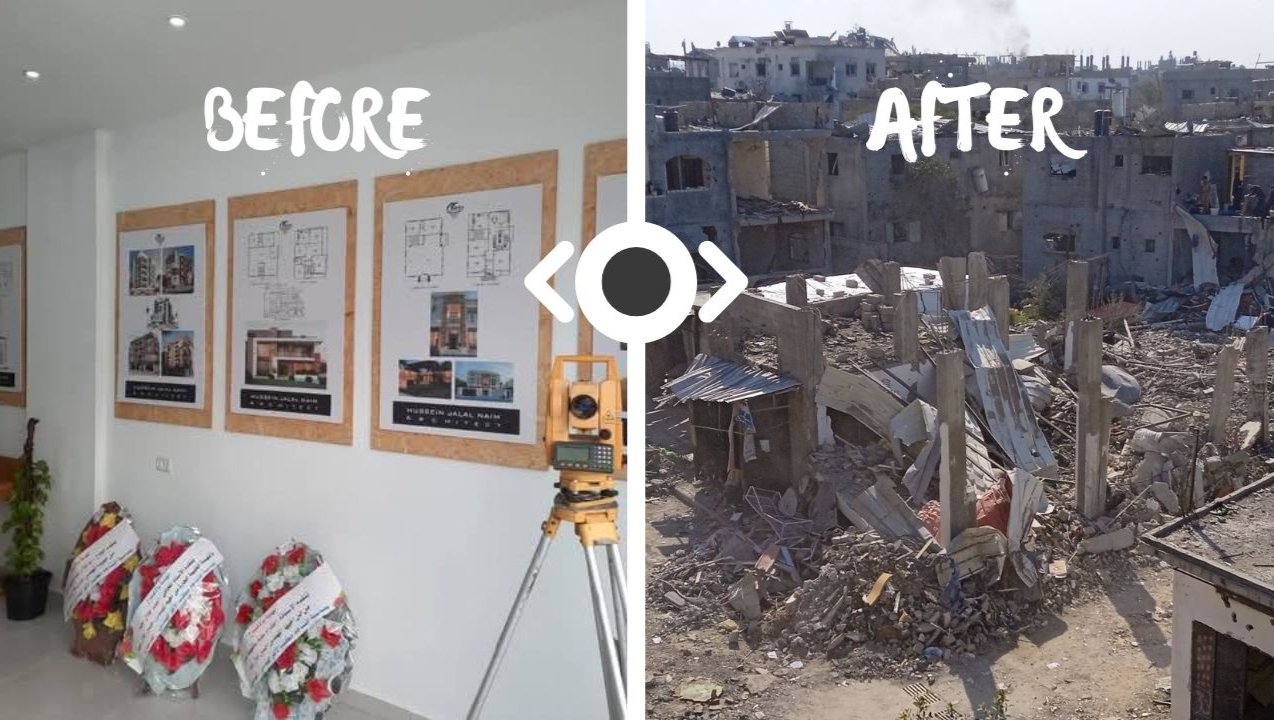
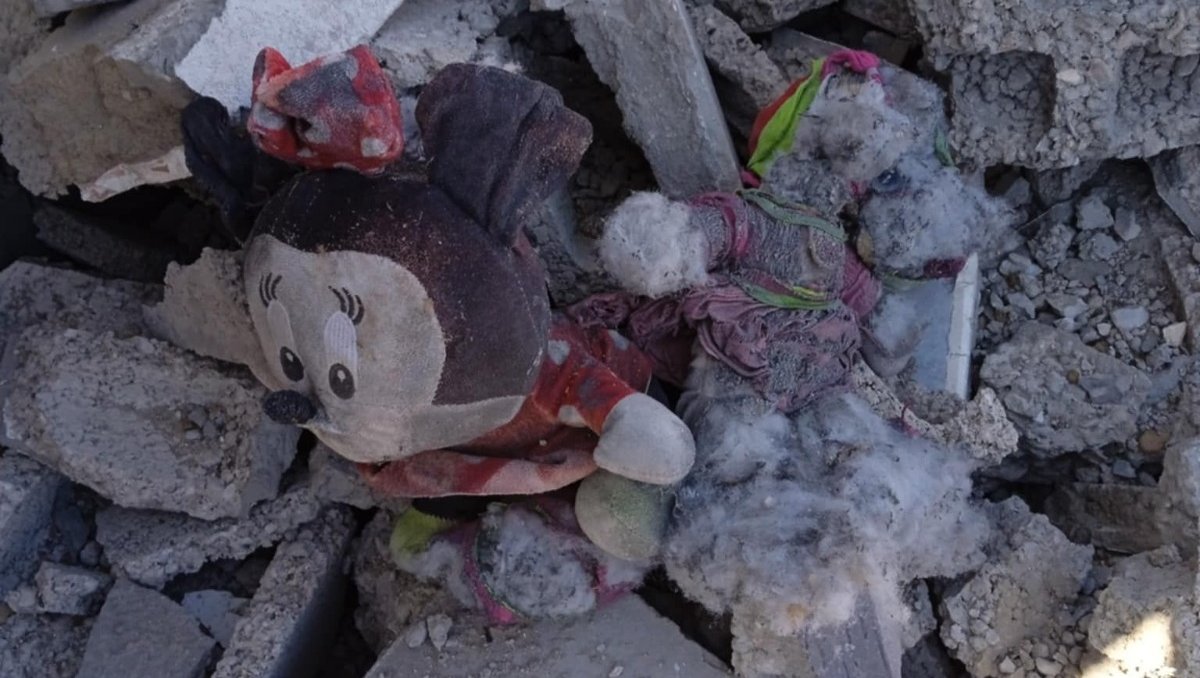
I documented the transformation of Gaza's urban landscape as entire neighbourhoods disappeared. I recorded the relationship between people and place as familiar streets, homes, and landmarks were destroyed. Through my research project Forced Space, I sought to preserve not only what was being lost physically but also the human experience of living through it.
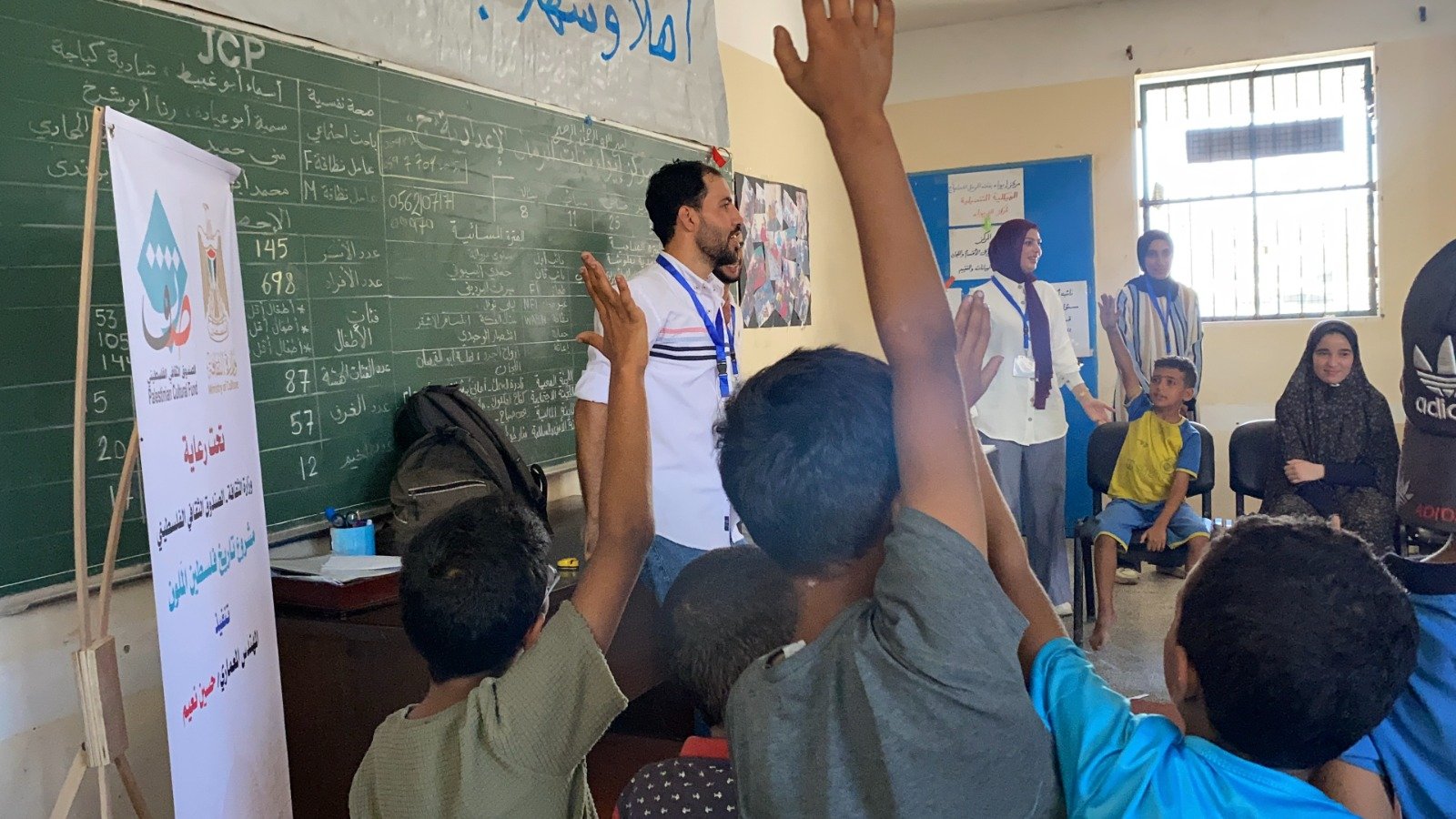
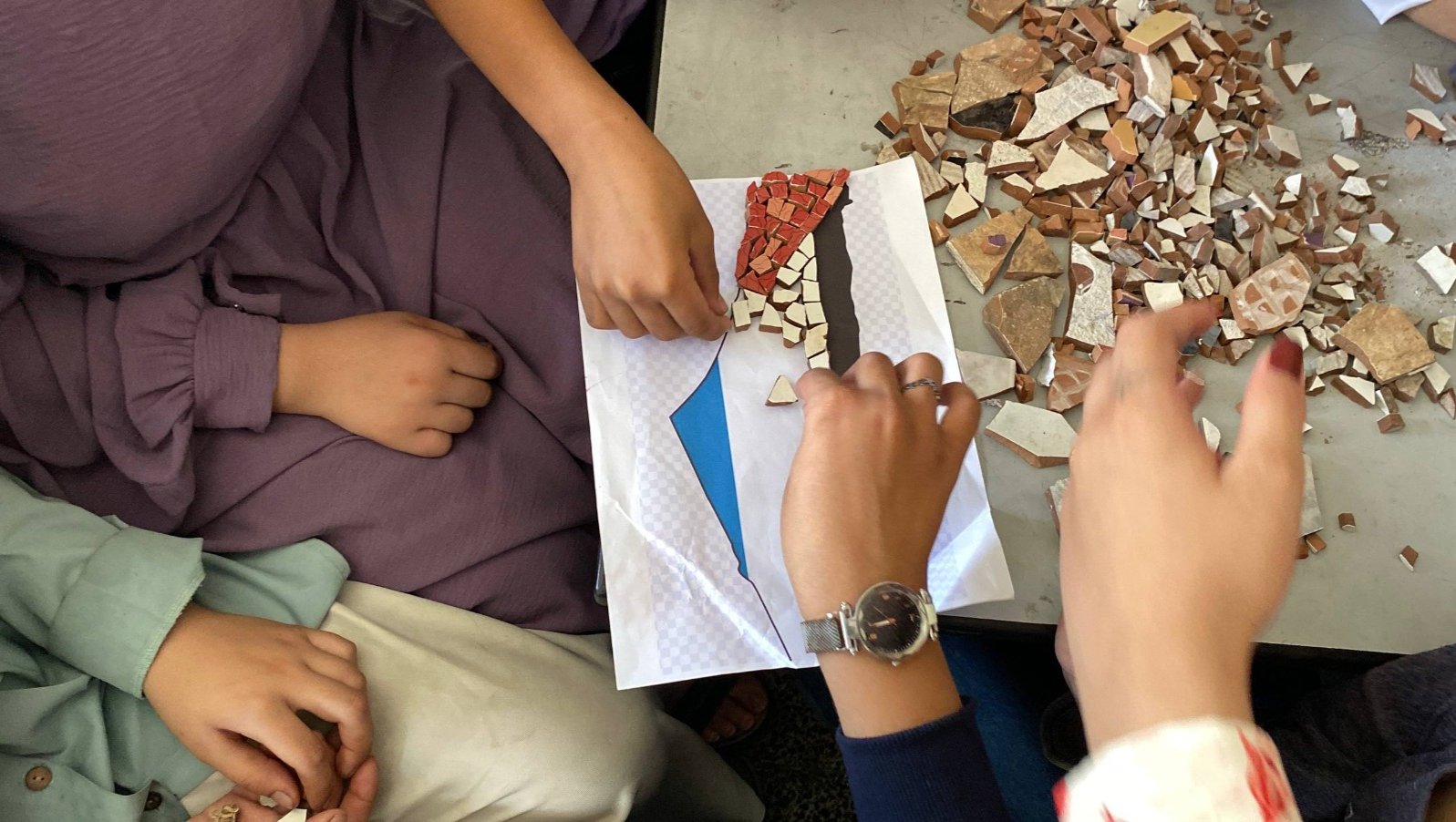
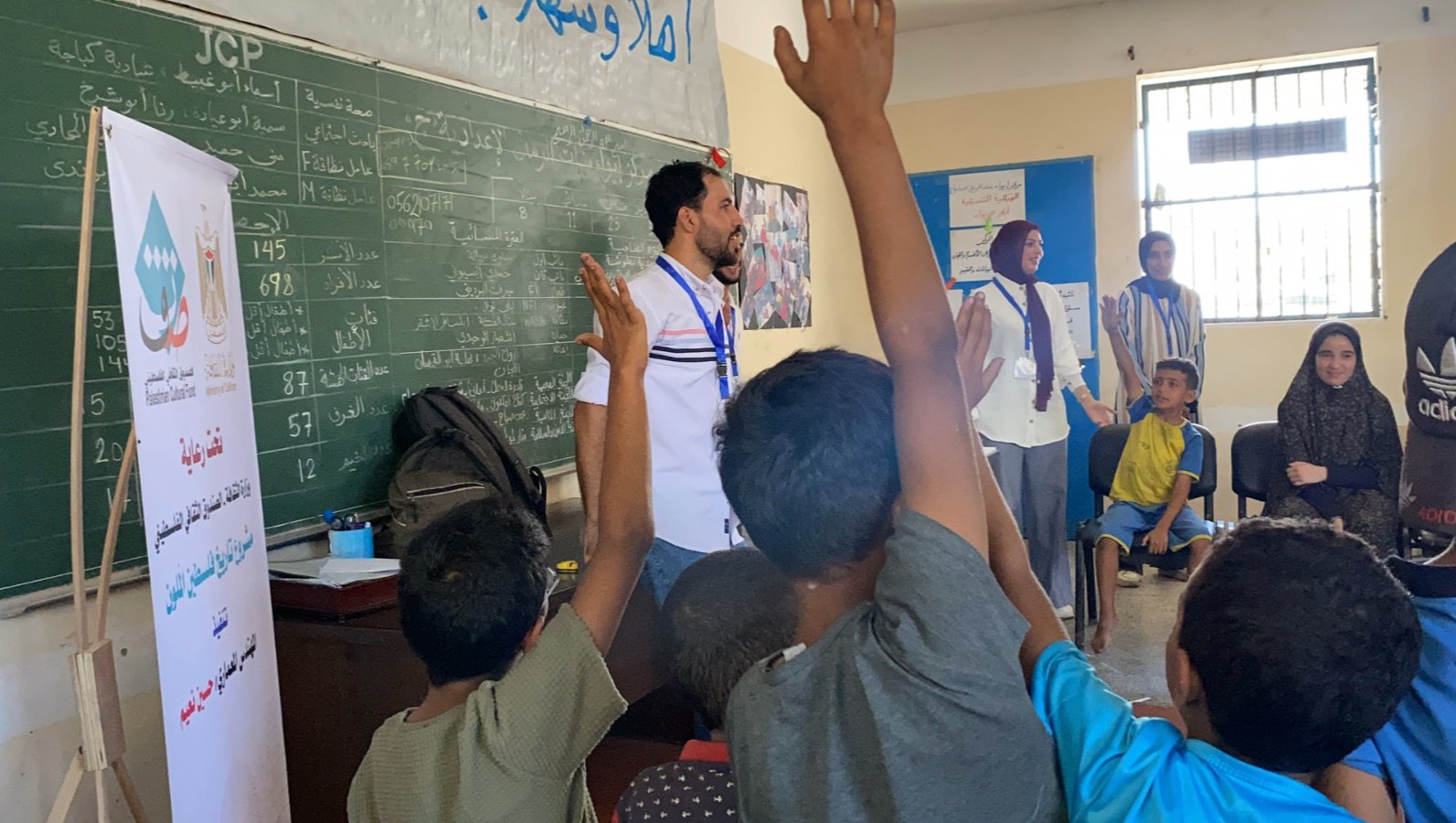
I also launched an artistic project called The Coloured History of Palestine, creating artworks that documented life during the genocide, training young graduates in architecture and art, and organising creative activities for children living in displacement centres. I wanted to create opportunities for expression, dignity, and hope in circumstances designed to strip people of all three.
Throughout this time, I was living through the same reality as everyone around me. My home was destroyed. My architectural office was destroyed. The Memory Preservation Museum, a project I had spent years building and the first museum in Gaza dedicated to preserving Palestinian architectural heritage, was destroyed.
Like so many people in Gaza, I lost much of what I had spent my life building. What I did not lose was my belief in the importance of memory, knowledge, culture, and community.
That belief continued to guide my work and eventually opened opportunities for me to share Gaza's experiences with academic institutions around the world. I presented my research at universities and conferences in the United Kingdom, France, Italy, and Germany, and I received opportunities for further study and research in Paris, Canada, and the United Kingdom.
I do not see these opportunities as personal achievements alone. I see them as opportunities to carry Gaza's stories into spaces where they can be heard, studied, and remembered.
But before any academic future, before any research opportunity, before anything else, I am a father and a husband.
After nearly three years apart, I want to hold my children again. I want to sit beside my wife again. I want to be present in the lives of Leen, Qusai, and Jalal, not through a phone screen, but as their father beside them. I want to help them heal from these years of separation and displacement. I want to support their education, their safety, and their future.
This fundraiser is a chance to reunite our family after years of forced separation. It is also a chance for me to continue the work I have carried through the genocide: serving my community, preserving memory, documenting Gaza, and building a future for my children.
Every donation brings me closer to my family. Every share helps us move one step closer to reunion.
Thank you for reading my story, standing with my family, and helping us reach each other again.
If you have any questions about this fundraiser, would like to verify any aspect of Hussein's story, or are interested in speaking with Hussein about academic, research, artistic, or professional opportunities, please contact us at hussiencampaign at Gmail. I would be happy to connect you with Hussein directly and provide any additional information you may need.
Funding Breakdown. The funds will be used for:
Coordination fees required for Hussein to reunite with his family in Egypt
- Coordination fees for Hussein's departure from Gaza: $25,000 USD (approximately £18,500 GBP)
Housing in Egypt for a family of five
- Monthly rent: £633
- 12 months of rent: £7,596
Living and food expenses for a family of five
- Monthly living expenses: £877
- 12 months of living expenses: £10,520
Education costs
- School fees and educational expenses for two of Hussein's children: $2,400 USD (approximately £1,776 GBP)
GoFundMe fees
- Platform and payment processing fees: £1,314
Organizer