- E
- K
- J
Help Lily After Life-Changing Neurological Illness
0% complete
£4,295 raised of
140 donations
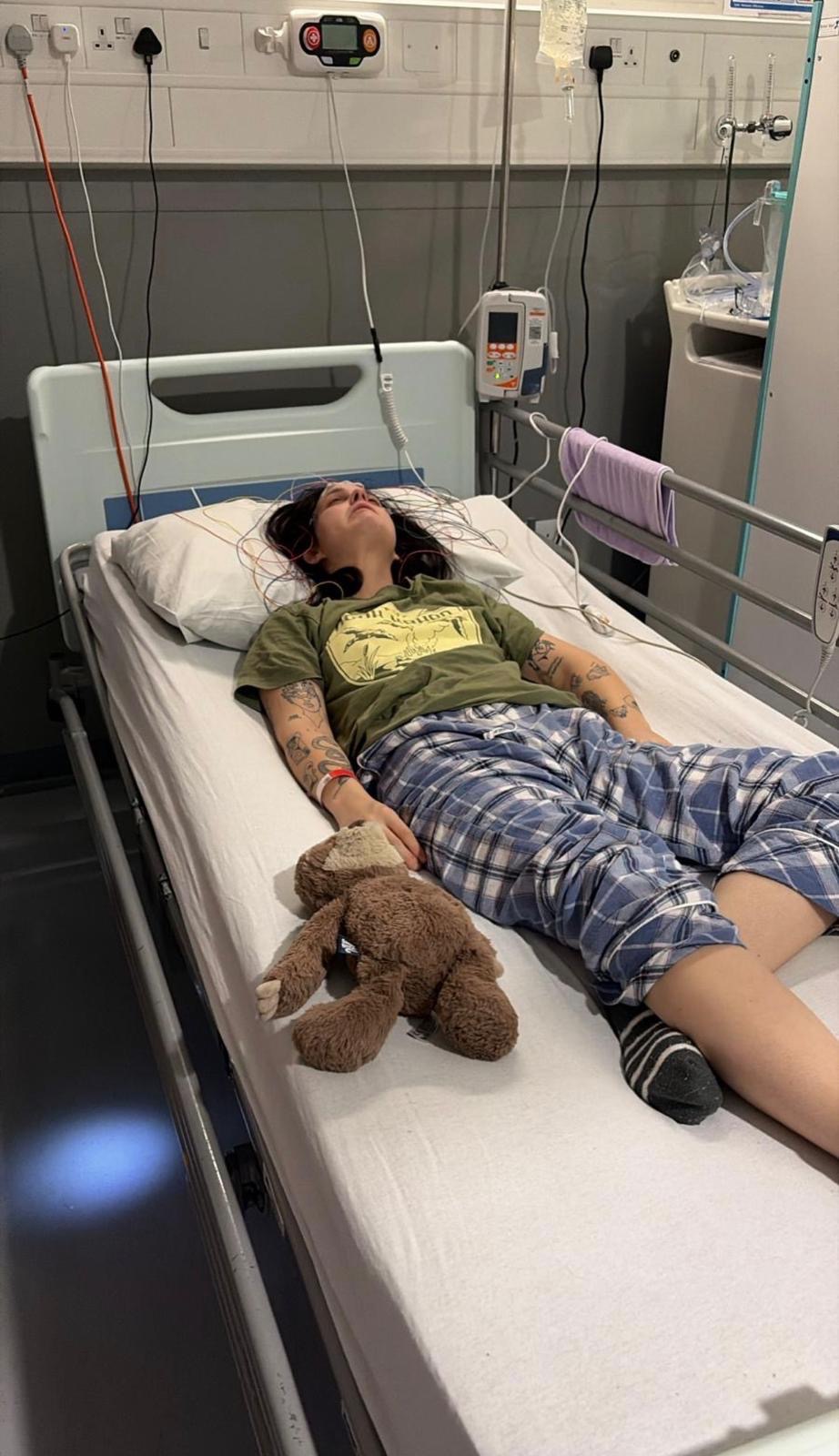
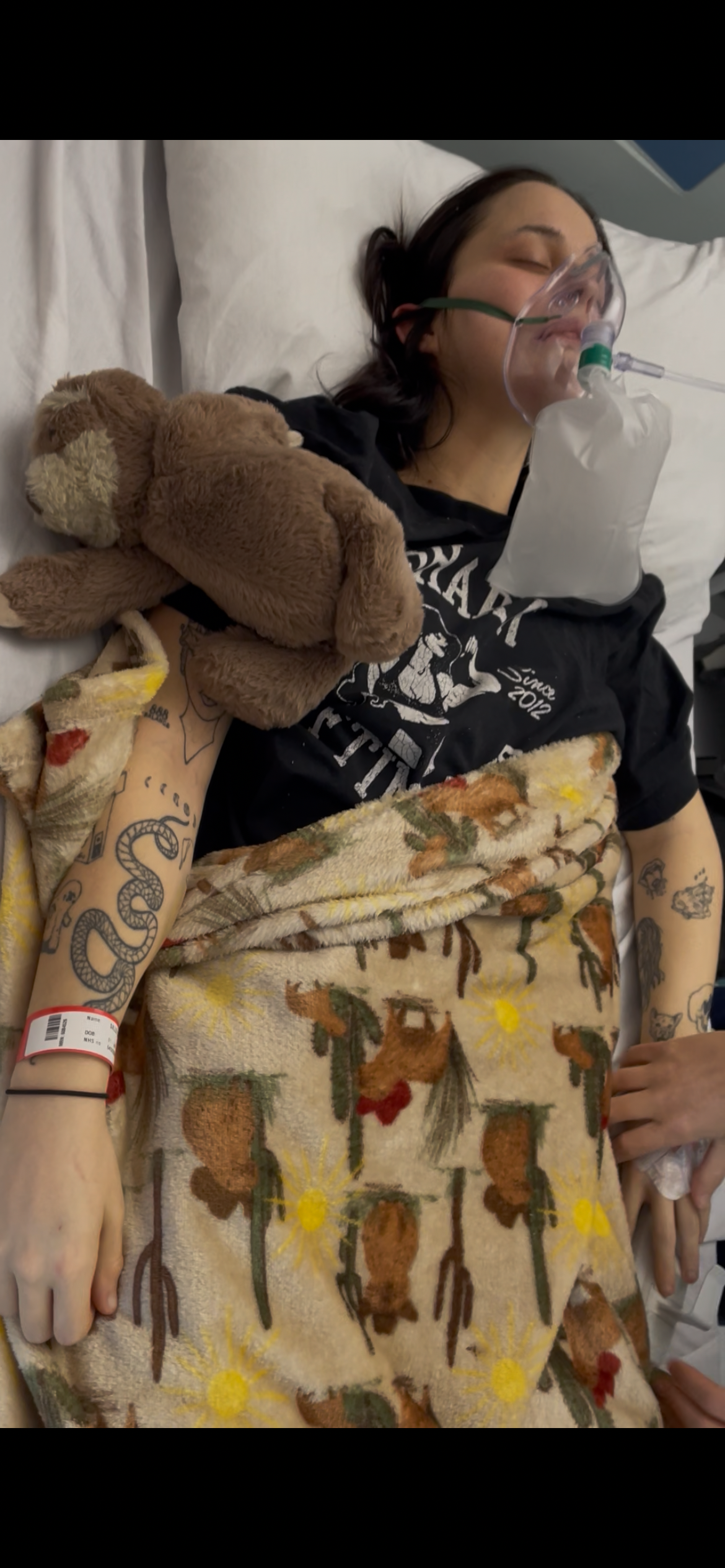
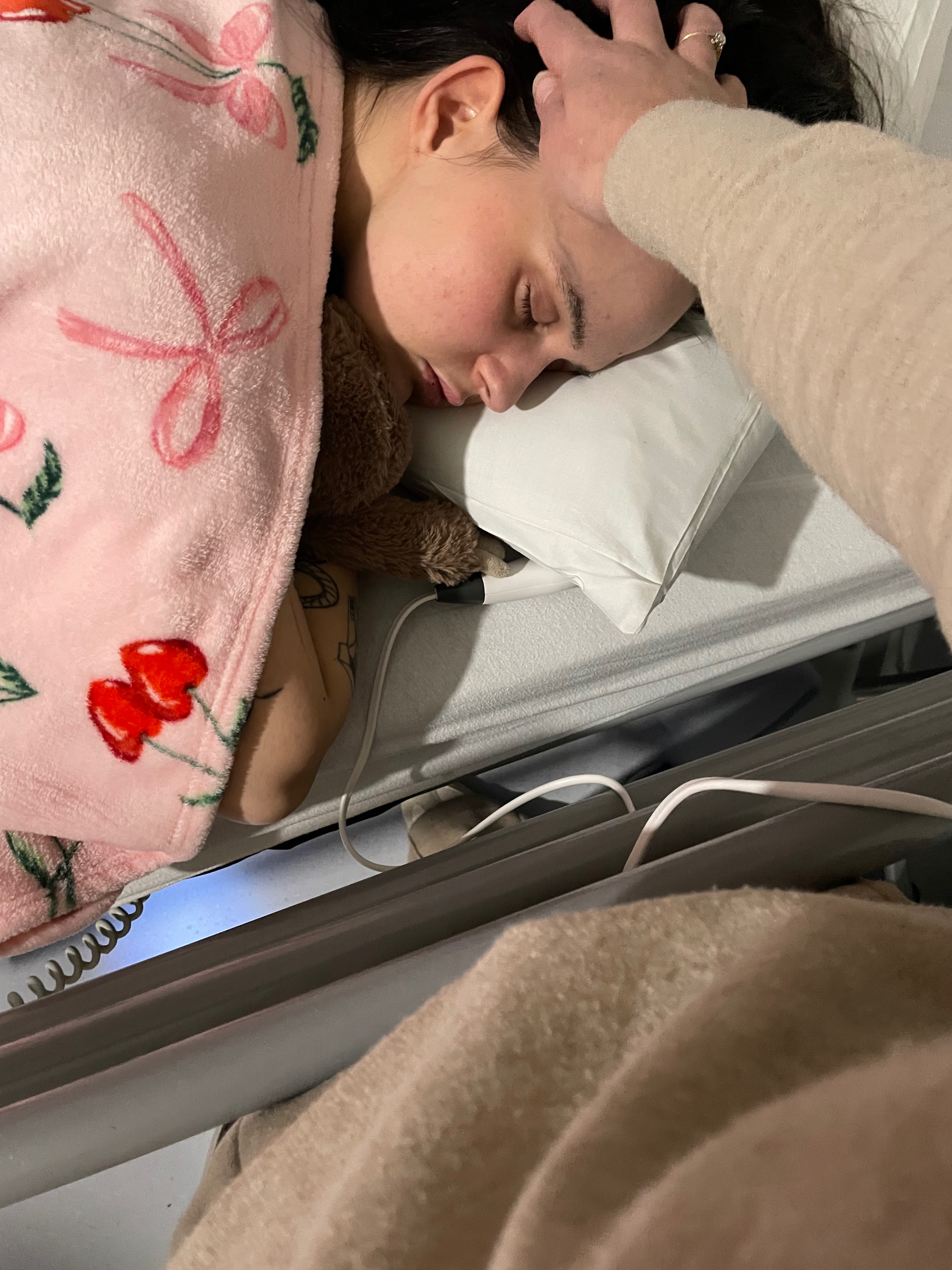
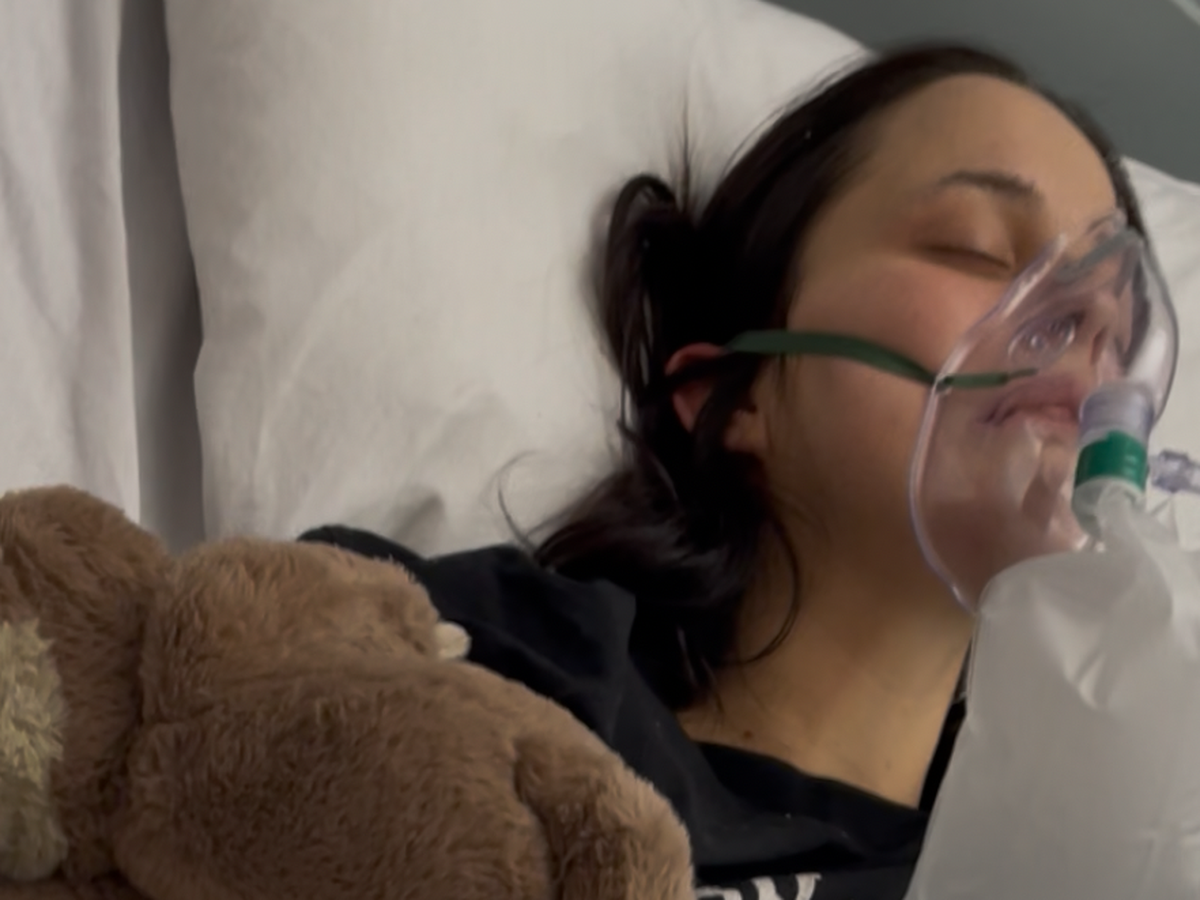
Over the past month, our daughter Lily’s life has changed in ways none of us could have imagined. What began suddenly has now become a daily battle with severe neurological conditions, and Lily remains in hospital while we try to understand what her future will look like.
Just weeks before her diagnosis, Lily was a healthy, active 23-year-old. She worked, went to the gym, loved being outdoors, and cared deeply for animals. She has worked since she was 14 years old and has always been independent, determined, and full of life. She laughed constantly, made plans for the future, and dreamed about travelling especially visiting America and converting a van into a home to explore the world slowly while surrounded by the people and animals she loves.
Then everything changed overnight.
Lily was diagnosed with Functional Neurological Disorder (FND), alongside Functional Movement Disorder (FMD) and Non-Epileptic Seizure Attack Disorder (NESAD).
FND is a neurological condition in which the brain’s normal communication with the body is disrupted. Although the brain and nerves are physically normal, the body does not receive the correct signals. In practical terms, this means that Lily can experience sudden paralysis, severe weakness, inability to walk, tremors, involuntary movements, and difficulty speaking or swallowing all without warning. She can appear conscious and aware, but her body refuses to respond normally. The unpredictability is relentless.
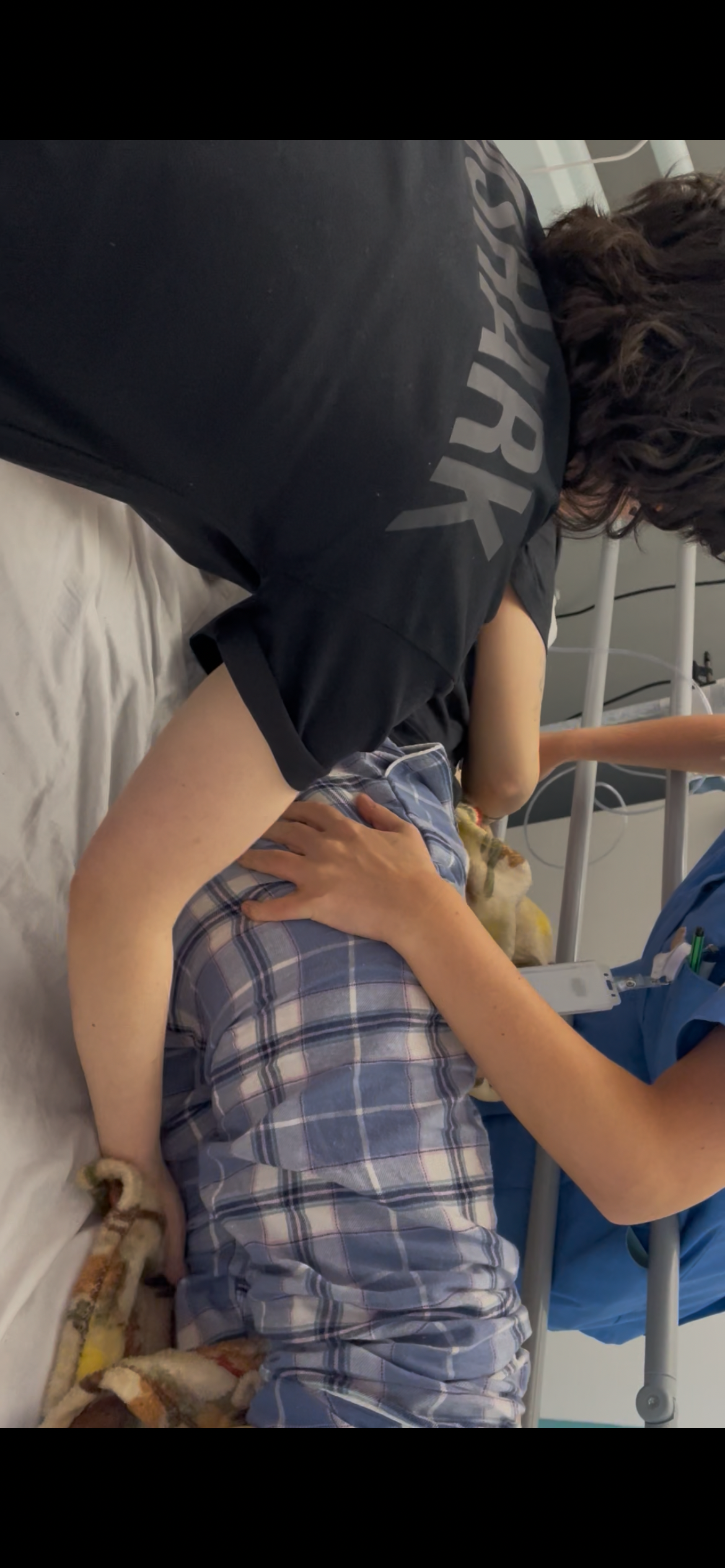
On top of this, FMD causes intense involuntary movements. Her arms and legs can jerk violently, her muscles tighten painfully, and her body can spasm continuously for hours. These episodes are exhausting and leave her in severe pain. Her facial muscles can spasm too, making chewing, speaking, and swallowing difficult and causing jaw pain.
NESAD adds seizure-like attacks that are not caused by epilepsy. Lily can have multiple episodes a day, sometimes during sleep. After these seizures, she may be unable to move or communicate for hours, even while fully aware of her surroundings.
Sometimes she experiences FND paralysis without spasms. Some days she can walk or talk, other days she cannot move at all. Sometimes FMD and NESAD overlap, leaving her body in continuous violent movement and seizure-like episodes for hours. Her longest spasm episode lasted around seven hours a relentless physical strain that leaves her exhausted and sore.
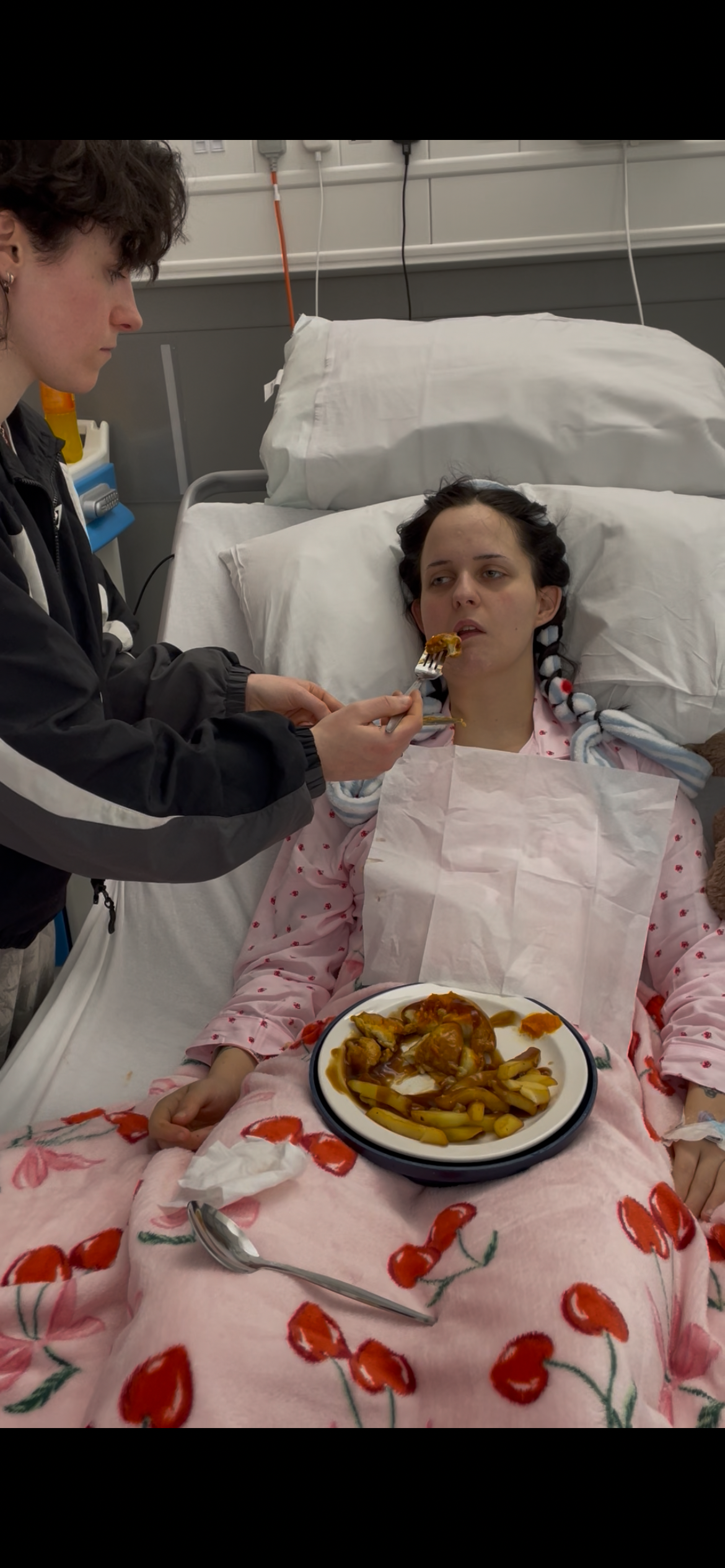
Even simple movements can trigger episodes. Something as small as sticking out her tongue, lifting her legs, picking up cutlery, standing up, or doing nothing at all can set off tremors or spasms. Daily tasks such as eating, drinking, dressing, or using the toilet have become unpredictable and often impossible without assistance. Holding objects can be difficult due to hand tremors, and facial spasms can make chewing or speaking painful.
The hardest part is the uncertainty. Lily never knows what each day will bring. She may wake up able to move, walk, and talk normally, and the next day she may wake up unable to move or speak. The future she once planned including work, travel, and independence has been put on indefinite hold.
As parents, there is no pain like watching your child trapped inside a body that will not respond, exhausted after hours of tremors or paralysis, or struggling to eat because her arms and jaw will not cooperate.
Despite everything, Lily still dreams. She talks about the ocean, forests, and open skies. She still hopes to travel safely, even if slowly and carefully. She still wants to explore the world on her own terms, surrounded by loved ones and animals.
Before she became unwell, Lily dreamed of converting a van into a home on wheels. Now that dream represents safety, stability, and the possibility of life outside hospital walls. A van would provide a contained, adaptable environment with safety modifications for tremors and seizures, space for a fold-up wheelchair, and facilities to maintain dignity during daily care tasks.
In addition to the van, Lily urgently needs a double electric bed to support her fluctuating mobility, allow safe positioning during episodes, and prevent injury. Mobility aids and specialist equipment are essential for ongoing rehabilitation and treatment.
A van would be home not only to Lily, but also to her partner now acting as her full-time carer and their dogs and cat, who provide emotional support. Calm surroundings and access to nature are known to help regulate the nervous system and reduce triggers, giving Lily the chance to live with some stability despite FND.
We know this is a significant request. But we are asking from the deepest place a family can ask whether it is by donating a suitable van, assisting with conversion, providing a double electric bed, supporting with medical equipment, or simply sharing her story.
You would not just be giving equipment. You would be giving Lily a home. You would be giving her stability in a body that no longer feels steady. You would be giving her hope and independence in a life that has become unpredictable.
Thank you for taking the time to read Lily’s story and for considering helping in any way you can.