- C
- K

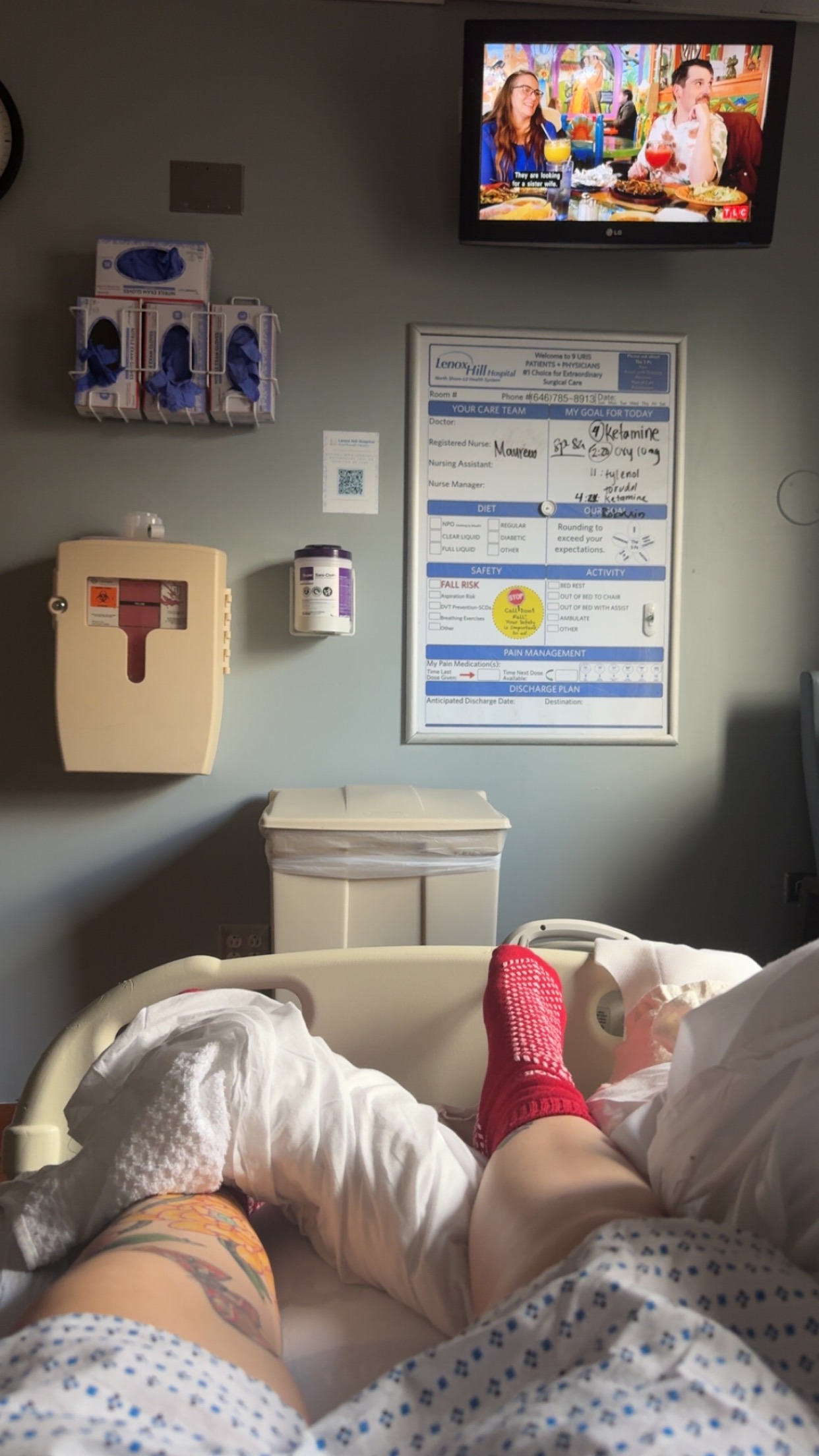
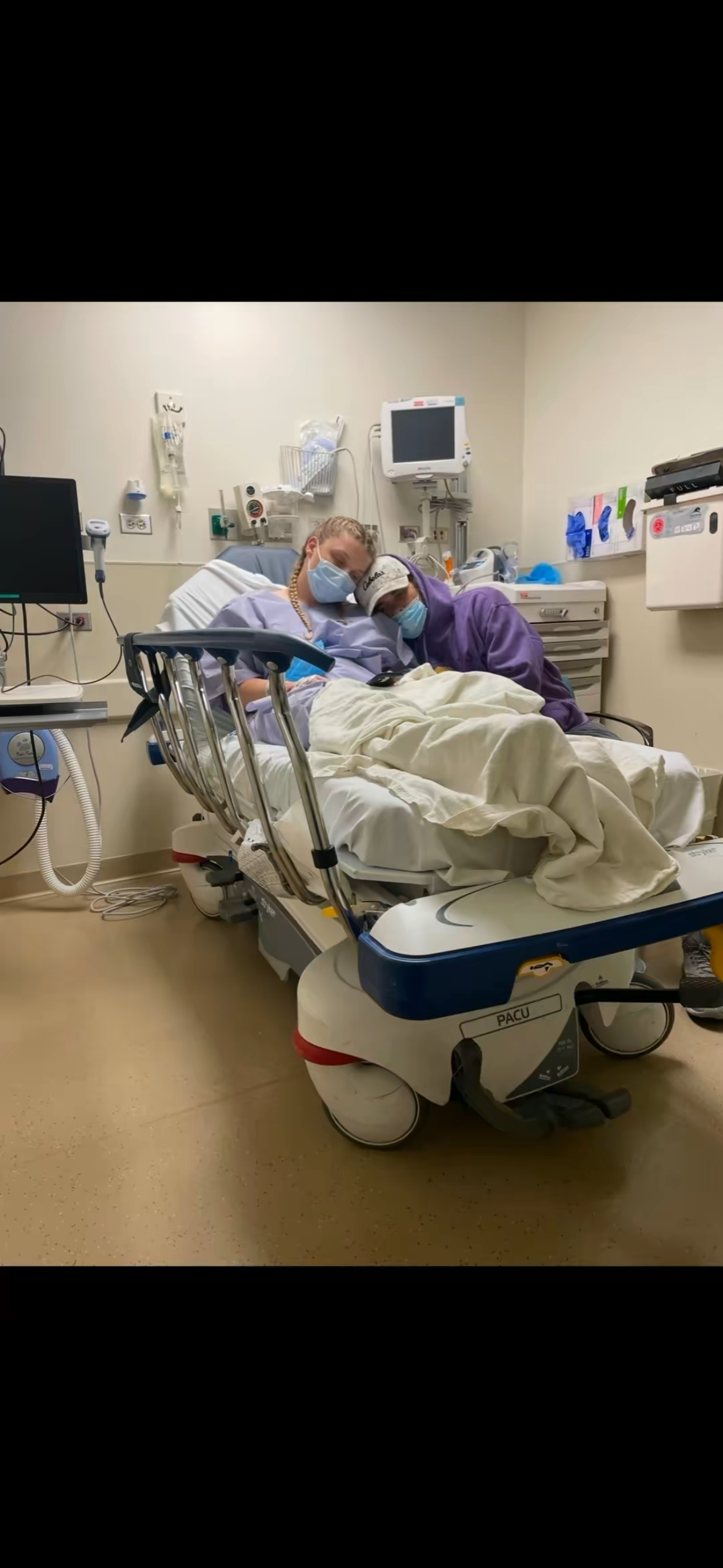
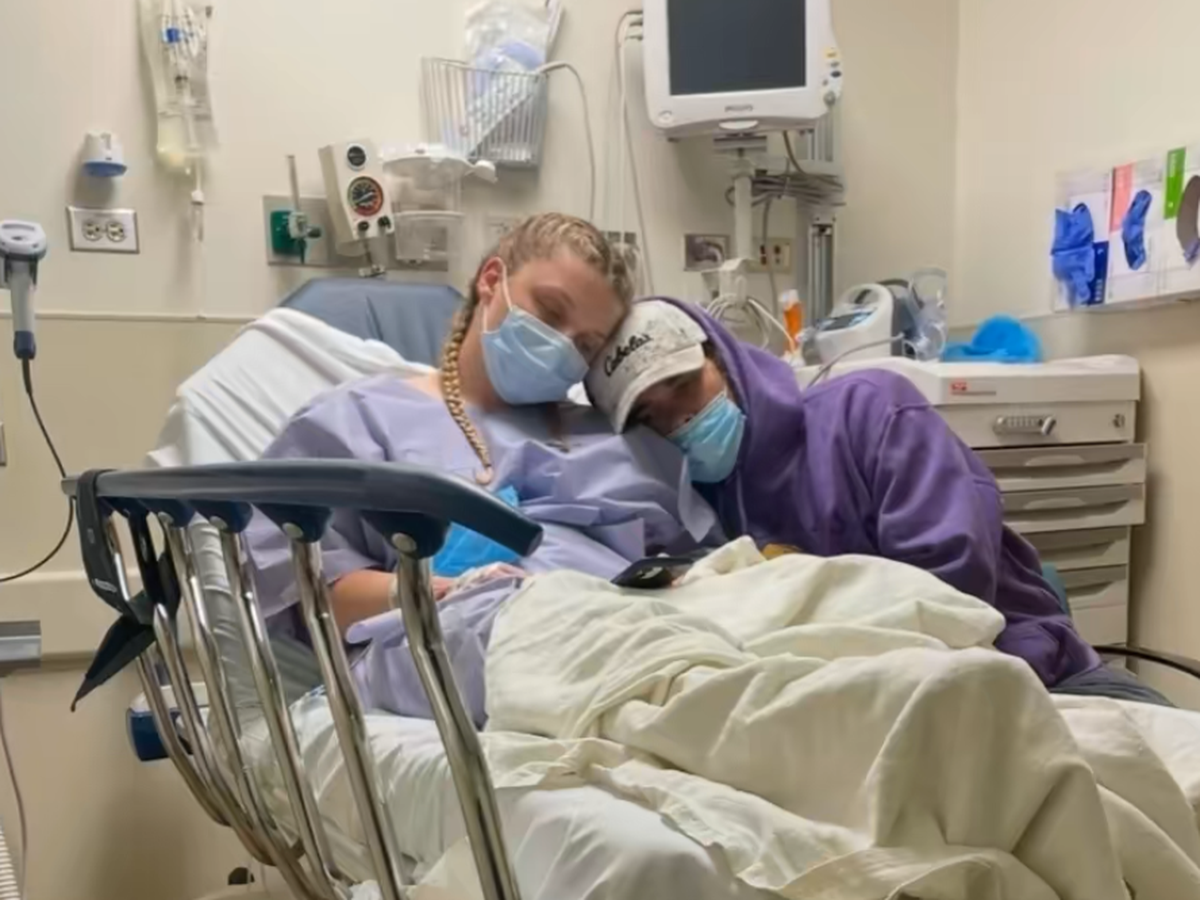
It is an inherently human thing to spend a lifetime searching for meaning—something that proves our existence has mattered. For each of us, “meaning” looks different, yet at its core it’s the same: connection, purpose, legacy, and the hope that our suffering might become something more than pain.
When I lost my hearing, I believed my sense of direction had disappeared with it. The grief eclipsed my perception of who I was and what I had thought my future could be.
What I didn’t know was that this loss would lead me to an entirely new language, a new way of connecting, and the career that would ultimately give my life a profound sense of purpose. Working with my students as an interpreter has become one of the most meaningful things I do. I am able to stand with my students in the face of their mountains and show them they can move them. I can endure beyond what I'd ever thought, and they can, too.
My greatest meaning has come from allowing my pain to teach me resilience, compassion, and hope. I have the tenacity, the blind faith to cling to hope for the future; as described by the philosopher and novelist Albert Camus, “In the depths of winter, I learned that within me there lay an invincible summer.”
But for the past four years, I have truly lived in what Camus described as “the depths of winter.” While the world moved on through its seasons, I remained in a frozen stillness—watching my body deteriorate and my independence slip away. I went from hours-long workouts and easy movement to barely being able to walk. Pain reshaped every part of my life: how I move, how I think, what I can participate in, who I still have the energy to keep close. I resisted mobility aids until the pain was unbearable, and even then acceptance came slowly. The grief of chronic illness is layered and unrelenting; I feel a clear divide between who I once was and who I must now learn to be.
Endometriosis has taken pieces of my life I never imagined losing—relationships, work, freedom, financial stability, and the ability to live without constant calculation. I have spent years going from provider to provider, test to test, hoping someone would see the complexity of my pain and take it seriously. I organized a binder of medical records, tracked symptoms, and learned to treat my body like a puzzle no one else could solve. I recognized patterns: the broken-glass nerve pain down my legs, the worsening flares with my cycle, the numbness and stabbing sensations that became daily companions. I was taught that suffering was simply part of womanhood, but I now understand I have been living with a real and serious medical problem.
I searched relentlessly for ways to reduce my pain, or find treatment. From physical therapy, injections, medications, acupuncture, to countless specialists, the cycle of more questions than answers continued. Even the Mayo Clinic declined my case. Yet, in all that hopelessness, I kept going. I clung to the notion that “within me lay an invincible summer.” I refused to give up.
Everything changed when I returned to Seckin Endometriosis Center. In a pivotal appointment, Dr. Seckin spoke to me with conviction and humanity. “Look at me. I am going to help you,” he said, cutting through the fog of despair I had been drowning in. He validated my suffering, understood its source, and was willing to take on my complex case. His belief in my pain, and his assurance had become a lifeline.
We chose to move forward with surgery—both excision of Endometriosis and sciatic nerve decompression. This was not a decision made lightly. It carried risks of worsening pain, reduced mobility, and unpredictable outcomes. But living without answers was no longer sustainable. I needed to know what was happening inside my body.
The surgery revealed Endometriosis once again, along with significant adhesions which created compression on my right sciatic nerve. Dr. Seckin removed all suspicious tissues and meticulously decompressed the nerve. Three days later, I noticed something astonishing: my right leg did not lose sensation when sitting—a reality I had never experienced before. For the first time since puberty, the broken-glass sciatic pain was gone on one side. The contrast with my left side is unmistakable in comparison. I now know what “normal” feels like, and I know what remains unhealed.
Many providers doubted this surgical path, insisting the procedure shouldn’t or couldn’t be done. Had I listened, I would still be suffering without answers. Instead, I now have proof of the cause of my pain—and proof that treating it works. What remains is the left side, still consumed with the same debilitating symptoms.
My future hangs on this decision. Treating my left sciatic nerve could restore mobility, reduce my suffering, and give me the chance to reclaim a life that has been eclipsed by illness.
Through all of this, I’ve learned that meaning often emerges not from answers, but from tenacity to endure. My suffering has reshaped my perspective, deepened my empathy, strengthened my capacity to love, and taught me how fragile and precious life is. I am ready to move toward healing, toward sunlight after years in winter. I simply need access to the care that can make that possible.
Your consideration has the power to change the trajectory of my life, and for that, I am profoundly grateful.
All love,
Mrs. Jordann Hill
Organizer