- K
- J
- M
Help Jojo Overcome Legg-Calve-Perthes Disease
0% complete
$245 raised of
5 donations
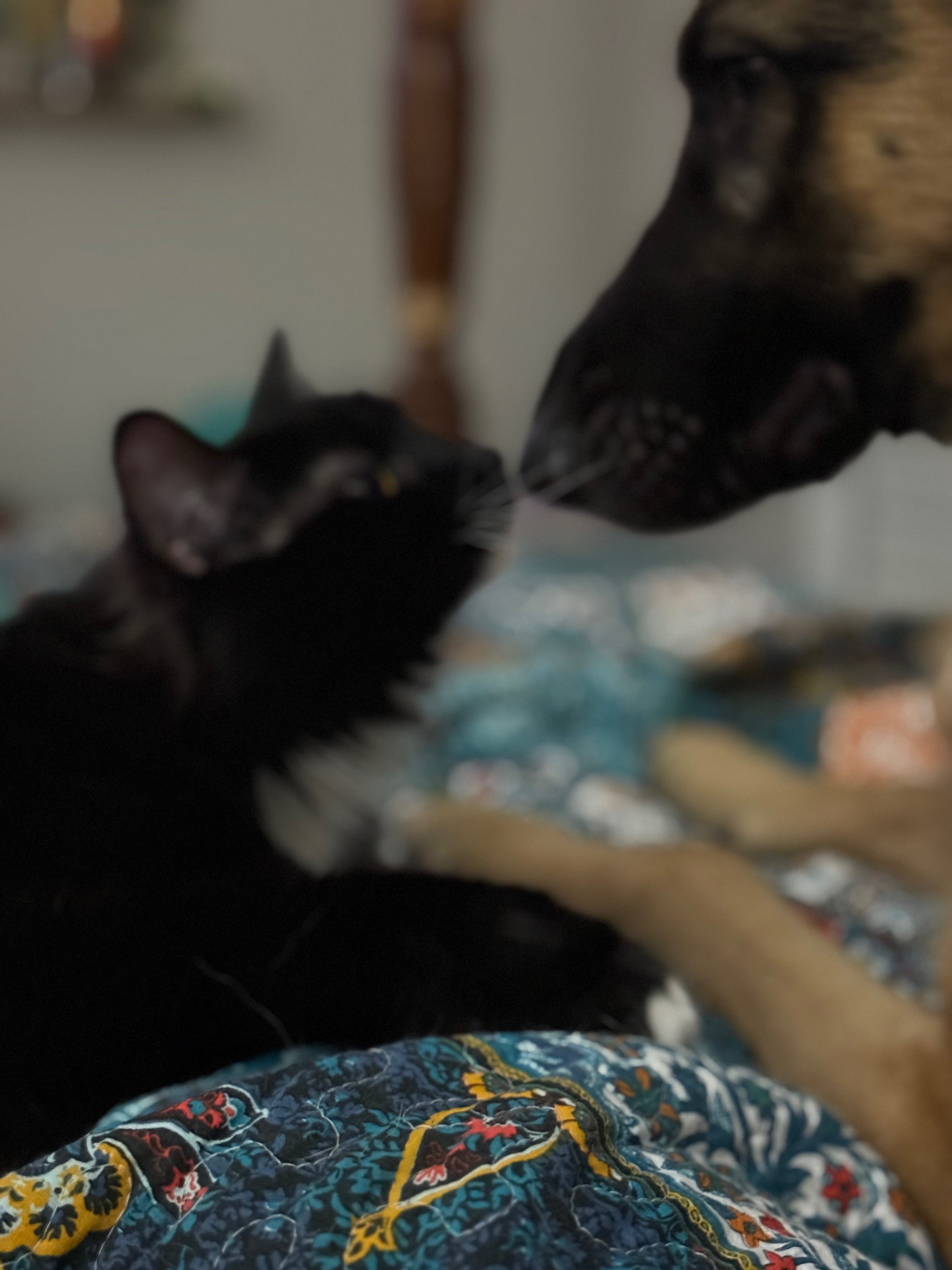
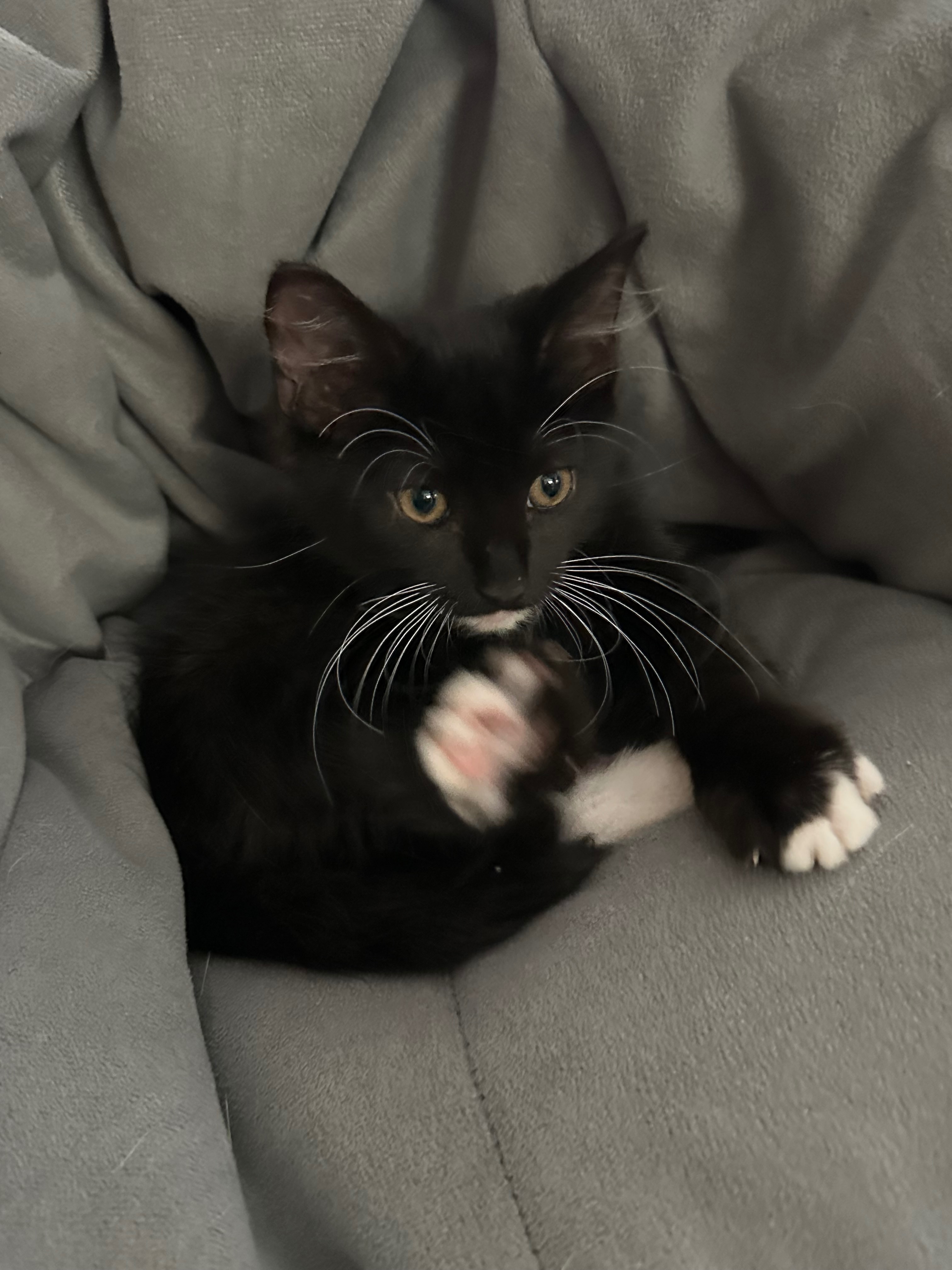
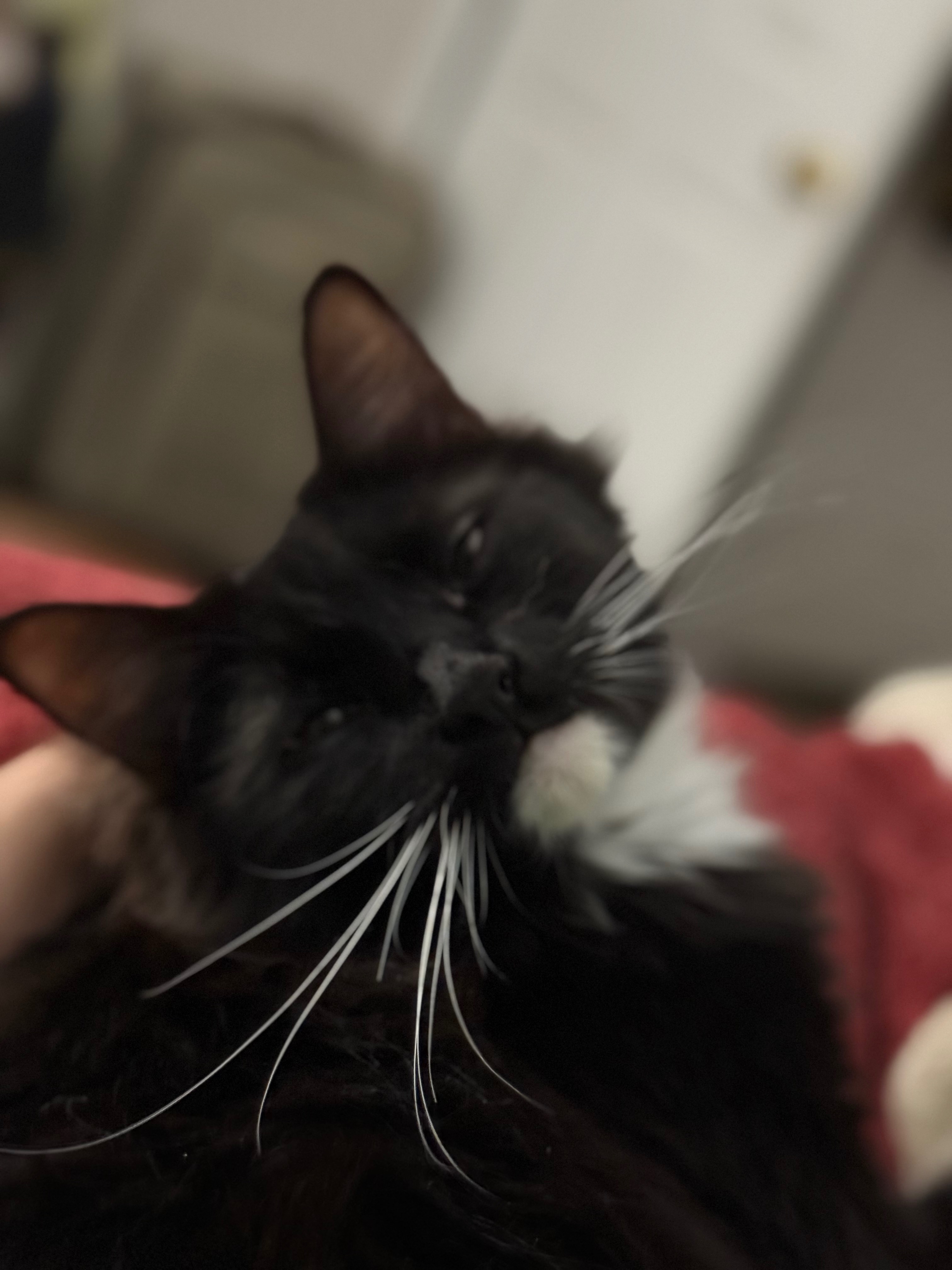
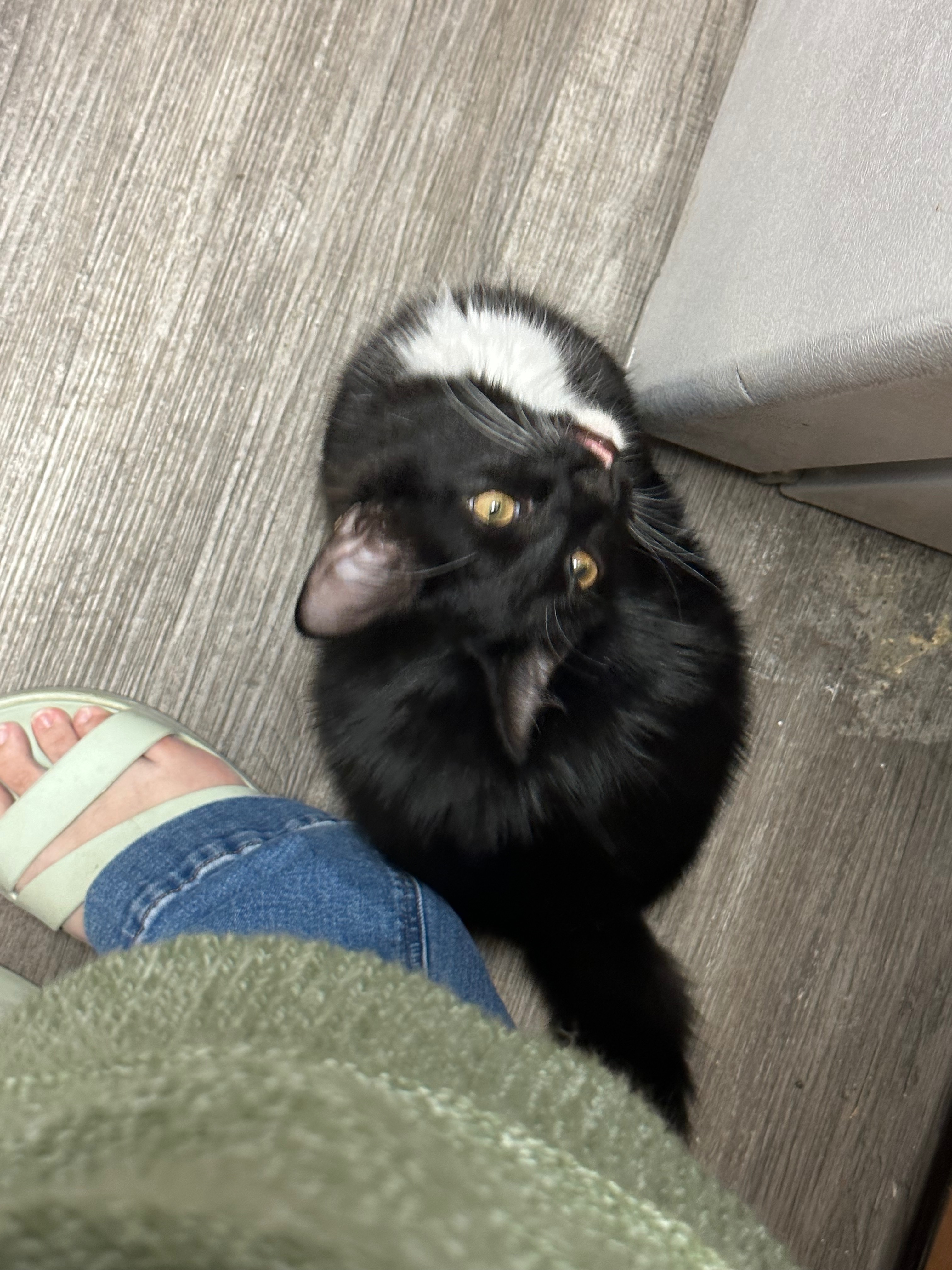
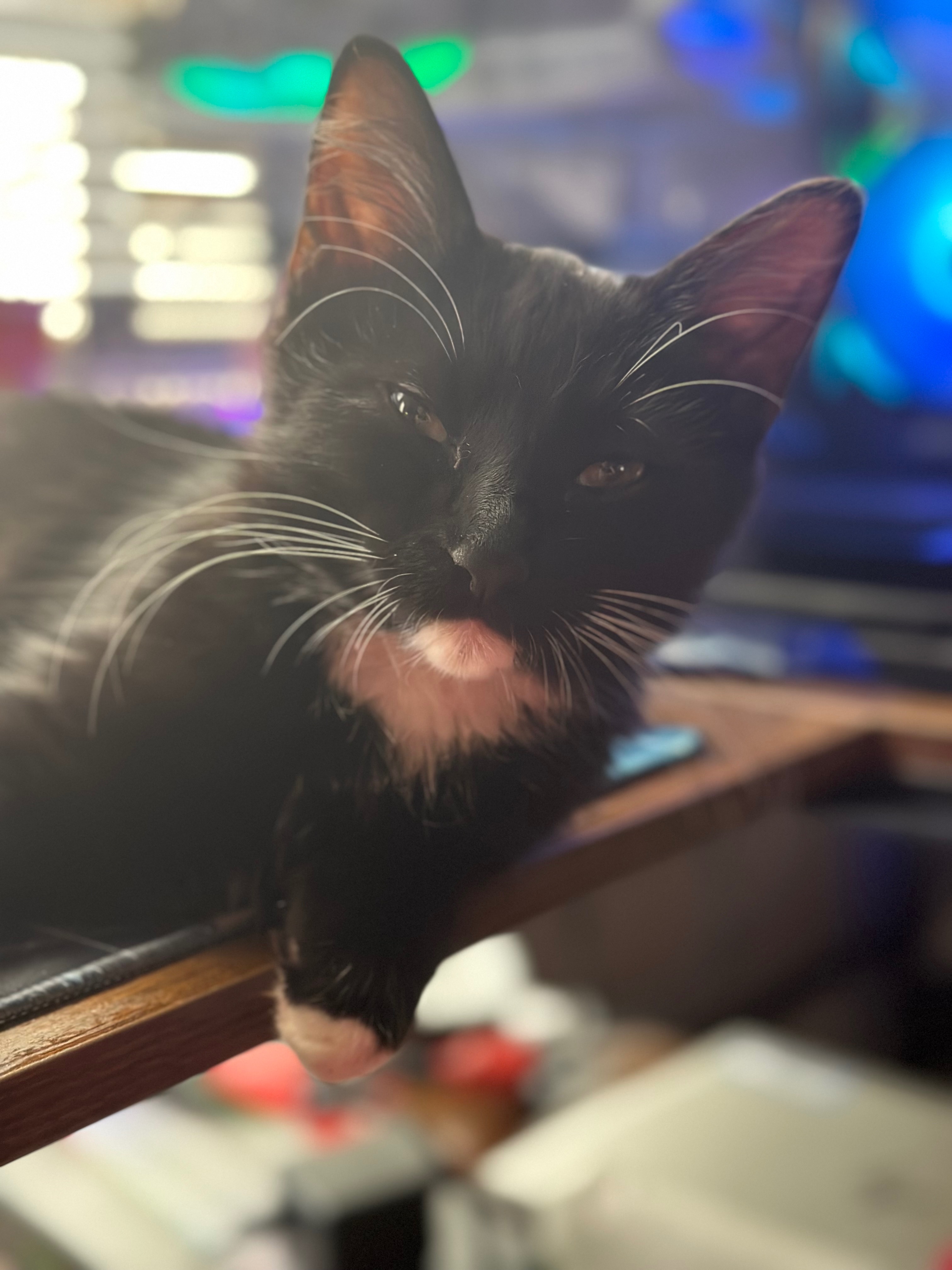
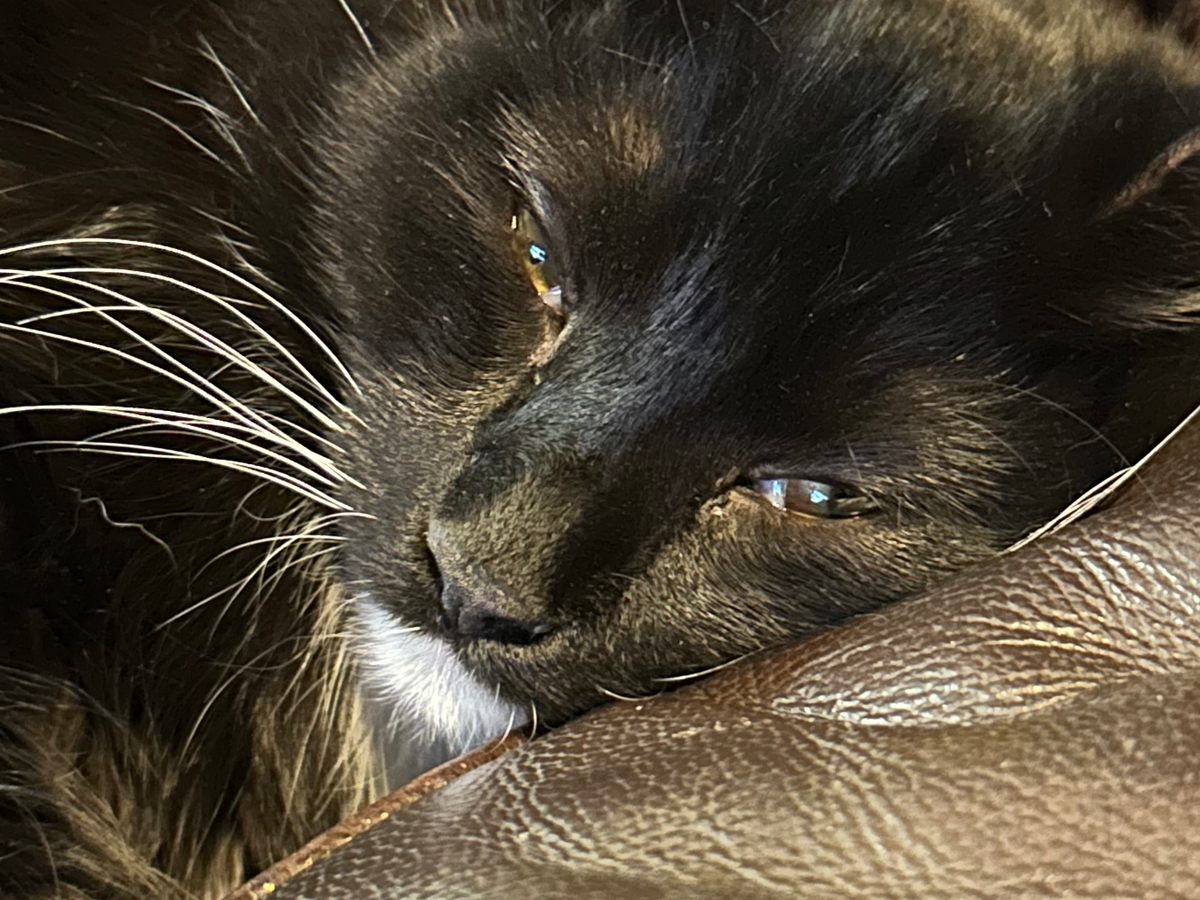
Mr. Mojo Jojo needs our help! After noticing a limp that has affected his ability to walk and even jump onto the bed at night, I took him for some x-rays to confirm he hadn’t injured one of his legs. Unfortunately, it is even worse than I could’ve expected.
After having just paid to have a mass removed from my older dog's back, I am stretched thin financially, but when it rains, it pours, of course. I have been reassured this procedure has a very high success rate of fixing the joint, and after some physical therapy and recovery, he should be able to live a pain-free life finally. I am not normally one to ask for help, but I adopted Jojo from the shelter to help give him a better life, and I owe it to him to try everything I can!
All donations go towards his procedure, and even the smallest donation will always be appreciated.
Below I have included some information for what he has been diagnosed with, how the disease progresses and the results if it’s left untreated.
Jojo actually has a disease called Legg-Calve-Perthes disease. This degenerative disease is known by a few names, like aseptic or avascular necrosis of the femoral head, Perthes Disease, or simply Legg’s Disease. This disease is one he has unknowingly had since he was a kitten, but he never let that stop him. Due to a lack of proper blood flow to his hip joints, the head of both femurs, which fit in the sockets of his hips, have been severely damaged and requires an operation to help him. The condition is quite painful, as the disfigured joint becomes inflamed and leads to arthritis. The joint will gradually worsen over the next several months until the limb can no longer support any weight.
The hip joint of a healthy cat is composed of a ball and socket joint. If the blood supply to this joint is cut off, the head of the femur begins to disintegrate. This occurrence is called ischemia, and it leads to the death of the bone and of the surrounding cartilage. The joint is no longer able to function properly due to the misshapen femoral head, which leads to Legg-Calvé-Perthes Disease.
Organizer