- I
- A
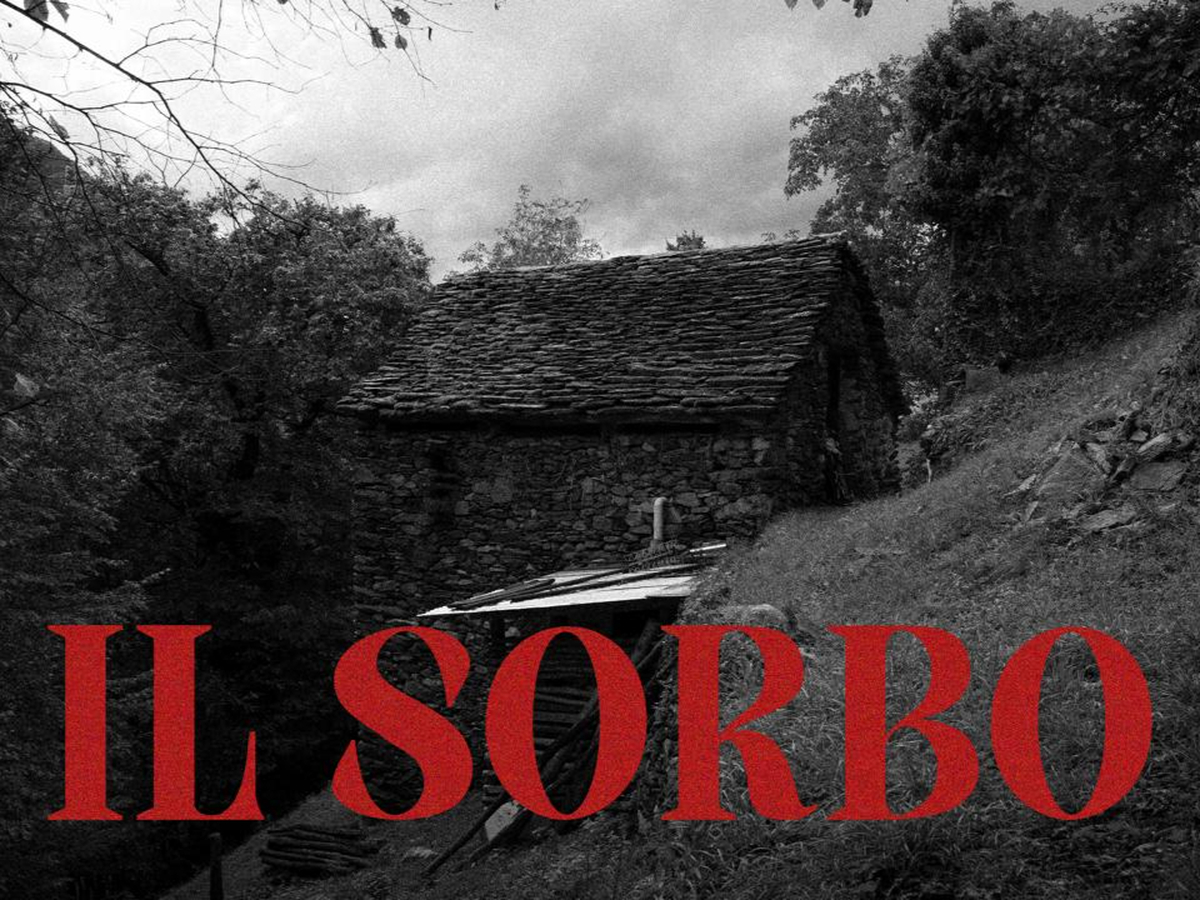
Help “Il Sorbo” A Film about a spirit with a familiar face
0% complete
€190 raised of
8 donations
Scorri in basso per: Inglese
Ciao, siamo Emilia Lisovaia e Anastasia Kostyukova, regista e produttrici del corso di Multimedia Design alla NABA, Milano.
Stiamo realizzando da zero un dramma psicologico popolare ispirato alla cultura delle montagne dei Carpazi e ai nostri ricordi personali.
Tutto è iniziato come un’idea ambiziosa su un quaderno, e ora siamo pronte a partire per un viaggio nelle montagne del Piemonte, in Italia, per raccontare questa storia.
↓
Cos’è Il Sorbo
Un folk horror psicologico che esplora la paura della morte e il dilemma morale della salvezza all’interno di una famiglia unita.
La linea tra verità e illusione si confonde, e solo lo spettatore potrà giudicare cosa è reale e cosa no.
La nostra troupe internazionale ha già dedicato mesi di lavoro alla creazione di questo film, e ora, con il tuo sostegno, siamo pronte a compiere l’ultimo passo verso la produzione.
Genere: Folk-Thriller, Dramma
Durata: 19 minuti
Lingua: Italiano
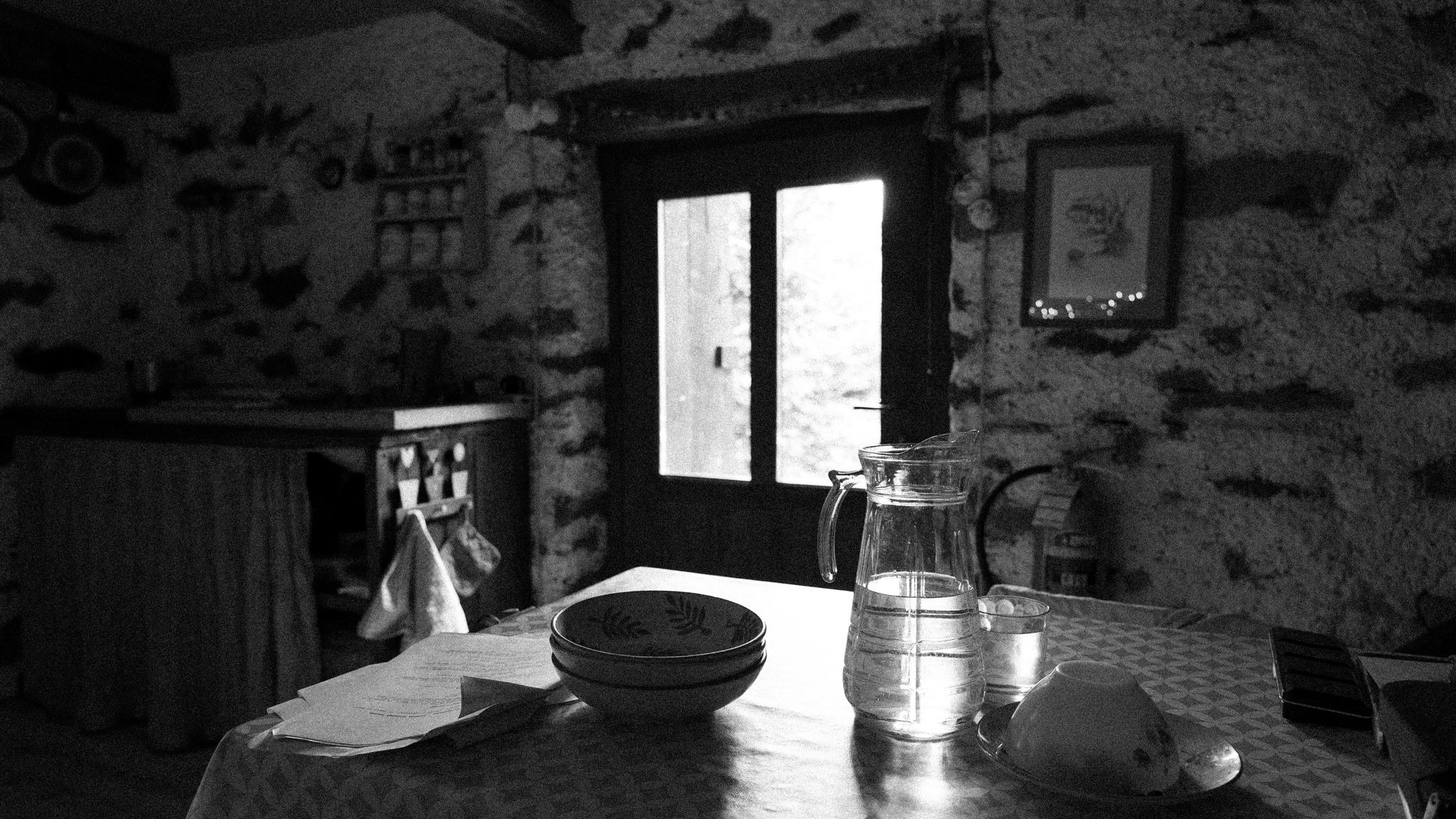
Il film sarà in bianco e nero.
Breve Riassunto
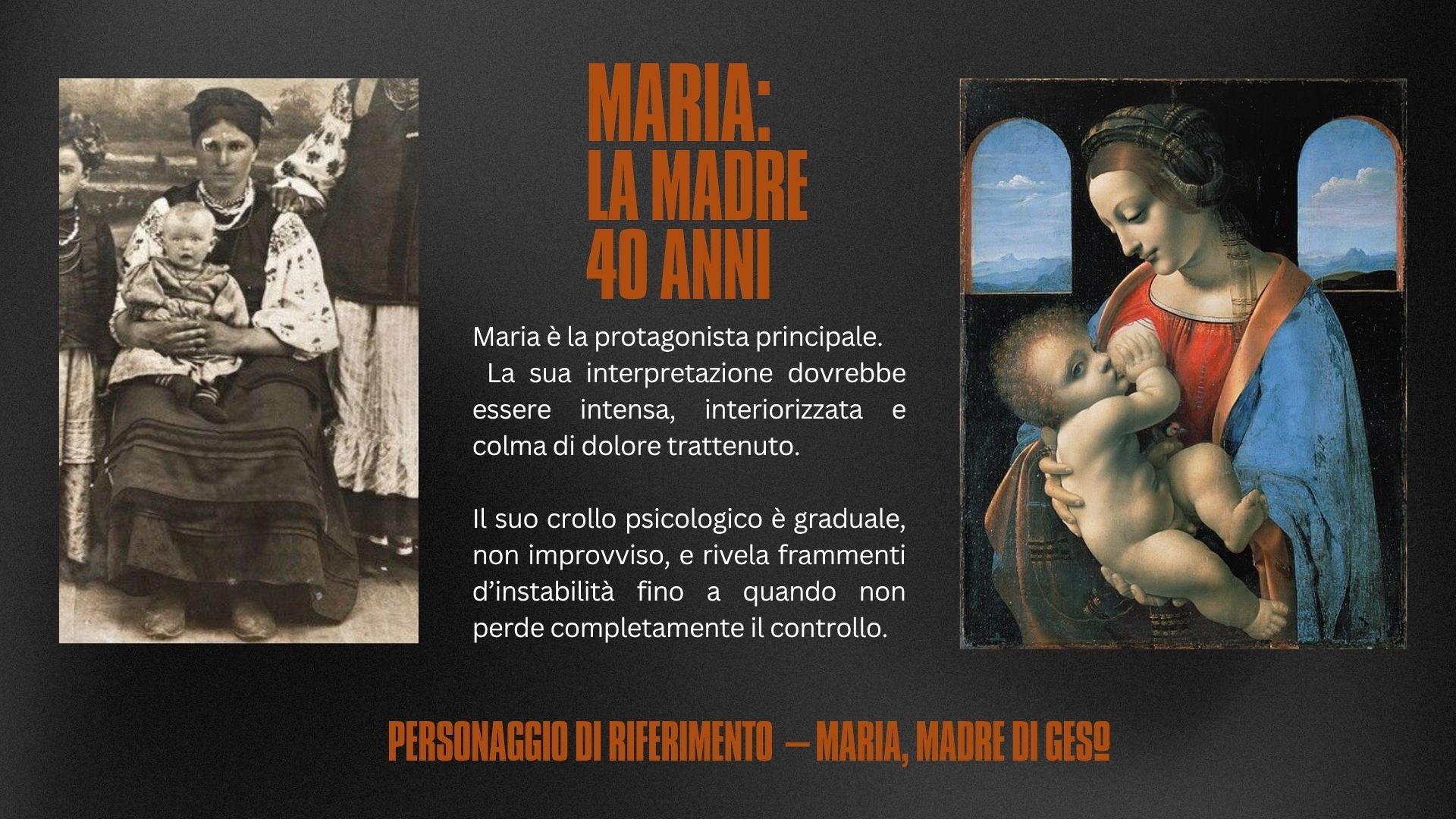
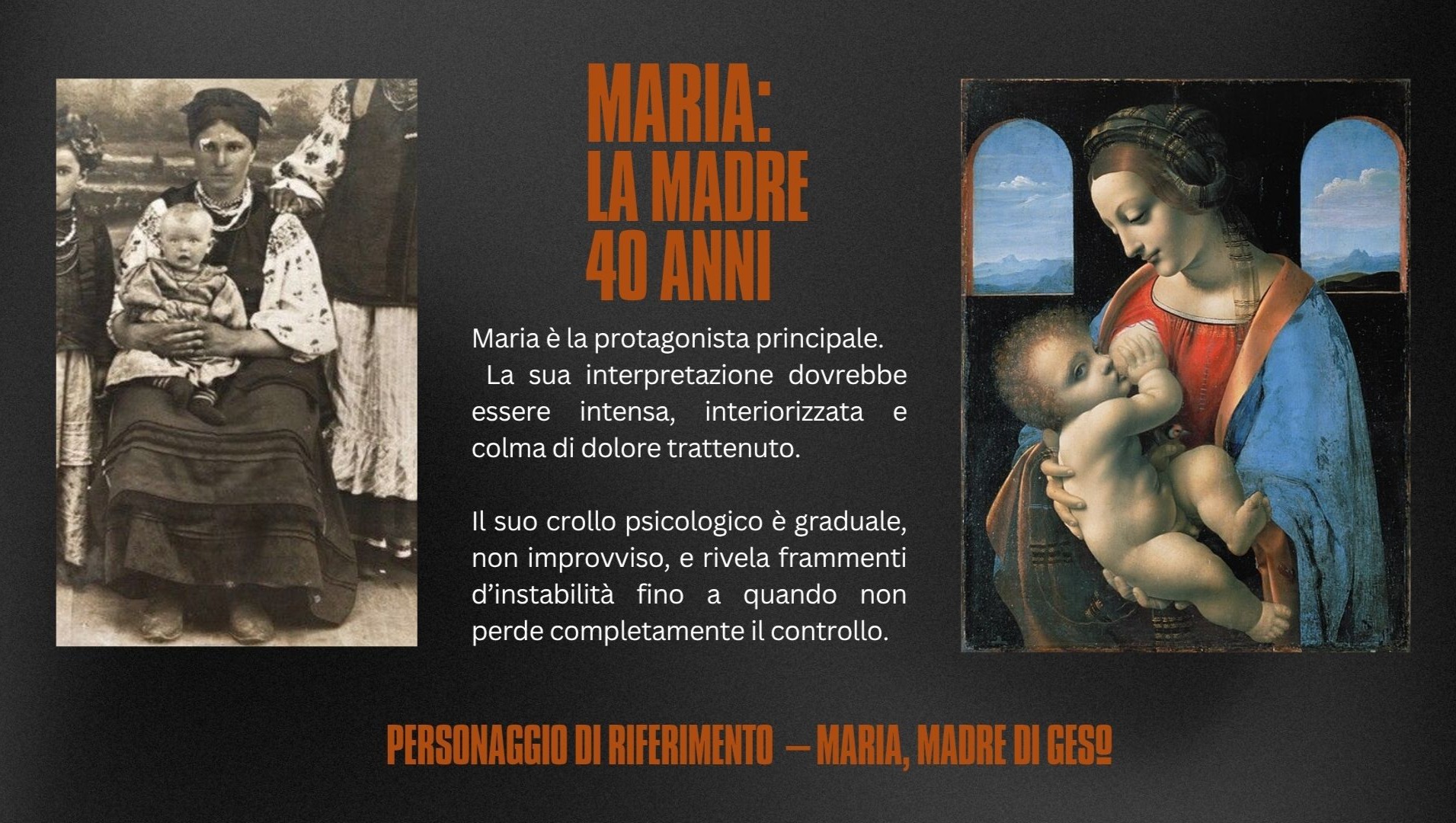
Dopo essere caduto da una scogliera nei Carpazi, il figlio maggiore scompare senza lasciare traccia. Quando ritorna vivo, la gioia dura poco. Disgrazie inspiegabili colpiscono la famiglia, e la madre, Maria, comincia lentamente a sospettare qualcosa, cercando conforto nella fede. La sua paranoia rompe l’armonia familiare: accusa il figlio di essere uno spirito maligno, la causa di tutte le sciagure. La paura cresce, la famiglia si frantuma, e il crollo diventa inevitabile.
Sinossi
Ambientato alcuni secoli fa, tra le montagne remote, una semplice famiglia di contadini devoti a Dio è colpita da una tragedia.
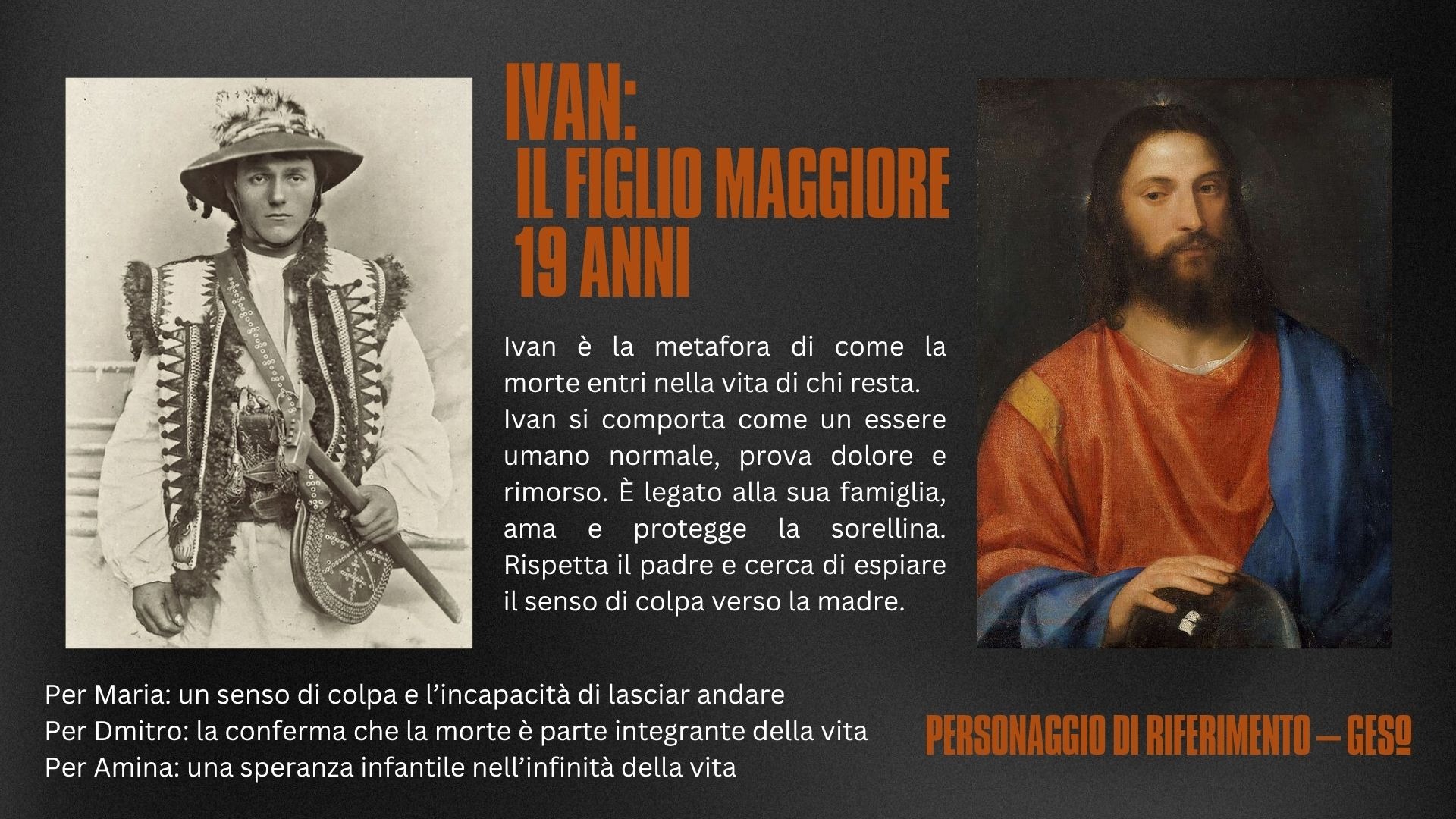
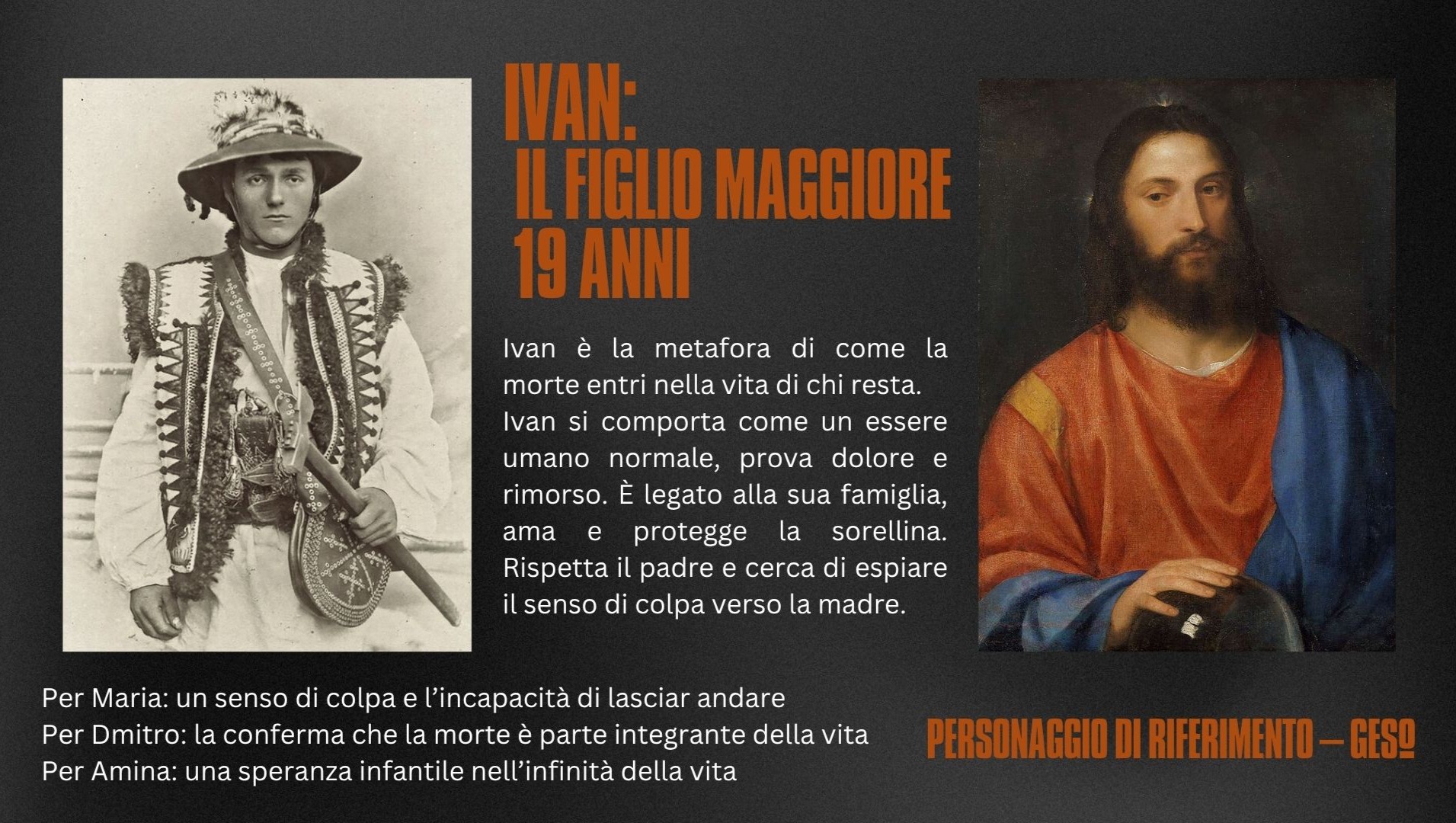
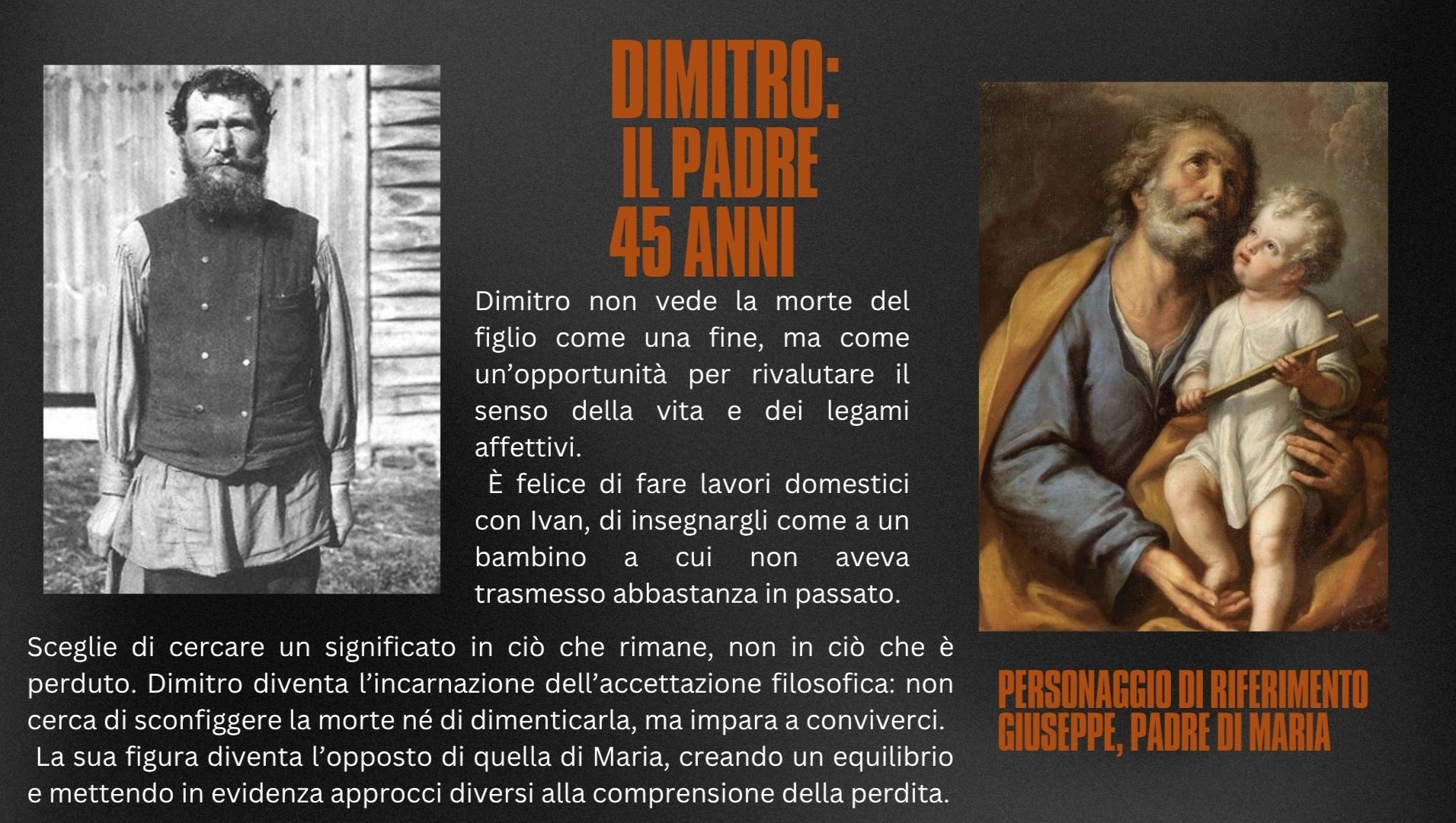
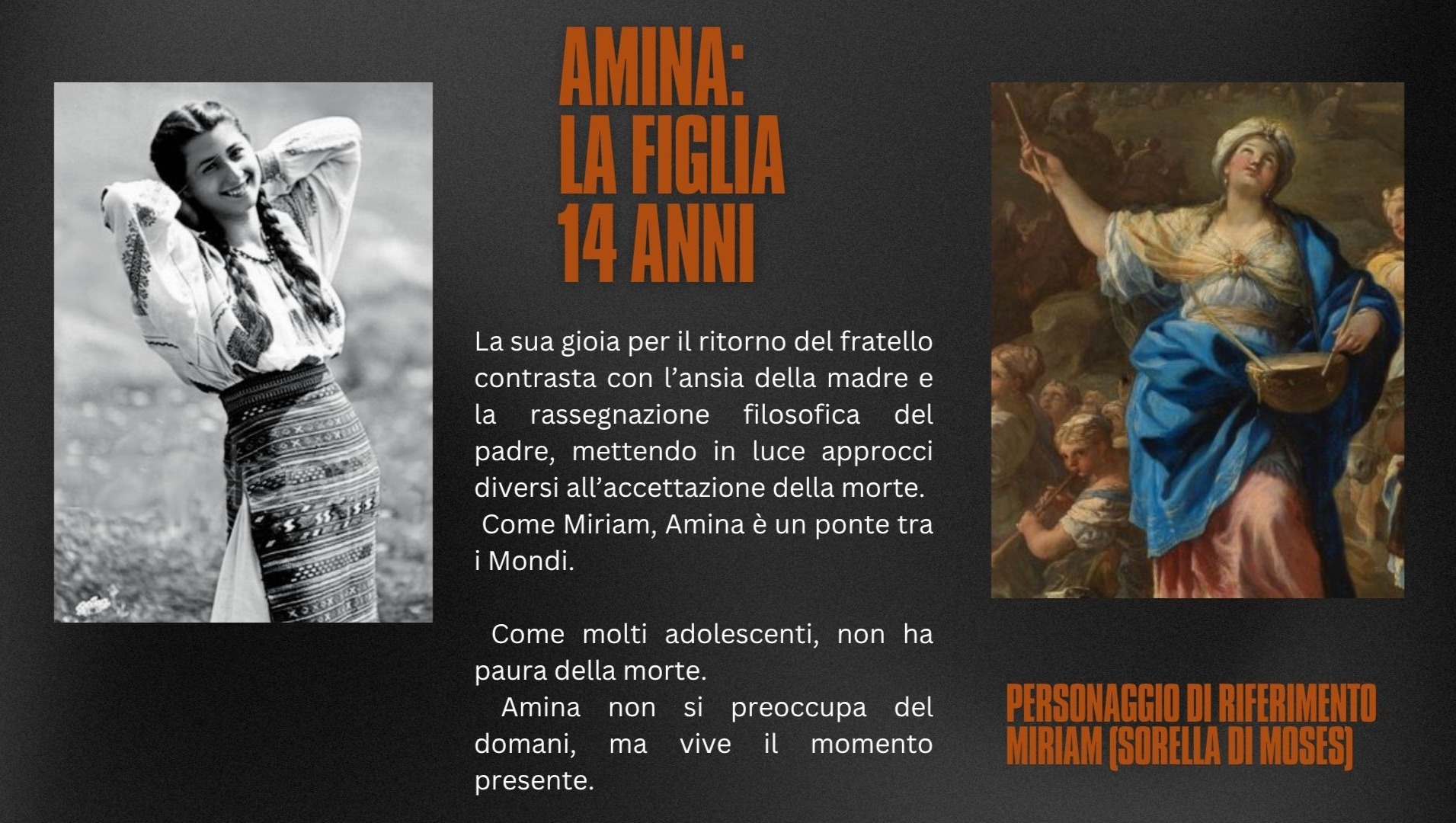
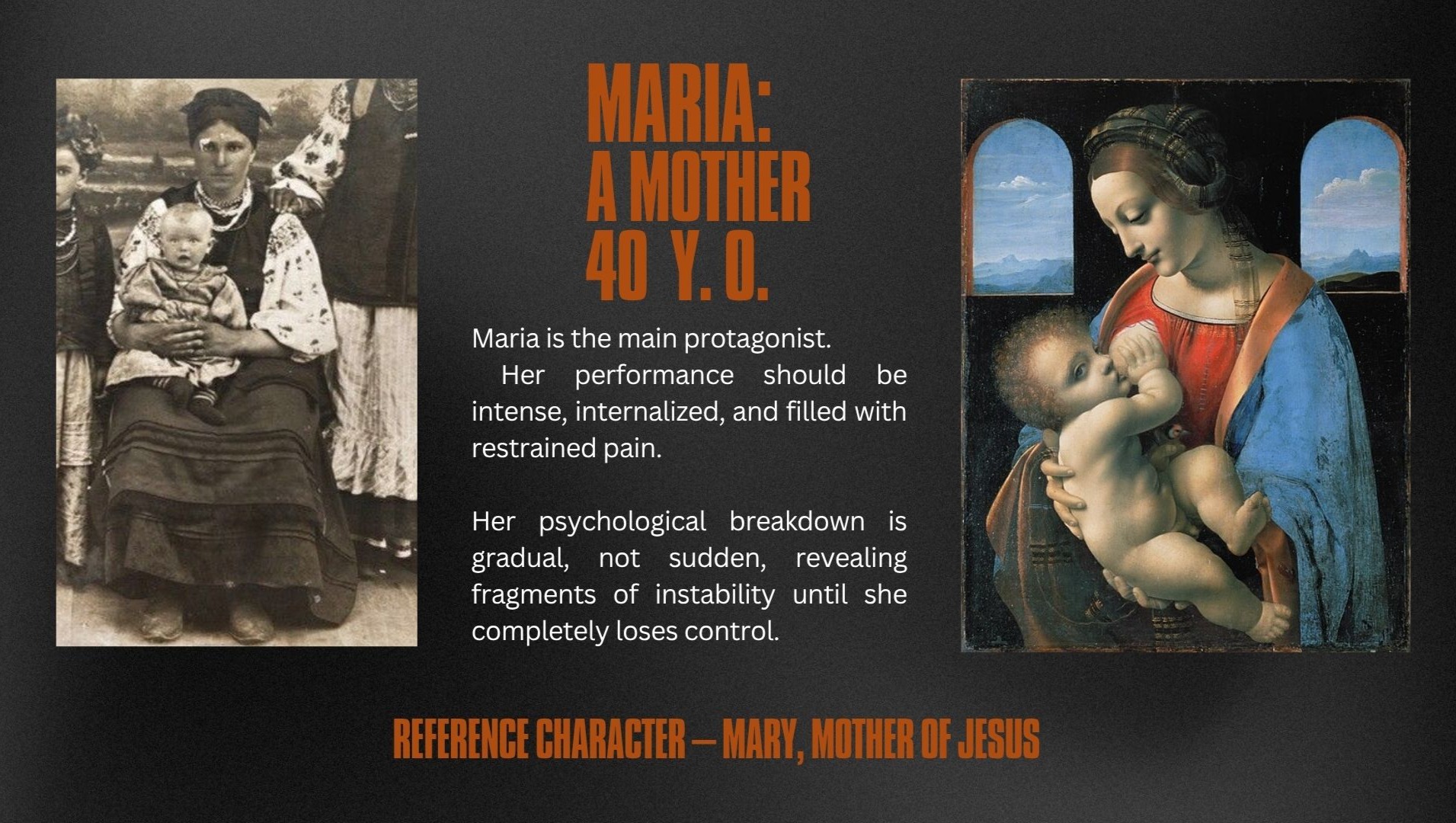
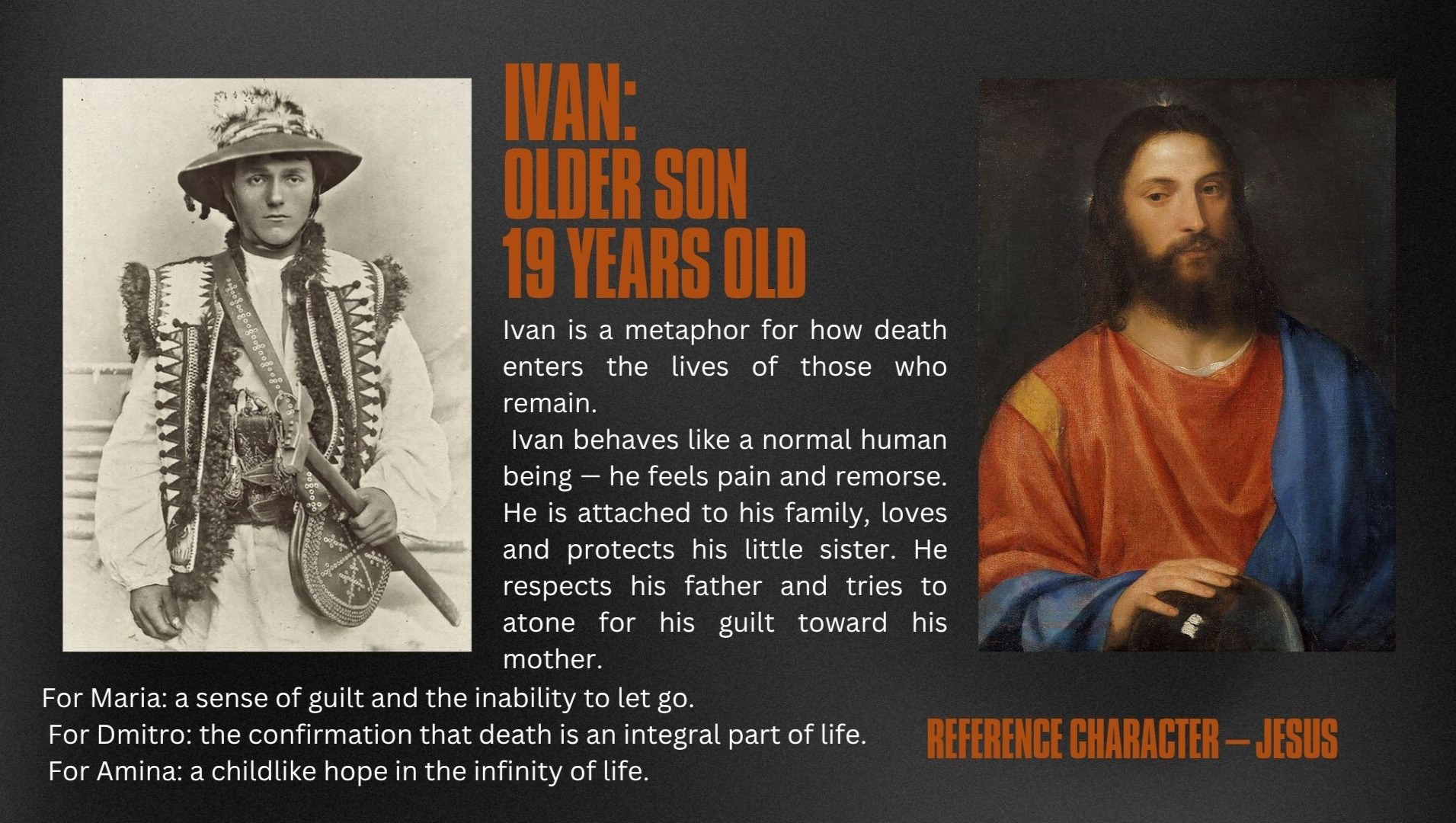
Il figlio, Ivan, cade nel fiume; tutti credono che sia annegato, tranne la madre, Maria, che continua a credere nella sua sopravvivenza. Quando Ivan ritorna all’improvviso, il padre Dmitro e la figlia Amina celebrano il felice ricongiungimento, ma Maria, con un neonato tra le braccia, non riesce ad accettare il ritorno del figlio con leggerezza. Questo ferisce e confonde Ivan.
Con il passare dei giorni, la vita della famiglia si indebolisce: gli animali si ammalano, il cibo scarseggia e non si trova alcuna causa evidente. Le sventure legate al ritorno di Ivan fanno crescere i sospetti di Maria. Convinta che il figlio abbia portato una maledizione sulla casa, cerca aiuto nella chiesa e conforto nel marito, ma non trova sostegno.
La paranoia la conduce alla follia, distruggendo la famiglia. Considerata delirante e pazza, Maria arriva al culmine durante una lite. Alla riva del fiume, la verità viene rivelata: Ivan era davvero annegato tempo fa — e, prima che la realtà si fissi nella mente, il figlio scompare di nuovo senza lasciare traccia.
Carattere
Tema
La storia richiama le idee bibliche della creazione del mondo e della resurrezione di Cristo, poiché Ivan ritorna dalla morte — forse per il bene, forse per il male.
Il ritorno del figlio rappresenta la personificazione della morte, un simbolo attraverso il quale osserviamo il modo in cui ogni membro della famiglia si confronta con essa.
- Per la madre, è una minaccia e un ricordo di ciò che non può cambiare.
- Per la figlia, è il ritorno della gioia e della speranza.
- Per il padre, è il simbolo dell’accettazione e dell’amore che rimane anche dopo la perdita.
Tono
Un horror folklorico lento e introspettivo, dal tono malinconico e inquietante.
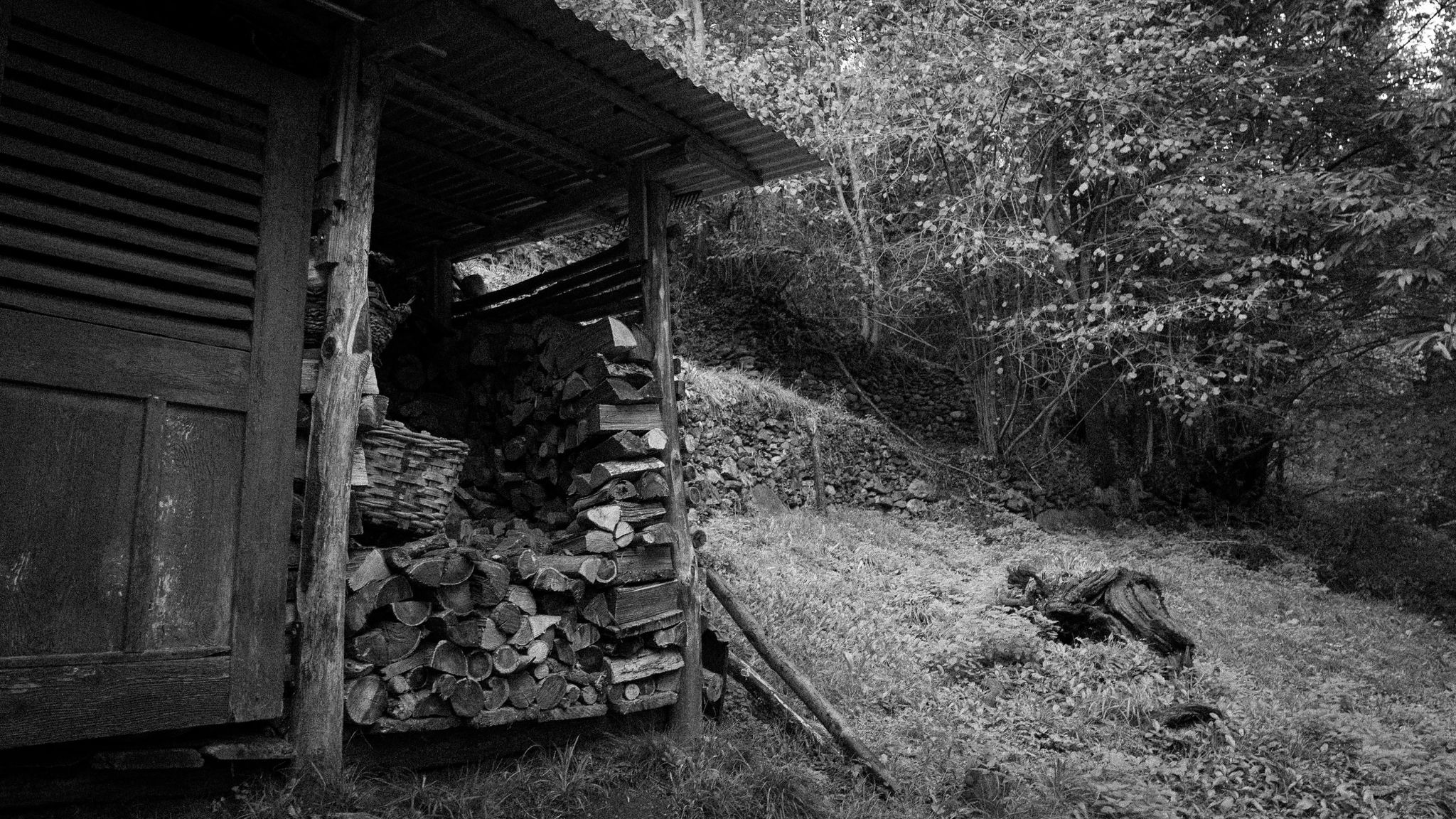
Le immagini in bianco e nero sottolineano il naturalismo, il decadimento e l’isolamento, rispecchiando il declino emotivo e fisico della famiglia e trasportandoci nell’epoca narrata.
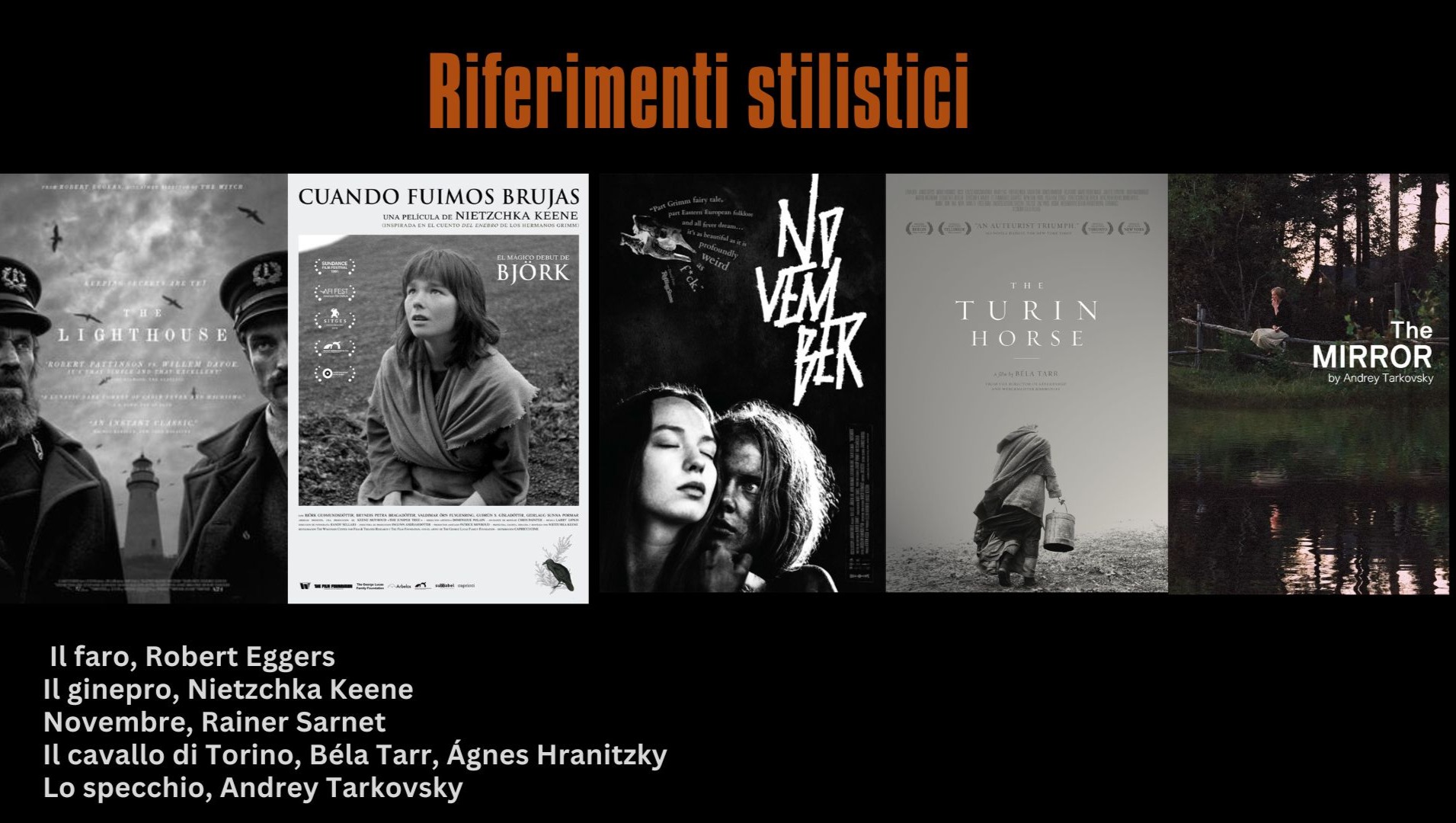
Riferimenti stilistici
Dichiarazione della Regista
Per me, questa storia è una riflessione personale sulla mortalità. Dopo un periodo di depressione, ho lottato con l’idea che nulla abbia senso se tutto finisce con la morte. Col tempo, ho iniziato a vedere la morte come parte della vita. Ogni personaggio rappresenta una fase dell’accettazione.
La storia è radicata nei miei ricordi d’infanzia sui Carpazi, dove sono cresciuta.
Ispirato al cinema sovietico, questo film riflette la cultura con cui sono cresciuta e che porto ancora dentro di me.
Voglio che lo spettatore trasferisca l’esperienza del film nella propria vita. Il mio obiettivo non è rimproverare la mortalità umana, ma sollevare una domanda che molti evitano: il nostro rapporto con la morte e, quindi, con la vita stessa.
Dichiarazione della Produttrice
Quando Anastasia Kostyukova mi ha proposto questo progetto, sono rimasta colpita da quanto risuonasse con temi a me cari.
Sebbene la storia ruoti attorno alla morte, alla religione e alla famiglia, ciò che ho visto è un potente ritratto di discesa psicologica.
La spirale di Maria e la sua separazione simbolica dalla famiglia riflettono la mia esperienza personale. Crescendo in una casa instabile e lottando con la salute mentale, ho sentito la necessità di mettere tutto in discussione.
Mi immedesimo nella sensazione destabilizzante di essere “una contro tutti”, di percepire qualcosa che gli altri non vedono. Anche se la storia degenera nella violenza, provo empatia per Maria, impotente di fronte alla propria famiglia, che la tratta come folle.
E c’è un’amarezza nel sapere che, come spettatori, assistiamo alla vicenda dal punto di vista di una donna ritenuta pazza, solo per scoprire alla fine che aveva ragione.
Dove Siamo Ora
Siamo nella fase di preparazione di Il Sorbo, trasformando mesi di ricerca e visione in azioni concrete.
Dal giugno 2025, lavoriamo con passione e dedizione per dare vita a questa storia.
Abbiamo:
Completato tre viaggi di sopralluogo con i team di fotografia e scenografia, esplorando i paesaggi rurali di Calasca Castiglione.
Lavorato con i nostri scenografi sul posto, identificando dettagli autentici come utensili, oggetti e materiali naturali.
Sviluppato un linguaggio visivo con il nostro Direttore della Fotografia, raccogliendo immagini di riferimento per luce e atmosfera.
Organizzato la logistica, garantendo luoghi, trasporto e soluzioni di catering durante le festività, per permettere alla troupe di lavorare in un ambiente isolato in modo confortevole.
Come Puoi Aiutarci?
(Mancano meno di 24 giorni per aiutarci a realizzarlo!)
Dona quello che puoi – Ogni contributo, piccolo o grande, ci aiuterà a coprire i costi essenziali come viaggio, cibo e materiali.
Condividi la campagna – Diffondere la parola è potente quanto donare.
Seguici su Instagram: @rowanberry.shortfilm
Come useremo le donazioni
Ogni contributo andrà direttamente alla produzione:
Cibo e alloggio: garantire condizioni dignitose alla troupe.
Viaggio e trasporto: da Milano a Calasca Castiglione.
Costumi: realizzati a mano con materiali di seconda mano.
Scenografia e oggetti di scena: per creare un ambiente autentico.
Trucco e SFX: per dare vita agli elementi mitici.
Post-produzione: montaggio, sound design e finalizzazione del film.
_____________________________________________________
Go up for: Italian
Hello, we are Emilia Lisovaia and Anastasia Kostyukova, Multimedia Design course filmmakers, graduating NABA, Milan. We are producing and directing from scratch a psychological folk drama inspired by culture around Carpathian Mountains and personal memories. It has started off as an ambition idea on a notepad, and now we are set to go onto this expedition in the mountains of Piemonte, Italy to tell this story.
What is Il Sorbo
A psychological folk horror which explores the fear of death and the moral dilemma of salvation within a close-knit family. The line between truth and delusion blurs in the story and only you can make a judgement of what's real or fake at the end.
Our international crew has already poured months of work into shaping this film, and now, with your support, we are ready to take the final step into production.
Genre: Folk-Thriller, Drama
Duration: 19 minutes
Language: Italian
The film is in Black and While.
Short Summary
After falling from a cliff in the Carpathians Mountains, the eldest son vanishes without a trace. When he returns alive, celebration lasts shortly. Unexplained misfortunes all around the family makes the mother, Maria slowly grows suspicious, and search support in faith. Maria's paranoia drives the breakage among family. She accuses him to be an evil spirit, the root of all the miseries. As fear grows, she drives a breakage in the family, and a collapse occurs.
Synopsis
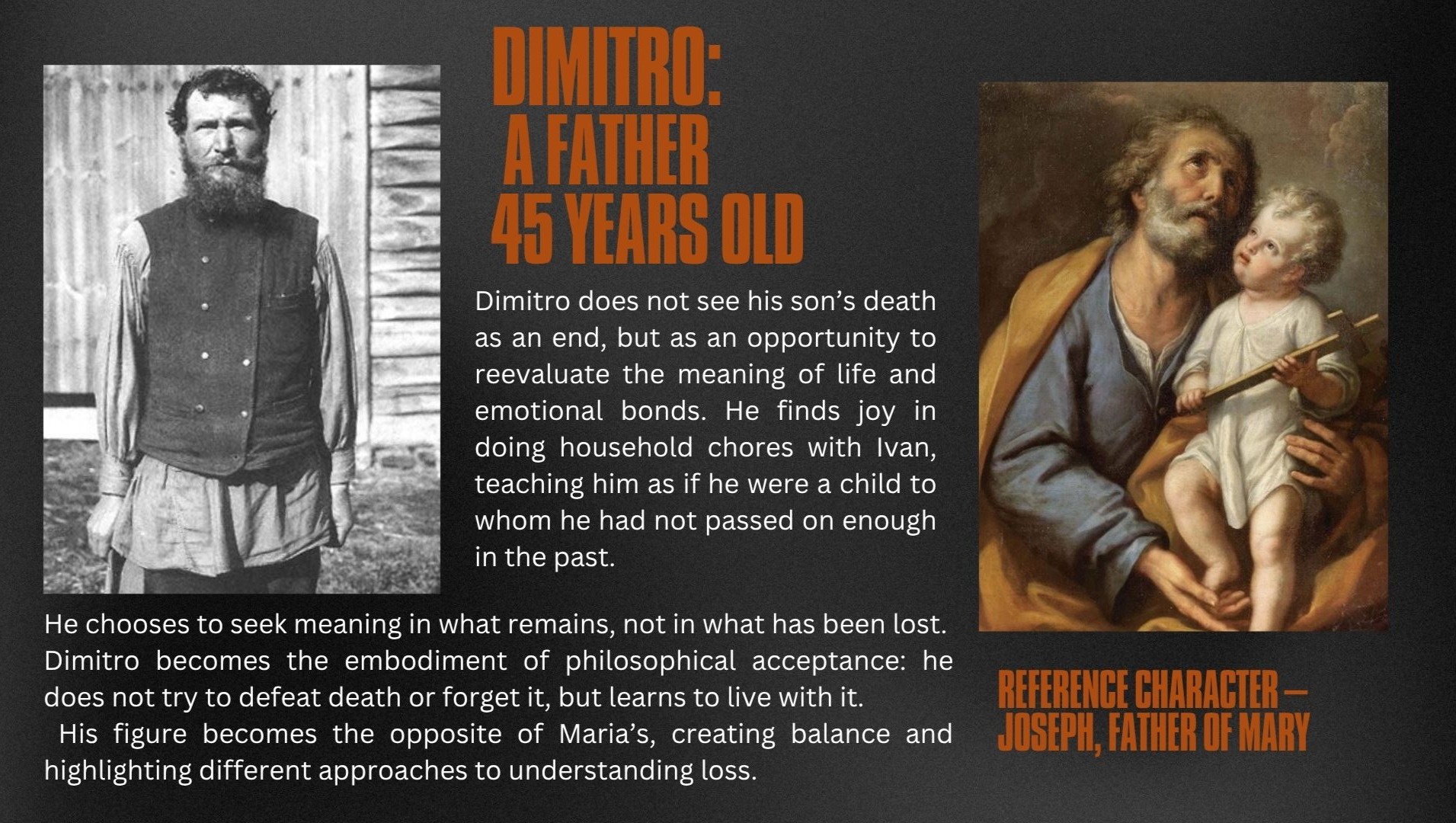
Set few centuries ago, in the distant mountains, a family of a simple, God-fearing of farmers. are stuck by a tragedy. Their son, Ivan falls down into the river, and while everyone believes he drowned, the mother, Maria, keeps her faith that he is alive. When he suddenly returns, the Father, Dmitro, and daughter Amina celebrates the happy reunion. But Maria with a newborn child in arms, does not seem to accept Ivan's return so carefree. This hurts and confuses Ivan.
With each day, the life around the family grows weak - farm animals fall sick, the food grow scarce and no clear culprit is seen in sight. With this growing misery since Ivan's return, all of this does not sit right with Maria, her disbelief turns into suspicion. She believes Ivan has brought a curse upon their home. She seeks helps in church, and reassurance in her husband but finds no support. Maria's paranoia drives her madness, tearing the family apart. She is outed as delirious, and crazy. In a heated moment of argument and fight, family are brought to the riverbank, and the truth is unveiled - Ivan has indeed drowned, and has been for long time, - and before realization sets in, Ivan who has been there all those days vanishes away without a trace.
Characters
Theme
The story brings us to the biblical idea of world creation and Jesus resurrection as Ivan comes from dead. Whether for good or for evil.
The arriving of the son is the personification of death. He is a metaphor through which we can see the individual attitude to death of each member of the family.
For the mother, he is a threat or a reminder of what she cannot change.
For a daughter, he is the return of joy and hope.
For the father, he is a symbol of acceptance and love that remains even after the loss.
Tone
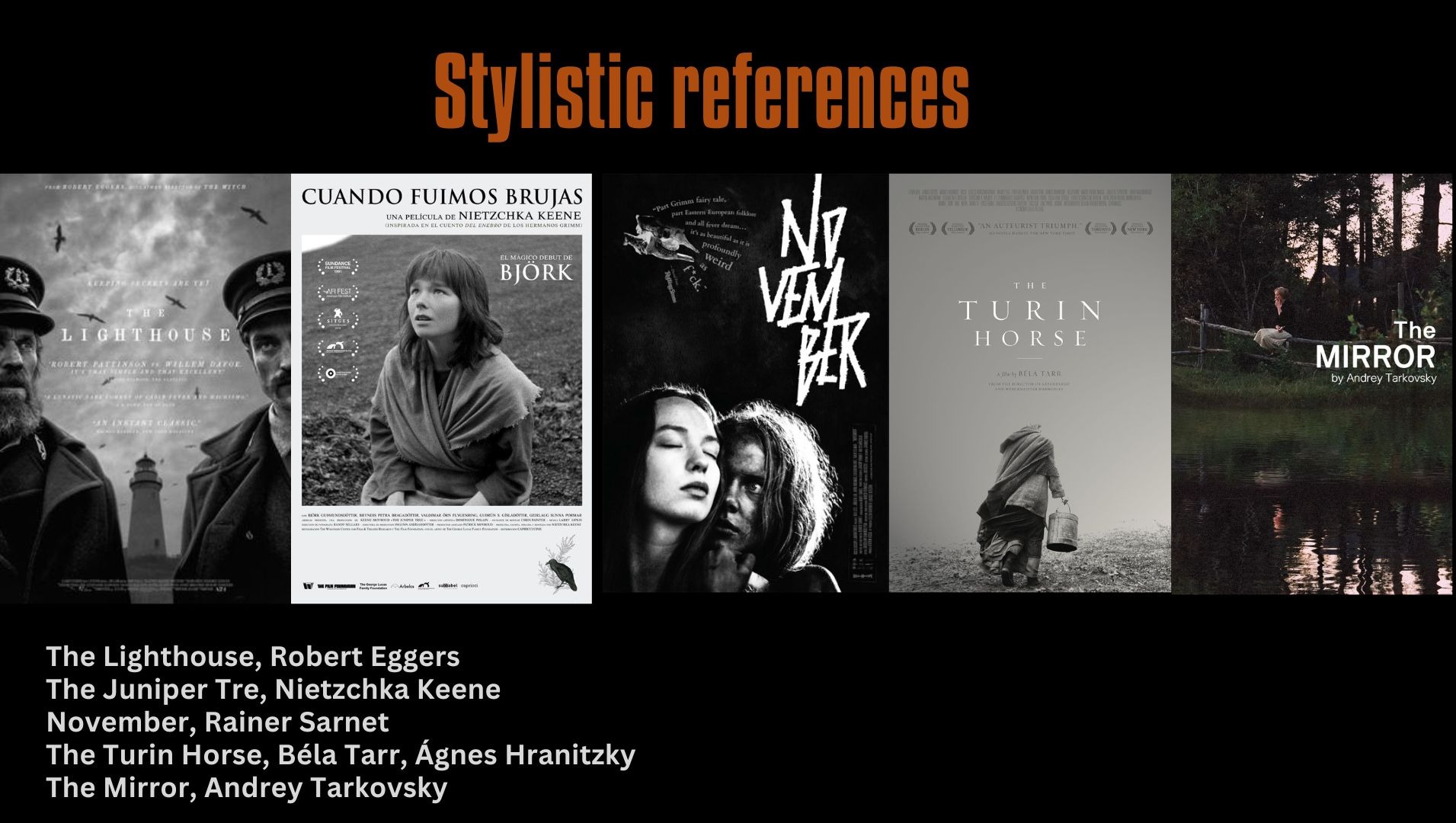
A slow-burn, folklore-inspired horror with an eerie, melancholic tone.
Black and white visuals will emphasize naturalism, decay, and isolation,
mirroring the family’s emotional and physical decline, bringing up closer to the era.
Film References
Director's Statement
For me this story is a personal reflection on mortality. After a period of depression, I struggled with the idea that nothing matters if all ends in death. Over time, I began to see death as part of life. Each character in my script represents a stage of acceptance. The story is also rooted in my childhood memories at the Carpathian mountains, where I spent my childhood. Inspired by Soviet cinema, this film reflects the culture I grew up with and still carry within me.
So for me it is also a way to express the complex and painful process that each person goes through at different times of our life. I want to make the viewer transfer the experience of the film to the real life. My idea is not to reproach the viewer for his mortality, but to raise a question in their soul that many seem to avoid: their relationship with death and therefore, their relationship with life.
Producer's Statement
When Anastasia Kostyukova shared and proposed this project to me i was stunned how close it resonates with themes dear to my heart. While the story motifs revolve around death, religion, an family, what I saw was a powerful portrayal of psychological descend.
Maria progressive downward spiral and metaphorical separation from the rest of the family is reminiscent of my experience. Struggling with mental health in an unstable household, i felt the need to question everything me. In a way, Rowanberry showcases how someone's fears and worries can be brushed off. I empathize with the destabilizing feeling of being one against all, and you can't help but have a strong belief, a way of knowing something isn't right. Even though the story escalates to violence, I feel empathy towards Maria as she is helpless against her own family. The closest people to her, are dismissive, confused, and just seem not to see the vivid signs she sees from the God. And it is bittersweet for me, reading the story again and again, knowing, we as the audience are seeing the story unfold from the biased perspective, made certain the mother is completely unresolvedly mad with grief, only to her to be proven right when it's too late.
Where We Are Now
We are deep in the preparation phase of Il Sorbo, turning months of research and vision into concrete actions. Since June 2024, our team has been working with passion and dedication to bring this story to life. So far we have:
- Completed three scouting trips with our camera and set design teams, carefully exploring the rural landscapes of Calasca Castiglione to secure authentic locations that capture the soul of the story.
- Worked with our set designers on-site, identifying rustic details—such as household objects, tools, and natural elements—that will breathe life into the interiors and surrounding environment.
- Developed a strong visual language together with our Director of Photography, capturing reference images that will guide our approach to lighting, framing, and atmosphere.
- Focused on logistics, from securing our locations to searching diligently for catering solutions during the public holidays, ensuring our cast and crew will be able to work comfortably in a remote mountain setting.
How You Can Help?
[Less than 25 days remains for you to help us make it happen!]
Donate what you can – Every contribution, big or small, helps us cover essentials like travel, food, and materials, making it possible for our team to bring Il Sorbo to life in the mountains of Piemonte.
Share our campaign – Spreading the word is just as powerful as donating. Share Il Sorbo with friends, family, and fellow lovers of independent cinema, folklore, and horror.
Follow our journey – Join us on Instagram: @rowanberry.shortfilm for behind-the-scenes updates, glimpses of costumes and set design, and exclusive sneak peeks from the shoot.
Where your Donations Will Go?
Independent student films like Il Sorbo grow from passion, creativity, and the generosity of communities who believe in the power of storytelling. Every contribution will directly help us bring this film life.
Catering & Living Costs – Filming during the public holidays makes catering limited and costly. We want to make sure our crew is well-fed and cared for while working long hours in a remote setting.
Travel & Transport – We are bringing our essential crew and equipment from Milan to Calasca-Castiglione, a remote mountain village. This means covering gas, tolls, and transport so we can reach and work in this unique landscape.
Casting & Crew – A small, dedicated team will be living and working together for one week in the mountains during the public holidays (29 Oct – 5 Nov). Your support ensures that everyone’s basic needs are met so we can focus fully on the story.
Costumes – Our costume team is crafting garments from scratch, often using second-hand fabrics and materials to give them a second life—blending sustainability with authenticity, and embodying the folkloric heart of our film.
Set Design & Props – Our designers are already collecting affordable, authentic details—farmers’ tools, plants, hay, and rustic household items—to breathe life into the spaces and anchor the film in its rural setting.
Makeup & SFX – A talented artist will support the film with realistic effects and transformative looks, allowing us to bring the mythic elements of the story to life in a raw, believable way.
Post-Production – We have already recorded an original soundtrack for the film. Additional support will help us in editing, sound design, and finalizing the film to ensure it carries the full emotional and visual impact we envision.
Organizer