- D
- N
We got the call in April.
My mum had been on a Zoom interview (if you know her, it's no surprise that this is where she spent most of her time during the peak of COVID-19), when she suddenly started to slur her words. The person on the other end of the screen recognized what was happening, and called her sister.
After a short ambulance trip (and a high-speed adventure down the 407 for me), we found ourselves in the emergency room at Mackenzie Health, where I asked the attending doctor if they had been able to stop the stroke. He paused, explained that this looked like a bleed, and a few minutes later, the on-call neurologist told me that it was likely caused by a mass in my mum's brain.
Amidst the beeps and whooshing machines and layers of PPE in that emergency room, time stopped. This wasn't the first time I had found myself here, having someone tell me that "this like possible cancer." Five years earlier, I'd heard the same news, after a rushed trip to Sunnybrook, where I was told I had lymphoma. Every emotion - from sheer panic to disbelief to stoic acceptance - came flooding back.
One month, one brain surgery, and another emergency room visit later, (in the space it took for us to receive an initial diagnosis and then head to surgery, the tumour had grown exponentially), we had confirmation: glioblastoma multiforme. There is no cure for this type of brain cancer, and only a very small percentage of people live beyond twelve months. A "life-changing" diagnosis, according to her oncologist, for better or for worse.
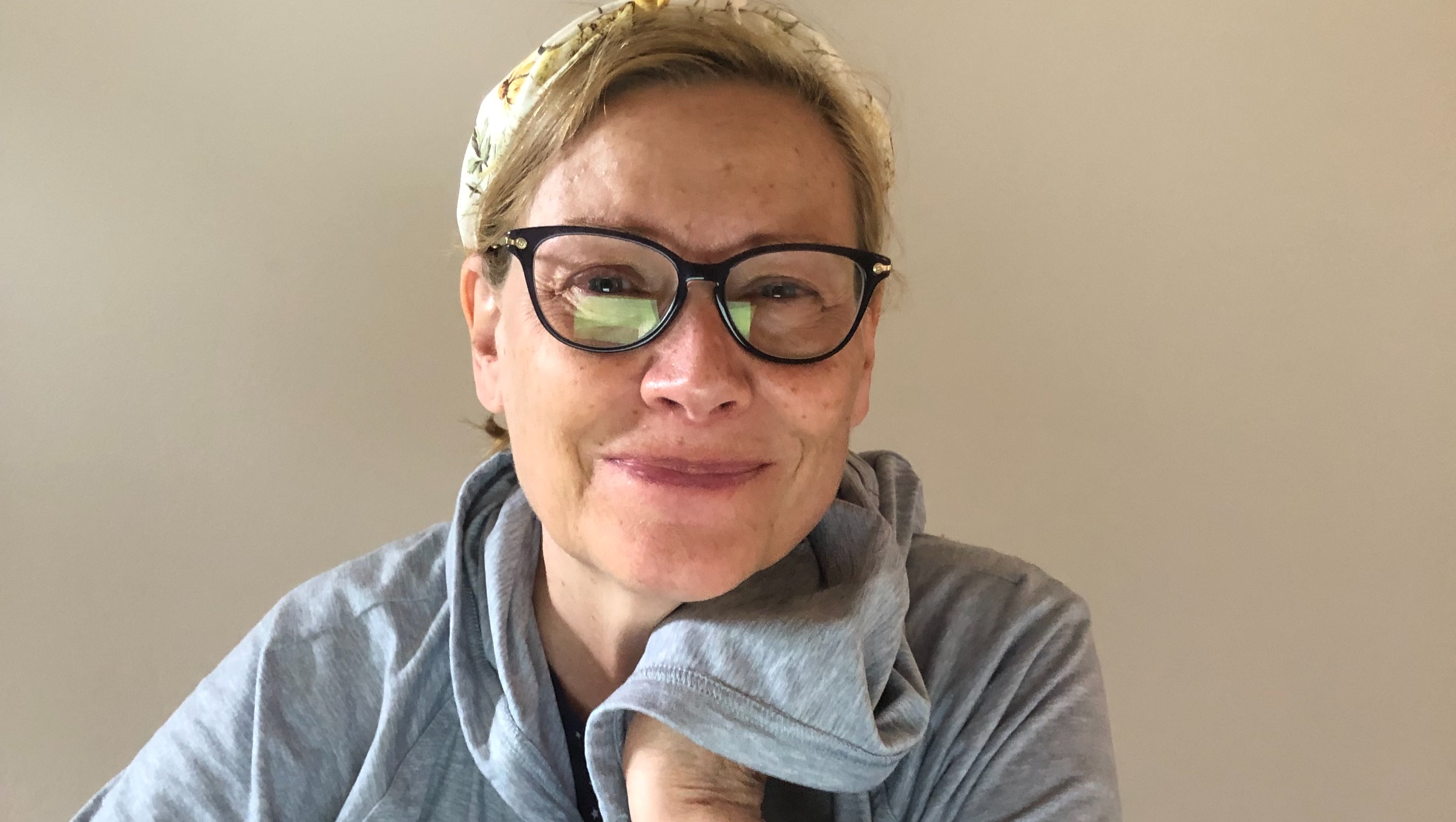
Since we strapped ourselves into this rollercoaster ride we never asked to board, my mum has had to close down her business. She's visited the emergency room twice more, and most recently, spent 14 days in Princess Margaret's Palliative Care unit receiving treatment for pneumonia and a lung fungus caused by the steroids she's been prescribed to keep brain swelling at bay. Thankfully, her most recent MRIs have shown that the cancer itself is stable, however, she needs to recover from these infections, which have seriously affected her ability to walk, stand, and do normal activities.
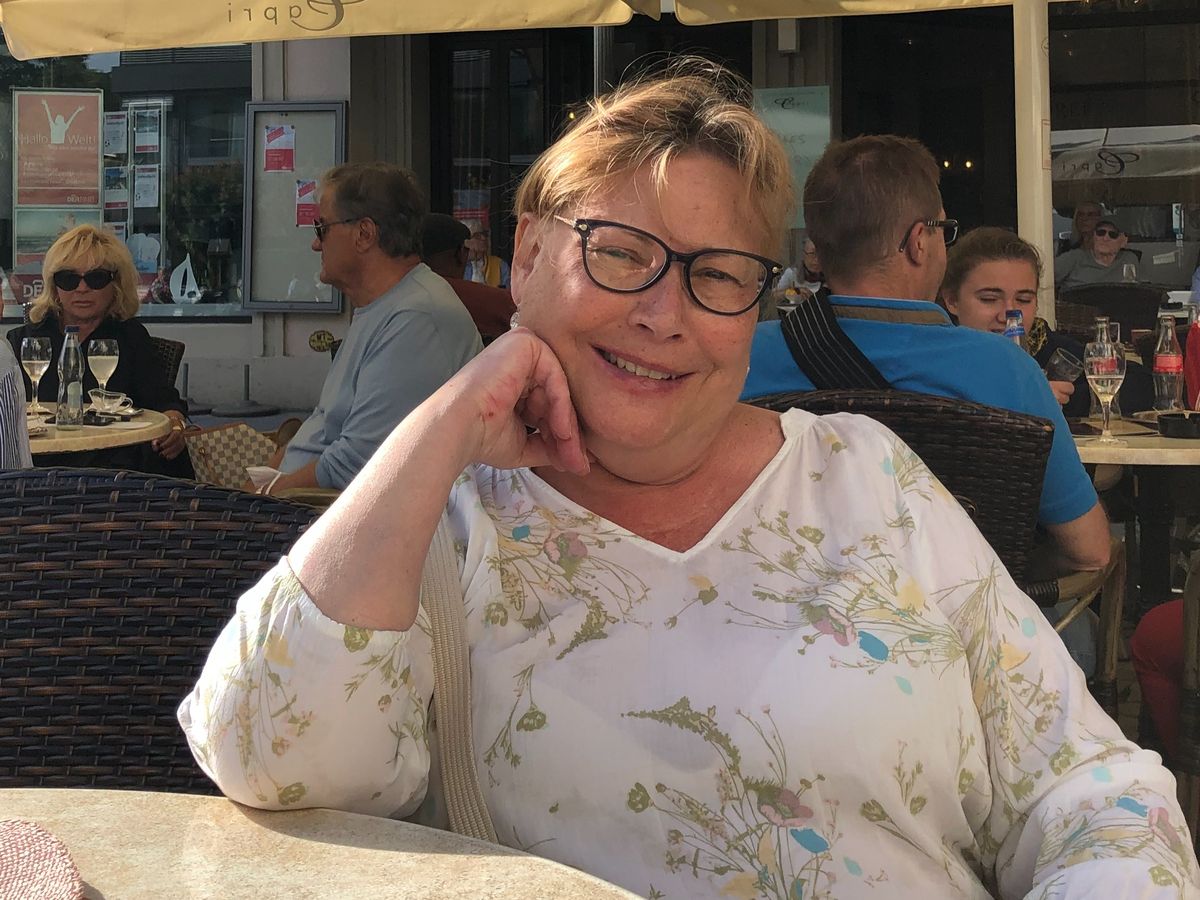
After every setback, she always says that she knows she will get better. She is determined to fight this disease, and I am determined to give her the best quality of life while she does.
And that's where you all come in: we're finally back at home, but we need to make some adjustments in order to keep Heidi safe, well cared-for, and happy. First and foremost, we need to install a stair lift in order for my mum to be able to get upstairs to shower. We are also getting some additional caregiving help, as my mum needs round-the-clock assistance.
Since my mum is no longer making an income, and we don't have a clear timeline of how her needs are going to change moving forward, I'm asking those in her circle to consider helping us make Heidi's life a little easier.
Thank you for taking the time to read this story - we appreciate all of you so much.