- m
- K
Fragile Heart – Written by a mother’s perspective
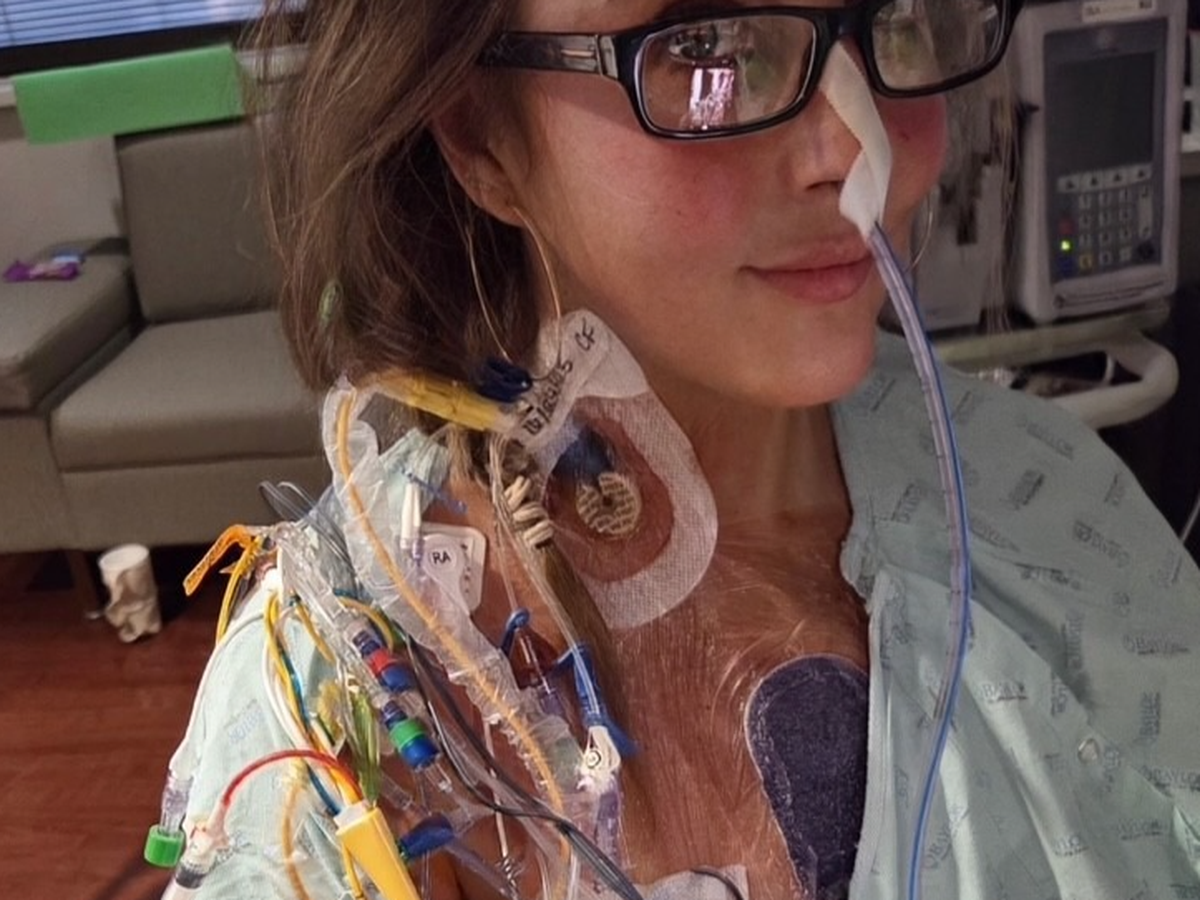
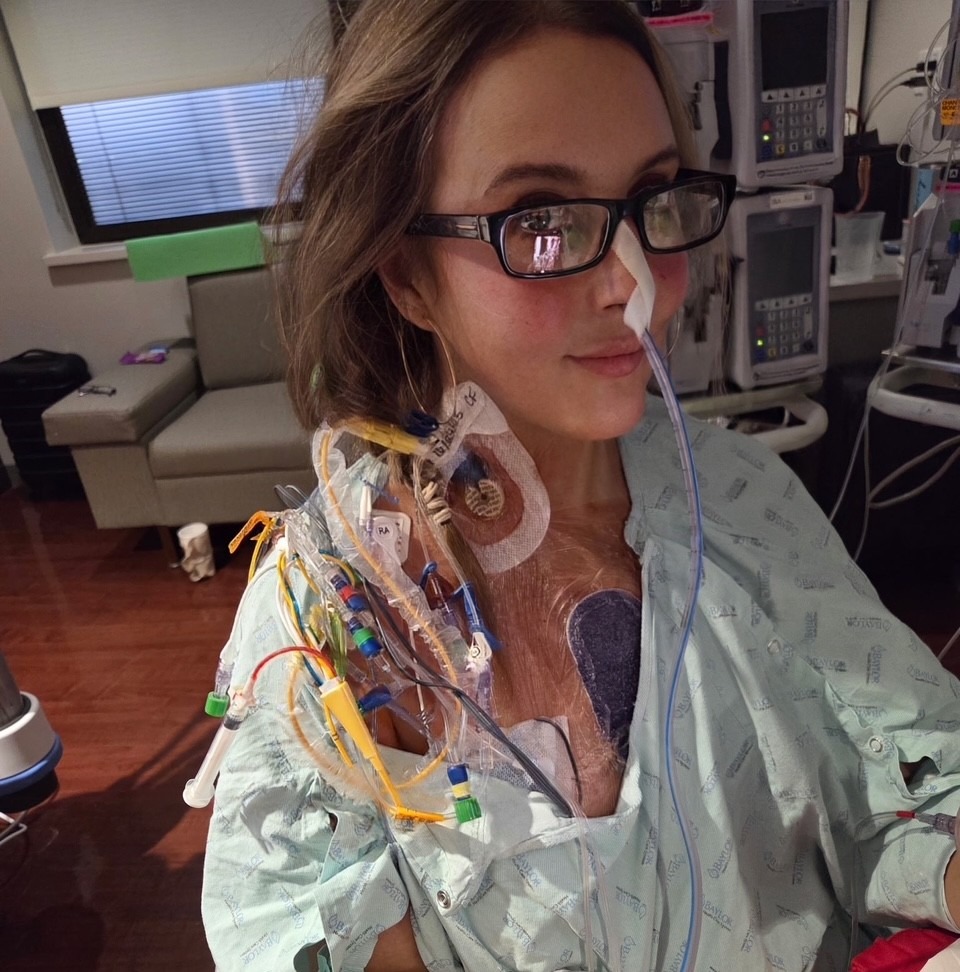
In June 2023, Heather’s life changed suddenly. What began as a persistent cough turned into terrifying episodes of breathlessness—so severe that one night she drove herself to the ER, unable to breathe. It wasn’t pneumonia or a virus. It was severe heart failure.
Doctors explained there was no cure—only medications and a possible valve replacement that might buy her a few years. Heather’s response was simple and brave: “Okay, let’s do it.”
Over the next year and a half, Heather endured countless tests, procedures, and specialist visits. Her case didn’t follow the “textbook,” making diagnosis and treatment even more complex. At just 49 years old, her heart function dropped to 19%, with blood pressure often dangerously low. Despite exhaustion, dizziness, and frequent fainting, Heather continued working full-time and caring for her beloved dog, Brody.
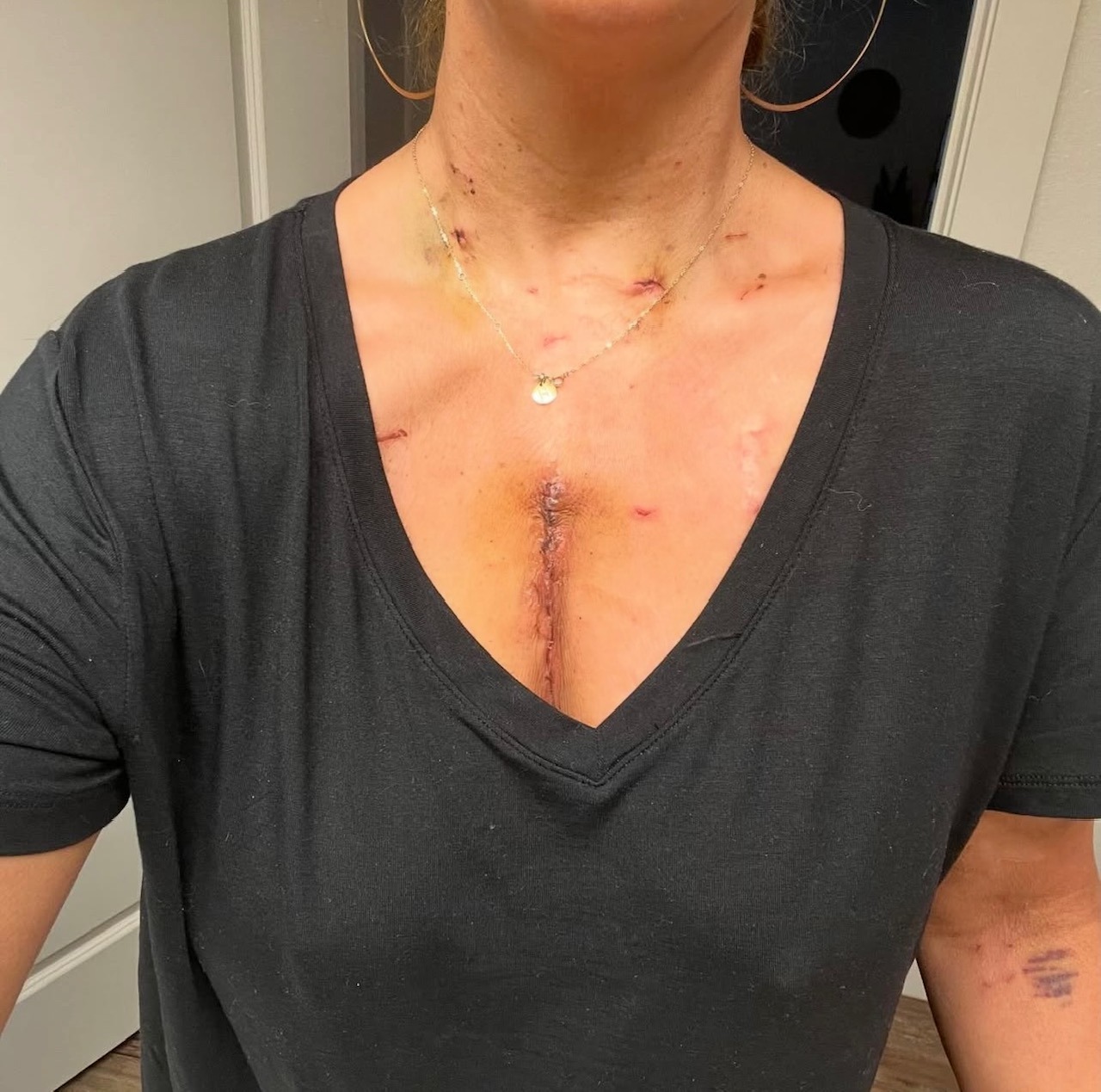
In April 2024, Heather underwent her first open-heart surgery to replace her aortic valve. It didn’t fix the problem—it only bought time.
And time eventually ran out.
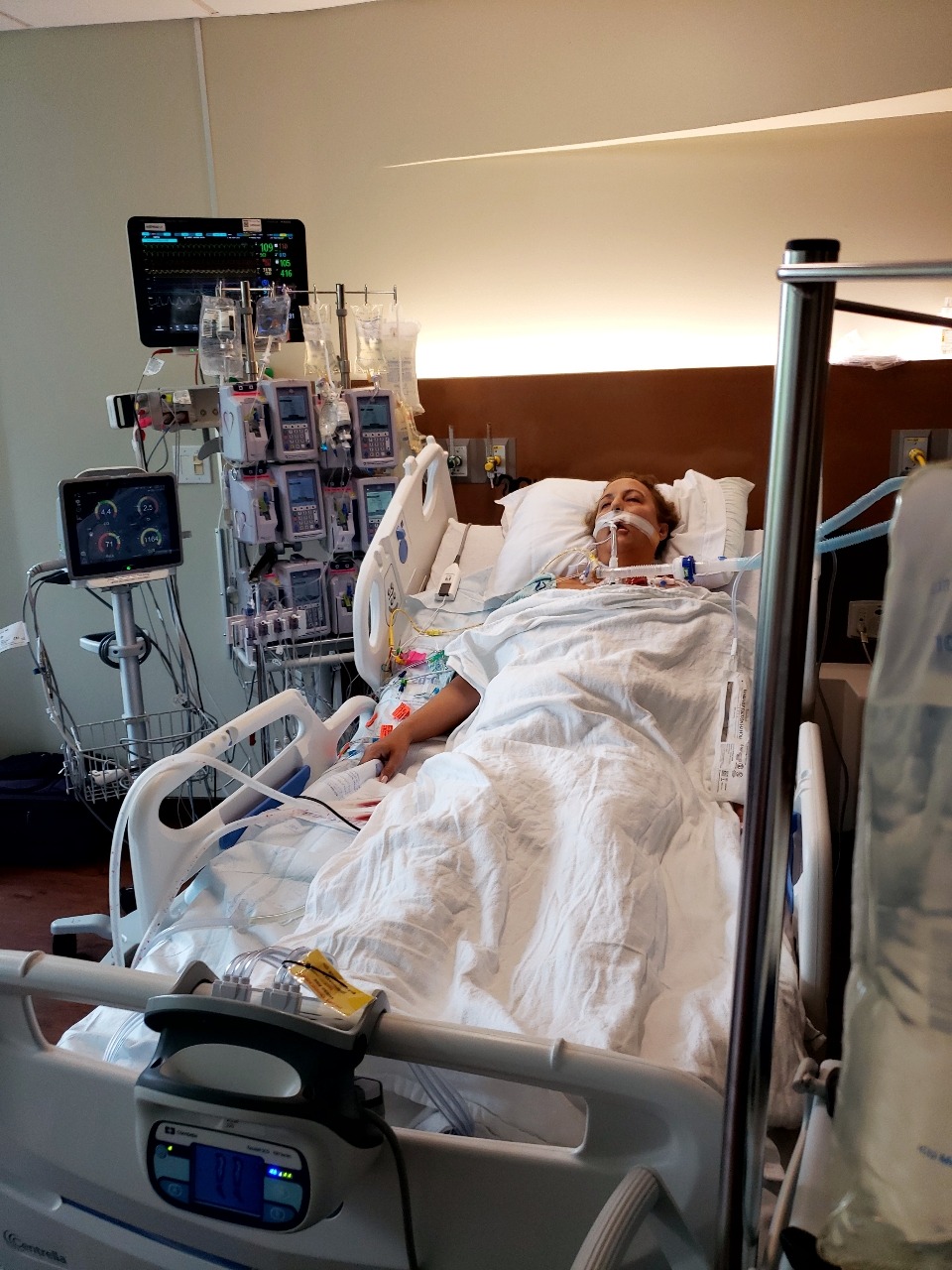
By late 2025, her heart failure had progressed to the point where a heart transplant was the only option. Once again, Heather faced an impossible decision and said, “Okay, let’s do it.”
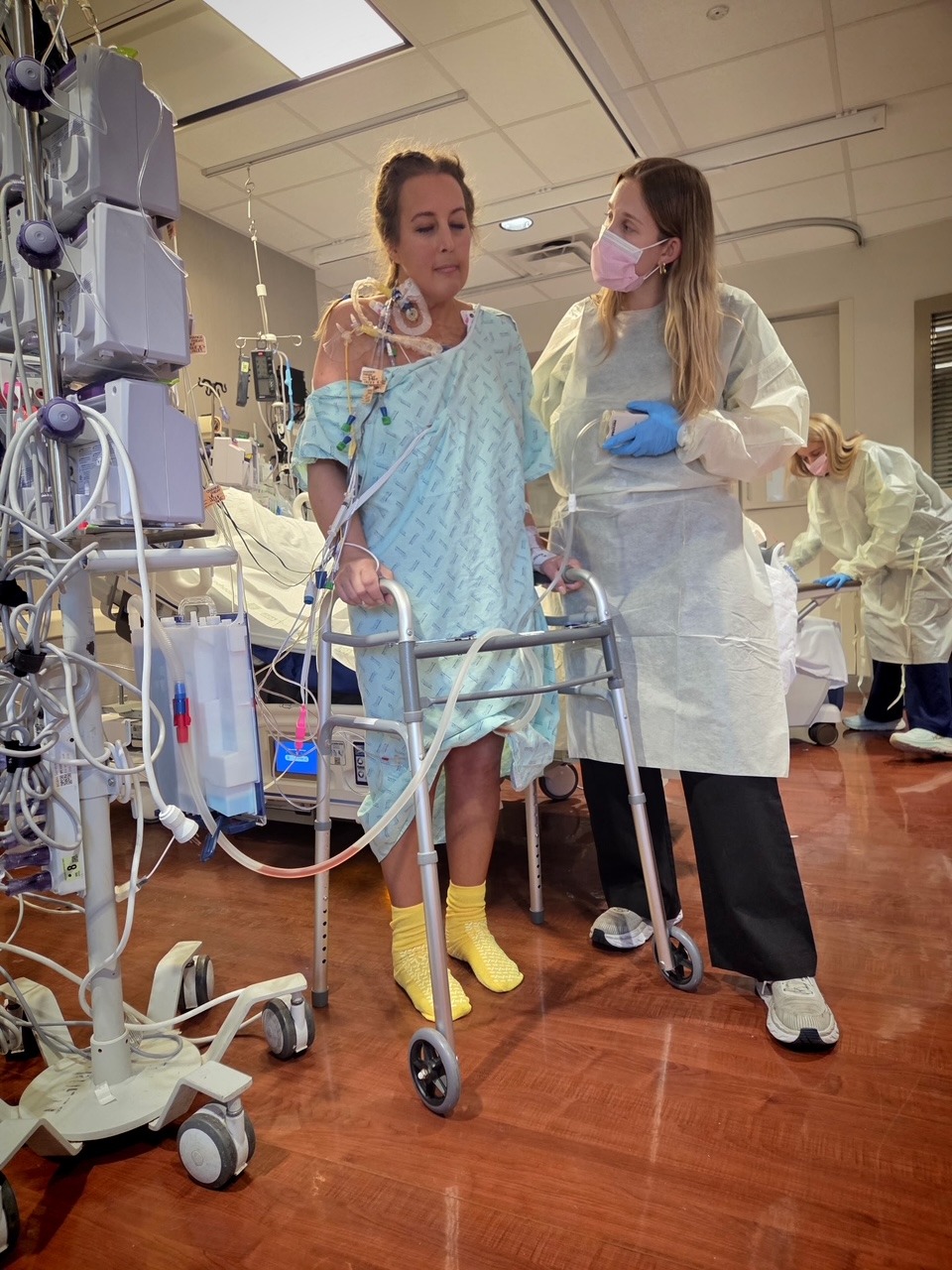
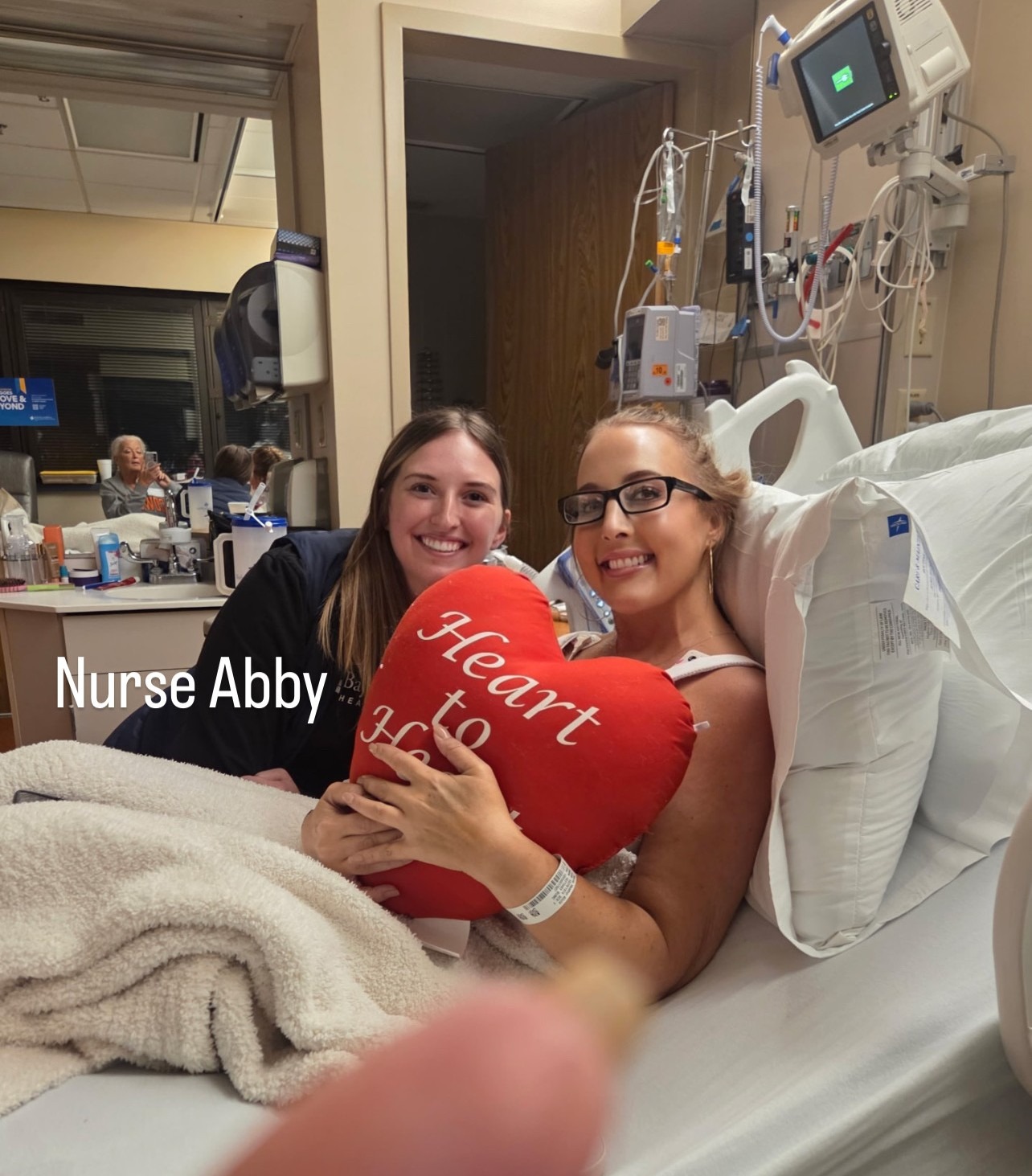
On October 24, 2025, Heather received the gift of a new heart.
While this transplant saved her life, it also introduced overwhelming financial strain. The average cost of a heart transplant in the U.S. exceeds $1.3 million, not including lifelong anti-rejection medications, frequent hospital visits, physical therapy, and the high risk of complications during the first year.
Even with insurance, transplant patients are responsible for enormous out-of-pocket expenses. Heather now faces:
• Costly medications required for life
• Frequent travel to Baylor for specialized care
• Ride-share expenses when unable to drive
• Temporary housing, meals, and caregiving costs
• Lost income while on short-term disability
• Ongoing medical bills and insurance uncertainty
To make matters worse, Heather has recently been informed that her insurance carrier may no longer cover transplant care at Baylor after one year—creating fear and uncertainty during a time when stability is critical for her survival.
A heart transplant patient lives with constant risk. Heather’s immune system is intentionally suppressed to prevent rejection, making everyday environments dangerous. Her home has been modified for safety, daily routines are restricted, and simple joys—like gardening—now pose health risks.
Heather is a single, professional woman who has always been independent, responsible, and deeply generous to others. Asking for help does not come easily—but she cannot do this alone.
Every contribution will go directly toward:
• Medical bills and transplant-related expenses
• Life-saving medications
• Transportation to and from hospital appointments
• Living expenses during recovery
• Care for Brody during long hospital days
All funds will be managed with complete transparency.
If you are able to help—whether through a donation or by sharing this fundraiser—you are helping Heather do what she has always done for others: keep going.
From the bottom of our hearts, thank you for being part of her journey.
With gratitude,
Cheryl Harris
Heather’s mom and caregiver
“I’ve been trying to make sense of the way your heart has become so weak. I have come to the conclusion that your heart is weak because you have shared its strength with so many others when their hearts were broken. Now is the time for you to receive strength from us.” (Quote by Natalie)
Organizer and beneficiary


Heather Harris
Beneficiary