- Y
- E

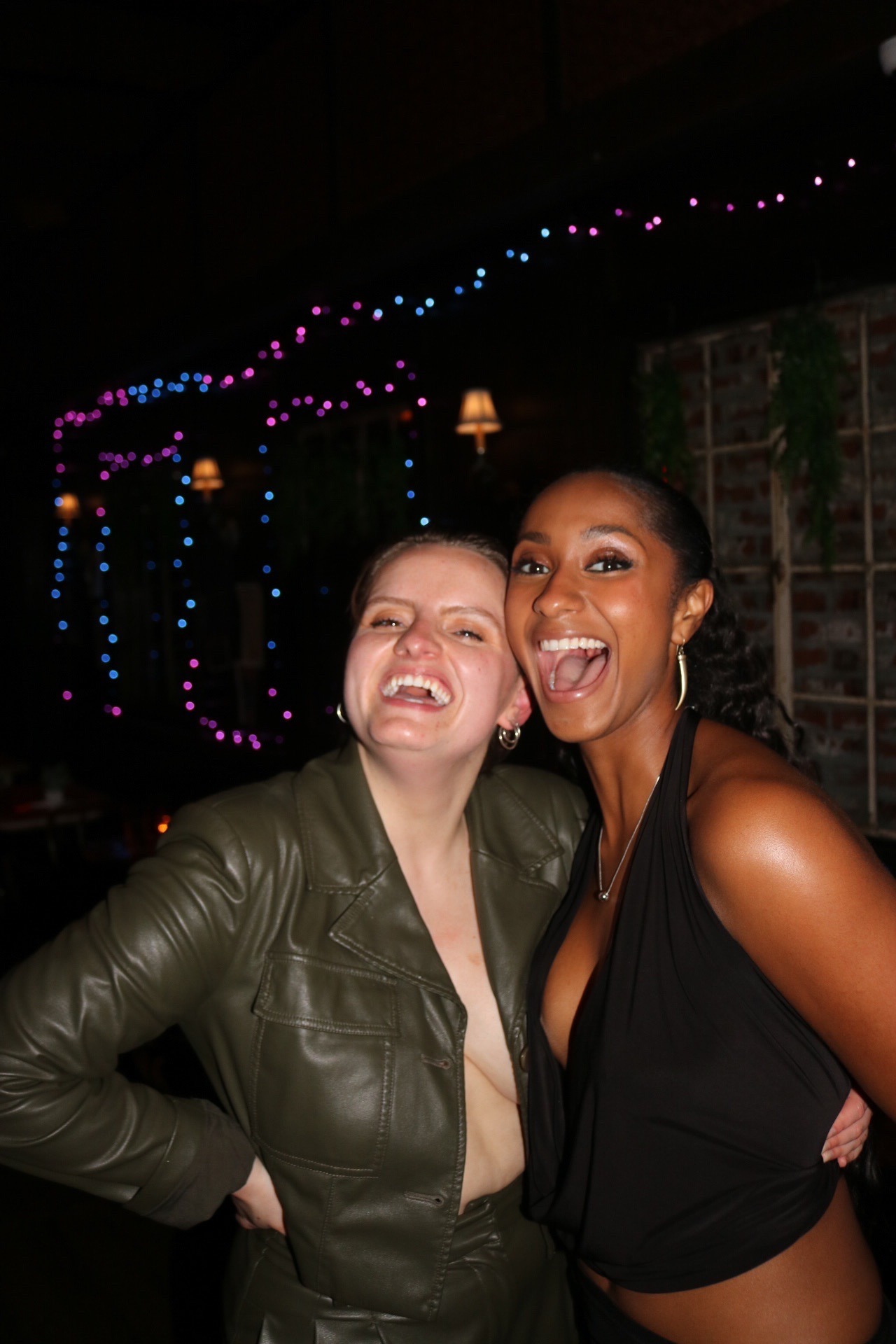
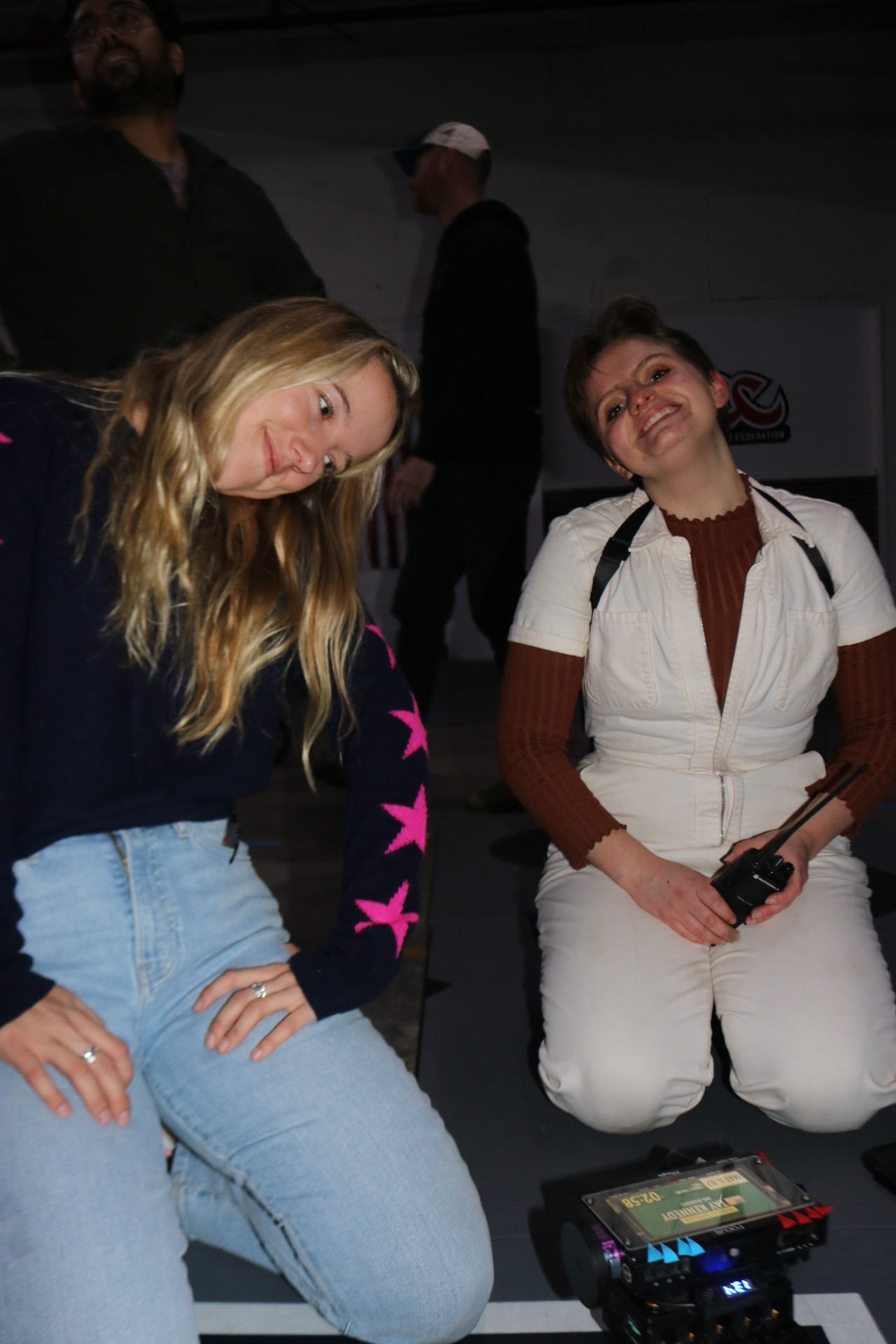
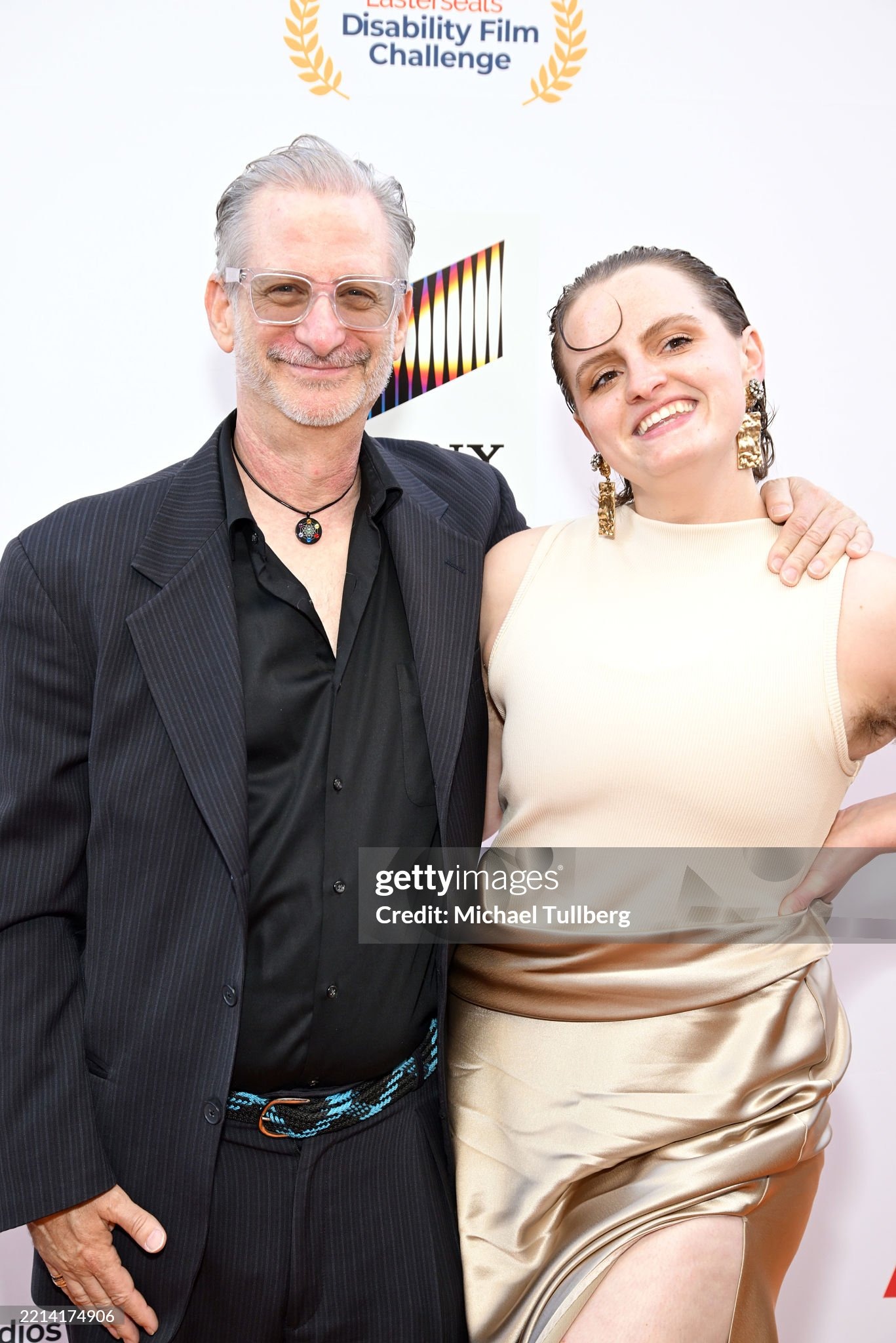
hi guys! It's me ur friend Hann and I'm asking for you to help me get top surgery this upcoming December!
tw: eating disorders, gender dysphoria
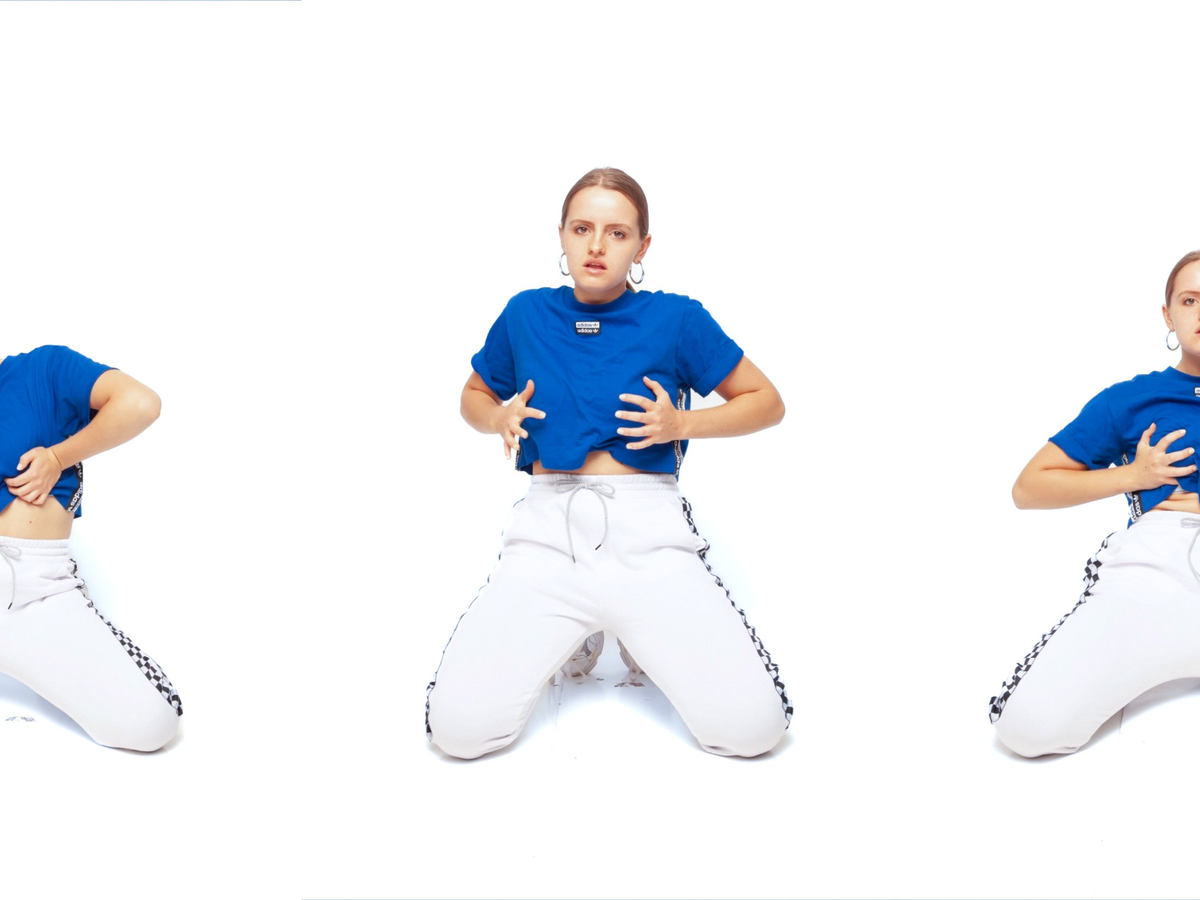
The photos above of me in a blue shirt were taken in 2019. At the time, i was in the midst of a severe eating disorder. I had spent nearly nine months extremely restricting food, not to reach a certain weight or dress size — but with the specific goal of dropping 3 cup sizes. My goal was to make my chest as small as possible, by any means necessary. I almost ended up in the emergency room before I learned to eat again.
It wasn’t something I could name clearly back then. I didn’t have the language for being transgender or nonbinary. But I knew, even then, that my chest didn’t feel like it belonged to me. I’ve been uncomfortable with my breasts since I was in middle school — years before I learned what gender dysphoria was.
Around that 2019 period, I remember telling a friend that I clearly “gave off a masculine vibe” when I entered a room, and being surprised when they disagreed. That conversation helped me realize that the masculinity I felt wasn’t about how others perceived me — it was something internal, something essential. It was a reflection of my gender identity, not just my presentation.
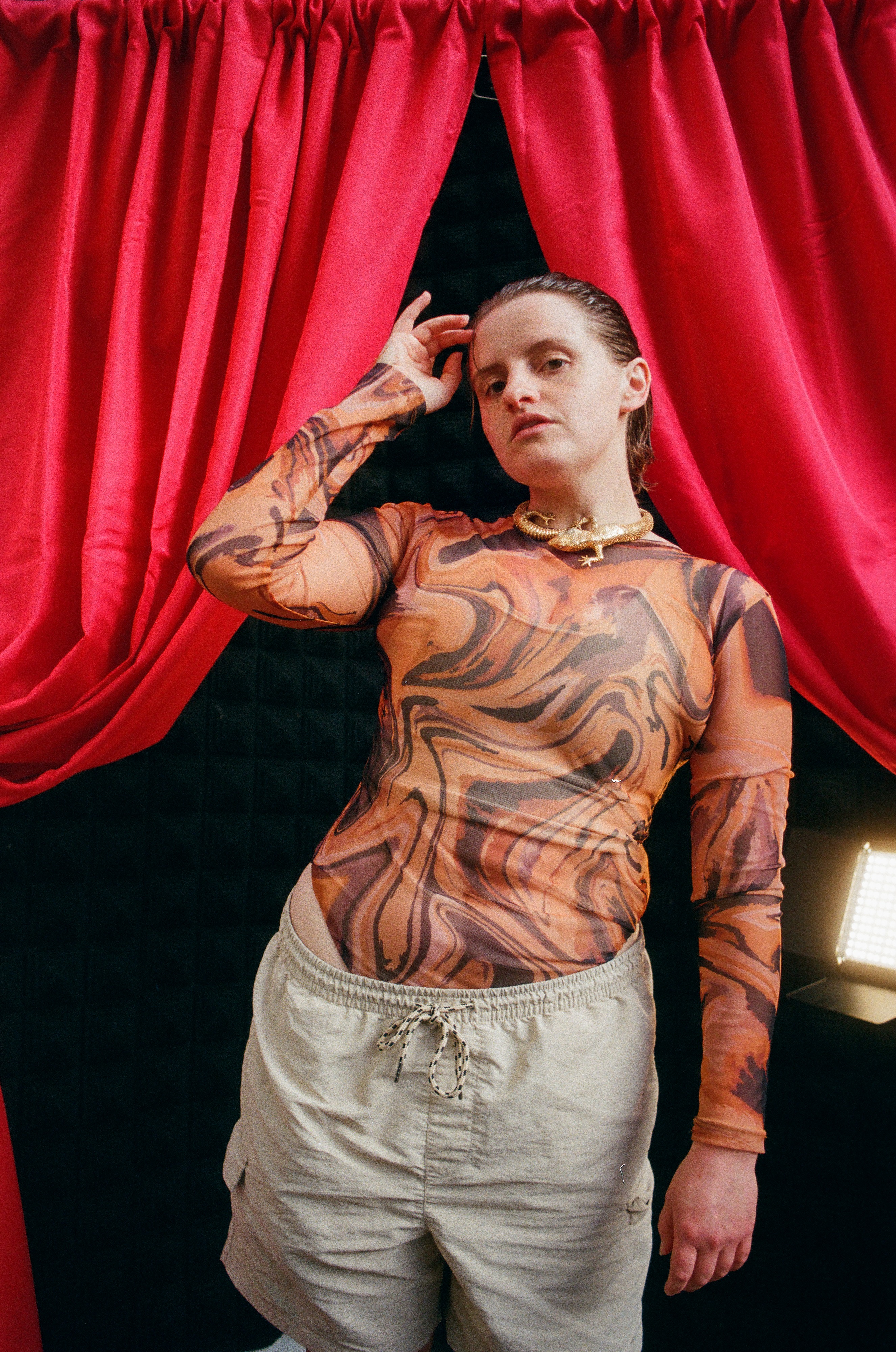
And then I did this photoshoot with my friend @brianraynorris. I started experimenting with visual language around masculinity and my chest. These images became the first conscious representation of my transness — a version of myself I had never been able to articulate before.
Who I Am Today
I identify as trans-nonbinary, transmasc, and genderqueer. I use they/he/she pronouns and often say my gender is “yes, and” — expansive, layered, and fluid. I don’t believe I owe anyone an explanation for seeking top surgery, but it is a story I want to share.
For over a decade, I’ve hidden my chest in photos, performances, and everyday life. Friends from high school might remember me binding for school plays, or holding my chest while dancing or exercising. Even now, I honestly don't know what it's like to have a personal sense of style that doesn't center covering up my chest or making it look smaller in my eyes; it often takes me over an hour just to get dressed — cycling through clothes that don’t trigger dysphoria. I experience near-constant back pain from posture difficulties and the physical toll of binding, taping, and compression garments. You might not be able to tell, but I am binding or trans-taping in all of the current day photos i am including here and so many more on my ig feed. While these temporary solutions help me appear more like myself and give me a lot of joy, they often come at the expense of my comfort, mobility, and safety.
I’ve worked hard to accept my body — but at some point, I had to ask: What if I didn’t have to fight it? What if I could live in a body that actually feels like mine?
Why I’m Asking for Support
I am officially scheduled for masculinizing top surgery with Dr. Scott Mosser at the Gender Confirmation Center in San Francisco on March 3, 2026.
My insurance is expected to cover part of the procedure. However, I’ve been advised to anticipate at least $3,700 in out-of-pocket medical costs, not including additional expenses related to healing and recovery.
I’ve also been told to prepare for 6 weeks of downtime, during which I won’t be able to safely work. My main source of income — teaching dance to the very cool disabled adults at Performing Arts Studio West — requires physical exertion I won’t be able to manage during recovery. The same goes for my work in film production, which often involves long hours, lifting heavy equipment, and being on my feet for extended periods.
My basic living expenses are approximately $3,000 per month, so missing six weeks of work means I’ll need at least $4,500 to cover rent, food, transportation, and essential costs while I recover.
All together, I’ve set a goal of $6,700, which breaks down to:
• $3,700 for uncovered medical costs and post-surgical supplies
• $3,000–4,500 for lost wages and living expenses during recovery
I know this is a significant amount to ask for. I wouldn’t be reaching out if I didn’t truly need support. This surgery is not just cosmetic — it’s essential to my health, wellbeing, and ability to exist comfortably in the world.
If you’re able to contribute, thank you.
If you’re able to share this, thank you.
And if you’re just here reading, thank you.
Your support in any form means everything.
Organizer