- T
- L
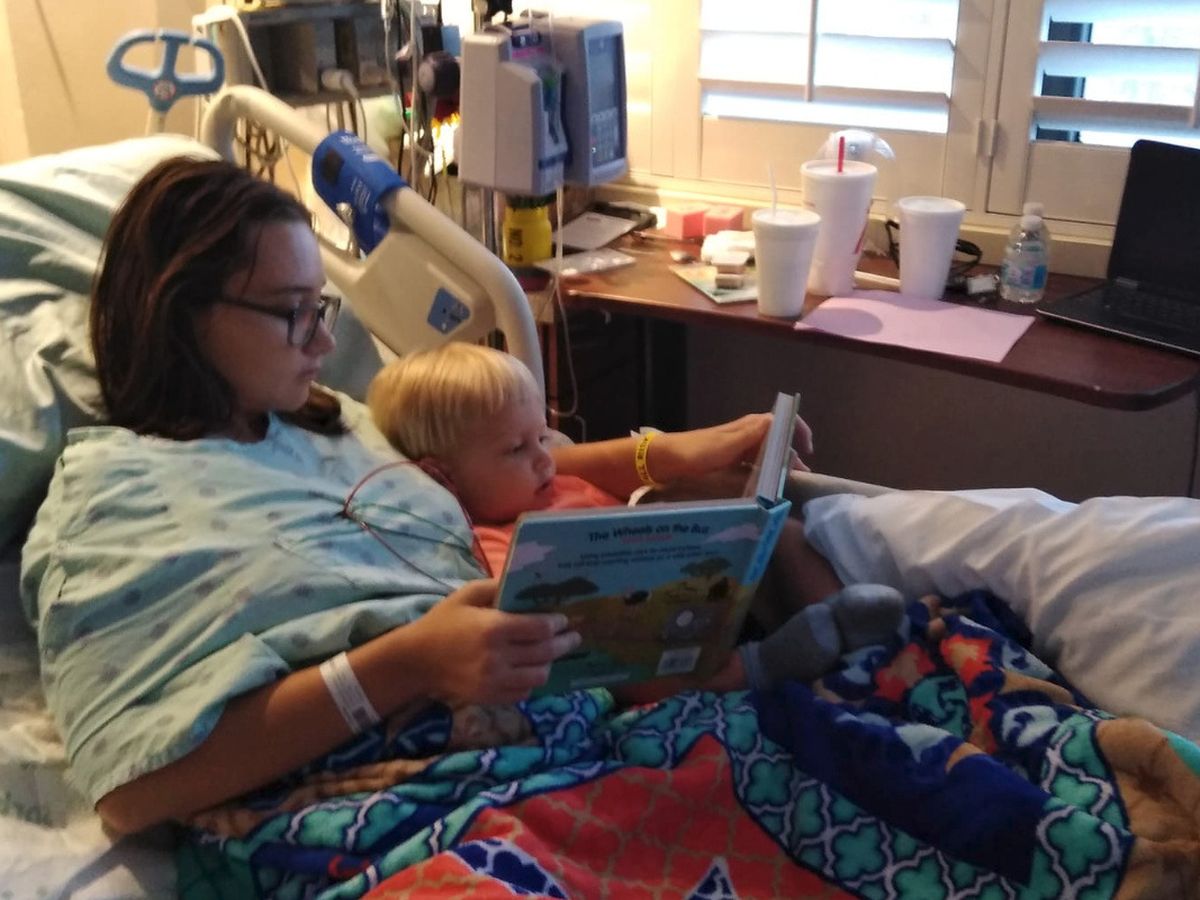
I am starting this page for my best friend’s 26 year old daughter, Kali and Kali’s family. Kali suddenly went from being a very active wife, mother to their 19 month old baby, and special needs teacher to not being able to do anything for herself. She was diagnosed with Axonal Guillain-Barre Syndrome. This disease is rare and required her to be hospitalized for over a month and is currently at inpatient rehab for an unknown period of time. She and her family are facing financial hardships, as Kali only had a few days of paid leave from work and will also now have to pay the full amount of her health insurance, along with any additional bills that her insurance may not cover, after the out of pocket requirement of $4,000.
Here is her story:
On Friday, July 12, 2019 Kali Murray started having numbness and tingling in her feet and legs. The numbness and tingling spread to her arms and hands by the next day. On Sunday, July 14, 2019, Kali went to the walk-in clinic and was tested for Strep and Mono, both were negative. The doctor there wrote a referral for a neurologist. By Monday, July 15, 2019, Kali could barely walk on her own. She then went to another doctor that ran blood work and a few other tests. The doctor said the blood work would be ready in about a week and she should probably go see a neurologist. When Kali got home, she tried to make an appointment with a neurologist. After calling seven (7) different neurologists, they all said it would be a month to three months before they could get her in.
On Tuesday, July 16, 2019, Kali’s mom took her to the emergency room as she could no longer walk and she did not have much use of her arms. She was retested for a whole list of things and the doctor in the emergency room had a few ideas on what could be causing her issues. After many blood tests and urine tests, a spinal tap was ordered. It was determined from the spinal tap that Kali had Guillain-Barre Syndrome. Guillain-Barre Syndrome (GBS) is a rare disorder in which the body’s immune system attacks the nerves. GBS can spread quickly, eventually paralyzing the whole body and could also stop the patient’s breathing without warning.
There are currently two treatments for GBS. IVIg, which is a high-dose immunoglobulin therapy and is five treatments long; the other is plasmapheresis, which is plasma exchange and is also five treatments long. Kali was admitted to the ICU in the hospital to monitor her breathing and to start on the IVIg for five consecutive days. After two days in ICU, Kali was transferred to a regular room and continued her treatments. After the five treatments, Kali was starting to be able to move a little better. On Tuesday, July 23, 2019, Kali was sent to a rehabilitative hospital to continue with therapy to regain the use of her hands, arms, legs and feet. After a few days at rehab, she started to feel things regressing instead of progressing.
On Tuesday, July 30, 2019, Kali choked on some soft mashed sweet potatoes and was sent to Holmes Regional Hospital. They told her that the GBS was spreading and now effecting her face, mouth and throat. She was having a hard time swallowing anything - even water. The neurologist that was assigned to Kali, told her that she actually had Axonal GBS which is worse than just GBS. The treatment for Axonal GBS is the plasmapheresis. Kali was moved to ICU as her swallowing was diminished and they wanted to track her breathing. Unfortunately, since she was given the IVIg and finished it only a little over a week before they could not start the plasmapheresis until August 5, 2019.
Between July 30th and August 5th, Kali continued to deteriorate to the point she could not eat, drink, hardly speak and could not move the majority of her body. They told Kali on the night of August 4th she couldn’t eat or drink after midnight. On August 5th, around 9:45am, they took Kali down to put in the tunnel port that would be used for the plasmapheresis. For this, they had to sedate her. She did not make it back to her room until around 11:45am. Around 12:30pm, they came to take her down for her first treatment of plasmapheresis and she was still out of it from being sedated and not eating. Each treatment lasted around two hours. Towards the end of her 1st treatment her blood pressure dropped to 60/40. They had to stop the treatment to get her blood pressure back up. Once it was back up, they restarted the treatment. After the treatment her blood pressure dropped to 60/40 again. They gave her fluids to bring her pressure back up and then she was moved back to her room. Kali was so out of it and miserable, along with the pain from the port she was having a more difficult time swallowing, even though she was extremely hungry. She asked for a feeding tube. It took them until the following afternoon to get her the feeding tube and some nutrients. Her treatments continued every other day, except for the weekend. Each of her treatments except for the final one all had some issue with her blood pressure. One day it even got down to 56/29. This is very scary for all of us and it makes Kali feel weak and drained each time.
Day by day the neurologist noted very slight improvements, some even Kali didn’t notice. By the second treatment, Kali wanted to eat and could speak a little stronger and use her hands. By the third treatment, Kali was eating more, speaking stronger and able to move her arms. Kali was improving at a slow rate, but the doctors were very encouraged with her progress so far. Each day she got a little stronger and could do a little more for herself. She could still not walk or hold herself up in any way.
On August 15th, Kali was transferred to the rehabilitative hospital to regain her strength and help gain the use of all her extremities. She is getting occupational and physical therapy everyday but Sunday. She continues to get stronger, little by little. This is going to be a long road to recovery and recover is what she will do, in time.
Even though Kali is a teacher and some of this occurred during the summer, Kali has only been with the district for one year and she only had 8 days of leave time accumulated. After the 8 days were used, she will not be receiving a check and will have to pay the full amount of her health care, which she cannot lose at this point. She has a $4,000 out of pocket maximum with her health insurance and it is likely that her insurance will only pay for a portion of her inpatient rehab. Along with these bills, her and her family will still have all their normal bills. Kali’s husband, Phillip is a very strong and proud man that was doing an awesome job supporting his family with Kali’s help. Given the length of time that Kali will be out of work and out of pay with an additional bill (insurance) they are going to need all the help they can get to survive this horrible disease. It has already taken a toll on them; physically, mentally, emotionally and financially along with Kali’s sweet baby boy missing his mommy and not old enough to understand why she can’t play with him or hold him.
If you would like to help this wonderful little family with their financial burdens, please contribute what you can. Anything will be greatly appreciated by the family.
Here is her story:
On Friday, July 12, 2019 Kali Murray started having numbness and tingling in her feet and legs. The numbness and tingling spread to her arms and hands by the next day. On Sunday, July 14, 2019, Kali went to the walk-in clinic and was tested for Strep and Mono, both were negative. The doctor there wrote a referral for a neurologist. By Monday, July 15, 2019, Kali could barely walk on her own. She then went to another doctor that ran blood work and a few other tests. The doctor said the blood work would be ready in about a week and she should probably go see a neurologist. When Kali got home, she tried to make an appointment with a neurologist. After calling seven (7) different neurologists, they all said it would be a month to three months before they could get her in.
On Tuesday, July 16, 2019, Kali’s mom took her to the emergency room as she could no longer walk and she did not have much use of her arms. She was retested for a whole list of things and the doctor in the emergency room had a few ideas on what could be causing her issues. After many blood tests and urine tests, a spinal tap was ordered. It was determined from the spinal tap that Kali had Guillain-Barre Syndrome. Guillain-Barre Syndrome (GBS) is a rare disorder in which the body’s immune system attacks the nerves. GBS can spread quickly, eventually paralyzing the whole body and could also stop the patient’s breathing without warning.
There are currently two treatments for GBS. IVIg, which is a high-dose immunoglobulin therapy and is five treatments long; the other is plasmapheresis, which is plasma exchange and is also five treatments long. Kali was admitted to the ICU in the hospital to monitor her breathing and to start on the IVIg for five consecutive days. After two days in ICU, Kali was transferred to a regular room and continued her treatments. After the five treatments, Kali was starting to be able to move a little better. On Tuesday, July 23, 2019, Kali was sent to a rehabilitative hospital to continue with therapy to regain the use of her hands, arms, legs and feet. After a few days at rehab, she started to feel things regressing instead of progressing.
On Tuesday, July 30, 2019, Kali choked on some soft mashed sweet potatoes and was sent to Holmes Regional Hospital. They told her that the GBS was spreading and now effecting her face, mouth and throat. She was having a hard time swallowing anything - even water. The neurologist that was assigned to Kali, told her that she actually had Axonal GBS which is worse than just GBS. The treatment for Axonal GBS is the plasmapheresis. Kali was moved to ICU as her swallowing was diminished and they wanted to track her breathing. Unfortunately, since she was given the IVIg and finished it only a little over a week before they could not start the plasmapheresis until August 5, 2019.
Between July 30th and August 5th, Kali continued to deteriorate to the point she could not eat, drink, hardly speak and could not move the majority of her body. They told Kali on the night of August 4th she couldn’t eat or drink after midnight. On August 5th, around 9:45am, they took Kali down to put in the tunnel port that would be used for the plasmapheresis. For this, they had to sedate her. She did not make it back to her room until around 11:45am. Around 12:30pm, they came to take her down for her first treatment of plasmapheresis and she was still out of it from being sedated and not eating. Each treatment lasted around two hours. Towards the end of her 1st treatment her blood pressure dropped to 60/40. They had to stop the treatment to get her blood pressure back up. Once it was back up, they restarted the treatment. After the treatment her blood pressure dropped to 60/40 again. They gave her fluids to bring her pressure back up and then she was moved back to her room. Kali was so out of it and miserable, along with the pain from the port she was having a more difficult time swallowing, even though she was extremely hungry. She asked for a feeding tube. It took them until the following afternoon to get her the feeding tube and some nutrients. Her treatments continued every other day, except for the weekend. Each of her treatments except for the final one all had some issue with her blood pressure. One day it even got down to 56/29. This is very scary for all of us and it makes Kali feel weak and drained each time.
Day by day the neurologist noted very slight improvements, some even Kali didn’t notice. By the second treatment, Kali wanted to eat and could speak a little stronger and use her hands. By the third treatment, Kali was eating more, speaking stronger and able to move her arms. Kali was improving at a slow rate, but the doctors were very encouraged with her progress so far. Each day she got a little stronger and could do a little more for herself. She could still not walk or hold herself up in any way.
On August 15th, Kali was transferred to the rehabilitative hospital to regain her strength and help gain the use of all her extremities. She is getting occupational and physical therapy everyday but Sunday. She continues to get stronger, little by little. This is going to be a long road to recovery and recover is what she will do, in time.
Even though Kali is a teacher and some of this occurred during the summer, Kali has only been with the district for one year and she only had 8 days of leave time accumulated. After the 8 days were used, she will not be receiving a check and will have to pay the full amount of her health care, which she cannot lose at this point. She has a $4,000 out of pocket maximum with her health insurance and it is likely that her insurance will only pay for a portion of her inpatient rehab. Along with these bills, her and her family will still have all their normal bills. Kali’s husband, Phillip is a very strong and proud man that was doing an awesome job supporting his family with Kali’s help. Given the length of time that Kali will be out of work and out of pay with an additional bill (insurance) they are going to need all the help they can get to survive this horrible disease. It has already taken a toll on them; physically, mentally, emotionally and financially along with Kali’s sweet baby boy missing his mommy and not old enough to understand why she can’t play with him or hold him.
If you would like to help this wonderful little family with their financial burdens, please contribute what you can. Anything will be greatly appreciated by the family.