- K
- A
- A
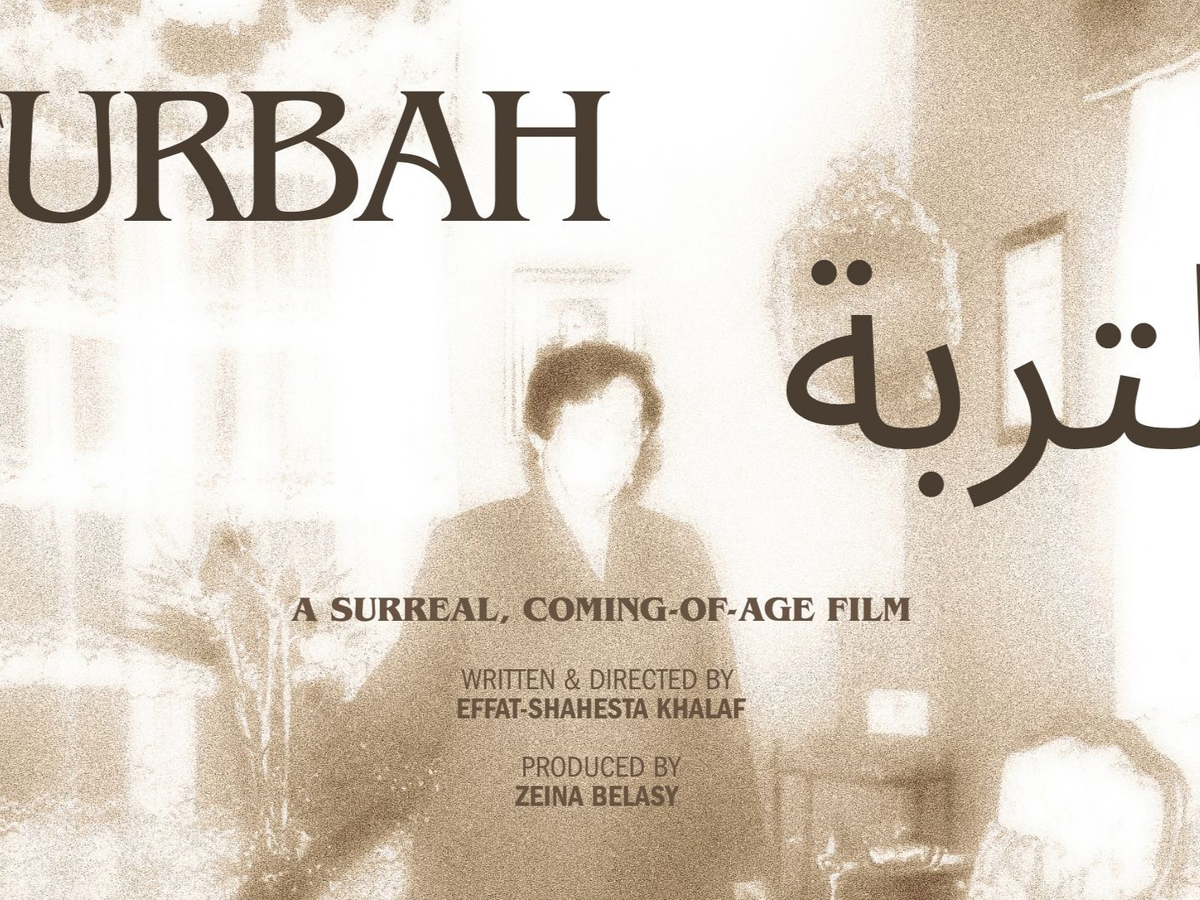
My name is Effat-Shahesta Khalaf. I’m an Egyptian-Syrian filmmaker based between Cairo and New Orleans, currently in the final year of my MFA in Film Production.
I’ve traveled to my hometown in Egypt for my graduate thesis film, and I need your support in making it come to life.
We’ve secured $10,500 through grants and personal savings.
We are now raising $8,000 to complete production and post-production.
If you’re able to support us, even with a small contribution, it will directly shape what we’re able to put on screen!
THE STORY
Turbah is a surreal coming-of-age film set in Cairo.
The film is nonlinear and impressionistic. It meditates on various topics like generational trauma, filial piety, imagination, loss of innocence, motherhood, and religion.
Summary
Fufu lives in a cramped bedroom with her grandmother, a matriarch whose presence controls the entire household.
After her grandmother passes, Fufu helps her mother perform the traditional washing ritual, only to find the torn pieces of her beloved puppet Looly in the water. That moment pulls her into a collapse of memories, guilt, and imagination rooted in a secret she has never spoken: she wished her grandmother would disappear from her world.
The film moves between Fufu’s daily life under her grandmother and the puppet world she once escaped into...a bright, playful universe that gradually distorts as fragments of her real life seep through. Like, divine retribution, the puppet world begins tearing itself apart as Fufu’s shame pushes her to a point of no return.
Years later, adult Fufu visits her grandmother to confront the generational curse that shaped her life.
WHY "TURBAH"?
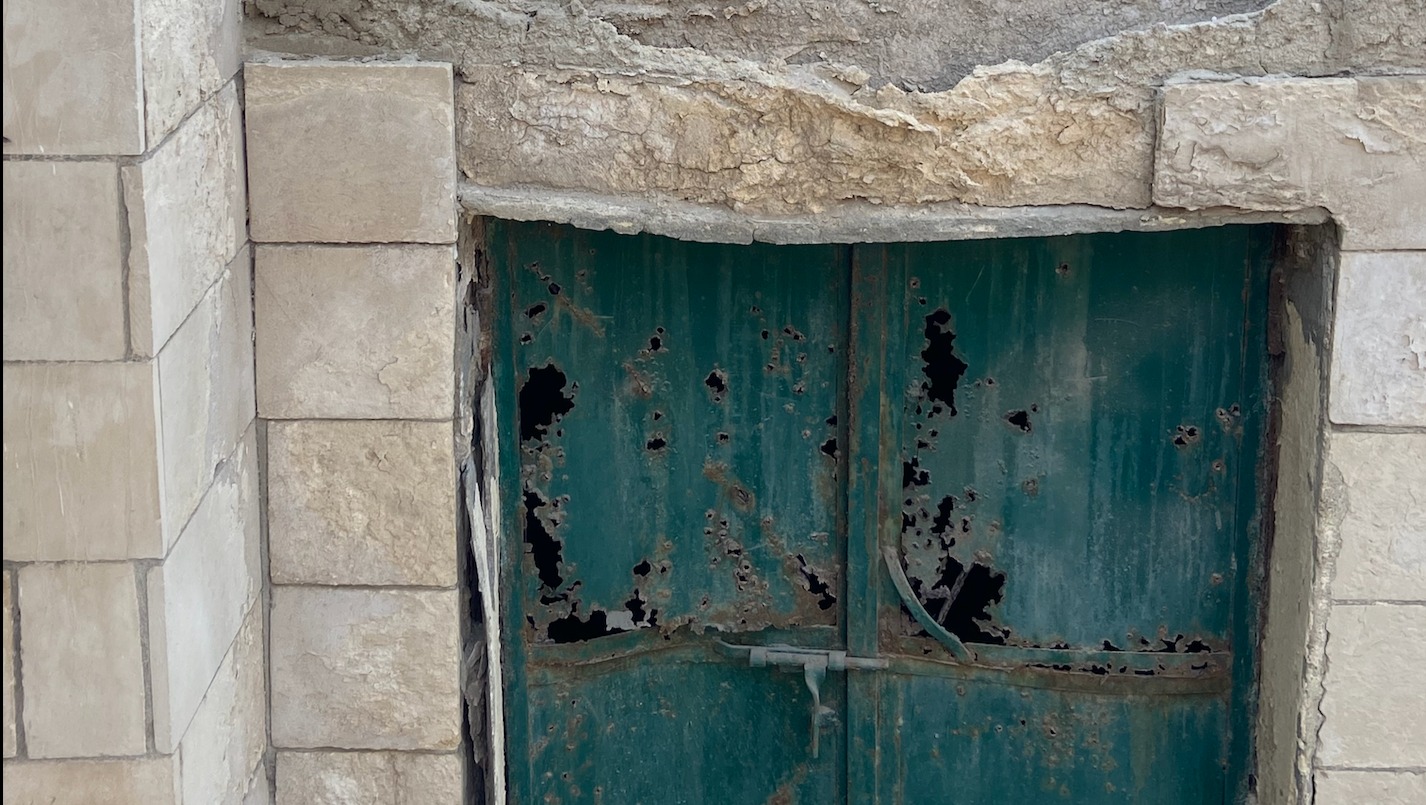
“Turbah” is an Arabic word that means “earth” or “soil.” In Egypt, it also refers to the underground family chamber where generations are placed together after they pass, and where loved ones visit for reflection and remembrance.
The turbah is both a site of remembrance and a kind of living archive. I chose this title because the film mirrors that space: it explores layers of family memory, inherited trauma, and the fragile boundary between presence and absence. Even though the turbah is physically vacant, it carries an overwhelming density. That emptiness resembles what I see when I look back on my own childhood. By returning to the turbah, the inner child has to face the generational legacies hidden underneath.
Turbah is a deeply personal film for me. Writing it has made me confront the grief I carried when I was younger and how that grief still shapes me till this day. Through that process, I realized something simple but difficult: innocence never truly disappears, it just becomes harder to access as we grow older. That longing to reconnect with it sits at the core of this film, and I hope it resonates with anyone trying to find their way back to their younger self.
TONE & STYLE
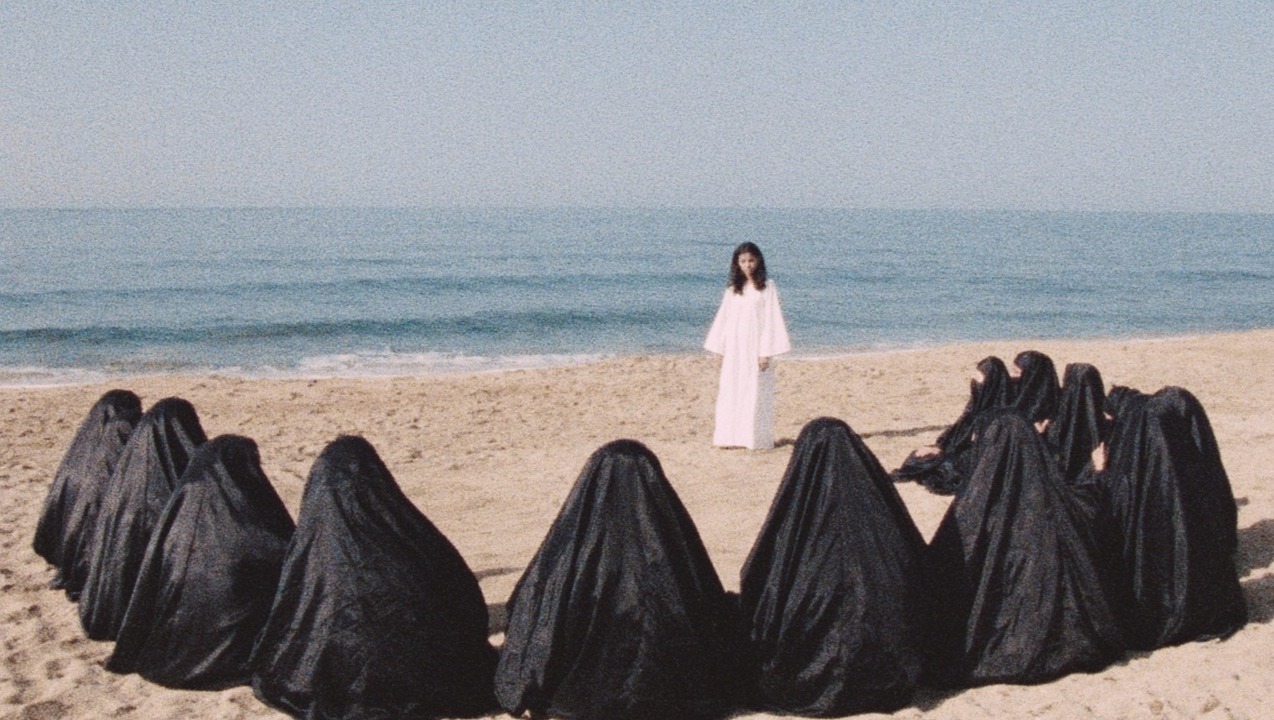
Turbah draws from a range of film influences:
- The surreal, theatrical aesthetic of "Alexandria…Why?" (1979) & "Baheb El Cima" (2004), & "The Red Shoes" (1948)
- The dreamy, archival fantasy of "Leila & The Wolves" (1984)
- The impressionistic auto-fictional flow of "My Brother, My Brother" (2025)
- The hypnotizing, slow burn of "I Am Afraid to Forget Your Face" (2020)
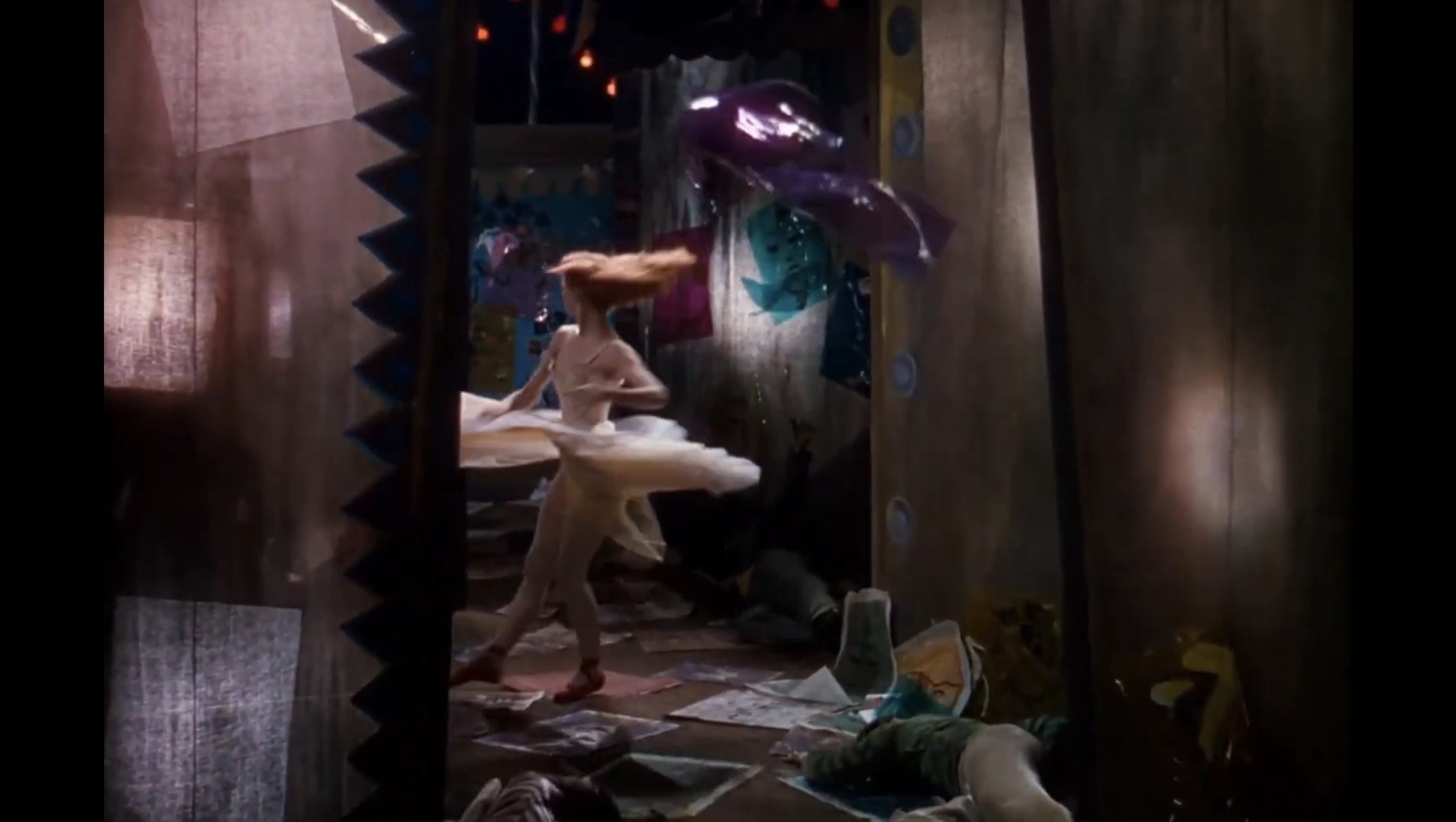
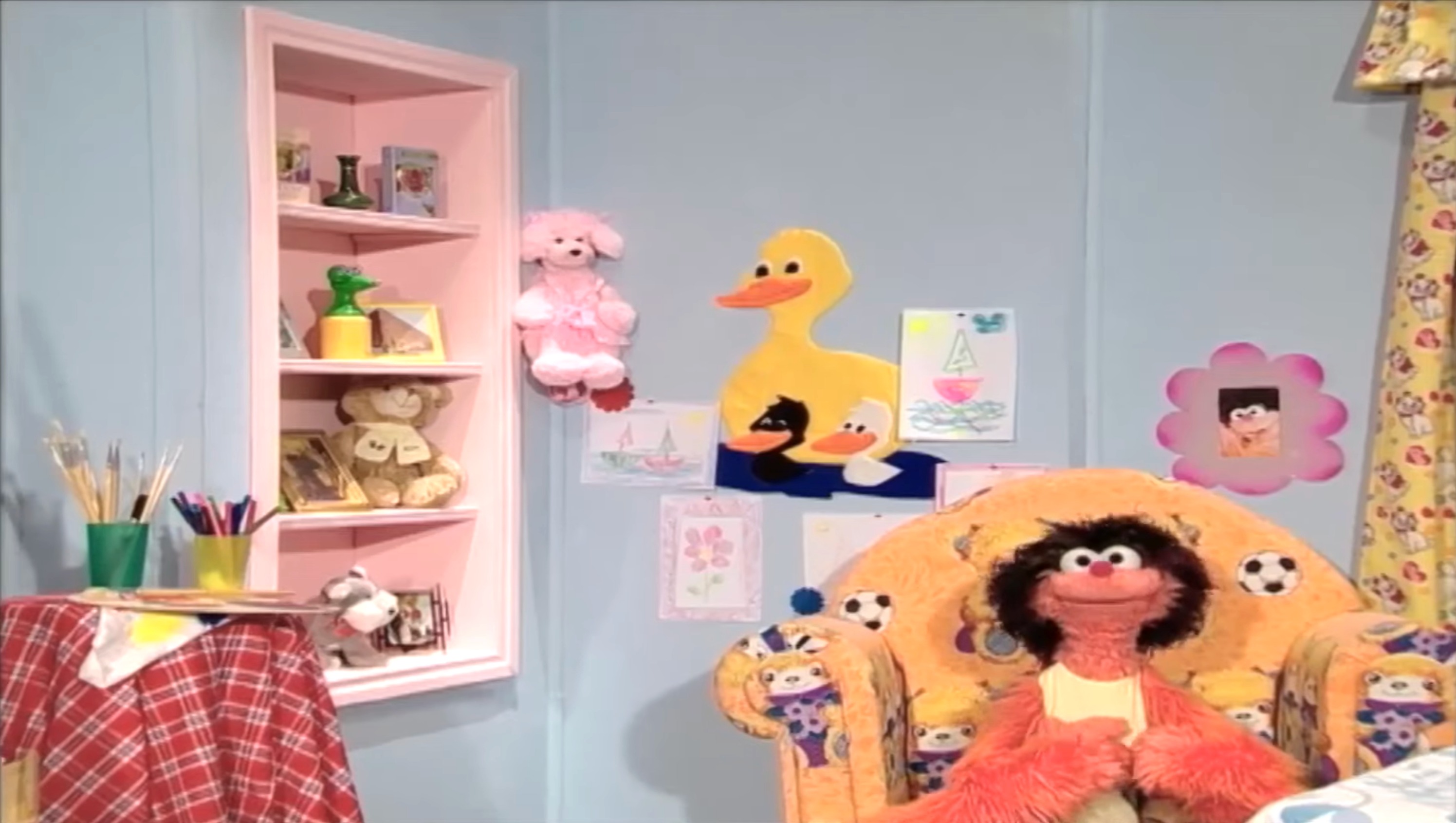
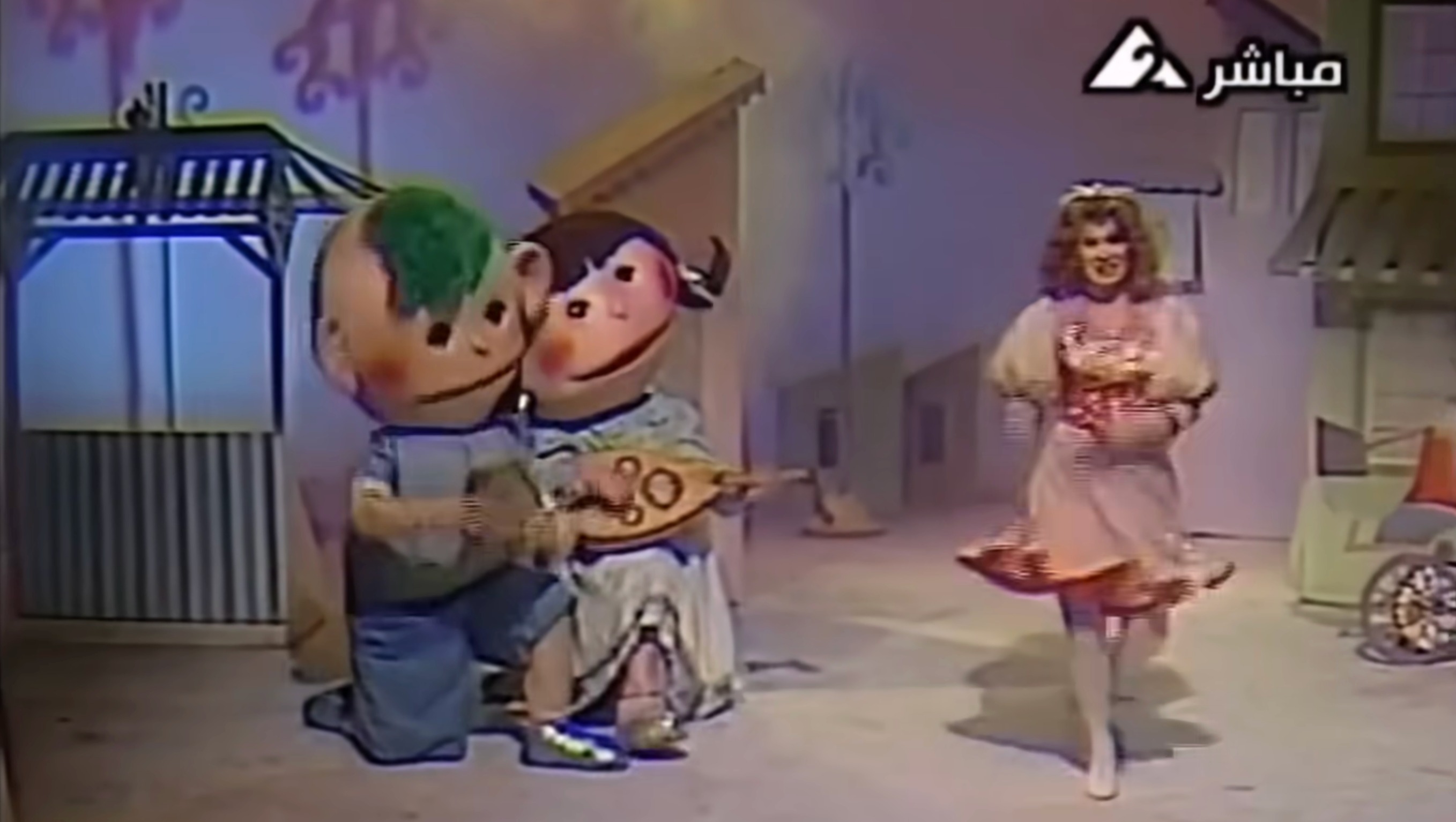
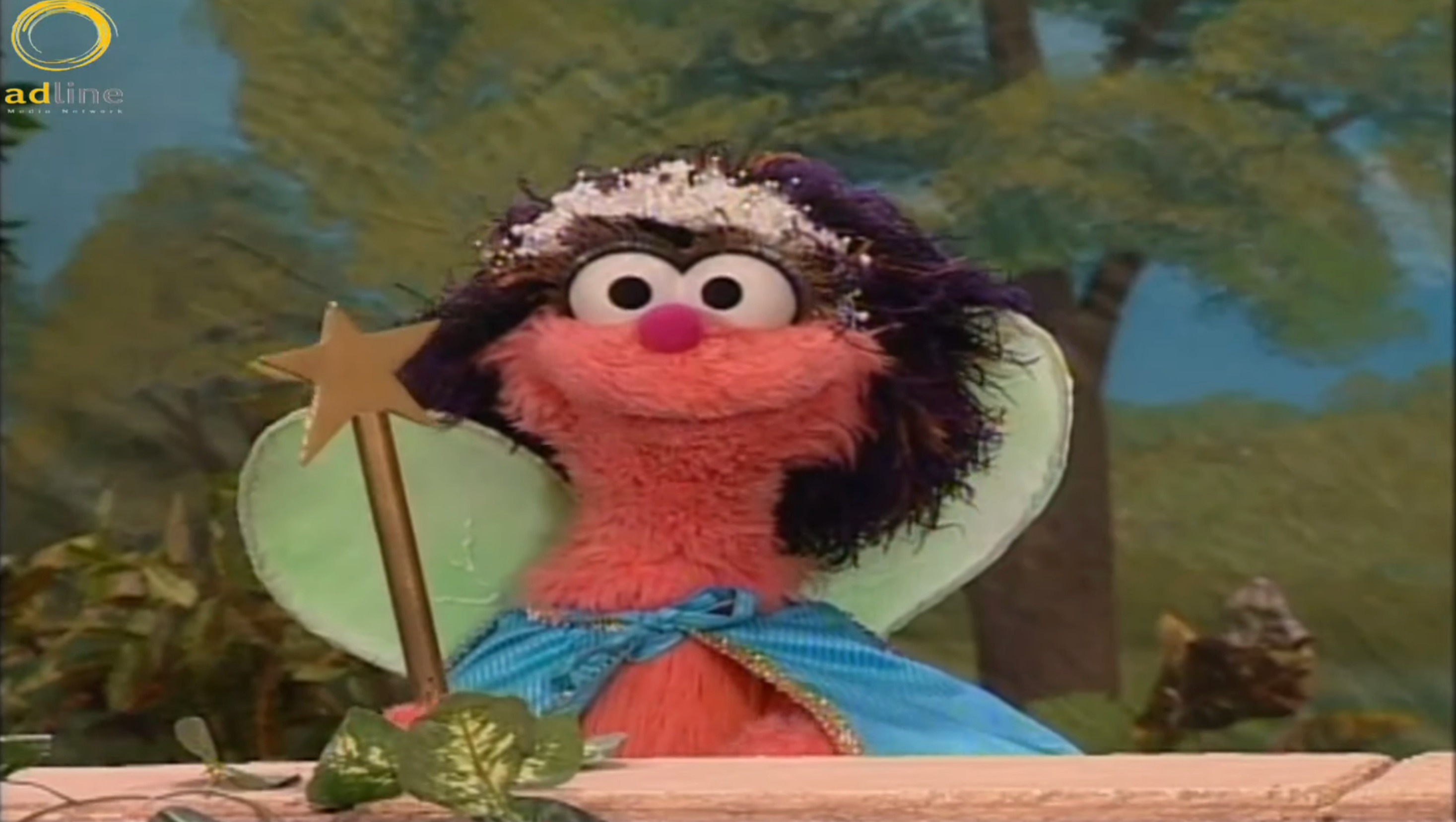
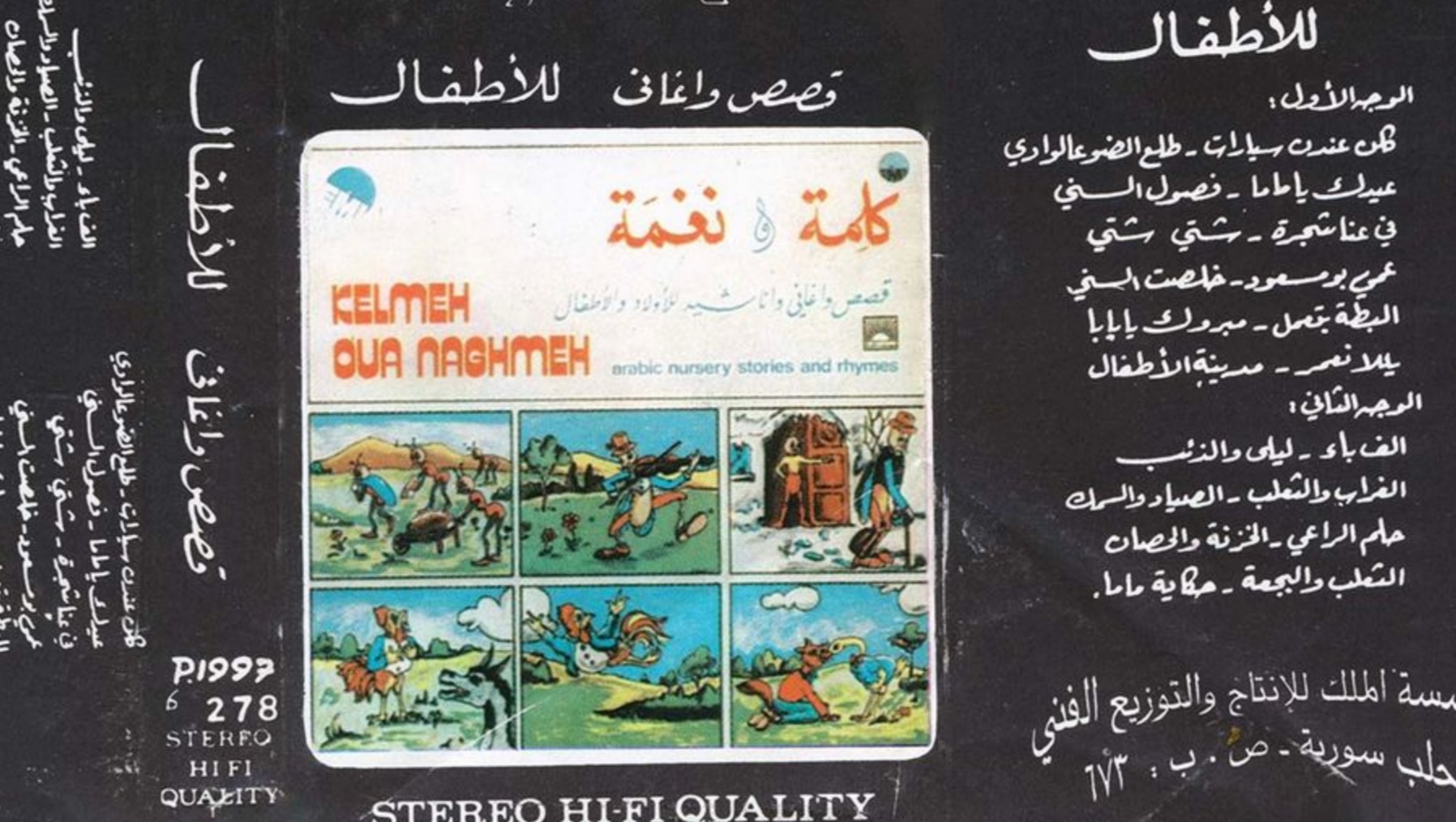
Turbah's puppet world is inspired by nostalgic TV shows like the iconic children’s plays and puppet shows many Egyptians grew up with: Bougy w Tamtam, Opera Al-Al‘ab, Alam Simsim, and Fawazeer Ramadan.
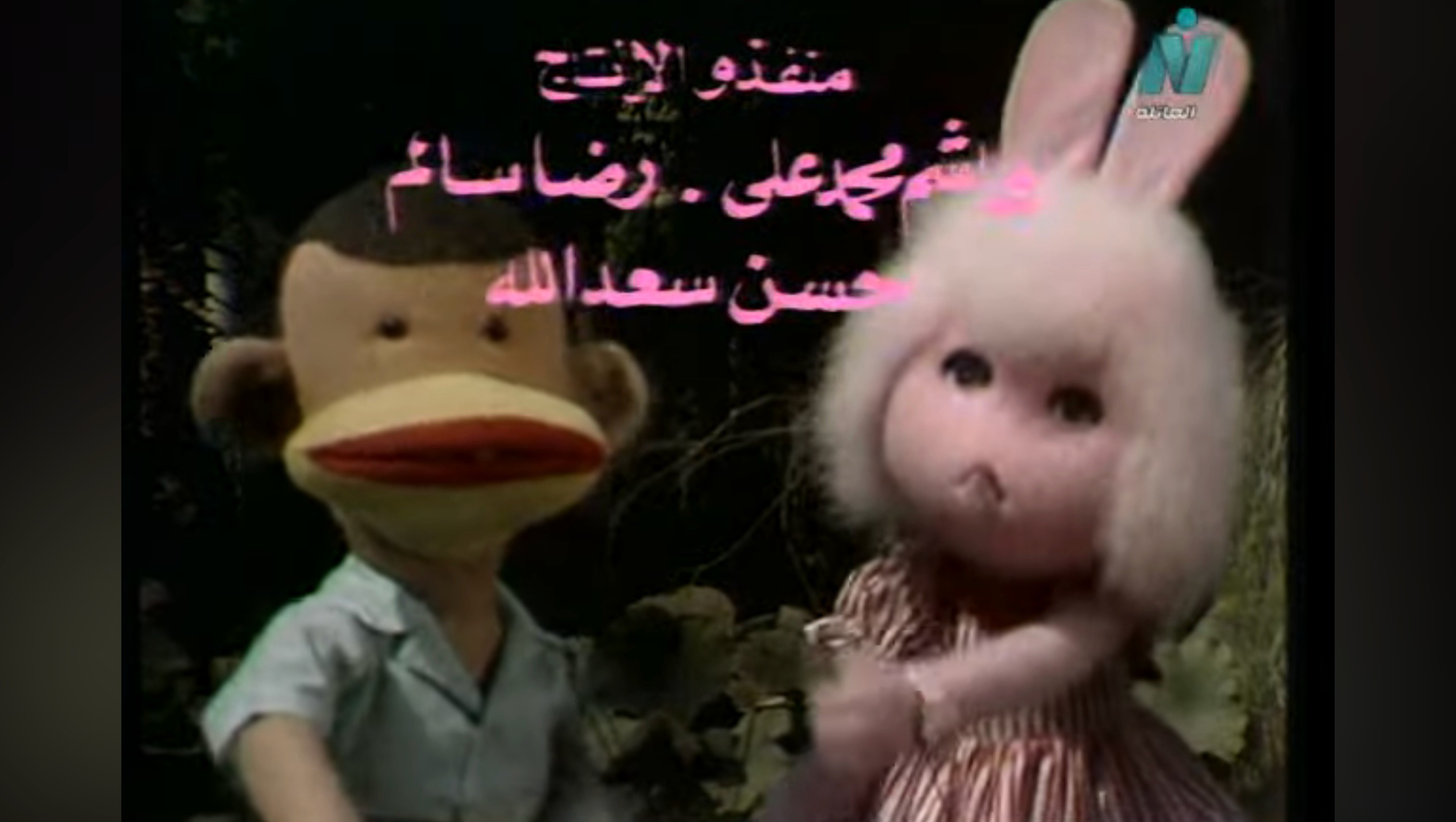
As children, these shows felt warm and comforting; when revisited as adults, they become strangely uncanny. Their colors, songs, and characters will guide the visual language of Fufu’s inner world.
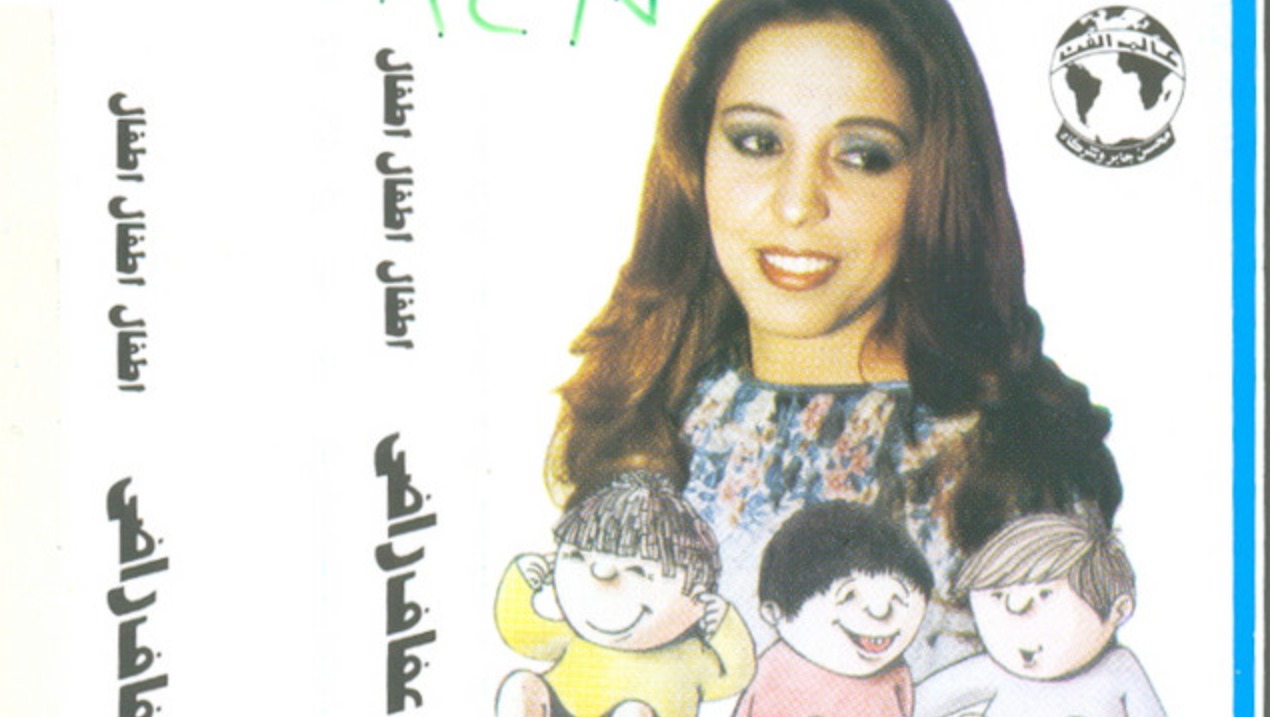
Musically, the film draws inspiration from Umm Kulthum’s “Al-Atlal”, Egyptian Cassette Archives, and Afaf Rady’s children’s album, among others.
PRODUCTION PLAN
We plan to film in early January over 3-4 tightly scheduled days. We’re shooting in Egypt because the story is inseparable from the textures of Arab households and the cultural and religious context that holds the film together.
We have already secured the location for the turbah scene and are now looking to confirm the grandmother’s house. Our plan is to build sets for the puppet world to fulfill a surreal universe that is specific to Fufu’s imaginations, a world that transforms over the course of the film. In addition, we’ve hired really talented key crew members whose experiences, commitment, creativity, and work ethic give me full confidence in our ability to deliver something powerful on a limited budget.
We are currently conducting rehearsals alongside securing permits, locking locations, and beginning set construction.
Menha Batraoui secured!
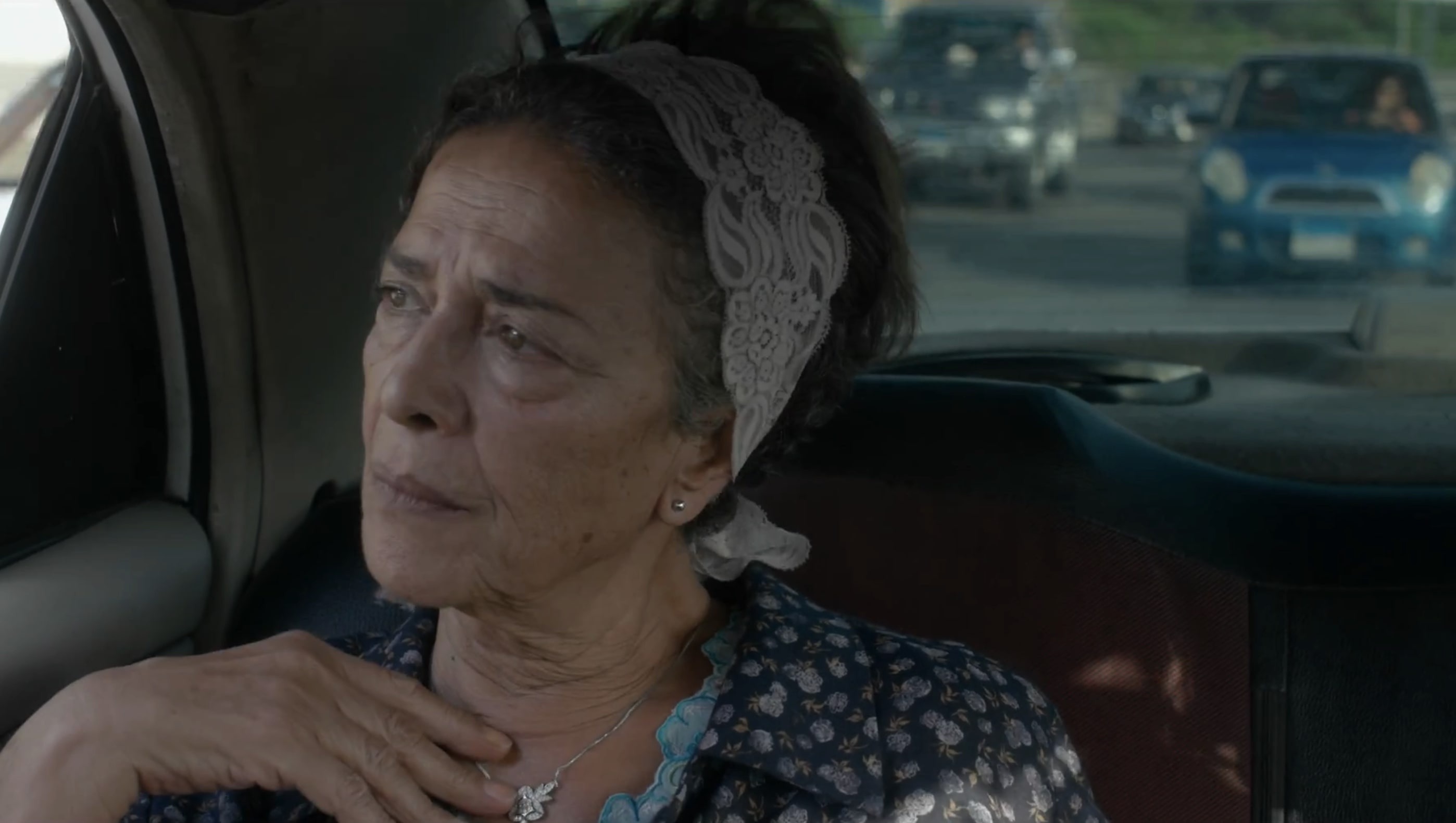
Menha Batraoui will be playing the "matriarch grandmother" role. Menha is an established actress who worked with the iconic Egyptian film director Youssef Chahine, as well as Nadine Labaki & Hala Elkoussy. She is known for Cactus Flower (2017), Genainat el-Asmak (2008), and Sarikat Sayfeya (1988).
WHAT WE NEED...
We’re raising $8,000 for the remaining essentials:
- Equipment rental for 4 days
- Location fees & permits
- Cast and crew wages
- Production design & puppet world set dec
- Crafty & catering to feed our crew
- Set building costs
- Well-known actress Menha Batraoui
- Costume & puppet rentals
- Puppeteer commissions
- Post-production: sound design, editing, & color grade
- Contingency & campaign fees
Everyone on this project is working for very reduced rates because they believe deeply in the film. Filming in Egypt is expensive- equipment, permits, and locations add up quickly. Puppets are essential for our main character's imaginative world, but commissions are costly.
Every contribution, no matter the size, will go directly onto the screen: into the image quality, the sets we build, and the authenticity of the spaces we’re able to capture.
MEET THE TEAM!
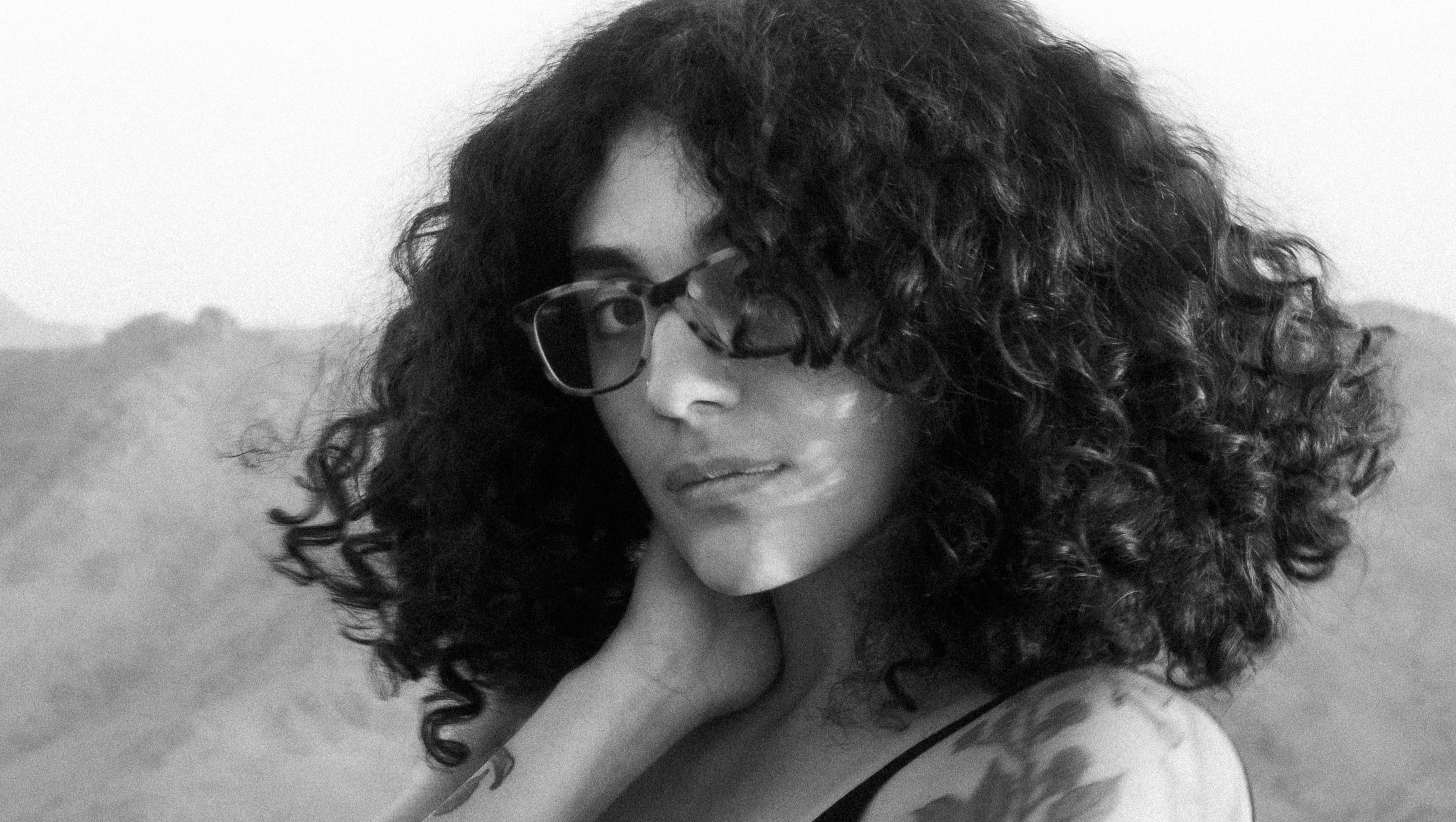
Director
Shahesta Khalaf is currently pursuing her MFA in Film Production at the University of New Orleans. She has written and directed multiple short films, as well as a feature-length documentary currently in post-production. Her work explores memory, nostalgia, legacies, and mortality, often blending narrative fiction with documentary elements, multimedia, and improvisation. She recently directed young leads in her film Forevertime Journeys and is committed to creating a safe, guided, and expressive environment for child performers.
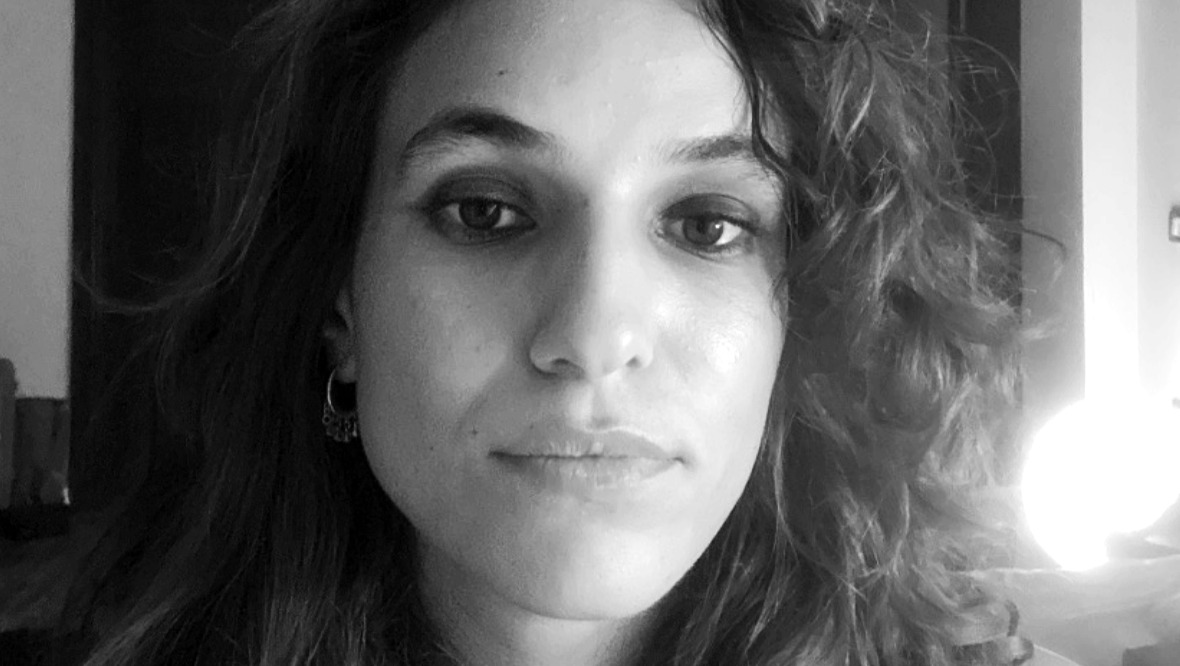
Producer
Zeina Belasy is an Egyptian filmmaker with a master’s degree in media from the American University in Cairo. Her work spans fiction, documentary, video art, and web series, and she often takes on multiple roles across her projects — from producing to directing, shooting, and editing. Her films have screened at local and regional women’s and feminist festivals, and her short film Sharbat won the Audience Award at the two.five competition. She is particularly drawn to personal narratives and to exploring complex family dynamics.
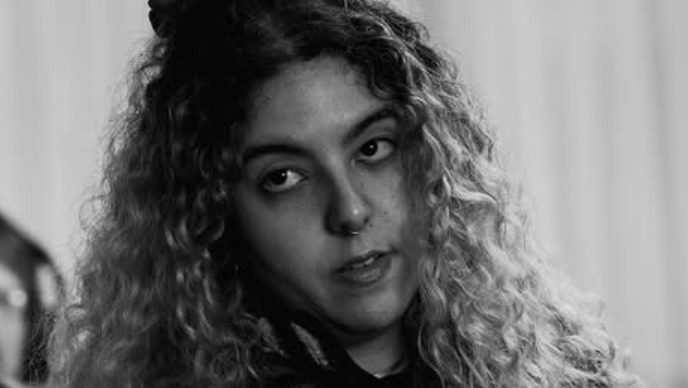
Director of Photography
Fatema Yasser is an Egyptian visual artist and cinematography graduate student at FAMU with a background in applied sciences and arts from GUC. She has created visual poems and experimental films, worked as a cinematographer on short films and ads, and exhibited photography in venues such as Photopia’s 2019 “Untold Stories About Everything & Nothing.” Her work centers on human emotion, frozen moments in time, and intimate, complex relationships drawn from personal experience.
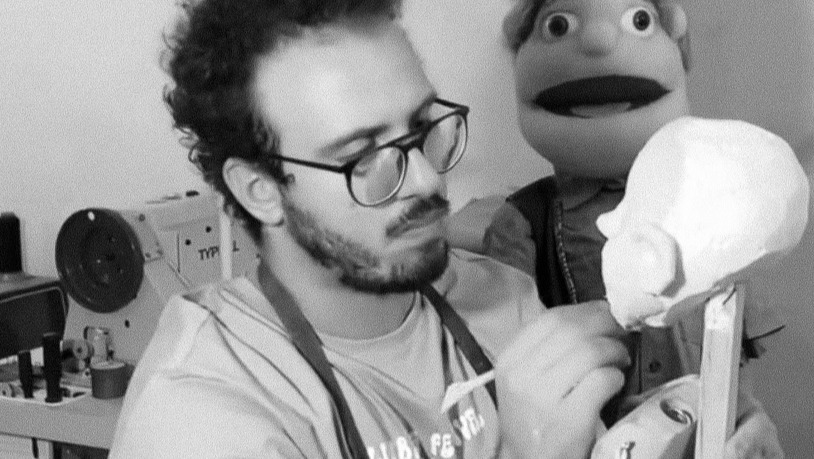
Puppeteer
Ahmed Hesham is an independent puppeteer who has been working with puppets since the age of 12. He began by making puppets at home before joining El Sawy Culture Wheel Puppet Theatre, where he progressed from backstage observer to onstage performer, puppet maker, and eventually Art Director. He is now the founder of Marionorama Puppets, a project offering full puppeteering experiences for adults and children. His work includes puppet commissions, portable theatre performances, collaborations with agencies and companies, and puppet-making workshops.
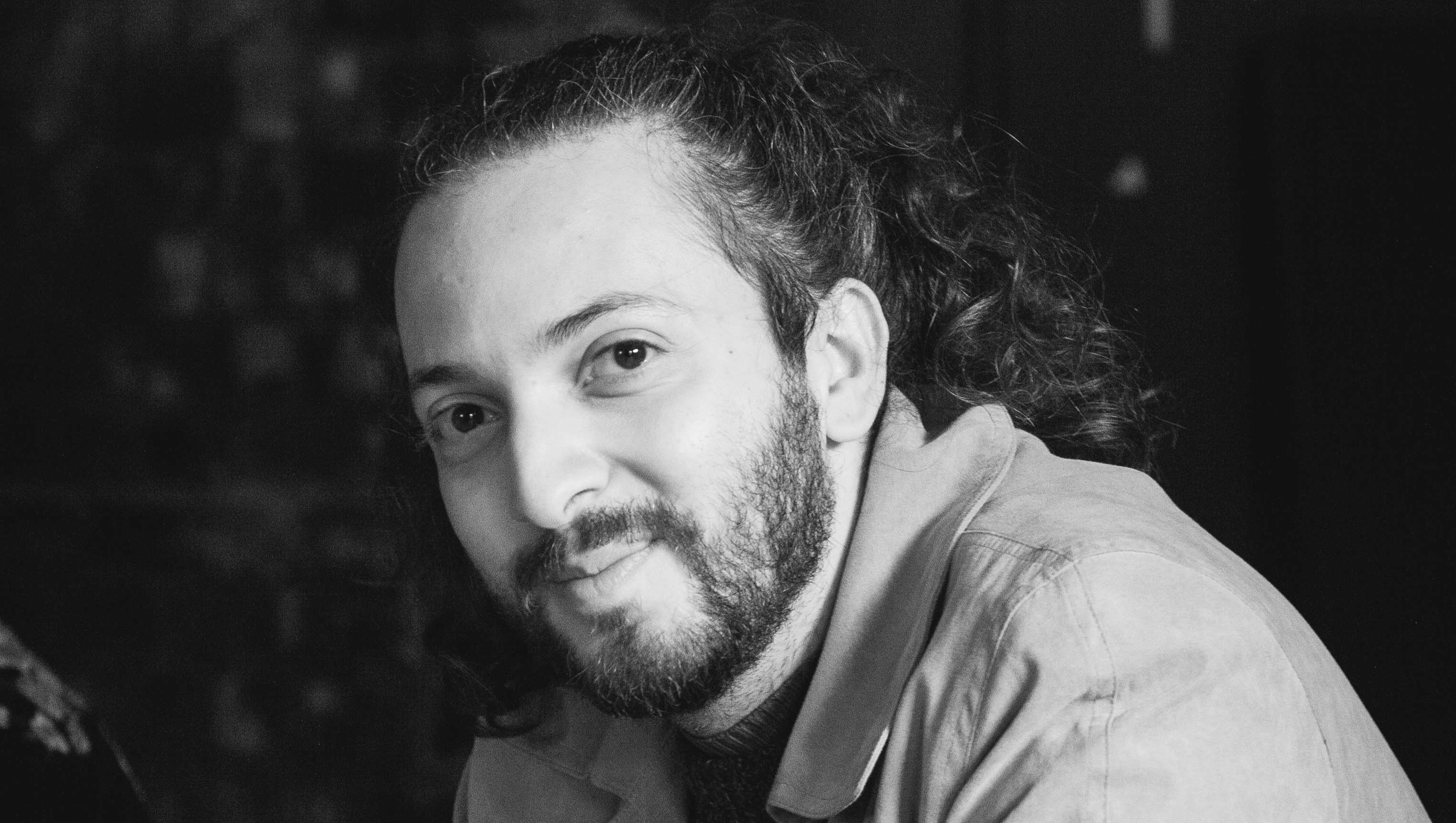
Music Composer
Ahmed Refai is a Cairo-based musician, composer, educator, and sound engineer. Their work includes a wide portfolio of film composition as well as sound on location, studio recording, and music production for artists. Ahmed is an adjunct professor of music at The American University in Cairo.
WHAT NEXT?
This film is made with the intention of speaking to my community, within the Arab region and across the diaspora. I plan to submit Turbah to Arab-based festivals as well as major international festivals because even though the film is personal and deeply rooted in Arab family dynamics, its emotions and questions are still universal.
Making this film has already sparked conversations between me, my friends, and my team about childhood, memory, and the families we come from. If any part of this story - a detail, a memory, a feeling - resonated with you, your contribution would directly help bring Turbah to life. And if contributing isn’t possible, sharing the campaign is equally as meaningful.
Thank you for taking the time to read and engage with this project. I can’t wait to bring it to existence.
Organizer