- D
- T

Help Fund Holly's Cholangiocarcinoma Treatment
0% complete
$40,163 raised of
104 donations
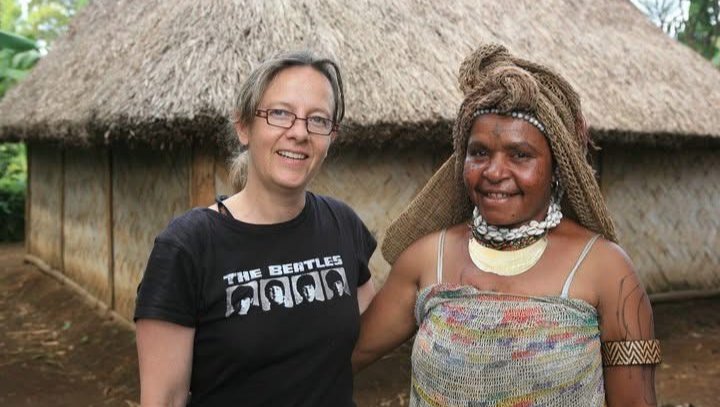
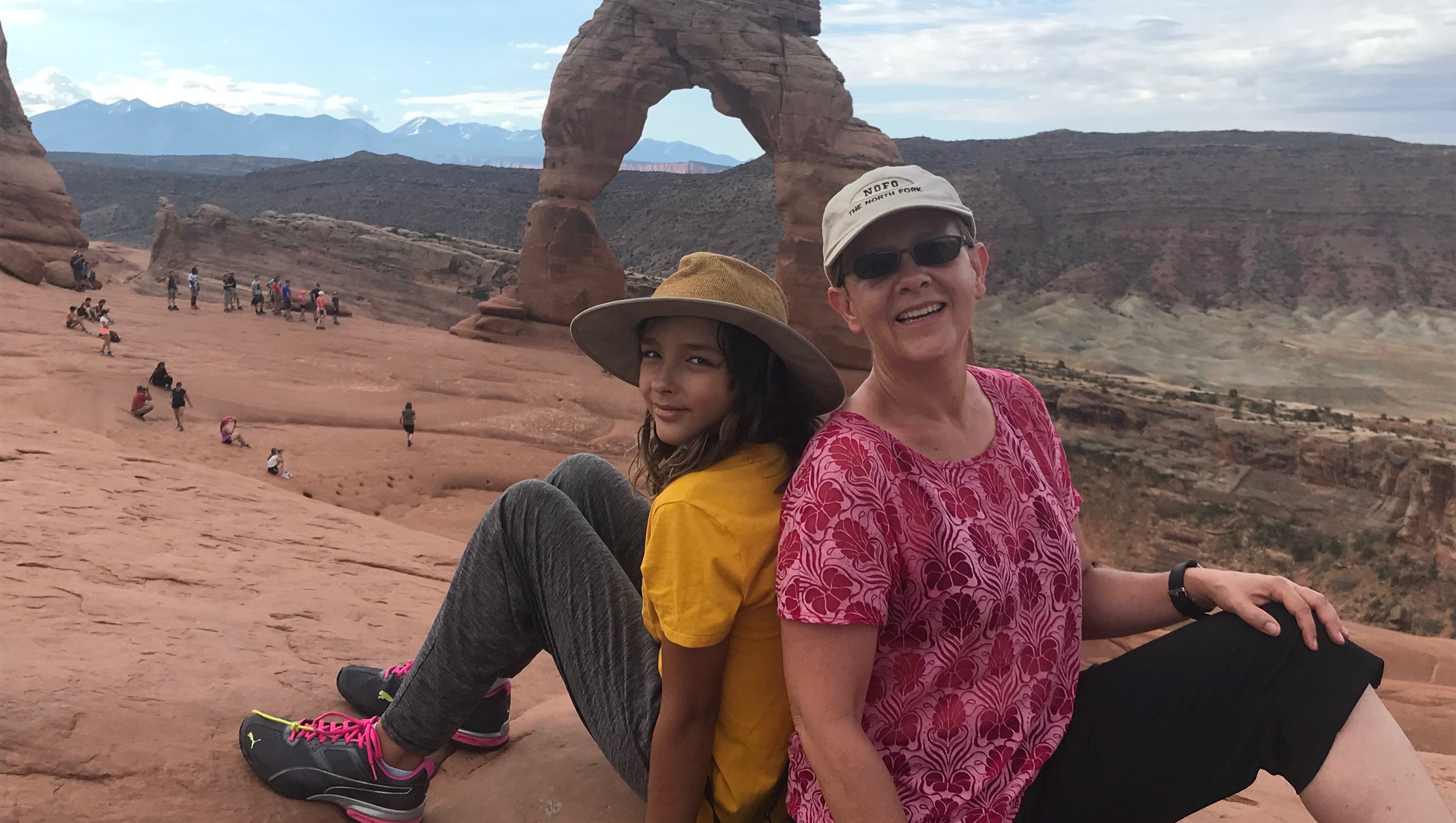
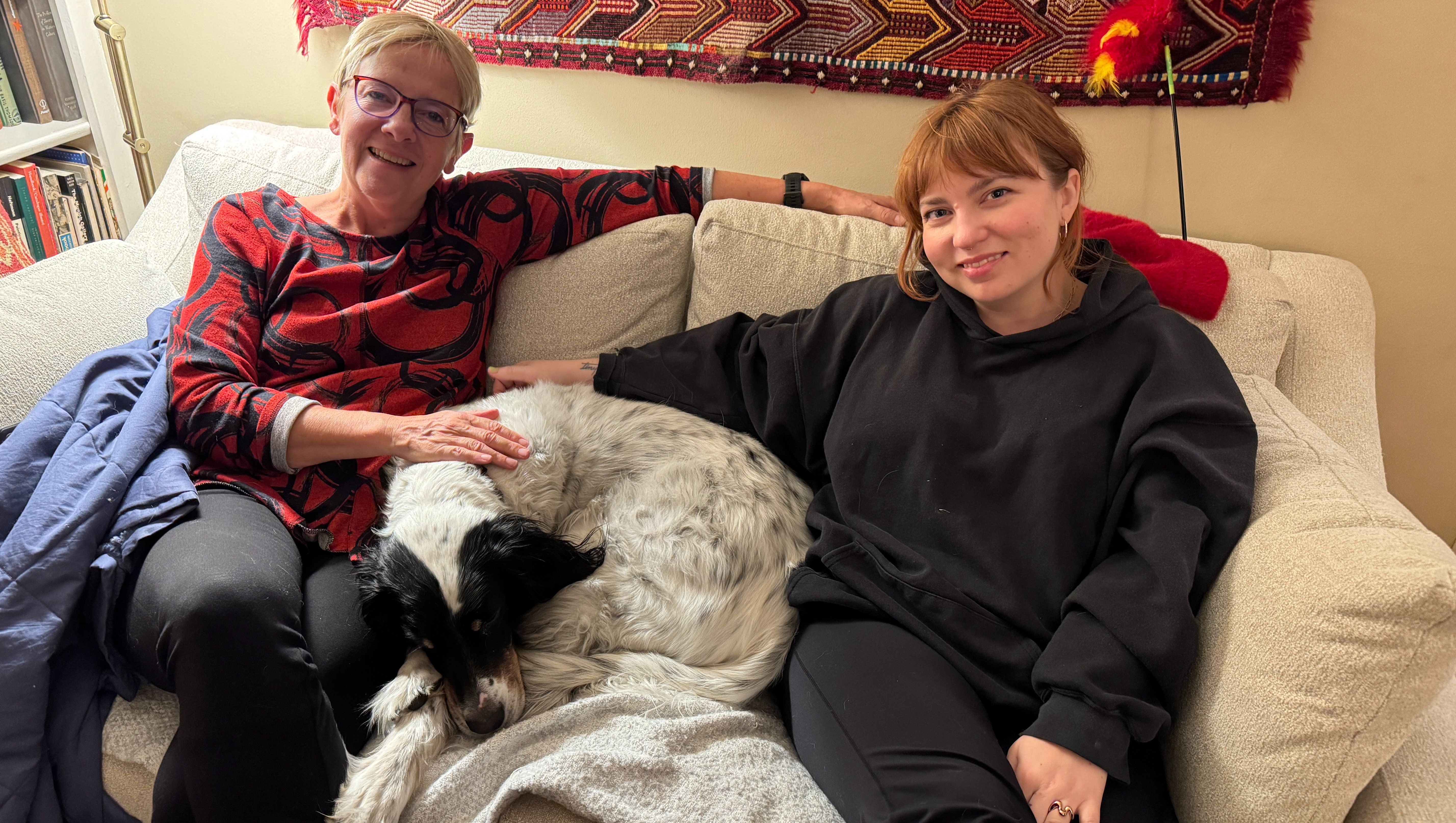
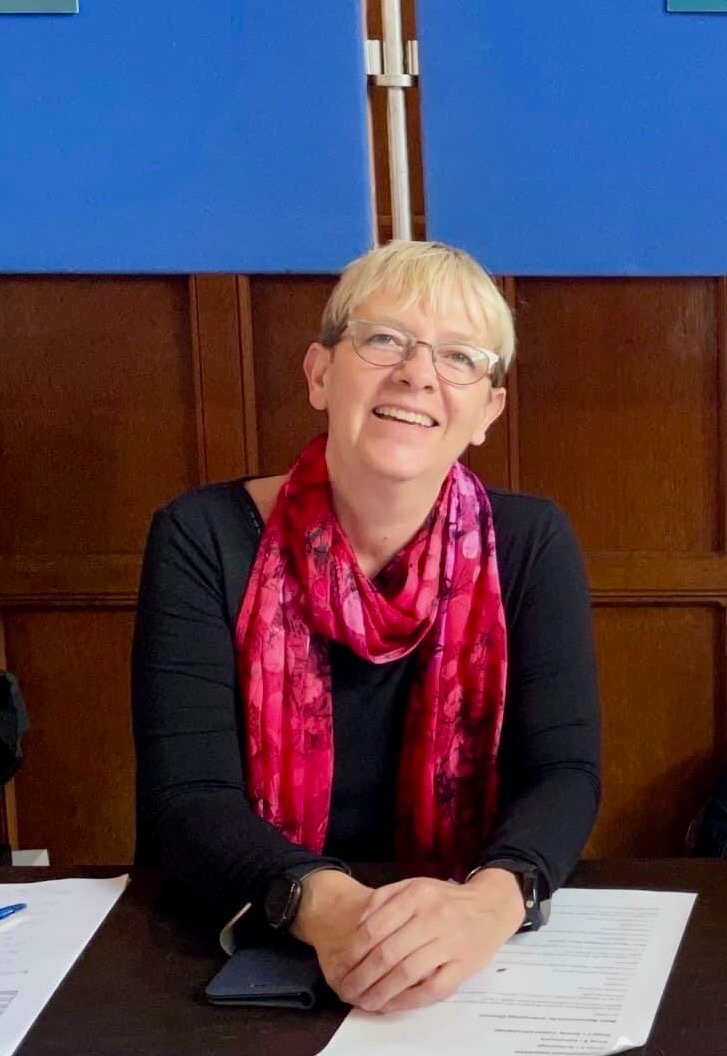
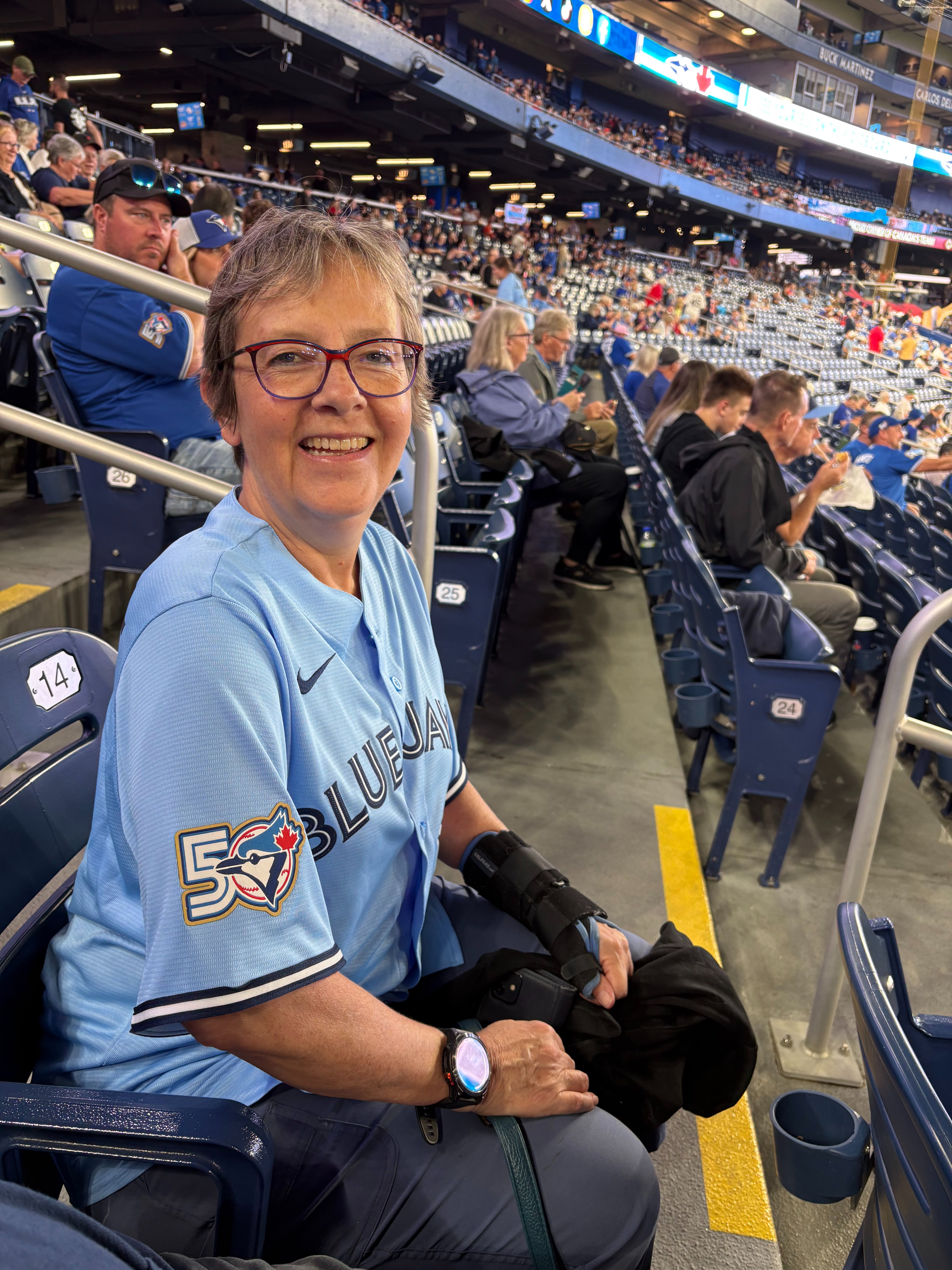
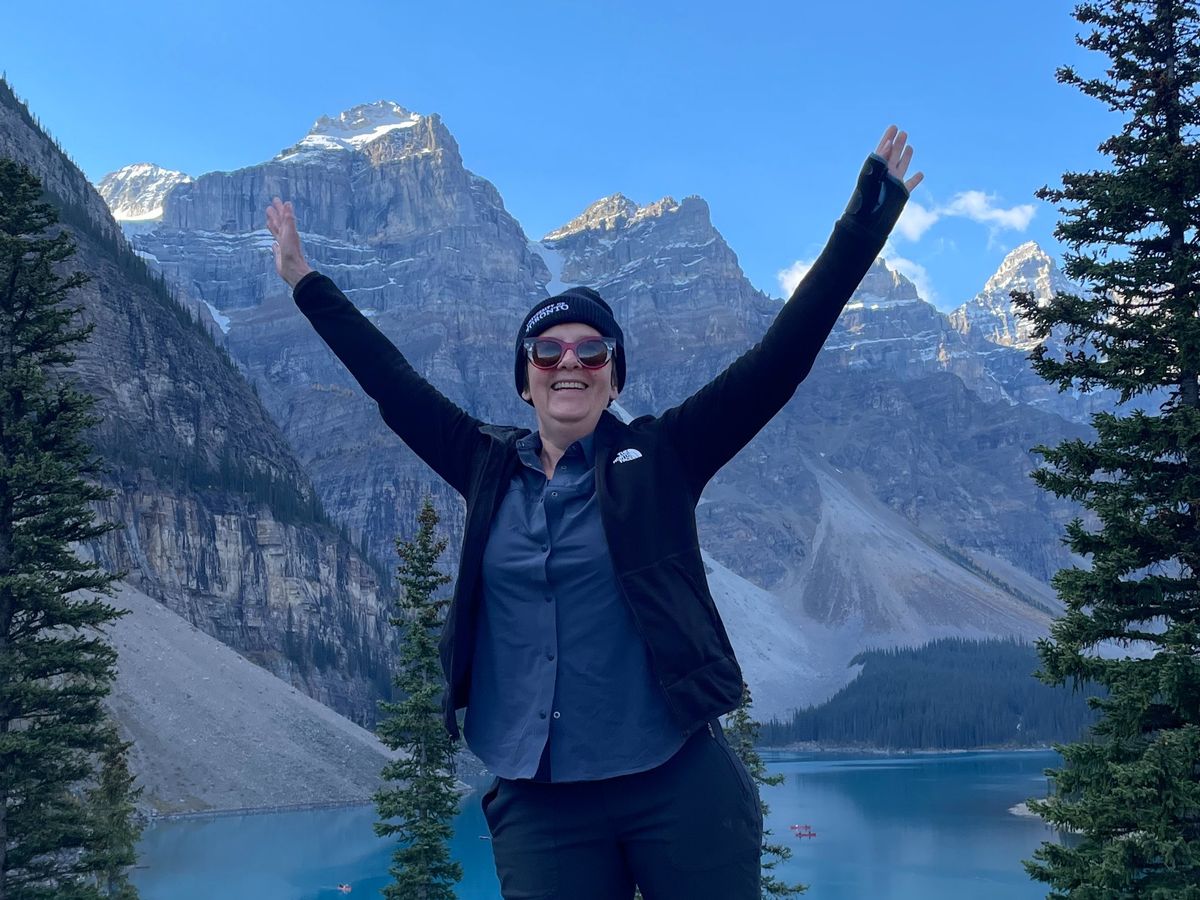
This GoFundMe campaign is for my stepmother, Holly Wardlow. Not only is Holly one of my favourite people in the entire world, she is an incredible and inspiring person to many others. She is a professor at University of Toronto who is beloved by her students, and a world leading medical Anthropologist. Her work has contributed immensely to the understanding of cultural factors that contribute to the transmission of HIV/AIDS and has helped women cope with the stigmatization of suffering from the disease. She is an avid hiker, reader; a lover of animals. She was the person who first taught me about feminism and how to advocate for myself. It is my turn to advocate for her.
In June 2025, our family received devastating news. Holly was diagnosed with stage 3 intrahepatic cholangiocarcinoma, a rare and aggressive cancer of the bile duct. The cancer was advanced, and Holly was initially given less than a year to live.
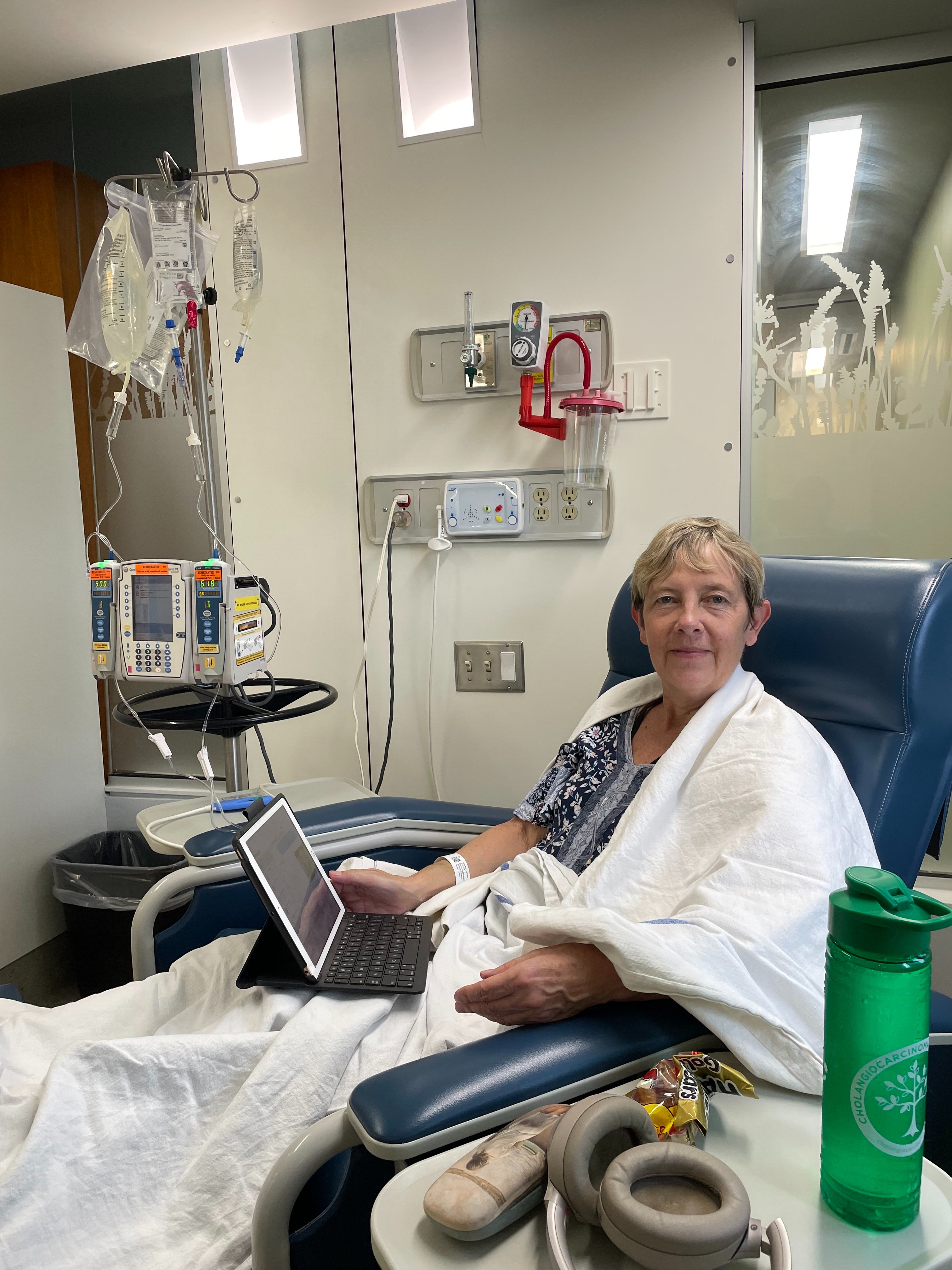
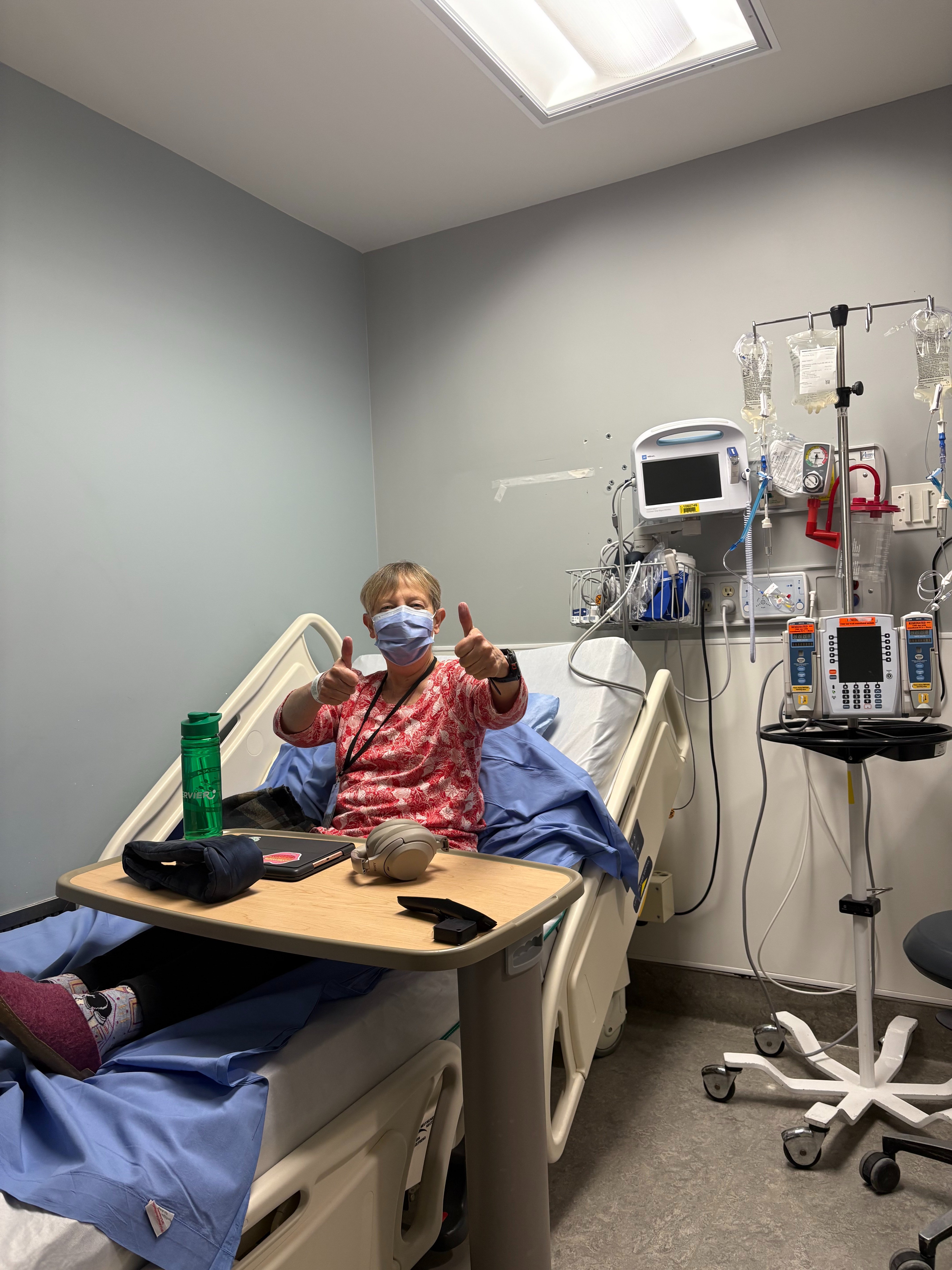
Since then, Holly has endured eight cycles of chemotherapy and immunotherapy within her first six months of diagnosis. Although the treatment helped shrink the tumour, it also took a significant toll. She developed severe fatigue, neuropathy, tinnitus, a blood clot, and thyroid dysfunction. Yet amidst these challenges and uncertainty, we received some hopeful news.
While the overall survival rate for inoperable cholangiocarcinoma is a mere 8-12 months, genomic testing revealed that Holly's tumour carries a rare genetic alteration that can be targeted by a drug called zenocutuzumab, or Zeno.
The mutation occurs in fewer than 1% of cholangiocarcinomas. Holly's oncologist, and other international experts, believe that zenocutuzumab will give her a better chance of shrinking the tumour enough that surgical removal of the tumour or a liver transplant might become possible.
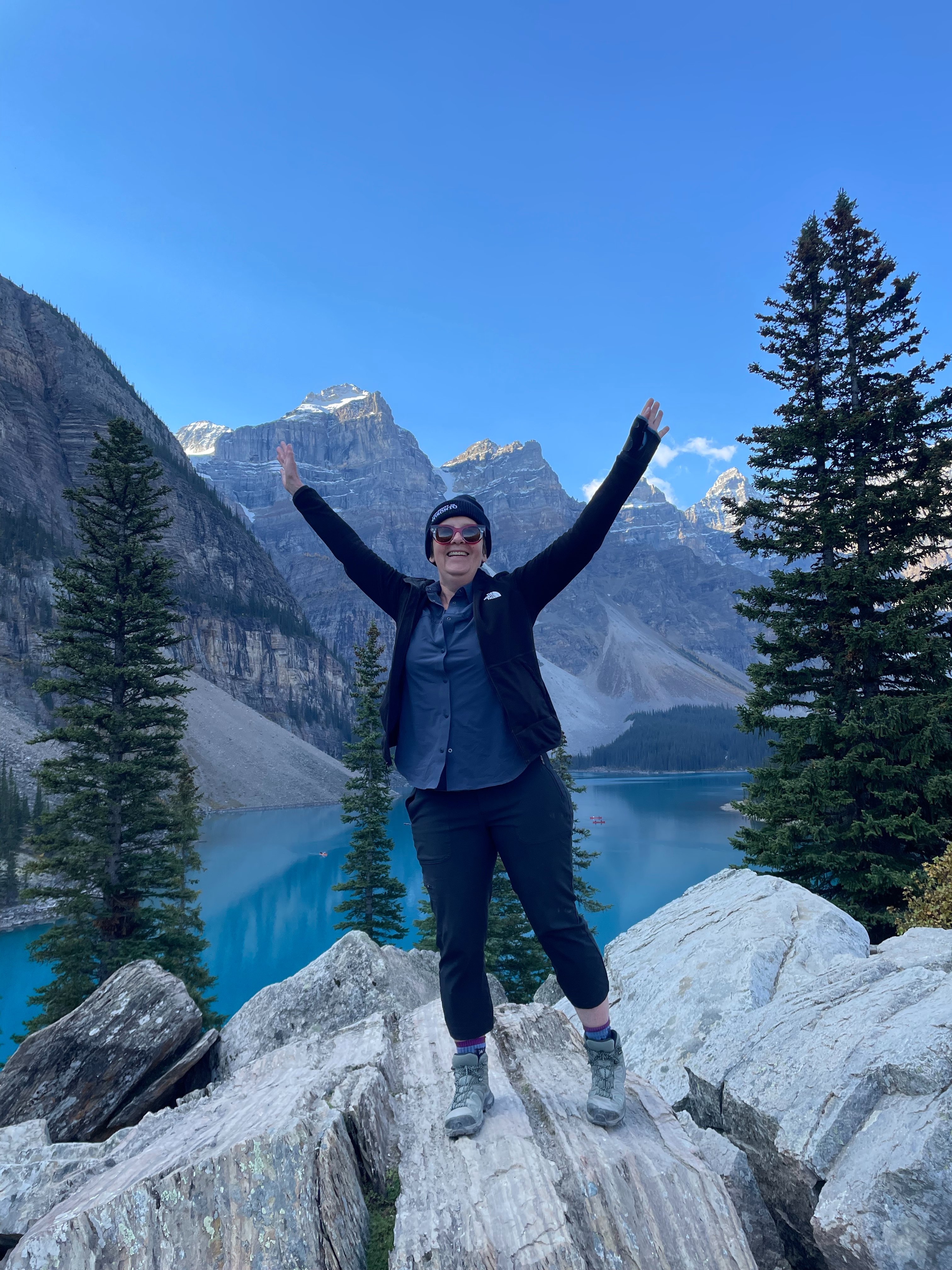
Holly began her treatment with Zeno in April 2026. The results have been remarkable. Zenocutuzumab is shrinking the tumour, prolonging her life, and increasing the possibility for a surgical removal of the tumor or a liver transplant. More immediately, Zeno is restoring her health. Holly says that she feels better on zenocutuzumab than she has since her cancer symptoms first began. She has been able to travel, attend a cholangiocarcinoma conference, walk, exercise, and spend as much time with family and friends as possible.
Zeno has given Holly her life back.
Here is the problem: Zeno is not funded in Canada. And it is prohibitively expensive.
Even though Zeno is approved in the U.S. for people with Holly's condition, it is not approved in Canada. The manufacturer has confirmed that it has no plans to seek Canadian approval. I'll share more about this further down.
This means that patients in the U.S. with medical insurance have coverage for Zeno but Canadians do not.
Luckily Holly has received permission from Health Canada to use the drug and the manufacturer agreed to ship it, but there has been one massive setback: the Government of Ontario has refused to fund it.
Without government support, Holly and her family have had to pay for the treatment themselves. The cost is staggering.
Each dose of Zeno costs $39,160 CAD. The treatment requires Holly to receive a dose every two weeks. That amounts to $78,320 CAD per month.
Since late April, Holly and her family have paid approximately $500,000 CAD out-of pocket for six months of her treatment.
Why we are asking for your help
The cost of continuing treatment privately is simply not something one individual or family can sustain.
We have set up this page to ask for your help to fund Holly’s treatment and hopefully save her life.
Holly and her husband are now living pay cheque to pay cheque, when they should be thinking about retirement. The next payment for Zeno is due in two weeks and that will exhaust all that they have.
All funds that you are able to give, large or small, will go directly to funding Holly’s zenocutuzumab treatment.
Your donation will help pay for a portion of an infusion or contribute toward another month of treatment as Holly and her family continue to fight for access to public funding.
Every donation, large or small, will help.
If funds remain after Holly’s treatment needs have been met, they will be donated to the Canadian Cholangiocarcinoma Collaborative to support research and the patients and families impacted by this devastating disease.
We understand and appreciate that not everyone will have money to give. If you are unable to donate, sharing this campaign in any way you can is enormously helpful. On your socials, to the media, or with friends – any share can help.
If you know someone who works in precision oncology, rare cancers, pharmaceutical access, or Canadian healthcare funding, sharing Holly's story with them could make an immense difference too.
You can read more about Holly's experience with cholangiocarcinoma and follow her treatment journey on her blog.
_________________________________________________________
As I mentioned above, Ontario has twice denied Holly’s application for compassionate coverage, and their reasoning is not supported by the evidence they have been provided.
If you would like to understand more about why Holly's treatment isn't currently being funded, please read on:
Compassionate coverage denied by the Government of Ontario
Cholangiocarcinoma is extremely rare. The incidence in Canada is 1.6 of every 100,000 people. Holly’s specific genetic alteration is even rarer, occurring fewer than 1% of cholangiocarcinoma patients. Yet this rarity has provided her with a potential lifeline. As her oncologist and other international experts have argued, Zeno has significant potential to help those with alterations like Holly’s.
Their assessment has proven correct. The treatment with Zeno is shrinking Holly’s tumour and has significantly improved her quality of life. It has given Holly hope and the possibility of treatment options like surgery and a liver transfer that were not previously available. Without continued access Zeno, this may all disappear.
The Ontario Public Drug Programs (OPDP) has a case-by-case review program to provide funding for cancer drugs in exceptional cases. Holly has applied twice to the OPDP’s program for coverage, and been denied both times.
Yet, Holly clearly meets the criteria for OPDP support. If you consult the website of the Case-by-Case Review Program, you will find the following description and criteria:
“The Case-by-Case Review Program (CBCRP) considers funding requests for oral and injectable cancer drugs for patients with a valid Ontario Health Card. Patients are eligible for CBCRP funding if their situation meets all of the following criteria:
- The drug is intended to treat an existing cancer.
- The patient has a rare clinical circumstance that is immediately life threatening (i.e., death is likely to occur within months).
- There is no other comparable clinical alternative.
- There are no other funding options (e.g., Ontario Drug Benefit, New Drug Funding Program, Exceptional Access Program).
- The patient cannot enrol in a clinical trial.
- Evidence primarily shows that the drug will prolong survival.
- Treatment may avoid or defer other healthcare costs.”
The description they provide makes it seem like this program was designed exactly for patients like Holly.
Yet, the sole reason for the second denial from the Executive Officer of Ontario Public Drug Programs is that, after approval, the drug is “expected to be reviewed for public funding in Ontario and will undergo a population-based review”, and that expectation means that coverage cannot be approved through the case-by-case review process.
One question you might ask is: when, exactly, will that population-based review occur? Two years from now? Ten years from now?
How is this a rational response under a program criteria that is stated to address “a rare clinical circumstance that is immediately life threatening”? What good does a population-based review, that might occur 5 years from now, do for a patient who will likely die in the next few months without treatment?
For this case in particular, those questions are irrelevant, because there is an even more fundamental problem with this reason for denial.
Zeno’s manufacturer, PTx, will not apply for approval in Canada. This contradicts the government’s reason for denial.
Partner Therapeutics (PTx), the only manufacturer of zenocutuzumab, has written directly to Ontario Health about Holly's case and confirmed:
“PTx has not applied for regulatory approval of BIZENGRI in Canada and has no plans to submit such an application to Health Canada or otherwise seek Canadian regulatory review or approval.”
The manufacturer goes on to state that it does not expect zenocutuzumab to enter the standard Canadian regulatory and public reimbursement pathway, and that Ontario Health's statement about a future population-based funding review is “inconsistent with PTx's regulatory plans.”
The Canadian market for this particular treatment is simply too small for PTx to invest in the approval process.
There are two reasons for this:
- First, effective diagnosis of this condition is through Next Generation RNA sequencing. This diagnostic is not widely covered in Canada, so most cases will go undetected.
- Second, the incidence rate means that about 6 people in Canada will suffer from this condition in any given year. When that is combined with poor diagnostic capacity in Canada, the identified incidence is about 1 person across a number of years.
Holly is currently the only person on this drug in Canada.
Taking this into account, there is a fundamental flaw with the reasoning behind Ontario's decision. A population-based review would first require Canadian regulatory approval, which requires an application from the manufacturer. The manufacturer has explicitly stated that it does not intend to make one.
Because the Government of Ontario has refused to provide any assistance in funding this treatment, Holly and her family have been forced to make the hard decision to use their life savings to pay for it.
Holly, her husband, and her medical team are continuing to appeal to the Ontario government for support with funding.
The unfair administrative burden of cancer
We also want to highlight that while Holly may represent an extreme case in the precision oncology gap, she is indicative of what Canada will confront in the next decade, yet is sorely unprepared for.
Advances in the treatment of ALL cancers are happening quickly, yet the drug approval process and funding mechanisms in Canada lag behind. We currently have a health care system in which:
- Oncologists will increasingly identify exact patient biomarkers to target; and
- drugs exist to target identified mutations.
Yet, people will die not because of the lack of a treatment for their cancer, but because the approval process and drug funding mechanisms across Canada inhibit access to treatment, and the small market for medications are a disincentive for manufacturers to apply for approval.
Canadians, like Holly, should not lose their life savings, need to remortgage their homes, or declare bankruptcy because of a need to pay for cancer medications in a public universal health care system. But increasingly they will, unless something in Health Care policy changes very soon.
Holly's experience has also shown us just how much of an administrative burden cancer patients and the people who care for them face.
I have seen first-hand the toll that it has taken on my family to try to understand and wade through the complexities of treating a rare cancer.
Finding the right medical team. Exploring potential treatment paths and understanding what is available. Finding a community of cholangiocarcinoma patients, carers and researchers who have become resident experts. Finding a drug that has been proven effective in fighting your specific type of cancer and has been approved in another country — but then having to build a case yourself to try to get your own country to fund it.
Building relationships with the manufacturer. Fighting for scans to build a baseline and track whether the drug is working. Dealing with applications, paperwork and appeals.
Only to be twice denied coverage.
In her own words, Holly has said: “I felt like the Ontario government told me, ‘just go die already.’”
No one going through a life-threatening disease should have to spend their already limited energy dealing with this level of bureaucracy.
I hope none of you ever have to experience something like this.
If you have read this far, thank you for taking the time — and thank you for helping Holly in any way you can.