- J
- S
- T
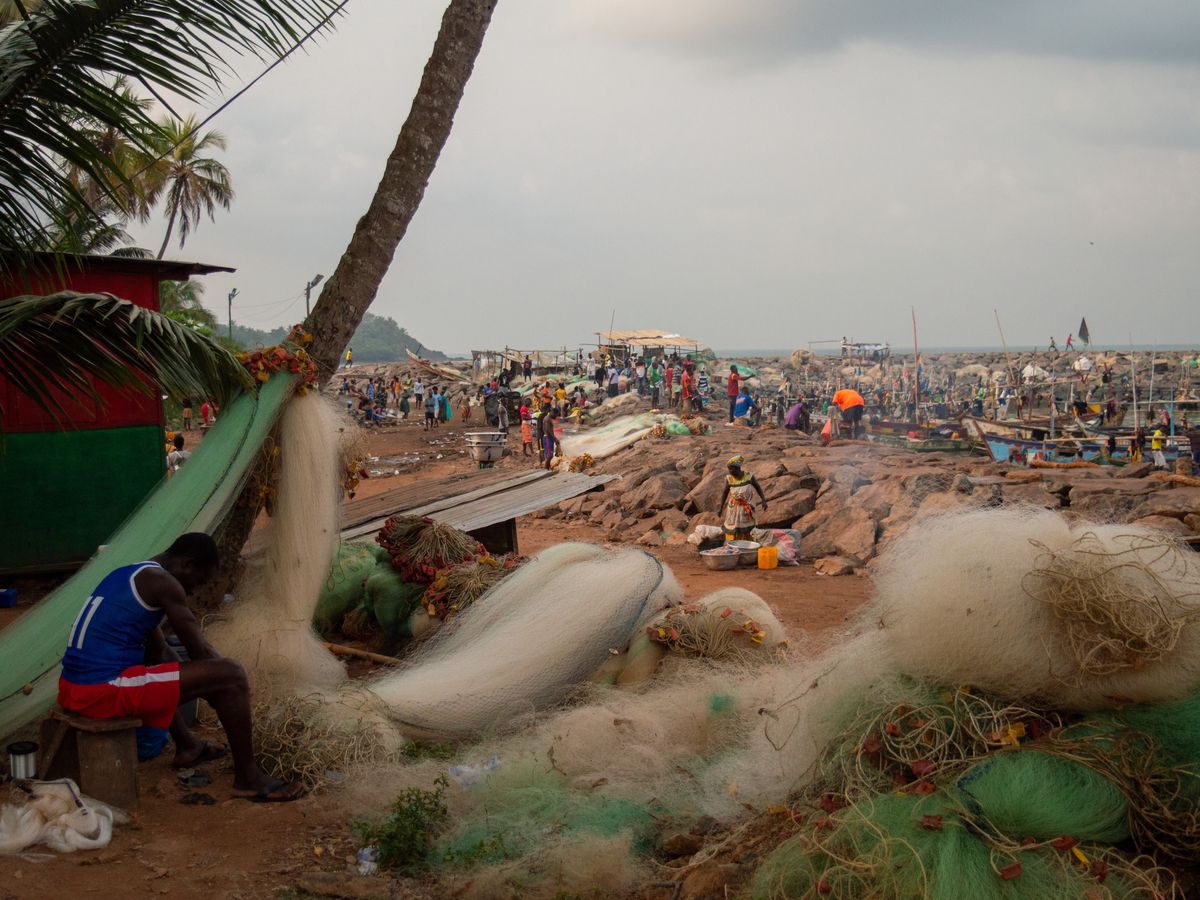
Help Fund a Research Documentary on Plastic Fishing Nets
0% complete
€1,450 raised of €2K
27 donations
When Nets Outlive the Catch: a Research Documentary about Fishing in Axim
Help Fund a Research Documentary on Plastic Fishing Nets in Axim, Ghana!
SAVE THE DATE: This project will be a follow-up on the documentary Below the Surface: In Search for the Sea God, screening on:
- 29 December at 20:00 at Trefcentrum Den Haag (Sweelinckplein 42)!
- 30 December at 17:30 at Boulderhal De Campus Den Haag ( Kerketuinenweg 55)!
This January (Jan 8–25), we are returning to Axim, Ghana, to carry out a research-based documentary investigating the use and impact of plastic fishing nets. Rather than arriving with fixed solutions, we will work alongside local fishermen to understand how plastic nets are used, discarded, and experienced — environmentally, economically, and culturally.
Building on our earlier film Below the Surface: In Search for the Sea God, we will screen the documentary within the community in Axim and use it as a starting point for dialogue, reflection, and collaborative research.
Your donation supports ethical fieldwork, community engagement, and locally grounded environmental research. Together we can work towards a sustainable fishing industry and clean ocean.
This project is led by Gideon Asmah, a Ghanaian documentary filmmaker, working in close collaboration with Dutch filmmaker Sarah Noordeloos. Together, their practices focus on environment, spirituality, and community-led research, using film as a tool for reflection rather than intervention.
--------------------------------------------------------------------------
Project Details
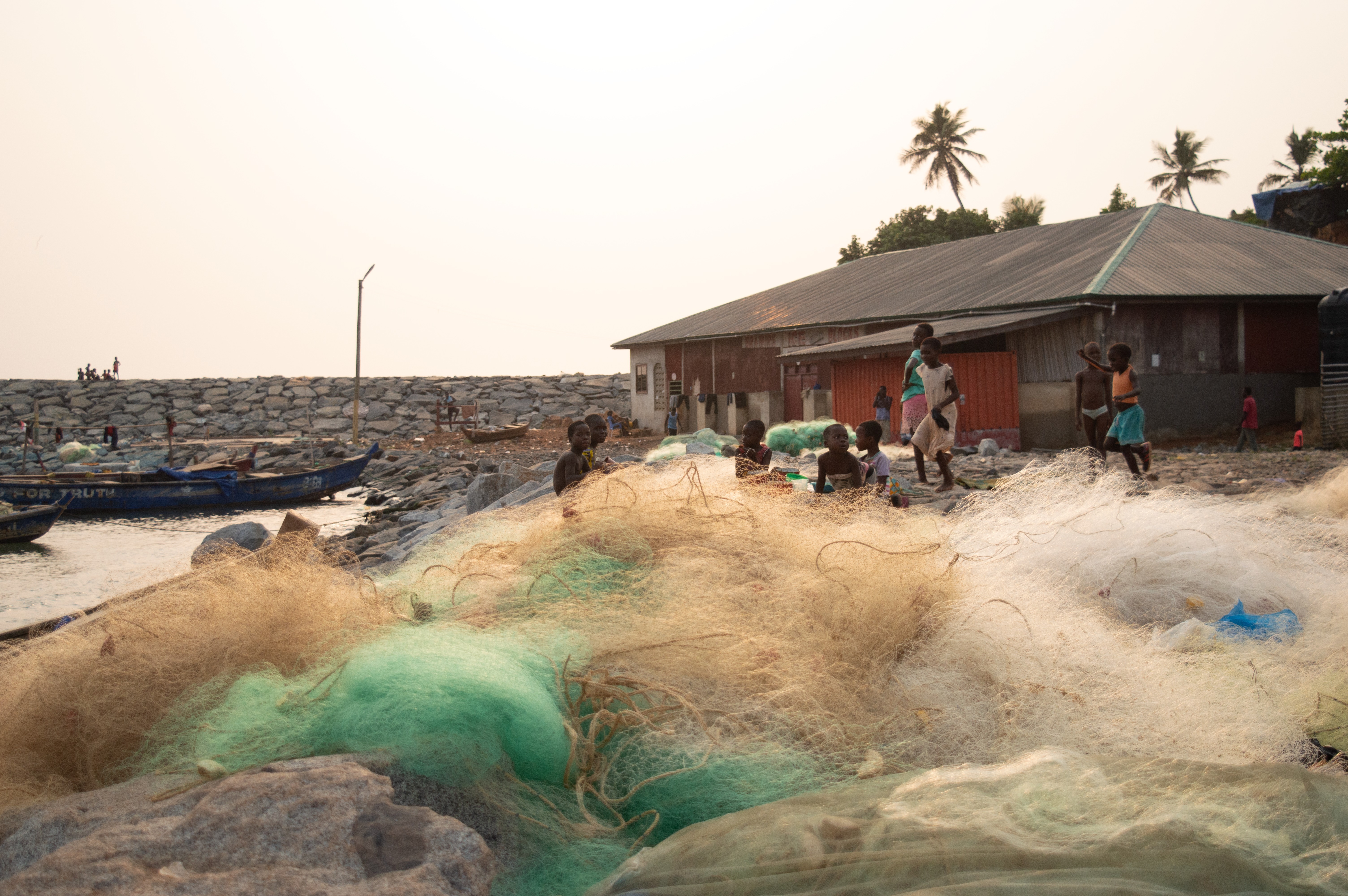
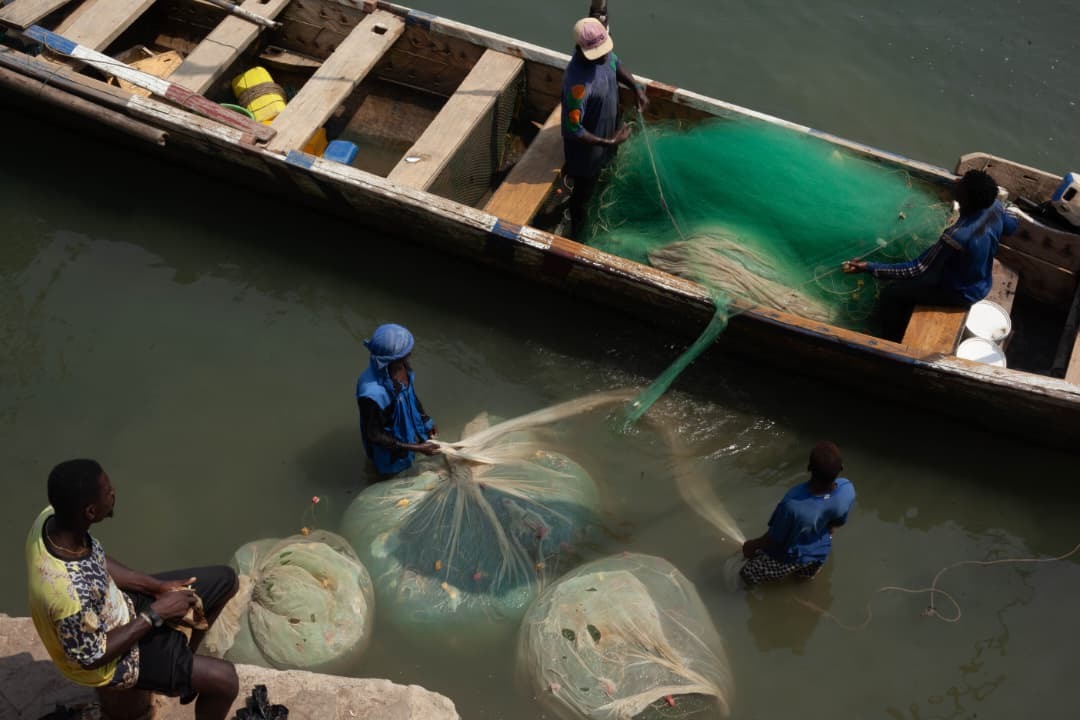
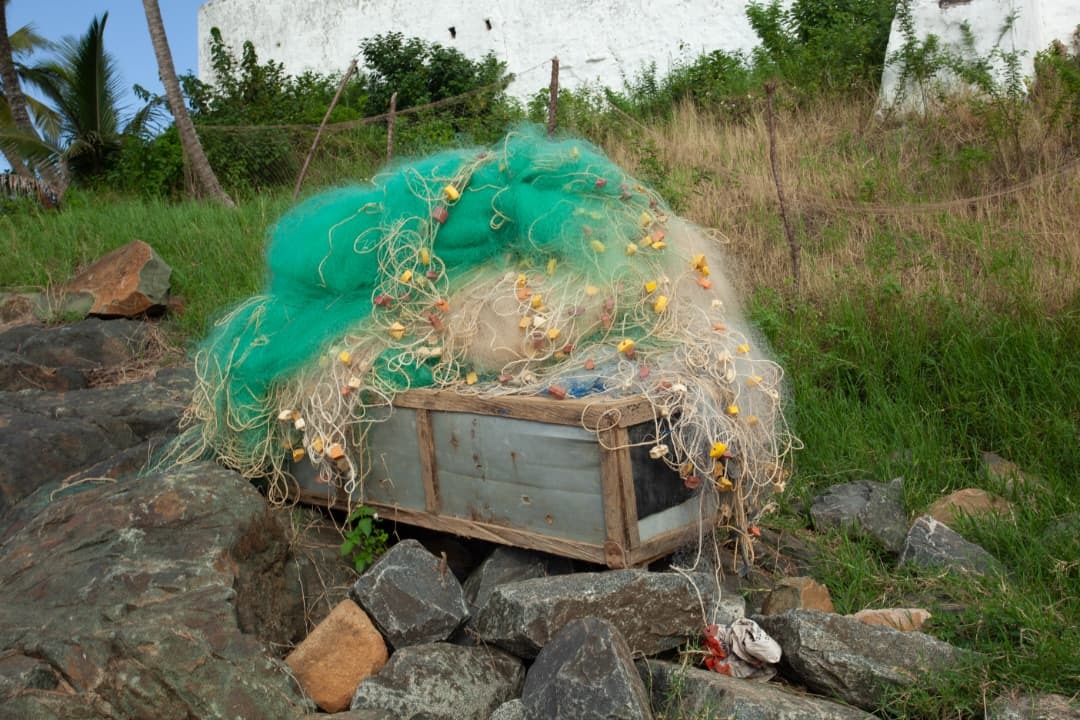
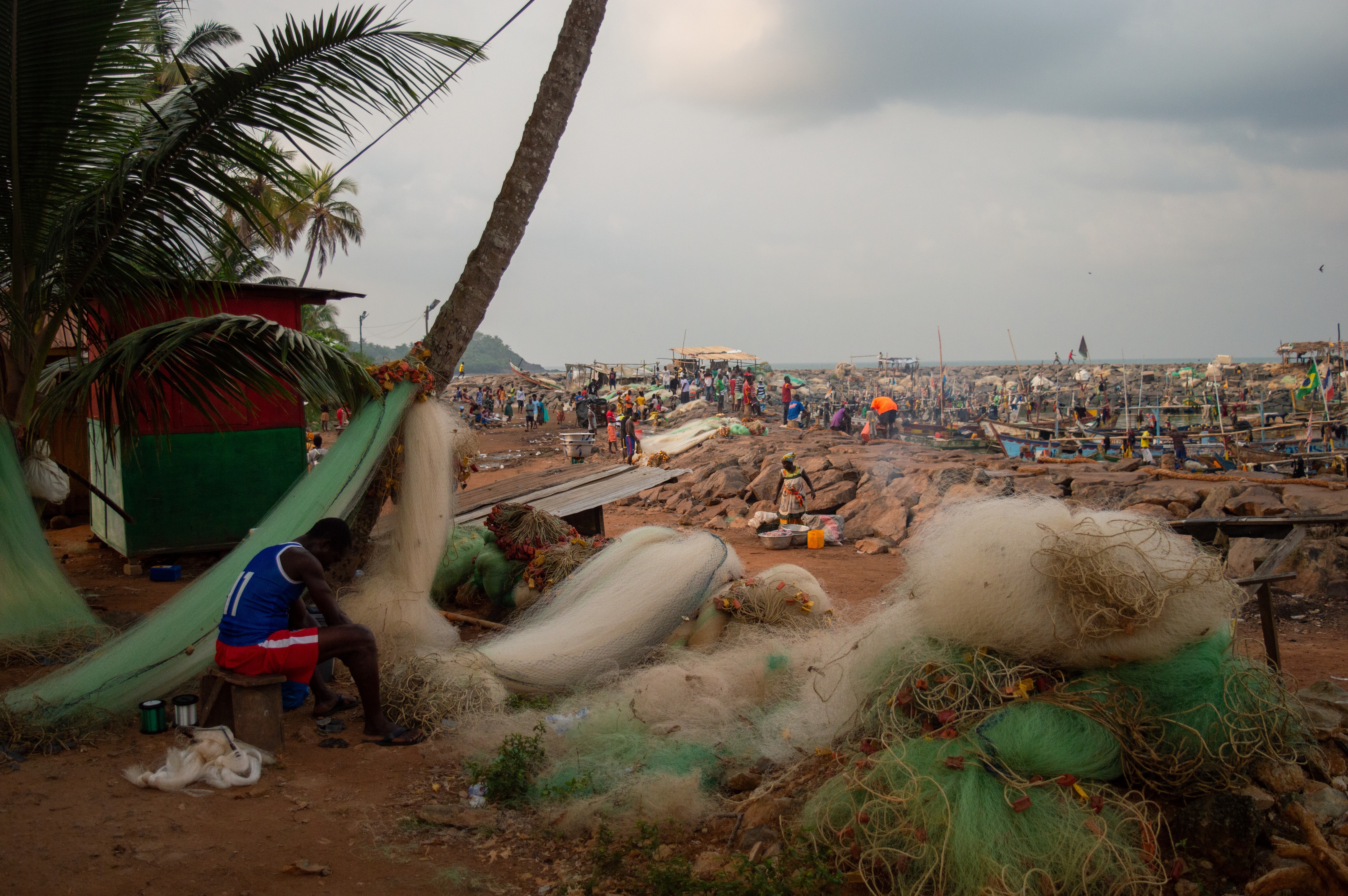
In Axim, a coastal town in western Ghana, plastic fishing nets are an everyday necessity. They support livelihoods, sustain families, and enable access to the sea. At the same time, when nets are damaged or discarded, they become a growing source of marine pollution — entangling sea life, washing ashore, and returning as an environmental and economic burden.
Before proposing solutions, we believe it is essential to listen, observe, and research together with the fishing community.
This GoFundMe supports a research-based documentary project taking place in Axim from the second week of January until January 25. The project builds on our previous documentary, Below the Surface: In Search for the Sea God, which explored spiritual, cultural, and ecological relationships to the sea.
We will return to Axim to screen this film within the community and use it as a methodological tool — not as an endpoint, but as a way to re-engage fishermen in conversations about change. The screening becomes a shared reference point through which we collectively investigate the role of plastic nets in daily fishing practices and their wider impacts.
Through interviews, observation, group discussions, and collaborative filming, the research will explore:
- How and why are plastic fishing nets currently used?
- What happens to them when they are damaged or no longer usable?
- What is their environmental impact on the sea and shoreline?
- What is their economic and social impact on fishermen?
- How fishermen themselves understand responsibility, risk, and possibility?
- What are possible alternatives for plastic nets?
This phase of the project is intentionally open-ended. We are not yet deciding what the plastic will become, or what the “solution” should be. Instead, we are laying the groundwork for responses that are locally informed, community-led, and context-specific.
What This Research Can Lead To
Findings from this research phase will inform possible future directions, such as:
- Recycling or reuse strategies for plastic fishing nets
- Community-designed material experiments
- New documentary work, exhibitions, or public screenings
- Long-term collaborations focused on environmental care
- Any next step will emerge from the research itself, not in advance of it.
How Your Donation Helps
Your contribution supports:
- Travel and fieldwork costs during the January research period
- Community screenings and discussion sessions
- Compensation and collaboration with local fishermen and a local filmmaker
- Documentation of the research process for future sharing and accountability
This is an investment in responsible, slow research — prioritising understanding before intervention.
Community-Led and Locally Organised
Although I am involved as a researcher and filmmaker, this project is locally organised. Decisions about participation, direction, and future use of findings will be shaped by the community in Axim. Our role is to support, document, and amplify — not to dictate outcomes.
By donating, you are supporting an ethical approach to environmental research that values collaboration, transparency, and local agency.
Axim, Ghana
Axim is a historic coastal town in the Western Region of Ghana, serving as the capital of the Nzema East Municipal District. It is located about 64 km west of Sekondi-Takoradi and near Cape Three Points, with a population of around 28,000 (based on earlier census figures; more recent estimates suggest similar size).
Axim has deep colonial roots, being one of the earliest European trading posts on the Gold Coast. The Portuguese constructed Fort Santo Antonio (also known as Fort Saint Anthony) in 1515, making it the second-oldest European fort in Ghana after Elmina Castle. Originally built for trade in gold and timber, it later became involved in the transatlantic slave trade. The Dutch seized and enlarged the fort in 1642, holding it until 1872 when control passed to the British under colonial treaties. The fort is now a UNESCO World Heritage site (as part of the Forts and Castles of Ghana) and remains well-preserved, serving as a museum with guided tours available.
The town is known for its scenic palm-fringed coastline and relatively undeveloped beaches, which attract visitors seeking a peaceful alternative to busier Ghanaian destinations. Key activities include fishing (a mainstay of the local economy), eco-tourism, surfing, and relaxation. Cultural highlights include the annual Kundum festival celebrated by the Nzema people, featuring traditional music, dance, and rituals.
Axim offers a blend of history, natural beauty, and authentic local life, with colonial-era buildings, a lively fishing harbor, and nearby river estuaries like the Ankobra. It remains a quieter, less commercialized spot compared to other coastal areas in Ghana.
About the Filmmakers
This research documentary is a collaboration between two filmmakers whose practices meet at the intersection of environment, community, and reflection.
Gideon Asmah is a Ghanaian photographer and documentary filmmaker whose work explores material culture, architecture, and the lived relationship between people and their environments. Their practice often combines visual research with storytelling, using film as a way to slow down observation and deepen understanding.
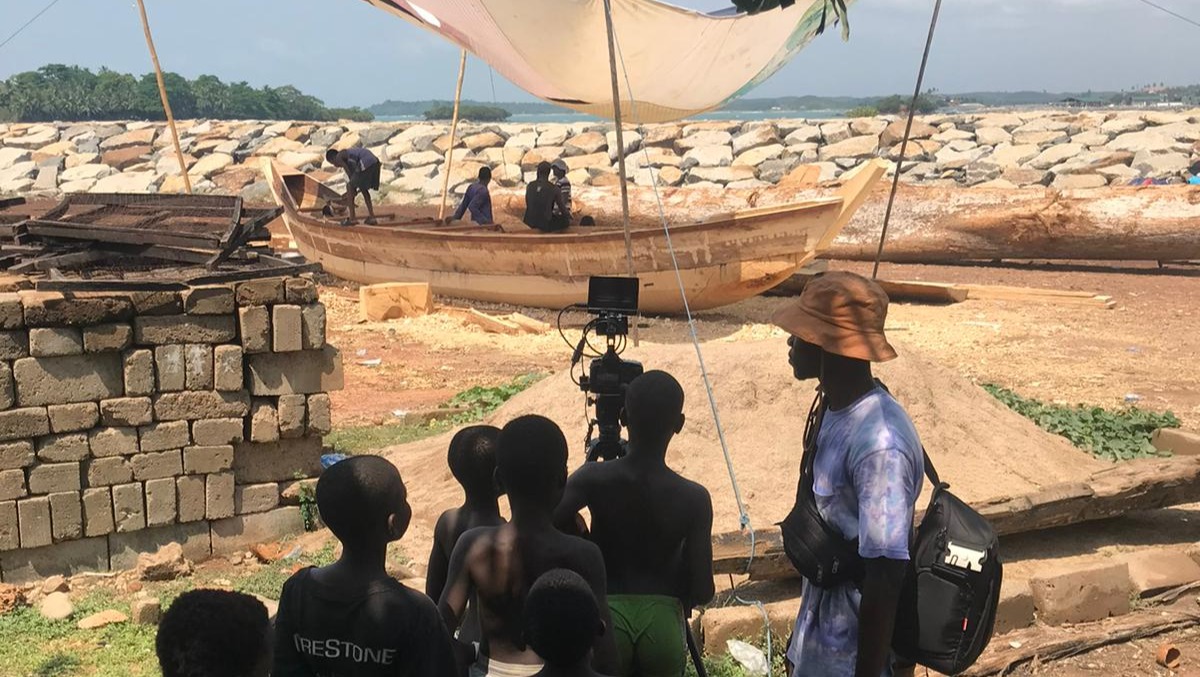
Sarah Noordeloos is a Dutch documentary filmmaker whose work is characterised by a gentle, reflective approach to storytelling. With a soft focus on spirituality, the natural environment, and human responsibility within it, her films explore how people relate to forces larger than themselves — the sea, belief systems, and ecological change. Her practice is grounded in care, listening, and visual sensitivity, making her especially suited to research-based projects that require patience, trust, and attentiveness to subtle forms of knowledge.
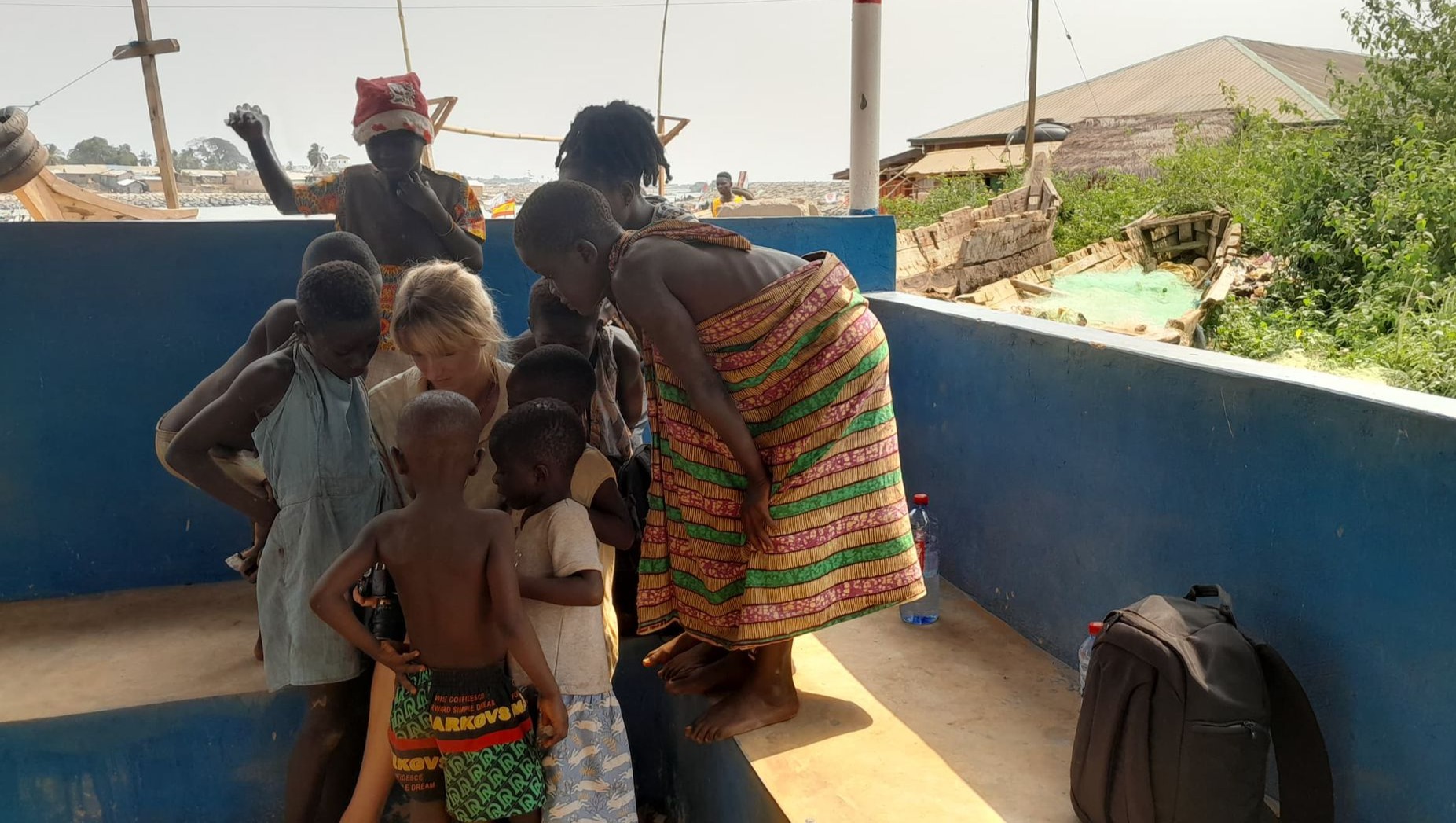
Together, we approach this project not as problem-solvers arriving with answers, but as filmmakers-researchers committed to listening first. By combining local knowledge, long-term engagement, and an outward-looking research perspective, this collaboration aims to create space for fishermen in Axim to reflect on the use and impact of plastic fishing nets — and to shape what comes next on their own terms.
Across previous projects, they have worked closely with communities to document everyday practices — from fishing and building techniques to the symbolic and spiritual meanings attached to land and water. Below the Surface: In Search for the Sea God emerged from this long-term engagement with coastal life and serves as the foundation for the current research in Axim.
Project Timeline
- Early January: Arrival in Axim
- Jan 8–15: Community screening of Below the Surface and group discussions
- Jan 16–25: Field research, interviews, observation, and documentation
- February onwards: Analysis, editing, and sharing findings with the community
Ethics & Methodology Statement
Our Research Approach:
This project follows a participatory and reflective research methodology. By using an existing documentary as a shared point of reference, we create space for dialogue rather than extraction. Filming is collaborative, consent-based, and grounded in long-term relationship-building.
We value process over speed, and listening over fixing.
FAQ
Why don’t you already have a recycling solution?
Because this project prioritises research and local knowledge. We believe solutions should emerge from the lived realities of fishermen, not be imposed before understanding the full context.
Is this a clean-up project?
No. This is a research and documentation project focused on understanding use, impact, and perception of plastic fishing nets. Clean-ups or recycling initiatives may follow later, informed by the research.
Who controls the donated funds?
This is a locally organised project. While funds support the research process, decisions around collaboration and future directions are made with the community in Axim.
What will happen to the documentary material?
Footage will be shared responsibly, with the intention of community screenings, festival submissions, and educational use — always with respect for participants.
Donation Milestones
€500 → Community screening & discussion setup
€2,000 → Full research period supported
€3,000 → Complete documentation + local collaborator support
Thank you to everyone who has supported this project so far. We want to share why this phase focuses on research rather than immediate solutions. Plastic fishing nets sit at the intersection of livelihood, necessity, and environmental harm. Understanding this complexity — together with fishermen — is essential before any action is taken. Your support makes this careful approach possible.
Organizer
Sarah Noordeloos
Organizer