
Help Finlee get a Diabetic Alert Dog
0% complete
$325 raised of $25K
3 donations
September 21, 2025
On Finlee’s 6th birthday, I took her into urgent care after church because she wasn’t looking like herself, and there were other symptoms I had been noticing for a few days that had me worried. I had a suspicion of what it could be, but I was really hoping that my “mommy senses” were wrong.
Finlee and I walked into the urgent care, explained why we were there, and checked in. While checking in, they realized it was her birthday and made the cutest little gift bag for her to help her feel special. Once we were called back, she was weighed at 38 lbs (just a month prior she was 45 lbs). When I shared my concerns with the nurse, they immediately tested her glucose levels—and they came back at 556! Right then and there, I knew my “mommy senses” had been right, and we had a long road ahead with the diagnosis I suspected we were about to receive.
The urgent care doctor felt comfortable letting me drive her to Idaho Falls Community Hospital, so we started the 40-minute drive from Rexburg while Finlee slept the whole way. The urgent care had called ahead, so when we arrived, we were called back quickly—which I was grateful for because the lobby was full.
When we got back, they placed an IV so they could draw labs and give her fluids. Shortly after, her labs came back with a CO₂ level of 9, which officially confirmed the diagnosis of DKA (Diabetic Ketoacidosis).
DKA stands for Diabetic Ketoacidosis, a life-threatening condition where the body starts breaking down fat too quickly, causing acids called ketones to build up in the blood.
Once her fluids were done, we took a short ambulance ride to EIRMC (Eastern Idaho Regional Medical Center). At the ER there, more labs were drawn, and she was quickly admitted to the PICU (Pediatric Intensive Care Unit). Very soon after arriving, she was given a second IV—for additional labs, more fluids, an insulin drip, and a few other medications.
The doctor in the PICU told me she couldn’t believe Finlee had been walking and talking, based on how severe her lab results were. According to her labs, she should have been in a coma—or close to it. That was incredibly hard to hear as a mother. You never think you could possibly lose one of your children at such a young age.
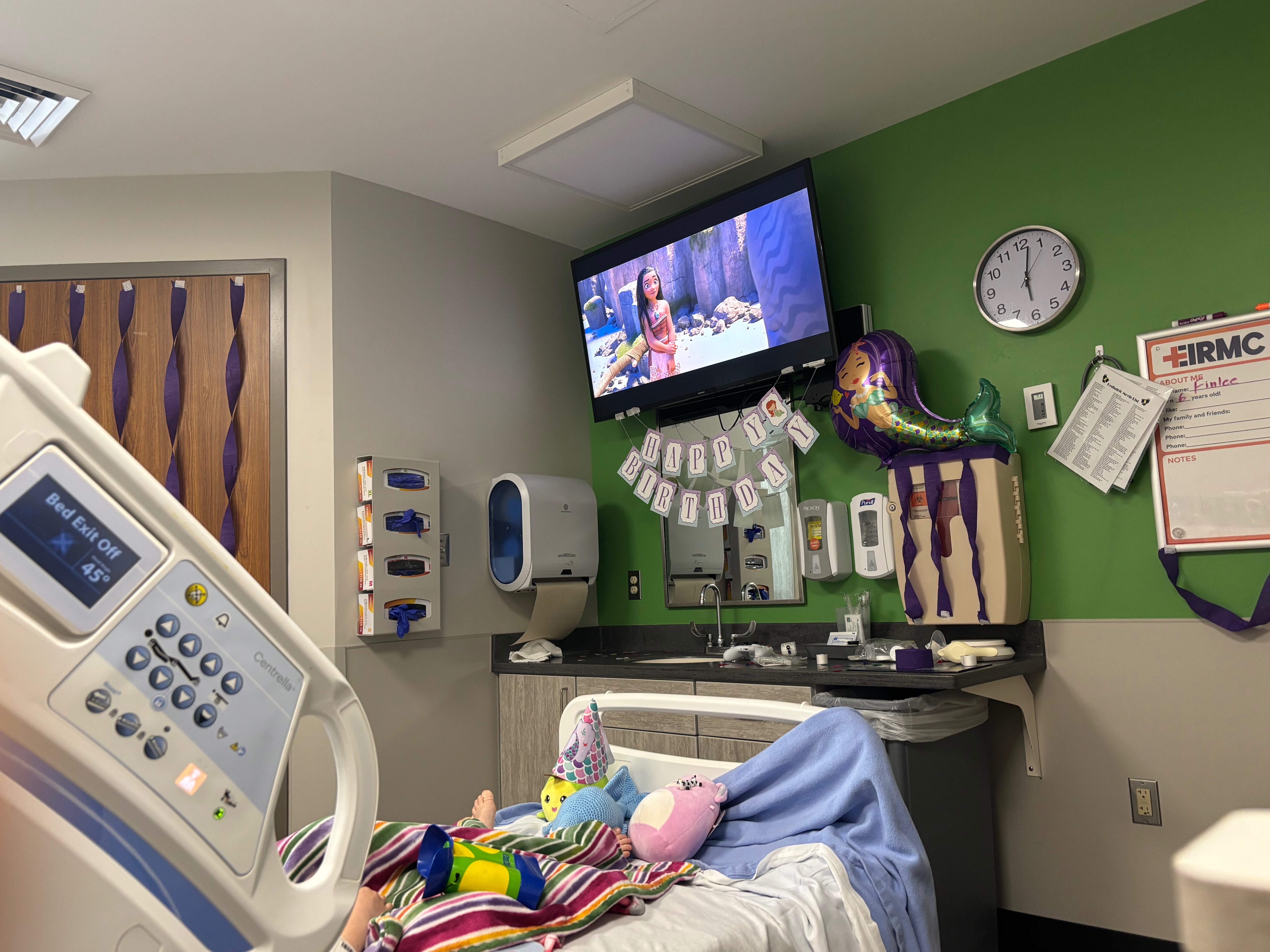
That day, she was officially diagnosed with Type 1 Diabetes. The nurses did everything they could to make the experience brighter. They decorated her room for her birthday and spoiled her with stuffed animals and toys. I could never fully express how wonderful the nurses and doctors in the PICU at EIRMC were to this little girl during such a scary time.
Unfortunately, she still had to get her finger pricked every hour so they could dose her insulin correctly and get her glucose levels down safely. Luckily, she was only in the hospital for 24 hours—they needed her CO₂ levels to be at 21 before she could be discharged. After that, she was paired with the most wonderful pediatric endocrinologist in southeastern Idaho.
While all this was going on, Dustin’s brother and his wife were a huge help, watching our four other kids while Dustin and I swapped places at the hospital that night. I was still breastfeeding Hudson and needed to feed him and get our two other kids ready for preschool the next morning. The next day, after preschool, Dustin drove the girls to his sister’s house, who kindly offered to watch them while Finlee was discharged and had her first endocrinology appointment. I’m incredibly grateful for family who are willing to take time out of their day—or night—to help during a medical emergency like this.
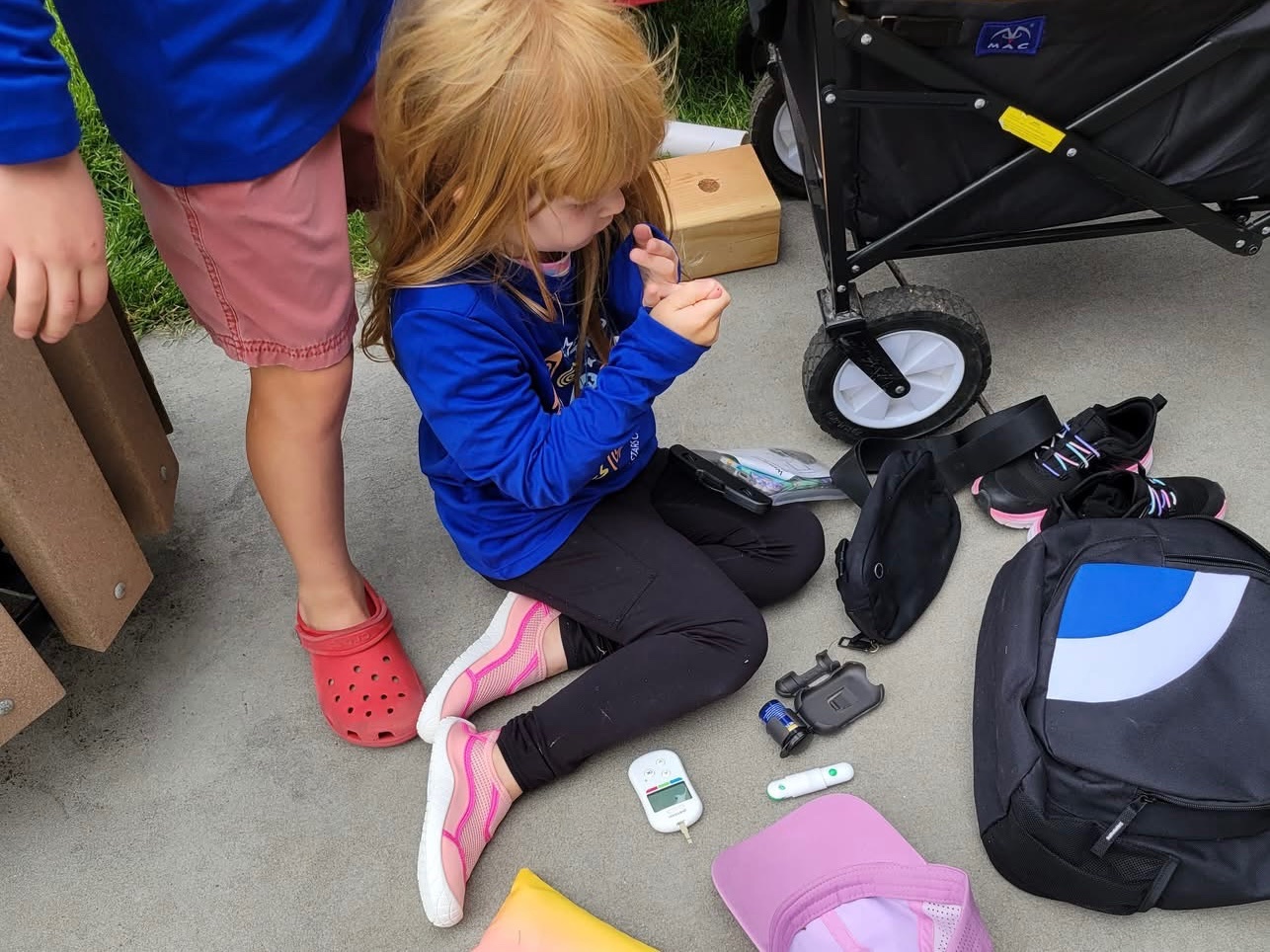
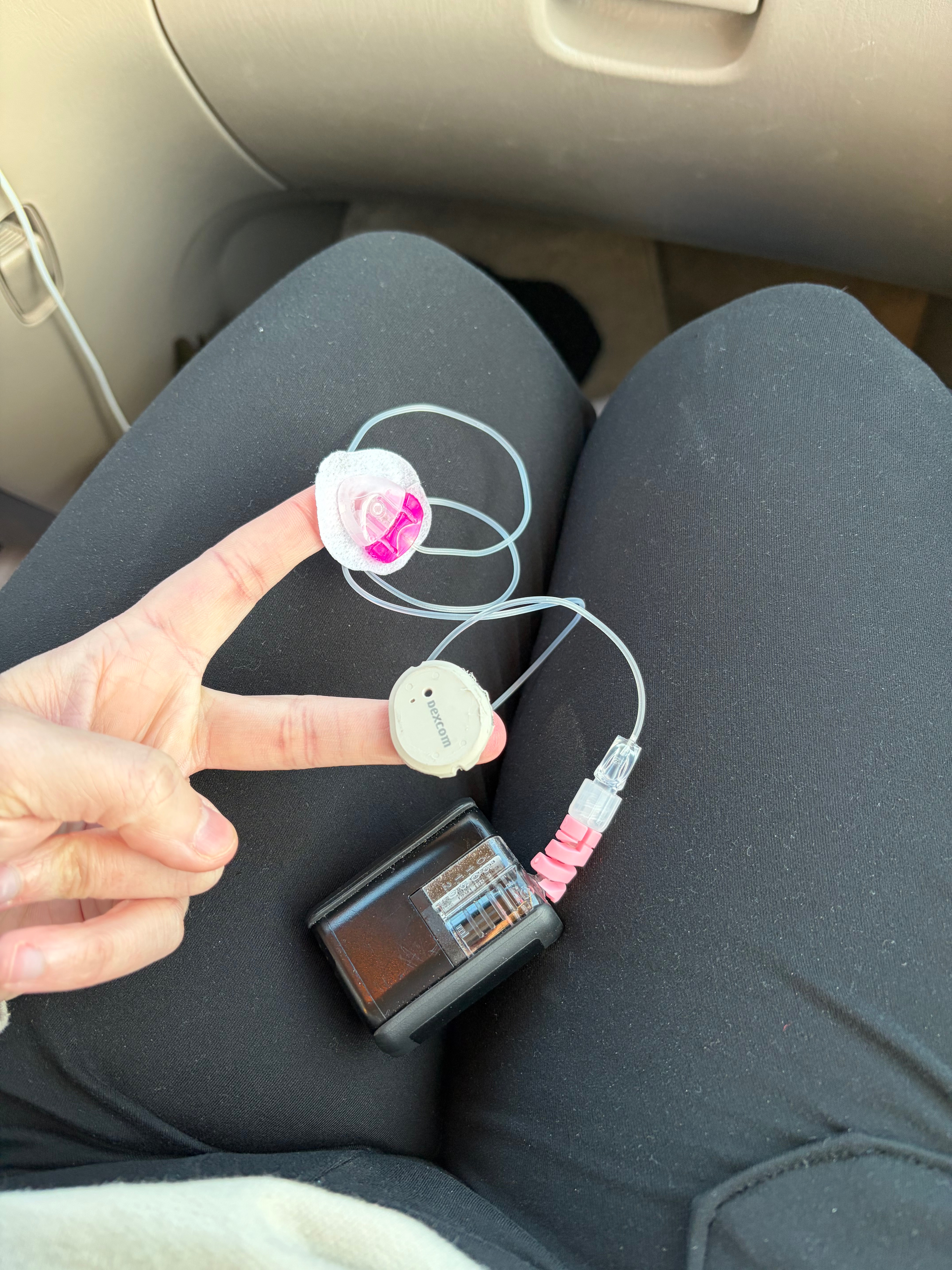
November is National Diabetes Awareness Month, and we wear blue for Type 1 Diabetes. Thanks to modern technology—like continuous glucose monitors (CGMs), insulin pumps, and tracking apps—managing Type 1 has become less stressful and scary. In just a week, Finlee has learned so much for her age. This diagnosis will follow her for life, but she has already shown she’s braver and stronger than I ever imagined. Honestly, I think she handled that first week better than her own mom!
I share her story to help others recognize the signs of hyperglycemia (high blood sugar) and hypoglycemia (low blood sugar)—so they can act quickly when someone may need medical help.
Common signs of Type 1 Diabetes in children:
* Excessive thirst
* Frequent urination (especially at night)
* Sudden, unexplained weight loss
* Fatigue or mood swings
* Fruity-smelling breath
* Blurred vision
* Nausea or vomiting
If you notice several of these symptoms, trust your instincts and contact a doctor or urgent care immediately. Early detection saves lives.
Organizer