- N
- A
- V
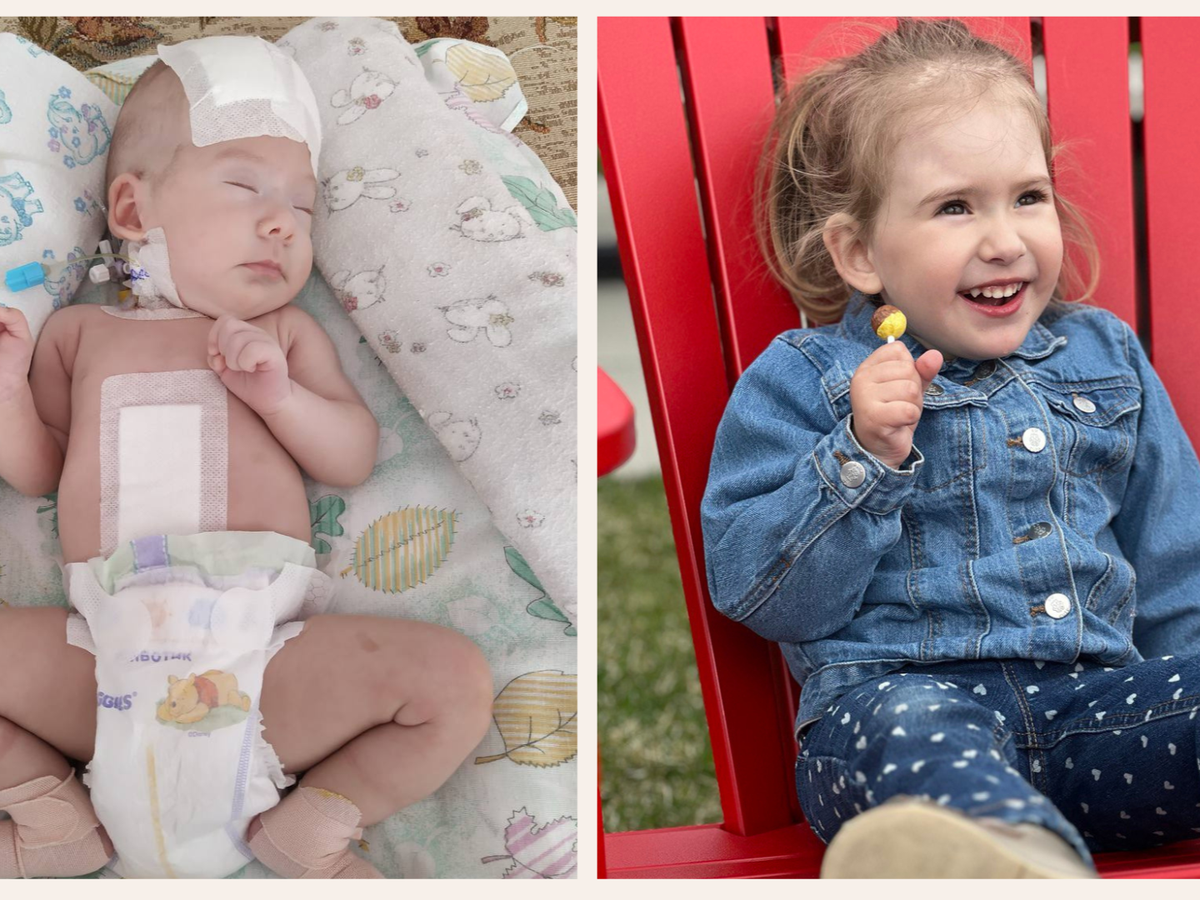
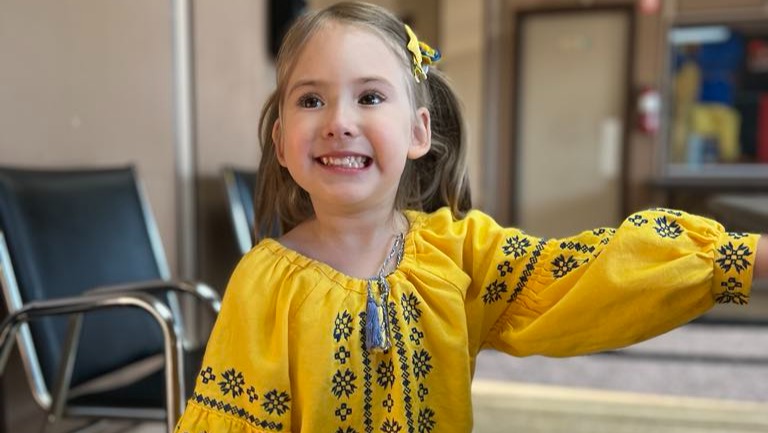
Hello, my name is Nataliia. I am the mother of a wonderful, smiling girl named Diana. She loves the yellow color, wants to go to school, and is eager to learn to dance. At first glance, it’s hard to tell that Diana is different from her peers. This is thanks to God's grace and the long, exhausting daily rehabilitation process that has been ongoing since her birth.
When I was six months pregnant, my husband and I found out that our daughter had congenital defects: Spina Bifida (myelomeningocele) and hydrocephalus. We were shocked, to say the least. During the pregnancy, we had undergone all the recommended tests to ensure our baby would be healthy. However, at 26 weeks, the doctors noticed something unusual. After additional examinations, they diagnosed a range of defects, including Spina Bifida (myelomeningocele) and hydrocephalus.
Hydrocephalus (water on the brain) is a condition in which excess cerebrospinal fluid accumulates in the brain's ventricles, causing increased intracranial pressure and damage to brain tissue. Causes can include congenital anomalies, infections, hemorrhages, head injuries, or tumors. Symptoms include headaches, nausea, vision disorders, coordination problems, and cognitive impairments. Treatment may involve surgical procedures such as shunting or endoscopic third ventriculostomy, as well as medication therapy to regulate cerebrospinal fluid circulation.
Spina bifida(myelomeningocele) is a congenital defect in which the spinal column fails to close completely during early fetal development, resulting in an opening in the spine. This can lead to part of the spinal cord and its protective membranes protruding through the back, often causing nerve damage and varying degrees of physical and intellectual disabilities. The severity of spina bifida can range from mild (spina bifida occulta) to severe (myelomeningocele), where a significant portion of the spinal nerves is exposed, potentially causing serious complications such as paralysis, bladder and bowel control issues, and hydrocephalus.
Likely, early diagnosis, often through prenatal screening, allows for interventions that can improve outcomes, such as surgical correction shortly after birth or even in utero, as well as ongoing medical care and support to manage associated health issues. Thanks to God and the community of parents whose children have the same diagnosis, we managed to ensure that Diana received timely help at birth.
Diana was born in the summer of 2020 in Kyiv, the capital of Ukraine, at Okhmatdyt, the National Specialized Children's Hospital, where they provide medical care to children with the most severe diseases. Immediately after birth, Diana underwent an operation on her spine that lasted over eight hours. Thanks to God and the doctors, the surgery was successful. Soon after, Diana had a second operation, this time on her head, where they placed a special implant (shunt) that helped prevent excessive pressure in her head. This allowed Diana to be developmentally on par with her peers, avoiding the risk of cognitive impairments.
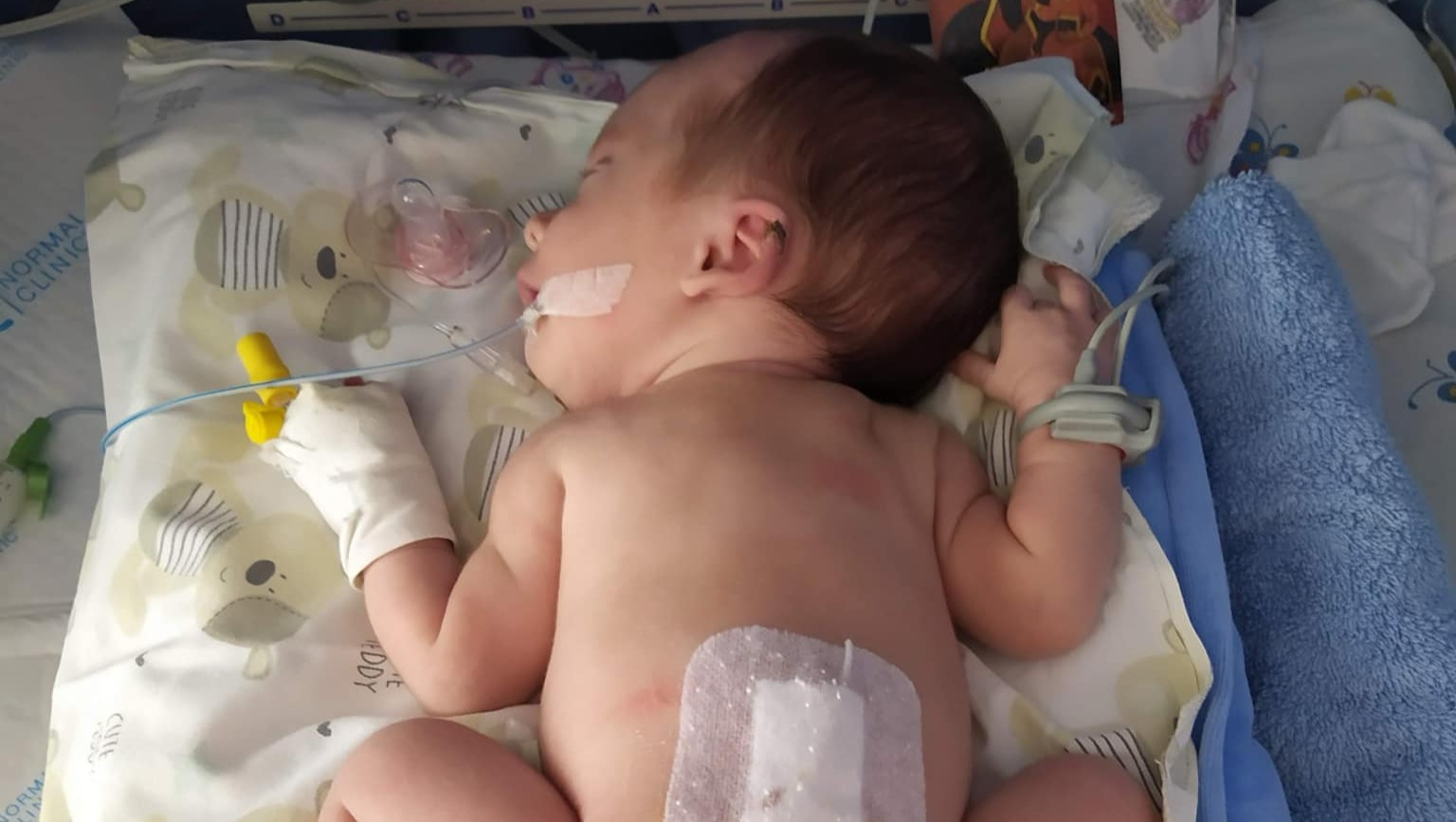
The first photo after 1st surgery on her back
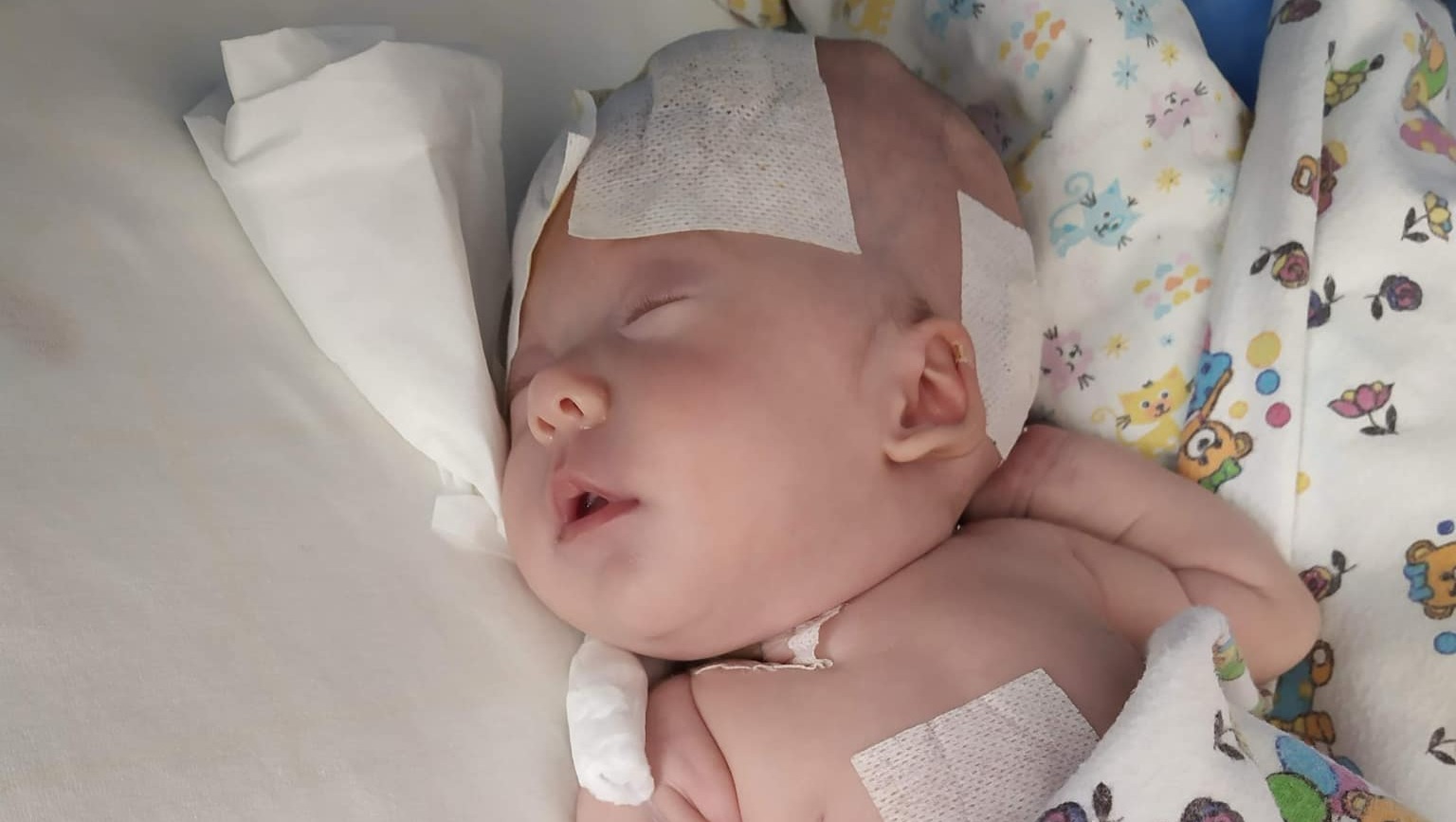
The photo after the second surgery on her head (shunt)
It is hard to express how challenging the first months after our daughter’s birth were for my husband and me. Our minds were constantly filled with questions: “What will happen next?”, “Will the shunt fail? What do we do if it does?”, “Will our daughter be able to walk?”, “Will she have mental impairments?”, “Will she be able to use the toilet on her own?”, “How will she handle catheterization when she’s at school?”, “Will she not be able to walk to school on her own?” Despite all these concerns, we decided to focus on one crucial question: “What can we do to ensure her rehabilitation goes as well as possible?”
Maybe only our faith in God's grace and mercy, along with the support of our loved ones, helped us stay strong and overcome each challenge step by step.
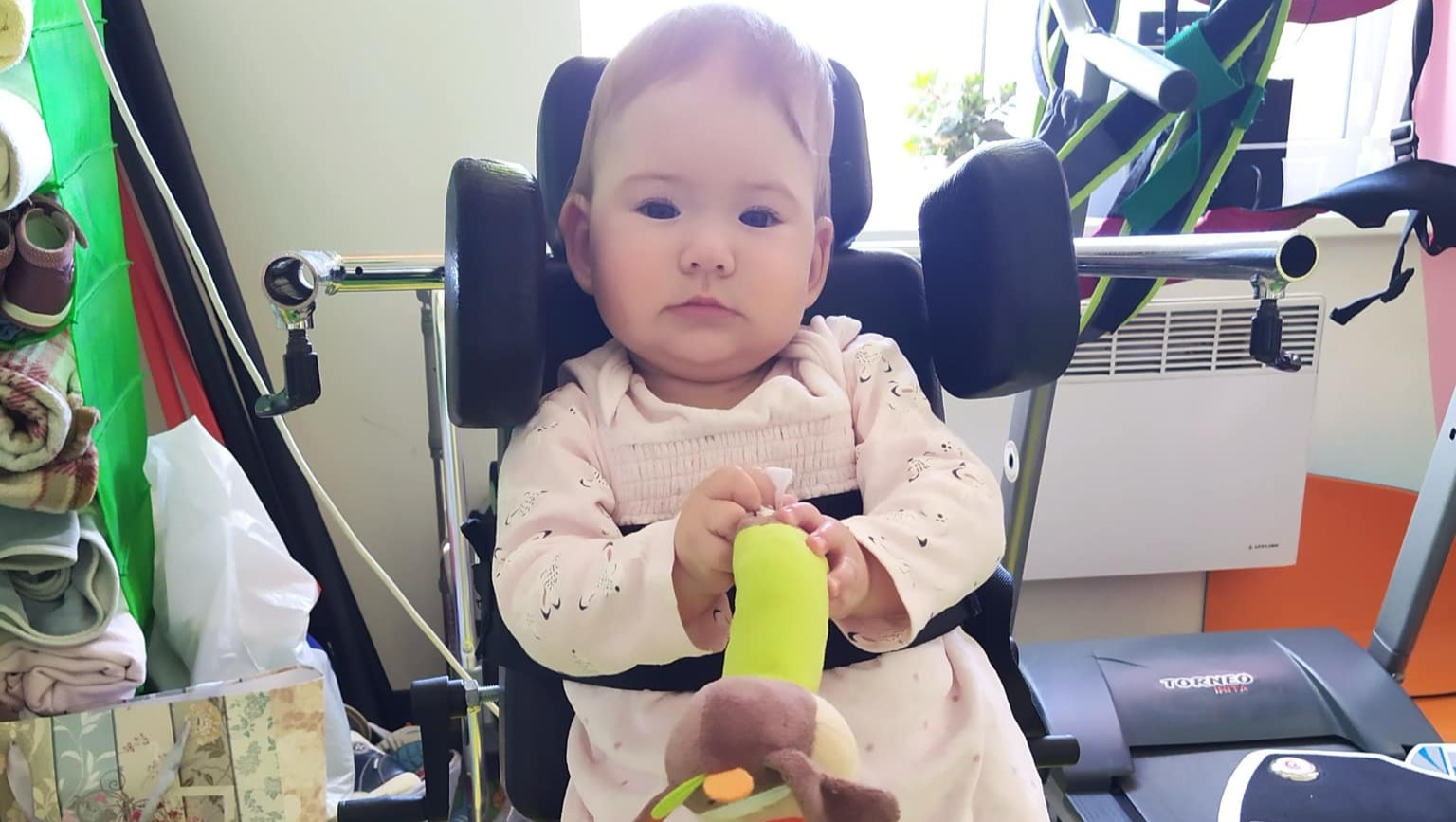
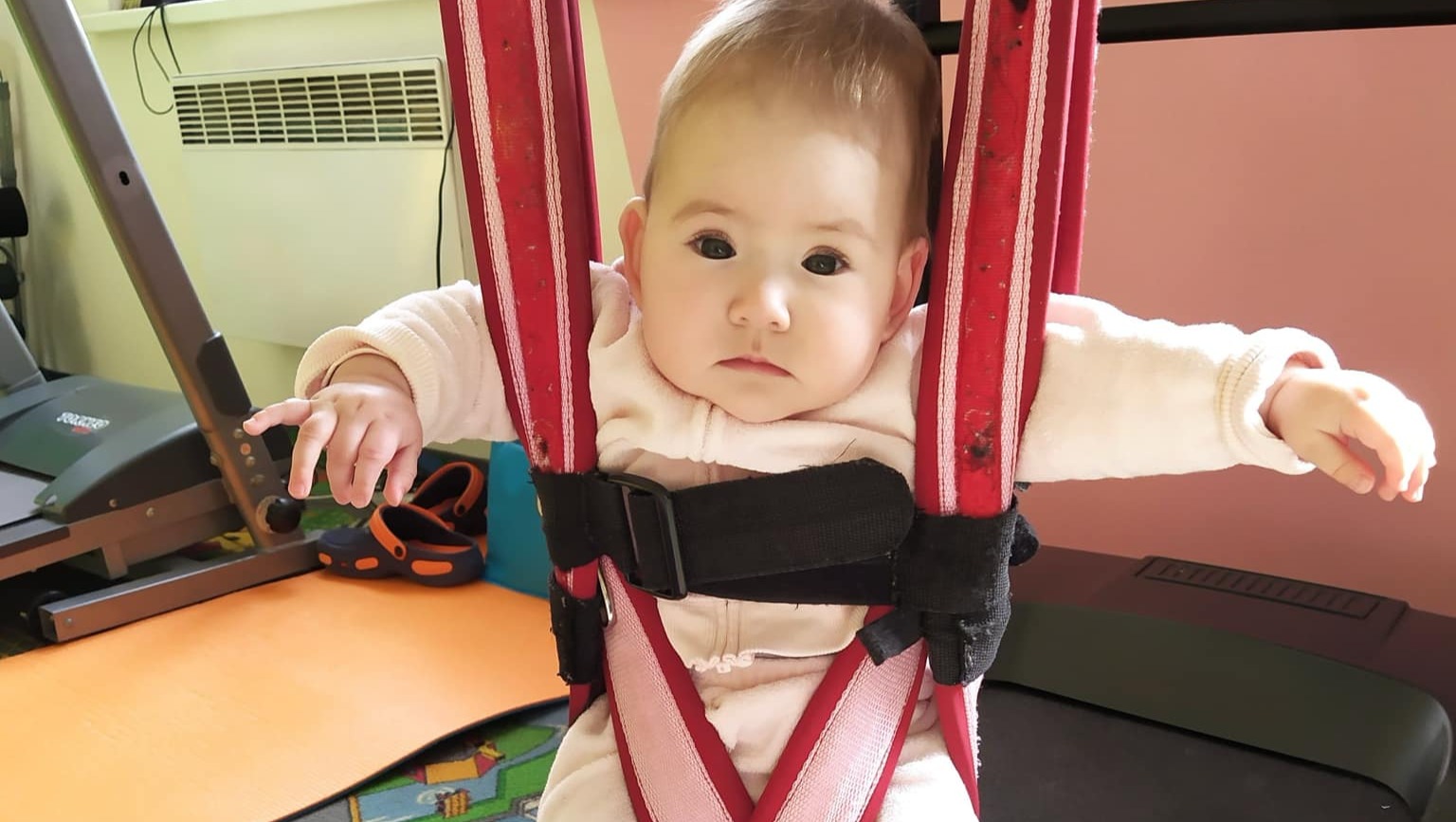
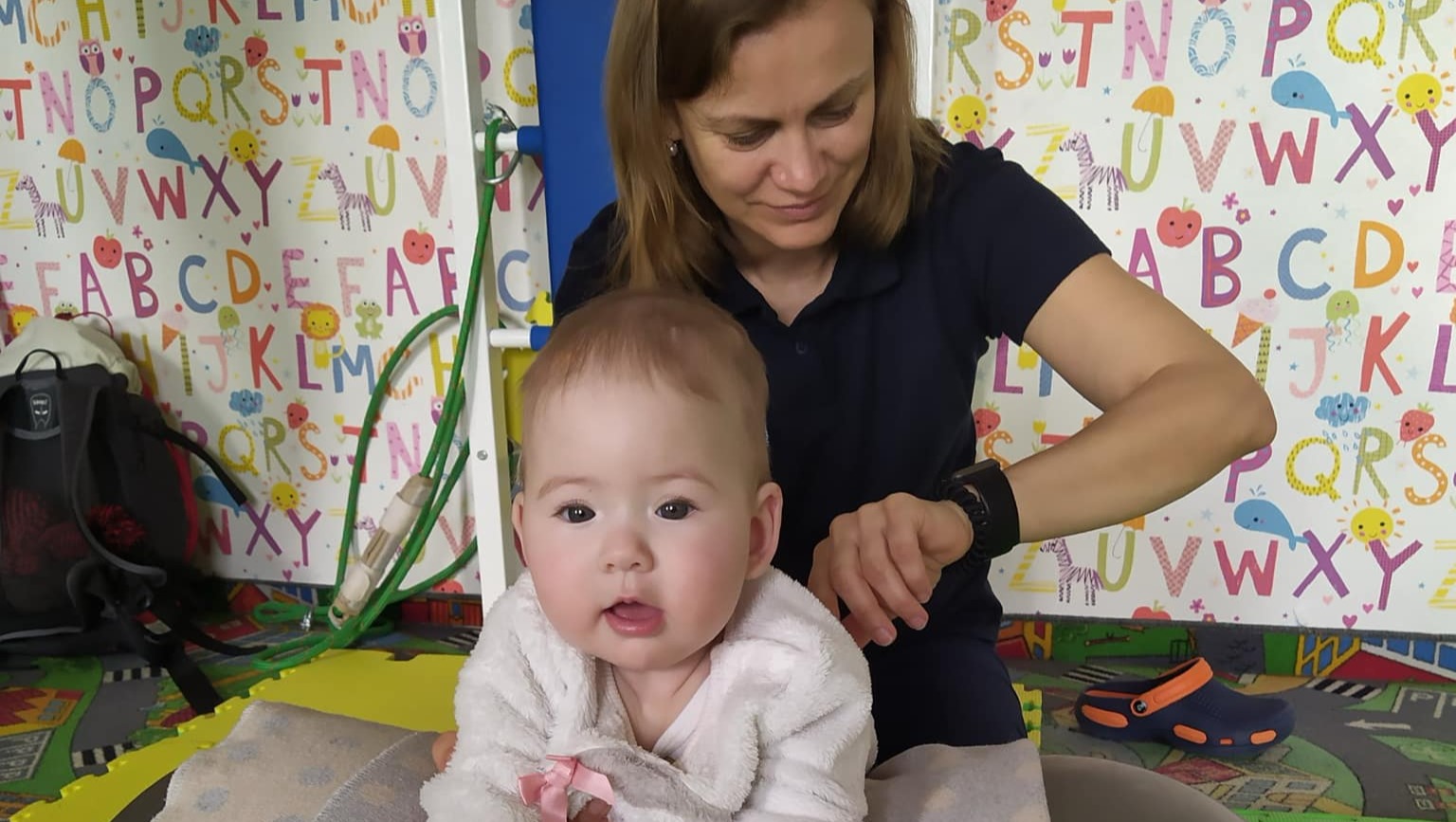
After a challenging two-month stay in the hospital, we finally returned home and soon began a lengthy course of physical rehabilitation for our three-month-old daughter. This meant practically living in our car, as we had to travel 50 kilometers daily for her rehabilitation sessions.
We found a modern rehabilitation center in Ivano-Frankivsk, where, thanks to the dedication of excellent therapists, Diana started to show incredible progress. She learned to hold her head up, then crawl, and eventually sit up on her own.
As Diana grew, we were thrilled with her rehabilitation results, which gave us hope that she might one day walk independently—a rare achievement for children with Spina Bifida (myelomeningocele). Unfortunately, our rehabilitation efforts were abruptly interrupted.
After February 2022, my husband and I realized that in the immediate future, we wouldn't be able to provide Diana with the necessary rehabilitation, let alone regular check-ups in Kyiv. After making the decision, on February 27, we packed essential items, including Diana's medications, and left to Europe.
The Czech Republic became our temporary refuge, where we struggled to determine our next steps. We needed to choose a country where we could rebuild our lives and access high-quality medical care and rehabilitation.
Following our Ukrainian doctors' recommendations, we chose Canada, known for its advanced research and treatment of Spina Bifida. We began preparing the necessary documents and, soon after, relocated to Canada with my husband and our 1.5-year-old daughter.
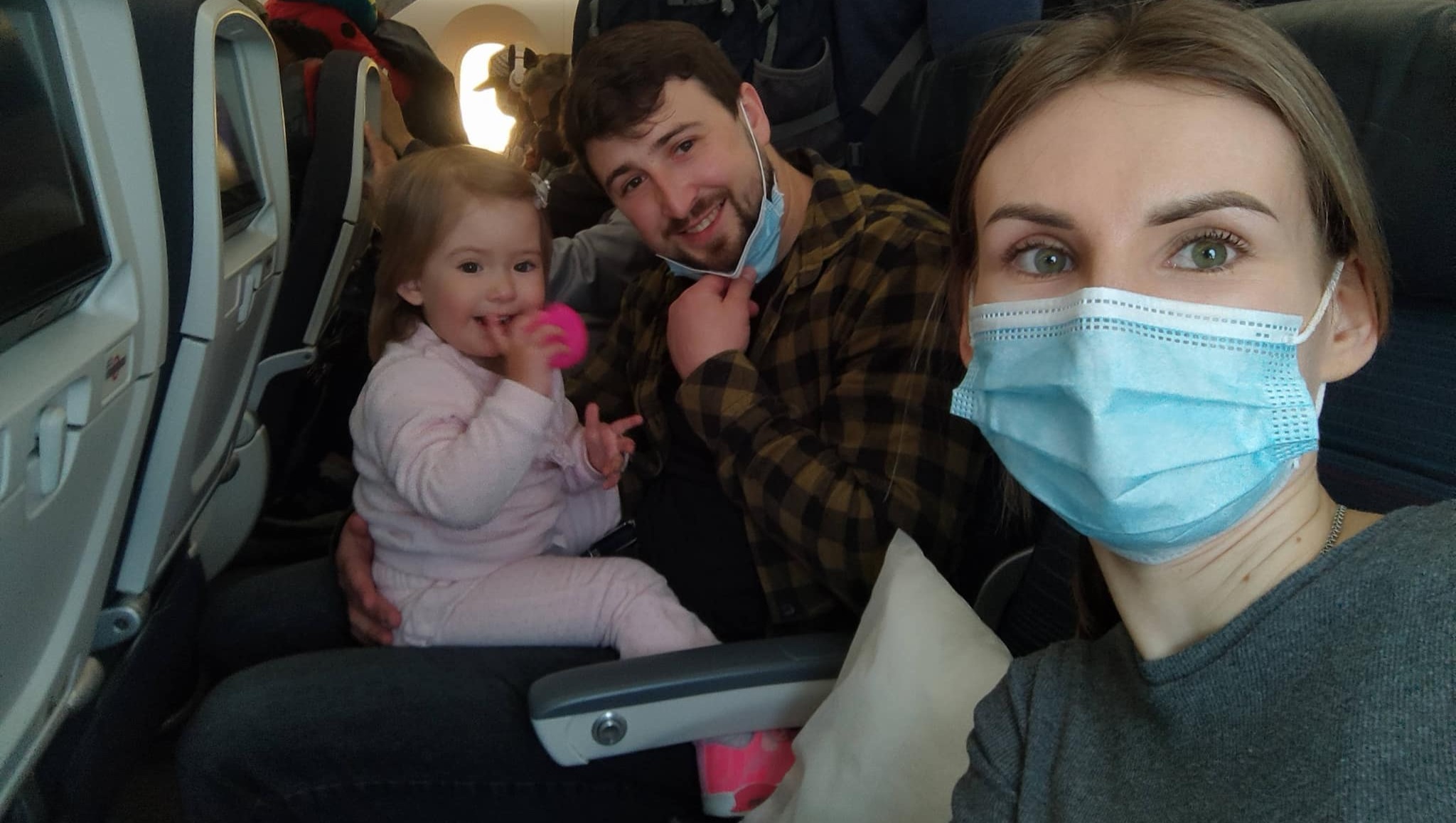
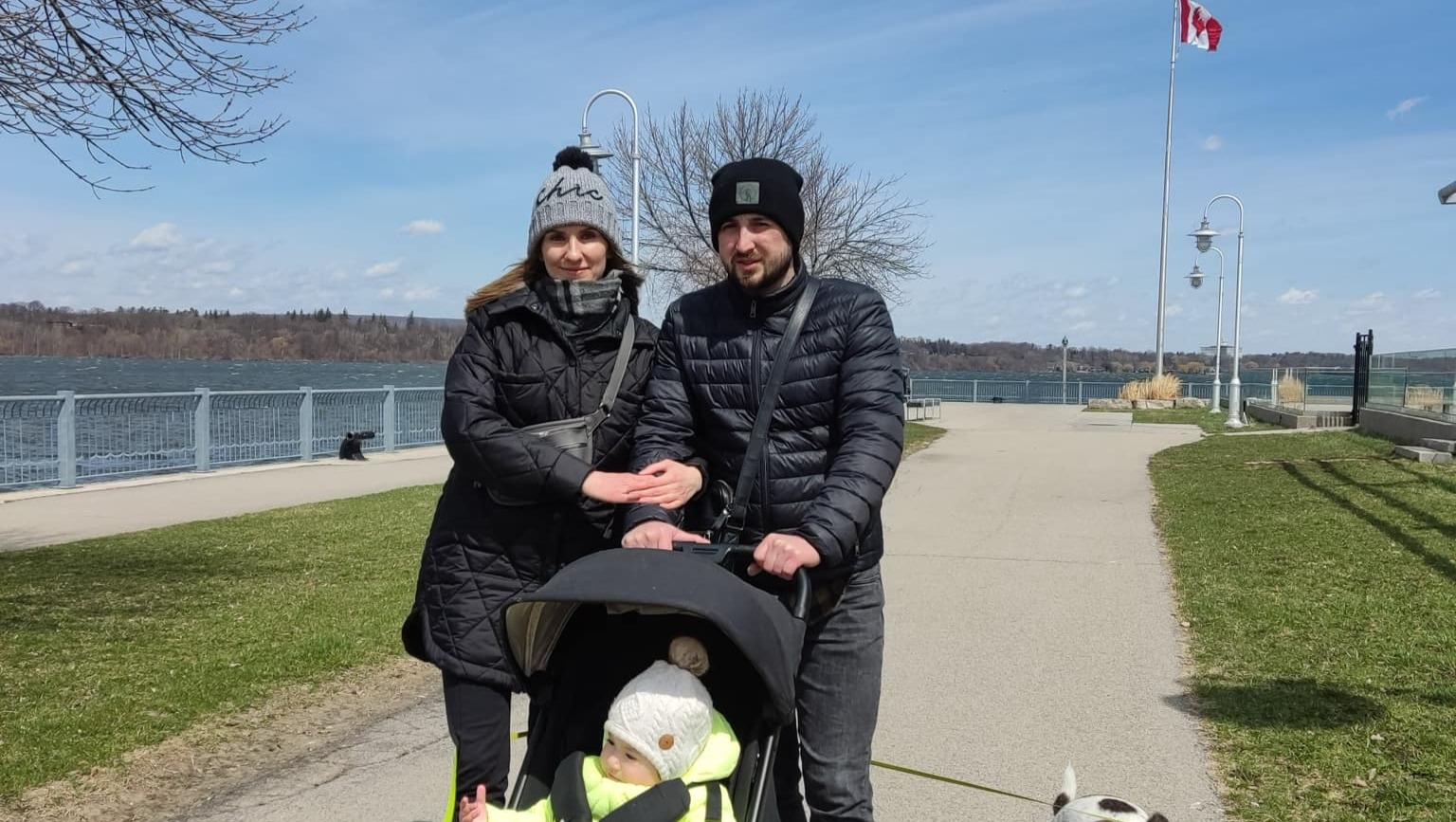
Like every newly arrived family in Canada, we faced numerous challenges as we had to start from scratch. During our first year, we lived in my cousin's home. My husband worked while I focused on caring for our daughter and searching for every available medical and rehabilitation program. I wrote to countless doctors, surgeons, and specialists about Spina Bifida and Hydrocephalus to expedite the resumption of Diana's treatment and rehabilitation.
It felt like we were back at square one as if we had returned to the early days after Diana's birth. The process of finding doctors, undergoing evaluations, and securing rehabilitation seemed endless. Adding to our difficulties, Diana struggled with the move, missing her grandparents in Ukraine, who had been a strong support for us. She frequently twisted her left leg, which developed painful abscesses and infections that she couldn’t feel, causing her significant distress.
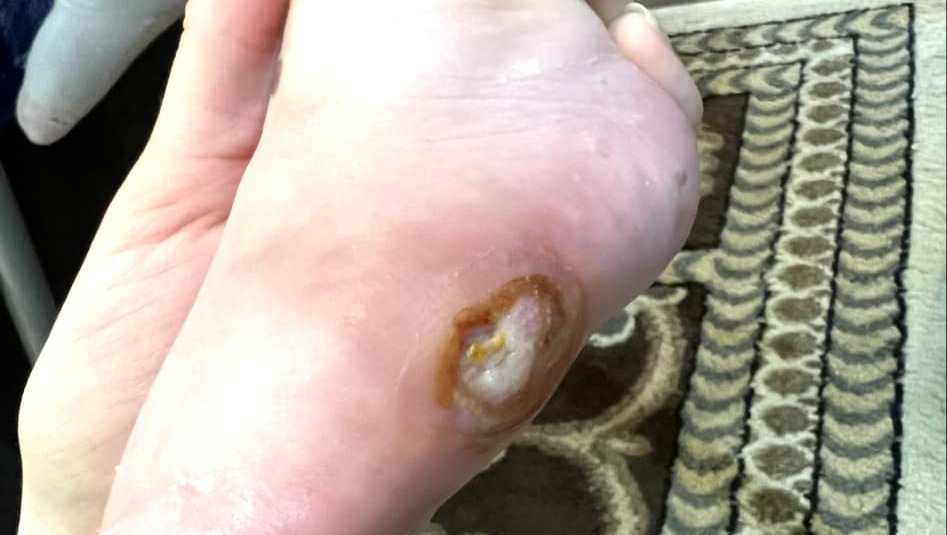
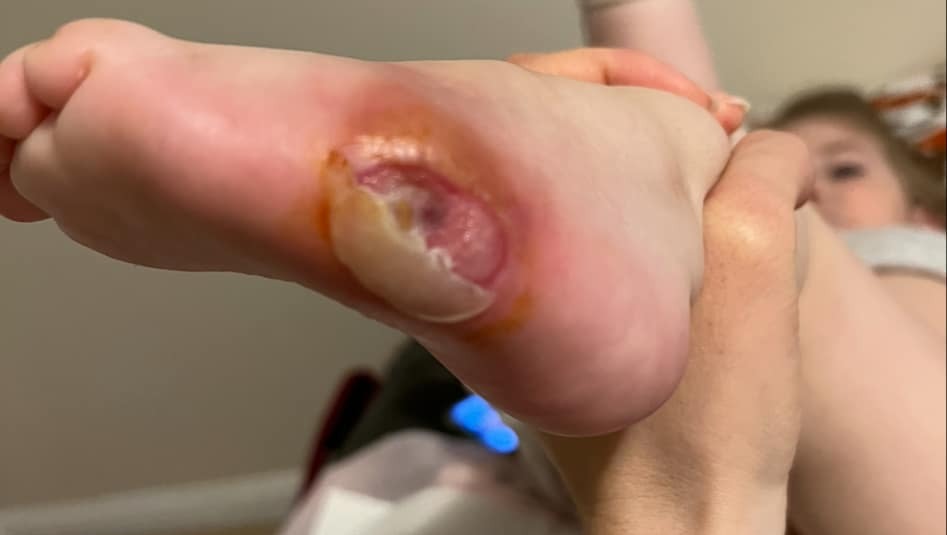
Thanks to the exceptional care from McMaster Children's Hospital in Hamilton, Ontario, and the outstanding Dr. Amardeep Singh and his team, Diana underwent successful surgery on her left leg, enabling her to stand on both legs fully. We are profoundly grateful for the ongoing support from the Spina Bifida Clinic at Ron Joyce Children's Health Centre, which helped us restart her rehabilitation with the use of orthotic footwear.
Once Diana recovered from the surgery, we devoted ourselves to finding rehabilitation centers that could support her in standing confidently. We were fortunate to discover the skilled professionals at Kids Physio Group (https://www.kidsphysio.ca/locations/hamilton/), led by the expert PT Kara O'Donnell. Their team created a comprehensive annual rehabilitation plan tailored to Diana’s progress and specific needs, providing us with invaluable support.
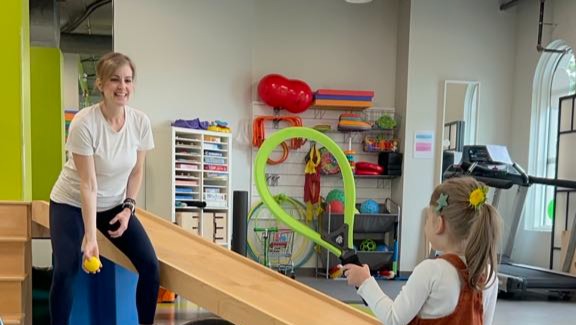
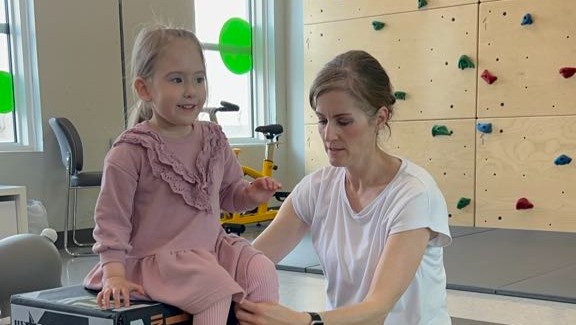
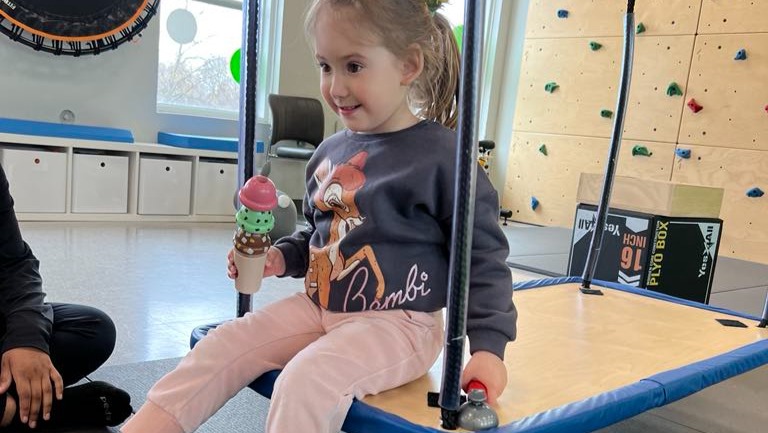
We have made significant progress in Diana’s rehabilitation, but our journey continues as we strive to help her walk independently, maintain her balance, and restore nerve function in her legs. Our goal is for Diana to have good sensitivity and to be able to run and dance, fulfilling her dreams.
In September 2024, Diana will start school for the first time, and we are eager to ensure she can stand on her own and play with her peers. We firmly believe that this is within reach. After overcoming numerous challenges and witnessing her progress, we understand that achieving this is a matter of time and resources.
To support Diana’s ongoing rehabilitation, we are launching a fundraising campaign to raise 50 000 CAD for a few years’ worth of therapy (two sessions per week). As newcomers to Canada, this amount is beyond our means. We are reaching out to all who are willing to help. We kindly ask for your financial support and for you to share our campaign with others.
Thank you for your time and generosity. May God bless you and your loved ones. We commit to providing a detailed account of every cent raised through this campaign.
For now, please use this link to see Diana's rehabilitation achievements: